
Nutrition comparison
Snow Fungus vs Oyster Mushroom: Which Is Better for Skin, Immunity, and Daily Nutrition?
Compare Snow Fungus and Oyster Mushroom side by side. Discover which mushroom wins for skin hydration, protein, immunity, cooking versatility, and everyday health value.
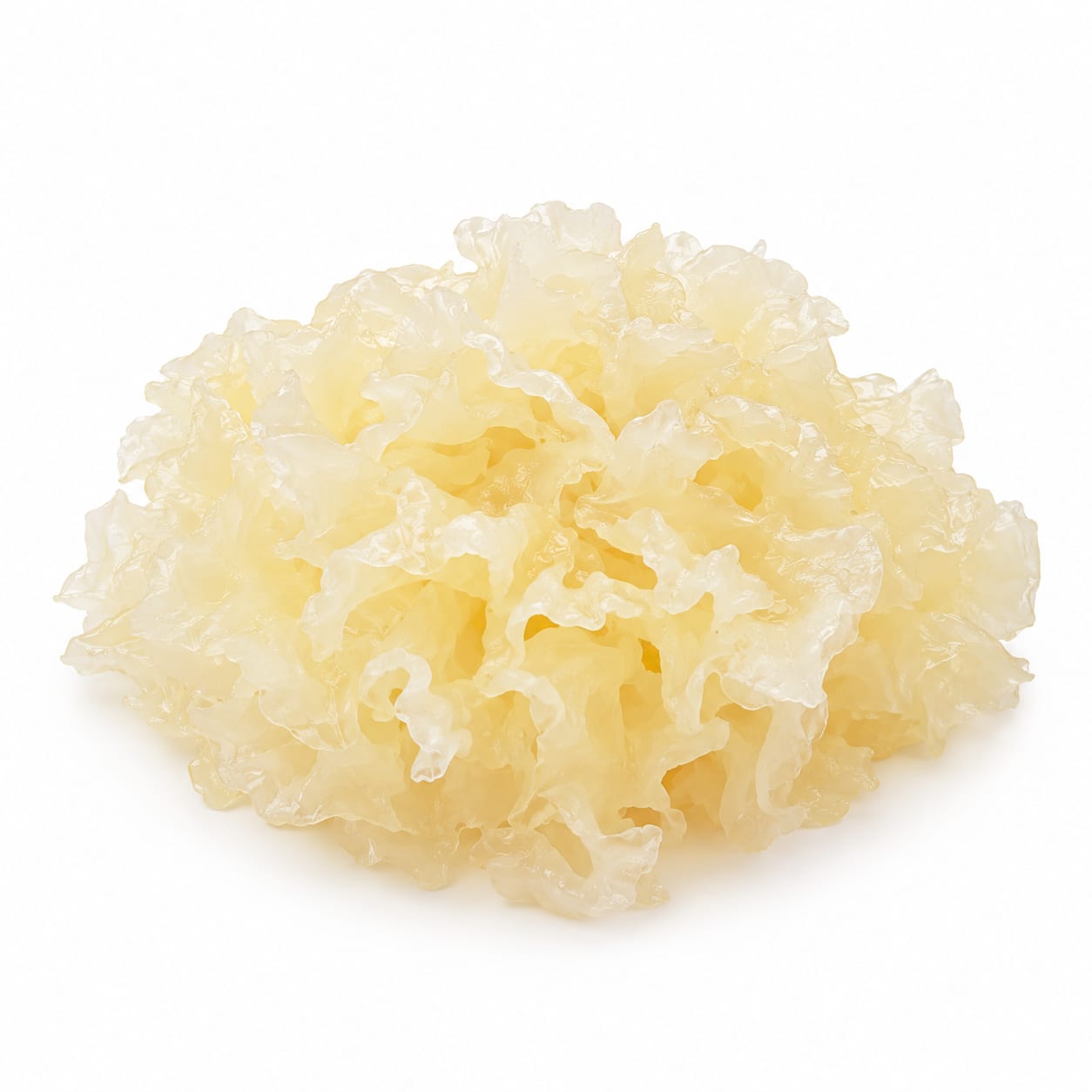
Snow Fungus
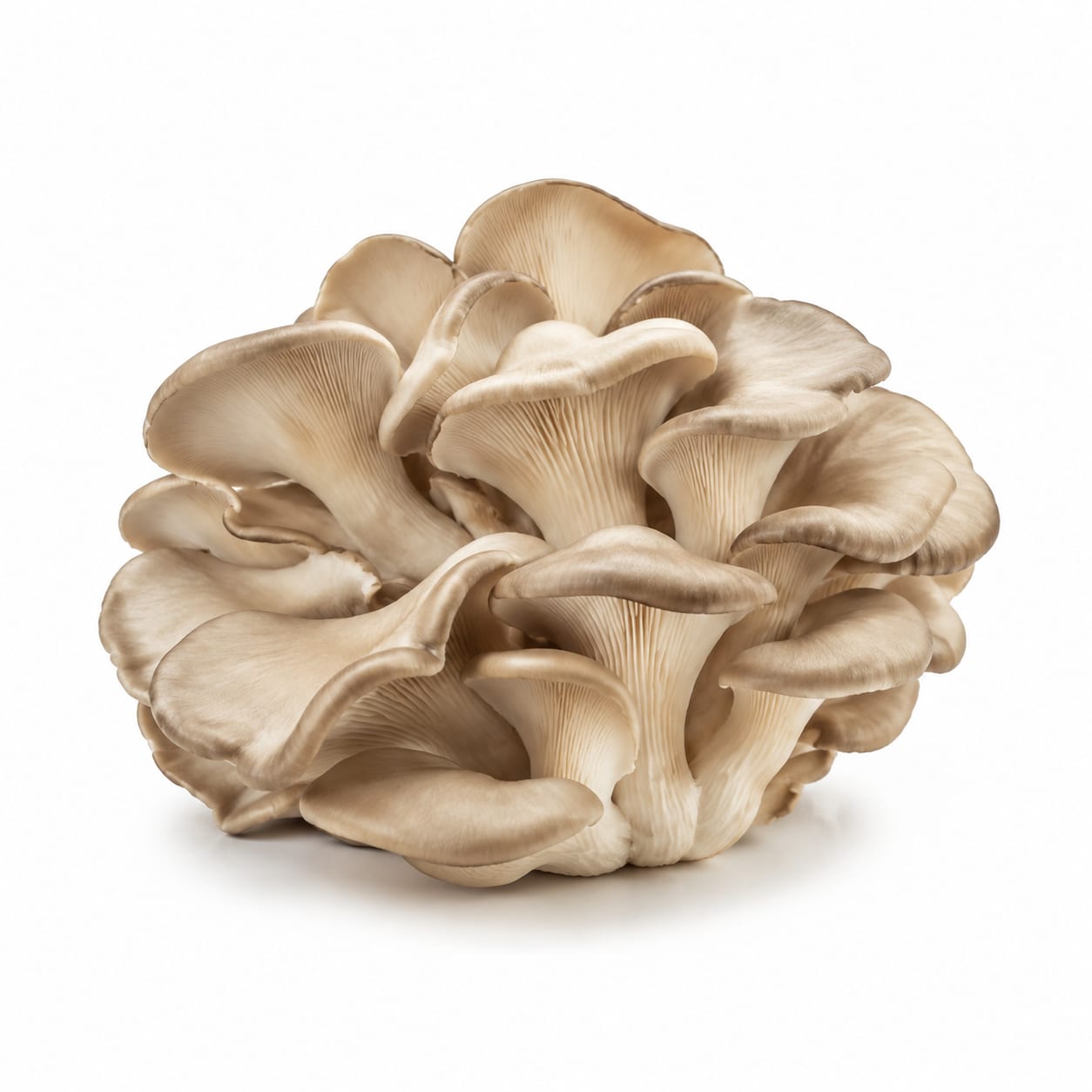
Oyster Mushroom
Snow Fungus excels at skin hydration and beauty-from-within benefits, while Oyster Mushroom delivers stronger everyday nutrition and culinary versatility.
Oyster Mushroom scores higher due to superior protein, broader micronutrients, culinary flexibility, and satiety value. Snow Fungus earns its niche score from unique skin-hydrating polysaccharides that Oyster Mushroom cannot replicate.
Glamour versus substance: Snow Fungus offers unique skin-supporting polysaccharides but minimal protein or satiety, whereas Oyster Mushroom provides real meal-worthy nutrition with broader health benefits.
At a glance
Executive summary
Overall
It depends
Healthier
Oyster Mushroom
More practical
Oyster Mushroom
Daily use
Oyster Mushroom
Key comparison lenses
Functional mushroom benefits comparison
Both are medicinal mushrooms with distinct bioactive compounds, so users are likely choosing between them for health outcomes rather than taste alone
Skin and beauty supplementation
Snow Fungus is famous for skin hydration while Oyster Mushroom lacks this reputation, making this a key differentiator
Everyday nutritional value
Oyster Mushroom is a common culinary ingredient with broader nutrient density, while Snow Fungus is more of a specialty supplement
Immune system support
Both contain beta-glucans but of different types, so users may want to know which better supports immunity
Practical culinary integration
Oyster Mushroom easily fits into meals while Snow Fungus requires specific preparation, affecting daily usability
Best choice for
Snow Fungus
- Skin hydration and anti-aging routines
- Beauty-from-within supplementation
- Traditional Chinese medicine approaches
- Light dessert soups and sweet tonics
- Vegan collagen-support regimens
Oyster Mushroom
- Everyday cooking and meal prep
- Protein intake from plant sources
- Heart health and cholesterol management
- Satiety and weight management
- Budget-friendly mushroom nutrition
Least suitable for
Snow Fungus
- Muscle building or high-protein diets
- People wanting a filling meal component
- Those unfamiliar with specialty Asian ingredients
- Quick weeknight cooking
- Savory dish versatility
Oyster Mushroom
- Targeted skin beauty supplementation
- Traditional tonic and dessert recipes
- Those specifically seeking Tremella polysaccharides
- Gelatinous texture preferences
Deep comparison
Dimension by dimension
Each lens scores both foods and breaks down who each option suits.
- Dimension 1 · Priority 92Snow Fungus
Skin and Hydration Benefits
Snow Fungus · 94Oyster Mushroom · 38Snow Fungus contains unique glucuronoxylomannan polysaccharides that mimic hyaluronic acid, drawing moisture into skin cells from within.
Tradeoff
You gain genuine beauty-from-within hydration with Snow Fungus but sacrifice the nutritional substance that Oyster Mushroom provides at mealtime.
Why it matters
For users investing in skin health through diet rather than topical products, Snow Fungus is one of the few foods with clinically relevant hydrating compounds.
Real-world impact
Regular Snow Fungus consumption can visibly improve skin moisture levels over weeks, while Oyster Mushroom would not move the needle on skin hydration specifically.
Snow Fungus
- Improving skin elasticity from within
- Complementing topical skincare routines
- Vegan alternative to collagen supplements
- Dry skin types seeking dietary support
Better for
- Anyone expecting protein or filling nutrition alongside skin benefits
Worse for
Oyster Mushroom
- General antioxidant skin protection
- Nutrients that support skin indirectly through overall health
Better for
- Targeted hydration and moisture-retention goals
Worse for
- Dimension 2 · Priority 88Oyster Mushroom
Protein and Satiety
Snow Fungus · 22Oyster Mushroom · 78Oyster Mushroom provides roughly 3-4 times more protein per serving than Snow Fungus, making it actually satisfying in a meal.
Tradeoff
Snow Fungus is almost purely functional with negligible protein, while Oyster Mushroom can meaningfully contribute to daily protein targets.
Why it matters
Protein is the main driver of fullness. A meal with Oyster Mushroom leaves you satisfied; Snow Fungus alone will not.
Real-world impact
Adding Oyster Mushroom to a stir-fry makes it a more complete meal. Snow Fungus in a soup is a supplement, not a meal component.
Snow Fungus
- Extremely low-calorie diets where minimal protein is acceptable
Better for
- Anyone using mushrooms as a protein source
- Meals where the mushroom needs to be filling
Worse for
Oyster Mushroom
- Plant-based eaters needing protein from varied sources
- Weight management through higher satiety
- Athletes seeking mushroom-based protein contribution
- Replacing meat with satisfying mushroom texture
Better for
- Calorie-restricted protocols counting every gram
Worse for
- Dimension 3 · Priority 85It depends
Immune and Medicinal Compounds
Snow Fungus · 82Oyster Mushroom · 80Both contain beta-glucans but of different structural types. Snow Fungus excels at anti-inflammatory and skin-protective immunity, while Oyster Mushroom offers broader immune modulation and cholesterol-lowering lovastatin.
Tradeoff
Snow Fungus targets inflammation and tissue-protective immunity more precisely, while Oyster Mushroom provides wider-spectrum immune support plus cardiovascular benefits.
Why it matters
Your choice depends on whether you prioritize targeted anti-inflammatory action or broader cardiometabolic protection.
Real-world impact
For autoimmune or inflammatory concerns, Snow Fungus may be more targeted. For general immune resilience and heart health, Oyster Mushroom covers more ground.
Snow Fungus
- Chronic inflammation management
- Autoimmune-aware immune support
- Tissue repair and recovery supplementation
Better for
- Those wanting cardiovascular benefits alongside immunity
Worse for
Oyster Mushroom
- Everyday immune resilience
- Cholesterol and heart health simultaneously
- Preventive broad-spectrum mushroom supplementation
Better for
- Specific anti-inflammatory and tissue-protective protocols
Worse for
- Dimension 4 · Priority 82Oyster Mushroom
Culinary Versatility and Enjoyment
Snow Fungus · 35Oyster Mushroom · 88Oyster Mushroom sautés, grills, roasts, and stir-fries beautifully with a meaty texture. Snow Fungus is limited to soups and sweet tonics with a slippery, gelatinous mouthfeel.
Tradeoff
Oyster Mushroom is a joy to cook with across cuisines. Snow Fungus is an acquired texture best suited to Asian dessert soups.
Why it matters
The best functional food is one you actually eat regularly. Oyster Mushroom wins on enjoyment and ease of adoption.
Real-world impact
You will find yourself cooking Oyster Mushroom weekly. Snow Fungus will likely sit in your pantry except for occasional soup recipes.
Snow Fungus
- Traditional Chinese dessert soups
- Beauty tonic recipes
- Experiential dining and texture exploration
Better for
- Anyone uncomfortable with gelatinous textures
- Western recipe integration
- Quick cooking methods
Worse for
Oyster Mushroom
- Weeknight stir-fries and pasta dishes
- Meat substitute recipes
- Grilling and roasting applications
- Global cuisine adaptation
Better for
- Traditional tonic and dessert preparations
Worse for
- Dimension 5 · Priority 78Oyster Mushroom
Micronutrient Density
Snow Fungus · 48Oyster Mushroom · 76Oyster Mushroom delivers meaningful B vitamins, potassium, iron, and ergothioneine. Snow Fungus is micronutrient-light beyond its signature polysaccharides.
Tradeoff
Snow Fungus concentrates its value in one bioactive compound family, while Oyster Mushroom spreads nutritional value across multiple vitamins and minerals.
Why it matters
For daily nutritional insurance, Oyster Mushroom contributes more to preventing common deficiencies.
Real-world impact
A serving of Oyster Mushroom helps cover B-vitamin and mineral needs. Snow Fungus contributes almost nothing to your daily vitamin targets.
Snow Fungus
- Targeted polysaccharide supplementation
- Supplement stacks where other foods cover vitamins
Better for
- Reliance on it for broad nutritional coverage
Worse for
Oyster Mushroom
- B-vitamin intake, especially B3 and B5
- Potassium for blood pressure management
- Iron contribution for plant-based diets
- Antioxidant ergothioneine for cellular protection
Better for
- Specific polysaccharide-focused supplementation goals
Worse for
- Dimension 6 · Priority 72Oyster Mushroom
Cost and Accessibility
Snow Fungus · 40Oyster Mushroom · 82Oyster Mushroom is widely available fresh in grocery stores at low cost. Snow Fungus is typically sold dried in Asian markets or as supplements at premium prices.
Tradeoff
Convenience and affordability favor Oyster Mushroom dramatically. Snow Fungus requires specialty sourcing and rehydration prep.
Why it matters
Accessibility determines whether a health food becomes a habit or a one-time experiment.
Real-world impact
You can grab Oyster Mushroom at any supermarket. Snow Fungus requires a trip to an Asian grocery or online order, adding friction to regular use.
Snow Fungus
- Supplement-form convenience if purchased as capsules
- Long shelf life when dried
Better for
- Budget-conscious consumers
- Rural areas without Asian grocery access
- People who prefer fresh over dried ingredients
Worse for
Oyster Mushroom
- Fresh availability in regular grocery stores
- Lower cost per serving
- Farmer market accessibility
- Home growing kits available
Better for
- Supplement-focused users wanting concentrated doses
Worse for
Timeline
Health impact over time
Short-term
Hours to days
Snow Fungus
- Mild digestive soothing from gelatinous fiber
- Quick hydration boost to skin within days of regular consumption
- Very low calorie intake supporting short-term diet goals
- Minimal blood sugar impact
Oyster Mushroom
- Noticeable satiety after meals due to protein and fiber
- Steady energy without blood sugar spikes
- Digestive regularity from fiber content
- Immediate culinary satisfaction from umami flavor
Long-term
Months to years
Snow Fungus
- Improved skin moisture retention and elasticity with consistent use
- Reduced systemic inflammation markers over months
- Potential anti-aging effects through tissue-protective polysaccharides
- Minimal caloric contribution to long-term energy balance
Oyster Mushroom
- Lower LDL cholesterol from regular lovastatin intake
- Improved cardiovascular risk profile over months
- Better immune resilience during cold and flu seasons
- Sustained contribution to plant-based protein needs
- Long-term cellular protection from ergothioneine antioxidant
Risk profile
Safety & processing
Both are whole natural foods with minimal processing concerns. Snow Fungus is typically sold dried without additives, and fresh Oyster Mushroom is as natural as produce gets. Supplement forms of either may contain fillers, so choose whole food versions when possible.
Snow Fungus
Sulfur dioxide residue from drying process
mediumSome commercially dried Snow Fungus is treated with sulfur dioxide as a preservative. Look for unsulfured varieties and rinse thoroughly before use.
Heavy metal accumulation
lowLike all fungi, Snow Fungus can absorb environmental contaminants. Source from reputable suppliers with testing practices.
Allergic reactions in sensitive individuals
lowRare but possible mushroom allergies. Start with small amounts if you have not consumed Snow Fungus before.
Oyster Mushroom
Spoilage from improper storage
mediumFresh Oyster Mushroom spoils within days. Slime, dark spots, or sour smell mean it should be discarded immediately.
Wild foraging misidentification
highForaging wild Oyster Mushroom carries risk of confusing with lookalikes. Only eat store-bought or expert-verified foraged specimens.
Pesticide residue on conventional crops
lowCommercial Oyster Mushroom generally has low pesticide concerns since it grows on substrate rather than soil, but organic is still preferable.
Who wins for whom
Audience fit
Same foods, different winners depending on your goal.
children
Oyster MushroomOyster Mushroom has a friendlier texture and mild flavor kids may accept in familiar dishes. Snow Fungus gelatinous texture is often rejected by children.
daily consumption
Oyster MushroomOyster Mushroom integrates easily into daily meals with broad nutritional benefits. Snow Fungus is better as a targeted supplement 2-3 times per week.
diabetes
Oyster MushroomBoth have minimal blood sugar impact, but Oyster Mushroom offers more nutritional value alongside stable glucose, supporting better overall metabolic health.
elderly
It dependsSnow Fungus supports skin and joint hydration that benefits aging tissue, while Oyster Mushroom provides B vitamins and heart protection elderly need. Both are valuable.
muscle gain
Oyster MushroomOyster Mushroom has meaningfully more protein per serving. Snow Fungus contributes negligible protein for muscle building.
weight loss
Oyster MushroomOyster Mushroom provides satiety from protein and fiber, making it easier to eat less overall. Snow Fungus is low-calorie but not filling.
Your move
Decision guide
Choose Snow Fungus
- You are specifically targeting skin hydration and beauty from within
- You follow traditional Chinese medicine principles
- You want an anti-inflammatory supplement rather than a food
- You enjoy making Asian dessert soups and tonics
- You already eat protein-rich foods and need a complementary functional supplement
Choose Oyster Mushroom
- You want a mushroom you can actually cook with regularly
- Plant-based protein intake matters to you
- Heart health and cholesterol management are priorities
- You need satisfying meals that support weight management
- Budget and grocery accessibility are important factors
- You are new to functional mushrooms and want the most versatile starting point
Either works if
- You want immune-supporting beta-glucans from whole food sources
- You are building a diverse mushroom rotation for broad-spectrum benefits
- Both are available and you enjoy variety in your diet
Avoid both if
- You have a diagnosed mushroom allergy
- You are on immunosuppressant medications without physician approval for medicinal mushrooms
- You expect either to be a magic bullet for serious health conditions
Final recommendation
For most people, Oyster Mushroom is the smarter daily choice because it delivers real nutrition you can feel at mealtime. Add Snow Fungus as a targeted beauty supplement 2-3 times weekly if skin hydration is a priority. They complement each other beautifully rather than compete.
Practical
Consumer tips
- 1
Buy Snow Fungus unsulfured and soak it for at least 30 minutes before cooking to reduce any preservative residue
- 2
Choose fresh Oyster Mushroom with firm, dry caps and no slimy spots — it should smell mild and earthy
- 3
Snow Fungus supplement capsules are convenient but check for fillers and polysaccharide content standardization
- 4
Oyster Mushroom growing kits are affordable and give you ultra-fresh mushrooms at home for weeks
- 5
Combine both in a single soup: Oyster Mushroom for substance and Snow Fungus for beauty benefits
- 6
Store dried Snow Fungus in an airtight container away from light and it lasts over a year
- 7
Never eat Oyster Mushroom raw — always cook thoroughly to eliminate potential digestive irritants