
Nutrition comparison
Snow Fungus vs Gelatin: Which Is Better for Skin, Joints, and Health?
Compare Snow Fungus and Gelatin for skin hydration, joint support, protein content, and dietary compatibility. Find out which collagen-boosting food fits your needs best.
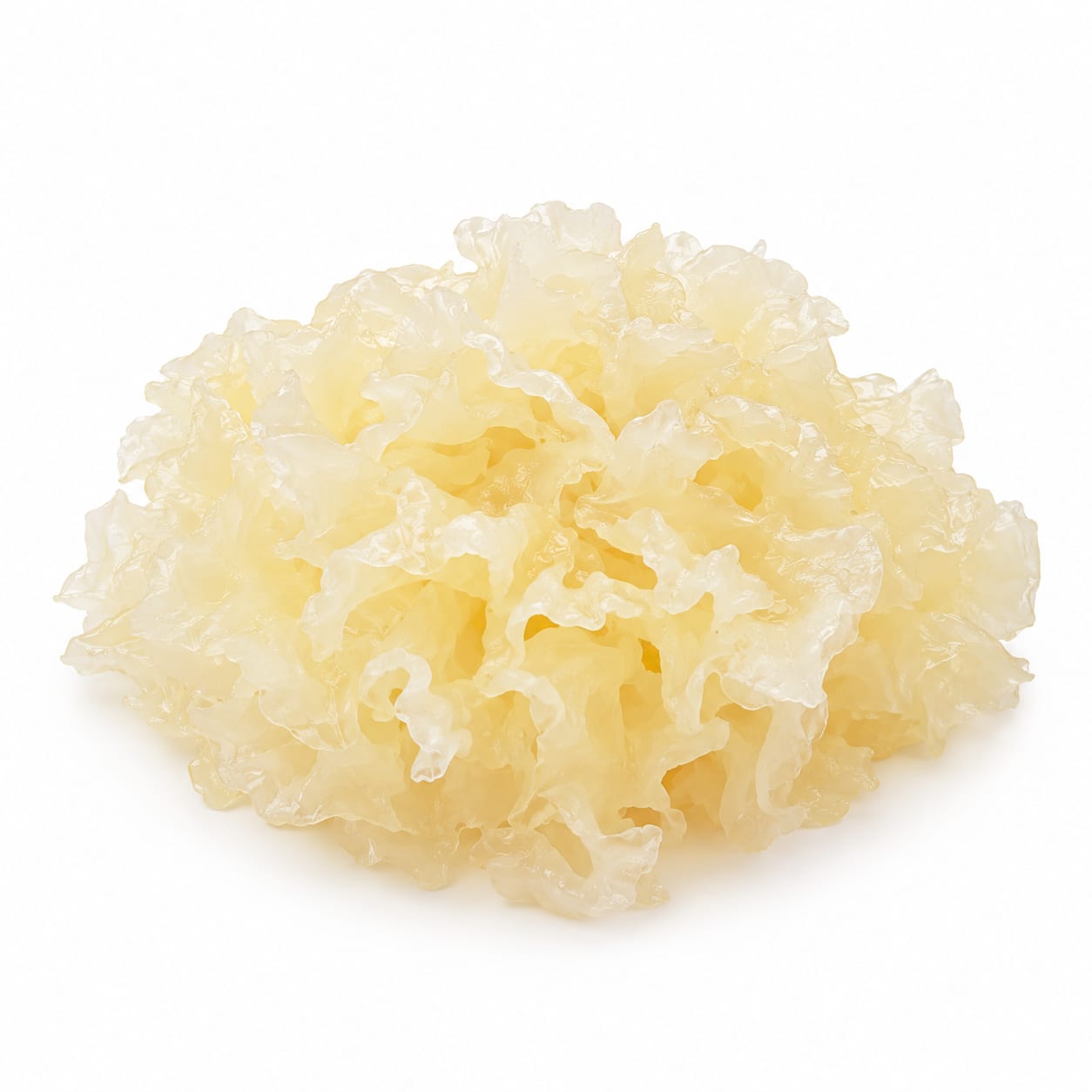
Snow Fungus
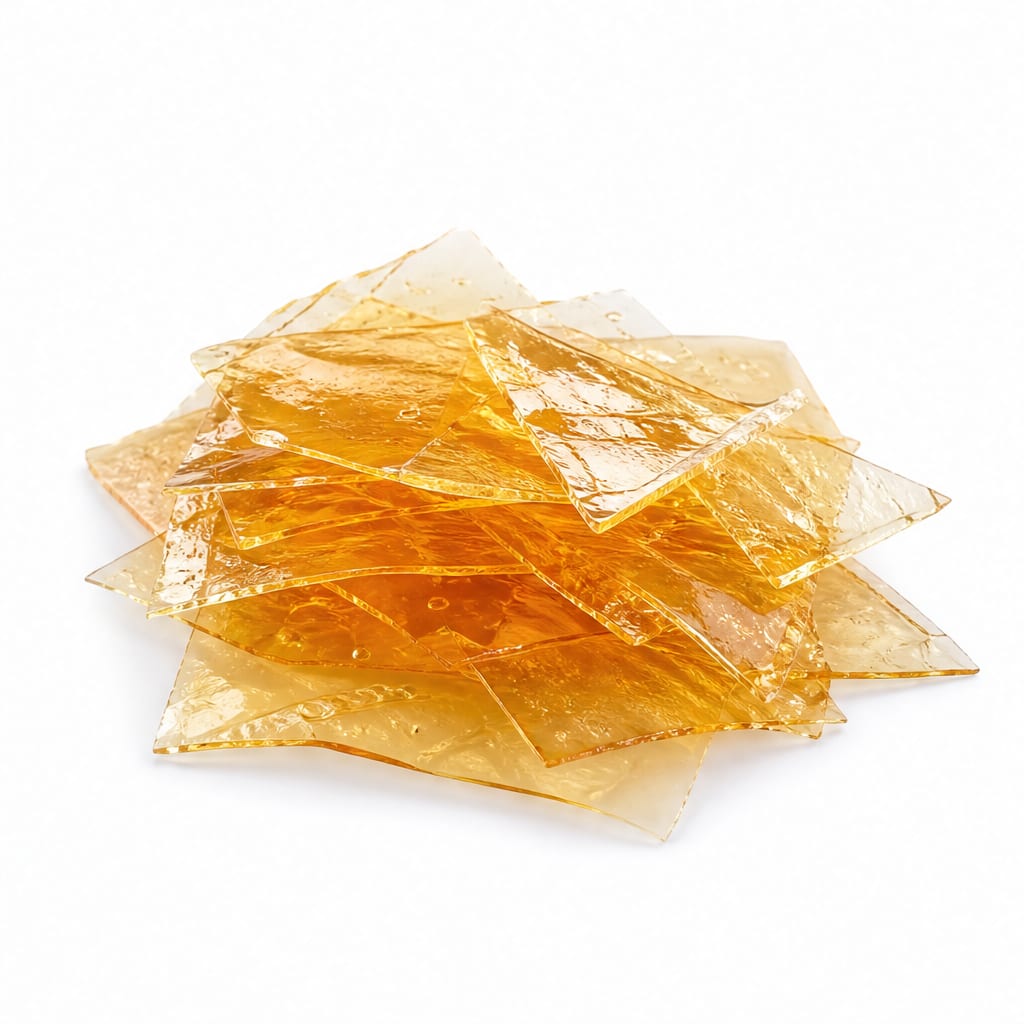
Gelatin
Snow Fungus hydrates and soothes; Gelatin rebuilds and repairs. They complement each other more than they compete.
Gelatin edges ahead due to higher protein content and stronger evidence for joint health, but Snow Fungus wins on naturalness and dietary inclusivity. The close scores reflect that neither is universally better — they serve different needs.
Plant-based hydration versus animal-based structural support — you choose based on what your body needs more and what fits your diet
At a glance
Executive summary
Overall
It depends
Healthier
It depends
More practical
Gelatin
Daily use
It depends
Key comparison lenses
skin and beauty support
Both foods are famously consumed for skin benefits, but through completely different mechanisms — Snow Fungus hydrates externally-like through polysaccharides, while Gelatin provides collagen building blocks from within
joint and connective tissue health
Gelatin is a direct source of collagen amino acids, making it a go-to for joint support, while Snow Fungus has indirect anti-inflammatory effects but no collagen
dietary preference compatibility
Snow Fungus is plant-based and vegan-friendly, whereas Gelatin is animal-derived, making this a decisive factor for many users
protein and amino acid intake
Gelatin delivers significant protein with unique amino acids like glycine, while Snow Fungus is essentially protein-free
digestive and gut health
Both support gut health but differently — Gelatin strengthens the gut lining, Snow Fungus feeds beneficial bacteria through soluble fiber
Best choice for
Snow Fungus
- Vegans and vegetarians seeking beauty benefits
- People focused on skin hydration and moisture retention
- Those wanting gentle immune support
- Anyone avoiding animal products for ethical or religious reasons
- People seeking a low-calorie, light food addition
Gelatin
- Active individuals needing joint recovery
- Older adults concerned with collagen depletion
- People wanting protein alongside beauty benefits
- Those following paleo or keto diets
- Anyone seeking gut lining repair support
Least suitable for
Snow Fungus
- People needing significant protein intake
- Those seeking direct collagen building blocks
- Anyone wanting quick, convenient preparation
- People unfamiliar with or unable to source specialty Asian ingredients
Gelatin
- Vegans and vegetarians
- Those avoiding animal-derived foods for religious reasons
- People concerned about sourcing and animal welfare
- Anyone with sensitivities to specific animal proteins
Deep comparison
Dimension by dimension
Each lens scores both foods and breaks down who each option suits.
- Dimension 1 · Priority 95It depends
Skin Health and Hydration
Snow Fungus · 82Gelatin · 78Snow Fungus excels at drawing moisture into tissues like a natural hyaluronic acid, while Gelatin provides the amino acids your body needs to actually build new collagen fibers.
Tradeoff
Surface hydration versus structural rebuilding — Snow Fungus plumps, Gelatin strengthens
Why it matters
If your skin is dry and dull, Snow Fungus may show faster visible results. If your skin is losing elasticity and sagging, Gelatin addresses the deeper cause.
Real-world impact
Snow Fungus users often notice softer, more moisturized skin within weeks. Gelatin users may see firmer, more resilient skin over months.
Snow Fungus
- Surface-level skin dryness
- Quick hydration boost before events
- People already getting adequate protein
Better for
- Will not replace lost collagen directly
- Effects may fade if you stop consuming it
Worse for
Gelatin
- Loss of skin firmness and elasticity
- Long-term anti-aging strategy
- Those also needing protein intake
Better for
- Takes longer to see visible skin changes
- Requires consistent daily intake for months
Worse for
- Dimension 2 · Priority 88Gelatin
Joint and Connective Tissue Support
Snow Fungus · 45Gelatin · 90Gelatin is one of the most effective food sources of collagen amino acids, directly feeding joint repair. Snow Fungus offers only indirect anti-inflammatory support.
Tradeoff
Direct building blocks versus gentle inflammation reduction
Why it matters
If you have active joint pain, exercise-related wear, or arthritis concerns, Gelatin provides the raw materials your body actually uses to rebuild cartilage.
Real-world impact
Athletes and older adults taking Gelatin regularly often report reduced joint stiffness within 6-8 weeks. Snow Fungus cannot match this structural benefit.
Snow Fungus
- Mild inflammation without structural damage
- People who cannot consume animal products
Better for
- Does not provide collagen or its precursors
- Cannot directly support cartilage rebuilding
Worse for
Gelatin
- Active joint pain or stiffness
- Post-workout recovery
- Age-related cartilage wear
- Connective tissue injuries
Better for
- Not an option for plant-based eaters
- Quality depends heavily on sourcing
Worse for
- Dimension 3 · Priority 80Gelatin
Protein and Amino Acid Profile
Snow Fungus · 15Gelatin · 85Gelatin is roughly 85-90% protein by weight, rich in glycine, proline, and hydroxyproline. Snow Fungus is essentially protein-free, consisting mainly of carbohydrates and fiber.
Tradeoff
Substantial unique protein versus virtually no protein
Why it matters
Gelatin fills a nutritional gap most people do not get from muscle meats alone — glycine supports sleep, detoxification, and connective tissue. Snow Fungus contributes nothing here.
Real-world impact
A single serving of Gelatin can provide 6-10g of protein with therapeutic amino acids. Snow Fungus adds volume and hydration but negligible macronutrients.
Snow Fungus
- Those who already meet protein needs elsewhere
- Very low-calorie diet contexts
Better for
- Cannot contribute to daily protein targets
- Not useful as a protein supplement alternative
Worse for
Gelatin
- Anyone needing more protein
- Glycine deficiency from high muscle-meat diets
- Sleep and relaxation support via glycine
Better for
- Incomplete protein — missing tryptophan
- Should not be your only protein source
Worse for
- Dimension 4 · Priority 85Snow Fungus
Dietary Compatibility and Inclusivity
Snow Fungus · 95Gelatin · 30Snow Fungus is naturally vegan, plant-based, and compatible with virtually all dietary frameworks. Gelatin is strictly animal-derived and excludes vegans, vegetarians, and many religious diets.
Tradeoff
Universal dietary compatibility versus animal-based nutrition
Why it matters
For a growing portion of the population, animal-derived foods are simply not an option. Snow Fungus makes beauty-from-within accessible to everyone.
Real-world impact
Vegans seeking collagen-like benefits have almost no alternatives. Snow Fungus fills this gap meaningfully, even if the mechanism differs from Gelatin.
Snow Fungus
- Vegan and vegetarian lifestyles
- Hindu, Buddhist, and other plant-preference diets
- Reducetarians cutting animal product intake
Better for
- None significant for dietary compatibility
Worse for
Gelatin
- Paleo and ancestral diet followers
- Keto dieters wanting protein without carbs
- Those who prioritize nutrient density from animals
Better for
- Completely excludes vegans and vegetarians
- Many religious and cultural diets forbid it
- Animal welfare concerns for some consumers
Worse for
- Dimension 5 · Priority 72It depends
Gut and Digestive Health
Snow Fungus · 70Gelatin · 75Gelatin strengthens and seals the gut lining through amino acids like glycine and glutamine. Snow Fungus feeds beneficial gut bacteria via soluble fiber polysaccharides.
Tradeoff
Gut lining repair versus gut microbiome nourishment
Why it matters
If you have leaky gut or intestinal irritation, Gelatin is more directly therapeutic. If your digestion is generally fine and you want to support your microbiome, Snow Fungus is excellent.
Real-world impact
Gelatin users with gut issues often notice less bloating and improved digestion within weeks. Snow Fungus supports regularity and a healthy gut environment more gradually.
Snow Fungus
- Prebiotic support for healthy gut flora
- Preventive digestive care
- Mild constipation relief through fiber
Better for
- Does not directly repair gut lining damage
- Effects are slower and more subtle
Worse for
Gelatin
- Leaky gut or intestinal permeability concerns
- IBS or gut inflammation
- Recovery after antibiotics or gut damage
Better for
- Does not feed beneficial bacteria
- No fiber content for microbiome support
Worse for
- Dimension 6 · Priority 68Snow Fungus
Processing and Naturalness
Snow Fungus · 88Gelatin · 55Snow Fungus is typically sold as a dried whole mushroom with minimal processing. Gelatin requires extensive extraction and processing from animal bones and hides.
Tradeoff
Whole-food simplicity versus industrial extraction
Why it matters
If you prefer foods closer to their natural state, Snow Fungus feels more transparent and less industrial. Gelatin's processing is not harmful, but it is more removed from its source.
Real-world impact
You can see and recognize Snow Fungus as a mushroom. Gelatin is a powder or sheet far removed from its animal origins, which bothers some consumers.
Snow Fungus
- Minimal processing advocates
- People who want to see the whole food
- Those avoiding industrially extracted products
Better for
- Still requires rehydration and cooking
- Wild-harvested sources may have contamination risk
Worse for
Gelatin
- People who prioritize efficacy over naturalness
- Those comfortable with food processing
Better for
- Highly processed by definition
- Sourcing transparency can be difficult
- May contain trace additives in some brands
Worse for
- Dimension 7 · Priority 65Gelatin
Convenience and Versatility
Snow Fungus · 45Gelatin · 80Gelatin dissolves easily into hot liquids, sets desserts, and blends into smoothies. Snow Fungus requires soaking, long cooking, and has a more limited culinary range in Western kitchens.
Tradeoff
Quick and versatile versus time-consuming and niche
Why it matters
If a health food is hard to prepare, people stop using it. Gelatin fits easily into daily routines; Snow Fungus requires more effort and recipe knowledge.
Real-world impact
Gelatin can be added to morning coffee or tea in seconds. Snow Fungus needs 30+ minutes of soaking and 1-2 hours of simmering for best results.
Snow Fungus
- People who enjoy slow cooking and traditional recipes
- Those already familiar with Chinese dessert preparations
Better for
- Long preparation time deters daily use
- Limited recipe familiarity outside Asian cuisine
- Texture may be unfamiliar to Western palates
Worse for
Gelatin
- Busy people needing quick preparation
- Anyone wanting to add protein to existing meals
- Bakers and dessert makers
- Smoothie and beverage supplementation
Better for
- Clumps if not dissolved properly
- Cannot be used in cold liquids without blooming first
Worse for
Timeline
Health impact over time
Short-term
Hours to days
Snow Fungus
- Noticeable skin softness and hydration within days of regular consumption
- Gentle digestive regularity from soluble fiber
- Light, comforting feeling in the stomach — very easy to digest
Gelatin
- Improved satiety when added to meals due to protein content
- Potential reduction in joint stiffness within 2-4 weeks
- Better sleep quality in some users from glycine content
Long-term
Months to years
Snow Fungus
- Sustained skin moisture and improved skin barrier function over months
- Gradual immune system modulation from polysaccharide compounds
- Consistent prebiotic support for healthy gut microbiome diversity
Gelatin
- Measurable improvements in joint comfort and mobility over 3-6 months
- Strengthened gut lining reducing chronic inflammation markers
- Preserved skin elasticity and reduced visible signs of collagen loss with age
Risk profile
Safety & processing
Snow Fungus is typically just a dried mushroom — what you see is what you get. Gelatin undergoes significant industrial extraction from animal parts, and some brands add preservatives or flavorings. If clean-label simplicity matters, Snow Fungus wins easily.
Snow Fungus
Heavy metal contamination from wild harvesting
mediumSnow Fungus can absorb environmental contaminants from its growing substrate. Choose cultivated sources from reputable suppliers to minimize this risk.
Sulfur dioxide from drying process
lowSome commercially dried Snow Fungus is treated with sulfites for preservation. Unsulfured options are available and preferable for sensitive individuals.
Gelatin
Sourcing and animal welfare concerns
mediumGelatin quality depends entirely on the source animals. Factory-farmed sources may carry antibiotic or hormone residues. Grass-fed, pasture-raised gelatin is significantly safer.
Allergic reactions in sensitive individuals
lowRare but possible allergic responses to specific animal proteins in gelatin, particularly in people with alpha-gal syndrome or certain meat allergies.
Who wins for whom
Audience fit
Same foods, different winners depending on your goal.
children
GelatinGelatin is widely used in child-friendly foods and provides protein growing bodies need. Snow Fungus is safe but less nutritionally impactful for children and its texture may be less appealing.
daily consumption
It dependsGelatin is easier to consume daily due to quick preparation and protein benefits. Snow Fungus is equally safe for daily use but requires more preparation effort, making consistency harder.
diabetes
Snow FungusSnow Fungus has negligible impact on blood sugar and its soluble fiber may help glucose regulation. Gelatin is also blood-sugar friendly but offers less fiber benefit.
elderly
GelatinOlder adults face collagen depletion, joint deterioration, and muscle loss — Gelatin directly addresses all three. Snow Fungus supports hydration but misses the structural benefits seniors need most.
muscle gain
GelatinGelatin contributes actual protein and amino acids that support connective tissue around muscles, though it should complement — not replace — complete protein sources.
weight loss
GelatinGelatin provides protein that increases satiety and helps preserve lean muscle during calorie restriction, while Snow Fungus adds volume without the appetite-suppressing protein benefit.
Your move
Decision guide
Choose Snow Fungus
- You are vegan or vegetarian and want beauty-from-within benefits
- Skin hydration and moisture are your primary concerns
- You enjoy traditional Chinese cooking and slow-prepared soups
- You want a low-calorie, gentle food that supports your microbiome
- You prefer minimally processed, plant-based options
Choose Gelatin
- Joint pain, stiffness, or injury recovery is your main concern
- You want protein with functional beauty benefits in one package
- You follow a paleo, keto, or ancestral eating approach
- You need something quick and easy to add to daily beverages
- Sleep quality and gut lining integrity are priorities
Either works if
- You want to support skin health from multiple angles
- Neither food conflicts with medications or common health conditions
- Budget allows rotating both for complementary benefits
Avoid both if
- You expect either to replace a well-rounded diet and skincare routine
- You have specific allergies to mushrooms or animal proteins
- You are looking for a complete protein source — neither qualifies
Final recommendation
Use both if you can. Snow Fungus hydrates and feeds your gut; Gelatin rebuilds and repairs your joints and skin structure. Together they cover surface moisture and deep structural support — a genuinely complementary pair. If you must choose one, let your diet decide: plant-based goes to Snow Fungus, everyone else gets more functional benefit from Gelatin.
Practical
Consumer tips
- 1
Choose grass-fed, pasture-raised Gelatin to avoid antibiotic and hormone residues from factory-farmed sources
- 2
Look for unsulfured Snow Fungus to avoid unnecessary preservatives — the color should be pale yellow, not stark white
- 3
Soak Snow Fungus for at least 30 minutes and simmer for 1-2 hours to fully release its beneficial polysaccharides
- 4
Add Gelatin to morning coffee or tea — it dissolves invisibly in hot liquids and adds protein without changing flavor
- 5
Combine both in a soup: Snow Fungus for body and hydration, Gelatin for protein — though the textures work better in separate dishes
- 6
Start with small amounts of either food to test digestive tolerance before making them daily habits
- 7
Store dried Snow Fungus in an airtight container away from moisture — it lasts months when kept dry