
Nutrition comparison
Snow Fungus vs Chia Seeds: Which Superfood Is Better for You?
Compare Snow Fungus and Chia Seeds for skin health, weight loss, omega-3s, and daily nutrition. Learn which one fits your goals and how to use both effectively.
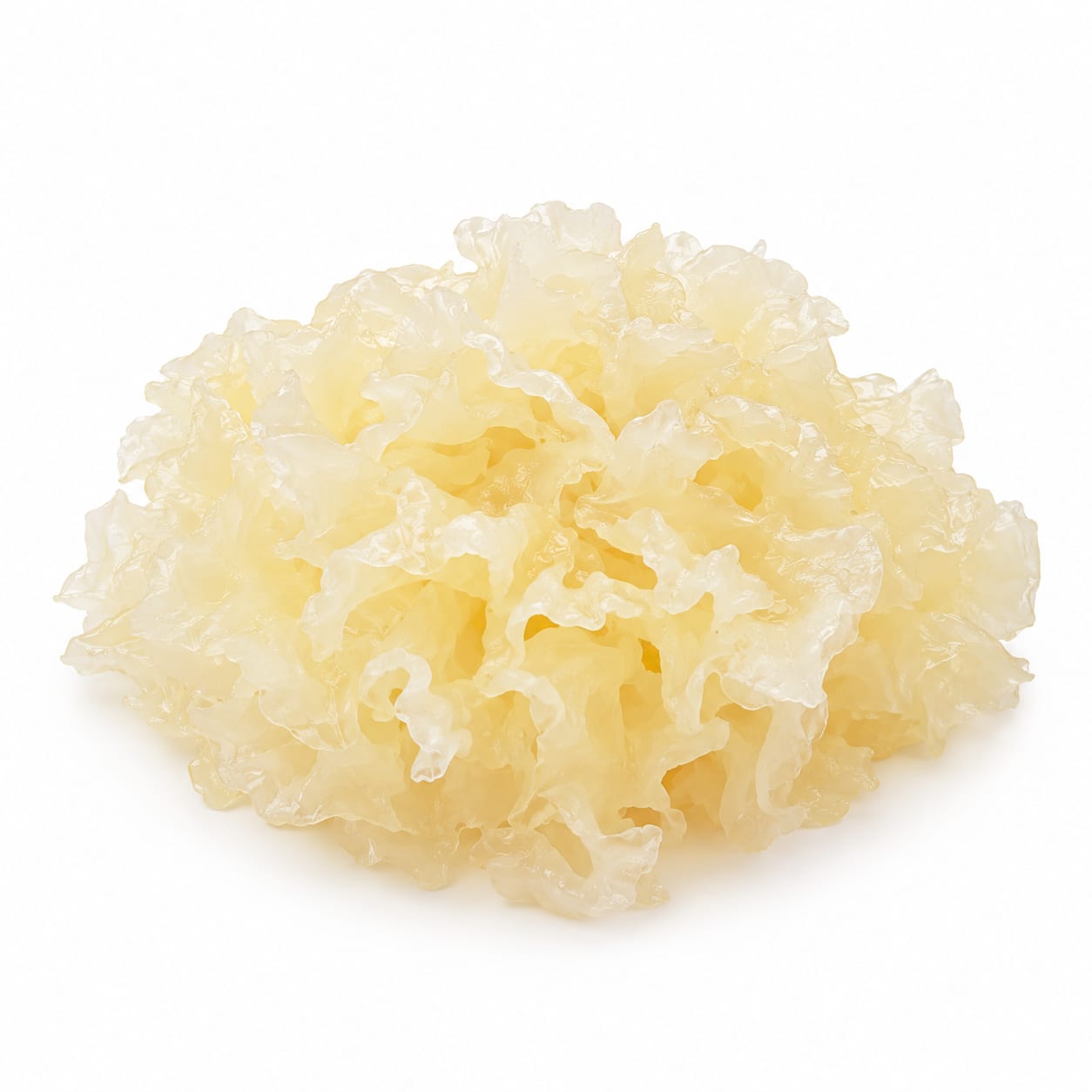
Snow Fungus
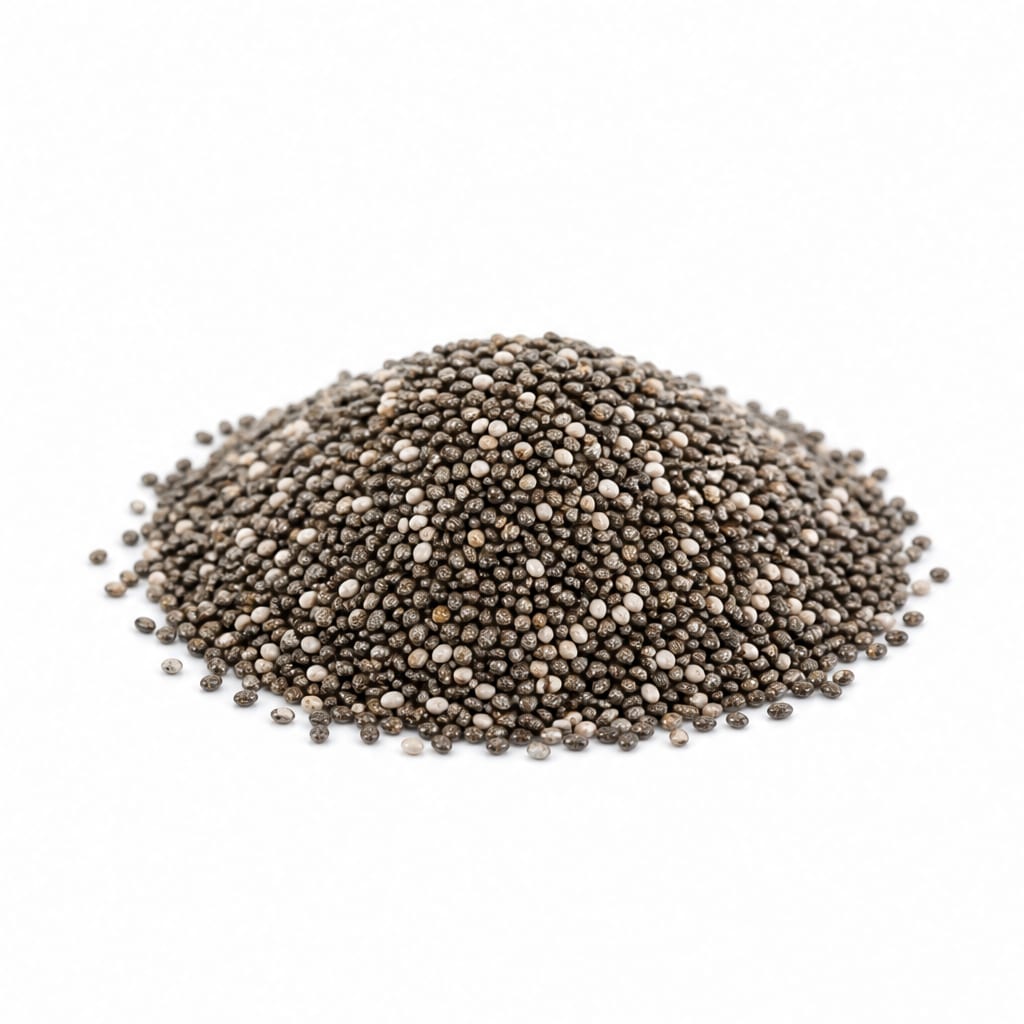
Chia Seeds
Chia Seeds deliver more measurable nutrition and satiety, but Snow Fungus offers a unique, almost calorie-free hydration experience that Chia Seeds cannot replicate.
Chia Seeds score notably higher due to superior macronutrient content, omega-3s, and everyday practicality. Snow Fungus earns its place through unique hydration benefits and near-zero calorie volume, but its nutritional profile is too thin to compete broadly.
Dense nutrition and fullness from Chia Seeds versus light, hydrating volume from Snow Fungus — filling up versus filling out.
At a glance
Executive summary
Overall
It depends
Healthier
Chia Seeds
More practical
Chia Seeds
Daily use
Chia Seeds
Key comparison lenses
skin and beauty benefits
Snow Fungus is legendary for skin hydration while Chia Seeds offer omega-3s for skin health — a direct beauty-from-within comparison
satiety and weight management
Chia Seeds are famous for fullness while Snow Fungus is nearly calorie-free — opposite approaches to the same goal
nutrient density vs light eating
Chia Seeds pack dense nutrition into small servings while Snow Fungus offers a voluminous, nearly zero-calorie eating experience
digestive health and gut support
Both foods form gels that support digestion but through different fiber types and mechanisms
convenience and everyday practicality
Chia Seeds require only soaking while Snow Fungus needs rehydration and cooking — a real lifestyle difference
Best choice for
Snow Fungus
- People seeking skin hydration and beauty-from-within support
- Anyone wanting large food volume with almost no calories
- Those on low-fat or calorie-restricted diets who need satisfying textures
- Traditional Chinese medicine enthusiasts seeking Yin-nourishing foods
- Light eaters who want a comforting, brothy food experience
Chia Seeds
- People needing sustained energy and fullness between meals
- Anyone looking for plant-based omega-3s and protein
- Those managing blood sugar who need fiber-driven stability
- Meal preppers wanting an easy, no-cook nutrition booster
- Active individuals needing nutrient-dense fuel
Least suitable for
Snow Fungus
- People needing significant protein or healthy fats from their food
- Anyone seeking convenient, quick-prep options on busy mornings
- Those who dislike gelatinous or slippery textures
- People expecting measurable macronutrient impact per serving
- Anyone looking for omega-3 fatty acid sources
Chia Seeds
- People strictly limiting calories who find high-fat seeds easy to overeat
- Those with dysphagia or swallowing difficulties from improperly soaked seeds
- Anyone sensitive to high fiber who experiences bloating or gas
- People on blood-thinning medications who must limit omega-3 intake
- Those who dislike the gel-like texture of soaked seeds
Deep comparison
Dimension by dimension
Each lens scores both foods and breaks down who each option suits.
- Dimension 1 · Priority 92Chia Seeds
satiety and fullness
Snow Fungus · 35Chia Seeds · 88Chia Seeds keep you full for hours thanks to protein, fat, and fiber working together. Snow Fungus fills your stomach with water weight that passes quickly.
Tradeoff
Chia Seeds deliver lasting satisfaction but come with meaningful calories. Snow Fungus offers volume without staying power.
Why it matters
If you are trying to avoid snacking between meals, Chia Seeds are far more effective at keeping hunger at bay.
Real-world impact
A chia pudding at breakfast can carry you to lunch. A snow fungus soup feels filling initially but hunger returns within an hour or two.
Snow Fungus
- Large portions without calorie guilt
- Light evening meals that will not sit heavy before bed
Better for
- Anyone relying on a single food to bridge long gaps between meals
- Situations where you need lasting energy
Worse for
Chia Seeds
- Replacing a meal component with something that actually sustains you
- Preventing the afternoon energy crash and snack attack
Better for
- Moments when you want to eat a large volume without calorie consequences
- Right before intense exercise when you want something light
Worse for
- Dimension 2 · Priority 90Snow Fungus
skin health and hydration
Snow Fungus · 89Chia Seeds · 68Snow Fungus contains unique polysaccharides that help skin retain moisture from within, earning its reputation as an edible skincare ingredient. Chia Seeds support skin through omega-3s and antioxidants but less directly.
Tradeoff
Snow Fungus targets skin hydration specifically while Chia Seeds offer broader but less targeted skin support through anti-inflammatory fats.
Why it matters
For people investing in skin appearance, Snow Fungus works like a hydrating serum you eat. Chia Seeds are more like a general wellness supplement that incidentally helps skin.
Real-world impact
Regular Snow Fungus consumers often notice softer, more supple skin within weeks. Chia Seeds contribute to reduced inflammation but the skin effect is slower and subtler.
Snow Fungus
- Combatting dry or aging skin with a food-based hydration strategy
- People in dry climates needing internal moisture support
Better for
- Expecting rapid, dramatic skin transformation without consistent use
- Addressing skin issues rooted in inflammation rather than dehydration
Worse for
Chia Seeds
- Reducing inflammatory skin conditions like redness or mild acne
- Supporting overall skin structure through essential fatty acids long-term
Better for
- Quick visible improvements in skin hydration and plumpness
- Replacing topical hydration strategies entirely
Worse for
- Dimension 3 · Priority 88Chia Seeds
nutrient density
Snow Fungus · 25Chia Seeds · 90Chia Seeds are one of the most nutrient-dense seeds on the planet, packing omega-3s, protein, calcium, magnesium, and fiber into every tablespoon. Snow Fungus is mostly water and polysaccharides with trace minerals.
Tradeoff
Chia Seeds give you a lot of nutrition per bite but also significant calories. Snow Fungus gives you almost nothing per bite — which is either the point or the problem.
Why it matters
If every calorie needs to earn its keep nutritionally, Chia Seeds are among the best investments. Snow Fungus is more like eating structured water.
Real-world impact
Two tablespoons of Chia Seeds deliver meaningful protein, fiber, and omega-3s. The same volume of prepared Snow Fungus delivers hydration and little else.
Snow Fungus
- Eating large volumes when you already meet nutritional needs elsewhere
- Keeping total calorie intake deliberately low
Better for
- Anyone relying on a single food to plug nutritional gaps
- Situations where nutrient density per calorie matters
Worse for
Chia Seeds
- Getting maximum nutrition from minimal food volume
- Supplementing a diet that may lack omega-3s, calcium, or fiber
Better for
- Very low-calorie diets where even 120 calories per serving feels like too much
- When you want to eat a large volume of food
Worse for
- Dimension 4 · Priority 85Chia Seeds
blood sugar stability
Snow Fungus · 55Chia Seeds · 86Chia Seeds form a gel that slows carbohydrate absorption and delivers steady energy. Snow Fungus has almost no carbohydrates to stabilize, but also nothing to sustain energy.
Tradeoff
Chia Seeds actively improve blood sugar response when eaten with other foods. Snow Fungus simply does not affect blood sugar much either way.
Why it matters
For anyone managing diabetes, prediabetes, or energy crashes, Chia Seeds are a functional tool. Snow Fungus is neutral rather than helpful.
Real-world impact
Adding Chia Seeds to a smoothie or oatmeal flattens the blood sugar spike. Adding Snow Fungus to a soup adds volume without changing the glycemic picture.
Snow Fungus
- Light meals where you want to avoid any additional caloric load
- Evening eating when blood sugar stability is less critical
Better for
- Actively improving glucose response after high-carb meals
- Replacing higher-glycemic foods with a blood-sugar-friendly alternative
Worse for
Chia Seeds
- Mixing into carbohydrate-rich meals to reduce glycemic impact
- Preventing the mid-morning or mid-afternoon energy crash
Better for
- Situations requiring zero caloric input regardless of benefit
Worse for
- Dimension 5 · Priority 80Chia Seeds
digestive health
Snow Fungus · 62Chia Seeds · 84Both foods support digestion through gel-forming fibers, but Chia Seeds deliver substantially more fiber per serving and feed gut bacteria more effectively. Snow Fungus offers gentle, soothing fiber that is easier on sensitive systems.
Tradeoff
Chia Seeds provide stronger prebiotic benefits but can cause bloating if you are not used to high fiber. Snow Fungus is gentler but less impactful.
Why it matters
If gut health is a priority, Chia Seeds are a more powerful fiber source. Snow Fungus is better when you need something soothing rather than stimulating.
Real-world impact
Chia Seeds help establish regular bowel movements and feed beneficial bacteria. Snow Fungus soothes the digestive tract and adds gentle bulk without fermentation intensity.
Snow Fungus
- Sensitive digestive systems that react to high-fiber foods
- Recovery from digestive upset when you need gentle foods
Better for
- Significantly improving daily fiber intake for gut health
- Feeding beneficial gut bacteria with prebiotic fiber
Worse for
Chia Seeds
- Building a robust, diverse gut microbiome over time
- Resolving occasional constipation through reliable fiber intake
Better for
- Irritable bowel syndrome flares when high fiber worsens symptoms
- Introduction during active digestive distress
Worse for
- Dimension 6 · Priority 75Chia Seeds
convenience and practicality
Snow Fungus · 35Chia Seeds · 80Chia Seeds need only a 10-minute soak or can be sprinkled directly on food. Snow Fungus requires rehydration for 30 minutes to hours, then cooking — a multi-step process.
Tradeoff
Chia Seeds fit into almost any meal instantly. Snow Fungus demands planning and preparation time that most busy people cannot manage daily.
Why it matters
The best health food is the one you actually eat consistently. Chia Seeds win on daily feasibility for most lifestyles.
Real-world impact
You can stir Chia Seeds into yogurt at your desk. Snow Fungus requires advance thought, soaking, and stovetop time — more of a weekend project.
Snow Fungus
- Slow, intentional cooking as a mindfulness practice
- Traditional soup-making where preparation is part of the ritual
Better for
- Spontaneous meals or last-minute hunger
- Anyone who will not consistently plan ahead for food prep
Worse for
Chia Seeds
- Busy mornings when you need nutrition in under two minutes
- Travel, office, or on-the-go nutrition boosting
Better for
- Culinary traditions where slow preparation is valued
- Situations where cooking is part of the enjoyment
Worse for
- Dimension 7 · Priority 82Chia Seeds
omega-3 and heart health
Snow Fungus · 10Chia Seeds · 85Chia Seeds are one of the richest plant sources of alpha-linolenic acid, an omega-3 fat that supports heart and brain health. Snow Fungus contains essentially no fat.
Tradeoff
Chia Seeds deliver meaningful omega-3s but in the less potent ALA form that requires conversion. Snow Fungus offers nothing for this category but also no inflammatory fats.
Why it matters
For plant-based eaters or anyone not consuming fatty fish regularly, Chia Seeds are a critical omega-3 source. Snow Fungus cannot fill this gap.
Real-world impact
Daily chia consumption contributes to your omega-3 intake meaningfully. Snow Fungus consumption contributes zero fats of any kind, helpful or harmful.
Snow Fungus
- Diets that already have sufficient omega-3 intake from other sources
- Very low-fat diet protocols that restrict all fats
Better for
- Anyone counting on a single food for essential fatty acid intake
- Heart health-focused dietary strategies
Worse for
Chia Seeds
- Vegans and vegetarians needing plant-based omega-3s
- Supporting cardiovascular health through dietary fat improvement
Better for
- People on blood thinners who must monitor omega-3 intake carefully
- Very low-calorie diets where fat calories are restricted
Worse for
Timeline
Health impact over time
Short-term
Hours to days
Snow Fungus
- Immediate feeling of fullness from water volume that fades within an hour or two
- Gentle digestive soothing from mucilaginous fiber
- Light, clean eating sensation without heaviness or food coma
Chia Seeds
- Noticeable satiety lasting 3 to 4 hours after a serving
- Mild bloating possible if consumed without adequate water or if unaccustomed to high fiber
- Steady energy without the crash that follows carbohydrate-heavy snacks
Long-term
Months to years
Snow Fungus
- Improved skin hydration and elasticity with consistent consumption over weeks to months
- Gentle support for joint lubrication and connective tissue health through polysaccharides
- Minimal caloric contribution makes it sustainable for long-term low-calorie eating patterns
Chia Seeds
- Improved cardiovascular markers through regular omega-3 intake
- Better glycemic control and reduced insulin resistance with daily use
- Enhanced gut microbiome diversity from consistent prebiotic fiber feeding
- Possible omega-3 blood level improvement though ALA conversion remains limited
Risk profile
Safety & processing
Both foods are whole, minimally processed options. Dried Snow Fungus is simply dehydrated fungus. Chia Seeds are harvested and cleaned with no additional processing. Both are about as close to nature as functional foods get.
Snow Fungus
Sulfur dioxide residue from processing
mediumSome commercially dried Snow Fungus is treated with sulfur dioxide as a preservative and whitening agent. Look for untreated, naturally dried varieties and soak thoroughly before cooking.
Contamination from growing environment
lowWild-harvested Snow Fungus can absorb pollutants from its environment. Reputable sourced, cultivated varieties reduce this concern significantly.
Chia Seeds
Choking hazard from dry seeds
mediumDry Chia Seeds can swell and obstruct the esophagus if swallowed without enough liquid. Always soak them or consume with adequate water, especially for anyone with swallowing difficulties.
Phytic acid reducing mineral absorption
lowChia Seeds contain phytic acid which can slightly reduce absorption of iron, zinc, and calcium. This is a minor concern for most balanced diets and is partially mitigated by soaking.
Who wins for whom
Audience fit
Same foods, different winners depending on your goal.
children
Chia SeedsChia Seeds provide essential nutrients for growing bodies including calcium, omega-3s, and protein, and can be easily hidden in foods kids enjoy. Snow Fungus is safe but nutritionally too sparse for children who need nutrient density.
daily consumption
Chia SeedsChia Seeds are easier to incorporate daily due to quick preparation and broader nutritional coverage. Snow Fungus requires more preparation effort and its narrow nutritional profile makes daily use less impactful.
diabetes
Chia SeedsChia Seeds actively improve glycemic response by slowing carbohydrate absorption and providing sustained energy. Snow Fungus is blood-sugar-neutral but does not offer the same protective benefit.
elderly
It dependsChia Seeds offer bone-supporting calcium and anti-inflammatory omega-3s valuable for aging bodies, but require careful hydration to avoid choking. Snow Fungus is gentle, easy to digest, and supports joint hydration, making it a soothing option for fragile digestive systems.
muscle gain
Chia SeedsChia Seeds provide plant-based protein and omega-3s that support muscle recovery and growth. Snow Fungus offers negligible protein and cannot contribute meaningfully to muscle-building nutrition.
weight loss
It dependsChia Seeds support weight loss through satiety and reduced snacking, but their calorie density requires portion control. Snow Fungus is nearly calorie-free, allowing large portions, but may not keep you full enough to prevent overeating later.
Your move
Decision guide
Choose Snow Fungus
- You prioritize skin hydration and want a food-based beauty strategy
- You eat for volume and satisfaction without wanting calorie consequences
- You enjoy slow cooking and traditional preparation rituals
- You already get adequate protein and healthy fats from other sources
- You want a light, comforting food for evenings or gentle digestion days
Choose Chia Seeds
- You need lasting fullness and energy between meals
- You want plant-based omega-3s and do not eat fish regularly
- You value convenience and need nutrition that fits a busy schedule
- You are building a nutrient-dense diet and every calorie must count
- You want to improve blood sugar stability or digestive regularity
Either works if
- You want gel-forming foods that support digestive health through different mechanisms
- You are open to rotating both for variety — Chia Seeds at breakfast, Snow Fungus in evening soup
- You value traditional functional foods from different cultural traditions
Avoid both if
- You have severe swallowing difficulties that make gel-forming foods risky
- You are on a very restricted diet under medical supervision that limits new foods
- You expect either food alone to resolve significant health issues without broader dietary changes
Final recommendation
For most people, Chia Seeds are the more practical and nutritionally impactful daily choice. They deliver omega-3s, protein, fiber, and satiety in a convenient package. However, if skin hydration is a top priority or you want a nearly zero-calorie food that feels substantial, Snow Fungus is worth the extra preparation effort. The ideal approach for many: use Chia Seeds as your daily nutrition booster and enjoy Snow Fungus as a weekly skin-nourishing ritual.
Practical
Consumer tips
- 1
Soak Chia Seeds for at least 10 minutes in water, milk, or yogurt before eating to prevent choking and improve digestibility
- 2
Choose unsulfured Snow Fungus — the natural dried variety may look slightly yellow but avoids sulfur dioxide exposure
- 3
Start with one tablespoon of Chia Seeds daily and increase gradually to let your digestive system adapt to the fiber load
- 4
Add Snow Fungus to bone broth soups for a meal that combines collagen support from both ingredients
- 5
Never eat dry Chia Seeds on their own — always pair with liquid to prevent esophageal obstruction
- 6
Store both foods in airtight containers away from moisture and heat to preserve quality
- 7
Combine both in a single meal: soak Chia Seeds in a Snow Fungus soup broth for a hydrating, nutrient-dense bowl