
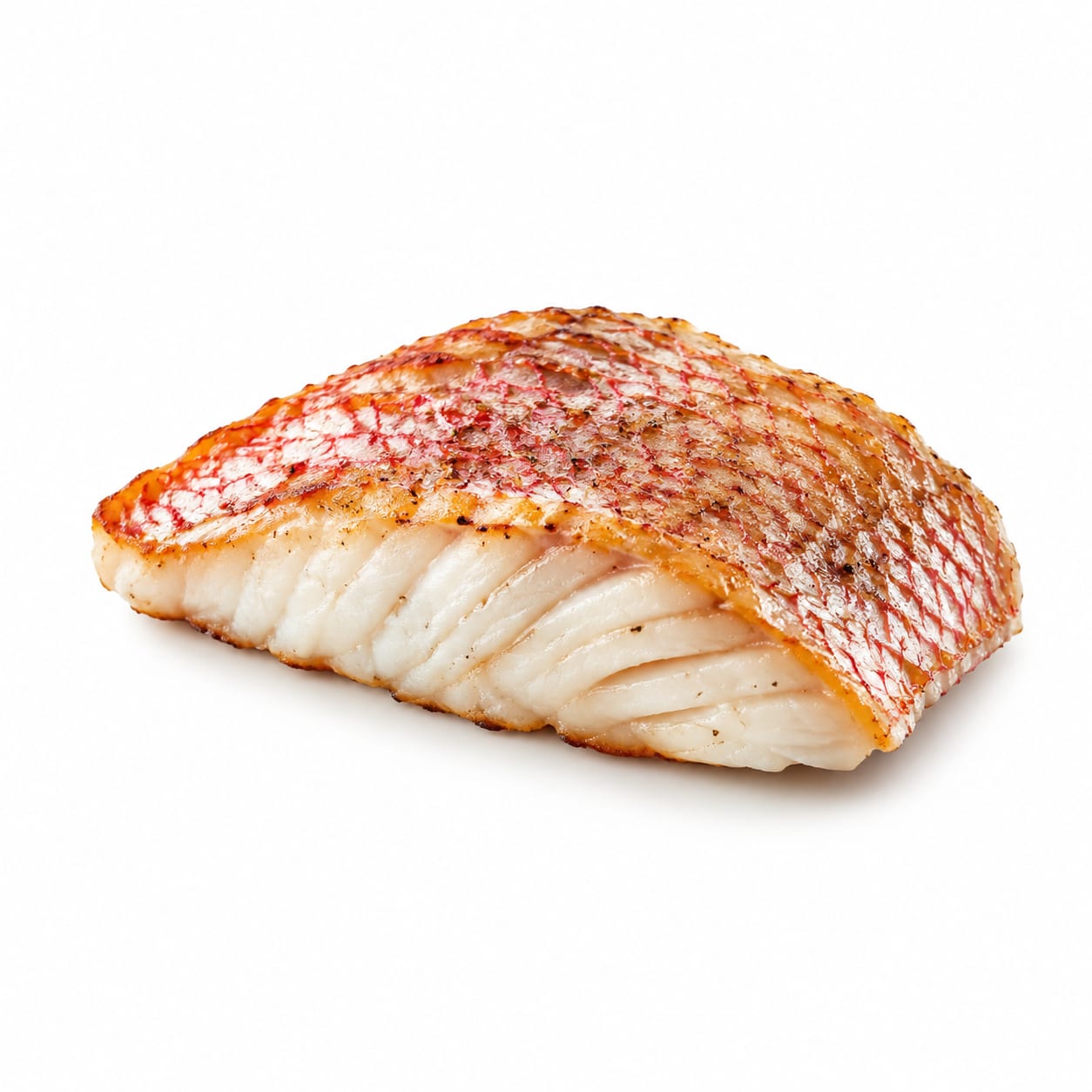
Seafood
Snapper
A lean, high-protein saltwater fish with firm flesh and a mild, sweet flavor.
Snapper is a popular saltwater fish known for its firm texture, mild flavor, and lean protein content, widely consumed in coastal and tropical cuisines.
protein-dense marine food
Typical serving · 150g
Common varieties · red snapper, yellowtail snapper, mutton snapper, lane snapper, vermilion snapper
Overall context score across nutrition, safety, and diet fit
At a glance
Quick facts
Simple indicators based on nutrition, processing, and diet fit.
The story
What makes it unique
Snapper is a fast-digesting, high-protein, low-fat animal food. It provides strong satiety due to its dense protein content and has zero carbohydrates, resulting in no glycemic response. As a wild-caught marine protein, it is minimally processed but requires consideration of marine environmental contaminants.
Varieties: red snapper · yellowtail snapper · mutton snapper · lane snapper · vermilion snapper
Per 100g
Nutrition breakdown
Macro balance and key metrics at a glance.
Energy
Density 1.00 kcal/g
Protein
Carbs
Fat
Fiber
Sugar
0 g
Sodium
65 mg
Potassium
350 mg
Glycemic index
0
Glycemic load
0
Water content
78%
Standout compounds
Nutrient highlights
Protein
highSupports muscle growth, tissue repair, and satiety
Selenium
highEssential for thyroid function and antioxidant defense
Vitamin D
moderateSupports bone health and immune function
Omega-3 Fatty Acids
moderateReduces inflammation and supports heart health
Potassium
moderateHelps regulate blood pressure and fluid balance
Wellness map
Health scores & processing
NOVA processing scale
minimally processed · Whole food
Fresh or frozen snapper fillets are whole, unrefined foods with no added ingredients, falling into the unprocessed or minimally processed category.
Diet compatibility
- Weight loss
- Muscle gain
- Diabetes
- Gut health
- Low carb
- High protein
- Heart health
Relative standing
Food rankings
Qualitative ranks compared to similar whole foods.
- Satietyexcellent
- Blood sugarexcellent
- Nutrient densitygood
- Fitness fuelexcellent
- Processing qualityexcellent
Eat with confidence
Food safety profile
Snapper generally carries a moderate risk of mercury accumulation compared to smaller fish. Raw preparations like sushi carry a risk of parasitic or bacterial contamination.
Evidence confidence 85%
- Pesticideslow
- Antibioticslow
- Heavy metalsmoderate
- Contaminationmoderate
Watch for
- mercury
- PCBs
- microplastics
- vibrio
Safer choices
Yellowtail snapper tends to be lower in mercury than red snapper. Sustainably sourced, younger fish are also safer choices.
Prep tips
Cook to an internal temperature of 145°F (63°C) to eliminate parasites and bacteria. Avoid cross-contamination with raw seafood juices.
FDA and EPA advise limiting consumption of some snapper species due to moderate mercury levels, particularly for pregnant women and children.
Deep dive
Health analysis
How this food may fit different goals and preparation choices.
Weight loss
High protein and low calories increase thermic effect and satiety, making it ideal for calorie deficits.
Blood sugar
Zero carbohydrates mean it has no direct impact on blood glucose levels, making it highly blood sugar friendly.
Fitness & energy
Provides high-quality complete protein with all essential amino acids needed for muscle repair and growth post-workout.
Gut health
Easily digestible protein with no fiber. Contains anti-inflammatory omega-3s that support the gut lining, though it does not directly feed the microbiome.
Processing quality
Fresh or frozen snapper is a whole food requiring minimal to no processing before consumption.
Food safety
Mercury accumulation is the primary concern; limit intake to 1-2 servings per week and avoid raw preparations if immune-compromised.
Common mistakes
Overcooking dries out the lean fillets quickly. Consuming too frequently without considering mercury guidelines.
Best preparation
Baking, grilling, or steaming to retain moisture without adding excess fat.
Practical guide
Best use cases
When and how this food fits real eating patterns.
Lean muscle-building dinners
Provides a high dose of complete protein necessary for muscle repair without excess calories.
Low-carb and keto meal prep
Zero carbohydrates make it an ideal staple for strict low-carb dietary protocols.
Heart-healthy main courses
Contains omega-3 fatty acids and low saturated fat, supporting cardiovascular health.
Lightweight post-workout recovery
Fast-digesting protein helps kickstart muscle protein synthesis after exercise.
Balance sheet
Pros & cons
Upsides
- Excellent lean protein source with zero carbs
- Rich in selenium and vitamin D
- Contains anti-inflammatory omega-3s
- Firm texture holds up well to various cooking methods
- Highly satiating for low calorie counts
Trade-offs
- Moderate mercury levels limit frequent consumption
- Can be expensive compared to other white fish
- Overfishing concerns for some snapper species
- Lean flesh dries out quickly if overcooked
Fit check
Who is it for?
Great match
- keto diets
- muscle gain
- heart-healthy eating
- weight loss
- diabetics
Consider alternatives
- heavy metal detox diets
- strict low-budget diets
- pregnant women needing very low mercury fish
- those seeking high fiber
Side by side
How it compares
Open the full head-to-head analysis for nutrition, safety, and practical tradeoffs.
This food
Snapper
VS85% alike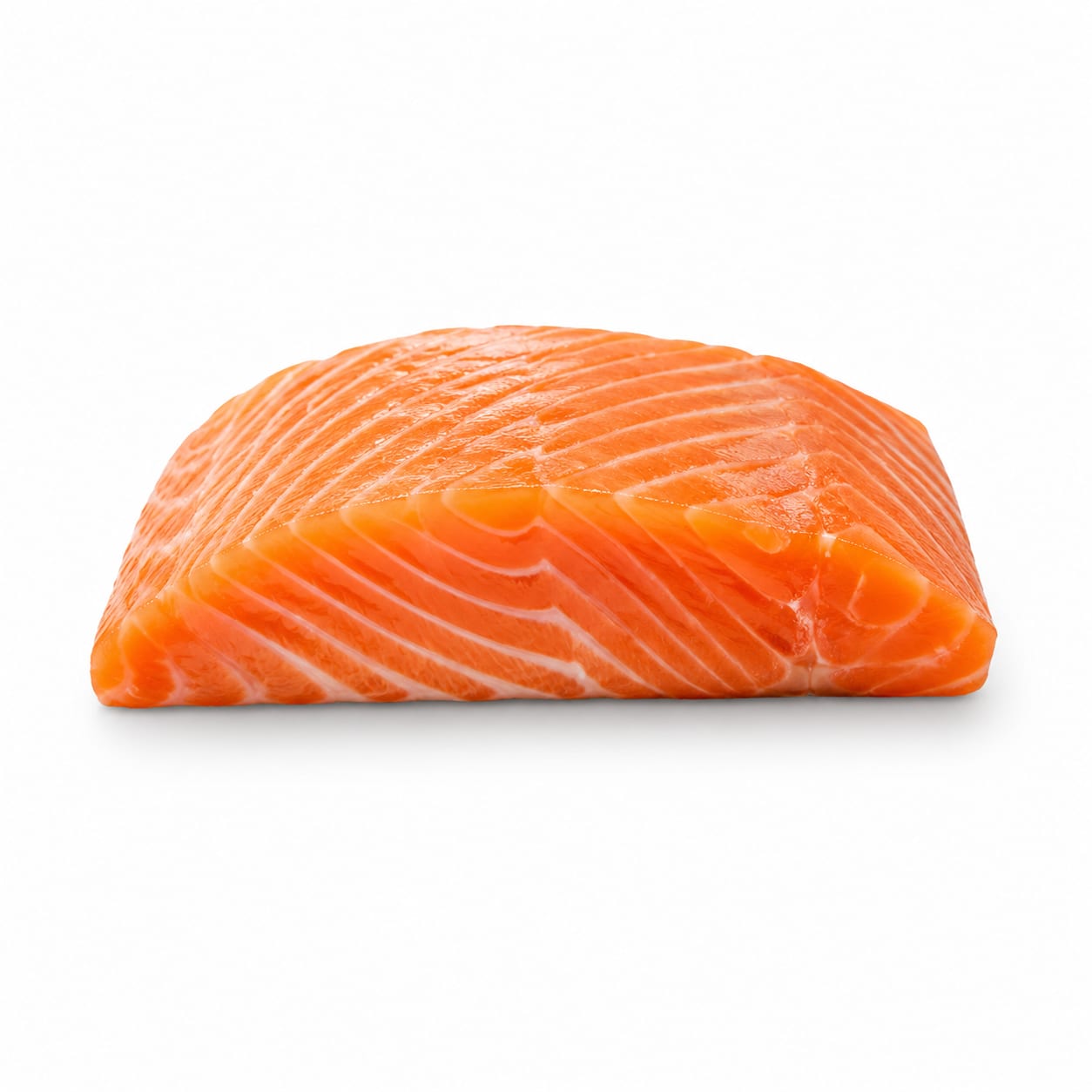
Compare with
Salmon
Salmon provides significantly more omega-3s and vitamin D, while snapper is much lower in calories and fat.
Snapper is lower in calories and fat, making it better for weight loss, while salmon offers more omega-3s and healthy fats for heart health.
This food
Snapper
VS80% alike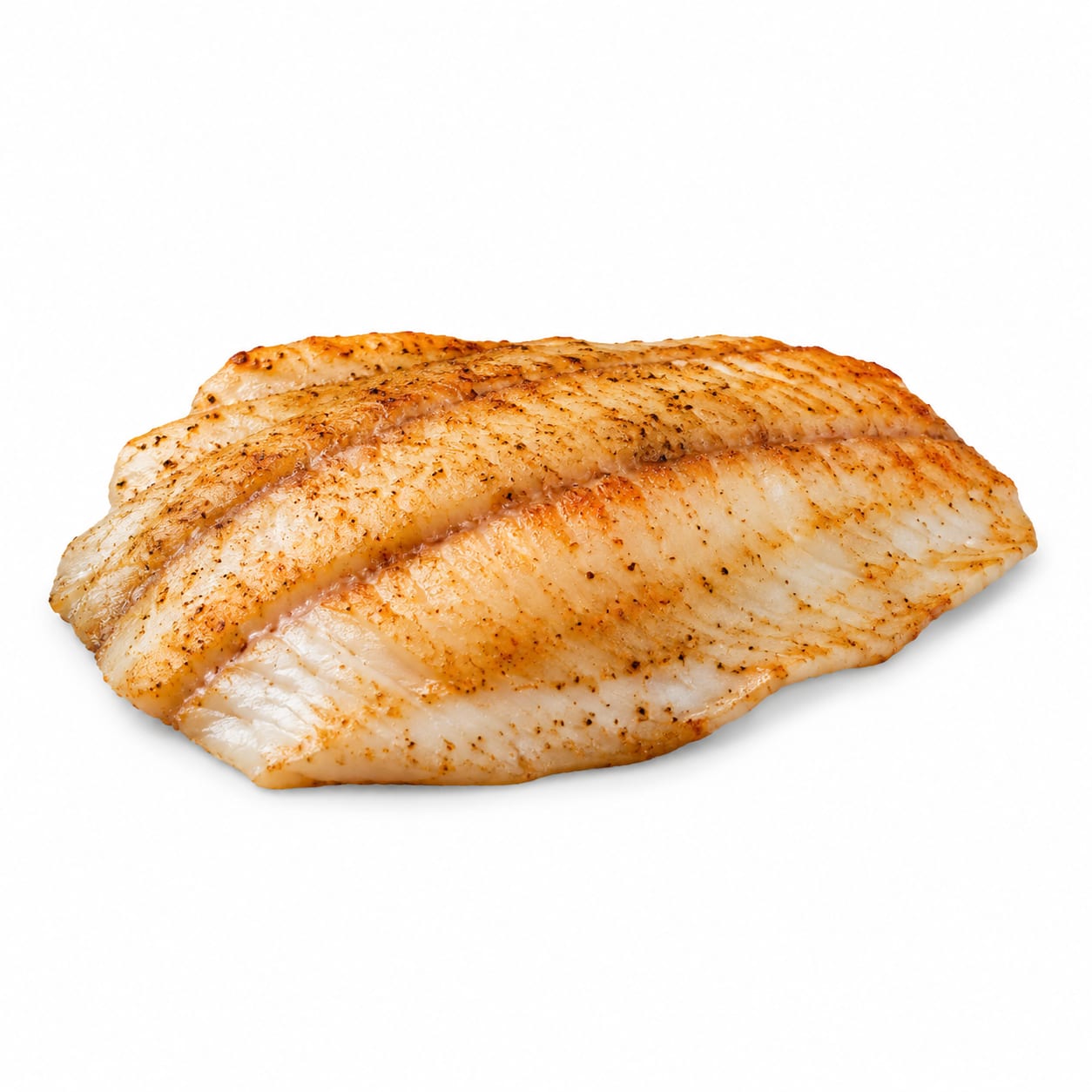
Compare with
Tilapia
Snapper offers more omega-3s and micronutrients, but tilapia is lower in mercury and more affordable.
Snapper provides more omega-3s and nutrients than tilapia, but tilapia is a cheaper, lower-mercury alternative.
This food
Snapper
VS85% alike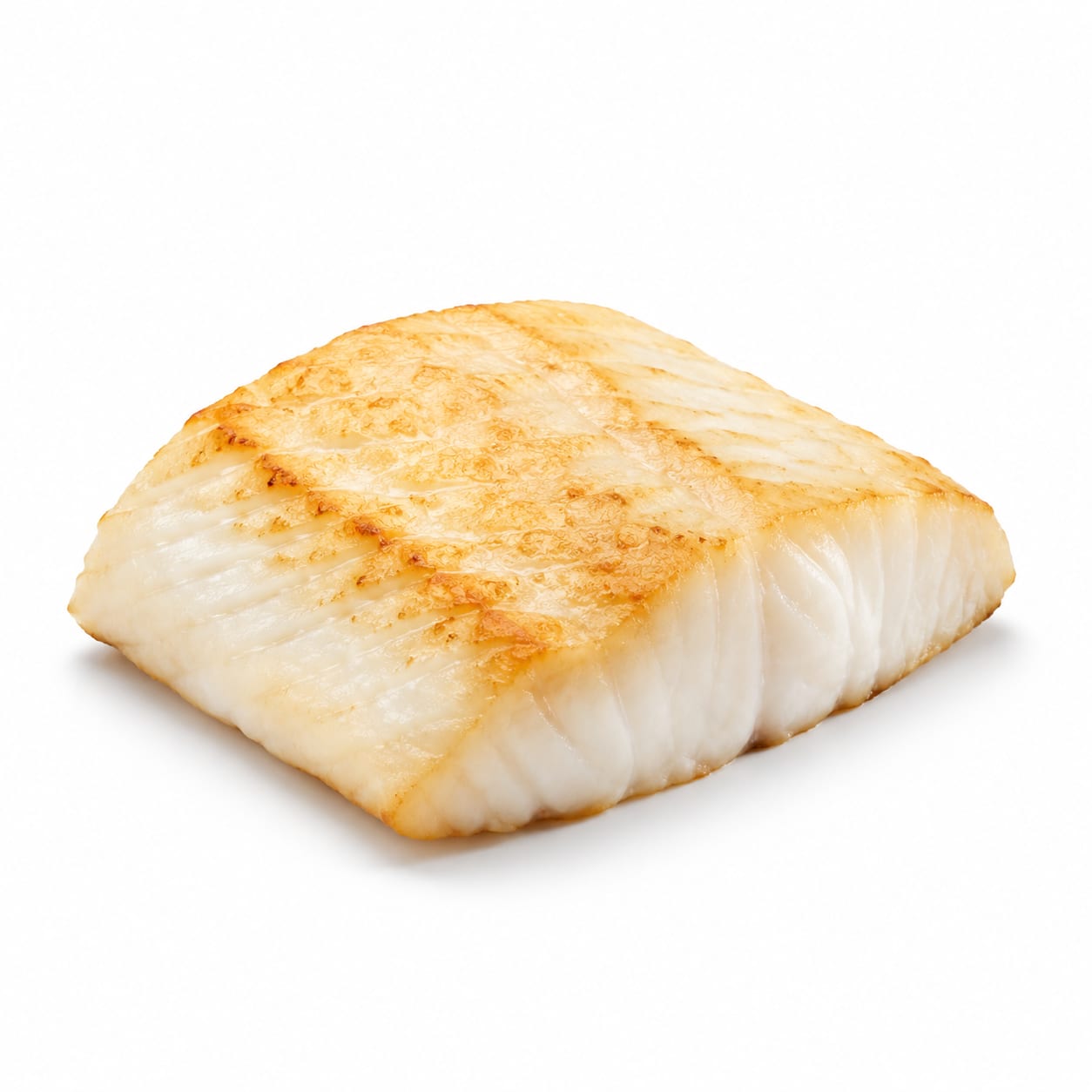
Compare with
Cod
Cod is slightly lower in calories and mercury, while snapper offers more selenium and a firmer texture.
Cod is lower in calories and mercury, while snapper provides more protein per serving and a firmer, meatier bite.
This food
Snapper
VS90% alike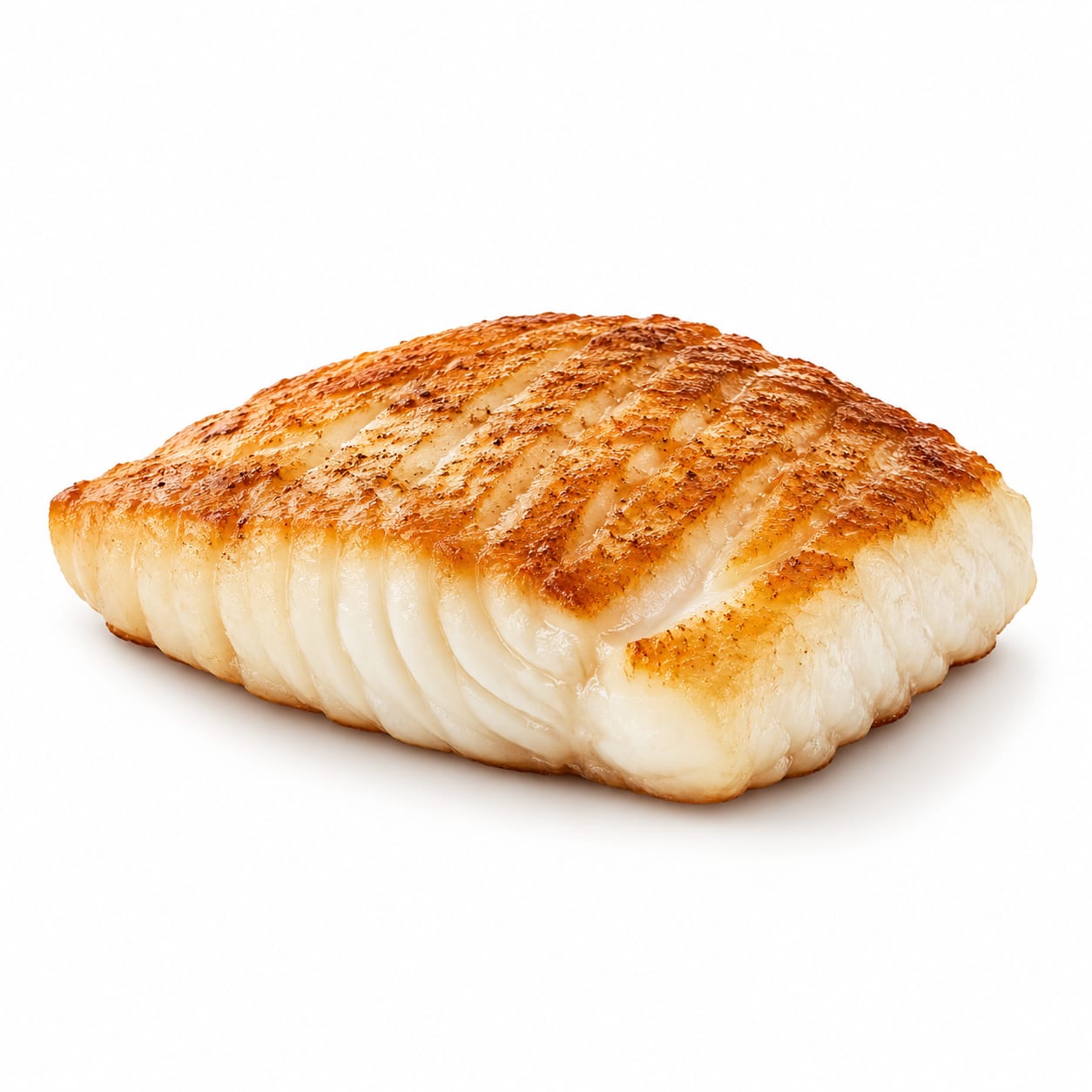
Compare with
Grouper
Grouper is slightly higher in calories and mercury, while snapper has a slightly better nutrient density profile.
Snapper is slightly leaner and lower in mercury than grouper, making it the healthier choice among the two firm white fish.
This food
Snapper
VS85% alike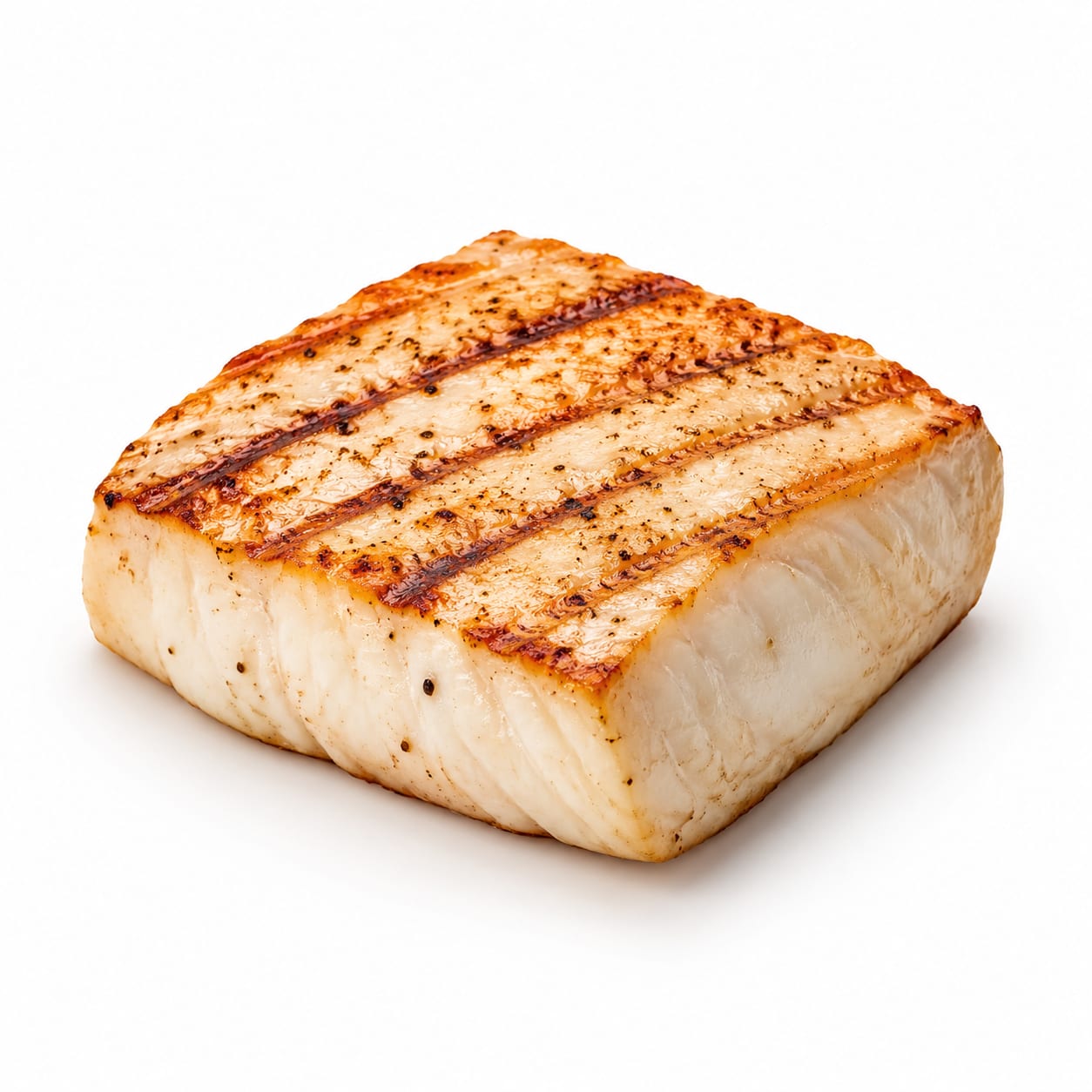
Compare with
Mahi Mahi
Mahi mahi is lower in mercury and slightly higher in protein, while snapper is richer in selenium.
Mahi mahi is lower in mercury and slightly higher in protein, while snapper offers more selenium and a sweeter flavor.
This food
Snapper
VS80% alike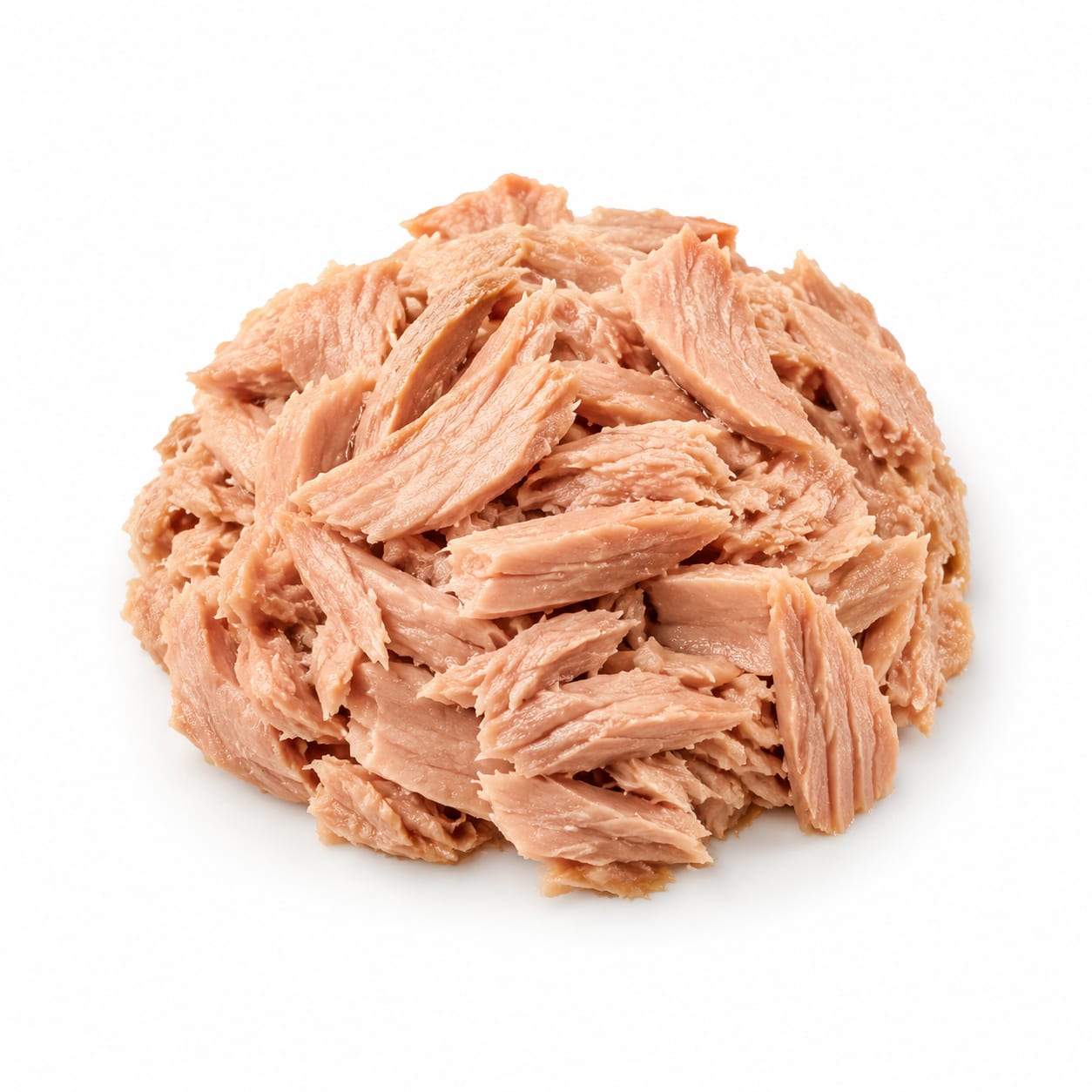
Compare with
Tuna
Tuna has more protein and omega-3s but significantly higher mercury levels than snapper.
Tuna provides more protein and omega-3s but has much higher mercury, while snapper is a safer lean choice for regular consumption.
This food
Snapper
VS75% alike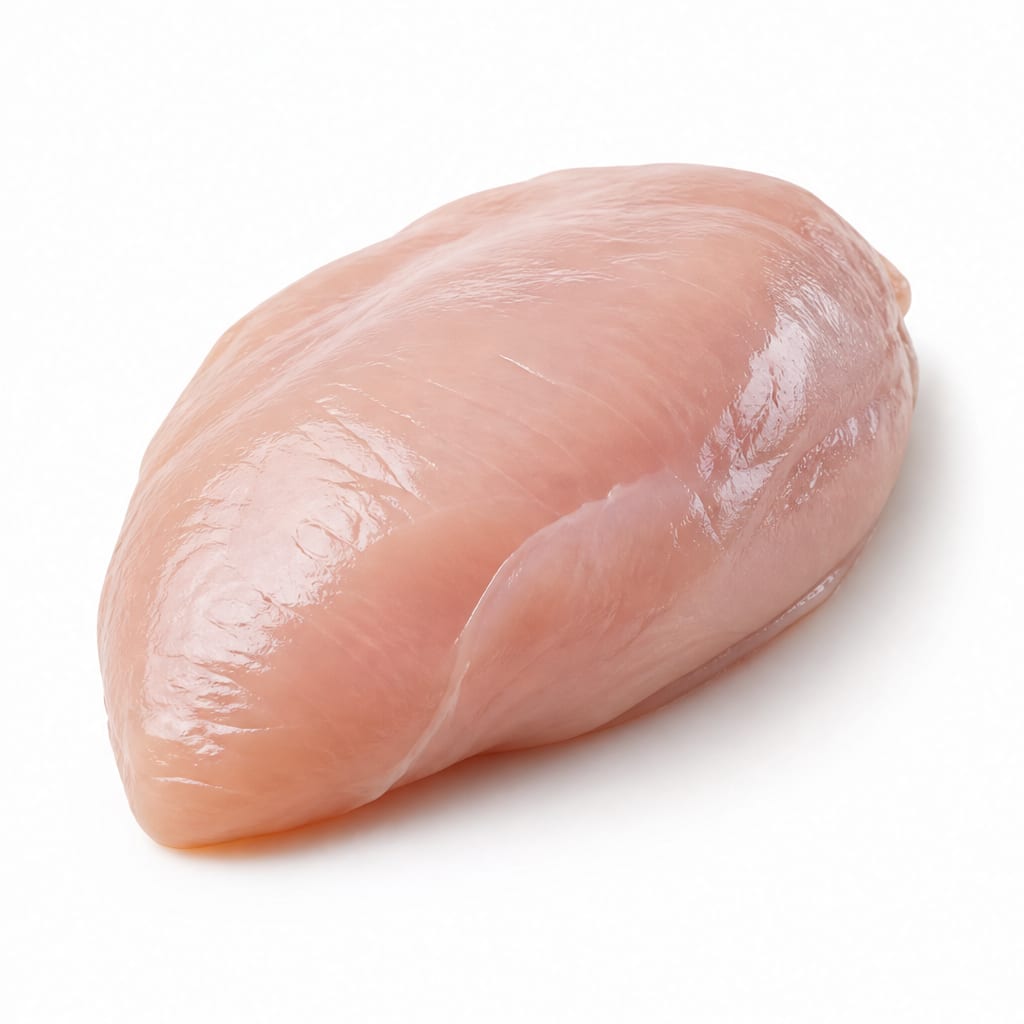
Compare with
Chicken Breast
Chicken breast has slightly more protein, while snapper provides omega-3s and selenium not found in poultry.
Chicken breast offers slightly more protein per calorie, but snapper adds beneficial omega-3s and selenium that chicken lacks.
This food
Snapper
VS70% alike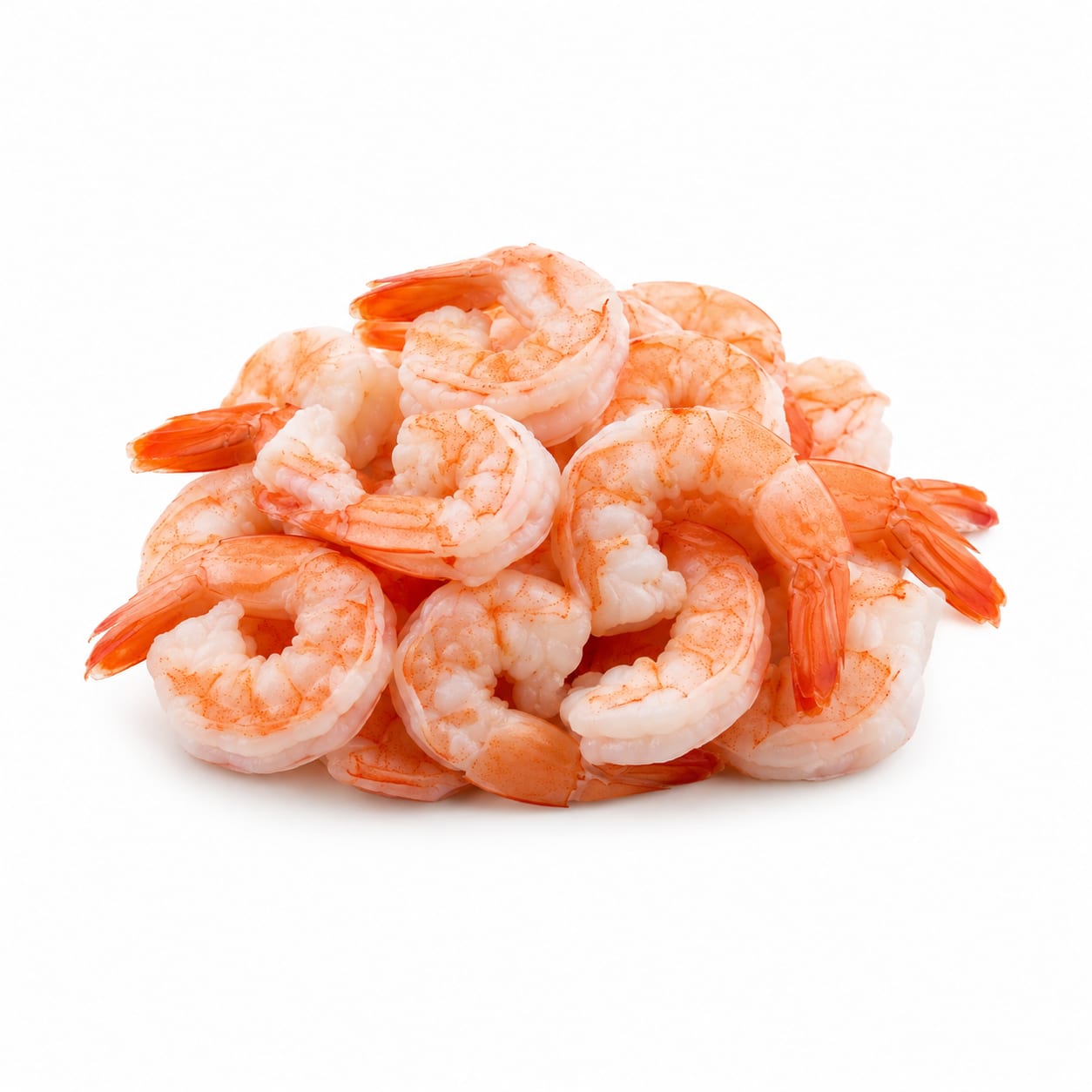
Compare with
Shrimp
Shrimp is lower in calories and mercury but higher in cholesterol, while snapper provides a heavier, more filling protein source.
Shrimp is lower in calories and mercury, but snapper offers a denser, more satiating protein portion for main meals.
This food
Snapper
VS85% alike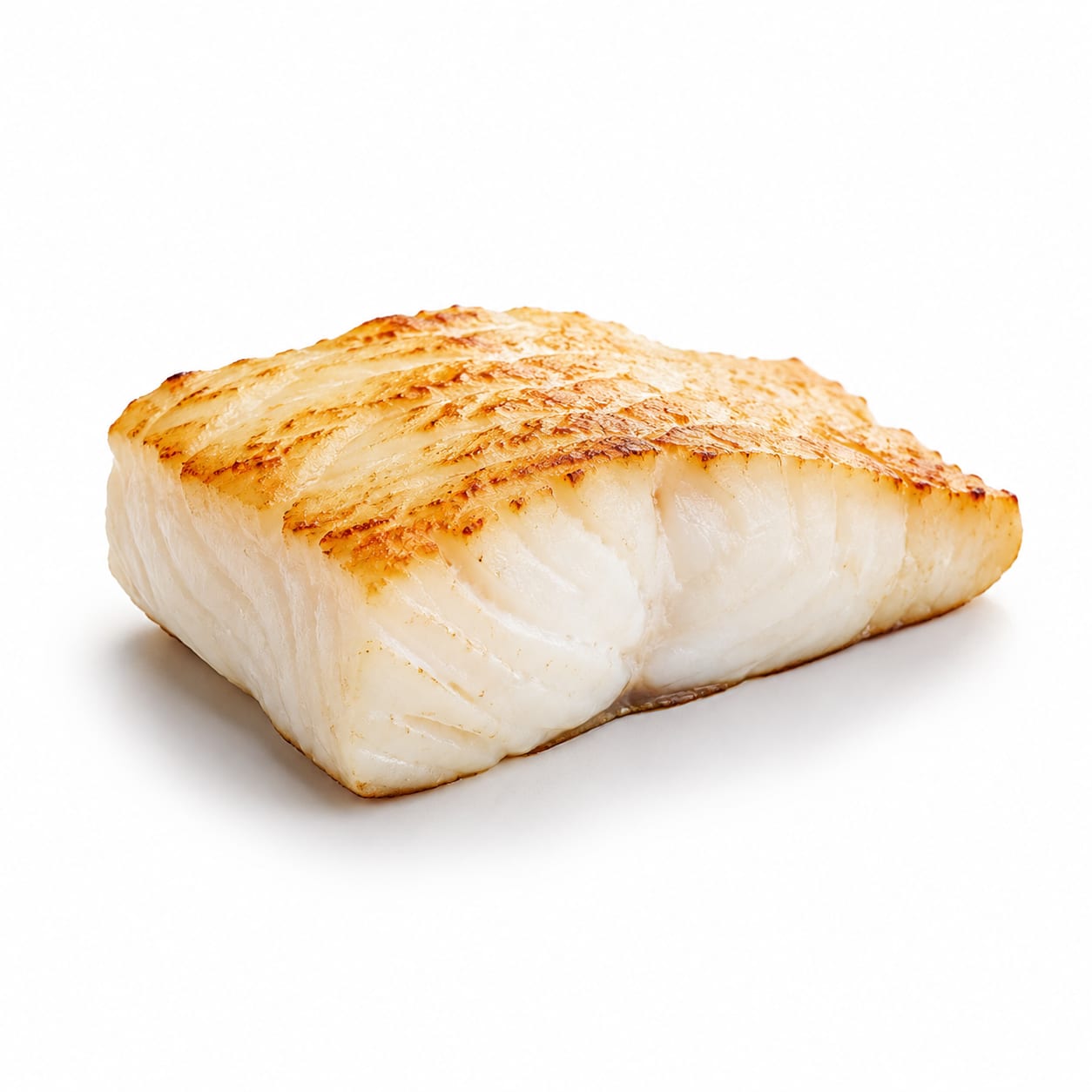
Compare with
Halibut
Halibut provides more omega-3s and vitamin D, but snapper is generally more affordable and has slightly fewer calories.
Halibut is richer in omega-3s and vitamin D, while snapper is slightly lower in calories and more budget-friendly.
This food
Snapper
VS75% alike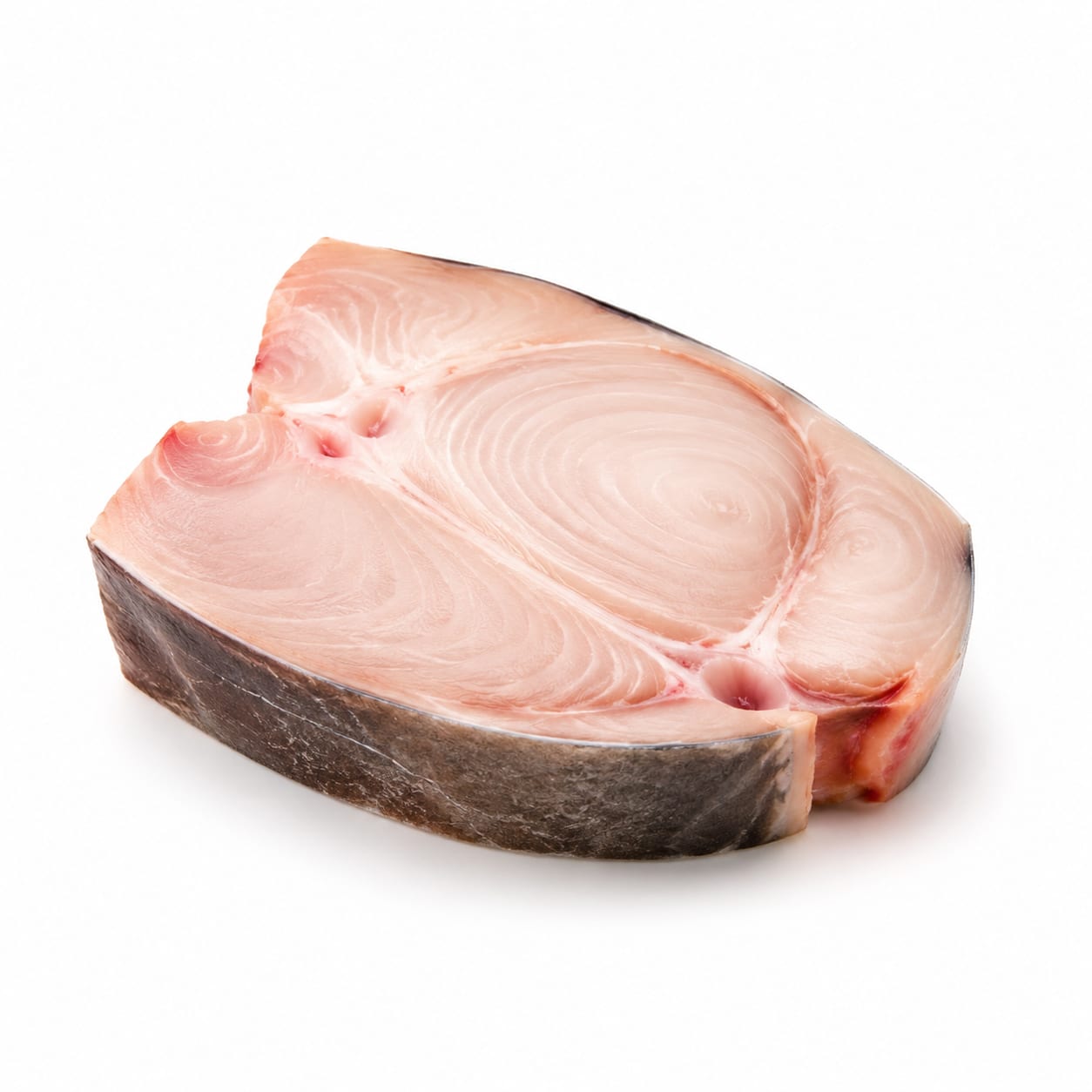
Compare with
Swordfish
Swordfish is much higher in mercury and fat, while snapper is a leaner, safer choice for regular eating.
Snapper is significantly lower in mercury and calories than swordfish, making it a much safer and leaner option for regular meals.
Common questions
FAQ
Answers aligned with how people search for this food.
Is snapper high in mercury?
Snapper has moderate mercury levels. It is safe to eat 1-2 times a week, but pregnant women and children should limit their intake and opt for lower-mercury fish.
Is snapper good for weight loss?
Yes, snapper is excellent for weight loss. It is very low in calories and fat while being high in protein, which helps keep you full and preserves lean muscle mass.
How many calories are in snapper?
There are approximately 100 calories in a 100-gram serving of raw snapper, with the vast majority of those calories coming from protein.
Can diabetics eat snapper?
Yes, snapper contains zero carbohydrates and will not spike blood sugar. The protein also helps stabilize glucose levels when paired with fibrous vegetables.
Is snapper keto-friendly?
Absolutely. Snapper has zero carbs and is a great source of protein and healthy fats for those following a ketogenic or low-carb diet.
Is red snapper healthier than tilapia?
Red snapper has more omega-3 fatty acids and micronutrients like selenium than tilapia, but tilapia is lower in mercury and usually more affordable.
Can you eat snapper raw?
Snapper can be eaten raw in dishes like sushi or ceviche, but it must be sushi-grade and handled properly to avoid parasitic or bacterial contamination.
What is the best way to cook snapper?
Baking, grilling, and steaming are the best methods. Because it is a lean fish, it dries out easily, so avoid overcooking and consider using moist heat or marinades.
Transparency
Data confidence
Estimated confidence for nutrition data, interpretation, safety notes, and comparisons.
Nutrition data
Health analysis
Food safety
Comparisons