
Nutrition comparison
Snapper vs Chicken Breast: Which Lean Protein is Healthier?
Comparing Snapper vs Chicken Breast for protein, weight loss, and health. Learn the nutritional tradeoffs, mercury risks, and which is better for your diet.
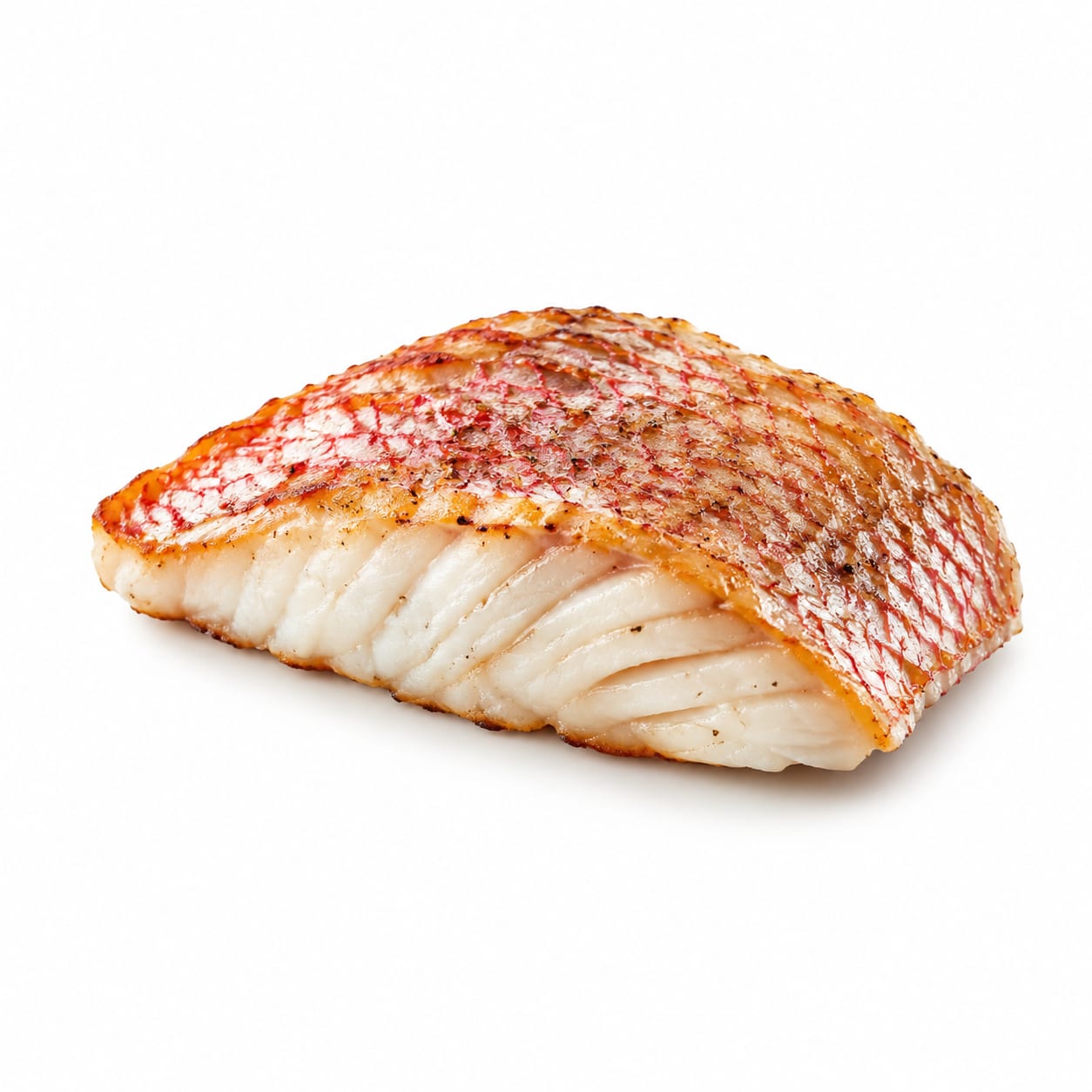
Snapper
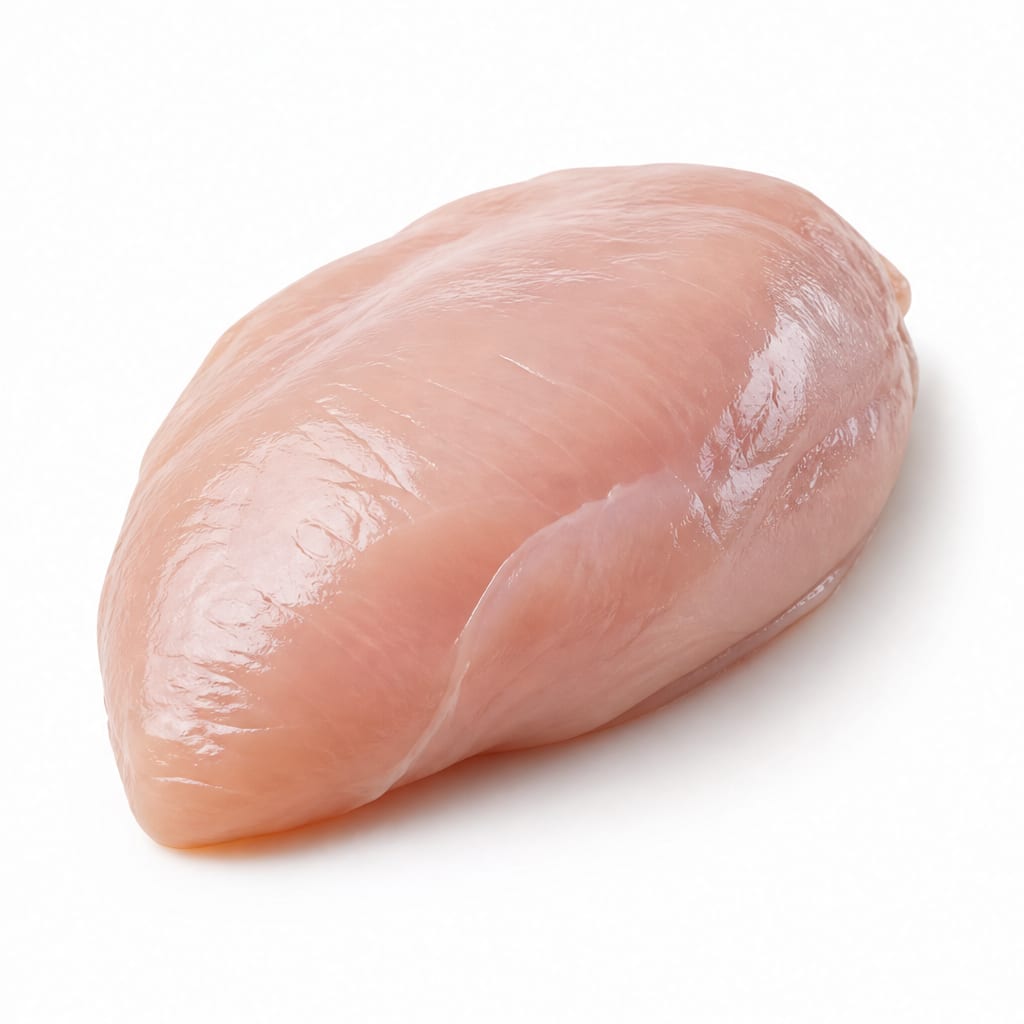
Chicken Breast
Chicken Breast wins for daily lean protein and budget, while Snapper wins for heart-healthy fats and lighter meals.
Chicken Breast scores slightly higher due to superior daily practicality, lower cost, and higher protein per calorie. Snapper remains an excellent choice but loses points on mercury risk and everyday affordability.
Marine omega-3s and lighter digestibility in Snapper versus higher protein density, lower cost, and safer daily consumption in Chicken Breast.
At a glance
Executive summary
Overall
It depends
Healthier
It depends
More practical
Chicken Breast
Daily use
Chicken Breast
Key comparison lenses
Lean protein source selection
Both foods are premier lean protein options, making protein density and quality the primary decision factor.
Heart health and fat profile
Snapper provides marine omega-3s while Chicken Breast offers ultra-low fat, creating a meaningful cardiovascular tradeoff.
Contaminant and safety exposure
Mercury in Snapper versus antibiotic and salmonella risks in Chicken Breast are critical safety concerns for regular consumers.
Budget and meal prep practicality
Chicken Breast is a staple for affordable bulk cooking, whereas Snapper is typically a pricier, occasional purchase.
Best choice for
Snapper
- Boosting heart health with marine fats
- Pescatarian diets
- Elegant, lighter dinners
- Increasing dietary variety
Chicken Breast
- Budget-friendly meal prep
- Strict macro tracking and bodybuilding
- Daily lean protein intake
- Families needing versatile, kid-safe protein
Least suitable for
Snapper
- Pregnant women watching mercury
- Tight grocery budgets
- Daily consumption due to heavy metal accumulation
Chicken Breast
- People avoiding poultry
- Those specifically seeking omega-3 fats
- Diners prone to getting bored of repetitive meals
Deep comparison
Dimension by dimension
Each lens scores both foods and breaks down who each option suits.
- Dimension 1 · Priority 95Chicken Breast
Protein Density & Muscle Building
Snapper · 82Chicken Breast · 95Chicken Breast packs more protein per calorie, making it the gold standard for muscle gain and fat loss phases.
Tradeoff
You get slightly less protein per serving with Snapper, but still enough to easily meet daily needs.
Why it matters
Higher protein density helps you stay full longer and preserve muscle without consuming excess calories.
Real-world impact
Eating Chicken Breast after a workout gives you more building blocks for recovery without filling up on extra calories.
Snapper
- Adding variety to a boring chicken-only diet
Better for
- Bodybuilders needing extreme protein intake
Worse for
Chicken Breast
- Hitting high protein targets on a cut
- Post-workout recovery meals
Better for
- People tired of eating the same protein daily
Worse for
- Dimension 2 · Priority 85Snapper
Heart Health & Fat Profile
Snapper · 88Chicken Breast · 72Snapper provides beneficial unsaturated fats and trace omega-3s, whereas Chicken Breast has virtually no fat but slightly more saturated fat per gram.
Tradeoff
Chicken Breast is leaner overall, but Snapper offers the heart-protective fats that chicken completely lacks.
Why it matters
Omega-3s reduce inflammation and support cardiovascular health, which ultra-lean meats cannot do alone.
Real-world impact
Swapping in Snapper a couple of nights a week can make your heart happier than eating chicken every single night.
Snapper
- Supporting cardiovascular health
- Reducing systemic inflammation
Better for
- Strict fat-restricted medical diets
Worse for
Chicken Breast
- Ultra-low-fat diets for rapid weight loss
Better for
- Long-term heart health optimization
Worse for
- Dimension 3 · Priority 80It depends
Contaminant & Safety Exposure
Snapper · 70Chicken Breast · 75Snapper carries a moderate mercury risk, while conventional Chicken Breast carries antibiotic and salmonella concerns.
Tradeoff
You choose between ocean-borne heavy metals and land-based farming risks.
Why it matters
Accumulated mercury affects brain health, while antibiotic residues impact gut health and immunity.
Real-world impact
Eating Snapper daily could lead to heavy metal buildup over time, whereas poorly handled chicken can cause acute food poisoning.
Snapper
- Avoiding factory farming antibiotics
Better for
- Frequent consumption during pregnancy
Worse for
Chicken Breast
- Pregnant women avoiding mercury
- Daily consumption without heavy metal worry
Better for
- Those worried about poultry farming practices
Worse for
- Dimension 4 · Priority 75Chicken Breast
Practicality & Affordability
Snapper · 55Chicken Breast · 92Chicken Breast is significantly cheaper, easier to find, and simpler to meal prep in bulk.
Tradeoff
Snapper is more expensive and delicate to cook, but offers a more elevated dining experience.
Why it matters
Consistency in healthy eating relies on foods that fit your budget and are easy to prepare.
Real-world impact
You can grill five pounds of Chicken Breast for the week on a budget; doing the same with Snapper would break the bank.
Snapper
- Impressing dinner guests
- Special occasion meals
Better for
- Students or large families on tight budgets
Worse for
Chicken Breast
- Weekly meal prep
- Budget-conscious households
Better for
- Gourmet cooking requirements
Worse for
- Dimension 5 · Priority 65Snapper
Digestibility & Meal Feel
Snapper · 88Chicken Breast · 78Fish generally feels lighter in the stomach and digests faster than poultry.
Tradeoff
Snapper leaves you feeling satisfied but not heavy, while Chicken Breast can feel denser and more filling.
Why it matters
A lighter meal is better before bedtime or activity, while a denser meal staves off hunger longer.
Real-world impact
Snapper is ideal for a late dinner that will not disrupt your sleep, while Chicken Breast is better for a lunch that needs to hold you until evening.
Snapper
- Late-night dinners
- Hot summer days when heavy food sounds awful
Better for
- Those needing prolonged fullness from a single meal
Worse for
Chicken Breast
- Long stretches between meals
Better for
- People who feel sluggish after heavy protein
Worse for
Timeline
Health impact over time
Short-term
Hours to days
Snapper
- Quick, light digestion without bloating
- Steady energy without a heavy stomach
Chicken Breast
- Strong and lasting fullness
- Reliable post-workout muscle satisfaction
Long-term
Months to years
Snapper
- Better cardiovascular markers from marine fats
- Potential mercury accumulation if overconsumed
Chicken Breast
- Excellent muscle preservation into older age
- Potential boredom leading to diet deviation if not spiced up
Risk profile
Safety & processing
Both Snapper and Chicken Breast are whole, single-ingredient foods when purchased fresh, making them equally clean choices from a processing standpoint.
Snapper
Mercury exposure
mediumSnapper is a mid-tier predator fish, carrying enough mercury to warrant limiting intake to 1-2 servings per week, especially for pregnant women.
Microplastics
lowLike all ocean fish, Snapper carries trace microplastics, though the health impact at normal consumption levels is still debated.
Chicken Breast
Salmonella contamination
mediumRaw or undercooked chicken is a leading carrier of salmonella, requiring strict kitchen hygiene and thorough cooking.
Antibiotic residues
mediumConventional chicken farming often uses antibiotics, which can leave trace residues and contribute to gut flora disruption if consumed frequently.
Who wins for whom
Audience fit
Same foods, different winners depending on your goal.
children
Chicken BreastChicken Breast is safer for developing nervous systems due to zero mercury risk, and its mild flavor is usually more kid-friendly.
daily consumption
Chicken BreastChicken Breast can be eaten daily without heavy metal accumulation concerns, making it a safer staple for everyday meal prep.
diabetes
It dependsBoth are zero-carb, high-protein foods that stabilize blood sugar perfectly; the choice comes down to personal fat and flavor preference.
elderly
SnapperSnapper is easier to chew, gentler on the stomach, and provides omega-3s that support aging brains and joints.
muscle gain
Chicken BreastThe higher protein density and lower cost of Chicken Breast make it far easier to eat in the large quantities required for building muscle.
weight loss
Chicken BreastChicken Breast offers slightly more protein and fewer calories per serving, making it the ultimate food for feeling full while cutting.
Your move
Decision guide
Choose Snapper
- You want to boost your omega-3 intake without taking supplements
- You are cooking a nice dinner and want something lighter and more elegant
- You follow a pescatarian diet
- You feel sluggish after eating heavy poultry meals
Choose Chicken Breast
- You are meal-prepping on a budget for the week
- You need maximum protein per calorie for fat loss or muscle gain
- You are pregnant or breastfeeding and avoiding mercury
- You want a versatile protein that takes on any seasoning
Either works if
- You just need a solid, zero-carb protein source for a salad
- You are alternating proteins to keep your diet interesting
Avoid both if
- You are following a strict plant-based or vegan diet
- You have specific allergies to fish or poultry
Final recommendation
Rely on Chicken Breast as your affordable, daily protein workhorse, and bring in Snapper a couple of times a week for its heart-healthy fats and lighter meal feel. This balance gives you the best of both worlds without the mercury risk of daily fish consumption.
Practical
Consumer tips
- 1
Limit Snapper to 1-2 servings a week to keep mercury exposure low.
- 2
Buy organic or antibiotic-free Chicken Breast to avoid farming residues.
- 3
Use a meat thermometer for Chicken Breast to ensure it hits 165°F without drying out.
- 4
Do not overcook Snapper; it is best when just opaque and flaky to keep it tender.
- 5
Marinate Chicken Breast in acidic dressings like lemon or yogurt to keep it moist during meal prep.