
Nutrition comparison
Snapper vs Halibut: Which Fish Is Healthier?
Compare snapper and halibut nutrition, mercury levels, protein, and sustainability. Find out which white fish is better for your health goals and dinner table.
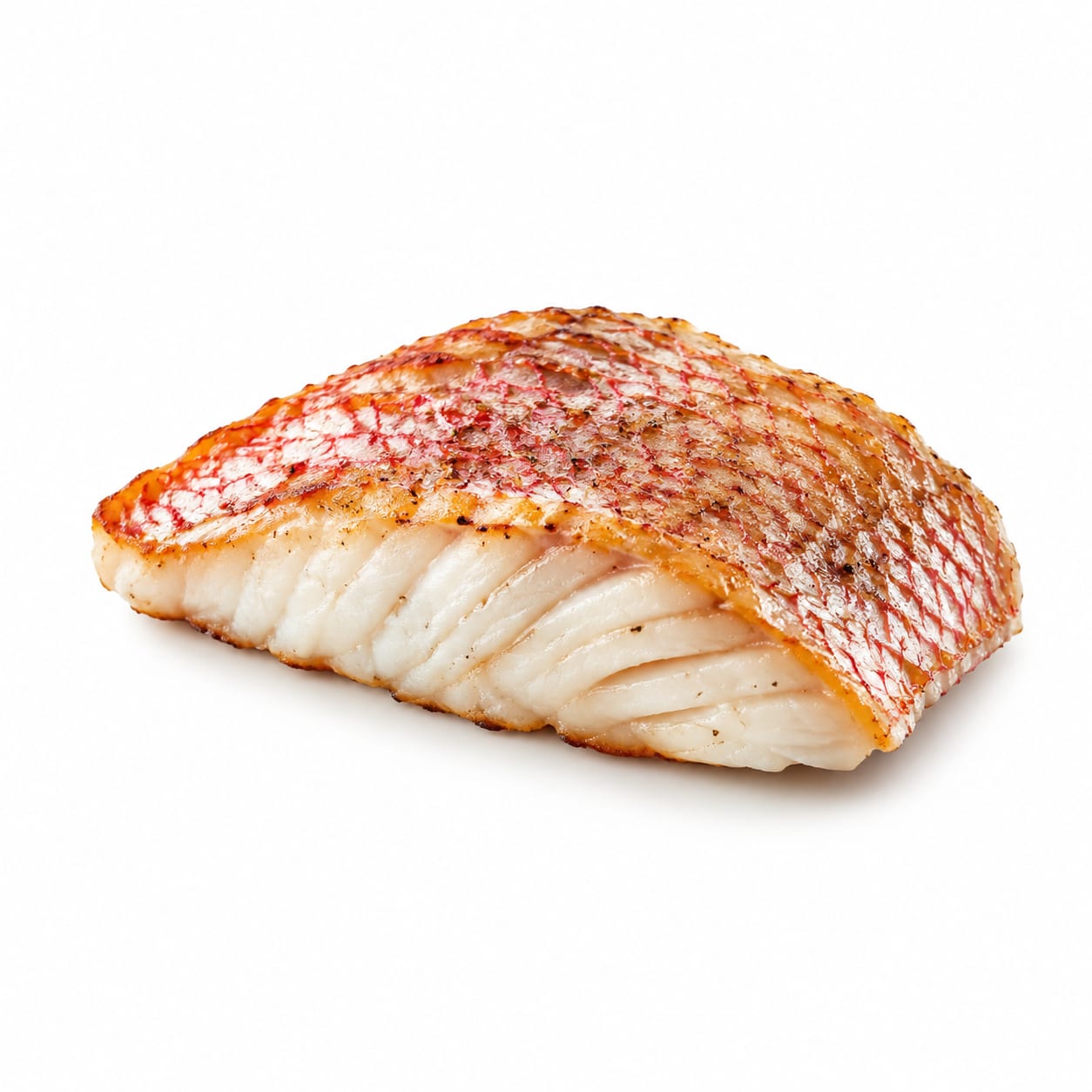
Snapper
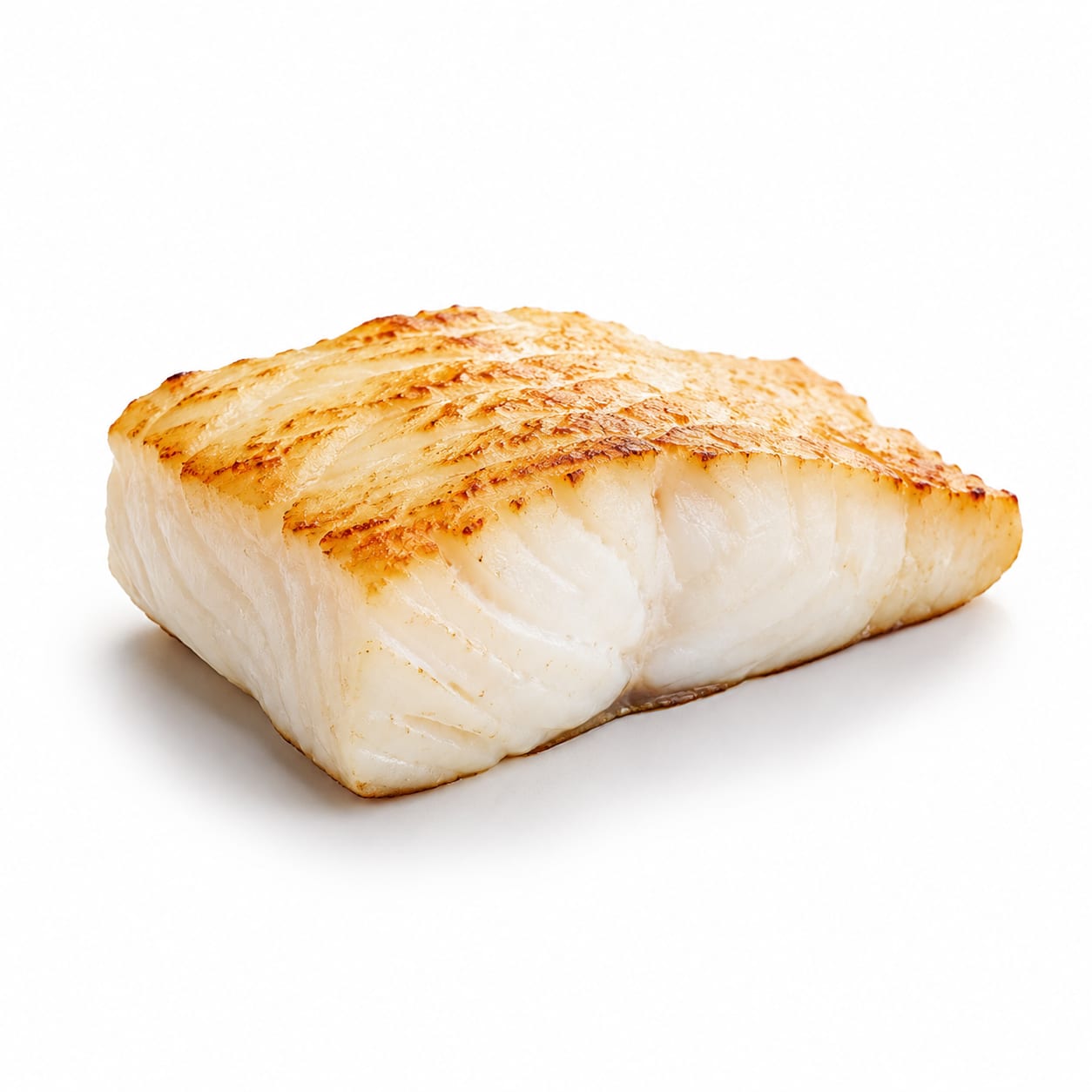
Halibut
Halibut edges ahead on protein and vitamin D, while snapper offers slightly lower mercury exposure and a sweeter flavor profile. Neither is a fatty fish, so both need pairing with healthy fats for a balanced plate.
Halibut scores slightly higher due to superior protein density and vitamin D content, but snapper stays competitive with lower mercury levels and better affordability for regular consumption.
More protein and vitamin D from halibut versus slightly safer mercury profile and more affordable access from snapper.
At a glance
Executive summary
Overall
It depends
Healthier
Halibut
More practical
Snapper
Daily use
Snapper
Key comparison lenses
mercury and heavy metal safety
Both are mid-to-large marine fish with moderate mercury concerns that influence how often they should be eaten
protein quality and density for meals
Both are lean white fish prized for protein, so users want to know which delivers more usable protein per bite
omega-3 and nutrient density tradeoffs
Neither is a fatty fish, but subtle differences in vitamin D, selenium, and omega-3 matter for regular consumers
sustainability and sourcing
Overfishing concerns differ significantly between snapper species and halibut fisheries
cooking versatility and meal satisfaction
Texture and flavor differences affect how filling and enjoyable each fish feels in real meals
Best choice for
Snapper
- People watching mercury intake who still want lean protein
- Budget-conscious cooks wanting versatile white fish
- Families eating fish 2-3 times per week
- Those who prefer sweeter, milder fish flavor
Halibut
- Athletes and active individuals needing higher protein density
- People low in vitamin D looking for food-based sources
- Those eating fish 1-2 times per week who want maximum nutrient payoff
- Fine dining or special occasion meals where texture matters
Least suitable for
Snapper
- Those needing maximum protein per serving
- People with vitamin D deficiency seeking dietary sources
Halibut
- Pregnant women concerned about mercury accumulation
- Budget-limited households needing frequent fish meals
Deep comparison
Dimension by dimension
Each lens scores both foods and breaks down who each option suits.
- Dimension 1 · Priority 90Halibut
Protein Density and Quality
Snapper · 75Halibut · 88Halibut delivers roughly 15% more protein per serving than snapper, making it more efficient for muscle maintenance and satiety.
Tradeoff
The protein gap is meaningful for athletes but negligible for casual fish eaters who get protein from other sources too.
Why it matters
Higher protein per bite means you feel fuller longer and support muscle repair with less food volume.
Real-world impact
A halibut dinner keeps you satisfied deeper into the evening, while snapper may leave you reaching for a snack sooner.
Snapper
- Lighter meals where you want less protein density
Better for
- Muscle-building phases where every gram counts
Worse for
Halibut
- Post-workout recovery meals
- Older adults preventing muscle loss
- Anyone trying to hit protein goals efficiently
Better for
- Small appetites that find dense protein heavy
Worse for
- Dimension 2 · Priority 92Snapper
Mercury and Contaminant Safety
Snapper · 72Halibut · 62Snapper generally carries slightly lower mercury than halibut, though both fall in the moderate-risk category requiring mindful consumption frequency.
Tradeoff
Neither fish is low-mercury like sardines or salmon, but snapper gives you a bit more room for weekly servings.
Why it matters
Mercury accumulates over time and affects neurological health, especially for pregnant women and children.
Real-world impact
With snapper you can comfortably eat fish twice a week; with halibut, once a week is wiser for vulnerable groups.
Snapper
- Pregnant or nursing women
- Children under 12
- People who eat fish 3+ times weekly
Better for
- Those who assume all white fish is low-mercury
Worse for
Halibut
- Occasional fish eaters who rarely hit mercury thresholds
Better for
- Frequent fish consumers who already eat tuna or swordfish
Worse for
- Dimension 3 · Priority 80Halibut
Vitamin and Mineral Profile
Snapper · 68Halibut · 84Halibut is a standout source of vitamin D and selenium, while snapper offers more vitamin A but falls short on the sunshine vitamin.
Tradeoff
Vitamin D is hard to find in food, making halibut unusually valuable. Snapper's vitamin A advantage is less impactful since many foods provide it.
Why it matters
Roughly 40% of adults are vitamin D deficient, and halibut is one of the few natural food sources worth relying on.
Real-world impact
Eating halibut once a week can meaningfully move the needle on your vitamin D intake, especially in winter months.
Snapper
- Those wanting more vitamin A from whole foods
Better for
- Vitamin D deficient individuals
Worse for
Halibut
- People with low vitamin D levels
- Anyone living in northern latitudes with limited sun
- Older adults who absorb vitamin D less efficiently
Better for
- Those already supplementing high-dose vitamin D
Worse for
- Dimension 4 · Priority 65Halibut
Omega-3 Content
Snapper · 42Halibut · 50Neither fish is an omega-3 powerhouse. Halibut has a slight edge, but both lose badly to salmon, sardines, or mackerel.
Tradeoff
Choosing either for omega-3s is like choosing a bicycle for highway speed — technically faster than walking, but not the right tool.
Why it matters
If heart health or inflammation reduction is your goal, these fish need fatty fish companions in your diet.
Real-world impact
A halibut dinner provides maybe 15% of your omega-3 needs. Add a salmon meal later in the week to actually move the needle.
Snapper
- Those who also eat fatty fish regularly
Better for
- Heart health-focused diets relying on fish alone
Worse for
Halibut
- People who only eat white fish and need every bit of omega-3 they can get
Better for
- Anyone expecting anti-inflammatory benefits comparable to salmon
Worse for
- Dimension 5 · Priority 70Halibut
Satiety and Meal Satisfaction
Snapper · 68Halibut · 78Halibut's firmer, meatier texture and higher protein make it more filling and satisfying as a centerpiece protein.
Tradeoff
Snapper's flakier, lighter texture feels more delicate and refined but less substantial as a main course.
Why it matters
Meals that actually fill you up prevent overeating later, which matters more than most people think.
Real-world impact
A 6oz halibut fillet feels like a real dinner. The same portion of snapper might leave you wanting a side of rice or bread.
Snapper
- Light summer meals and fish tacos
- Appetizer portions or multi-course dining
Better for
- Active people needing fuel after exercise
Worse for
Halibut
- Hearty dinner plates where fish is the star
- Meal prep where staying full matters
Better for
- Light lunches where you want to stay alert, not sluggish
Worse for
- Dimension 6 · Priority 72Halibut
Sustainability and Sourcing
Snapper · 55Halibut · 72Pacific halibut from well-managed fisheries is a more sustainable choice than most snapper, which faces overfishing and bycatch concerns.
Tradeoff
Atlantic halibut is a different story and should be avoided. Sourcing matters enormously for both fish.
Why it matters
Choosing sustainable seafood ensures these fish exist for future generations and reduces ecosystem damage.
Real-world impact
Asking 'is this Pacific halibut?' at the fish counter is one of the highest-impact questions a consumer can ask.
Snapper
- Regions where local snapper is sustainably caught
Better for
- Imported snapper with unknown catch methods
Worse for
Halibut
- Pacific coast consumers with access to well-managed halibut
- Eco-conscious eaters who verify sourcing
Better for
- Atlantic halibut, which is overfished
Worse for
Timeline
Health impact over time
Short-term
Hours to days
Snapper
- Light, clean protein that digests easily without heaviness
- Minimal omega-3 means less immediate anti-inflammatory benefit
- Low calorie density supports lighter meal portions
Halibut
- More filling protein hit that sustains energy longer
- Vitamin D boost that can improve mood and energy same-day
- Denser texture feels more satisfying and meal-complete
Long-term
Months to years
Snapper
- Moderate mercury means long-term accumulation is possible with frequent consumption
- Consistent lean protein supports healthy weight maintenance
- Low omega-3 intake if relied on as sole fish source may not support heart health optimally
Halibut
- Vitamin D contribution compounds over time, supporting bone density and immune function
- Slightly higher mercury requires capping weekly intake for vulnerable populations
- Better protein density helps preserve muscle mass with aging
Risk profile
Safety & processing
Both snapper and halibut are whole, minimally processed foods when purchased fresh or frozen. Concerns arise only with pre-marinated or pre-breaded versions, which add sodium and preservatives.
Snapper
Mercury accumulation
mediumRed snapper contains moderate mercury levels. Limit to 2 servings per week, especially for pregnant women and children.
Mislabeling fraud
mediumSnapper is one of the most commonly mislabeled fish in the US. You may be getting tilapia or rockfish instead.
Ciguatera toxin
lowReef-dwelling snapper can carry ciguatera toxin in tropical regions, causing foodborne illness. Rare in commercially sourced fish.
Halibut
Mercury accumulation
mediumHalibut carries moderate to slightly elevated mercury. Limit to 1-2 servings per week, with extra caution for pregnant women.
Parasitic worms
lowWild halibut can carry anisakis parasites. Proper cooking or freezing eliminates this risk entirely.
Atlantic stock depletion
highAtlantic halibut populations are depleted. Choosing Pacific halibut avoids supporting unsustainable fisheries.
Who wins for whom
Audience fit
Same foods, different winners depending on your goal.
children
SnapperLower mercury levels make snapper a safer choice for developing nervous systems, and its milder flavor appeals to kids.
daily consumption
SnapperNeither should be eaten daily due to mercury, but snapper's slightly lower mercury gives more flexibility for frequent fish eaters.
diabetes
HalibutBoth have zero carbs and minimal impact on blood sugar, but halibut's higher protein provides steadier satiety.
elderly
HalibutVitamin D and higher protein support bone density and muscle preservation, both critical concerns with aging.
muscle gain
HalibutMore protein per serving and excellent amino acid profile make halibut a better muscle-support food.
weight loss
HalibutHalibut's higher protein and similar calorie count make it more satiating per calorie, helping control overall intake.
Your move
Decision guide
Choose Snapper
- You eat fish multiple times per week and want to manage mercury exposure
- You're cooking for kids who prefer milder, sweeter fish
- Budget is a factor and you want good value white fish
- You're making fish tacos, ceviche, or Caribbean-style preparations
- You're pregnant or nursing and being cautious about heavy metals
Choose Halibut
- You want maximum protein and nutrient density from your fish
- You're low in vitamin D and need food-based sources
- You eat fish only occasionally and want the most nutritional payoff
- You're preparing a special dinner where meaty texture matters
- You're an athlete or active person prioritizing muscle support
Either works if
- You're already eating fatty fish like salmon weekly for omega-3s
- You want a lean protein base for a vegetable-heavy meal
- You're comfortable moderating portions to manage mercury
Avoid both if
- You have a severe fish allergy
- You're looking for significant omega-3 intake from a single food
- You eat large predatory fish daily and are concerned about cumulative mercury
Final recommendation
For most people, alternating between snapper and halibut is the smartest approach. Use halibut when you want a nutrient-dense, satisfying dinner with a vitamin D bonus. Choose snapper for lighter meals and weeks when you're eating fish more often. Always verify sourcing — Pacific halibut and well-managed snapper fisheries make both choices more responsible.
Practical
Consumer tips
- 1
Ask your fish counter specifically for Pacific halibut — it's sustainably managed and a better choice than Atlantic
- 2
Snapper is one of the most mislabeled fish in restaurants; buy from trusted sources
- 3
Pair either fish with olive oil, avocado, or a nut-based sauce to compensate for low omega-3 content
- 4
Freeze halibut for at least 24 hours before making ceviche or sashimi to kill potential parasites
- 5
Both fish benefit from simple preparations — grilling, baking, or pan-searing with lemon and herbs lets the natural flavor shine
- 6
Pregnant women should cap either fish at once per week and fill other fish meals with low-mercury options like cod or sardines