
Nutrition comparison
Snapper vs Swordfish: Mercury, Nutrition, and Which Is Safer to Eat
Snapper is safer for regular eating with lower mercury. Swordfish offers more omega-3s but should be limited to once per month. Compare nutrition, safety, and taste to choose the right fish for your table.
Overall winner · Snapper
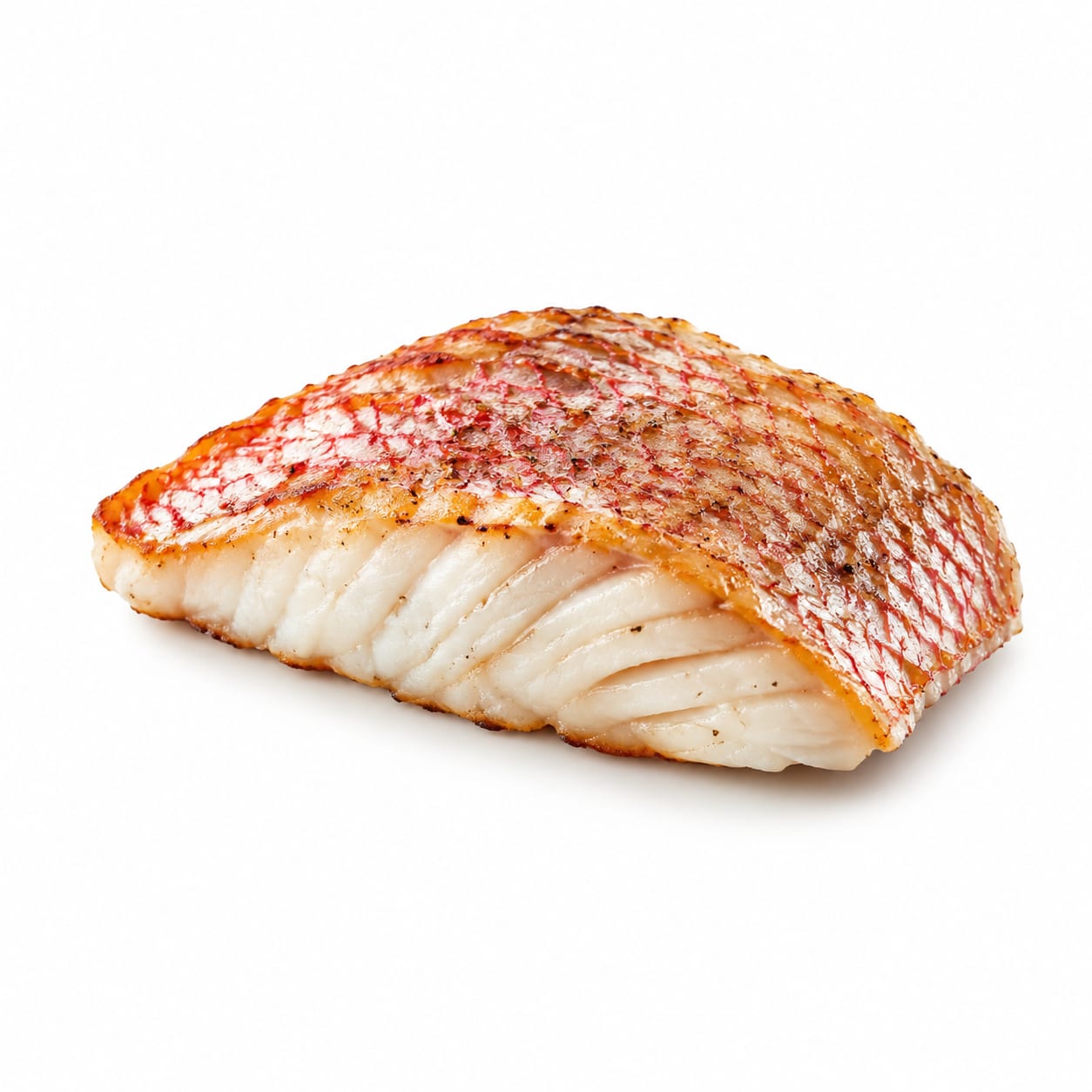
Snapper
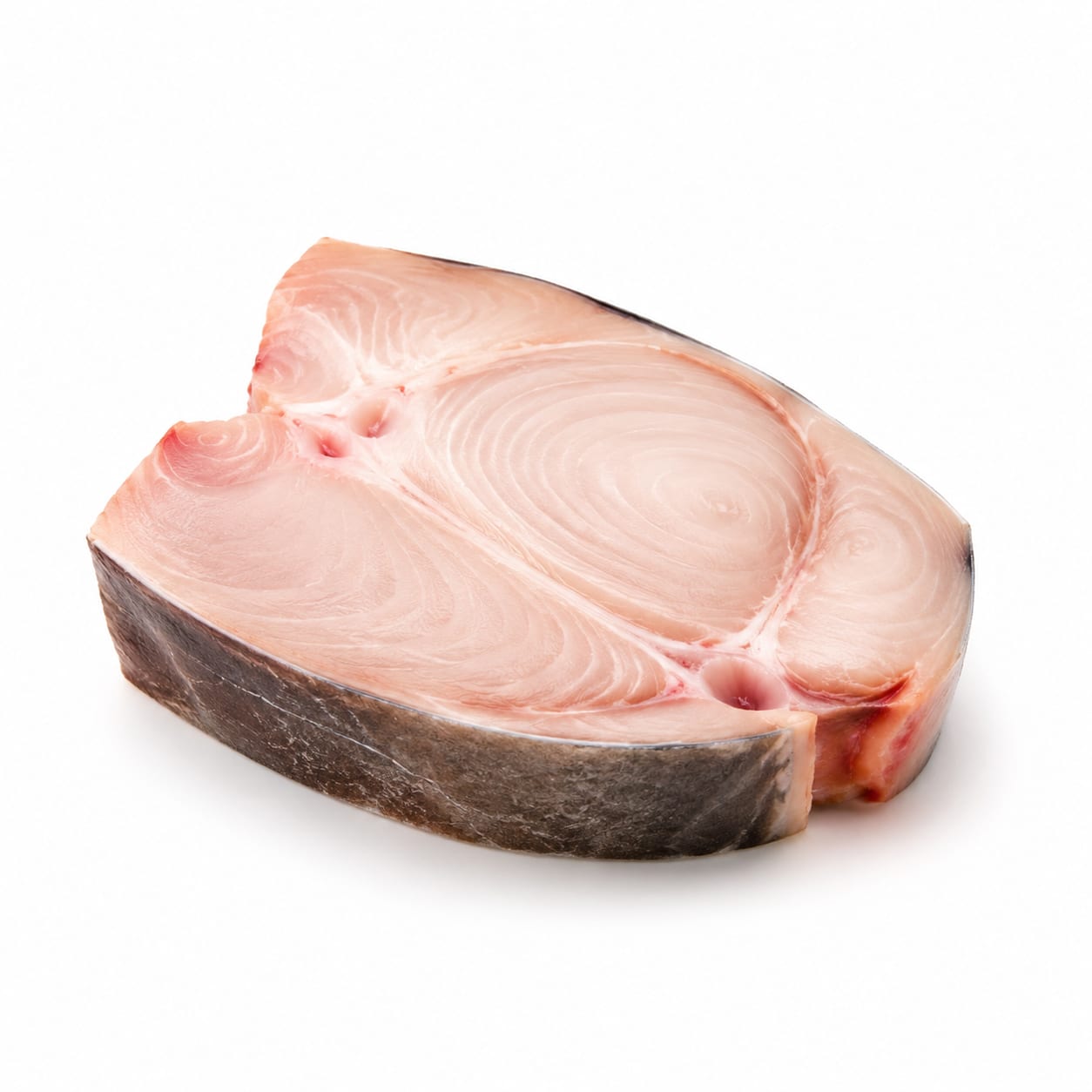
Swordfish
Snapper is the safer, more versatile everyday choice. Swordfish delivers richer omega-3s and a steak-like texture but carries significant mercury risk that limits how often you can eat it.
Snapper scores significantly higher due to its safe consumption frequency and lower mercury. Swordfish loses ground because its high mercury content fundamentally limits how often you can eat it, regardless of its nutritional strengths.
Swordfish gives you more omega-3s and a heartier meal experience, but snapper lets you eat fish freely without worrying about mercury buildup.
At a glance
Executive summary
Overall
Snapper
Healthier
Snapper
More practical
Snapper
Daily use
Snapper
Key comparison lenses
mercury safety and consumption frequency
Swordfish is notoriously high in mercury, making safe consumption frequency the single most important factor in this comparison
protein quality and satiety
Both are firm, meaty fish favored for protein intake, but their nutritional profiles differ meaningfully
omega-3 and nutrient density
Swordfish offers more omega-3s and selenium, while snapper provides leaner nutrition with less fat
sustainability and environmental impact
Swordfish populations and fishing methods raise more sustainability concerns than well-managed snapper fisheries
family-friendly meal planning
Mercury levels directly determine whether children and pregnant women can safely eat these fish
Best choice for
Snapper
- Families wanting fish 2-3 times per week
- Pregnant or breastfeeding women
- Children over 1 year old
- Anyone monitoring heavy metal exposure
- Lean protein seekers watching fat intake
Swordfish
- Occasional treat for healthy adults
- Those wanting maximum omega-3 per serving
- Grilling enthusiasts wanting steak-like texture
- Selenium-boosting meals (in moderation)
Least suitable for
Snapper
- Those seeking high omega-3 intake from fish alone
Swordfish
- Pregnant or breastfeeding women
- Children under 12
- Anyone eating fish more than once per week
- People with mercury sensitivity concerns
Deep comparison
Dimension by dimension
Each lens scores both foods and breaks down who each option suits.
- Dimension 1 · Priority 95Snapper
Mercury and Heavy Metal Safety
Snapper · 85Swordfish · 25Snapper has moderate mercury levels safe for regular consumption. Swordfish consistently ranks among the highest-mercury fish available.
Tradeoff
Swordfish offers great nutrition per serving, but you can only safely eat it a few times per month. Snapper you can enjoy multiple times weekly.
Why it matters
Mercury accumulates in your body over time and can damage the nervous system, brain development in children, and cardiovascular health.
Real-world impact
A swordfish dinner once a week could push your mercury levels into concerning territory within months. Snapper lets you enjoy fish night without the mental math.
Snapper
- Weekly meal planners
- Parents cooking for kids
- Anyone who loves eating fish regularly
Better for
- Those who assume all fish are equally safe and overconsume
Worse for
Swordfish
- Rare special-occasion diners who eat fish infrequently
Better for
- Anyone eating it weekly or more
- Households with young children sharing meals
Worse for
- Dimension 2 · Priority 75Swordfish
Omega-3 Fatty Acid Content
Snapper · 45Swordfish · 78Swordfish delivers roughly 2-3 times more omega-3s per serving than snapper, making it more anti-inflammatory per bite.
Tradeoff
You get more brain and heart-healthy fats from swordfish, but only during the few times per month you can safely eat it.
Why it matters
Omega-3s reduce inflammation, support brain function, and protect heart health. Getting enough matters for long-term wellbeing.
Real-world impact
If you eat swordfish twice a month and snapper never, you may still get fewer total omega-3s than someone eating snapper twice a week plus sardines or salmon.
Snapper
- Consistent low-dose omega-3 intake through frequent meals
Better for
- Those relying solely on snapper for omega-3s will fall short
Worse for
Swordfish
- Maximum omega-3 per individual serving
- Occasional nutrient-dense meal boost
Better for
- People who think high omega-3 cancels out mercury risk
Worse for
- Dimension 3 · Priority 70Swordfish
Protein Quality and Satiety
Snapper · 72Swordfish · 82Swordfish packs more protein per serving with a denser, meatier texture that feels more filling. Snapper is still excellent but leaner.
Tradeoff
Swordfish keeps you fuller longer per serving, but snapper's lighter feel works better for those preferring less heavy meals.
Why it matters
Higher protein with better satiety helps with portion control and reduces between-meal snacking.
Real-world impact
A swordfish steak feels like a real meal — substantial and satisfying. Snapper fillets are lighter and may leave you reaching for a side dish sooner.
Snapper
- Lighter dinner preferences
- Smaller appetite eaters
- Hot weather meals when heavy food feels wrong
Better for
- Very active people needing maximum protein per serving
Worse for
Swordfish
- Post-workout recovery meals
- Big appetite satisfaction
- Those replacing red meat with fish
Better for
- Light eaters who find dense fish overwhelming
Worse for
- Dimension 4 · Priority 65Snapper
Sustainability and Environmental Impact
Snapper · 68Swordfish · 42Many snapper fisheries are well-managed with sustainable options available. Swordfish fishing methods often raise bycatch and overfishing concerns.
Tradeoff
Choosing sustainable snapper supports ocean health more reliably. Swordfish sustainability varies wildly depending on source and method.
Why it matters
Overfishing threatens marine ecosystems. Your purchasing choices directly influence which fisheries thrive.
Real-world impact
Looking for MSC-certified snapper is straightforward. Finding truly sustainable swordfish requires more research and often higher cost.
Snapper
- Eco-conscious consumers
- Those who want simple sustainable choices
Better for
- Some snapper species are overfished — you must check which type
Worse for
Swordfish
- Diners who verify sustainable sources and are willing to pay premium
Better for
- Longline swordfish fishing has significant bycatch including turtles and sharks
Worse for
- Dimension 5 · Priority 60Swordfish
Mineral Density and Micronutrients
Snapper · 58Swordfish · 76Swordfish is notably rich in selenium, vitamin D, and vitamin B12. Snapper provides good nutrition but less concentrated minerals per serving.
Tradeoff
Swordfish is a micronutrient powerhouse per serving, but again, you cannot eat it often enough to make it your primary nutrient source.
Why it matters
Selenium supports thyroid and immune function. Vitamin D is hard to get from food. B12 matters for energy and nerve health.
Real-world impact
One swordfish meal gives you a big selenium and D boost, but snapper eaten regularly provides steadier mineral intake over time.
Snapper
- Steady daily mineral contribution from frequent meals
Better for
- Anyone expecting snapper alone to meet vitamin D needs
Worse for
Swordfish
- Occasional selenium and vitamin D top-up
- Those deficient in B12 wanting a concentrated source
Better for
- People with selenium toxicity concerns from supplements plus swordfish
Worse for
- Dimension 6 · Priority 55It depends
Cooking Versatility and Meal Experience
Snapper · 75Swordfish · 72Snapper adapts to more cooking methods and cuisines. Swordfish excels at grilling and stands up to bold flavors but is less versatile.
Tradeoff
Snapper works in tacos, curries, roasting, and pan-frying. Swordfish shines on the grill but can dry out or become rubbery with less forgiving methods.
Why it matters
A fish you enjoy cooking and eating multiple ways is more likely to become a regular habit.
Real-world impact
Snapper is your weeknight workhorse — bake it, grill it, taco it. Swordfish is your weekend star — fire up the grill and keep it simple.
Snapper
- Weeknight cooks wanting flexibility
- Global cuisine enthusiasts
- Those who bake or steam fish regularly
Better for
- Those wanting a steak-like fish experience
Worse for
Swordfish
- Grilling and BBQ season
- Steak lovers transitioning to fish
- Bold marinade and spice pairings
Better for
- Delicate recipe preparations
- Quick pan-searing where overcooking is likely
Worse for
Timeline
Health impact over time
Short-term
Hours to days
Snapper
- Clean, light energy without digestive heaviness
- Steady satiety without feeling stuffed
- Easy to pair with vegetables and whole grains for balanced meals
Swordfish
- Hearty, satisfying fullness from dense protein and fat
- Potential digestive heaviness if portion is large
- Rich mouthfeel that feels indulgent and meal-like
Long-term
Months to years
Snapper
- Safe for frequent consumption supporting consistent lean protein intake
- Low mercury risk means no cumulative nervous system burden
- Moderate omega-3s contribute to heart health when eaten regularly
Swordfish
- Mercury accumulation risk if consumed more than 2-3 times monthly
- Higher omega-3s support cardiovascular and cognitive health when consumed in safe amounts
- Selenium may provide thyroid and immune support with occasional consumption
Risk profile
Safety & processing
Both snapper and swordfish are whole, minimally processed foods when purchased fresh or frozen without additives. The naturalness concern here is not processing but environmental contamination — swordfish's higher mercury comes from its position as a large predatory fish, not from anything added to it.
Snapper
Mercury exposure
mediumSnapper contains moderate mercury levels. Red snapper tends to be higher than other varieties. Safe for 2-3 servings per week for most adults, but pregnant women should limit to 1-2 servings weekly.
Ciguatera toxin
lowSome tropical snapper can carry ciguatera toxin from reef algae. More common in Caribbean and Pacific snapper. Cooking does not destroy this toxin.
Parasites
lowLike all wild fish, raw or undercooked snapper may carry parasites. Freeze properly or cook thoroughly for raw preparations.
Swordfish
Mercury exposure
highSwordfish consistently tests among the highest mercury fish. FDA and EPA advise pregnant women, nursing mothers, and children to avoid it entirely. Healthy adults should limit to no more than one serving per month.
Parasites and worms
mediumSwordfish commonly carry anisakis parasites. While not dangerous when cooked, this makes raw preparations risky without proper freezing.
Environmental contaminants
mediumAs a large predatory fish, swordfish accumulates not just mercury but also PCBs and other persistent organic pollutants from the food chain.
Who wins for whom
Audience fit
Same foods, different winners depending on your goal.
children
SnapperSwordfish is explicitly not recommended for children due to mercury. Snapper can be served to kids in moderation, making it the only viable option between the two for family meals.
daily consumption
SnapperSnapper can safely be eaten multiple times per week. Swordfish should not be eaten more than once per month, making it unsuitable as a regular dietary staple.
diabetes
SnapperBoth fish have zero carbs and minimal blood sugar impact. Snapper wins because you can eat it regularly, supporting consistent metabolic health without mercury concerns.
elderly
SnapperOlder adults are more vulnerable to mercury's neurotoxic effects. Snapper's lower mercury and frequent-safe consumption support the consistent protein intake that protects muscle and bone in aging.
muscle gain
SwordfishSwordfish provides more protein and calories per serving, supporting muscle building when consumed as an occasional protein-dense meal alongside other safe protein sources.
weight loss
SnapperSnapper's lower calorie density and fat content make it easier to fit into calorie-controlled meals. You can eat it more frequently, supporting consistent high-protein, low-calorie dinners.
Your move
Decision guide
Choose Snapper
- You want fish as a regular part of your weekly meals
- You are pregnant, breastfeeding, or cooking for children
- You prefer lighter, more versatile fish preparations
- Mercury exposure concerns you at all
- You want a fish that works in everything from tacos to curries to simple bakes
Choose Swordfish
- You are a healthy adult planning an occasional special meal
- You want maximum omega-3s and protein per single serving
- You are grilling and want a steak-like fish experience
- You eat fish rarely and want the most nutrient-dense option when you do
- You have verified the swordfish comes from a sustainable source
Either works if
- You are a healthy adult eating fish only 1-2 times per month anyway
- You are comfortable rotating both as occasional options
- You pair fish with other protein sources throughout the week
Avoid both if
- You have a confirmed seafood allergy
- You are strictly vegan or vegetarian
- You live in an area where neither fish is available fresh and frozen options are unreliable
Final recommendation
Make snapper your default fish and treat swordfish as an occasional indulgence. Snapper gives you the freedom to eat fish regularly without mental math about mercury. When you do choose swordfish, savor it as a special meal — grill it simply, enjoy the steak-like experience, and then return to snapper for your next fish dinner. This approach gives you the best of both: consistent safe nutrition with the occasional rich reward.
Practical
Consumer tips
- 1
Ask your fishmonger which snapper species they carry — red snapper has more mercury than yellowtail or lane snapper
- 2
Look for MSC-certified snapper to ensure sustainable sourcing
- 3
If you eat swordfish, avoid other high-mercury fish like tilefish, king mackerel, or shark that same month
- 4
Freeze swordfish for at least 7 days before raw preparations to kill parasites
- 5
Pregnant and nursing women should choose snapper over swordfish without exception
- 6
Swordfish steaks should be cooked to 145°F (63°C) due to parasite risk — medium doneness, not rare
- 7
Pair snapper with avocado or olive oil to boost the omega-3 content of your meal
- 8
If you love the meaty texture of swordfish but want safety, try mahi-mahi as a middle ground — denser than snapper, lower mercury than swordfish