
Nutrition comparison
Snapper vs Tilapia: Nutrition, Mercury, and Taste Compared
Compare Snapper vs Tilapia to see which fish is healthier. Learn about mercury levels, omega-3 content, farming concerns, and which is better for your budget.
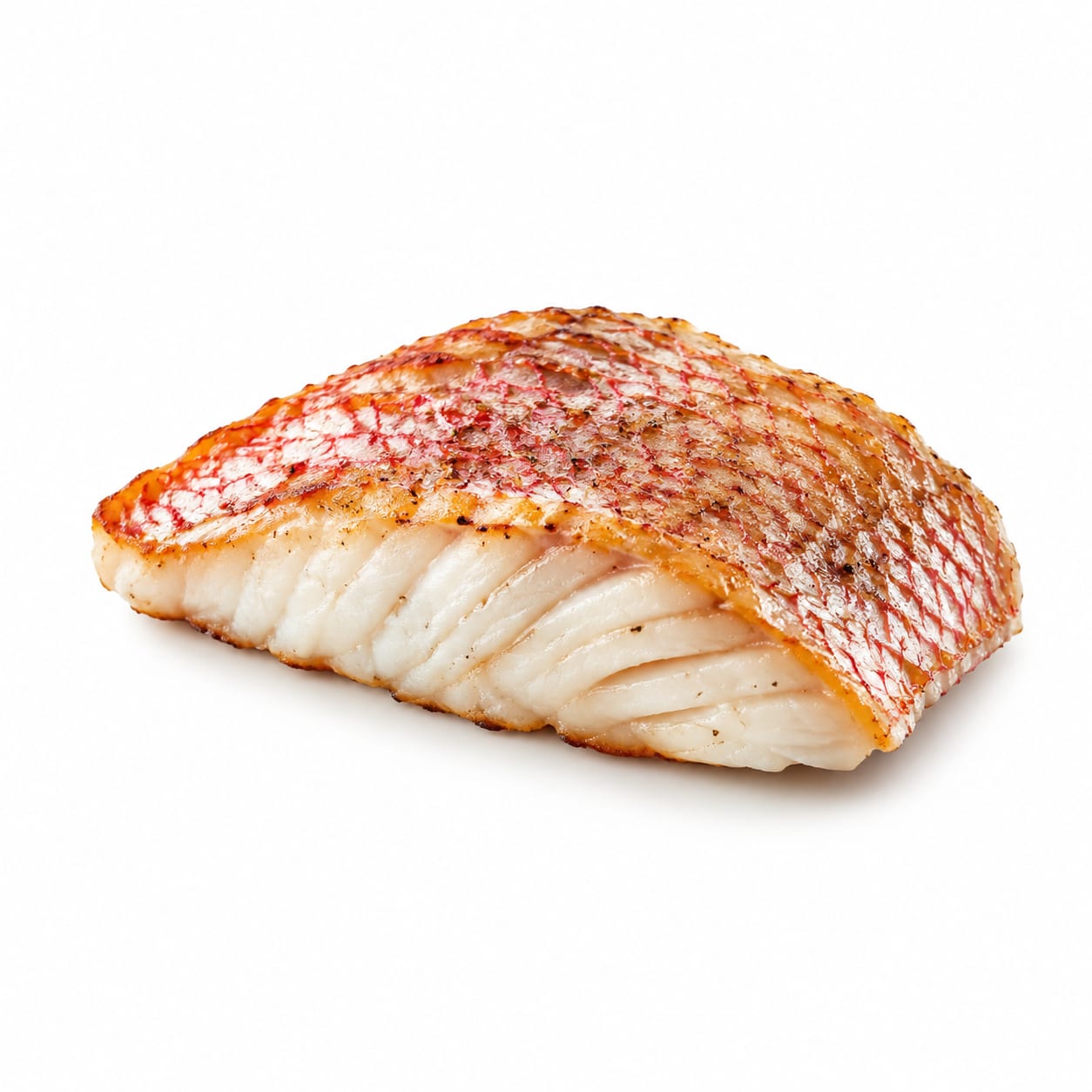
Snapper
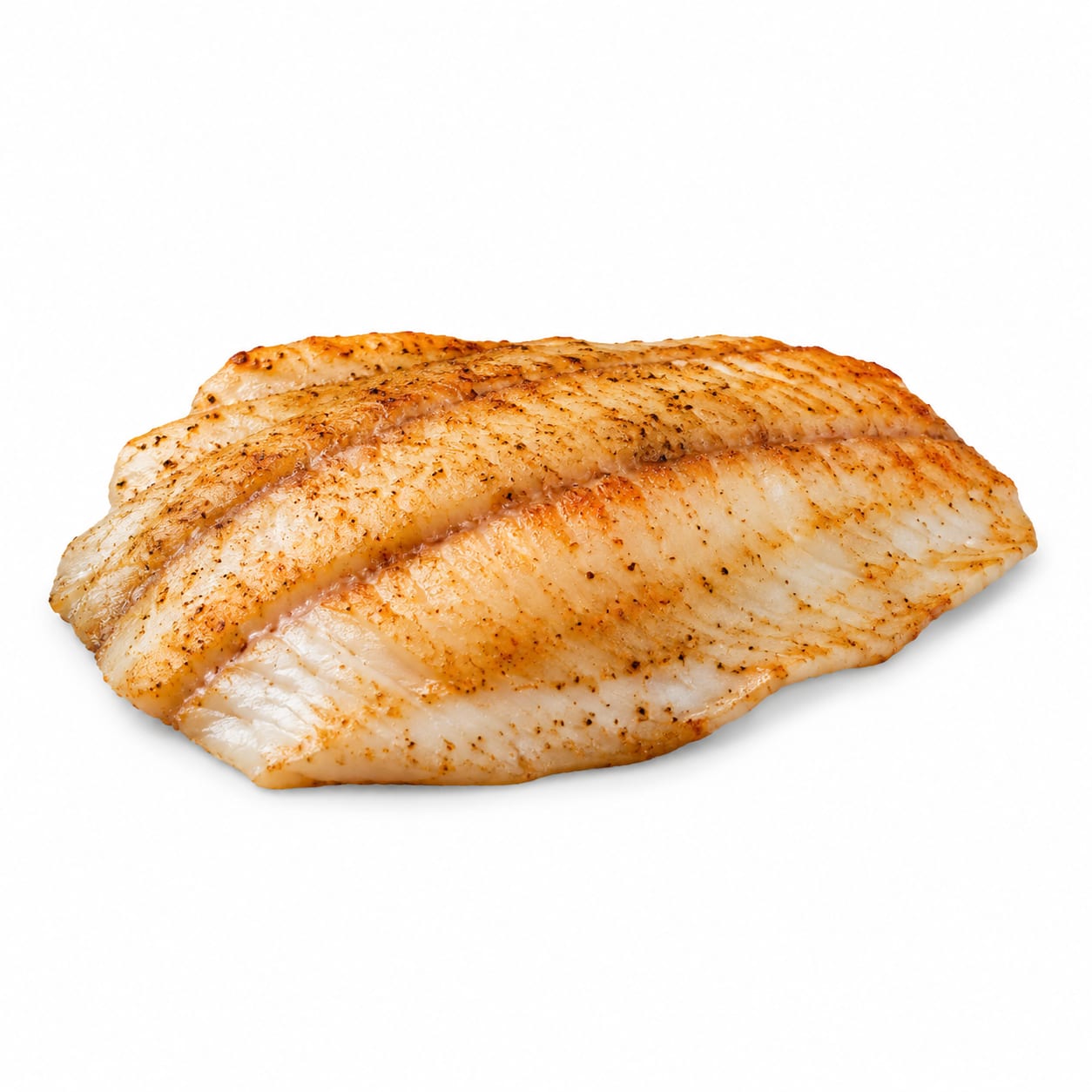
Tilapia
Snapper wins on nutrition and omega-3s, but tilapia wins on safety and budget.
Snapper scores higher for nutritional density and omega-3 content, but its mercury risk limits the score. Tilapia scores well for safety and value, but loses points for its inferior fat profile and farming concerns.
You trade the superior anti-inflammatory fats and wild-caught quality of Snapper for the low mercury, high affordability, and everyday safety of Tilapia.
At a glance
Executive summary
Overall
It depends
Healthier
Snapper
More practical
Tilapia
Daily use
Tilapia
Key comparison lenses
Omega-3 vs Omega-6 balance
Snapper offers beneficial marine omega-3s, while tilapia has a less favorable omega-6 to omega-3 ratio, impacting inflammation.
Mercury and contaminant exposure
Snapper carries a moderate mercury load, whereas tilapia is among the lowest-mercury fish available.
Wild-caught vs farmed quality
Snapper is predominantly wild-caught, while tilapia is almost entirely farmed, affecting nutrient profile and environmental toxins.
Budget and accessibility
Tilapia is significantly cheaper and more widely available, making it a staple protein for cost-conscious shoppers.
Best choice for
Snapper
- Heart health and anti-inflammatory diets
- Whole-food, wild-caught prioritizers
- Those wanting richer flavor and firmer texture
Tilapia
- Budget-friendly meal prep
- Pregnant women and children needing low-mercury fish
- People who eat fish multiple times a week
Least suitable for
Snapper
- Frequent daily consumption due to mercury
- Tight grocery budgets
- Those who prefer very mild tasting fish
Tilapia
- Strict omega-3 focused diets
- Those avoiding farmed seafood
- People wanting robust, distinct fish flavor
Deep comparison
Dimension by dimension
Each lens scores both foods and breaks down who each option suits.
- Dimension 1 · Priority 95Snapper
Omega-3 & Healthy Fats
Snapper · 82Tilapia · 35Snapper provides a solid dose of marine omega-3s, while tilapia is notably low in omega-3s and higher in omega-6s.
Tradeoff
Choosing tilapia saves money but sacrifices the heart-healthy, anti-inflammatory fats that make fish valuable.
Why it matters
Omega-3s are the main reason health experts recommend eating fish. Without them, fish is just lean protein.
Real-world impact
Eating Snapper supports steadier energy and better recovery after workouts. Tilapia acts more like a plain protein source.
Snapper
- Reducing joint inflammation
- Cardiovascular health
- Brain health and mood support
Better for
Tilapia
- Resolving dietary omega-3 deficiencies
- Anti-inflammatory eating patterns
Worse for
- Dimension 2 · Priority 90Tilapia
Mercury & Heavy Metals
Snapper · 45Tilapia · 95Tilapia is one of the lowest-mercury fish you can eat. Snapper carries a moderate mercury burden.
Tradeoff
Tilapia is safer for frequent consumption and vulnerable populations, while Snapper requires portion control to avoid heavy metal buildup.
Why it matters
Mercury accumulates in the body and can impair neurological function, especially in developing brains.
Real-world impact
You can eat tilapia several times a week without worry. Snapper should be limited to a couple of servings to stay safe.
Snapper
- Daily consumption
- Prenatal diets
Worse for
Tilapia
- Pregnant and nursing women
- Young children
- Frequent fish eaters
Better for
- Dimension 3 · Priority 80Snapper
Farming & Environmental Toxins
Snapper · 80Tilapia · 50Snapper is mostly wild-caught with clean habitats. Tilapia is farmed globally, with variable water quality and antibiotic use.
Tradeoff
Wild Snapper offers a cleaner natural diet, while farmed tilapia carries a risk of exposure to antibiotics and industrial runoff.
Why it matters
Farmed fish from poorly regulated regions can contain residues that disrupt hormones or promote antibiotic resistance.
Real-world impact
Sourcing matters. Cheap tilapia often means compromised farming practices, requiring careful label reading.
Snapper
- Avoiding antibiotic residues
- Cleaner ingredient lists
Better for
Tilapia
- Strict clean-eating advocates
- Those worried about antibiotic resistance
Worse for
- Dimension 4 · Priority 70Snapper
Protein Quality & Satiety
Snapper · 85Tilapia · 78Both are excellent lean protein sources, but Snapper has a slight edge in amino acid completeness and keeps you fuller longer.
Tradeoff
Tilapia is slightly lower in calories but less filling, potentially leading to sooner hunger.
Why it matters
Higher quality protein supports muscle maintenance and prevents overeating later in the day.
Real-world impact
A Snapper dinner is more likely to prevent late-night snacking compared to a tilapia fillet.
Snapper
- Post-workout recovery
- Staying full between meals
Better for
Tilapia
- Very low-calorie diet phases
Better for
- Appetite control
Worse for
- Dimension 5 · Priority 75Tilapia
Affordability & Convenience
Snapper · 35Tilapia · 95Tilapia is incredibly cheap and widely available in frozen fillets. Snapper is a premium, expensive fish.
Tradeoff
Tilapia makes eating fish financially sustainable daily. Snapper is more of a special occasion or higher-budget purchase.
Why it matters
The best food for you is the one you can actually afford to eat consistently.
Real-world impact
Feeding a family of four tilapia twice a week is highly affordable. Doing the same with Snapper strains most budgets.
Snapper
- Large households
- Food stamp budgets
Worse for
Tilapia
- Family meal prep
- Budget-conscious shoppers
- Quick weeknight dinners
Better for
Timeline
Health impact over time
Short-term
Hours to days
Snapper
- Provides high-quality protein that stabilizes blood sugar
- Rich flavor leads to greater meal satisfaction
Tilapia
- Very easy to digest due to low fat content
- Mild taste avoids flavor fatigue
Long-term
Months to years
Snapper
- Omega-3s support heart and brain health over decades
- Accumulated mercury exposure is a risk if overconsumed
Tilapia
- Low mercury makes it safe for lifelong frequent eating
- Lack of omega-3s means it won't reduce chronic inflammation on its own
Risk profile
Safety & processing
Both are typically sold as fresh or frozen fillets with minimal processing. However, farmed tilapia may be treated with carbon monoxide to preserve color, and some frozen varieties contain sodium-based preservatives to retain moisture.
Snapper
Mercury accumulation
mediumSnapper is a mid-to-large predatory reef fish, leading to moderate mercury levels. Limit to 2-3 servings per week.
Ciguatera toxicity
lowReef fish like snapper occasionally carry ciguatera toxins, which cause gastrointestinal and neurological symptoms. Rare but impossible to cook out.
Tilapia
Antibiotic and chemical residues
mediumDepending on the country of origin, farmed tilapia may contain traces of antibiotics or pesticides used in aquaculture. Look for ASC or BAP certifications.
Poor farming conditions
mediumOvercrowded pens can lead to higher disease rates and lower water quality, affecting the final product's cleanliness.
Who wins for whom
Audience fit
Same foods, different winners depending on your goal.
children
TilapiaTilapia's extremely low mercury level makes it the safest choice for developing nervous systems, and its mild flavor is kid-friendly.
daily consumption
TilapiaThe combination of low mercury and low cost makes tilapia the only realistic option here for daily eating without health risk or financial strain.
diabetes
SnapperThe omega-3s in Snapper help improve insulin sensitivity and reduce systemic inflammation, which is crucial for diabetes management.
elderly
SnapperOlder adults benefit greatly from the omega-3s in Snapper for cognitive health and joint support, provided they stay within safe mercury limits.
muscle gain
SnapperSnapper offers a more complete amino acid profile and slightly higher protein density per calorie, aiding muscle repair.
weight loss
TilapiaTilapia is slightly lower in calories and fat, making it easier to fit into a strict calorie deficit on a budget.
Your move
Decision guide
Choose Snapper
- You want maximum nutritional value per bite
- You eat fish 1-2 times a week and can manage mercury intake
- Anti-inflammatory benefits are your top priority
Choose Tilapia
- You are pregnant, nursing, or feeding young kids
- You need to eat fish on a tight grocery budget
- You eat fish more than three times a week
Either works if
- You just need a lean protein source for a salad or taco
- You are mixing it with strong sauces that mask the fish flavor
Avoid both if
- You have a severe fish or shellfish allergy
- You are looking for a plant-based omega-3 source
Final recommendation
Use Snapper when you want a nutrient-dense, flavorful meal a couple of times a week to boost your omega-3 intake. Rely on Tilapia for affordable, low-mercury protein you can eat more frequently without worry. Always check tilapia labels for responsible farming certifications to avoid antibiotic risks.
Practical
Consumer tips
- 1
Look for ASC (Aquaculture Stewardship Council) or BAP (Best Aquaculture Practices) labels on Tilapia to ensure safer farming standards.
- 2
Limit Snapper to 2-3 servings a week to keep mercury levels in check, especially if you eat other large fish like tuna.
- 3
If buying frozen tilapia, check the ingredients list for added sodium or phosphates used to retain water weight.
- 4
Red Snapper is the most common variety, but verify the source as mislabeling is common in the seafood industry.