
Nutrition comparison
Snapper vs Cod: Which Fish Is Healthier, Safer, and Better for You?
Compare Snapper and Cod on mercury levels, nutrition, taste, cost, and sustainability. Find out which fish is safer for daily eating and which to enjoy occasionally.
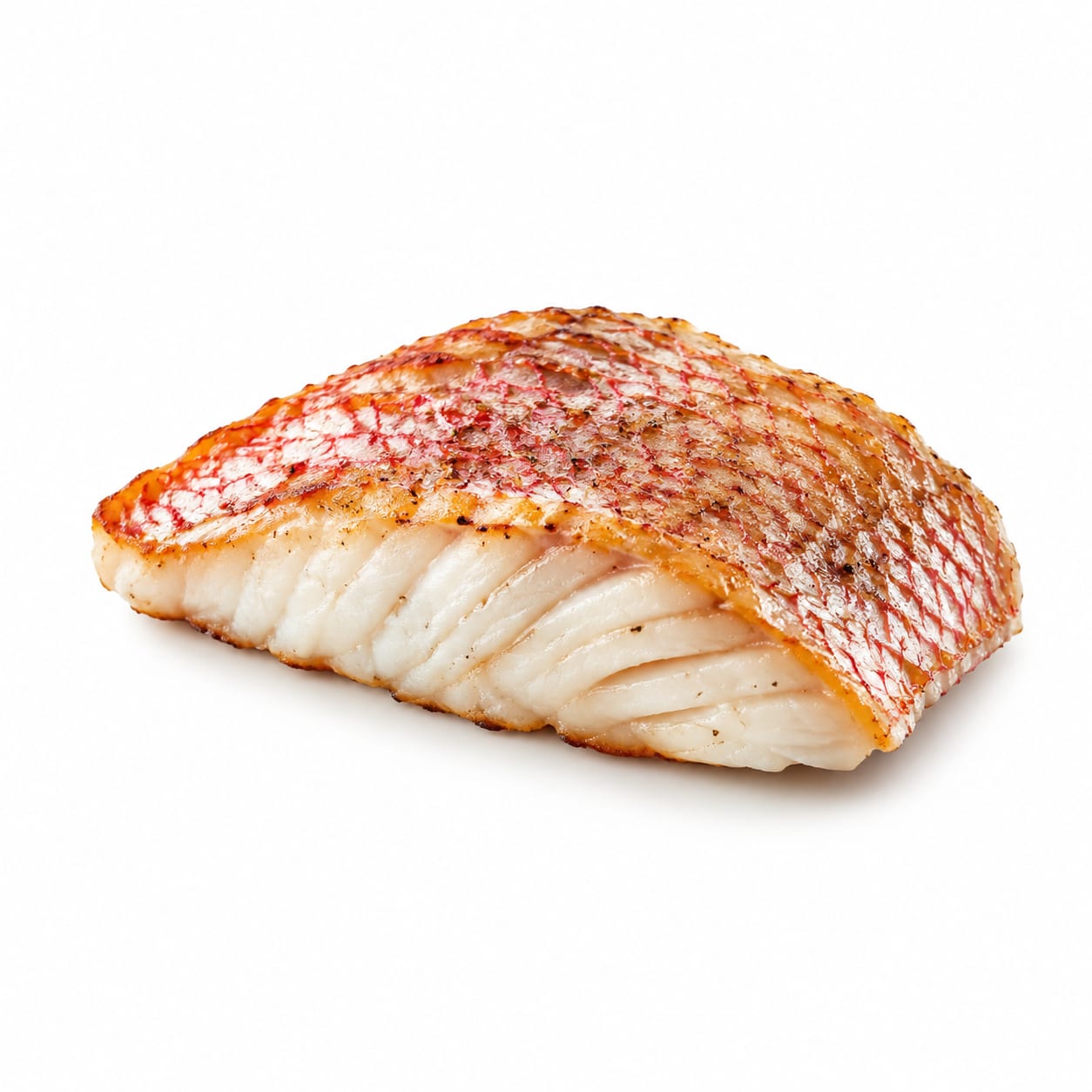
Snapper
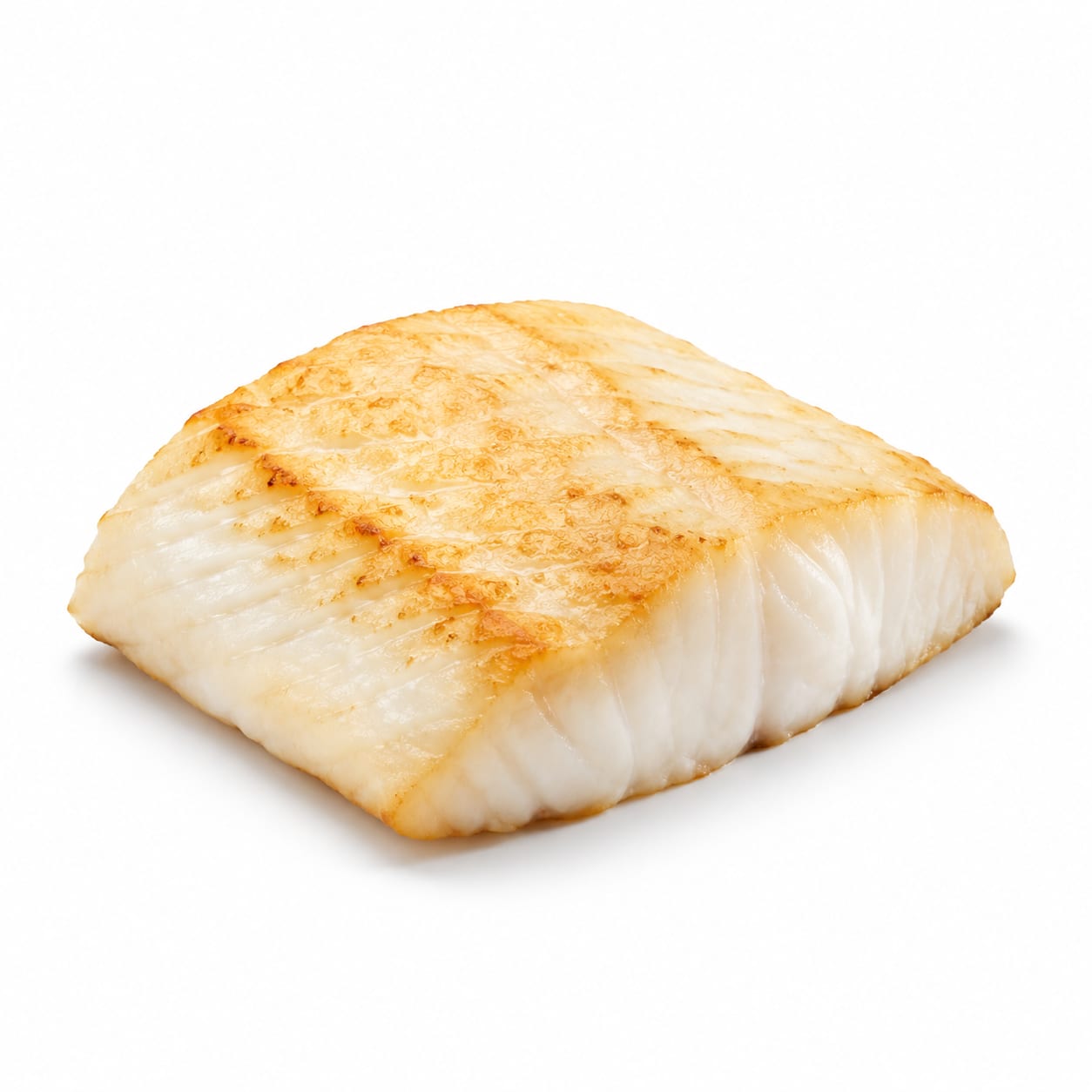
Cod
Cod is the safer everyday fish with lower mercury and fewer calories, while Snapper delivers richer nutrition and flavor at the cost of higher contaminant risk.
Cod scores higher primarily due to lower mercury risk and better suitability for frequent consumption. Snapper is nutritionally richer but its mercury load and higher cost limit everyday practicality.
Nutrient density and taste versus mercury safety and leanness — Snapper gives you more per bite, Cod lets you eat it more often with less worry.
At a glance
Executive summary
Overall
It depends
Healthier
Cod
More practical
Cod
Daily use
Cod
Key comparison lenses
mercury and heavy metal safety
Snapper carries notably higher mercury levels than Cod, making this the most critical health differentiator for regular consumers
lean protein for weight management
Both are popular lean protein sources but differ significantly in calorie density and fat content
everyday fish selection for families
Families need to balance nutrition, safety, cost, and kid-friendliness when choosing white fish
omega-3 and nutrient density comparison
Snapper offers more micronutrients while Cod provides specific minerals like iodine that matter for thyroid health
sustainability and sourcing concerns
Both species face overfishing pressures but differ in availability of sustainable options
Best choice for
Snapper
- Restaurant-quality meals where flavor matters most
- Occasional nutrient-dense seafood treats
- Dishes requiring firm, meaty fish texture
- People needing extra selenium and vitamin A
Cod
- Frequent fish eaters concerned about mercury accumulation
- Families with young children
- Calorie-conscious meal prep
- Budget-friendly weekly seafood
Least suitable for
Snapper
- Pregnant women or those planning pregnancy
- Children under 6 who are more vulnerable to mercury
- People eating fish 4+ times per week
- Tight grocery budgets
Cod
- Diners seeking bold, distinctive fish flavor
- Recipes needing a firm steak-like texture
- Those wanting maximum micronutrient density per serving
- People avoiding very low-fat proteins
Deep comparison
Dimension by dimension
Each lens scores both foods and breaks down who each option suits.
- Dimension 1 · Priority 95Cod
Mercury and Contaminant Safety
Snapper · 55Cod · 88Snapper has moderate mercury levels that limit safe consumption frequency, while Cod ranks among the lowest-mercury fish available.
Tradeoff
Choosing Snapper means watching your weekly intake carefully; Cod gives you freedom to eat fish more often without tracking servings.
Why it matters
Mercury accumulates over time and affects neurological health, making this the single most important factor for regular fish consumers.
Real-world impact
A person eating Snapper twice weekly could approach concerning mercury levels over months, whereas Cod at the same frequency stays well within safe limits.
Snapper
- Occasional diners who eat fish less than once per week
Better for
- Daily fish eaters accumulating mercury over time
- Households with multiple vulnerable members
Worse for
Cod
- Pregnant and breastfeeding women
- Children and developing adolescents
- Anyone eating fish 3+ times weekly
- People with existing heavy metal concerns
Better for
- No significant safety downside for Cod in this dimension
Worse for
- Dimension 2 · Priority 82Cod
Calorie Density and Leanness
Snapper · 70Cod · 92Cod is one of the leanest fish available with roughly half the calories of Snapper per serving, making it ideal for calorie-controlled eating.
Tradeoff
Cod's extreme leanness means less satiating fat and drier texture, while Snapper's slightly higher fat content brings more flavor and fullness.
Why it matters
For weight management or meal prep, calorie density determines how much you can eat while staying within targets.
Real-world impact
A 6oz Cod fillet delivers roughly 130 calories versus Snapper's 220, letting you eat a larger portion or save calories for sides.
Snapper
- Meals where satisfaction and flavor matter more than calorie counting
- People who find very lean proteins unsatisfying
Better for
- Strict calorie-restricted diets where leanness is prioritized
Worse for
Cod
- Cutting phases where every calorie counts
- Large-volume eaters who want bigger portions
- Meal preppers tracking macros precisely
Better for
- People who find very low-fat meals leave them hungry an hour later
Worse for
- Dimension 3 · Priority 78Snapper
Micronutrient Density
Snapper · 84Cod · 72Snapper packs more selenium, vitamin A, and potassium per serving, while Cod's standout nutrient is iodine for thyroid support.
Tradeoff
Snapper gives you broader micronutrient coverage, but Cod uniquely delivers iodine that many diets lack.
Why it matters
Micronutrient density determines how much nutritional value you extract beyond just protein and calories.
Real-world impact
Regular Snapper consumption better supports antioxidant defense and immune function, while Cod specifically helps maintain healthy thyroid hormone production.
Snapper
- People wanting maximum vitamin and mineral diversity from their protein
- Those with higher selenium needs
- Diners seeking natural vitamin A sources
Better for
- Anyone specifically targeting iodine intake
Worse for
Cod
- Individuals with iodine deficiency or thyroid concerns
- People who do not use iodized salt and need dietary iodine
- Those getting adequate micronutrients from other foods already
Better for
- People relying on fish as a primary micronutrient source beyond protein
Worse for
- Dimension 4 · Priority 74Snapper
Flavor and Culinary Versatility
Snapper · 86Cod · 72Snapper offers a sweeter, nuttier flavor with firm texture that holds up beautifully to grilling and searing. Cod is milder and flakier — versatile but less exciting.
Tradeoff
Snapper shines in dishes where fish is the star; Cod works better when you want a neutral canvas for sauces and seasonings.
Why it matters
Enjoyment drives long-term dietary habits — a fish you actually look forward to eating beats one you choke down for health.
Real-world impact
Snapper makes a memorable dinner that feels special; Cod is the reliable weeknight workhorse that disappears into fish tacos or chowder.
Snapper
- Grilled or pan-seared preparations where texture matters
- Dinner parties and special occasion meals
- Diners who find mild fish boring
Better for
- Dishes requiring delicate, flaky texture
- Strongly sauced preparations that would mask its flavor
Worse for
Cod
- Fish tacos, chowders, and casseroles needing flaky texture
- Picky eaters or kids who prefer milder flavors
- Recipes with bold sauces where fish should not compete
Better for
- Plated entrees where fish needs to stand on its own merit
- Grilling applications where it can fall apart
Worse for
- Dimension 5 · Priority 71Cod
Cost and Accessibility
Snapper · 48Cod · 85Cod is widely available and budget-friendly, while Snapper commands a premium price and can be harder to find fresh.
Tradeoff
Paying more for Snapper gets you a premium eating experience, but Cod makes regular seafood consumption financially realistic.
Why it matters
The best fish for your health is the one you can actually afford to eat consistently.
Real-world impact
Cod typically costs $8-12 per pound versus Snapper at $18-30, meaning you could eat Cod twice as often for the same budget.
Snapper
- Special occasions where premium quality justifies the price
- Coastal areas where Snapper is locally caught and affordable
Better for
- Households that cannot justify $25+ per pound for protein
- Consistent weekly meal planning on moderate budgets
Worse for
Cod
- Weekly meal prep on a realistic grocery budget
- Inland shoppers with limited fresh fish options
- Families needing to feed multiple people affordably
Better for
- No significant accessibility downside — Cod is widely available
Worse for
- Dimension 6 · Priority 68It depends
Sustainability and Sourcing
Snapper · 62Cod · 65Both species have sustainability challenges, but responsible options exist for each. Pacific Cod is generally well-managed; farmed Snapper varies widely in environmental impact.
Tradeoff
Choosing sustainable Cod is easier to identify at the store, while finding responsibly sourced Snapper requires more research.
Why it matters
Long-term availability of these fish depends on consumer choices supporting responsible fisheries.
Real-world impact
Looking for MSC certification on Cod is straightforward; Snapper requires knowing your source, as some fisheries are depleted while others are well-managed.
Snapper
- Locally sourced Snapper from well-managed fisheries like the Gulf of Mexico under regulation
Better for
- Imported Snapper with unknown sourcing and potential overfishing
- Buyers who do not want to research fish origins
Worse for
Cod
- Shoppers who want an easy sustainability call — MSC-certified Pacific Cod is widely available
- Consumers who prefer clear labeling and certification
Better for
- Atlantic Cod from depleted stocks — specifically avoid these
Worse for
Timeline
Health impact over time
Short-term
Hours to days
Snapper
- Higher protein and fat content provides longer-lasting satiety after meals
- Richer flavor may reduce the urge to snack later
- Slightly heavier feeling post-meal compared to very lean fish
Cod
- Very low calorie count makes it easy to overeat if not paired with filling sides
- Light digestion — comfortable even before physical activity
- Mild flavor may leave some diners feeling unsatisfied without strong seasoning
Long-term
Months to years
Snapper
- Accumulated mercury exposure is the primary concern with regular Snapper consumption
- Better selenium intake supports immune and thyroid function long-term
- Vitamin A contributes to eye health and skin integrity over time
Cod
- Consistent low-mercury protein supports safe long-term fish consumption habits
- Iodine intake helps maintain stable thyroid function across decades
- Very low fat content means you must source healthy fats from other foods to meet needs
Risk profile
Safety & processing
Both Snapper and Cod are typically sold as fresh or frozen whole fillets with minimal processing. The main concern is sodium from frozen preparations or added preservatives in some packaged options — always check labels on frozen products.
Snapper
Mercury accumulation
highSnapper contains moderate mercury levels (0.167 ppm average), making it unsuitable for frequent consumption by pregnant women and children. Limit to 1-2 servings per week for adults.
Mislabeling and species substitution
mediumSnapper is one of the most commonly mislabeled fish in the US, with cheaper species like tilapia sold as red snapper. Buy from trusted fishmongers.
Ciguatera toxin
lowReef-dwelling Snapper can carry ciguatera toxin in certain tropical regions, causing foodborne illness. Risk is low but present in Caribbean and Pacific sourcing.
Cod
Parasitic worms
mediumCod can carry cod worms (anisakis), which are killed by proper cooking or freezing. Raw preparations require previously frozen fish.
Atlantic stock depletion
lowWhile not a direct health risk, choosing depleted Atlantic Cod supports unsustainable practices. Pacific Cod is the better environmental and long-term supply choice.
Sodium in salted preparations
lowSalt cod (bacalao) contains extremely high sodium levels. Fresh or plain frozen Cod avoids this concern entirely.
Who wins for whom
Audience fit
Same foods, different winners depending on your goal.
children
CodChildren's developing nervous systems are more vulnerable to mercury. Cod's low mercury levels and mild, kid-friendly flavor make it the clear safer choice for younger eaters.
daily consumption
CodDaily fish consumption requires low mercury, and Cod fits this requirement while Snapper does not. Eating Snapper daily would exceed safe mercury limits over time.
diabetes
CodBoth fish have zero carbohydrates and minimal blood sugar impact. Cod wins on frequency — you can eat it more often without mercury concerns, supporting consistent protein intake for glucose stability.
elderly
CodOlder adults benefit from Cod's iodine for thyroid health and its soft, flaky texture that is easier to chew. Lower mercury is also safer for cumulative exposure in aging bodies.
muscle gain
SnapperSnapper provides slightly more protein per serving along with selenium and vitamin A that support recovery. Both work well, but Snapper edges ahead on total nutrient contribution to muscle repair.
weight loss
CodCod's extremely low calorie count lets you eat satisfying portions while staying in a deficit. Snapper's higher calories are still reasonable but less forgiving.
Your move
Decision guide
Choose Snapper
- You eat fish 1-2 times per week and want maximum flavor and nutrition per serving
- You are preparing a special meal where the fish is the centerpiece
- You have no mercury concerns and want richer micronutrient intake
- You can source verified, sustainably caught Snapper from a trusted supplier
Choose Cod
- You eat fish 3 or more times per week and need a safe everyday option
- You are pregnant, breastfeeding, or feeding young children
- You are tracking calories closely for weight management
- You want a budget-friendly protein that is easy to find at any grocery store
- You prefer mild fish that absorbs marinades and sauces well
Either works if
- You eat fish occasionally and enjoy variety in your protein sources
- You have no specific mercury sensitivity or budget constraints
- You are rotating through multiple protein sources throughout the week
Avoid both if
- You have a confirmed fish allergy
- You live in an area where neither fish can be sourced fresh or reliably frozen
- You are strictly following a plant-based diet
Final recommendation
Make Cod your everyday fish and save Snapper for occasional meals where its superior flavor and texture really shine. This approach gives you the best of both worlds — safe, frequent lean protein from Cod, plus the nutritional and culinary benefits of Snapper without overloading on mercury. If you can only choose one, Cod is the smarter long-term bet for health, wallet, and peace of mind.
Practical
Consumer tips
- 1
Look for MSC-certified Pacific Cod to ensure sustainable sourcing — it is widely available and clearly labeled
- 2
Limit Snapper to once per week maximum if you also eat other moderate-mercury fish like tuna
- 3
Buy Snapper from trusted fishmongers to avoid mislabeling — if the price seems too good, it probably is not real Snapper
- 4
Pair Cod with olive oil, avocado, or nuts to add healthy fats that its lean profile lacks
- 5
Freeze Cod at home for 7 days before using in raw preparations to eliminate parasite risk
- 6
Avoid Atlantic Cod when possible — Pacific Cod stocks are healthier and better managed
- 7
If pregnant, choose Cod freely but skip Snapper entirely until after breastfeeding ends
- 8
Season Cod boldly with herbs, citrus, and spices — its mild flavor benefits from enhancement