
Nutrition comparison
Snapper vs Shrimp: Nutrition, Health Benefits, and Which Is Better for You
Compare snapper and shrimp side by side — protein, cholesterol, mercury, omega-3s, calories, and safety. Find out which seafood is healthier for your goals.
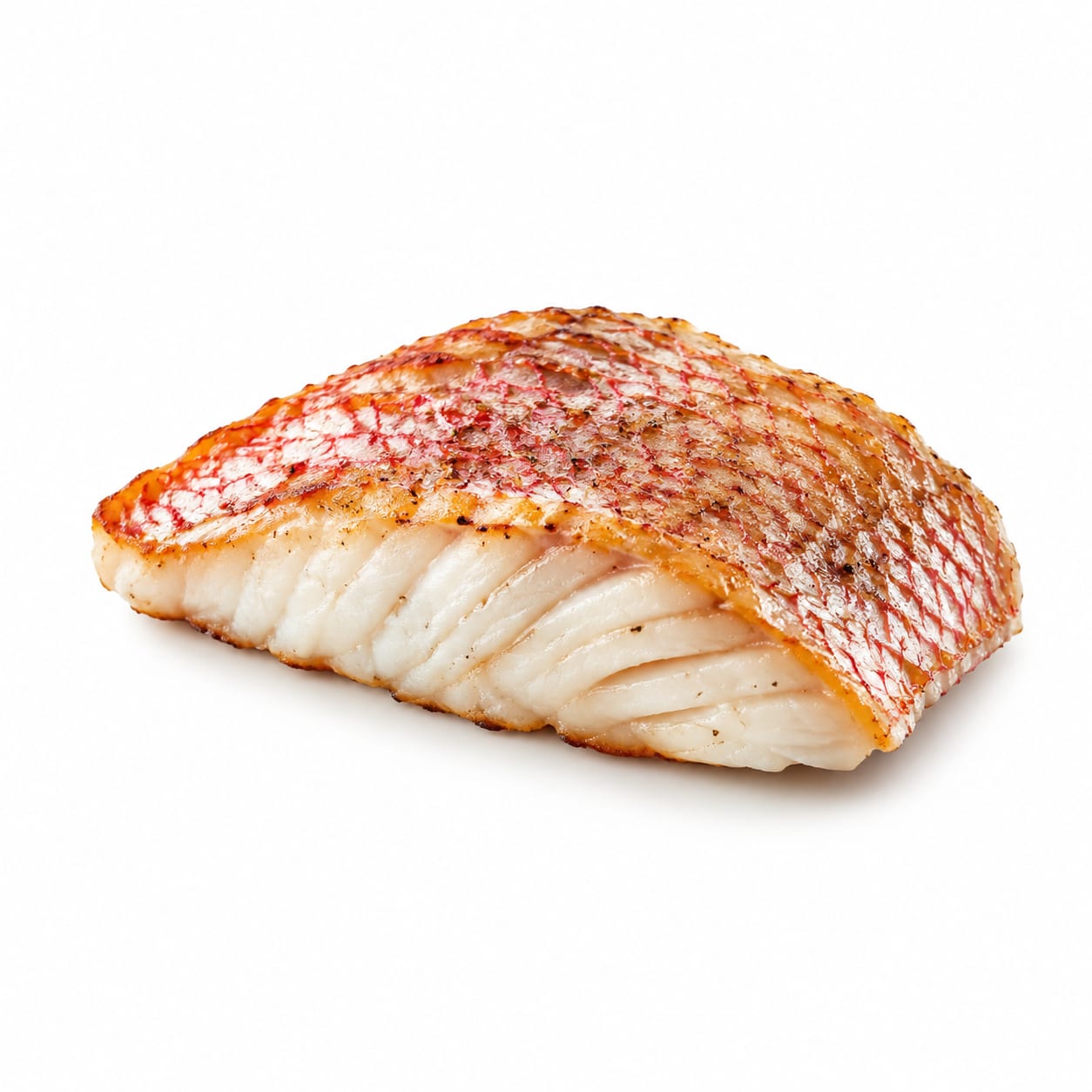
Snapper
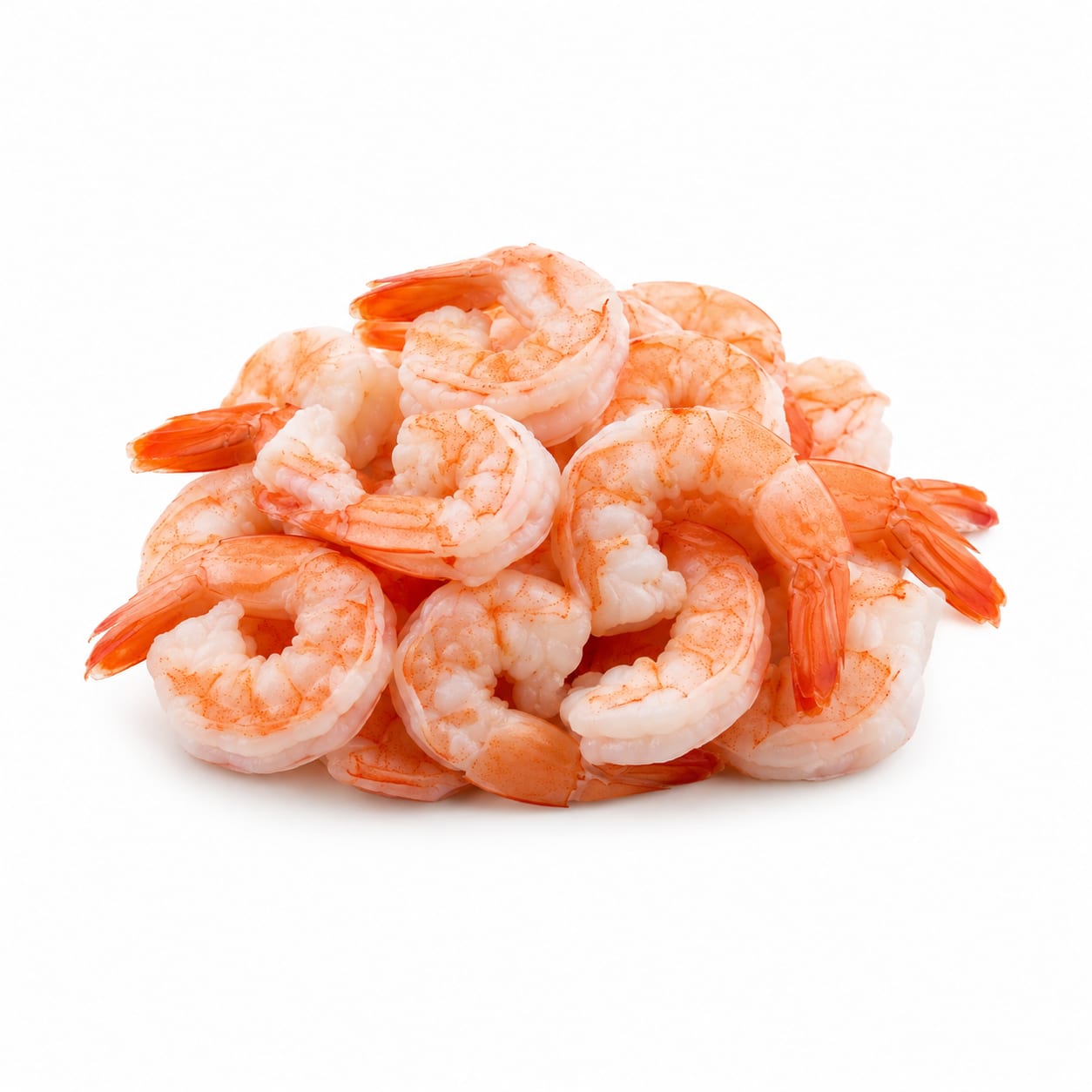
Shrimp
Snapper wins for heart health and omega-3s; shrimp wins for calorie efficiency and convenience. Both are excellent lean proteins with different tradeoffs.
Snapper edges ahead due to better omega-3 content, lower cholesterol, and fewer contamination red flags. Shrimp is extremely close thanks to unbeatable calorie efficiency and convenience. The gap is small because both are genuinely healthy choices with different strengths.
Snapper gives you more omega-3s and less cholesterol but carries moderate mercury risk. Shrimp is ultra-lean and fast-cooking but packs much more cholesterol and carries farming contamination concerns.
At a glance
Executive summary
Overall
It depends
Healthier
Snapper
More practical
Shrimp
Daily use
Snapper
Key comparison lenses
protein quality and leanness for clean eating
Both are lean protein staples, so users want to know which delivers better nutrition per calorie
cholesterol and heart health concerns
Shrimp's high cholesterol is a common worry, while snapper offers a lower-cholesterol alternative
mercury and contamination safety
Snapper carries moderate mercury risk; shrimp faces antibiotic and farming contamination concerns
weight management and calorie efficiency
Both are low-calorie proteins, but subtle differences in satiety and calorie density matter for dieters
allergy and dietary restriction compatibility
Shellfish allergy eliminates shrimp for many people, making snapper the only viable option for them
Best choice for
Snapper
- People managing cholesterol or heart disease risk
- Those seeking anti-inflammatory omega-3 intake
- Anyone with shellfish allergies
- Pregnant women avoiding high-cholesterol seafood (with mercury moderation)
Shrimp
- Strict calorie counters and cutting-phase athletes
- Busy home cooks needing 5-minute meals
- People who want meal-prep-friendly protein
- Anyone needing very low-fat protein intake
Least suitable for
Snapper
- People who need ultra-fast weeknight cooking
- Those avoiding moderate-mercury fish during pregnancy
- Budget-conscious shoppers (snapper can be pricey)
Shrimp
- Anyone with shellfish allergies
- People strictly limiting dietary cholesterol
- Those concerned about antibiotic exposure in farmed seafood
Deep comparison
Dimension by dimension
Each lens scores both foods and breaks down who each option suits.
- Dimension 1 · Priority 90It depends
Protein Quality and Content
Snapper · 82Shrimp · 85Both deliver roughly 20g of high-quality protein per 3oz serving. Shrimp is slightly more protein-dense per calorie, while snapper offers a more complete amino acid profile for muscle recovery.
Tradeoff
Shrimp gives you more protein per calorie, but snapper's protein comes packaged with more beneficial fats that aid absorption of fat-soluble vitamins.
Why it matters
If you're counting every calorie during a cut, shrimp's protein-to-calorie ratio is hard to beat. For general health and satiety, snapper's slightly fattier profile keeps you fuller longer.
Real-world impact
After a shrimp dinner you might feel hungry again sooner. Snapper tends to hold you over better into the next meal.
Snapper
- Sustained fullness between meals
- Better fat-soluble vitamin absorption
Better for
- Slightly more calories per gram of protein
Worse for
Shrimp
- Maximum protein per calorie
- Post-workout lean protein hits
Better for
- Less staying power between meals
Worse for
- Dimension 2 · Priority 88Snapper
Heart Health and Cholesterol
Snapper · 85Shrimp · 60Snapper has roughly 40-50mg cholesterol per serving versus shrimp's 165mg+. Snapper also delivers more omega-3s, making it clearly better for cardiovascular health.
Tradeoff
Shrimp's cholesterol doesn't affect blood cholesterol as much as once feared, but for people already managing heart disease, the difference is still meaningful.
Why it matters
If your doctor has told you to watch dietary cholesterol, shrimp is a tough sell at nearly 4x the cholesterol of snapper.
Real-world impact
Someone with borderline high LDL might see snapper as a safe weekly staple but need to treat shrimp as an occasional indulgence.
Snapper
- Lower dietary cholesterol load
- More omega-3s for anti-inflammatory benefit
- Better lipid profile for heart patients
Better for
- Slightly higher total fat than shrimp
Worse for
Shrimp
- Very low total fat if that's your priority
Better for
- High cholesterol limits frequency for at-risk individuals
Worse for
- Dimension 3 · Priority 85It depends
Mercury and Contamination Safety
Snapper · 65Shrimp · 68Snapper has moderate mercury levels that limit safe weekly intake. Shrimp has very low mercury but faces serious antibiotic and contamination issues in farmed varieties.
Tradeoff
Wild-caught snapper's mercury risk versus farmed shrimp's antibiotic and microplastic exposure — both have real but different safety concerns.
Why it matters
Pregnant women and children need to limit snapper due to mercury. Health-conscious consumers need to source shrimp carefully to avoid farmed contamination.
Real-world impact
You can eat shrimp more frequently than snapper from a mercury standpoint, but only if you trust the source. Cheap imported shrimp carries hidden risks.
Snapper
- No antibiotic exposure risk
- Wild-caught options are widely available
Better for
- Moderate mercury limits intake to 1-2 servings per week for sensitive groups
Worse for
Shrimp
- Very low mercury allows more frequent consumption
- Easier to find at any grocery store
Better for
- Farmed shrimp may contain antibiotics and microplastics
- Country-of-origin labeling can be unreliable
Worse for
- Dimension 4 · Priority 80Shrimp
Calorie Efficiency and Weight Management
Snapper · 78Shrimp · 90Shrimp is one of the lowest-calorie protein sources available at roughly 85 calories per 3oz. Snapper is still lean at about 100-110 calories but can't match shrimp's calorie-to-protein ratio.
Tradeoff
Shrimp lets you eat more volume for fewer calories, but snapper's slightly higher fat content provides more satiety per serving.
Why it matters
For aggressive calorie cutting, every calorie counts. Shrimp is the bodybuilder's best friend for a reason.
Real-world impact
On a 1500-calorie diet, choosing shrimp over snapper saves you 15-25 calories per serving — small per meal but meaningful across a full day of eating.
Snapper
- More satiating per serving due to slightly higher fat
- Feels more like a complete meal
Better for
- Slightly more calorie-dense than shrimp
Worse for
Shrimp
- Lowest possible calorie cost for high protein
- Easy to eat large portions without calorie guilt
- Perfect for calorie-cycling diets
Better for
- Less satisfying on its own — often needs added fat for cooking
Worse for
- Dimension 5 · Priority 78Shrimp
Convenience and Cooking Practicality
Snapper · 60Shrimp · 88Shrimp cooks in 2-3 minutes and works in everything from stir-fries to salads. Snapper requires more careful cooking to avoid drying out and takes longer to prepare properly.
Tradeoff
Shrimp is weeknight-dinner fast but easy to overcook into rubber. Snapper takes more attention but is more forgiving of slight timing errors.
Why it matters
If you're tired at 7pm and need dinner fast, shrimp is ready before the rice finishes. Snapper requires more planning and attention.
Real-world impact
Shrimp is the ultimate 'I forgot to plan dinner' protein. Snapper is more of a weekend or planned meal choice.
Snapper
- More forgiving cook window — doesn't turn rubbery
- Better as a standalone centerpiece dish
Better for
- Longer cook time and more technique required
- Easy to dry out if overcooked
Worse for
Shrimp
- Cooks in under 5 minutes
- Works in almost any cuisine or flavor profile
- Excellent for meal prep and batch cooking
Better for
- Overcooks in seconds and becomes rubbery
- Deveining and peeling adds prep time for shell-on varieties
Worse for
- Dimension 6 · Priority 75Snapper
Allergen and Dietary Restriction Compatibility
Snapper · 85Shrimp · 45Shellfish allergy is one of the most common food allergies, eliminating shrimp entirely for many people. Snapper is a finfish and safe for most shellfish-allergic individuals.
Tradeoff
Some people are allergic to both finfish and shellfish, but shellfish allergy is far more prevalent and often more severe in reactions.
Why it matters
If you're cooking for a group, shrimp is risky — shellfish allergies are common and dangerous. Snapper is safer for mixed company.
Real-world impact
At a dinner party, snapper is the safer bet. Shrimp requires checking with every guest about allergies.
Snapper
- Safe for shellfish-allergic individuals
- Less likely to cause severe allergic reactions
- Better choice for communal dining
Better for
- Still a fish allergen — not safe for fish-allergic individuals
Worse for
Shrimp
- Fits kosher dietary laws when properly prepared (snapper may not always qualify depending on species)
Better for
- Shellfish allergy is common and often severe
- Cross-contamination risk in restaurants is high
Worse for
Timeline
Health impact over time
Short-term
Hours to days
Snapper
- Sustained energy from balanced protein-to-fat ratio
- Gentle on digestion — light but satisfying
- Minimal blood sugar impact
Shrimp
- Very light feeling after eating — almost too light for some
- Quick protein hit without heaviness
- Can leave you hungry sooner if eaten alone
Long-term
Months to years
Snapper
- Regular omega-3 intake supports heart and brain health
- Moderate mercury exposure means limiting to 2 servings per week is prudent
- Anti-inflammatory benefits accumulate over time
Shrimp
- Frequent consumption may impact cholesterol-sensitive individuals
- Low mercury allows more regular consumption if sourced well
- Farmed shrimp's antibiotic exposure could affect gut health over time
Risk profile
Safety & processing
Both are whole, minimally processed foods in their natural form. However, shrimp is more commonly sold with sodium-based preservatives like sodium tripolyphosphate to retain moisture, and farmed shrimp may carry antibiotic residues. Snapper is typically sold fresh or frozen with minimal additives.
Snapper
Mercury exposure
mediumRed snapper contains moderate mercury levels. Pregnant women and children should limit intake to 1-2 servings per week. Smaller snapper species tend to have less mercury.
Mislabeling fraud
mediumSnapper is one of the most commonly mislabeled fish in the US. You may be getting a different, potentially lower-quality species than what's advertised.
Parasites in raw preparations
lowLike all finfish, raw snapper carries parasite risk. Proper freezing or cooking eliminates this concern.
Shrimp
Antibiotic residues in farmed shrimp
highImported farmed shrimp, especially from Southeast Asia, frequently test positive for banned antibiotics. Choose wild-caught or verify country-of-origin standards.
Shellfish allergy reactions
highShellfish allergies can cause anaphylaxis. Even trace cross-contamination in restaurants can trigger severe reactions in sensitive individuals.
Sodium tripolyphosphate additives
lowMany commercial shrimp are treated with STPP to retain moisture, adding sodium and creating a soggy texture. Look for 'chemical-free' or untreated shrimp.
Microplastic contamination
mediumShrimp ingest microplastics from contaminated waters. Farmed shrimp from polluted areas may carry higher loads.
Who wins for whom
Audience fit
Same foods, different winners depending on your goal.
children
ShrimpShrimp's low mercury levels make it safer for kids who eat seafood regularly. Snapper's moderate mercury means stricter portion limits for young children.
daily consumption
SnapperSnapper's lower cholesterol and better fat profile make it more suitable as a regular staple. Shrimp's cholesterol and sourcing concerns suggest moderation even though its mercury is low.
diabetes
SnapperBoth have essentially zero carbs, but snapper's omega-3s help reduce inflammation associated with insulin resistance, giving it a slight edge for metabolic health.
elderly
SnapperSnapper's omega-3s support cognitive health and joint function, both key concerns for older adults. The lower cholesterol load is also beneficial for this age group.
muscle gain
It dependsBoth provide excellent protein. Shrimp is better during cutting phases for calorie efficiency. Snapper is better during bulking for the added healthy fats and satiety.
weight loss
ShrimpShrimp's unbeatable calorie-to-protein ratio makes it the top choice for aggressive calorie deficits. You get maximum protein with minimum calorie cost.
Your move
Decision guide
Choose Snapper
- You're managing cholesterol or heart disease risk
- You want anti-inflammatory omega-3 benefits
- You're cooking for a group and need to avoid shellfish allergies
- You prefer a more substantial, satisfying fish fillet as a main course
- You're pregnant and want lower-cholesterol seafood (while monitoring mercury intake)
Choose Shrimp
- You're counting calories closely for weight loss or cutting
- You need dinner on the table in under 10 minutes
- You want versatile protein that works in any cuisine
- You eat seafood multiple times a week and need a low-mercury option
- You're meal-prepping protein for the week
Either works if
- You just need a clean, lean protein source
- You're building a healthy seafood rotation
- You have no cholesterol concerns or shellfish allergies
Avoid both if
- You have gout and are sensitive to purines — both are moderate-purine foods
- You're on a strict budget — both are premium proteins compared to chicken or eggs
- You have a general fish or seafood allergy
Final recommendation
Eat both as part of a varied seafood rotation. Choose snapper 2-3 times per month for omega-3s and heart health, and shrimp 1-2 times per week for calorie efficiency and convenience. Prioritize wild-caught for both to minimize contamination risk. If you must pick one long-term staple, snapper's healthier fat profile and lower cholesterol give it the edge for daily use.
Practical
Consumer tips
- 1
Buy wild-caught shrimp whenever possible — farmed shrimp from unverified sources carries real antibiotic and contamination risks
- 2
Look for snapper labeled as 'US-caught' or from verified sustainable fisheries to reduce mislabeling and mercury risk
- 3
Avoid shrimp that feels slimy or has a strong ammonia smell — these are signs of spoilage, not just poor quality
- 4
Freeze snapper portions individually so you can thaw only what you need without waste
- 5
If buying frozen shrimp, check the ingredient list — it should list only shrimp, not sodium tripolyphosphate
- 6
Red snapper from the Gulf of Mexico tends to be better managed and more reliably labeled than imported varieties
- 7
Deveining shrimp is optional for food safety but improves texture and appearance — skip it for weeknight convenience
- 8
Ask your fish counter about the actual species being sold as 'snapper' — true red snapper is less common than the label suggests