
Nutrition comparison
Snapper vs Salmon: Which Fish Is Healthier for You?
Compare Snapper and Salmon on omega-3s, mercury, calories, and health benefits. Find out which fish is better for heart health, weight loss, and daily eating.
Overall winner · Salmon
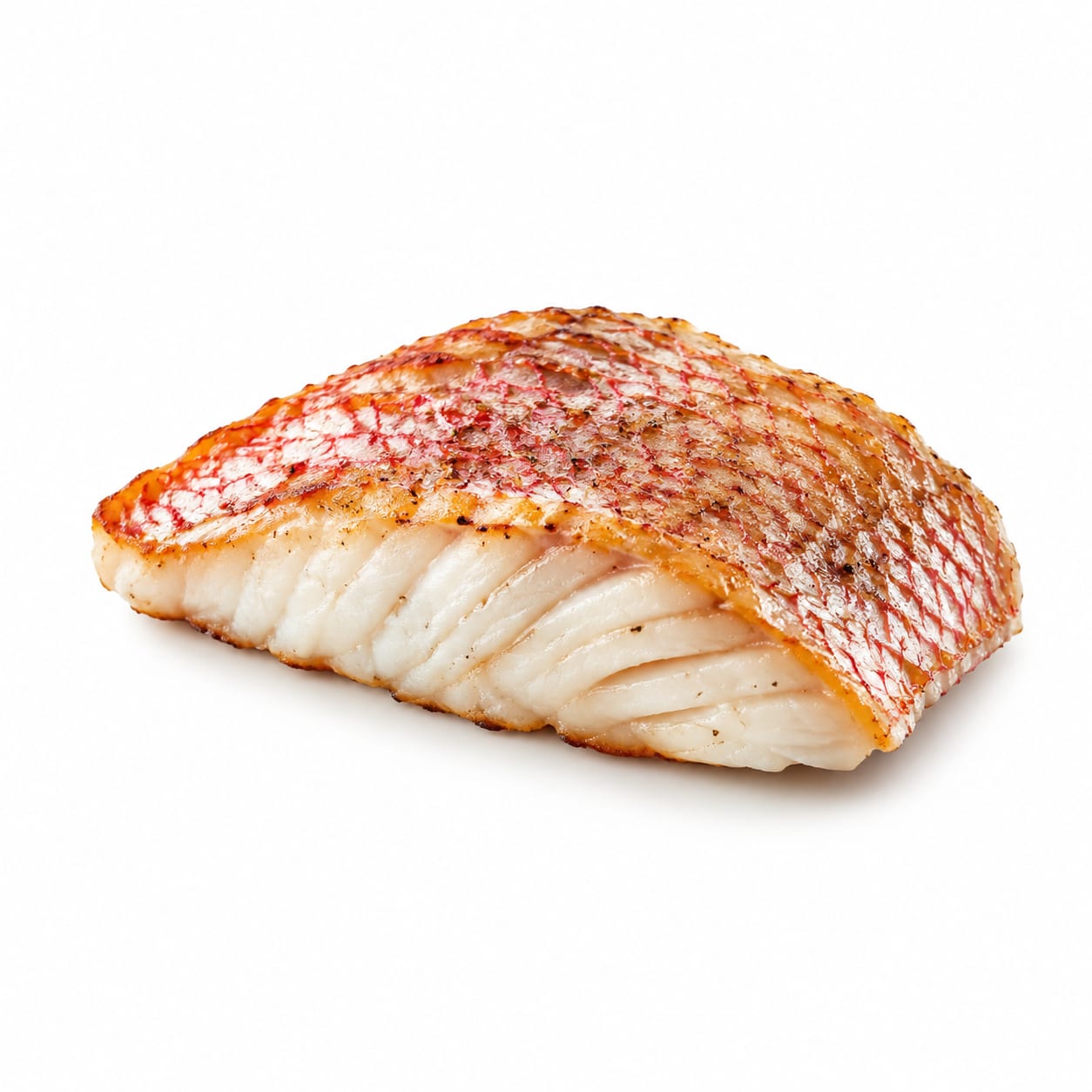
Snapper
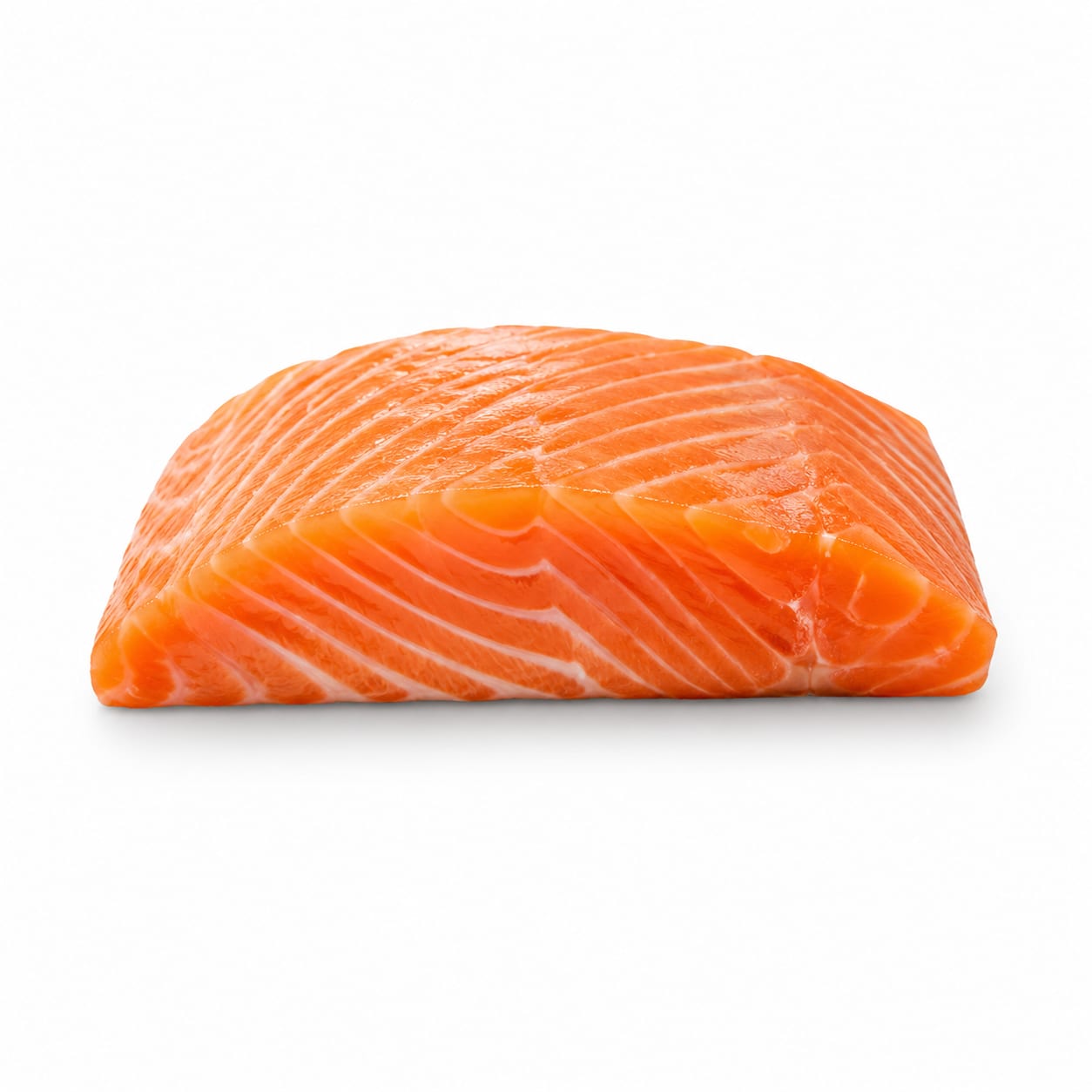
Salmon
Salmon wins for most people thanks to its dominant omega-3 content, vitamin D, and lower mercury risk. Snapper is the better pick if you want a leaner, lighter fish with fewer calories.
Salmon scores notably higher due to its omega-3 dominance, vitamin D content, and safer mercury profile for regular consumption. Snapper remains a solid lean protein but cannot match Salmon's nutritional breadth.
You trade the anti-inflammatory power and satiety of Salmon's fat for Snapper's leanness and milder flavor.
At a glance
Executive summary
Overall
Salmon
Healthier
Salmon
More practical
Salmon
Daily use
Salmon
Key comparison lenses
omega-3 and heart health comparison
Salmon is one of the richest omega-3 sources available; Snapper offers far less, making this the most consequential nutritional gap
mercury and contaminant safety
Snapper carries moderate mercury risk especially for frequent consumers, while salmon generally tests lower and is safer for regular eating
lean vs fatty fish for dietary goals
Snapper is a lean white fish suited to low-fat diets; Salmon is a fatty fish delivering satiety and fat-soluble nutrients
vitamin D and micronutrient density
Salmon is one of the few natural food sources of meaningful vitamin D; Snapper provides less on this front
sustainability and sourcing concerns
Both face sustainability issues but of different types — overfishing for Snapper, farmed vs wild complexity for Salmon
Best choice for
Snapper
- Low-calorie and low-fat diets
- People who find fatty fish too rich
- Lighter warm-weather meals
- Those already getting omega-3s from supplements
Salmon
- Heart and brain health prioritization
- Vitamin D deficiency concerns
- Anti-inflammatory eating patterns
- Higher satiety with fewer side dishes
Least suitable for
Snapper
- Pregnant women eating fish frequently (mercury)
- Those relying on food alone for omega-3s
- People needing vitamin D from diet
Salmon
- Very low-fat diet followers
- People who dislike strong fish flavor
- Budget-conscious weekly meal planners
Deep comparison
Dimension by dimension
Each lens scores both foods and breaks down who each option suits.
- Dimension 1 · Priority 95Salmon
Omega-3 Fatty Acids
Snapper · 25Salmon · 95Salmon delivers roughly 5-10 times more EPA and DHA than Snapper per serving.
Tradeoff
If you eat Salmon regularly, you likely do not need an omega-3 supplement. With Snapper, you probably still do.
Why it matters
Omega-3s reduce inflammation, support heart rhythm, and improve brain function. This is the single biggest nutritional gap between these two fish.
Real-world impact
Two Salmon servings per week can meaningfully lower triglycerides. The same frequency with Snapper would have minimal effect on omega-3 status.
Snapper
- Avoiding excess dietary fat
Better for
- Meeting omega-3 needs from food alone
Worse for
Salmon
- Heart disease prevention
- Brain health and mood support
- Joint inflammation reduction
- Pregnancy DHA needs
Better for
- Strict low-fat dietary protocols
Worse for
- Dimension 2 · Priority 85Salmon
Mercury and Contaminant Safety
Snapper · 50Salmon · 78Snapper carries moderate mercury levels that limit safe weekly intake. Salmon, especially wild-caught, generally tests lower.
Tradeoff
Snapper is safe a couple times per week for most adults, but pregnant women and children should limit it more strictly than Salmon.
Why it matters
Mercury accumulates over time and affects neurological health. Frequent fish eaters need to track this carefully.
Real-world impact
A pregnant woman can safely eat Salmon 2-3 times per week. Snapper should be limited to once weekly or avoided during pregnancy.
Snapper
- Occasional variety in a rotated fish intake
Better for
- High-frequency consumption patterns
- Vulnerable populations (pregnant, children)
Worse for
Salmon
- Frequent fish consumption safely
- Pregnancy and childhood diets
- Long-term daily or near-daily eating
Better for
- Farmed Salmon can carry PCB concerns
Worse for
- Dimension 3 · Priority 75Snapper
Calorie Density and Leanness
Snapper · 88Salmon · 55Snapper provides high protein with roughly half the calories of Salmon per serving, making it ideal for calorie-conscious meals.
Tradeoff
Fewer calories means less satiety. A Snapper fillet may leave you hungry sooner than a Salmon fillet.
Why it matters
For weight loss or light meals, lower calorie density helps. But for staying full, the fat in Salmon is an advantage.
Real-world impact
A 6oz Snapper fillet runs about 150 calories. The same portion of Salmon hits 280-350 calories depending on the species.
Snapper
- Calorie-restricted diets
- Light summer dinners
- Multiple-course meals where fish is one part
Better for
- Meals that need to sustain you for hours
Worse for
Salmon
- Staying full longer with less food
- Active people needing calorie density
- Keto and low-carb eating
Better for
- Cutting calories without feeling deprived
Worse for
- Dimension 4 · Priority 75Salmon
Vitamin D and Micronutrients
Snapper · 35Salmon · 90Salmon is one of the best dietary vitamin D sources available. Snapper provides minimal vitamin D.
Tradeoff
If you do not get much sun exposure, Salmon is almost a functional food for vitamin D. Snapper will not move the needle.
Why it matters
Roughly 40% of adults are vitamin D deficient. Very few foods naturally contain meaningful amounts.
Real-world impact
One Salmon serving can provide your full daily vitamin D target. You would need several Snapper servings to get the same.
Snapper
- Selenium intake (Snapper is a good source)
Better for
- Reliance on food for vitamin D
Worse for
Salmon
- Vitamin D deficiency correction
- Bone health support
- Immune function
- Northern latitude or indoor-limited lifestyles
Better for
- Dimension 5 · Priority 60It depends
Flavor Versatility and Cooking Ease
Snapper · 72Salmon · 78Salmon is more forgiving to cook thanks to its fat content. Snapper is leaner and easier to overcook but offers a cleaner canvas for delicate flavors.
Tradeoff
Salmon's richness stands on its own but can dominate a dish. Snapper lets other ingredients shine but demands more care.
Why it matters
Home cooks benefit from Salmon's margin of error. Overcook Snapper and it dries out noticeably.
Real-world impact
Baked Salmon is nearly foolproof. Pan-seared Snapper requires attention to timing or it turns rubbery.
Snapper
- Delicate sauce pairings
- Ceviche and raw preparations
- Lighter flavor profiles
Better for
- Distracted cooking scenarios
Worse for
Salmon
- Beginner home cooks
- Grilling and high-heat methods
- Simple preparations with minimal seasoning
Better for
- Dishes where fish should not be the dominant flavor
Worse for
- Dimension 6 · Priority 65It depends
Sustainability and Sourcing
Snapper · 45Salmon · 55Both have sustainability challenges. Snapper populations are often overfished. Salmon sustainability depends heavily on wild vs farmed.
Tradeoff
Wild Salmon is more sustainable but expensive. Farmed Salmon is accessible but has environmental costs. Snapper sourcing varies greatly by species and region.
Why it matters
Conscious consumers need to research specific sources for either fish rather than choosing blindly.
Real-world impact
Look for MSC certification for either fish. Avoid red snapper from the Gulf without verification of sustainable practices.
Snapper
- Well-managed fisheries like some Hawaiian Snapper
Better for
- Unverified red snapper sources
Worse for
Salmon
- Alaskan wild-caught Salmon (well-managed stocks)
- ASC-certified farmed Salmon
Better for
- Conventional open-net farmed Salmon
Worse for
Timeline
Health impact over time
Short-term
Hours to days
Snapper
- Light, clean post-meal feeling without heaviness
- Lower post-meal fullness may lead to earlier snacking
- Easy to digest due to low fat content
Salmon
- More satisfying and filling meal that curbs hunger for hours
- Rich mouthfeel that feels like a complete meal with fewer sides
- Mild digestive warmth from higher fat content
Long-term
Months to years
Snapper
- Adequate protein for muscle maintenance but limited omega-3 anti-inflammatory benefits
- Mercury accumulation risk if consumed more than twice weekly
- Possible omega-3 gap if not supplemented elsewhere
Salmon
- Meaningfully reduced cardiovascular risk from consistent omega-3 intake
- Improved vitamin D status supporting bone and immune health
- Potential PCB exposure if relying heavily on farmed Salmon
Risk profile
Safety & processing
Both Snapper and Salmon are whole, minimally processed foods when purchased fresh or frozen without additives. Watch out for smoked Salmon which adds sodium, and frozen fillets with added sodium tripolyphosphate.
Snapper
Mercury exposure
mediumRed snapper in particular carries moderate mercury. Limit to 1-2 servings per week, especially for pregnant women and children.
Mislabeling fraud
mediumSnapper is one of the most commonly mislabeled fish in the US. You may be getting a different species with different mercury and nutritional profiles.
Parasites in raw preparations
lowLike all marine fish, Snapper for ceviche or sushi should be previously frozen to kill parasites.
Salmon
PCBs and dioxins in farmed Salmon
mediumFarmed Salmon can contain higher levels of industrial contaminants than wild. Vary your sources and prefer wild when possible.
Antibiotic residues in farmed Salmon
lowSome farmed Salmon operations use antibiotics. Look for certified organic or ASC-certified farmed options to reduce this concern.
Listeria in smoked Salmon
mediumSmoked Salmon is a listeria risk for pregnant women and immunocompromised individuals. Cooked Salmon is safe.
Who wins for whom
Audience fit
Same foods, different winners depending on your goal.
children
SalmonSalmon's omega-3s support brain development and its lower mercury profile makes it safer for growing bodies. Wild Salmon is the best choice here.
daily consumption
SalmonSalmon's lower mercury levels and broader nutrient profile make it more appropriate for frequent consumption than Snapper.
diabetes
SalmonSalmon's omega-3s improve insulin sensitivity and its healthy fats slow glucose absorption. Both are zero-carb, but Salmon offers more metabolic benefit.
elderly
SalmonSalmon's vitamin D, omega-3s, and anti-inflammatory properties support bone density, heart health, and cognitive function in aging adults.
muscle gain
SalmonSalmon provides more calories and protein per serving along with anti-inflammatory omega-3s that support recovery.
weight loss
SnapperSnapper's lower calorie count per serving makes it easier to stay within a calorie deficit while still getting high-quality protein.
Your move
Decision guide
Choose Snapper
- You are counting calories and want maximum protein with minimum calories
- You find Salmon too rich or fishy and prefer a milder, lighter fish
- You already take omega-3 supplements and want lean protein
- You are preparing ceviche, fish tacos, or delicate sauces where a lean fish shines
Choose Salmon
- Heart and brain health are top priorities for you
- You want to get omega-3s from food instead of supplements
- You live in a northern climate or get limited sun and need dietary vitamin D
- You want a filling meal that keeps you satisfied for hours
- You are pregnant or planning pregnancy and need safe, nutrient-dense fish
Either works if
- You simply want high-quality protein from a whole food source
- You rotate your fish choices weekly for variety and contaminant spreading
- You are building a Mediterranean-style eating pattern
Avoid both if
- You have a confirmed fish allergy
- You are on a strict vegan or plant-based diet
- You cannot verify the sourcing and are pregnant or feeding young children
Final recommendation
For most people, Salmon is the better regular choice. Its omega-3 and vitamin D content deliver health benefits that Snapper simply cannot match. Choose Snapper when you want something lighter, leaner, or when you are already covering your omega-3 needs elsewhere. Rotate both for variety and to spread contaminant exposure.
Practical
Consumer tips
- 1
Buy wild Alaskan Salmon when possible — it has better omega-3 ratios and fewer contaminants than most farmed options
- 2
If buying farmed Salmon, look for ASC or organic certification to reduce antibiotic and contaminant concerns
- 3
Ask your fish counter specifically about Snapper species — red snapper has higher mercury than vermilion or lane snapper
- 4
Freeze any fish you plan to eat raw for at least 7 days to kill parasites
- 5
Smoked Salmon is convenient but high in sodium — enjoy it occasionally, not as your daily Salmon source
- 6
Canned Salmon with bones is an affordable, calcium-rich option that rivals fresh for omega-3 content
- 7
Avoid Snapper more than once per week if you eat fish frequently to manage mercury exposure