
Nutrition comparison
Snapper vs Tuna: Mercury, Protein, and Which Fish Is Safer to Eat Regularly
Compare snapper and tuna on mercury levels, protein content, omega-3s, and safety. Learn which fish is better for regular consumption, athletes, and families with children.
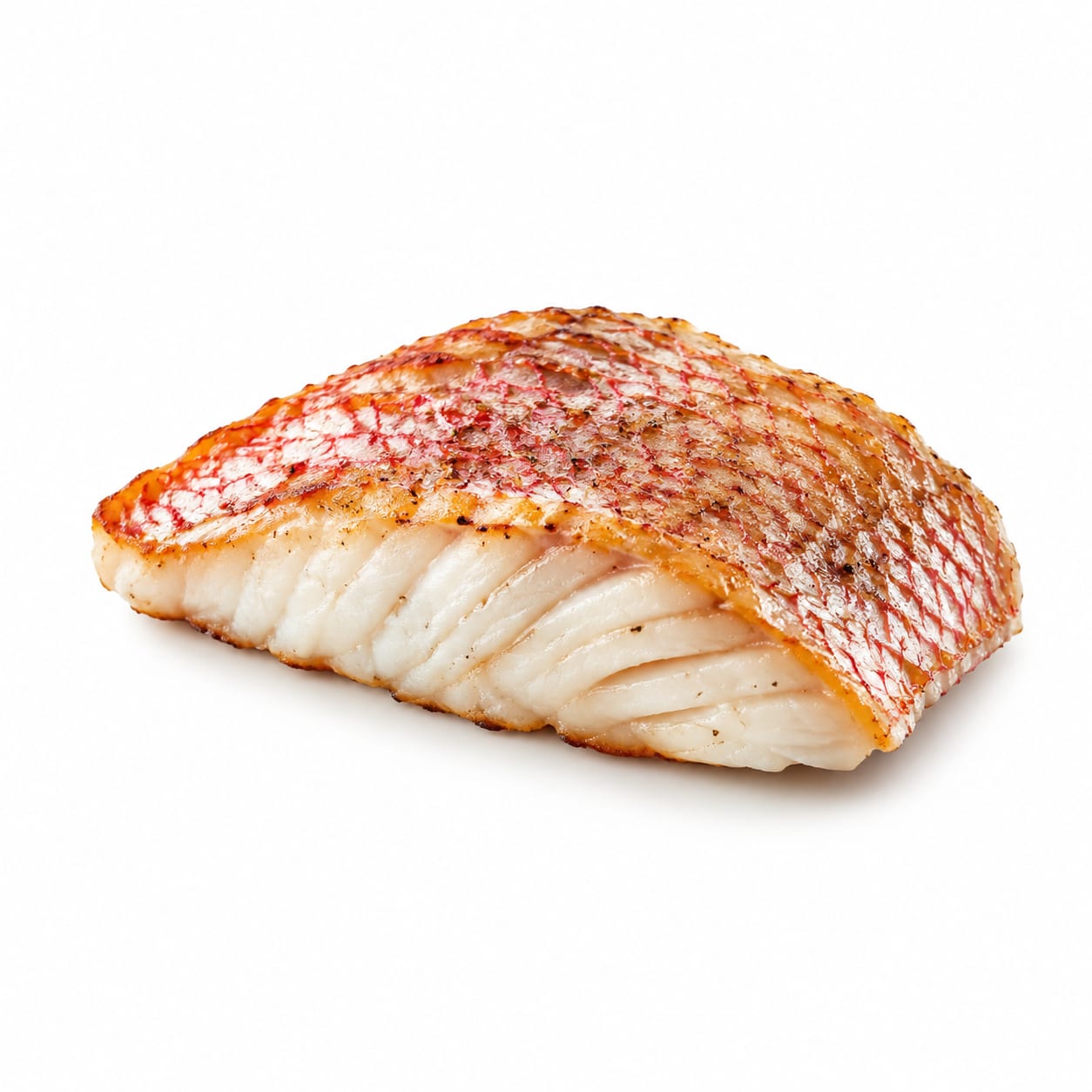
Snapper
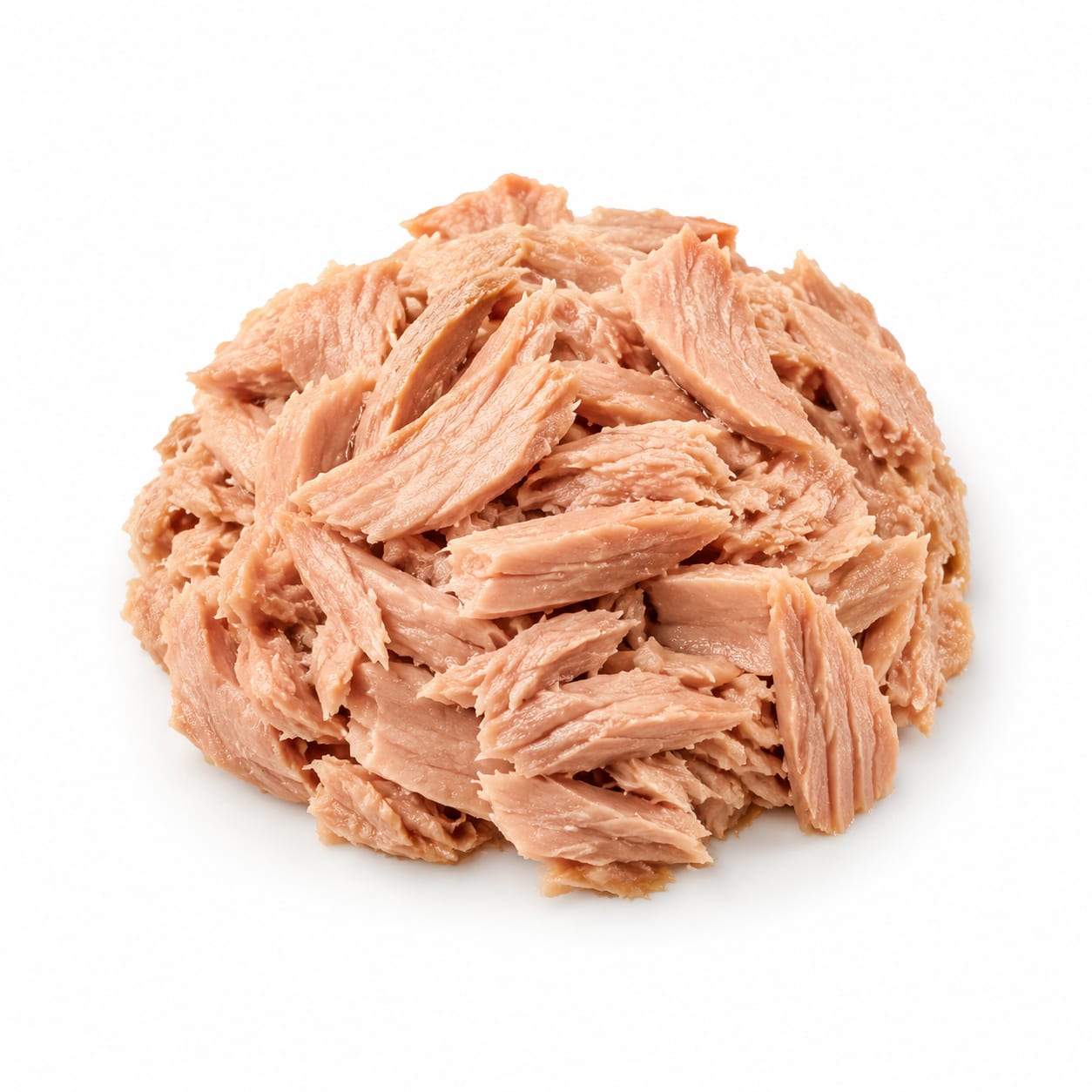
Tuna
Tuna wins on protein and omega-3s, but snapper wins on mercury safety and everyday eating flexibility. Your choice depends on how often you eat fish and whether maximum protein matters more than lower contaminant risk.
Snapper edges ahead primarily due to lower mercury risk, making it safer for regular consumption. Tuna scores higher on raw nutritional metrics but loses ground on safety and sustainability. The close scores reflect that both are quality protein sources with meaningful tradeoffs.
Tuna delivers more nutrition per ounce but carries significantly higher mercury risk, while snapper is the safer regular-choice fish with slightly less nutritional punch.
At a glance
Executive summary
Overall
It depends
Healthier
Snapper
More practical
Snapper
Daily use
Snapper
Key comparison lenses
mercury safety comparison
Tuna is one of the highest-mercury fish commonly consumed, while snapper has moderate but lower mercury levels — this is the single most important health distinction between them
protein density for athletes
Tuna is a protein powerhouse favored by bodybuilders, while snapper offers solid but less concentrated protein
omega3 fatty acid intake
Both provide omega-3s but in different amounts and ratios, relevant for heart and brain health decisions
meal versatility and flavor
Snapper's firmer, sweeter flesh suits more cooking styles, while tuna is often preferred raw or seared
sustainability and sourcing
Both face overfishing concerns but from different fisheries, affecting ethical consumption choices
Best choice for
Snapper
- Families eating fish 2-3 times per week
- People concerned about mercury accumulation
- Home cooks wanting versatile preparation options
- Pregnant women or those planning pregnancy (in moderation)
Tuna
- Athletes and bodybuilders maximizing protein intake
- People eating fish only occasionally who want maximum omega-3s per serving
- Sushi and sashimi enthusiasts
- Those on calorie-restricted high-protein diets
Least suitable for
Snapper
- Those seeking the absolute highest protein density per calorie
- Budget shoppers (snapper is often expensive)
- People wanting significant omega-3 intake from a single serving
Tuna
- Pregnant or breastfeeding women (especially albacore)
- Children under 6
- Anyone eating fish more than twice weekly
- People with mercury sensitivity concerns
Deep comparison
Dimension by dimension
Each lens scores both foods and breaks down who each option suits.
- Dimension 1 · Priority 95Snapper
Mercury and Contaminant Safety
Snapper · 70Tuna · 40Snapper has moderate mercury levels, while tuna — especially albacore — ranks among the highest-mercury fish commonly eaten.
Tradeoff
Tuna's position as an apex predator means it accumulates significantly more methylmercury, which can affect neurological health with regular consumption.
Why it matters
Mercury builds up in your body over time. Eating high-mercury fish weekly can lead to concerning accumulation, especially for vulnerable populations.
Real-world impact
A person eating canned albacore tuna three times a week could exceed the EPA's safe mercury reference dose, while the same frequency with snapper stays within safer limits.
Snapper
- Long-term fish eaters
- Pregnant women (limited amounts)
- Parents feeding children
Better for
- Those who assume all fish are equally safe and overconsume
Worse for
Tuna
- Occasional fish consumers
- Those who rotate fish species frequently
Better for
- Anyone eating fish multiple times weekly
- Pregnant and breastfeeding women
- Young children
Worse for
- Dimension 2 · Priority 80Tuna
Protein Density and Quality
Snapper · 72Tuna · 90Tuna packs more protein per calorie than almost any other fish, while snapper provides solid but less concentrated protein.
Tradeoff
If you're tracking macros or need maximum protein with minimal calories, tuna is hard to beat. Snapper still delivers good protein but requires larger portions to match tuna.
Why it matters
Protein density matters for satiety, muscle maintenance, and hitting daily targets without overeating calories.
Real-world impact
A 4-ounce tuna steak delivers roughly 30g protein for 130 calories. The same snapper portion gives about 25g protein for 120 calories — close, but tuna wins for efficiency.
Snapper
- Those who prefer a more balanced, less aggressively lean fish
Better for
- Competitive athletes needing maximum protein efficiency
Worse for
Tuna
- Athletes in caloric deficit
- Bodybuilders hitting protein targets
- Anyone counting macros precisely
Better for
- Those who find very lean fish unsatisfying
Worse for
- Dimension 3 · Priority 75Tuna
Omega-3 Fatty Acids
Snapper · 55Tuna · 78Fresh tuna provides substantially more omega-3s than snapper, though canned tuna loses much of this advantage during processing.
Tradeoff
The omega-3 gap is meaningful if you're eating fish specifically for heart and brain benefits, but it narrows considerably with canned tuna versus fresh snapper.
Why it matters
Omega-3s reduce inflammation, support heart health, and improve cognitive function. Getting more per serving means fewer supplements needed.
Real-world impact
A serving of fresh bluefin tuna can deliver 1.5g+ of combined EPA/DHA, while snapper typically provides 0.2-0.4g — a significant difference for heart health goals.
Snapper
- Those getting omega-3s from other sources like salmon or sardines
Better for
- Anyone counting on snapper alone for omega-3 needs
Worse for
Tuna
- People relying on fish as their primary omega-3 source
- Those not taking fish oil supplements
Better for
- Those eating canned tuna, which has reduced omega-3 content
Worse for
- Dimension 4 · Priority 65Snapper
Cooking Versatility and Enjoyment
Snapper · 82Tuna · 68Snapper's firm, sweet flesh works beautifully across more cooking methods, while tuna shines in fewer preparations but excels when served raw or barely cooked.
Tradeoff
Tuna demands more skill to cook well — overcook it and you have a dry, tough disappointment. Snapper is more forgiving and adaptable to everyday cooking.
Why it matters
A fish you enjoy cooking and eating consistently beats one that sits in your freezer because you're worried about ruining it.
Real-world impact
Snapper bakes, grills, fries, steams, and stews reliably. Tuna is magnificent as sushi or seared rare, but turns dry and unappealing when cooked through.
Snapper
- Home cooks wanting reliable results
- Families with varied taste preferences
- Those who enjoy multiple cooking techniques
Better for
- Those specifically wanting a raw fish experience
Worse for
Tuna
- Sushi and poke lovers
- Experienced cooks comfortable with rare-seared preparations
- Raw bar enthusiasts
Better for
- Anyone uncomfortable with rare-cooked fish
- Home cooks worried about timing fish perfectly
Worse for
- Dimension 5 · Priority 60It depends
Sustainability and Sourcing
Snapper · 55Tuna · 50Both fish have serious sustainability concerns, but the specifics differ — snapper faces overfishing in many regions, while tuna's issues include bycatch and illegal fishing.
Tradeoff
Neither is a clear sustainability winner. Your impact depends more on which species and which fishery your specific purchase comes from than on choosing between snapper and tuna broadly.
Why it matters
Overfished populations affect ocean ecosystems and future availability. Making informed choices matters for long-term seafood access.
Real-world impact
Red snapper from the Gulf of Mexico is better managed than many Pacific snapper species. Skipjack tuna is more sustainable than bluefin or yellowfin. The label matters more than the fish type.
Snapper
- Those sourcing from well-managed Gulf fisheries
- Buyers who verify sustainability certifications
Better for
- Anyone buying without checking the source fishery
Worse for
Tuna
- Those choosing skipjack over yellowfin or bluefin
- Shoppers buying pole-caught varieties
Better for
- Those buying bluefin tuna (critically overfished)
- Consumers ignoring catch methods
Worse for
Timeline
Health impact over time
Short-term
Hours to days
Snapper
- Solid protein satisfaction without excessive fullness
- Moderate omega-3 anti-inflammatory benefit
- Lower risk of acute mercury-related symptoms
Tuna
- Strong protein satiety, especially post-workout
- More noticeable omega-3 benefit per serving from fresh varieties
- Potential for histamine reactions in poorly stored tuna (scombroid poisoning)
Long-term
Months to years
Snapper
- Lower cumulative mercury burden with regular consumption
- Consistent lean protein supporting muscle maintenance
- Moderate cardiovascular benefit from regular omega-3 intake
Tuna
- Significant mercury accumulation risk if eaten frequently, potentially affecting cognitive function and nervous system health
- Strong cardiovascular protection when consumed in safe frequencies
- Higher omega-3 intake supporting brain health when portions are managed properly
Risk profile
Safety & processing
Both snapper and fresh tuna are whole, minimally processed foods. However, canned tuna often contains added sodium and may include vegetable broth or pyrophosphate preservatives, which slightly reduces its naturalness score compared to fresh snapper.
Snapper
Mercury exposure
mediumSnapper contains moderate mercury levels, roughly 0.15-0.25 ppm depending on species. Safe for weekly consumption in moderate portions but not ideal for daily intake.
Ciguatera toxin
lowSome reef-dwelling snapper can carry ciguatera toxin, which causes gastrointestinal and neurological symptoms. More common in Caribbean and Pacific reef fish.
Mislabeling
mediumSnapper is one of the most frequently mislabeled fish in the US market. You may be getting a different, potentially less safe species when buying snapper.
Tuna
Mercury exposure
highAlbacore tuna contains roughly 0.35 ppm mercury, and bigeye tuna can exceed 0.60 ppm. Regular consumption significantly raises body mercury burden. Canned light tuna (skipjack) is lower at roughly 0.12 ppm.
Scombroid poisoning
mediumImproperly stored tuna can develop high histamine levels, causing allergic-like reactions including flushing, headache, and gastrointestinal distress. This is one of the most common fish-borne illnesses.
Parasitic infection from raw consumption
mediumRaw tuna in sushi carries risk of anisakiasis and other parasitic infections, though commercial freezing requirements reduce this significantly.
Who wins for whom
Audience fit
Same foods, different winners depending on your goal.
children
SnapperChildren are more vulnerable to mercury's neurological effects. Snapper's lower mercury levels make it the safer choice, though both should be limited for young children.
daily consumption
SnapperNeither should be eaten daily, but snapper's lower mercury makes it safer for more frequent consumption — up to twice weekly versus tuna's recommended once weekly for most species.
diabetes
TunaBoth fish have zero carbohydrates and minimal impact on blood sugar. Tuna's higher protein content provides slightly better glycemic stability when paired with carbohydrates in a meal.
elderly
SnapperOlder adults benefit from snapper's lower mercury risk while still getting quality protein and omega-3s. Cumulative mercury exposure is a greater concern with aging kidneys that clear toxins more slowly.
muscle gain
TunaTuna delivers more protein per serving with a complete amino acid profile, making it the preferred choice for muscle building and recovery when consumed in safe frequencies.
weight loss
TunaTuna's higher protein-to-calorie ratio provides more satiety per calorie, making it slightly more effective for calorie-controlled diets — as long as portion frequency respects mercury limits.
Your move
Decision guide
Choose Snapper
- You eat fish multiple times per week and need a safer regular option
- You're pregnant, breastfeeding, or cooking for young children
- You want a forgiving fish that works in many recipes
- You're concerned about long-term mercury accumulation
- You prefer cooked fish over raw preparations
Choose Tuna
- You eat fish only occasionally and want maximum nutritional impact per serving
- You're an athlete or bodybuilder prioritizing protein density
- You love sushi, sashimi, or seared tuna preparations
- You're not in a high-mercury-sensitivity group and eat fish 1-2 times per week max
- You take fish oil supplements and want additional omega-3s from whole food
Either works if
- You rotate through multiple fish species weekly anyway
- You're looking for a high-quality lean protein source
- You have access to well-sourced, fresh options of either fish
- You're cooking for guests with varied preferences
Avoid both if
- You have a confirmed fish allergy
- You're strictly limiting seafood due to gout or purine concerns
- You can't verify the source and sustainability of the fish
- You're already taking high-dose fish oil and eating other fish species regularly
Final recommendation
For most people eating fish regularly, snapper is the smarter default — it delivers excellent protein and flavor with meaningfully less mercury risk. Save tuna for occasional meals where you want maximum protein or the specific pleasure of sushi and seared steaks. If you eat fish less than once a week, tuna gives you more nutritional bang per serving. If you eat fish 2-3 times weekly, snapper is the safer anchor for your rotation.
Practical
Consumer tips
- 1
Choose canned light tuna (skipjack) over canned albacore — it has roughly one-third the mercury content
- 2
Look for MSC-certified or Seafood Watch recommended options for both snapper and tuna
- 3
Limit fresh tuna to once per week and avoid entirely if pregnant; snapper can be eaten up to twice weekly
- 4
Freeze fresh tuna for at least 7 days before making sushi at home to kill parasites
- 5
Ask your fish counter about the specific snapper species — red snapper from the Gulf of Mexico is better managed than many imported varieties
- 6
If you eat both fish regularly, track your weekly servings to avoid cumulative mercury exposure from combining them
- 7
Pole-caught tuna is more sustainable and often lower in mercury than longline-caught varieties