
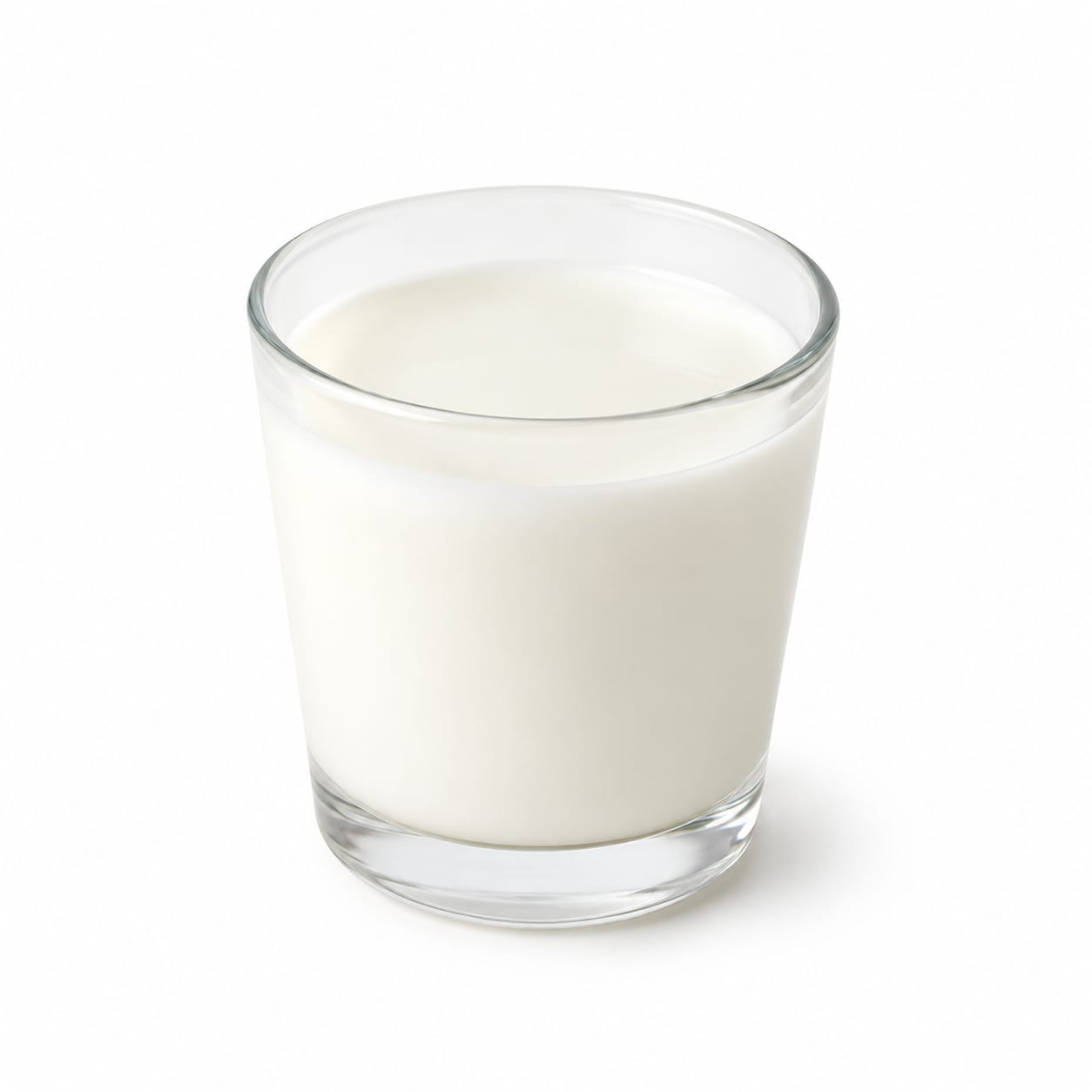
Dairy
Sheep Milk
A rich, high-fat, high-protein dairy milk with superior calcium content and easily digestible A2 protein.
Nutrient-dense milk produced by sheep, known for its rich, creamy texture and significantly higher protein and fat content compared to cow and goat milk.
high-fat high-protein dairy source
Typical serving · 245g
Common varieties · raw sheep milk, pasteurized sheep milk, whole sheep milk, organic sheep milk, UHT sheep milk
Overall context score across nutrition, safety, and diet fit
At a glance
Quick facts
Simple indicators based on nutrition, processing, and diet fit.
The story
What makes it unique
Sheep milk digests moderately slower than cow milk due to smaller fat globules and a higher proportion of short and medium-chain fatty acids, promoting prolonged satiety. Its macronutrient profile features roughly double the fat and protein of cow milk per volume. Minimally processed forms retain heat-sensitive immunoglobulins and beneficial bacteria.
Varieties: raw sheep milk · pasteurized sheep milk · whole sheep milk · organic sheep milk · UHT sheep milk
Per 100g
Nutrition breakdown
Macro balance and key metrics at a glance.
Energy
Density 1.08 kcal/g
Protein
Carbs
Fat
Fiber
Sugar
5.36 g
Sodium
44 mg
Potassium
137 mg
Glycemic index
28
Glycemic load
2
Water content
81%
Standout compounds
Nutrient highlights
Calcium
highvital for bone density and muscle contraction
Protein
highsupports muscle synthesis and satiety
Vitamin B12
highessential for nerve function and red blood cell formation
Conjugated Linoleic Acid (CLA)
moderatemay support immune function and healthy body composition
A2 Beta-Casein
highreduces digestive discomfort and inflammation compared to A1 protein
Wellness map
Health scores & processing
NOVA processing scale
minimally processed · Whole food
Plain pasteurized sheep milk undergoes minimal processing, primarily heat treatment for safety, without added sugars or artificial ingredients.
Diet compatibility
- Weight loss
- Muscle gain
- Diabetes
- Gut health
- Low carb
- High protein
- Heart health
Relative standing
Food rankings
Qualitative ranks compared to similar whole foods.
- Satietyexcellent
- Blood sugargood
- Nutrient densityexcellent
- Fitness fuelgood
- Processing qualityexcellent
Eat with confidence
Food safety profile
Pasteurized sheep milk is safe for general consumption. Raw sheep milk carries a higher risk of foodborne illness and should be avoided by immunocompromised individuals.
Evidence confidence 90%
- Pesticideslow
- Antibioticsmoderate
- Heavy metalslow
- Contaminationmoderate
Watch for
- Listeria monocytogenes
- Campylobacter
- Salmonella
Safer choices
Pasteurized organic sheep milk
Prep tips
Keep refrigerated and consume before the expiration date. Avoid raw milk unless sourced from verified farms with rigorous testing protocols.
Raw milk sales are restricted or prohibited in many jurisdictions due to bacterial contamination risks.
Deep dive
Health analysis
How this food may fit different goals and preparation choices.
Weight loss
High calorie and fat density makes portion control important; not ideal for unrestricted high-volume dieting but excellent for satiety.
Blood sugar
Low glycemic index and high protein and fat content prevent rapid blood sugar spikes, providing stable energy release.
Fitness & energy
Excellent post-workout recovery drink due to its high complete protein content and medium-chain triglycerides for quick energy.
Gut health
A2 beta-casein and smaller fat globules enhance digestibility, though lactose content still poses issues for those with severe lactose intolerance.
Processing quality
Typically sold as a whole, minimally processed product without additives, preserving its natural nutrient matrix.
Food safety
Pasteurization eliminates most pathogenic risks; raw versions require strict hygiene standards and carry inherent bacterial risks.
Common mistakes
Assuming it is lactose-free; it contains lactose comparable to cow milk, which can trigger intolerance symptoms.
Best preparation
Drink plain, use as a base for nutrient-dense smoothies, or make into yogurt and cheese to concentrate proteins and probiotics.
Practical guide
Best use cases
When and how this food fits real eating patterns.
Post-workout recovery
High complete protein and medium-chain triglycerides support muscle repair and energy replenishment.
Bone health support
Exceptional calcium and phosphorus content strengthens bone density.
A1 protein sensitivity alternative
Suitable for individuals who experience inflammation or digestive issues with A1 cow milk.
Balance sheet
Pros & cons
Upsides
- Nearly double the protein and calcium of cow milk
- Contains easily digestible A2 beta-casein
- Smaller fat globules aid digestion
- Rich in B vitamins and essential minerals
- High CLA content from pasture feeding
Trade-offs
- High in calories and saturated fat
- Contains lactose, unsuitable for lactose intolerance
- Expensive and less available than cow milk
- Strong flavor may not appeal to everyone
Fit check
Who is it for?
Great match
- A1 protein sensitive individuals
- muscle gain diets
- bone density support
- high-calorie nutrient-dense diets
Consider alternatives
- strict low-calorie diets
- lactose intolerant individuals
- strict low-fat diets
- dairy-free vegans
Side by side
How it compares
Open the full head-to-head analysis for nutrition, safety, and practical tradeoffs.
This food
Sheep Milk
VS95% alike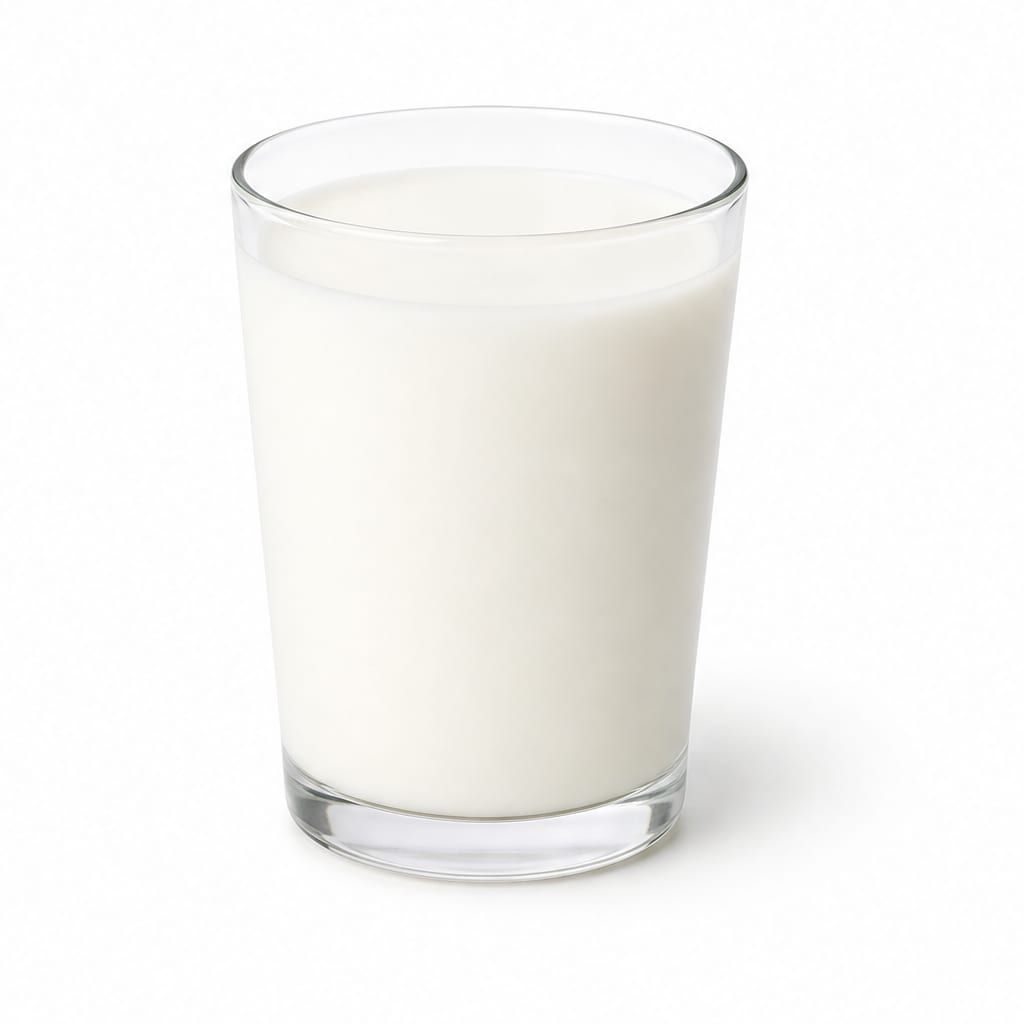
Compare with
Cow Milk
Sheep milk provides double the protein and calcium of cow milk, but is significantly higher in calories and fat.
Sheep milk offers more protein and calcium for muscle building, while cow milk is lower in calories for weight loss.
This food
Sheep Milk
VS90% alike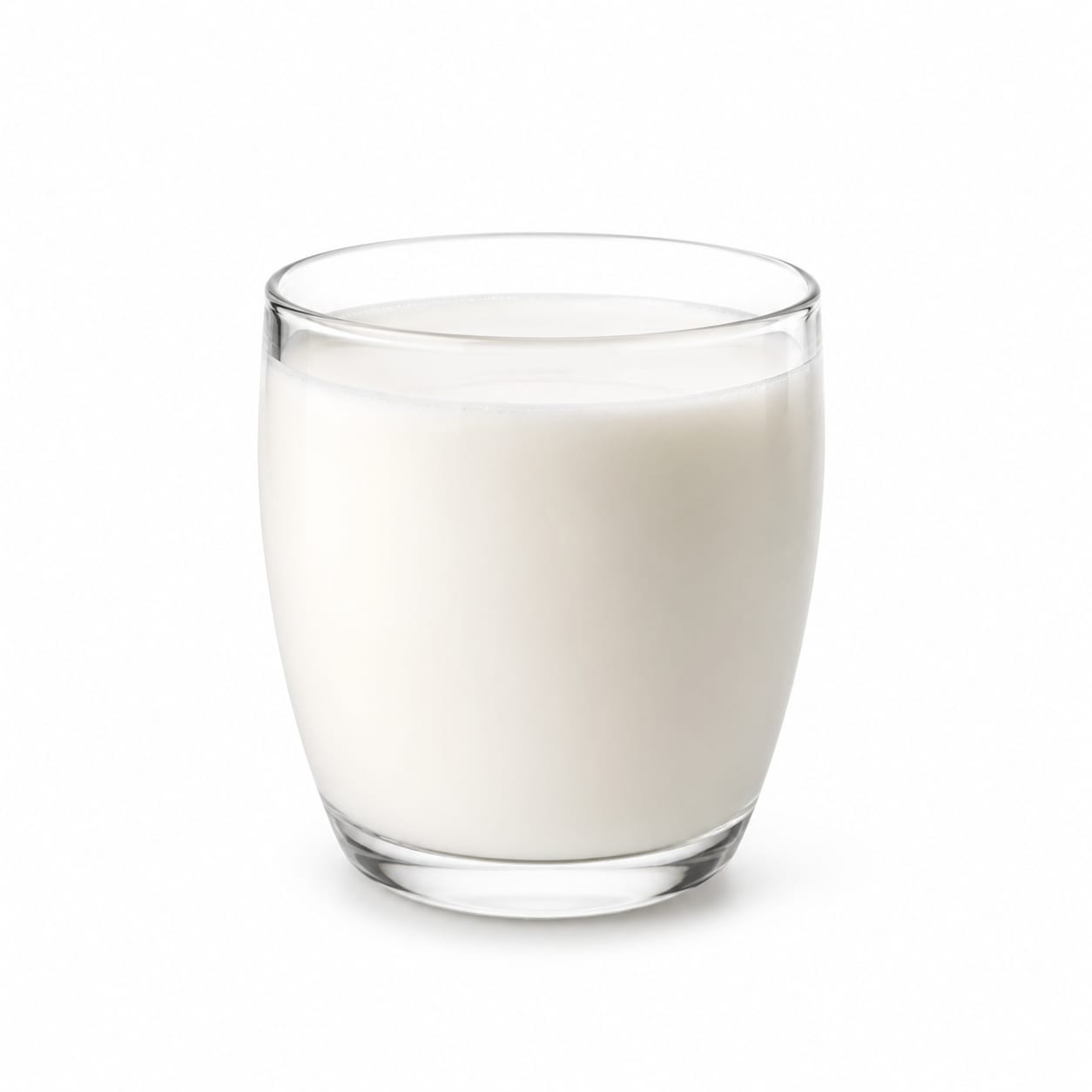
Compare with
Goat Milk
Sheep milk is richer in fat and protein than goat milk, offering more calories but greater satiety and nutrients per ounce.
Sheep milk is more nutrient-dense and filling than goat milk, but goat milk is lighter for calorie-controlled diets.
This food
Sheep Milk
VS40% alike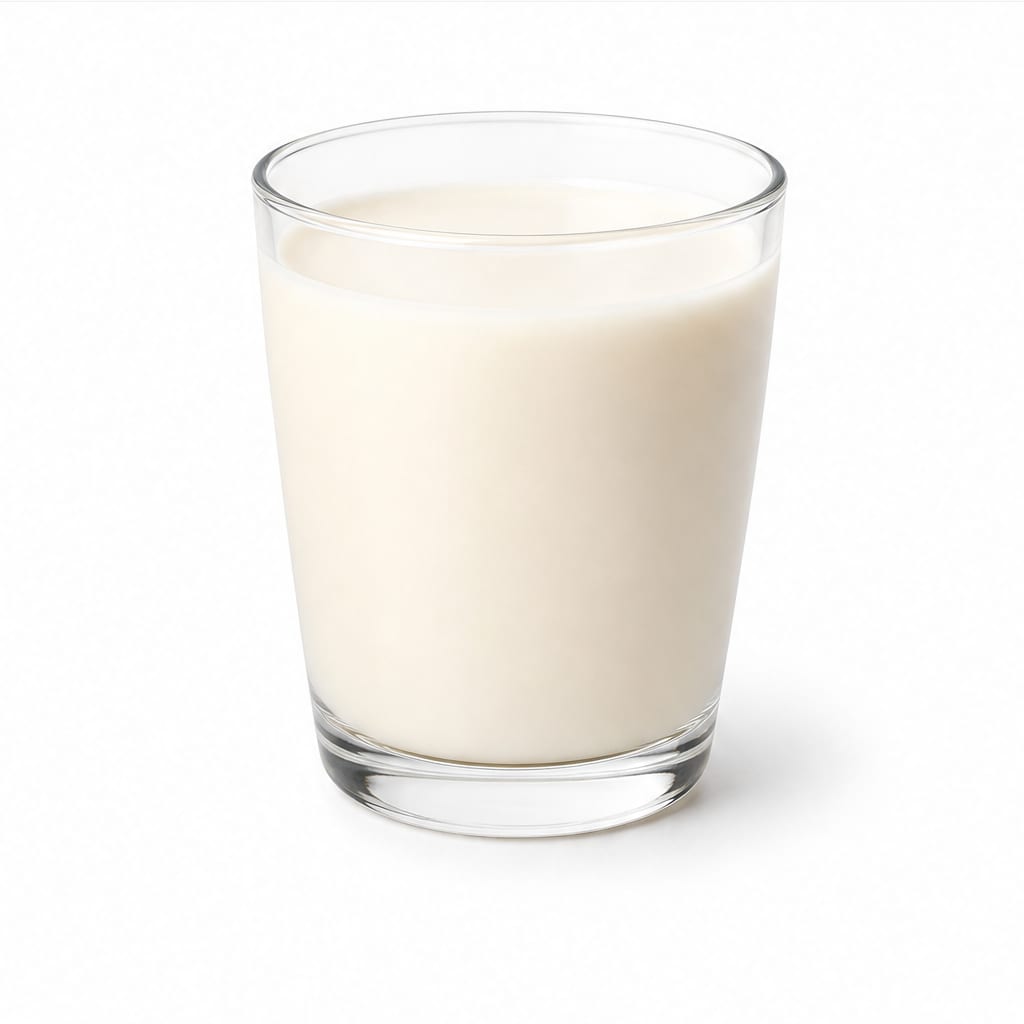
Compare with
Almond Milk
Almond milk is a low-calorie, low-protein alternative, whereas sheep milk is a high-calorie, high-protein whole food.
Almond milk is best for cutting calories, while sheep milk is far superior for protein and satiety.
This food
Sheep Milk
VS60% alike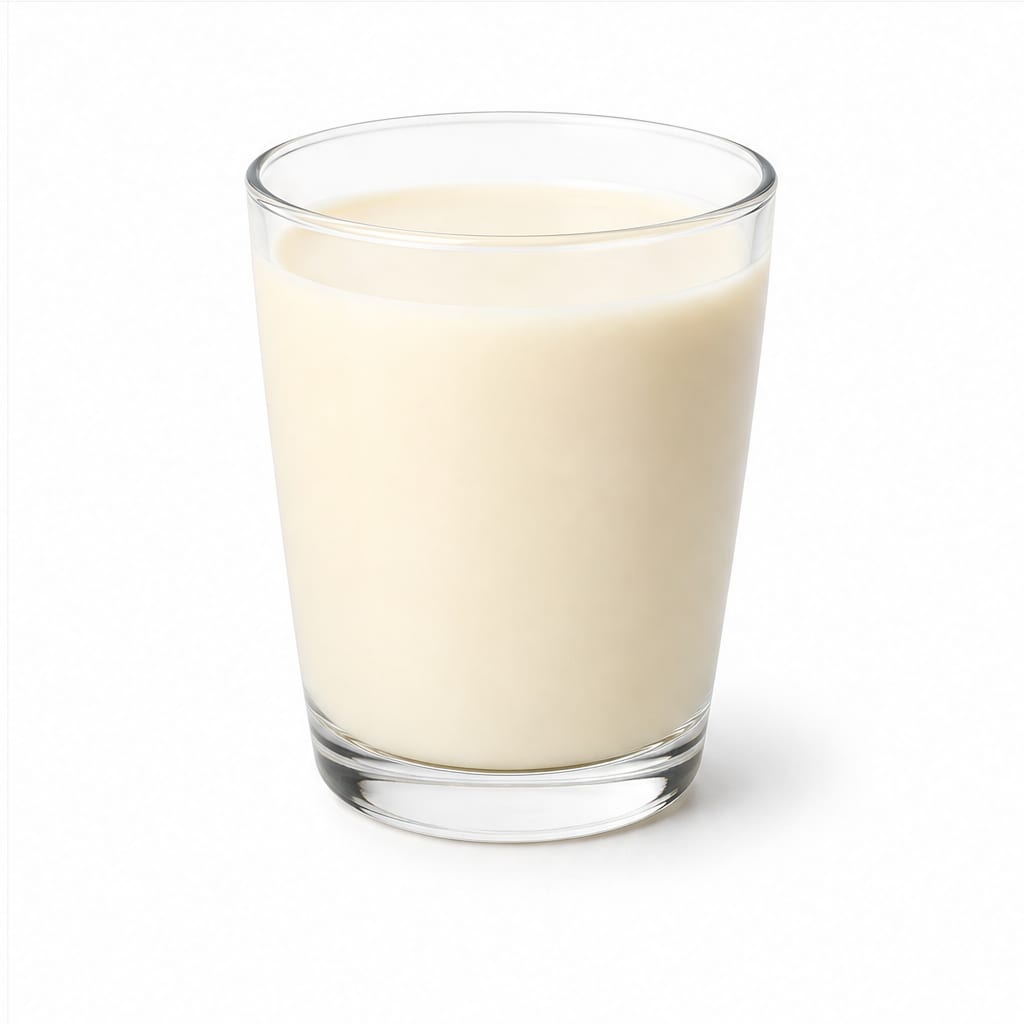
Compare with
Soy Milk
Soy milk matches sheep milk in protein but with far fewer calories and fat, making it leaner for weight loss.
Soy milk provides similar protein with fewer calories, while sheep milk offers superior calcium and A2 protein.
This food
Sheep Milk
VS50% alike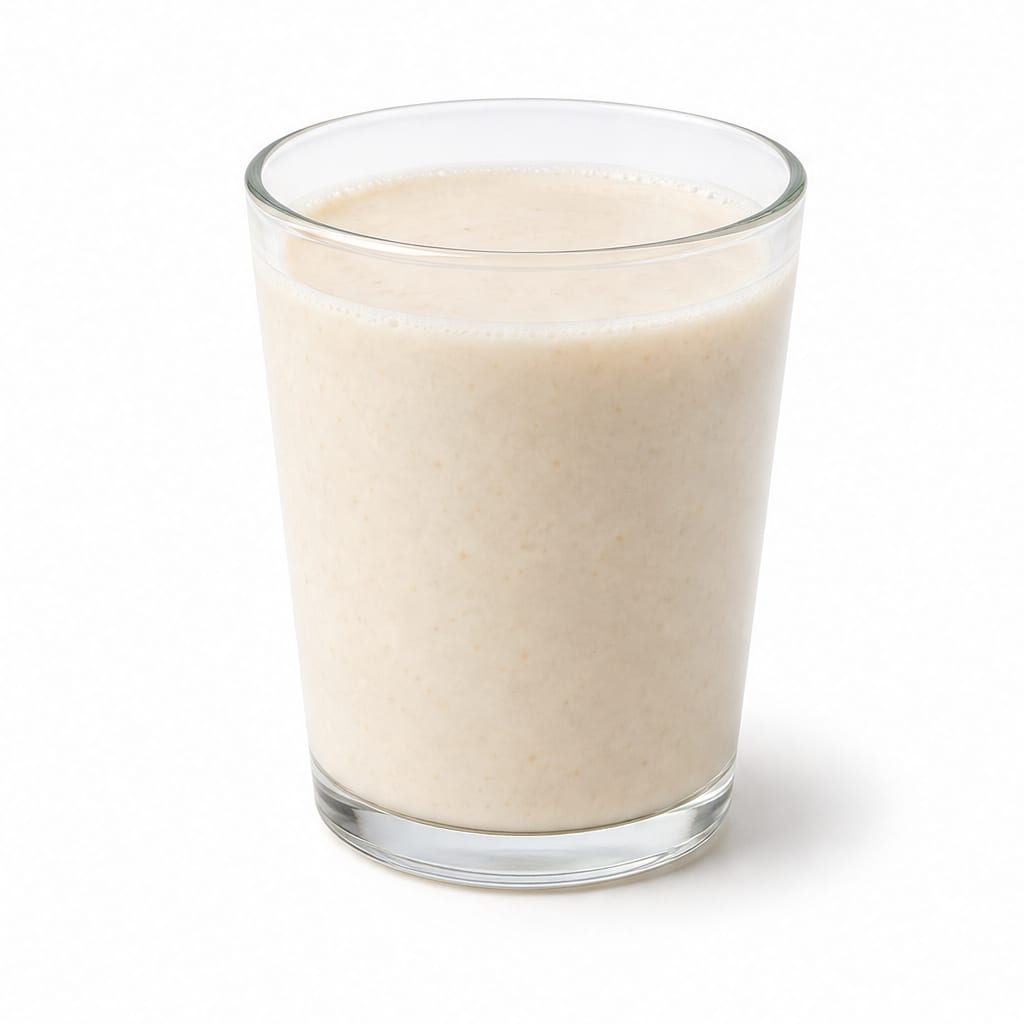
Compare with
Oat Milk
Oat milk is higher in carbs and lower in protein, while sheep milk offers superior protein and lower glycemic impact.
Sheep milk beats oat milk for blood sugar control and protein, but oat milk is lower in fat.
This food
Sheep Milk
VS85% alike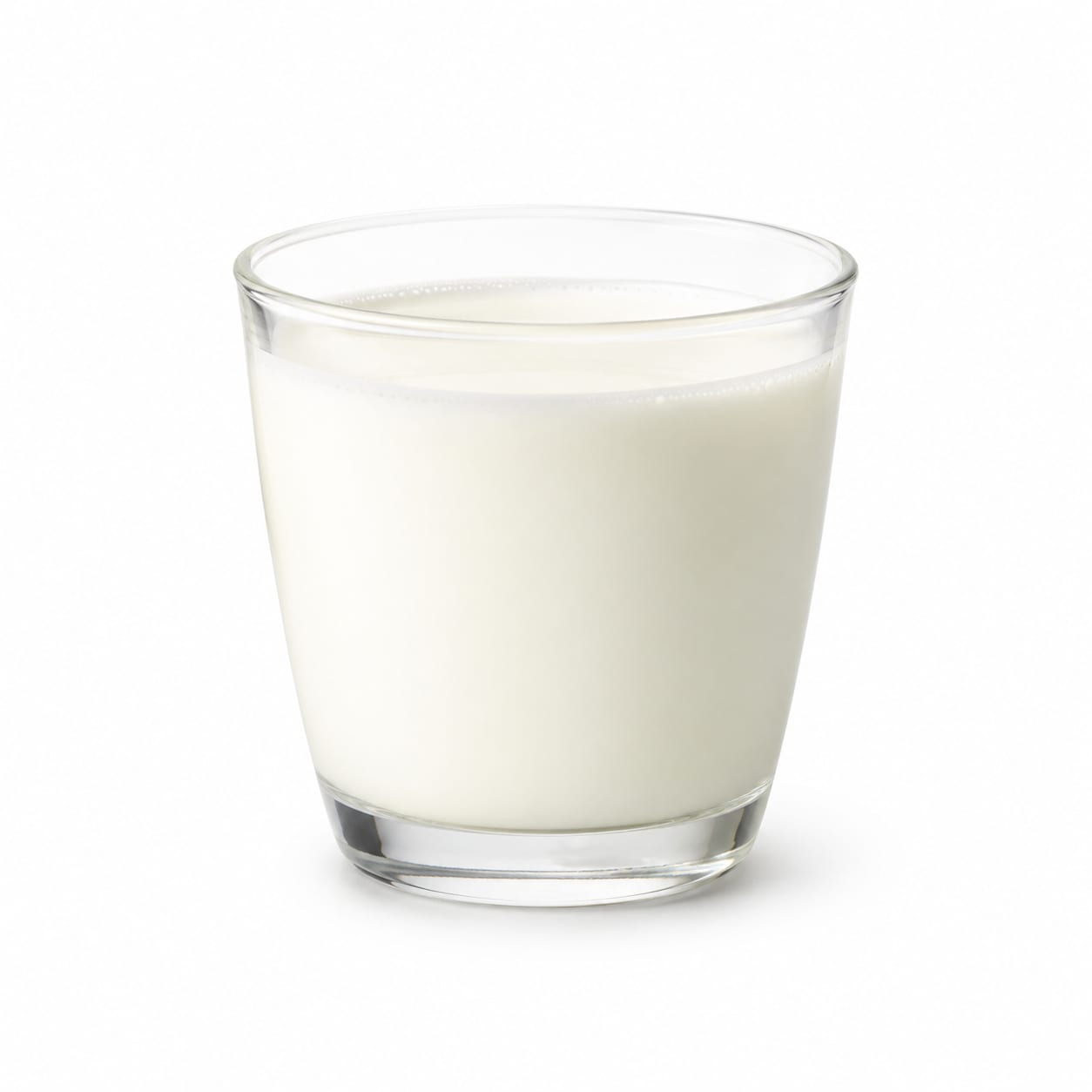
Compare with
Buffalo Milk
Both are rich, high-fat milks, but sheep milk has a slight edge in protein density and calcium per calorie.
Sheep milk is slightly more nutrient-dense than buffalo milk, offering more protein and calcium per gram.
This food
Sheep Milk
VS70% alike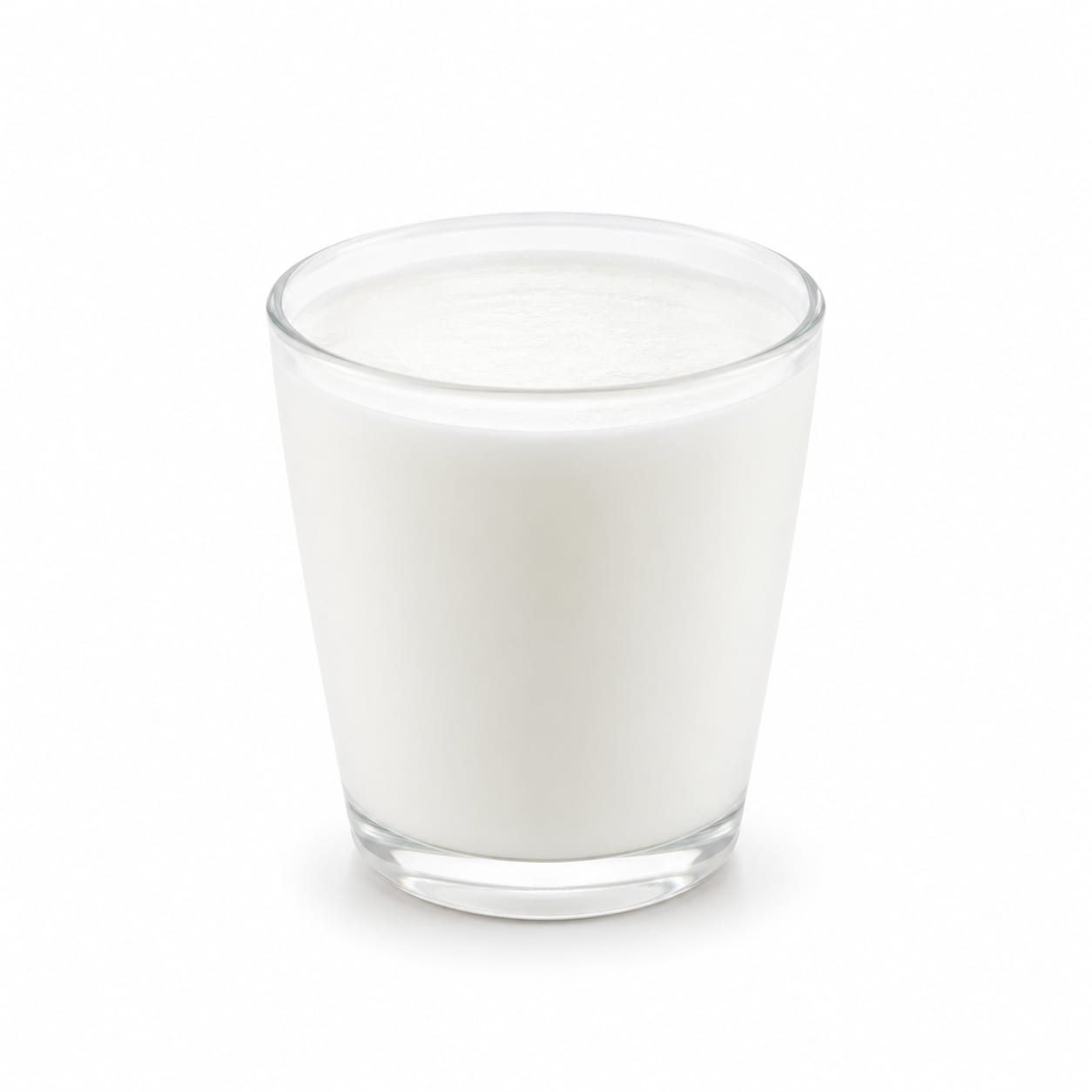
Compare with
Camel Milk
Camel milk is lower in fat and higher in vitamin C, while sheep milk is richer in protein and calcium.
Camel milk is leaner with unique immune properties, while sheep milk provides more protein and bone-building minerals.
This food
Sheep Milk
VS45% alike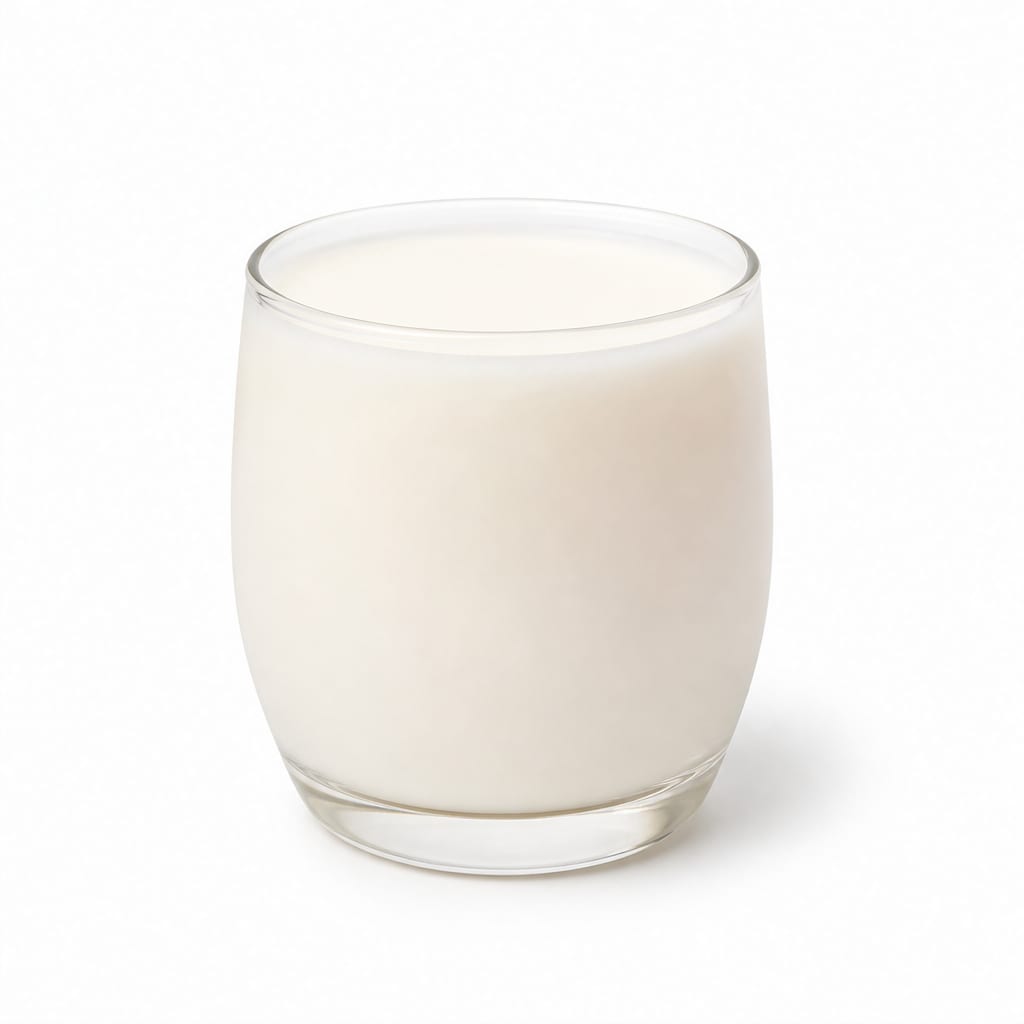
Compare with
Coconut Milk
Coconut milk is high in fat but lacks protein; sheep milk provides a balanced macronutrient profile with substantial protein.
Sheep milk is far better for muscle growth due to its protein, while coconut milk is purely a fat source.
This food
Sheep Milk
VS92% alike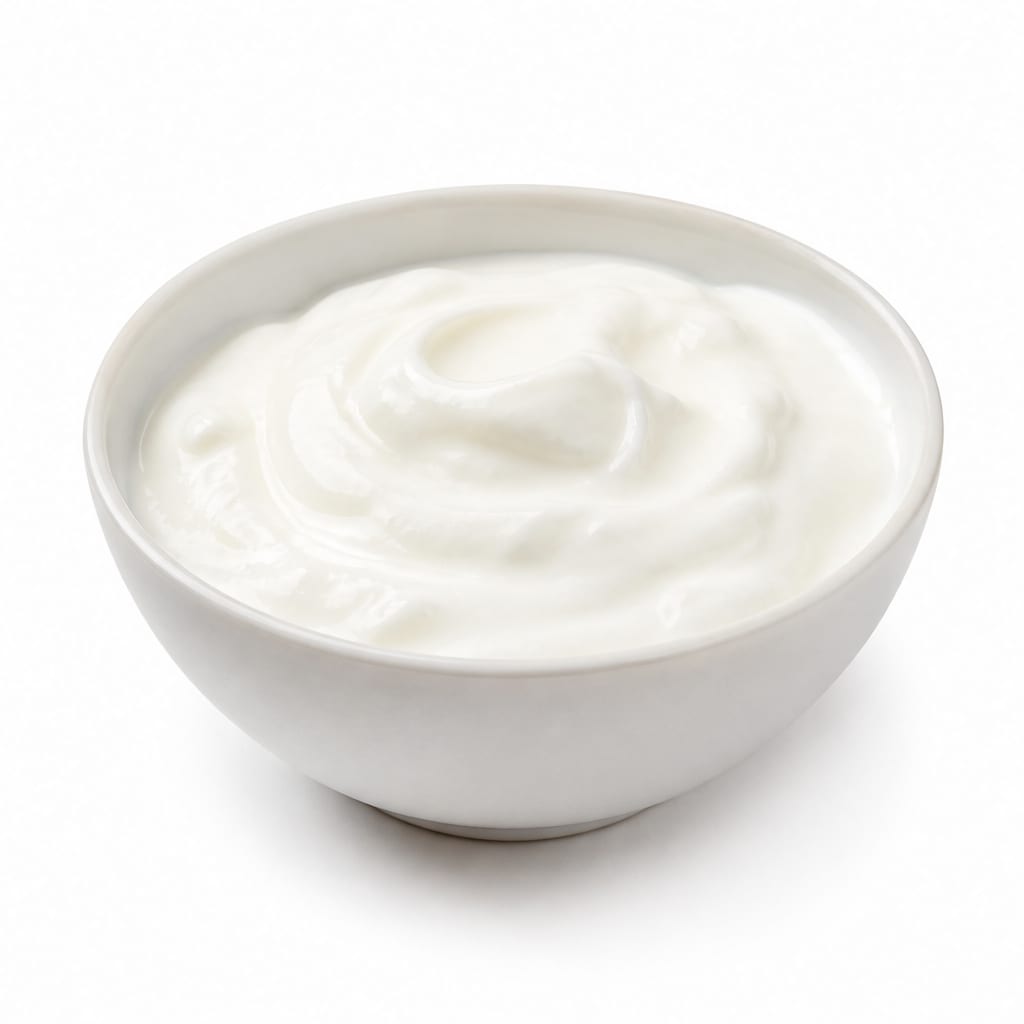
Compare with
Sheep Yogurt
Sheep yogurt offers probiotics and slower-digesting proteins, while fluid sheep milk is better for quick post-workout rehydration.
Sheep yogurt provides probiotics for gut health, whereas sheep milk is better as a quick hydrating protein source.
This food
Sheep Milk
VS80% alike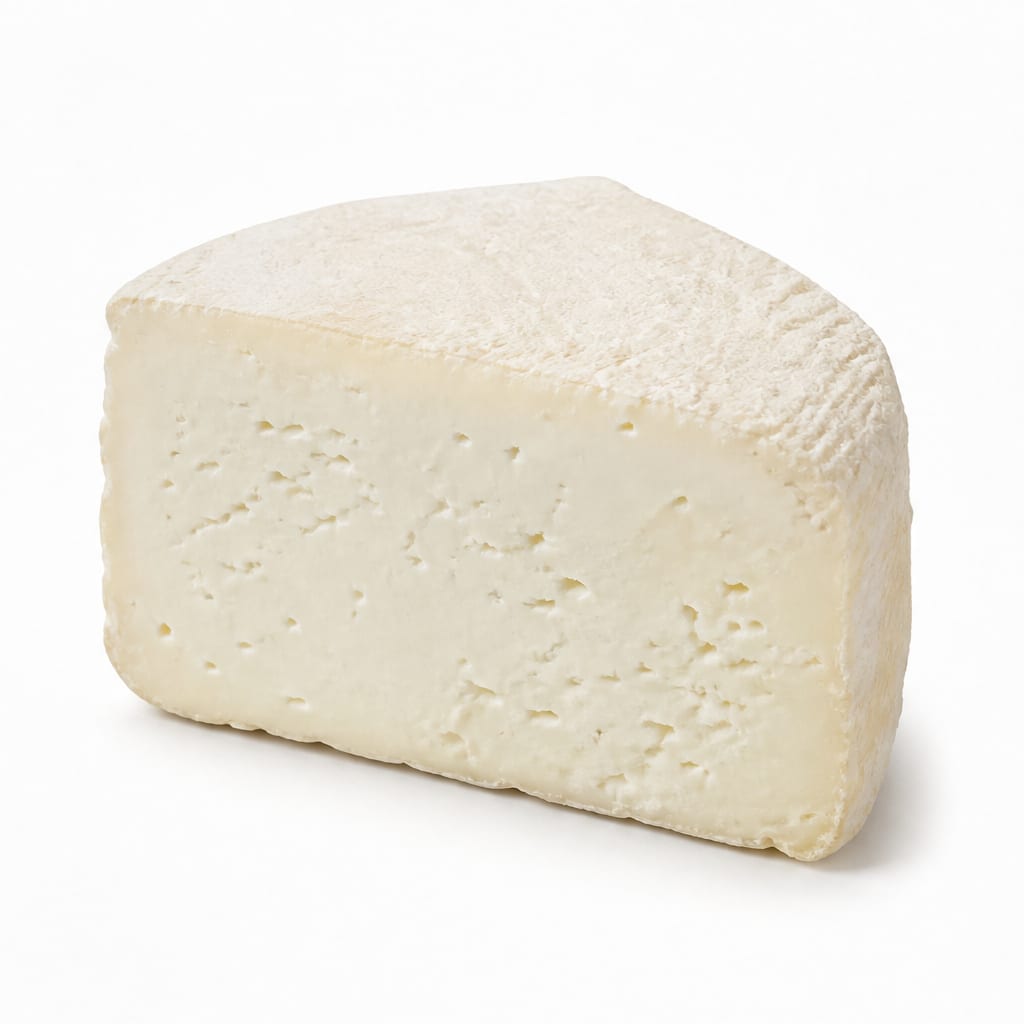
Compare with
Sheep Cheese
Cheese concentrates the protein and fat but removes lactose, while sheep milk provides hydration and a milder flavor.
Sheep cheese is a lactose-free protein powerhouse, while sheep milk offers hydration and lower calorie density.
Common questions
FAQ
Answers aligned with how people search for this food.
Is sheep milk easier to digest than cow milk?
Yes, sheep milk contains A2 protein and smaller fat globules, making it easier for many people to digest than standard A1 cow milk.
Can you drink sheep milk if you are lactose intolerant?
No, sheep milk still contains lactose. People with lactose intolerance should avoid it or use lactase enzymes.
Is sheep milk good for weight loss?
Sheep milk is high in calories and fat, so it is not the best choice for low-calorie diets, though its high protein can help with satiety.
What does sheep milk taste like?
Sheep milk has a rich, creamy, and slightly sweet taste, often described as less 'goaty' than goat milk.
How much protein is in sheep milk?
Sheep milk contains about 6 grams of protein per 100 grams, which is nearly double the protein content of cow milk.
Is sheep milk anti-inflammatory?
Sheep milk contains conjugated linoleic acid (CLA) and A2 protein, which may have anti-inflammatory properties compared to A1 cow milk.
Why is sheep milk so expensive?
Sheep produce significantly less milk than cows, and the dairy industry is smaller, making production costs higher.
Does sheep milk have A2 protein?
Yes, sheep milk naturally contains exclusively A2 beta-casein protein, lacking the A1 protein found in most conventional cow milk.
Transparency
Data confidence
Estimated confidence for nutrition data, interpretation, safety notes, and comparisons.
Nutrition data
Health analysis
Food safety
Comparisons