
Nutrition comparison
Sheep Milk vs Soy Milk: Which is Healthier?
Comparing sheep milk and soy milk? Discover the key nutritional differences, protein quality, and digestion tradeoffs to find out which milk fits your diet best.
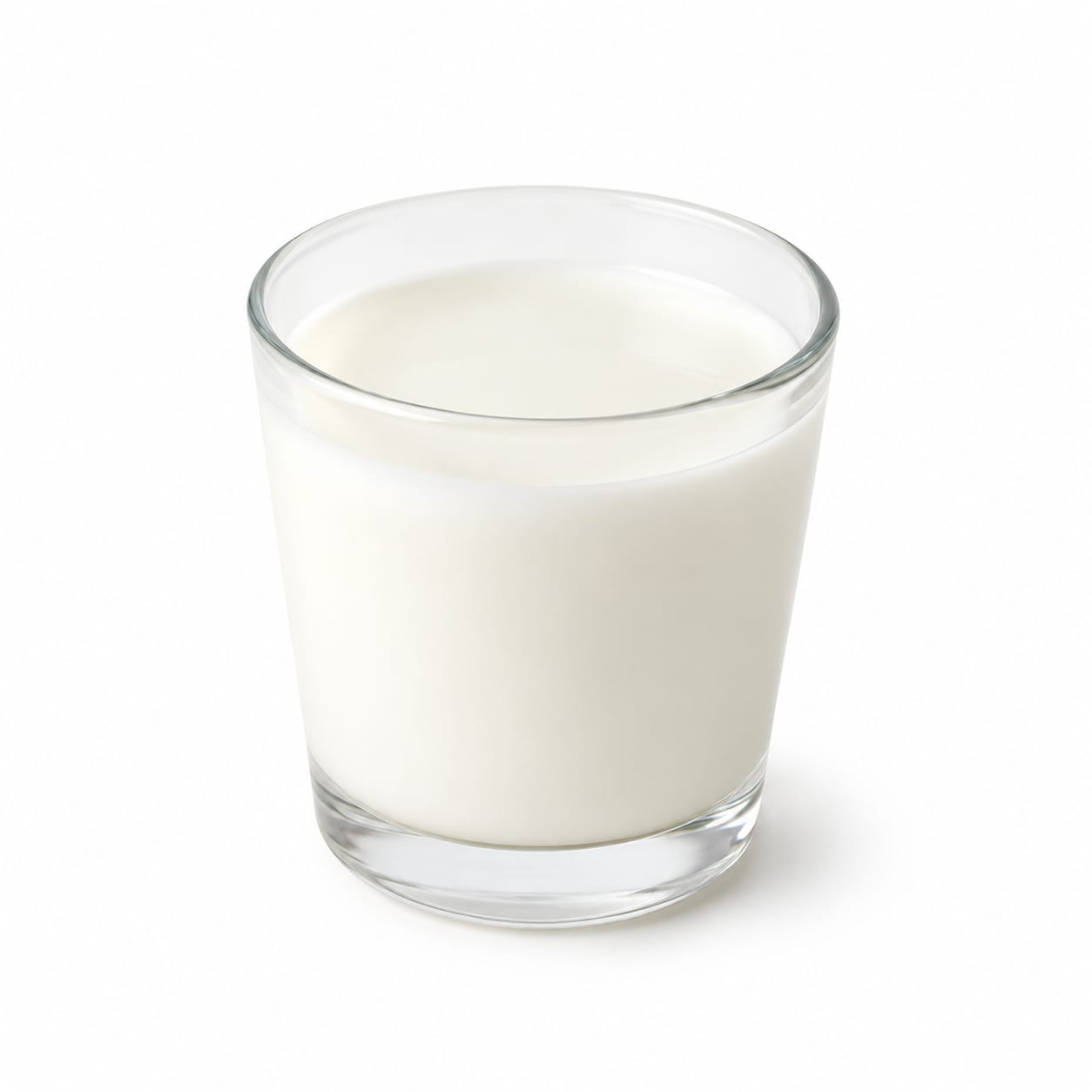
Sheep Milk
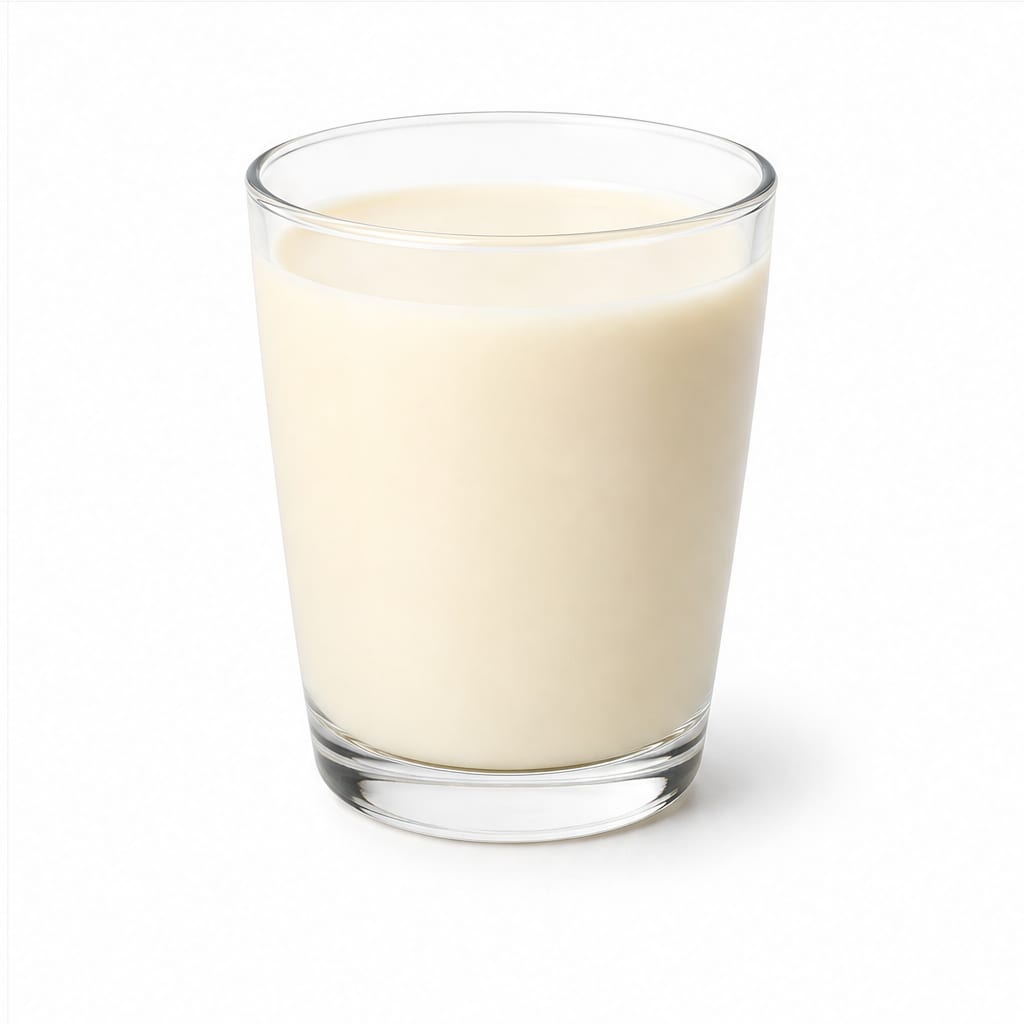
Soy Milk
Sheep milk is a nutrient powerhouse for those who tolerate dairy, while soy milk is a lighter, everyday staple for plant-based and calorie-conscious diets.
Soy milk scores slightly higher for everyday, broad-use practicality and lower calorie density. Sheep milk scores lower overall due to its high saturated fat and calorie content, though it excels in raw nutrient density per drop.
Rich, natural whole-food nutrition and high protein versus lower calories and easier digestion.
At a glance
Executive summary
Overall
It depends
Healthier
It depends
More practical
Soy Milk
Daily use
Soy Milk
Key comparison lenses
Dairy vs Plant-Based Nutritional Profile
Sheep milk offers dense, naturally occurring animal fats and proteins, while soy milk provides a lighter, cholesterol-free plant-based alternative.
Calorie and Satiety Tradeoffs
Sheep milk is extremely filling but calorie-dense, whereas soy milk is much lighter and easier to fit into a calorie-controlled diet.
Digestive Tolerance and Allergies
Lactose intolerance and dairy allergies clash with sheep milk, while soy allergies and FODMAP sensitivities clash with soy milk.
Processing and Naturalness
Sheep milk is typically a whole, unmodified food, while commercial soy milk often contains thickeners, emulsifiers, and fortified nutrients.
Best choice for
Sheep Milk
- People needing high calcium and natural vitamin D
- Those looking for maximum satiety from a small portion
- Individuals trying to gain healthy weight or build muscle
- Consumers prioritizing minimally processed whole foods
Soy Milk
- People with lactose intolerance or dairy allergies
- Those managing calorie intake for weight loss
- Anyone following a vegan or plant-based lifestyle
- Individuals watching their saturated fat and cholesterol intake
Least suitable for
Sheep Milk
- People with lactose intolerance or dairy allergies
- Those on strict calorie-restricted diets
- Vegans and strict plant-based eaters
- Anyone watching their saturated fat intake closely
Soy Milk
- People with soy allergies
- Those avoiding added thickeners or emulsifiers
- Individuals on a strict low-FODMAP diet
- Consumers seeking the highest natural calcium without fortification
Deep comparison
Dimension by dimension
Each lens scores both foods and breaks down who each option suits.
- Dimension 1 · Priority 95Sheep Milk
Nutrient Density
Sheep Milk · 95Soy Milk · 70Sheep milk is incredibly nutrient-dense, packing significantly more protein, calcium, and B vitamins per serving than soy milk.
Tradeoff
You get far more nutrition per glass with sheep milk, but it comes with a heavy calorie and fat load.
Why it matters
If you have a small appetite or need maximum nutrition from limited volumes, sheep milk is superior.
Real-world impact
A single glass of sheep milk can feel like a mini-meal, keeping you full for hours, while soy milk feels like a light beverage.
Sheep Milk
- Bone health and osteoporosis prevention
- Recovering from illness when appetite is low
- Growing children needing concentrated nutrition
Better for
- Sedentary days when calorie burn is low
Worse for
Soy Milk
- Light hydration with moderate nutrients
- Everyday cooking and baking where richness isn't desired
Better for
- Times when you need a meal-replacement level of sustenance
Worse for
- Dimension 2 · Priority 90Soy Milk
Calorie and Fat Control
Sheep Milk · 35Soy Milk · 90Soy milk is much lower in calories and saturated fat, making it far easier to manage weight.
Tradeoff
Soy milk saves you calories and saturated fat, but you sacrifice the rich creaminess and satiety of sheep milk.
Why it matters
For daily beverage consumption, liquid calories add up fast. Soy milk keeps your daily budget in check.
Real-world impact
Drinking sheep milk daily could easily push you over your calorie needs, while soy milk is a guilt-free pour.
Sheep Milk
- Keto or low-carb diets requiring high fat
- Active individuals needing dense energy
Better for
- Cardiovascular risk management
- Waistline control
Worse for
Soy Milk
- Sustainable weight loss
- Heart-healthy diets limiting saturated fat
Better for
- High-energy needs for endurance sports
Worse for
- Dimension 3 · Priority 85Soy Milk
Digestive Comfort
Sheep Milk · 40Soy Milk · 75Soy milk is naturally lactose-free, making it much easier on the stomach for the majority of adults.
Tradeoff
Soy milk avoids dairy-related bloating, but certain additives in commercial brands or soy itself can occasionally cause gas.
Why it matters
Lactose intolerance affects a huge portion of the global population, making dairy a daily discomfort for many.
Real-world impact
Sheep milk can cause bloating or stomach cramps for sensitive individuals, while soy milk generally digests smoothly.
Sheep Milk
- Those with specific soy sensitivities
Better for
- Social situations where bloating is uncomfortable
Worse for
Soy Milk
- Post-workout digestion when the gut is sensitive
- Everyday consumption for lactose-intolerant individuals
Better for
- Individuals with IBS sensitive to FODMAPs
Worse for
- Dimension 4 · Priority 80Sheep Milk
Processing and Additives
Sheep Milk · 90Soy Milk · 45Sheep milk is a whole, natural food, while most commercial soy milk contains thickeners and fortified vitamins.
Tradeoff
Sheep milk gives you a clean label, whereas soy milk relies on processing to mimic the texture and nutrition of dairy.
Why it matters
People trying to avoid ultra-processed foods often prefer the simplicity of whole animal milk.
Real-world impact
You can milk a sheep and drink it; soy milk requires extracting, straining, adding oils, and fortifying in a factory.
Sheep Milk
- Clean-eating diets
- Avoiding emulsifiers like carrageenan
Better for
- Situations requiring long shelf life without freezing
Worse for
Soy Milk
- Vegan lifestyles where whole dairy isn't an option
Better for
- Those sensitive to gums like gellan or locust bean
Worse for
- Dimension 5 · Priority 75Sheep Milk
Protein Quality
Sheep Milk · 92Soy Milk · 78Sheep milk provides high-quality, complete animal protein with all essential amino acids in optimal ratios.
Tradeoff
Sheep milk protein is superior for muscle building, but soy milk still offers a solid plant-based protein profile.
Why it matters
Animal proteins are generally absorbed and utilized more efficiently by the body for muscle repair.
Real-world impact
After a workout, sheep milk will trigger slightly better muscle protein synthesis than soy milk.
Sheep Milk
- Athletes looking for optimal recovery
- Older adults preventing muscle loss
Better for
- Those with dairy protein allergies
Worse for
Soy Milk
- Plant-based athletes who avoid whey
Better for
- Maximizing lean muscle gain efficiently
Worse for
Timeline
Health impact over time
Short-term
Hours to days
Sheep Milk
- High satiety and prolonged fullness
- Potential for digestive bloating if lactose intolerant
- Steady energy due to high fat and protein slowing digestion
Soy Milk
- Light, easy digestion for most people
- Quick hydration without feeling heavy
- Possible mild gas from soy oligosaccharides or additives
Long-term
Months to years
Sheep Milk
- Excellent bone density support from natural calcium and vitamin D
- Potential increase in LDL cholesterol from high saturated fat
- Risk of weight gain if consumed in large quantities daily
Soy Milk
- Cardiovascular benefits from unsaturated fats and cholesterol-lowering phytosterols
- Reliance on synthetic fortification for calcium and B12
- Potential thyroid disruption if consumed in extreme excess with existing iodine deficiency
Risk profile
Safety & processing
Sheep milk is a whole food straight from the animal with nothing added. Soy milk is a manufactured product requiring water, extraction, added oils for richness, gums for texture, and fortified vitamins to match dairy nutrition.
Sheep Milk
Lactose Intolerance
mediumCauses significant digestive distress for the majority of global adults who lack sufficient lactase enzyme.
Dairy Allergy
highCan trigger severe immune responses, including anaphylaxis, in allergic individuals.
Pathogen Contamination
lowRaw sheep milk carries a risk of listeria or E. coli, though pasteurization eliminates this.
Soy Milk
Soy Allergy
highOne of the top 8 allergens; can cause severe reactions in sensitive individuals.
GMO and Pesticide Exposure
mediumUnless organic, most soy grown globally is genetically modified and heavily treated with herbicides like glyphosate.
Added Sugar
mediumFlavored or sweetened varieties can contain significant added sugars, impacting metabolic health.
Who wins for whom
Audience fit
Same foods, different winners depending on your goal.
children
Sheep MilkThe dense calories, high-quality fat, and natural calcium in sheep milk support growing bodies and brain development, assuming no dairy intolerance.
daily consumption
Soy MilkSoy milk is lighter, easier to find, cheaper, and fits more seamlessly into a modern, heart-healthy daily routine.
diabetes
Soy MilkUnsweetened soy milk has minimal impact on blood sugar and fewer calories, whereas sheep milk contains natural dairy sugars and more calories.
elderly
Soy MilkSoy milk is easier to digest, lower in saturated fat for heart health, and provides adequate protein without the heavy calorie burden.
muscle gain
Sheep MilkSheep milk offers more protein per serving and a higher biological value, supporting greater muscle protein synthesis.
weight loss
Soy MilkSoy milk provides a fraction of the calories and saturated fat, making it far easier to maintain a calorie deficit.
Your move
Decision guide
Choose Sheep Milk
- You tolerate dairy well and want maximum natural nutrition
- You are trying to gain weight or add healthy calories easily
- You follow a low-carb or keto lifestyle
- You prioritize whole, unprocessed foods with clean labels
Choose Soy Milk
- You are lactose intolerant, dairy-free, or vegan
- You want a low-calorie base for smoothies or cereal
- You are focused on heart health and lowering cholesterol
- You need an affordable, shelf-stable everyday milk
Either works if
- You simply need a liquid base for oatmeal or coffee and have no strong dietary restrictions
- You are mixing protein powder where the base milk nutrition is less critical
Avoid both if
- You have both a severe dairy allergy and a soy allergy
- You are strictly avoiding all liquid calories for a fasting protocol
Final recommendation
Let your digestion and daily calorie needs decide. If you tolerate dairy and need a rich, filling whole food, sheep milk is a nutritional powerhouse. If you want a lighter, everyday staple that protects your heart and waistline, unsweetened soy milk is the smarter choice.
Practical
Consumer tips
- 1
Always choose unsweetened soy milk to avoid hidden sugars that spike blood glucose.
- 2
If buying soy milk, opt for organic brands to avoid GMOs and pesticide residues.
- 3
Treat sheep milk more like a rich cream or meal replacement rather than a casual thirst-quencher due to its high calorie count.
- 4
Check soy milk labels for carrageenan or excessive gums if you have a sensitive stomach.
- 5
If you are lactose intolerant but want the richness of sheep milk, look for lactose-free dairy alternatives, as sheep milk still contains significant lactose.