
Nutrition comparison
Sheep Milk vs Sheep Yogurt: Nutrition, Digestion, and Health Benefits
Compare Sheep Milk vs Sheep Yogurt to see which is better for digestion, protein, and daily health. Learn the key nutritional tradeoffs and probiotic benefits.
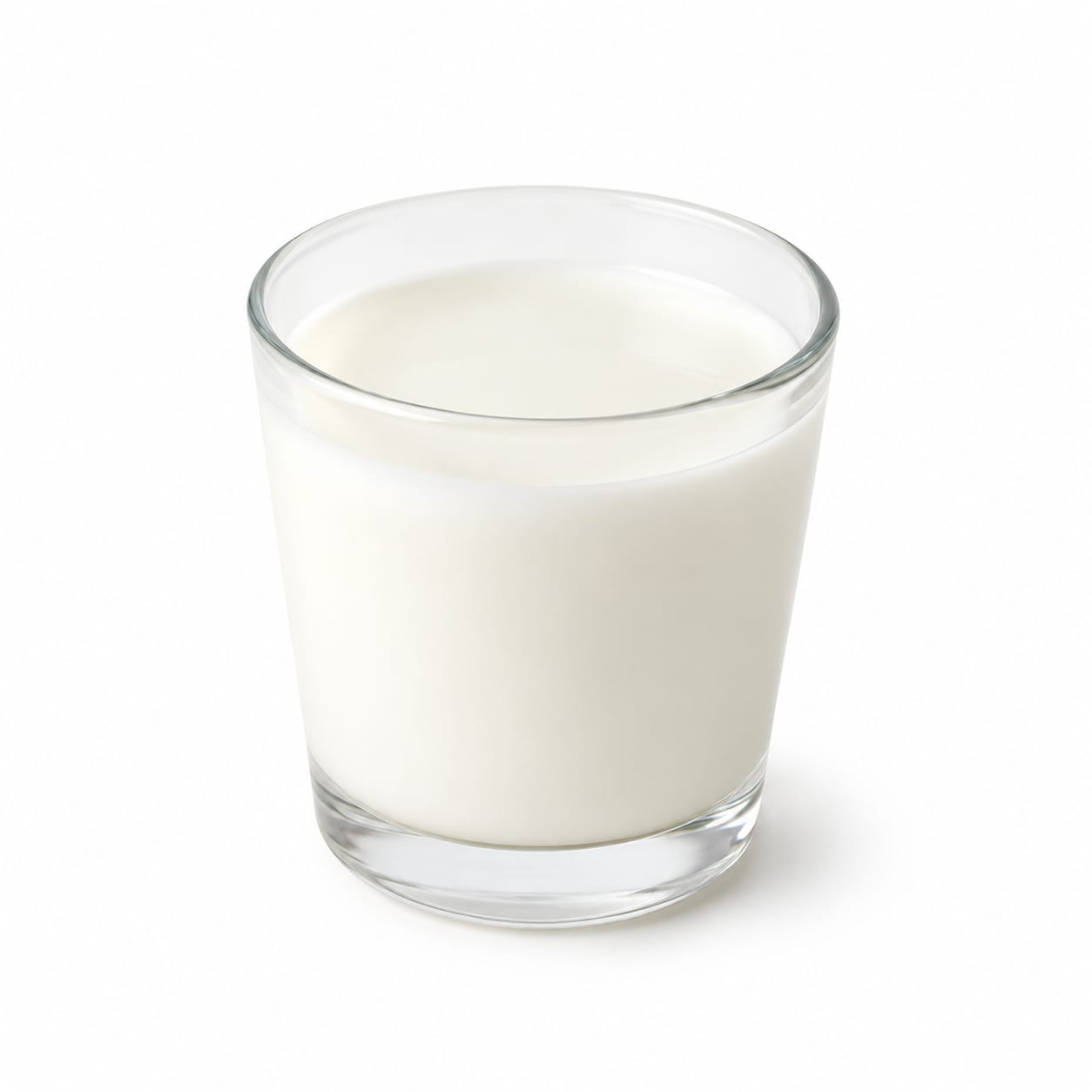
Sheep Milk
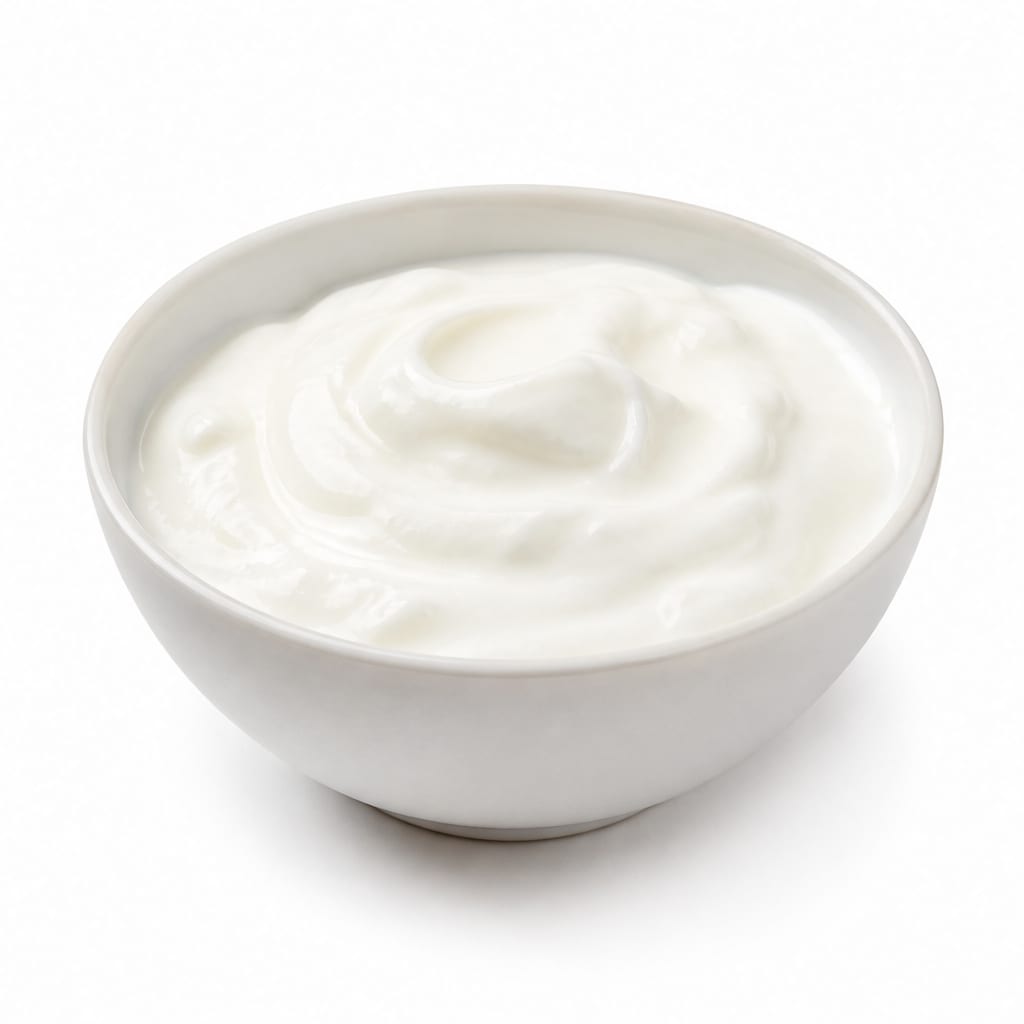
Sheep Yogurt
Sheep Yogurt wins for gut health and easier digestion, while Sheep Milk delivers higher pure protein and fat per cup for those who tolerate lactose well.
Sheep Yogurt scores slightly higher due to added probiotic benefits and lower lactose content, making it more widely digestible and better for long-term gut health, though Sheep Milk remains a nutrient powerhouse.
Probiotics and lower lactose in Sheep Yogurt versus the richer, unfermented nutrient profile of Sheep Milk.
At a glance
Executive summary
Overall
It depends
Healthier
Sheep Yogurt
More practical
Sheep Yogurt
Daily use
Sheep Yogurt
Key comparison lenses
Digestive tolerance and lactose sensitivity
Fermentation drastically changes how the body handles dairy, making this the most immediate practical difference between the two.
Gut health and microbiome support
Sheep Yogurt provides live probiotics, while Sheep Milk offers none, heavily impacting long-term digestive wellness.
Nutrient density per serving
Both are nutritional powerhouses, but the concentration of protein and fat differs slightly due to fermentation and water content.
Blood sugar impact
Lactic acid and reduced lactose in Sheep Yogurt create a different glycemic response compared to the natural sugars in Sheep Milk.
Best choice for
Sheep Milk
- High-calorie needs and weight gain goals
- Custom recipe bases like homemade cheese or rich soups
- Lactose-tolerant individuals seeking maximum protein intake
Sheep Yogurt
- Sensitive digestion and lactose intolerance
- Gut health and microbiome focus
- Quick, satisfying snacks without the heaviness of liquid milk
Least suitable for
Sheep Milk
- Severe lactose intolerance
- Low-fat or calorie-restricted diets
Sheep Yogurt
- Strict low-calorie diets due to high calorie density
- Those who dislike tangy or sour flavors
Deep comparison
Dimension by dimension
Each lens scores both foods and breaks down who each option suits.
- Dimension 1 · Priority 95Sheep Yogurt
Digestive Tolerance & Gut Health
Sheep Milk · 60Sheep Yogurt · 92Sheep Yogurt is fermented, meaning less lactose and beneficial probiotics that Sheep Milk lacks.
Tradeoff
You lose some of the pure, sweet flavor of Sheep Milk but gain a stomach-friendly profile.
Why it matters
Many people struggle with dairy digestion; fermentation solves this while actively improving gut flora.
Real-world impact
Sheep Yogurt feels lighter after eating and avoids the bloating that a glass of Sheep Milk might cause.
Sheep Milk
- Those completely lactose-tolerant who prefer sweet beverages
Better for
- Lactose intolerance
- Bloating prone individuals
Worse for
Sheep Yogurt
- Sensitive stomachs
- IBS management
- Probiotic supplementation
Better for
- Those avoiding acidic or tangy foods
Worse for
- Dimension 2 · Priority 85Sheep Milk
Nutrient Density & Protein
Sheep Milk · 90Sheep Yogurt · 82Sheep Milk packs slightly more intact protein and fat per serving since none is lost to fermentation or whey separation.
Tradeoff
Sheep Milk offers more raw building blocks for muscle and energy, while Sheep Yogurt trades a tiny bit of protein for digestibility.
Why it matters
If you need maximum calories and protein in a small volume, the unfermented milk is superior.
Real-world impact
A glass of Sheep Milk can fuel growth and recovery more efficiently than the same volume of yogurt.
Sheep Milk
- Muscle building
- High-calorie diets
- Growing children who tolerate lactose
Better for
- Calorie restriction goals
Worse for
Sheep Yogurt
- Lighter meals
- Nutrient absorption via improved gut health
Better for
- Maximum protein per ounce needs
Worse for
- Dimension 3 · Priority 80Sheep Yogurt
Blood Sugar Stability
Sheep Milk · 70Sheep Yogurt · 85Sheep Yogurt's lactic acid and lower lactose content slow down sugar absorption compared to Sheep Milk.
Tradeoff
The fermentation process converts some milk sugar into lactic acid, reducing the glycemic impact significantly.
Why it matters
Steadier blood sugar means fewer energy crashes and better appetite control throughout the day.
Real-world impact
Sheep Yogurt as an afternoon snack keeps you stable, whereas Sheep Milk might trigger a slight dip for sensitive individuals.
Sheep Milk
- Post-workout recovery where quick carbs help
Better for
- Insulin resistance
Worse for
Sheep Yogurt
- Diabetes management
- Sustained energy
- Craving control
Better for
- Immediate glycogen replenishment needs
Worse for
- Dimension 4 · Priority 75It depends
Satiety & Fullness
Sheep Milk · 85Sheep Yogurt · 85Sheep Milk is rich and filling from high fat, while Sheep Yogurt's thick texture and protein make it equally satisfying.
Tradeoff
Liquid fullness from fat versus solid fullness from texture and protein density.
Why it matters
Both forms of sheep dairy are incredibly rich, far outperforming cow dairy in satiety.
Real-world impact
A small bowl of Sheep Yogurt or a small glass of Sheep Milk will both easily tide you over between meals.
Sheep Milk
- Liquid meal replacements
- Smoothie bases
Better for
- Those who dislike heavy liquids
Worse for
Sheep Yogurt
- Fork-and-knife breakfasts
- Topping-rich snacks
Better for
- Those who prefer drinking their calories
Worse for
Timeline
Health impact over time
Short-term
Hours to days
Sheep Milk
- Quick energy from natural fats and sugars
- Potential bloating or gas if lactose sensitive
Sheep Yogurt
- Soothing on the stomach
- Immediate probiotic action for gut motility
Long-term
Months to years
Sheep Milk
- Strong bone support from high calcium and vitamin D
- Possible aggravation of dairy sensitivities with daily use
Sheep Yogurt
- Improved microbiome diversity
- Better long-term digestive resilience
- Sustained bone density from highly bioavailable calcium
Risk profile
Safety & processing
Both are whole, minimally processed foods. Sheep Yogurt simply adds a natural fermentation step using bacterial cultures, keeping it just as clean as the milk.
Sheep Milk
Pathogen contamination (if raw)
highUnpasteurized Sheep Milk carries a risk of harmful bacteria like Listeria or E. coli, making pasteurization critical.
Rapid spoilage
mediumFresh milk spoils faster than fermented yogurt if not kept at consistent cold temperatures.
Sheep Yogurt
Added sugars in flavored varieties
mediumCommercial Sheep Yogurt can contain high added sugars, though plain versions are completely safe.
Histamine intolerance
lowFermented foods naturally contain histamines which can trigger mild reactions in highly sensitive individuals.
Who wins for whom
Audience fit
Same foods, different winners depending on your goal.
children
It dependsSheep Milk is great for growth if the child is lactose-tolerant, but Sheep Yogurt is gentler on developing digestive systems.
daily consumption
Sheep YogurtDaily gut support and easier digestion make Sheep Yogurt the more sustainable everyday choice for most people.
diabetes
Sheep YogurtFermentation lowers lactose and glycemic impact, making Sheep Yogurt much safer for blood sugar management.
elderly
Sheep YogurtSheep Yogurt is easier to digest and provides crucial probiotics for aging gut health and immune support.
muscle gain
Sheep MilkSheep Milk offers slightly more intact protein and calories per serving to support heavy muscle-building routines.
weight loss
Sheep YogurtSheep Yogurt's probiotics, lower sugar, and thick texture make it easier to control portions and manage cravings.
Your move
Decision guide
Choose Sheep Milk
- You tolerate lactose well and want maximum protein and calories
- You need a rich liquid base for smoothies, cereals, or cooking
- You prefer the sweet, creamy taste of unfermented milk
Choose Sheep Yogurt
- You want digestive benefits and daily probiotics
- You are slightly sensitive to lactose but still want dairy nutrition
- You prefer a thick, spoonable snack that stabilizes blood sugar
Either works if
- You need high-quality calcium and fat-soluble vitamins
- You are looking for a nutrient-dense alternative to cow dairy
Avoid both if
- You have a severe dairy allergy to sheep casein or whey
- You are on a strict low-fat or completely plant-based diet
Final recommendation
Choose Sheep Yogurt for daily snacking and gut health, or Sheep Milk if you need a rich, high-calorie liquid and digest lactose without any issues.
Practical
Consumer tips
- 1
Always check labels on Sheep Yogurt to avoid added sugars; plain varieties are the healthiest choice.
- 2
If Sheep Milk tastes too rich for drinking, try using it as a creamer for coffee or tea.
- 3
You can easily make Sheep Yogurt at home by heating Sheep Milk and adding a starter culture for the freshest probiotic experience.
- 4
Store both products at consistent cold temperatures, as sheep dairy is highly perishable and spoils faster than cow dairy.