
Nutrition comparison
Sheep Milk vs Oat Milk: Nutrition, Protein, Digestion & Which Is Healthier
Complete comparison of sheep milk versus oat milk covering protein, calcium, calories, digestion, processing, and environmental impact. Find which milk fits your health goals.
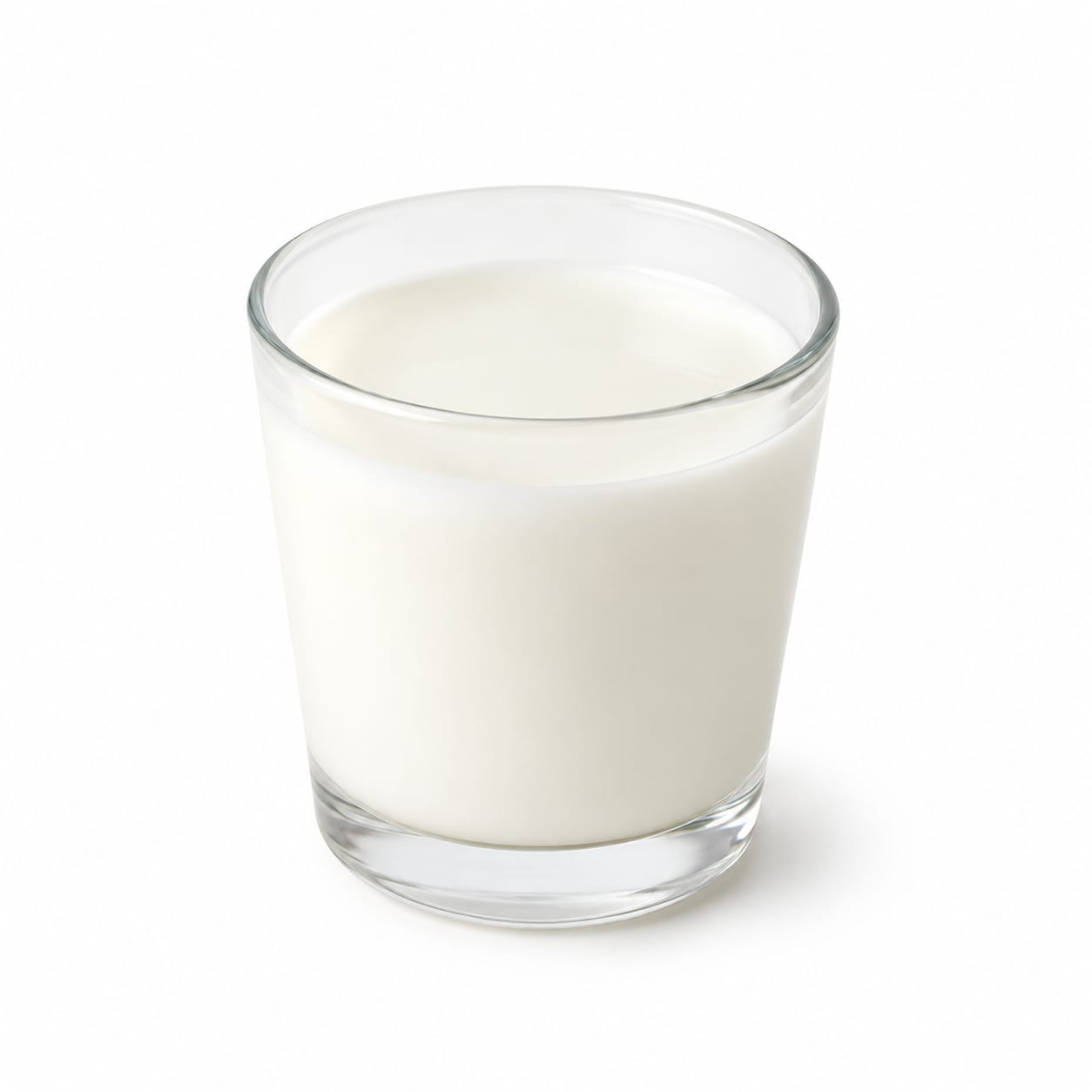
Sheep Milk
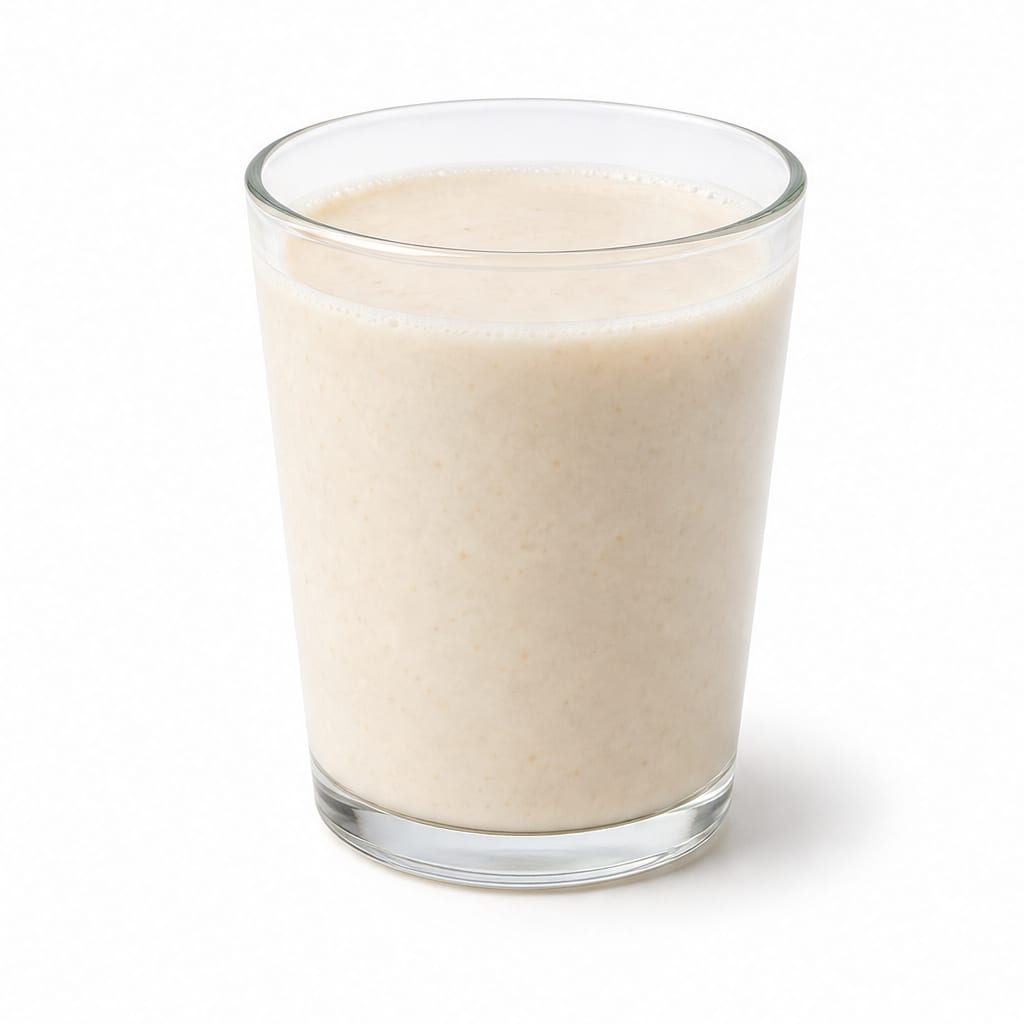
Oat Milk
Sheep milk delivers far superior protein, minerals, and natural nutrition, while oat milk offers a lighter, plant-based option that is easier on digestion and more widely accessible.
Sheep milk scores higher for nutritional completeness and naturalness, but oat milk wins on accessibility, digestive tolerance, and daily practicality. The close scores reflect that each serves very different needs well.
Nutritional density and satiety from sheep milk versus digestive comfort, lower calories, and vegan compatibility from oat milk.
At a glance
Executive summary
Overall
It depends
Healthier
It depends
More practical
Oat Milk
Daily use
Oat Milk
Key comparison lenses
dairy vs plant-based milk decision
Users are typically choosing between animal-based nutrition and a vegan-friendly alternative with very different nutritional profiles
protein and satiety comparison
Sheep milk is dramatically higher in protein, which is the most consequential nutritional difference between these two
digestive tolerance and allergies
Lactose intolerance, dairy sensitivity, and gluten concerns make this a key decision factor
weight management and calorie density
Sheep milk is calorie-dense while oat milk offers lighter options, directly impacting daily intake
processing and naturalness concerns
Oat milk is industrially processed with additives while sheep milk is minimally processed, a growing consumer priority
environmental and ethical considerations
Animal agriculture vs plant-based sustainability is a major factor for many milk switchers
Best choice for
Sheep Milk
- People needing high protein intake
- Those seeking natural, minimally processed milk
- Anyone focused on bone density and mineral absorption
- Individuals wanting longer-lasting satiety
- Traditional dairy consumers who tolerate lactose well
Oat Milk
- Vegans and plant-based eaters
- People with lactose intolerance or dairy sensitivity
- Those watching calorie intake
- Anyone seeking shelf-stable convenience
- Consumers prioritizing lower saturated fat
Least suitable for
Sheep Milk
- Lactose-intolerant individuals
- Vegans and strict plant-based eaters
- People monitoring saturated fat closely
- Those on tight grocery budgets
- Anyone seeking a low-calorie beverage
Oat Milk
- People needing significant protein from milk
- Those avoiding processed foods and additives
- Individuals with celiac disease or gluten sensitivity
- Anyone seeking naturally occurring vitamins and minerals
- Consumers wanting sustained fullness from their milk
Deep comparison
Dimension by dimension
Each lens scores both foods and breaks down who each option suits.
- Dimension 1 · Priority 95Sheep Milk
Protein & Satiety
Sheep Milk · 92Oat Milk · 28Sheep milk has roughly 3-4 times more protein than oat milk, making it far more filling and nutritionally substantial.
Tradeoff
You gain lasting fullness and muscle-supporting protein with sheep milk, but oat milk keeps things lighter if you prefer not to feel weighed down.
Why it matters
Protein is the main reason people drink milk for nutrition. Low protein means oat milk functions more like flavored water than a nourishing food.
Real-world impact
A glass of sheep milk can hold you over between meals. Oat milk likely will not, which may lead to snacking sooner.
Sheep Milk
- Athletes and active individuals
- Anyone trying to stay full longer
- Older adults preserving muscle mass
- Children needing growth-supporting nutrition
Better for
- People who find high-protein drinks too heavy in the morning
Worse for
Oat Milk
- Light breakfast drinkers who eat protein elsewhere
- Anyone using milk only for taste or coffee creaming
Better for
- Anyone relying on milk as a protein source
- People trying to reduce between-meal snacking
Worse for
- Dimension 2 · Priority 88Sheep Milk
Bone Health & Minerals
Sheep Milk · 90Oat Milk · 55Sheep milk naturally contains far more calcium, phosphorus, and bioavailable minerals. Oat milk relies on fortification to approach comparable levels.
Tradeoff
Naturally occurring minerals in sheep milk are better absorbed, but fortified oat milk can still contribute meaningfully to daily intake.
Why it matters
Natural mineral complexes in animal milk include cofactors that improve absorption. Fortified minerals often have lower bioavailability.
Real-world impact
Regular sheep milk drinkers get more absorbable calcium per glass. Oat milk drinkers meet needs only if the brand fortifies well and they consume enough.
Sheep Milk
- Postmenopausal women concerned about bone density
- Growing children and teens
- Anyone with elevated osteoporosis risk
Better for
- Those avoiding all animal products for ethical reasons
Worse for
Oat Milk
- People who get sufficient minerals from other dietary sources
Better for
- Anyone relying primarily on milk for calcium and mineral intake
Worse for
- Dimension 3 · Priority 85Oat Milk
Digestive Tolerance
Sheep Milk · 38Oat Milk · 82Oat milk is lactose-free and generally easy on the stomach. Sheep milk contains lactose and concentrated dairy proteins that trigger many sensitivities.
Tradeoff
Sheep milk offers more nutrition per sip but at the cost of potential bloating, gas, or discomfort for sensitive individuals.
Why it matters
Roughly 65% of the global population has some degree of lactose malabsorption, making this a widespread concern.
Real-world impact
Oat milk sits comfortably in most stomachs. Sheep milk can cause bloating or digestive upset if you are lactose sensitive, even though some tolerate it better than cow milk.
Sheep Milk
- People with confirmed tolerance to dairy who digest it well
Better for
- Anyone with lactose intolerance
- People with dairy protein sensitivities
Worse for
Oat Milk
- Lactose-intolerant individuals
- People with general dairy sensitivity
- Anyone prone to bloating after milk
- Those with irritable bowel syndrome triggered by dairy
Better for
- Those sensitive to gluten or oat fiber
Worse for
- Dimension 4 · Priority 80Oat Milk
Heart Health & Blood Lipids
Sheep Milk · 40Oat Milk · 78Oat milk contains beta-glucan fiber that actively supports healthy cholesterol and has no saturated fat naturally. Sheep milk is high in saturated fat and cholesterol.
Tradeoff
Sheep milk provides beneficial fats like CLA, but the overall saturated fat load is a concern for cardiovascular health if consumed regularly.
Why it matters
Regular high saturated fat intake from sheep milk could raise LDL cholesterol over time, while oat milk's beta-glucan may actively lower it.
Real-world impact
Swapping sheep milk for oat milk could improve cholesterol markers within weeks. However, sheep milk in moderation is not inherently dangerous for healthy individuals.
Sheep Milk
- Healthy, active people with no lipid concerns
- Those who consume small portions of dairy
Better for
- People monitoring saturated fat intake
- Those with existing cardiovascular risk factors
Worse for
Oat Milk
- People with elevated cholesterol
- Anyone with family history of heart disease
- Those following heart-healthy dietary patterns
Better for
- Anyone unconcerned about heart health who prioritizes other nutritional goals
Worse for
- Dimension 5 · Priority 78Sheep Milk
Blood Sugar Stability
Sheep Milk · 72Oat Milk · 48Sheep milk's higher protein and fat content slows digestion and steadies blood sugar. Many oat milks contain added sugars and have higher carb loads with little protein to buffer them.
Tradeoff
Sheep milk provides a more balanced glycemic response, while sweetened oat milk can cause quicker blood sugar spikes.
Why it matters
Without protein or fat to slow absorption, the carbohydrates in oat milk hit the bloodstream faster, especially in sweetened varieties.
Real-world impact
Sheep milk with breakfast keeps energy steadier through the morning. Sweetened oat milk may contribute to a mid-morning energy dip.
Sheep Milk
- People with insulin resistance
- Anyone managing prediabetes
- Those who notice energy crashes after carb-heavy drinks
Better for
- People limiting all dairy for other health reasons
Worse for
Oat Milk
- Unsweetened oat milk users who pair it with protein-rich foods
Better for
- Anyone drinking sweetened oat milk on an empty stomach
- People managing diabetes who rely on milk as a standalone beverage
Worse for
- Dimension 6 · Priority 75Sheep Milk
Processing & Additives
Sheep Milk · 88Oat Milk · 35Sheep milk is a whole, minimally processed food. Commercial oat milk requires industrial processing and typically contains added oils, emulsifiers, and stabilizers.
Tradeoff
You get a clean, single-ingredient product with sheep milk, while oat milk trades naturalness for convenience and shelf stability.
Why it matters
Emulsifiers like carrageenan and added vegetable oils in oat milk may have gut health implications that are still being studied.
Real-world impact
Sheep milk is what it is. Oat milk is a manufactured product that would not exist without industrial food processing.
Sheep Milk
- Clean-eating advocates
- People avoiding ultra-processed foods
- Those concerned about emulsifier effects on gut health
Better for
- Those who find minimally processed foods less convenient
Worse for
Oat Milk
- People who prioritize convenience over processing concerns
- Anyone who cannot access fresh dairy
Better for
- Anyone actively reducing ultra-processed food intake
- Consumers wary of added oils and gums
Worse for
- Dimension 7 · Priority 72Oat Milk
Calorie Density & Weight Management
Sheep Milk · 35Oat Milk · 80Sheep milk is significantly more calorie-dense due to its higher fat content. Oat milk, especially unsweetened varieties, offers a lighter calorie footprint.
Tradeoff
Sheep milk is more filling per glass but costs more calories. Oat milk saves calories but may leave you hungry sooner.
Why it matters
For weight management, calorie density often matters more than satiety per serving, especially when milk is just one part of a meal.
Real-world impact
Two glasses of sheep milk per day could add 300+ calories easily. The same volume of unsweetened oat milk adds roughly half that.
Sheep Milk
- Underweight individuals needing calorie density
- Children who need energy-dense nutrition
- Active people with high caloric needs
Better for
- People trying to reduce overall calorie intake
- Anyone who drinks milk frequently throughout the day
Worse for
Oat Milk
- Anyone tracking calories for weight loss
- People who drink multiple glasses of milk daily
- Those preferring lighter beverages
Better for
- Those who need calorie-dense nutrition for recovery or gain
Worse for
- Dimension 8 · Priority 68Oat Milk
Environmental & Ethical Impact
Sheep Milk · 30Oat Milk · 82Oat milk has a substantially lower carbon footprint, uses far less water, and avoids animal welfare concerns. Sheep farming carries significant environmental costs.
Tradeoff
Choosing oat milk is clearly better for the planet, but this comes with nutritional compromises compared to sheep milk.
Why it matters
Dairy sheep produce methane, require grazing land, and consume resources that oat farming does not match per liter of milk produced.
Real-world impact
A liter of oat milk generates roughly a third of the greenhouse gas emissions of a liter of sheep milk and uses far less water.
Sheep Milk
- Consumers who prioritize personal nutrition over environmental impact
- Those sourcing from small, regenerative farms
Better for
- People who consider environmental impact a primary decision factor
Worse for
Oat Milk
- Environmentally conscious consumers
- Vegans and ethical eaters
- Anyone trying to reduce their carbon footprint
Better for
- Those who view nutrition as the only relevant criterion
Worse for
- Dimension 9 · Priority 72It depends
Allergen & Sensitivity Profile
Sheep Milk · 45Oat Milk · 55Sheep milk triggers dairy allergies and lactose intolerance. Oat milk avoids dairy allergens but may contain gluten and often shares facilities with tree nuts and soy.
Tradeoff
Neither is hypoallergenic. Your specific sensitivities determine which is safer for you personally.
Why it matters
Cross-reactivity between sheep and cow milk proteins means cow milk allergy often extends to sheep milk. Oat milk's gluten risk is real but avoidable with certified brands.
Real-world impact
If you are dairy-allergic, oat milk is the clear choice. If you are celiac or gluten-sensitive, sheep milk is safer unless you find certified gluten-free oat milk.
Sheep Milk
- People with gluten sensitivity or celiac disease
- Those with oat or grain allergies
Better for
- Anyone with cow milk allergy, which often cross-reacts
- Lactose-intolerant individuals
Worse for
Oat Milk
- People with dairy or lactose protein allergies
- Vegans avoiding all animal products
Better for
- People with celiac disease or non-celiac gluten sensitivity
- Those with oat-specific allergies
Worse for
Timeline
Health impact over time
Short-term
Hours to days
Sheep Milk
- Strong satiety and reduced hunger for hours after drinking
- Potential bloating or gas if lactose intolerant
- Steady energy due to balanced protein, fat, and carb ratio
- Possible skin flare in dairy-sensitive individuals
Oat Milk
- Light, easy digestion with minimal discomfort for most people
- Possible blood sugar spike if consuming sweetened varieties
- Less fullness, potentially leading to earlier snacking
- Quick hydration without heaviness
Long-term
Months to years
Sheep Milk
- Improved bone density from highly bioavailable calcium and vitamin D
- Possible elevated LDL cholesterol with regular high intake
- Better muscle maintenance in aging adults due to complete protein
- Risk of persistent digestive issues if lactose intolerance goes unaddressed
Oat Milk
- Potential cholesterol improvement from daily beta-glucan intake
- Risk of inadequate protein intake if relied on as a primary milk
- Possible gut microbiome effects from regular emulsifier consumption
- Convenient long-term plant-based sustainability
Risk profile
Safety & processing
Sheep milk is essentially a whole food straight from the animal with minimal intervention. Commercial oat milk is an industrially created product requiring enzymes, added oils, emulsifiers, and fortification to approximate milk-like qualities.
Sheep Milk
Bacterial contamination from raw or unpasteurized sheep milk
highUnpasteurized sheep milk can harbor Listeria, Salmonella, and E. coli. Always choose pasteurized unless you accept the risks consciously.
Antibiotic residues from conventional farming
mediumNon-organic sheep farming may use antibiotics that can leave trace residues. Organic or verified sources reduce this concern.
Oat Milk
Glyphosate residue from conventionally grown oats
mediumOats are commonly pre-harvest treated with glyphosate. Choosing organic oat milk significantly reduces this exposure.
Cross-contamination with gluten in non-certified brands
mediumStandard oat milk may contain trace gluten from processing. Certified gluten-free brands are necessary for celiac safety.
Heavy metal contamination in some oat crops
lowOats can accumulate cadmium from soil. Reputable brands test for this, but it is worth awareness with heavy daily consumption.
Who wins for whom
Audience fit
Same foods, different winners depending on your goal.
children
Sheep MilkGrowing children benefit from the dense protein, calcium, and calorie content in sheep milk, assuming they tolerate dairy. Oat milk is too nutritionally thin as a primary milk for kids.
daily consumption
Oat MilkOat milk's lighter calorie load, digestive ease, and wider availability make it more sustainable as an everyday beverage for most people.
diabetes
Sheep MilkHigher protein and fat content in sheep milk slows carbohydrate absorption, leading to more stable blood sugar. Sweetened oat milk is a poor choice for diabetics.
elderly
It dependsSheep milk supports bone density and muscle preservation, but many elderly individuals are lactose intolerant, making oat milk the more comfortable daily choice.
muscle gain
Sheep MilkSheep milk delivers substantially more complete protein with all essential amino acids, directly supporting muscle repair and growth.
weight loss
Oat MilkUnsweetened oat milk provides fewer calories per glass, making it easier to maintain a calorie deficit without feeling deprived of milk.
Your move
Decision guide
Choose Sheep Milk
- You tolerate dairy well and want maximum nutrition per glass
- Protein intake and muscle maintenance are priorities
- You value whole, minimally processed foods over convenience
- Bone health is a pressing concern for you
- You are feeding growing children who need calorie-dense nutrition
Choose Oat Milk
- You are lactose intolerant or dairy-sensitive
- You follow a vegan or plant-based lifestyle
- You want fewer calories and lighter beverages
- Heart health and cholesterol management are top priorities
- Environmental sustainability matters deeply to you
- You need shelf-stable milk that is easy to find anywhere
Either works if
- You use milk primarily in coffee or smoothies where nutrition matters less
- You rotate between dairy and plant-based options for variety
- Neither milk is your primary protein or calcium source
Avoid both if
- You have both dairy and gluten sensitivities with no safe alternatives confirmed
- You are strictly managing both saturated fat and added sugar intake and find neither fits your plan
Final recommendation
If you tolerate dairy and want the most nutritionally complete option, sheep milk is genuinely superior. But for most people seeking an easy, comfortable, daily milk, oat milk wins on practicality. The best choice depends entirely on whether your priority is nutritional density or lifestyle compatibility.
Practical
Consumer tips
- 1
Choose unsweetened oat milk to avoid unnecessary sugar spikes and save calories
- 2
Look for organic oat milk to minimize glyphosate exposure from conventional oat farming
- 3
If trying sheep milk, start with small servings to test your lactose tolerance before committing
- 4
Certified gluten-free oat milk is essential if you have celiac disease or gluten sensitivity
- 5
Check oat milk labels for carrageenan if you are concerned about potential gut irritation
- 6
Sheep milk from grass-fed animals offers better omega-3 and CLA profiles than grain-fed sources
- 7
Do not substitute oat milk for sheep milk in infant nutrition without pediatric guidance
- 8
Rotate between both if you tolerate dairy, getting mineral density from sheep milk and beta-glucan benefits from oat milk