
Nutrition comparison
Sheep Milk vs Almond Milk: Nutrition, Protein, and Calorie Comparison
Sheep milk delivers high protein and natural nutrients while almond milk offers low calories and dairy-free convenience. Compare nutritional profiles, health benefits, and which milk fits your goals.
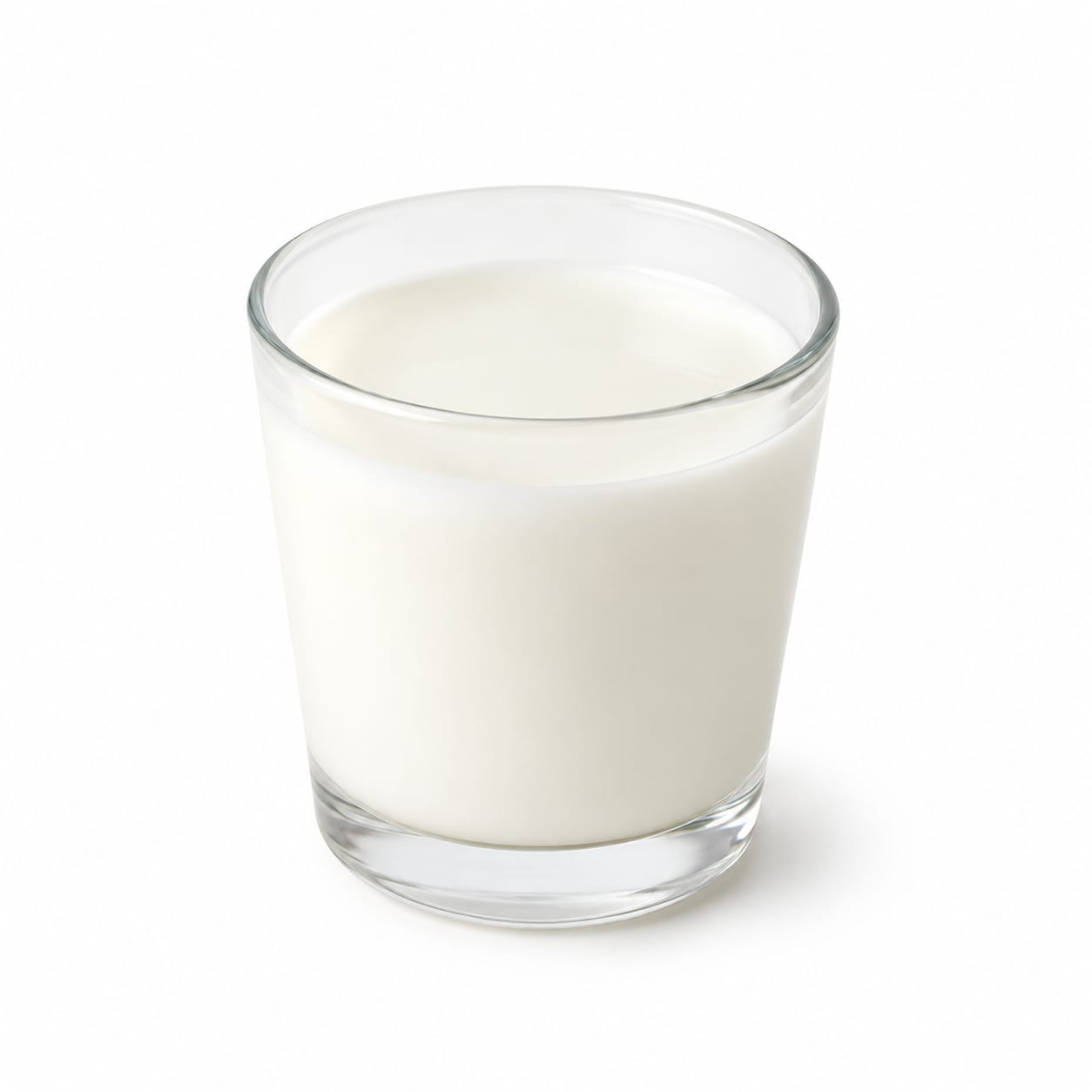
Sheep Milk
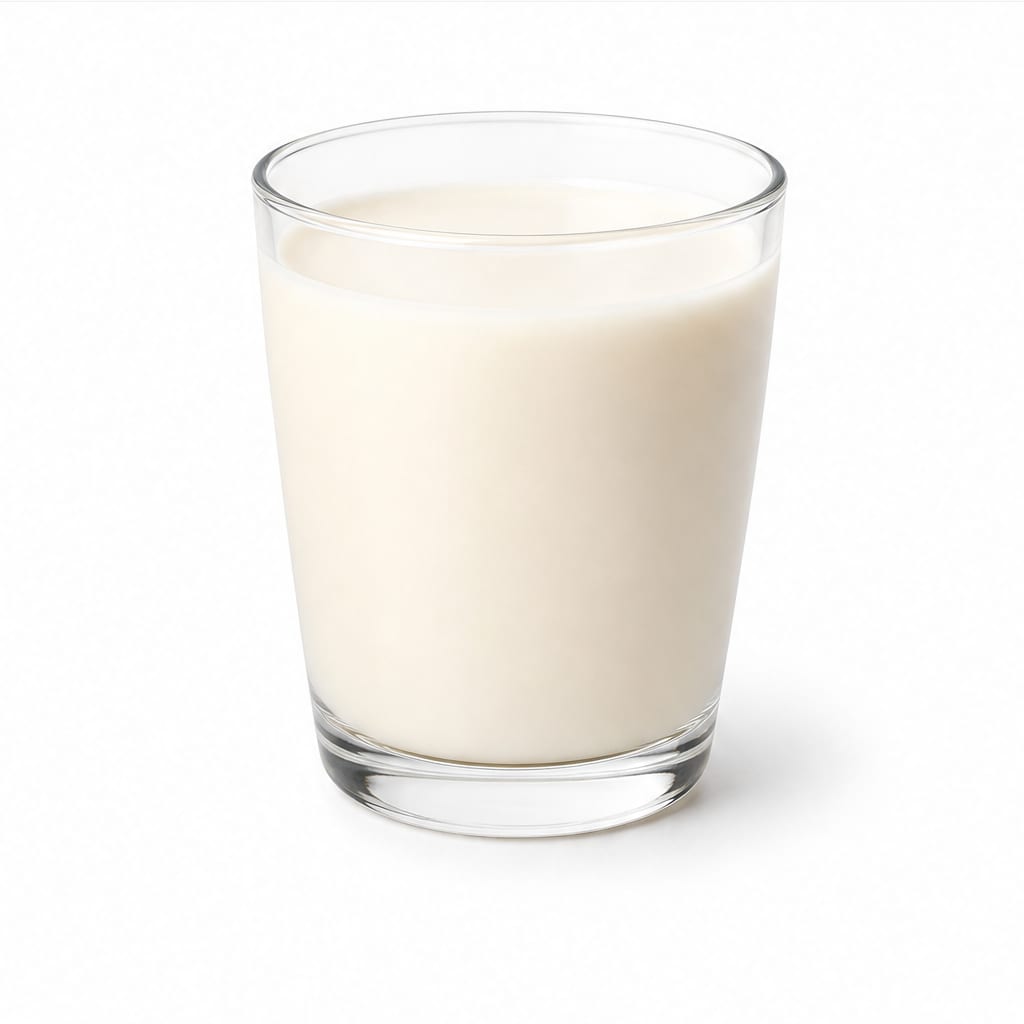
Almond Milk
Sheep milk is a nutritional powerhouse; almond milk is a low-calorie convenience. They serve completely different purposes.
Sheep milk scores higher for nutritional completeness but loses ground on accessibility, calorie density, and dietary flexibility. Almond milk is more practical for daily use despite being nutritionally thin.
Real nourishment and satiety versus calorie control and dietary flexibility.
At a glance
Executive summary
Overall
It depends
Healthier
It depends
More practical
Almond Milk
Daily use
Almond Milk
Key comparison lenses
dairy vs plant milk nutrition
Core question: does animal-based nutrition outweigh plant-based simplicity?
calorie protein tradeoff
Sheep milk is calorie-dense with high protein; almond milk is nearly calorie-free with minimal protein
digestive tolerance
Lactose content in sheep milk versus nut allergies and additive sensitivities in almond milk
weight management strategy
These milks represent opposite philosophies: nourishing density versus caloric lightness
processing and additives
Sheep milk is typically whole and unmodified; commercial almond milk often contains emulsifiers and fortification
Best choice for
Sheep Milk
- Growing children needing concentrated nutrition
- Athletes seeking natural protein and calories
- People wanting one glass to actually feel full
- Those avoiding processed additives and fortification
- Anyone needing B12, calcium, and folate from whole food
Almond Milk
- Calorie-conscious individuals tracking intake
- Vegans and dairy-avoiders
- People who use milk mainly as a light beverage or cereal splash
- Those with lactose intolerance
- Anyone wanting low-carb hydration
Least suitable for
Sheep Milk
- Lactose-intolerant individuals
- People strictly managing calorie intake
- Those avoiding saturated fat
- Vegans
- Budget-conscious shoppers
Almond Milk
- Infants and toddlers needing real nutrition
- Athletes or anyone needing protein from milk
- People sensitive to carrageenan or emulsifiers
- Those with tree nut allergies
- Anyone expecting milk to provide meaningful nourishment alone
Deep comparison
Dimension by dimension
Each lens scores both foods and breaks down who each option suits.
- Dimension 1 · Priority 95Sheep Milk
Nutritional Density
Sheep Milk · 94Almond Milk · 22Sheep milk is one of the most nutrient-dense liquids you can drink. Almond milk is mostly water with trace nutrients.
Tradeoff
You get real vitamins and minerals from sheep milk, but you also get significant calories and fat.
Why it matters
If milk is a meaningful part of your nutrition, sheep milk delivers. Almond milk is essentially flavored water nutritionally.
Real-world impact
One glass of sheep milk can sustain you for hours. One glass of almond milk will not meaningfully affect hunger or nutrient intake.
Sheep Milk
- Bone health from natural calcium and phosphorus
- Energy and red blood cells from B12
- Tissue repair from complete protein
- Brain and nervous system from healthy fats
Better for
- High calorie load if you are not active
- Saturated fat may concern some
Worse for
Almond Milk
- Virtually zero calories if that is your priority
- Fortified versions can provide some vitamin E and D
Better for
- Protein content is negligible
- Most nutrients are added synthetically, not naturally occurring
- Does not replace what dairy provides nutritionally
Worse for
- Dimension 2 · Priority 90Sheep Milk
Protein Quality and Satiety
Sheep Milk · 92Almond Milk · 8Sheep milk has more protein per cup than whole cow milk. Almond milk has almost none.
Tradeoff
Real protein and lasting fullness versus a light, low-commitment drink.
Why it matters
Protein from beverages is an easy way to stay satisfied. Almond milk cannot help here.
Real-world impact
A sheep milk smoothie at breakfast can carry you to lunch. An almond milk smoothie will leave you snacking by 10 AM.
Sheep Milk
- Post-workout recovery
- Breakfast that actually holds you
- Muscle maintenance for older adults
- Growing kids who need protein
Better for
- Not useful if you are intentionally fasting from protein
Worse for
Almond Milk
- Situations where you want flavor without fullness
Better for
- Anyone relying on milk for protein intake
- Athletes and active people
- Elderly at risk of muscle loss
Worse for
- Dimension 3 · Priority 85Almond Milk
Calorie and Weight Management
Sheep Milk · 30Almond Milk · 90Almond milk has roughly one-sixth the calories of sheep milk. This makes it far easier to fit into calorie-controlled eating.
Tradeoff
Easy calorie control versus meaningful nourishment. You cannot have both in one glass.
Why it matters
For weight loss, every calorie matters. Almond milk lets you keep the ritual of milk without the cost.
Real-world impact
Switching from sheep milk to almond milk could save 150+ calories per glass. Over a month, that is real weight difference.
Sheep Milk
- Underweight individuals needing calories
- People who struggle to eat enough
Better for
- Weight gain risk if portions are not managed
- Does not fit low-calorie meal plans
Worse for
Almond Milk
- Calorie counting
- Weight loss phases
- Low-carb and keto diets
- People who drink multiple glasses daily
Better for
- Can create a false sense of nutritional adequacy
- May lead to overeating later from lack of satiety
Worse for
- Dimension 4 · Priority 82It depends
Digestive Tolerance
Sheep Milk · 55Almond Milk · 60Sheep milk has lactose but contains A2 protein which some find gentler. Almond milk is lactose-free but may contain irritant additives.
Tradeoff
Lactose discomfort versus potential additive sensitivity. Both have digestive caveats.
Why it matters
Digestive comfort determines whether you can actually consume something regularly.
Real-world impact
If standard cow milk bothers you, sheep milk might be easier. If additives bother you, check almond milk labels carefully.
Sheep Milk
- People who tolerate lactose well
- Some who find A2 protein gentler than A1 cow milk
Better for
- Lactose-intolerant people will have symptoms
- High fat can slow digestion uncomfortably for some
Worse for
Almond Milk
- Lactose-intolerant individuals
- People with dairy protein allergies
Better for
- Carrageenan in some brands causes bloating
- Emulsifiers may disrupt gut lining over time
- Nut allergies make it completely unsafe for some
Worse for
- Dimension 5 · Priority 75Sheep Milk
Processing and Additives
Sheep Milk · 85Almond Milk · 35Sheep milk is typically whole, unmodified, and additive-free. Most commercial almond milk contains emulsifiers, stabilizers, and synthetic vitamins.
Tradeoff
A real whole food versus a processed product designed to resemble milk.
Why it matters
Minimally processed foods generally support better long-term health outcomes.
Real-world impact
Reading the ingredient list tells the story: sheep milk has one ingredient. Almond milk often has seven or more.
Sheep Milk
- People avoiding ultra-processed foods
- Those who want nutrients from whole food sources
- Anyone concerned about emulsifier effects on gut health
Better for
- Less shelf-stable, requires refrigeration
- Shorter expiration window
Worse for
Almond Milk
- Brands with minimal ingredients exist if you search for them
Better for
- Carrageenan, lecithin, and gums are common
- Synthetic fortification may not absorb as well as natural nutrients
- Only about 2% actual almonds in most commercial brands
Worse for
- Dimension 6 · Priority 70Almond Milk
Blood Sugar Impact
Sheep Milk · 45Almond Milk · 88Almond milk has almost no carbohydrates. Sheep milk contains natural lactose sugar.
Tradeoff
Steadier blood sugar from almond milk versus the insulin response from lactose in sheep milk.
Why it matters
For diabetes management or metabolic health, carbohydrate load from beverages adds up fast.
Real-world impact
Unsweetened almond milk will not spike blood sugar at all. Sheep milk has a moderate glycemic impact similar to cow milk.
Sheep Milk
- Active people who need carbs for energy
- Those not concerned about blood sugar
Better for
- Lactose raises blood sugar moderately
- Not ideal for strict low-carb protocols
Worse for
Almond Milk
- People with diabetes or prediabetes
- Low-carb and keto dieters
- Anyone monitoring glycemic load
Better for
- Sweetened versions can have significant added sugar
Worse for
- Dimension 7 · Priority 72Sheep Milk
Bone Health Support
Sheep Milk · 88Almond Milk · 50Sheep milk provides calcium, phosphorus, and vitamin D naturally working together. Almond milk relies on fortification for bone nutrients.
Tradeoff
Naturally integrated bone-supporting nutrients versus added synthetic equivalents.
Why it matters
Bone health requires a matrix of nutrients, not just calcium in isolation.
Real-world impact
Sheep milk delivers the full package for bones in a form evolution designed. Fortified almond milk provides pieces of that package.
Sheep Milk
- Natural calcium with proper cofactors for absorption
- Phosphorus and magnesium included naturally
- Older adults at risk for osteoporosis
Better for
- High protein may have a mild calcium-leaching effect, though net effect is positive
Worse for
Almond Milk
- Fortified versions do provide calcium and vitamin D
- No lactose which benefits those who avoid dairy for bone-related inflammation concerns
Better for
- Fortified calcium may not absorb as effectively
- Missing the natural cofactor matrix found in dairy
Worse for
Timeline
Health impact over time
Short-term
Hours to days
Sheep Milk
- Strong satiety and fullness after drinking
- Possible bloating if lactose intolerant
- Steady energy from protein and fat combination
- Warming and comforting sensation from rich texture
Almond Milk
- Light feeling with no digestive heaviness
- Immediate hydration without caloric load
- Potential mild bloating from gums or carrageenan in some brands
- No blood sugar fluctuation from unsweetened versions
Long-term
Months to years
Sheep Milk
- Better bone density from consistent natural calcium intake
- Muscle maintenance from high-quality protein
- Possible weight gain if calories are not managed
- Saturated fat intake requires consideration for heart health
Almond Milk
- Easier weight maintenance from low calorie intake
- Risk of nutritional gaps if used as a primary milk without dietary compensation
- Potential gut microbiome effects from regular emulsifier consumption
- No saturated fat concerns for cardiovascular health
Risk profile
Safety & processing
Sheep milk is essentially a whole food with minimal intervention. Commercial almond milk is a manufactured product designed to mimic milk's texture and appearance using water, a small amount of almonds, and multiple additives.
Sheep Milk
Lactose intolerance reactions
mediumSheep milk contains lactose. Those with intolerance will experience bloating, gas, or diarrhea.
Dairy allergy
highTrue dairy protein allergy makes sheep milk unsafe. This is distinct from lactose intolerance.
Pathogen risk from raw sheep milk
mediumIf unpasteurized, bacterial contamination is possible. Always choose pasteurized unless you have a trusted source.
Almond Milk
Tree nut allergy
highAlmond milk is completely unsafe for anyone with almond or tree nut allergies.
Additive sensitivity
mediumCarrageenan and emulsifiers in many brands can cause digestive discomfort and may affect gut lining integrity.
Synthetic fortification issues
lowSome people absorb synthetic vitamins differently than naturally occurring ones. D2 versus D3 is a common example.
Who wins for whom
Audience fit
Same foods, different winners depending on your goal.
children
Sheep MilkGrowing children need the concentrated nutrition, protein, and natural calcium that sheep milk provides. Almond milk is inadequate as a primary beverage for kids.
daily consumption
Almond MilkAlmond milk is easier to consume liberally without calorie consequences, making it more sustainable for everyday use across multiple servings.
diabetes
Almond MilkUnsweetened almond milk has virtually zero carbs and will not impact blood sugar.
elderly
Sheep MilkOlder adults benefit from the protein for muscle retention and natural calcium for bones. The calorie density is an advantage if appetite is low.
muscle gain
Sheep MilkSheep milk provides complete protein and calories needed for muscle building and recovery.
weight loss
Almond MilkAlmond milk provides the milk experience with minimal calories, making it far easier to maintain a deficit.
Your move
Decision guide
Choose Sheep Milk
- You want milk to be a meaningful source of nutrition, not just a beverage
- You are active and can use the calories and protein productively
- You tolerate lactose and want a whole food with no additives
- You are feeding children who need concentrated nourishment
- You are underweight or recovering from illness
Choose Almond Milk
- You are counting calories or managing weight
- You are vegan or avoiding all dairy
- You have lactose intolerance or dairy protein allergy
- You use milk mainly as a light addition to coffee, smoothies, or cereal
- You want something you can drink freely without thinking about portions
Either works if
- You are simply looking for a milk alternative and have no strong dietary constraints
- You rotate between dairy and plant-based options for variety
Avoid both if
- You have both dairy intolerance and tree nut allergy
- You are an infant under 12 months who should be on breast milk or formula
Final recommendation
Think of sheep milk as food and almond milk as a low-calorie drink. If you need nourishment, sheep milk is genuinely valuable. If you need to cut calories or avoid dairy, almond milk is the practical choice. Neither is universally better. The right pick depends entirely on what you need milk to do for you.
Practical
Consumer tips
- 1
If buying almond milk, choose brands with minimal ingredients: ideally just almonds, water, and salt
- 2
Look for almond milk fortified with D3 instead of D2 for better absorption
- 3
Sheep milk yogurt and cheese are more widely available than sheep milk itself and offer similar benefits
- 4
If trying sheep milk for the first time, start with a small amount to test lactose tolerance
- 5
Unsweetened almond milk is the only version worth considering for blood sugar and health; sweetened versions undermine the main advantage
- 6
Sheep milk freezes well if you can only find it in larger quantities
- 7
Check almond milk labels for carrageenan if you have digestive sensitivity