
Nutrition comparison
Sheep Milk vs Sheep Cheese: Nutrition, Digestion, and Health Tradeoffs
Compare Sheep Milk and Sheep Cheese side by side. Learn which is better for weight loss, lactose sensitivity, bone health, and daily nutrition with practical tradeoff analysis.
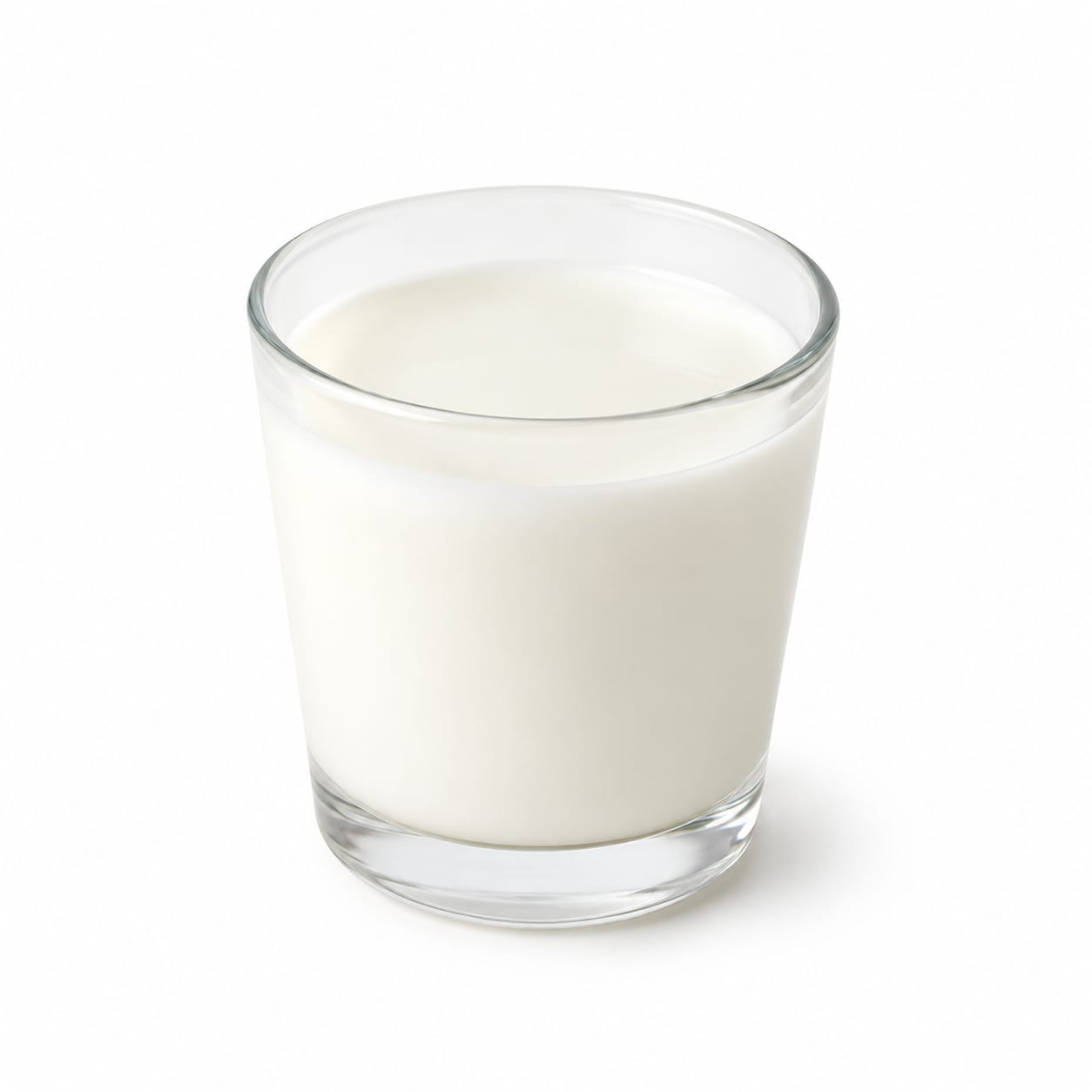
Sheep Milk
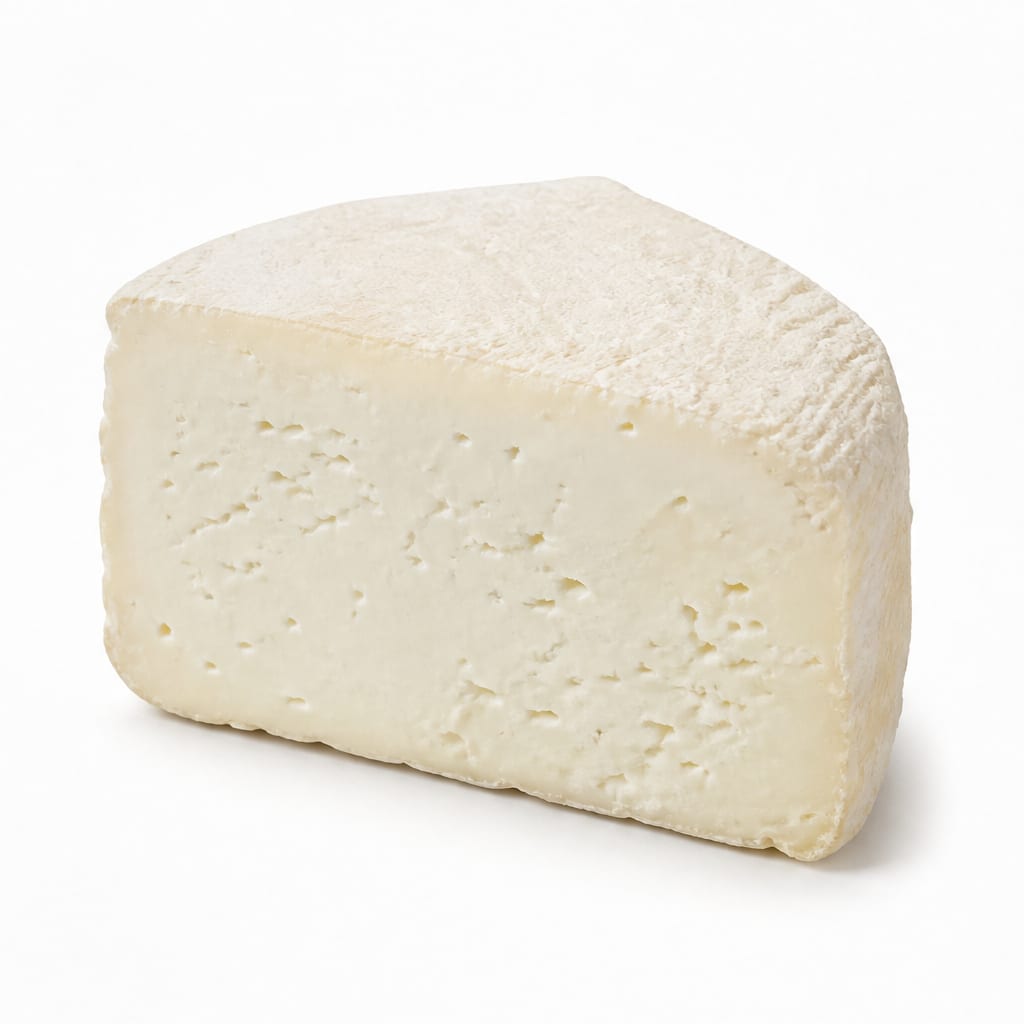
Sheep Cheese
Sheep Milk is the better daily hydrating nourishment, while Sheep Cheese delivers concentrated nutrition in smaller portions but with higher calorie and sodium tradeoffs.
Sheep Milk scores slightly higher due to lower calorie density, better hydration, and minimal sodium. Sheep Cheese wins on nutrient concentration and satiety but loses ground on sodium load and overeating risk. The gap is narrow because both are nutritious whole foods from the same source.
Sheep Cheese packs more protein, calcium, and flavor per gram, but Sheep Milk offers the same nutrients with better calorie control, hydration, and lower sodium.
At a glance
Executive summary
Overall
It depends
Healthier
Sheep Milk
More practical
Sheep Cheese
Daily use
Sheep Milk
Key comparison lenses
nutrient concentration vs calorie control
Cheese is essentially concentrated milk, so the core tradeoff is getting more nutrients per bite but at a much higher calorie cost
lactose tolerance and digestibility
Fermentation reduces lactose in cheese significantly, making it a key differentiator for sensitive individuals
sodium and heart health impact
Cheese-making requires salt, creating a meaningful sodium difference that affects blood pressure and cardiovascular risk
satiety and overeating risk
Cheese is dense and highly palatable, which helps fullness but also encourages excess consumption
culinary versatility and daily practicality
Milk works as a beverage and base, while cheese is a topping or ingredient, shaping how each fits into meals
Best choice for
Sheep Milk
- People watching calorie intake
- Those needing hydration alongside nutrition
- Individuals sensitive to high sodium
- Anyone wanting a versatile cooking base
- Children who need drinkable calcium sources
Sheep Cheese
- Lactose-sensitive individuals
- Those needing concentrated protein in small portions
- People seeking long-lasting satiety from snacks
- Anyone wanting shelf-stable dairy nutrition
- Older adults needing calorie-dense nourishment
Least suitable for
Sheep Milk
- Severely lactose-intolerant individuals
- Those needing portable, non-perishable nutrition
- People who dislike drinking milk
Sheep Cheese
- People managing hypertension or sodium-restricted diets
- Those trying to lose weight and prone to overeating
- Anyone needing a low-calorie protein source
Deep comparison
Dimension by dimension
Each lens scores both foods and breaks down who each option suits.
- Dimension 1 · Priority 95Sheep Cheese
Nutrient Density
Sheep Milk · 70Sheep Cheese · 92Sheep Cheese delivers dramatically more protein, calcium, and B vitamins per gram because the water has been removed during cheese-making.
Tradeoff
That concentration comes with proportionally more calories and saturated fat per serving, so you get more nutrition but also more energy density.
Why it matters
If you need maximum nutrition in a small portion, Sheep Cheese is far more efficient. But if you eat freely without portion awareness, the calories add up fast.
Real-world impact
A 30g portion of Sheep Cheese provides protein comparable to a full glass of Sheep Milk, but with triple the calories per bite.
Sheep Milk
- Getting nutrients spread across more volume with fewer calories
- Staying hydrated while nourishing
Better for
- Situations requiring compact, nutrient-dense food
Worse for
Sheep Cheese
- Maximizing protein and calcium in small portions
- Efficient nutrition for small appetites
Better for
- Anyone tracking calories who struggles with portion control
Worse for
- Dimension 2 · Priority 90Sheep Milk
Calorie Control
Sheep Milk · 78Sheep Cheese · 45Sheep Milk is mostly water, so you get significant nutrition with built-in portion control. Sheep Cheese is calorie-dense and easy to overconsume.
Tradeoff
Sheep Milk fills you up with volume, while Sheep Cheese fills you up with density. Volume is easier to self-regulate.
Why it matters
For weight management, the form of your calories matters. Drinking milk naturally limits intake, while snacking on cheese can silently deliver hundreds of calories.
Real-world impact
Three slices of Sheep Cheese can match the calories of a large glass of Sheep Milk, but most people would not stop at three slices.
Sheep Milk
- Weight loss or maintenance diets
- People who eat mindlessly and need volume-based satiety
Better for
- Those who need calorie-dense recovery nutrition
Worse for
Sheep Cheese
- Athletes or underweight individuals needing calorie surplus
Better for
- Anyone prone to snacking without measuring portions
Worse for
- Dimension 3 · Priority 88Sheep Cheese
Digestive Tolerance
Sheep Milk · 55Sheep Cheese · 80Sheep Cheese contains far less lactose because bacteria consume it during fermentation. Sheep Milk retains full lactose content.
Tradeoff
If lactose bothers you, Sheep Cheese is the safer choice. But Sheep Milk contains A2 beta-casein, which is gentler than cow milk for some people.
Why it matters
Lactose intolerance affects a large portion of the global population. Even though sheep dairy is often better tolerated than cow dairy, the lactose in milk can still cause bloating and discomfort.
Real-world impact
Someone who gets gas from a glass of Sheep Milk might handle a few slices of Sheep Cheese with zero issues.
Sheep Milk
- People who tolerate lactose well and want the full dairy experience
Better for
- People with significant lactose intolerance
Worse for
Sheep Cheese
- Lactose-sensitive individuals
- Anyone with mild dairy digestive issues
Better for
- Those with dairy protein allergies, where fermentation makes no difference
Worse for
- Dimension 4 · Priority 85Sheep Milk
Sodium and Heart Health
Sheep Milk · 85Sheep Cheese · 40Sheep Milk is naturally low in sodium. Sheep Cheese requires added salt for preservation and flavor, making it a high-sodium food.
Tradeoff
The salt that makes Sheep Cheese safe and delicious also makes it a concern for blood pressure and cardiovascular health.
Why it matters
Regular high-sodium intake is a leading driver of hypertension. Even nutrient-rich cheese contributes to daily sodium limits quickly.
Real-world impact
A single serving of Sheep Cheese can contain 200-400mg of sodium, while Sheep Milk has roughly 40-60mg per glass.
Sheep Milk
- People with hypertension
- Anyone on a sodium-restricted diet
- Those concerned about long-term heart health
Better for
- Situations requiring electrolyte replenishment
Worse for
Sheep Cheese
- Athletes losing sodium through heavy sweating
- People who otherwise eat very low-sodium diets
Better for
- Anyone already consuming processed foods high in sodium
Worse for
- Dimension 5 · Priority 82Sheep Cheese
Satiety and Fullness
Sheep Milk · 65Sheep Cheese · 88Sheep Cheese delivers long-lasting satiety through concentrated protein and fat. Sheep Milk fills you temporarily with volume but digests faster.
Tradeoff
Cheese keeps hunger away for hours but may leave you feeling heavy. Milk feels lighter but hunger returns sooner.
Why it matters
If you need to go long stretches without eating, cheese is more reliable. If you prefer eating frequently in smaller amounts, milk fits better.
Real-world impact
A cheese snack at 2pm can prevent the afternoon energy crash. A glass of milk at 2pm might only buy you an hour.
Sheep Milk
- People who prefer eating smaller, more frequent meals
- Those who dislike feeling heavy after snacking
Better for
- Long gaps between meals where sustained energy matters
Worse for
Sheep Cheese
- Busy people who need one snack to last hours
- Anyone trying to reduce overall eating frequency
Better for
- People who feel sluggish after eating rich foods
Worse for
- Dimension 6 · Priority 75Sheep Cheese
Convenience and Shelf Stability
Sheep Milk · 45Sheep Cheese · 85Sheep Cheese is portable, shelf-stable, and requires no preparation. Sheep Milk is perishable, heavy, and needs refrigeration.
Tradeoff
Cheese is ready anywhere, anytime. Milk demands planning, cold storage, and careful handling.
Why it matters
Real-world eating decisions are often driven by convenience. The most nutritious food means nothing if you cannot store or carry it.
Real-world impact
You can toss Sheep Cheese in a bag for hiking or commuting. Sheep Milk requires a thermos and a fridge within hours.
Sheep Milk
- Home use where refrigeration is available
- Cooking and baking as a liquid ingredient
Better for
- Any situation without reliable refrigeration
Worse for
Sheep Cheese
- Travel, hiking, and on-the-go snacking
- Emergency food supplies and long-term storage
Better for
- Recipes requiring a liquid dairy base
Worse for
- Dimension 7 · Priority 78Sheep Cheese
Bone Health Support
Sheep Milk · 72Sheep Cheese · 86Both are excellent calcium sources, but Sheep Cheese delivers more calcium per serving due to concentration. Sheep Milk offers vitamin D and phosphorus in a more bioavailable fluid form.
Tradeoff
Cheese gives you more bone-building minerals per bite, but milk provides them in a form closer to how your body naturally absorbs them.
Why it matters
Bone health depends on both calcium quantity and absorption. The fluid matrix of milk may enhance uptake, while cheese provides sheer volume of minerals.
Real-world impact
A serving of Sheep Cheese can deliver 40-50% of daily calcium needs, while a glass of Sheep Milk provides roughly 25-30%.
Sheep Milk
- People who absorb nutrients better from liquid sources
- Those wanting balanced cofactors for calcium absorption
Better for
- Those who need to hit calcium targets with minimal food volume
Worse for
Sheep Cheese
- Older adults needing maximum calcium per serving
- Anyone with limited appetite who needs mineral density
Better for
- People concerned about calcium absorption efficiency rather than total intake
Worse for
Timeline
Health impact over time
Short-term
Hours to days
Sheep Milk
- Quick hydration with natural electrolytes
- Moderate blood sugar impact due to lactose content
- Possible bloating in lactose-sensitive individuals
- Light, energizing feeling after consumption
Sheep Cheese
- Strong and lasting fullness within 20-30 minutes
- Minimal blood sugar spike due to low carbohydrate content
- Possible thirst from higher sodium intake
- Heavy, satisfied feeling that may reduce snacking
Long-term
Months to years
Sheep Milk
- Consistent calcium and protein intake supporting bone density
- Better hydration habits if consumed regularly
- Possible contribution to calorie surplus if consumed in large quantities alongside meals
- A2 beta-casein may reduce inflammatory markers compared to cow milk
Sheep Cheese
- High saturated fat intake may affect cardiovascular markers if overconsumed
- Significant sodium contribution could raise blood pressure over time
- Concentrated calcium and K2 support strong bones and teeth
- Risk of weight gain if portions are not managed
Risk profile
Safety & processing
Sheep Milk is essentially straight from the animal with minimal intervention, typically just pasteurization. Sheep Cheese undergoes fermentation, salt addition, and aging, but traditional varieties use only natural ingredients like rennet, cultures, and salt.
Sheep Milk
Bacterial contamination from unpasteurized milk
mediumRaw Sheep Milk can harbor Listeria, Salmonella, and E. coli. Pasteurization eliminates this risk, but some specialty products skip it.
Rapid spoilage without refrigeration
mediumSheep Milk spoils faster than cow milk due to higher nutrient density, requiring strict cold chain management.
Sheep Cheese
Histamine accumulation in aged varieties
mediumAged Sheep Cheese can contain high histamine levels, triggering reactions in sensitive individuals including headaches and skin flushing.
Listeria in soft or fresh varieties
lowSoft Sheep Cheese made from unpasteurized milk carries a small but real Listeria risk, especially concerning for pregnant women.
High sodium contributing to hypertension
mediumRegular consumption of salted cheese adds significant sodium to the diet, which is a well-established risk factor for high blood pressure.
Who wins for whom
Audience fit
Same foods, different winners depending on your goal.
children
Sheep MilkSheep Milk is drinkable, hydrating, and easier for small appetites to handle, while providing balanced nutrition for growing bodies.
daily consumption
Sheep MilkSheep Milk is easier to incorporate daily without sodium or calorie concerns, while Sheep Cheese is best enjoyed in moderation due to its density and salt content.
diabetes
Sheep CheeseSheep Cheese has minimal lactose and very low carbohydrate content, causing almost no blood sugar spike compared to Sheep Milk.
elderly
It dependsSheep Cheese suits those with small appetites who need concentrated nutrition, but Sheep Milk is better for elderly individuals managing blood pressure or sodium intake.
muscle gain
Sheep CheeseSheep Cheese delivers more protein per gram and per serving, supporting muscle repair and growth more efficiently in small portions.
weight loss
Sheep MilkSheep Milk provides satisfying nutrition with built-in calorie control through water volume, making it easier to stay within energy limits.
Your move
Decision guide
Choose Sheep Milk
- You want a hydrating, drinkable source of protein and calcium
- You are monitoring your sodium or calorie intake closely
- You need a versatile cooking ingredient for smoothies, oatmeal, or baking
- You tolerate lactose well and prefer lighter nourishment
- You are feeding children who benefit from liquid nutrition
Choose Sheep Cheese
- You are lactose-sensitive but still want dairy nutrition
- You need portable, shelf-stable protein for busy days or travel
- You want long-lasting satiety from a small snack
- You are trying to gain weight or build muscle and need calorie density
- You prefer bold flavor and culinary versatility as a topping or ingredient
Either works if
- You want high-quality A2 dairy protein and have no lactose issues
- You are looking for calcium-rich alternatives to cow dairy
- You value traditional, whole-food dairy sources
Avoid both if
- You have a dairy protein allergy, as both contain casein and whey
- You are following a strict vegan diet
- You have severe histamine intolerance, especially with aged cheese
Final recommendation
For most people, Sheep Milk is the better everyday choice because it delivers the same core nutrients with fewer tradeoffs. Sheep Cheese is a powerful addition in moderation, especially for those who need concentrated nutrition, tolerate lactose poorly, or want a satisfying snack. Think of Sheep Milk as your daily foundation and Sheep Cheese as your strategic accent.
Practical
Consumer tips
- 1
Pair Sheep Cheese with fresh vegetables or fruit to balance sodium and add fiber
- 2
If lactose is a concern, aged Sheep Cheese varieties have the lowest lactose content
- 3
Use Sheep Milk in place of cow milk in recipes for richer flavor and A2 protein benefits
- 4
Measure Sheep Cheese portions rather than eating freely, as calories add up quickly
- 5
Choose pasteurized Sheep Milk unless you specifically trust the source of raw milk
- 6
Store Sheep Milk at the back of the fridge where temperature is most consistent
- 7
Aged Sheep Cheese generally has less lactose but more histamine than fresh varieties
- 8
If watching sodium, rinse fresh Sheep Cheese briefly or choose lower-salt artisan varieties