
Nutrition comparison
Sheep Milk vs Coconut Milk: Nutrition, Protein, and Digestion Compared
Sheep milk delivers far more protein, calcium, and B vitamins, while coconut milk wins for dairy-free digestion and plant-based diets. See which milk fits your needs.
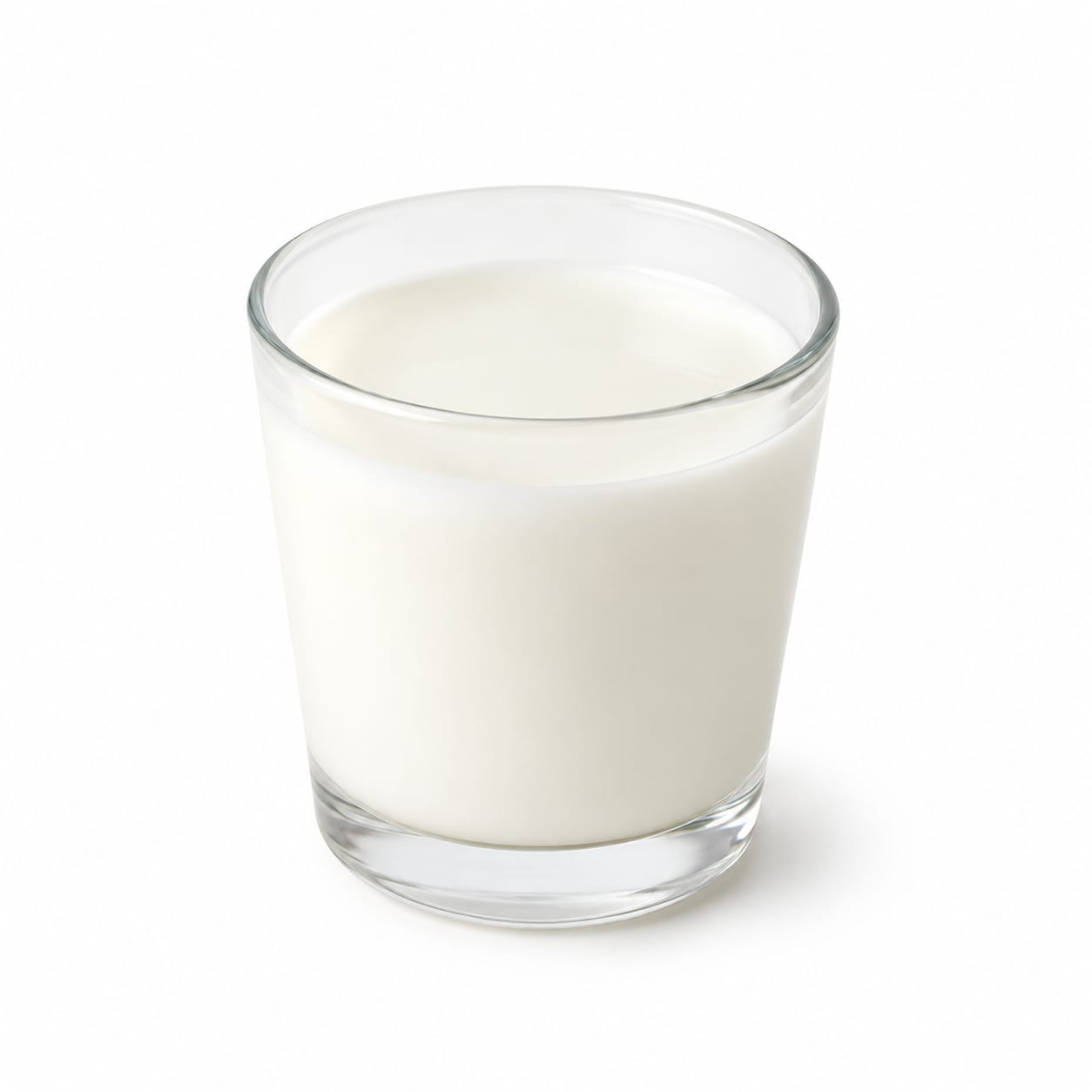
Sheep Milk
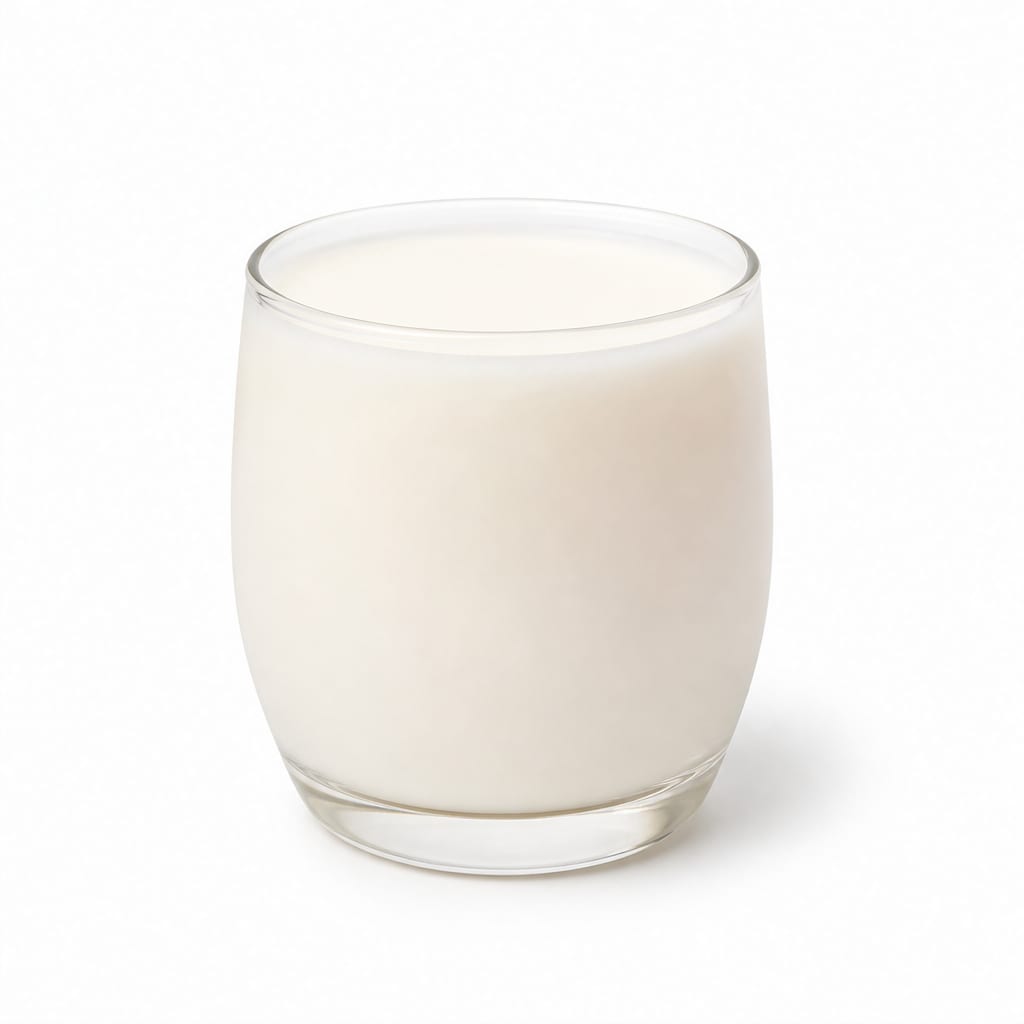
Coconut Milk
Sheep milk is a nutritional powerhouse with far more protein, calcium, and vitamins, while coconut milk is the go-to for dairy-free diets and easier digestion.
Sheep milk scores higher due to superior protein, calcium, B vitamins, and overall nutrient density. Coconut milk scores lower mainly because of minimal protein and calcium, but remains valuable for dairy-free diets. The gap reflects that sheep milk is closer to a complete food while coconut milk is more of a specialty ingredient.
Nutrient density and satiety versus digestive comfort and plant-based simplicity.
At a glance
Executive summary
Overall
It depends
Healthier
Sheep Milk
More practical
Coconut Milk
Daily use
It depends
Key comparison lenses
dairy vs plant milk nutrition
Users comparing these are usually deciding between animal-based nutrition and plant-based alternatives
protein and satiety comparison
The protein gap between these two is massive and drives real-world hunger and fullness differences
digestive tolerance and allergies
Lactose intolerance and dairy allergy are primary reasons people switch to coconut milk
bone health and mineral density
Calcium and vitamin content differ dramatically and affect long-term bone strength
fat quality and heart health
Both are high-fat milks but with very different fat profiles and cardiovascular implications
Best choice for
Sheep Milk
- People needing high protein intake
- Anyone focused on bone strength and calcium
- Growing children who tolerate dairy
- Older adults at risk of nutrient deficiencies
- Athletes seeking complete protein sources
Coconut Milk
- People with lactose intolerance
- Anyone following a vegan diet
- Those with dairy allergies
- People wanting a lower-carb cooking milk
- Anyone seeking shelf-stable pantry milk
Least suitable for
Sheep Milk
- People with lactose intolerance
- Anyone with dairy allergy
- Those following a vegan lifestyle
- People watching saturated fat intake closely
Coconut Milk
- Growing children needing protein and calcium
- Anyone relying on milk as a protein source
- People at risk of osteoporosis without supplementation
- Those seeking nutrient-dense daily beverages
Deep comparison
Dimension by dimension
Each lens scores both foods and breaks down who each option suits.
- Dimension 1 · Priority 95Sheep Milk
Protein & Satiety
Sheep Milk · 92Coconut Milk · 18Sheep milk delivers roughly three times the protein of coconut milk, making it far more filling and satisfying.
Tradeoff
You get lasting fullness with sheep milk but must tolerate dairy. Coconut milk keeps you lighter but you may feel hungry sooner.
Why it matters
Protein is the main driver of satiety. A low-protein milk can leave you reaching for snacks within an hour.
Real-world impact
A glass of sheep milk at breakfast can hold you until lunch. Coconut milk alone rarely does that without added protein from other foods.
Sheep Milk
- Post-workout recovery
- Breakfast that actually fills you up
- Anyone trying to eat less between meals
Better for
- Anyone with dairy protein sensitivity
Worse for
Coconut Milk
- Light evening beverages
- Smoothies where protein comes from other ingredients
- Recipes where richness matters more than nutrition
Better for
- Anyone using milk as a meal component rather than a flavor
Worse for
- Dimension 2 · Priority 88Sheep Milk
Bone Health & Mineral Density
Sheep Milk · 90Coconut Milk · 22Sheep milk is one of the richest natural calcium sources available. Coconut milk provides almost none unless fortified.
Tradeoff
Sheep milk builds bones naturally. Coconut milk requires you to get calcium elsewhere or rely on fortified versions.
Why it matters
Calcium intake is a long-game concern. Consistently choosing a low-calcium milk without compensating elsewhere weakens bones over years.
Real-world impact
One cup of sheep milk covers nearly half your daily calcium needs. Unfortified coconut milk covers less than 4%.
Sheep Milk
- Teenagers building peak bone mass
- Postmenopausal women
- Anyone avoiding calcium supplements
Better for
- Those who cannot absorb dairy calcium well
Worse for
Coconut Milk
- People who already eat plenty of calcium-rich foods elsewhere
Better for
- Anyone at risk of osteoporosis who relies on milk as a calcium source
Worse for
- Dimension 3 · Priority 88Coconut Milk
Digestive Tolerance & Allergen Profile
Sheep Milk · 30Coconut Milk · 88Coconut milk is naturally free of lactose and dairy proteins, making it gentle on sensitive digestive systems.
Tradeoff
Coconut milk spares your gut but sacrifices the nutritional benefits dairy provides. Sheep milk nourishes but can trigger bloating, gas, or allergic reactions.
Why it matters
Digestive discomfort is immediate and daily. No amount of nutritional superiority matters if a food makes you feel unwell.
Real-world impact
If dairy causes bloating or skin breakouts, coconut milk is a relief. If you digest dairy fine, there is no reason to avoid sheep milk for tolerance alone.
Sheep Milk
- People with confirmed dairy tolerance
Better for
- Anyone with lactose intolerance or dairy allergy
Worse for
Coconut Milk
- Lactose-intolerant individuals
- People with dairy-linked skin issues
- Vegans and plant-based eaters
- Anyone with irritable bowel triggered by dairy
Better for
- People with tree nut allergies who may react to coconut
Worse for
- Dimension 4 · Priority 78It depends
Fat Quality & Heart Health
Sheep Milk · 52Coconut Milk · 48Both milks are high in saturated fat but from different sources. Sheep milk provides more beneficial fatty acids alongside the saturated fat. Coconut milk provides MCTs which are metabolized differently.
Tradeoff
Neither is a heart-health hero. Sheep milk offers a better overall fat profile with more variety. Coconut milk offers MCTs for quick energy but very high saturated fat in canned form.
Why it matters
If heart health is a priority, both require moderation. The type of coconut milk matters enormously — carton versions are much lower in fat than canned.
Real-world impact
Using canned coconut milk daily as a beverage is too much saturated fat for most people. Sheep milk in moderate amounts fits better into a balanced diet.
Sheep Milk
- Moderate consumption as part of a varied diet
- People who benefit from conjugated linoleic acid
Better for
- People on strict low-saturated-fat diets for heart disease
Worse for
Coconut Milk
- Quick energy from MCTs before exercise
- Ketogenic diet followers who want MCTs
Better for
- Anyone drinking canned coconut milk freely without portion awareness
Worse for
- Dimension 5 · Priority 82Sheep Milk
Micronutrient Density
Sheep Milk · 88Coconut Milk · 25Sheep milk is loaded with B12, riboflavin, folate, zinc, and vitamin A. Coconut milk is mostly fat and water with minimal vitamins and minerals.
Tradeoff
Sheep milk functions almost like a multivitamin in a glass. Coconut milk is more of a flavorful liquid with nutritional gaps.
Why it matters
Relying on coconut milk as your primary milk without supplementation can slowly deplete B12, zinc, and other critical nutrients.
Real-world impact
Switching from sheep milk to coconut milk without dietary adjustments can contribute to fatigue and low energy over months due to B12 and iron gaps.
Sheep Milk
- Anyone at risk of B12 deficiency
- Pregnant women needing folate
- Older adults with reduced nutrient absorption
Better for
- People who over-consume and exceed calorie needs from nutrient-rich food
Worse for
Coconut Milk
- Those who get micronutrients from diverse whole foods and supplements already
Better for
- Anyone using it as a nutritional substitute without planning for the gaps
Worse for
- Dimension 6 · Priority 70Coconut Milk
Versatility & Practical Use
Sheep Milk · 55Coconut Milk · 80Coconut milk is shelf-stable, works in sweet and savory dishes, and is easy to find. Sheep milk is perishable, harder to source, and has a stronger flavor.
Tradeoff
Coconut milk is convenient and versatile but nutritionally thin. Sheep milk is nutritionally rich but harder to find and store.
Why it matters
The best food is one you can actually access and use. A nutritionally superior milk you never buy does nothing for you.
Real-world impact
Coconut milk sits in your pantry for months and works in curries, smoothies, and desserts. Sheep milk requires refrigeration and a specialty store trip.
Sheep Milk
- Cheese-making and yogurt-making at home
- Traditional Mediterranean recipes
Better for
- Anyone without access to specialty grocers
- Hot climate living without reliable refrigeration
Worse for
Coconut Milk
- Curries and Thai dishes
- Shelf-stable emergency pantry stock
- Travel and camping food prep
- Vegan baking and cooking
Better for
- Recipes where dairy flavor is essential
Worse for
Timeline
Health impact over time
Short-term
Hours to days
Sheep Milk
- Strong satiety and reduced hunger between meals
- Potential bloating or gas if lactose intolerant
- Steadier blood sugar due to protein and fat balance
- Possible skin flare-ups in dairy-sensitive individuals
Coconut Milk
- Light feeling with minimal digestive burden
- Quick energy from MCTs but possible hunger soon after
- Very low blood sugar impact
- Throat irritation rare but possible with certain coconut varieties
Long-term
Months to years
Sheep Milk
- Better bone density from consistent calcium and vitamin D intake
- Improved muscle maintenance from high-quality complete protein
- Possible increased saturated fat intake if consumed in large amounts
- Risk of developing dairy sensitivity with overconsumption
Coconut Milk
- Nutrient gaps if used as sole milk without supplementation
- Convenient dairy avoidance reducing chronic inflammation for sensitive people
- Possible over-reliance on saturated fat if using canned versions daily
- Minimal contribution to long-term bone health without fortification
Risk profile
Safety & processing
Fresh sheep milk is typically just pasteurized with nothing added. Coconut milk often contains emulsifiers, stabilizers, and added vitamins in carton versions. Canned coconut milk is simpler but may have guar gum as a thickener. If you prioritize minimal ingredients, sheep milk or canned coconut milk with no additives are your cleanest options.
Sheep Milk
Bacterial contamination from raw milk
highUnpasteurized sheep milk can carry Listeria, Salmonella, and E. coli. Always choose pasteurized unless you knowingly accept the risk.
Dairy allergic reactions
highSheep milk proteins can trigger severe allergic responses in dairy-allergic individuals, including anaphylaxis.
Antibiotic residues
lowRegulated dairy farming minimizes this, but non-organic sources may carry trace antibiotic residues.
Coconut Milk
BPA from can linings
mediumCanned coconut milk may expose you to BPA from can linings. Look for BPA-free cans or carton versions.
Sulfite preservatives
lowSome commercial coconut milk contains sulfites as preservatives, which can trigger reactions in sensitive people.
Coconut allergy cross-reactivity
lowThough rare, coconut can trigger allergic reactions in some individuals, particularly those with tree nut allergies.
Who wins for whom
Audience fit
Same foods, different winners depending on your goal.
children
Sheep MilkGrowing children need protein, calcium, B12, and calories that sheep milk provides abundantly. Coconut milk lacks the nutrients essential for development and should never replace dairy for children without careful supplementation.
daily consumption
It dependsIf you tolerate dairy, sheep milk is the more nourishing daily choice. If dairy causes problems, coconut milk is the practical daily alternative but requires nutritional planning to fill the gaps.
diabetes
Coconut MilkCoconut milk has almost no carbohydrates and will not spike blood sugar. Sheep milk contains lactose which raises blood glucose modestly, though its protein helps blunt the impact.
elderly
Sheep MilkOlder adults benefit most from the calcium, protein, and B12 in sheep milk for bone preservation and muscle maintenance. Coconut milk would require significant supplementation to match these benefits.
muscle gain
Sheep MilkSheep milk provides complete protein with all essential amino acids, making it genuinely useful for muscle repair and growth. Coconut milk contributes negligible protein.
weight loss
Coconut MilkCarton coconut milk is much lower in calories and can create a lighter meal base. However, canned coconut milk is calorie-dense and would not help weight loss. Sheep milk is filling but higher in calories per serving.
Your move
Decision guide
Choose Sheep Milk
- You digest dairy without issues and want maximum nutrition per glass
- Bone health and protein intake are top priorities for you
- You are feeding children who need nutrient-dense calories
- You enjoy making homemade cheese or yogurt
- You want one beverage that covers multiple nutritional bases
Choose Coconut Milk
- Dairy causes bloating, gas, skin issues, or allergic reactions
- You follow a vegan or plant-based lifestyle
- You need a shelf-stable milk for your pantry
- You cook a lot of Southeast Asian or Caribbean dishes
- You want a low-carb milk that will not spike blood sugar
Either works if
- You are simply looking for a creamy liquid for coffee or tea
- You rotate between animal and plant milks for variety
- Neither is your primary protein or calcium source
Avoid both if
- You need a low-fat milk for heart disease management
- You are looking for a low-calorie daily beverage — both are relatively high in calories
- You have both dairy intolerance and coconut sensitivity
Final recommendation
Let your digestion decide first. If sheep milk sits well with you, it is the nutritionally superior choice by a wide margin. If dairy causes problems, coconut milk is a perfectly reasonable substitute — just do not expect it to replace the protein, calcium, or B vitamins. Fill those gaps with other foods or supplements, and choose carton coconut milk for drinking and canned for cooking.
Practical
Consumer tips
- 1
Check whether your coconut milk is canned or carton — the calorie and fat difference is enormous, sometimes tenfold.
- 2
Look for coconut milk with no added sugar, guar gum, or emulsifiers if you want the cleanest option.
- 3
Sheep milk yogurt and cheese are often easier to find than fluid sheep milk and deliver similar nutrition.
- 4
If switching from sheep milk to coconut milk, add a calcium supplement and ensure B12 intake from elsewhere.
- 5
Start with small amounts of sheep milk if you have mild lactose sensitivity — some people tolerate it better than cow milk.
- 6
Freeze canned coconut milk in ice cube trays for portion-controlled cooking use.
- 7
Choose organic sheep milk when possible to reduce antibiotic and hormone exposure concerns.