
Nutrition comparison
Sheep Milk vs Buffalo Milk: Nutrition, Digestibility, and Taste Compared
Comparing Sheep Milk and Buffalo Milk? Discover the key nutritional differences, digestibility factors, and best culinary uses for these rich, creamy dairy alternatives.
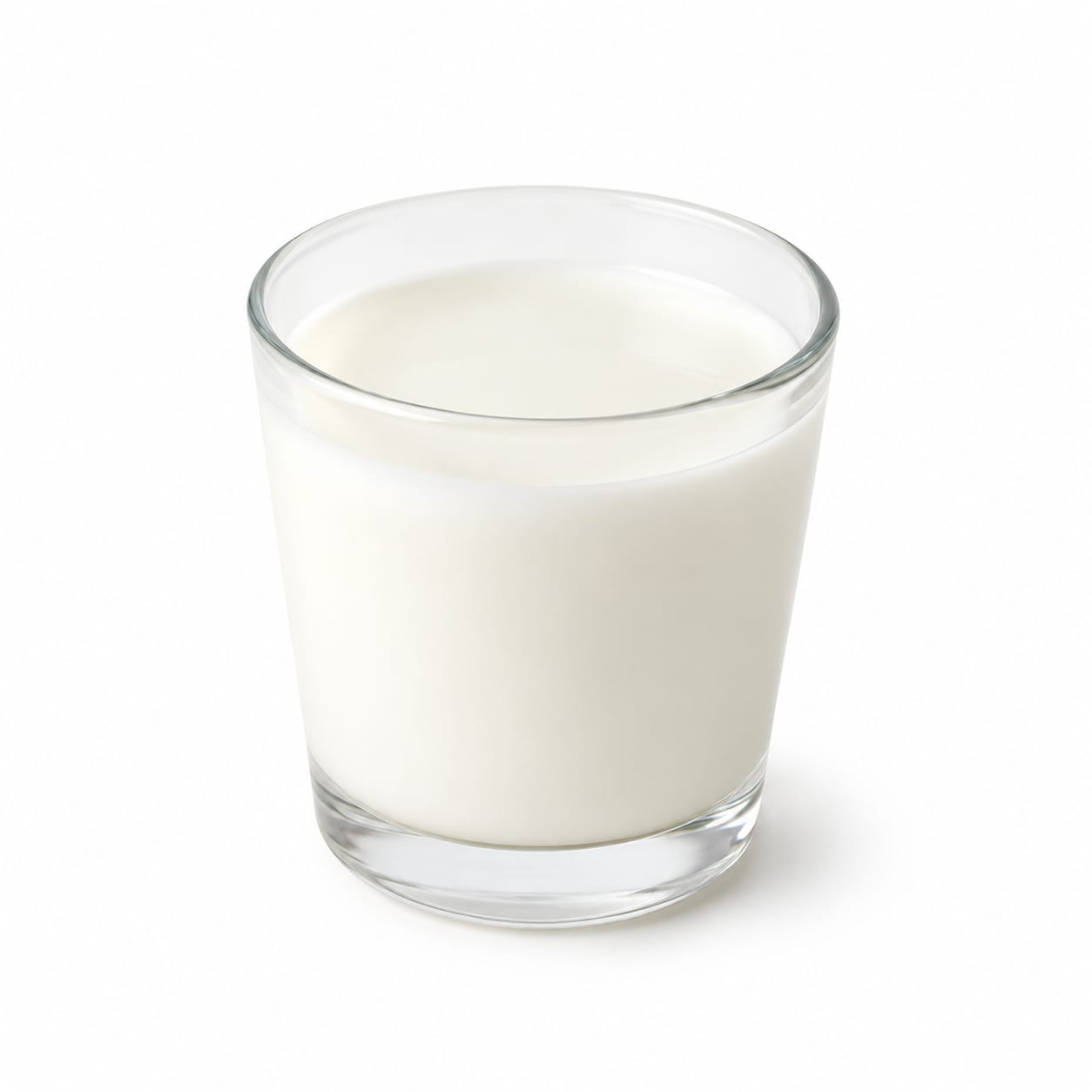
Sheep Milk
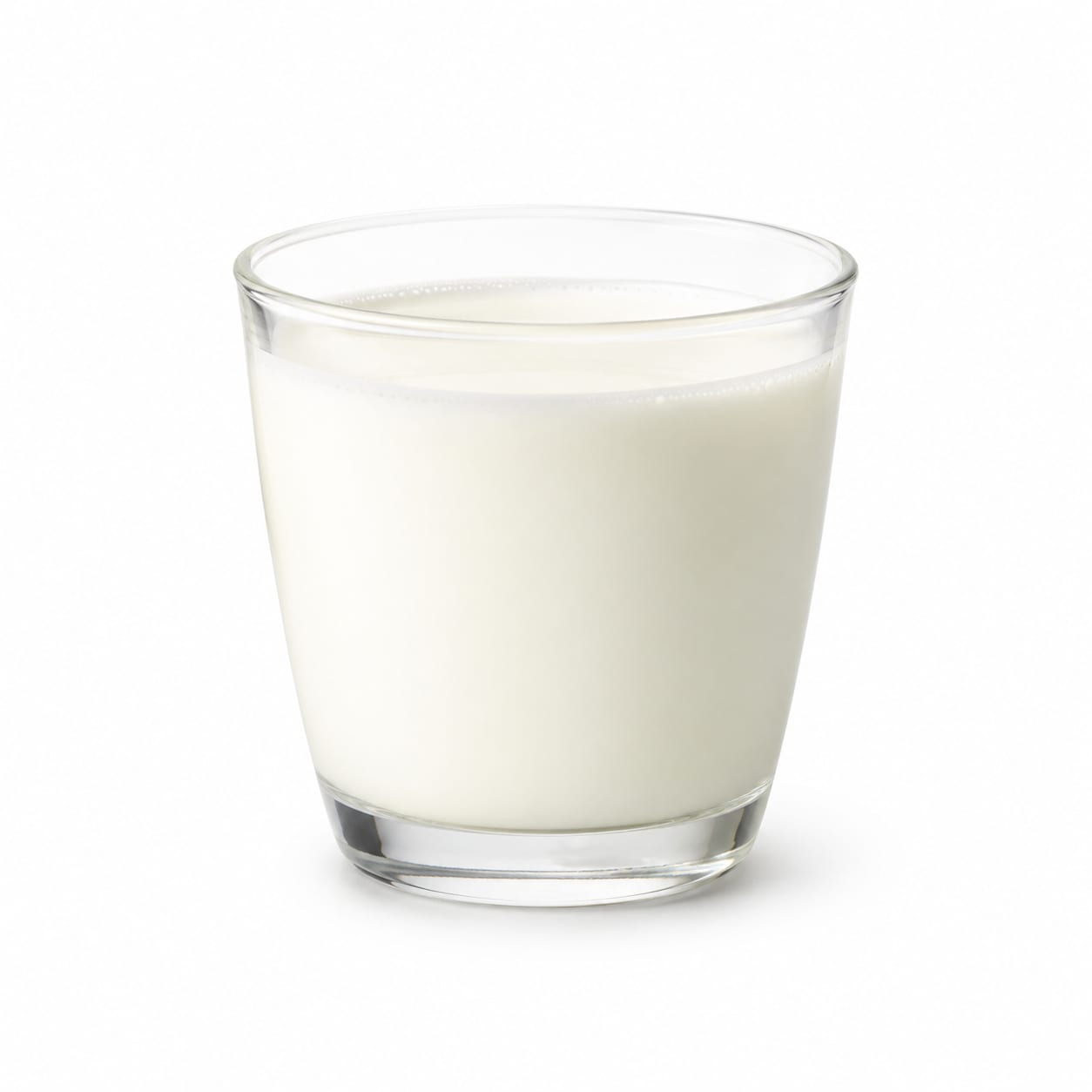
Buffalo Milk
Sheep milk delivers more protein and vitamins per sip, while buffalo milk offers an ultra-creamy texture with slightly less lactose.
Sheep milk scores slightly higher due to its superior protein density and vitamin content, but buffalo milk remains competitive thanks to its creaminess and marginally better lactose profile. Both are heavy, calorie-dense options that require mindful portioning.
Maximum nutritional density and protein (Sheep Milk) versus richer mouthfeel and slightly easier lactose digestion (Buffalo Milk).
At a glance
Executive summary
Overall
It depends
Healthier
It depends
More practical
It depends
Daily use
It depends
Key comparison lenses
Nutritional density and caloric tradeoffs
Both milks are significantly richer and higher in calories than standard cow milk, making nutrient-to-calorie ratios a primary concern.
Digestive tolerance and lactose sensitivity
Consumers exploring alternative milks often have digestive concerns, and these two milks have different lactose profiles and fat structures.
Culinary application and availability
Both are rarely consumed as everyday drinking milk and are usually chosen for specific culinary purposes like cheese-making or traditional recipes.
Heart health and saturated fat impact
The high saturated fat content in both options requires careful consideration for long-term cardiovascular health.
Best choice for
Sheep Milk
- Maximizing protein and calcium intake per glass
- Those who prefer a slightly sweeter, less overwhelmingly rich flavor
- Making high-yield artisan cheeses at home
Buffalo Milk
- Making rich dairy desserts, traditional mozzarella, or ghee
- People looking for slightly lower lactose options
- Those who prioritize an ultra-creamy, comforting mouthfeel
Least suitable for
Sheep Milk
- Strict low-calorie or low-fat diets
- People with severe lactose intolerance
Buffalo Milk
- Strict low-calorie or low-fat diets
- Those closely monitoring cholesterol intake
Deep comparison
Dimension by dimension
Each lens scores both foods and breaks down who each option suits.
- Dimension 1 · Priority 95Sheep Milk
Nutritional Density
Sheep Milk · 92Buffalo Milk · 85Sheep milk is a nutritional powerhouse, packing significantly more protein, calcium, and B vitamins per serving than buffalo milk.
Tradeoff
You get more nutrients per calorie with sheep milk, but both are still very calorie-dense compared to standard cow milk.
Why it matters
Higher nutritional density means you get more building blocks for muscle and bone health without needing to consume larger volumes.
Real-world impact
A single glass of sheep milk keeps you fuller for longer and provides a bigger hit of bone-supporting calcium than the same volume of buffalo milk.
Sheep Milk
- Muscle maintenance and growth
- Bone density support
- Preventing nutrient deficiencies on a high-dairy diet
Better for
- Calorie counting or weight loss phases
Worse for
Buffalo Milk
- Steady energy for heavy physical labor
Better for
- Maximizing protein without exceeding calorie limits
Worse for
- Dimension 2 · Priority 90Buffalo Milk
Digestive Tolerance
Sheep Milk · 70Buffalo Milk · 78Buffalo milk contains slightly less lactose and has a different fat structure that some find gentler on the stomach, though both are heavy.
Tradeoff
Buffalo milk might be easier on lactose sensitivity, but its high fat content can still feel heavy and slow to digest.
Why it matters
Discomfort after drinking milk defeats the purpose of consuming it, making digestibility a key factor for daily enjoyment.
Real-world impact
If regular cow milk causes mild bloating, buffalo milk might feel slightly more comfortable, whereas sheep milk could still trigger those same symptoms.
Sheep Milk
- People who tolerate dairy perfectly and want faster nutrient absorption
Better for
- Anyone with diagnosed lactose intolerance
Worse for
Buffalo Milk
- Those with mild lactose sensitivity
- People who find standard milk causes bloating but want to keep dairy in their diet
Better for
- Those who struggle with digesting high-fat meals
Worse for
- Dimension 3 · Priority 80It depends
Heart Health and Fat Profile
Sheep Milk · 65Buffalo Milk · 65Both milks are high in saturated fat, but sheep milk offers more medium-chain triglycerides (MCTs), while buffalo milk provides more conjugated linoleic acid (CLA).
Tradeoff
Neither is a heart-health hero, but their unique fat profiles offer different metabolic benefits that require portion control.
Why it matters
High saturated fat intake can impact cholesterol, but the specific types of fats in these milks behave differently in the body.
Real-world impact
Drinking large glasses of either milk daily could raise cholesterol, but using small amounts in cooking or coffee provides satisfying fats without the same cardiovascular strain.
Sheep Milk
- Quick energy from MCTs for active individuals
Better for
- Managing high LDL cholesterol
Worse for
Buffalo Milk
- Anti-inflammatory benefits from higher CLA content
Better for
- Managing high LDL cholesterol
Worse for
- Dimension 4 · Priority 85Sheep Milk
Satiety and Fullness
Sheep Milk · 90Buffalo Milk · 88Sheep milk is slightly more filling due to its higher protein content, which actively suppresses hunger hormones.
Tradeoff
The extreme satiety from both milks can either prevent overeating later in the day or make you feel uncomfortably stuffed if consumed in large amounts.
Why it matters
Feeling full and satisfied after a meal helps control cravings and prevents impulsive snacking.
Real-world impact
A small glass of sheep milk in the morning can easily carry you through to lunch without a mid-morning energy crash.
Sheep Milk
- Replacing a full meal when short on time
- Stopping late-night cravings
Better for
- Light snacking before a workout
Worse for
Buffalo Milk
- A comforting, heavy drink before bed for those who tolerate it
Better for
- Staying light on your feet for athletic activities
Worse for
- Dimension 5 · Priority 75It depends
Culinary Versatility and Availability
Sheep Milk · 80Buffalo Milk · 80Sheep milk is the king of cheese yield, while buffalo milk is the gold standard for rich desserts and mozzarella.
Tradeoff
Both are difficult to find as fluid milk in standard grocery stores, often requiring a trip to a specialty shop or farm.
Why it matters
The best nutritional profile in the world is useless if you cannot easily buy or enjoy consuming the product.
Real-world impact
You will likely encounter these milks more often as artisan cheeses or premium gelato rather than as a beverage in the dairy aisle.
Sheep Milk
- Making high-yield, flavorful cheeses like feta or manchego
- Adding a sweet, rich depth to coffee or tea
Better for
- Finding affordable, fresh fluid milk outside of specialty markets
Worse for
Buffalo Milk
- Making authentic mozzarella di bufala or kulfi
- Creating incredibly creamy sauces and desserts
Better for
- Finding fresh fluid milk outside of regions where water buffalo are farmed
Worse for
Timeline
Health impact over time
Short-term
Hours to days
Sheep Milk
- Provides long-lasting energy and heavy satiety
- May feel overly rich or cause mild bloating if you are not used to high-fat dairy
Buffalo Milk
- Delivers a deeply comforting, creamy mouthfeel
- Can feel heavy in the stomach and slow down digestion due to the thick fat content
Long-term
Months to years
Sheep Milk
- Excellent for maintaining bone density and muscle mass because of the high calcium and protein
- High saturated fat may require mindful portioning to protect cardiovascular health
Buffalo Milk
- Supports strong bones and provides anti-inflammatory fats from CLA
- Regular overconsumption could negatively impact cholesterol levels and heart health
Risk profile
Safety & processing
Both sheep milk and buffalo milk are typically consumed in a minimally processed state, straight from the farm or with standard pasteurization, containing no artificial additives.
Sheep Milk
Brucellosis and Listeria
highRaw sheep milk carries a notable risk of bacterial contamination, making pasteurization highly recommended.
Allergic reactions
mediumContains dairy proteins that can trigger severe reactions in those with a cow milk allergy, as cross-reactivity is common.
Buffalo Milk
Adulteration
mediumIn some regions, buffalo milk is frequently diluted with cheaper cow milk, reducing its nutritional quality and misleading consumers.
Bacterial contamination
highLike all raw milks, unpasteurized buffalo milk poses a significant risk for foodborne illness.
Who wins for whom
Audience fit
Same foods, different winners depending on your goal.
children
Buffalo MilkBuffalo milk is incredibly creamy and slightly lower in lactose, making it appealing and often easier on a child's developing digestive system while providing great calories for growth.
daily consumption
It dependsIt entirely depends on your digestive tolerance and culinary preferences, as both are too heavy for most people to drink in large daily quantities.
diabetes
It dependsBoth have low glycemic indexes due to their fat and protein content, but both are very calorie-dense, requiring strict portion control to manage weight.
elderly
Sheep MilkThe higher calcium and vitamin B12 content in sheep milk are crucial for preventing bone density loss and cognitive decline in older adults.
muscle gain
Sheep MilkSheep milk contains significantly more protein per serving, offering a better amino acid profile for muscle repair and growth.
weight loss
Sheep MilkSheep milk has higher protein, which provides better satiety per calorie, helping to control overall appetite more effectively than the heavier fat content in buffalo milk.
Your move
Decision guide
Choose Sheep Milk
- You want the most protein, calcium, and vitamins per glass
- You are making cheese and want a higher yield
- You prefer a slightly sweeter, less overwhelmingly thick drink
Choose Buffalo Milk
- You want the creamiest possible milk for lattes or desserts
- You are sensitive to lactose and want slightly less of it
- You are making traditional mozzarella or rich ghee
Either works if
- You need a high-calorie, nutrient-dense milk for recovery or weight gain
- You tolerate dairy well and want an upgrade from standard cow milk
Avoid both if
- You are strictly lactose intolerant or have a dairy allergy
- You are on a calorie-restricted or low-fat diet
Final recommendation
If you are looking for maximum nutritional impact and protein, choose sheep milk. If you prioritize a luxurious, creamy texture and slightly easier lactose digestion, go with buffalo milk. For both, seek out pasteurized sources and treat them as rich dietary additions rather than everyday drinking milks.
Practical
Consumer tips
- 1
Always choose pasteurized versions to avoid serious bacterial infections like brucellosis or listeriosis.
- 2
Sheep milk yields almost double the cheese of standard cow milk, making it a favorite for home cheesemakers.
- 3
Buffalo milk has natural peroxidase enzymes that help it stay fresh longer than cow milk, but it should still be refrigerated promptly.
- 4
If you find the flavor of either milk too intense, try using a small splash in your coffee rather than drinking a full glass.
- 5
Check the label on buffalo milk to ensure it has not been mixed with cheaper cow milk, which is a common issue in some commercial markets.