
Nutrition comparison
Sheep Milk vs Camel Milk: Nutrition, Digestibility, and Health Benefits
Compare Sheep Milk and Camel Milk to find which is better for lactose intolerance, weight loss, and overall health. Discover the unique benefits of each milk.
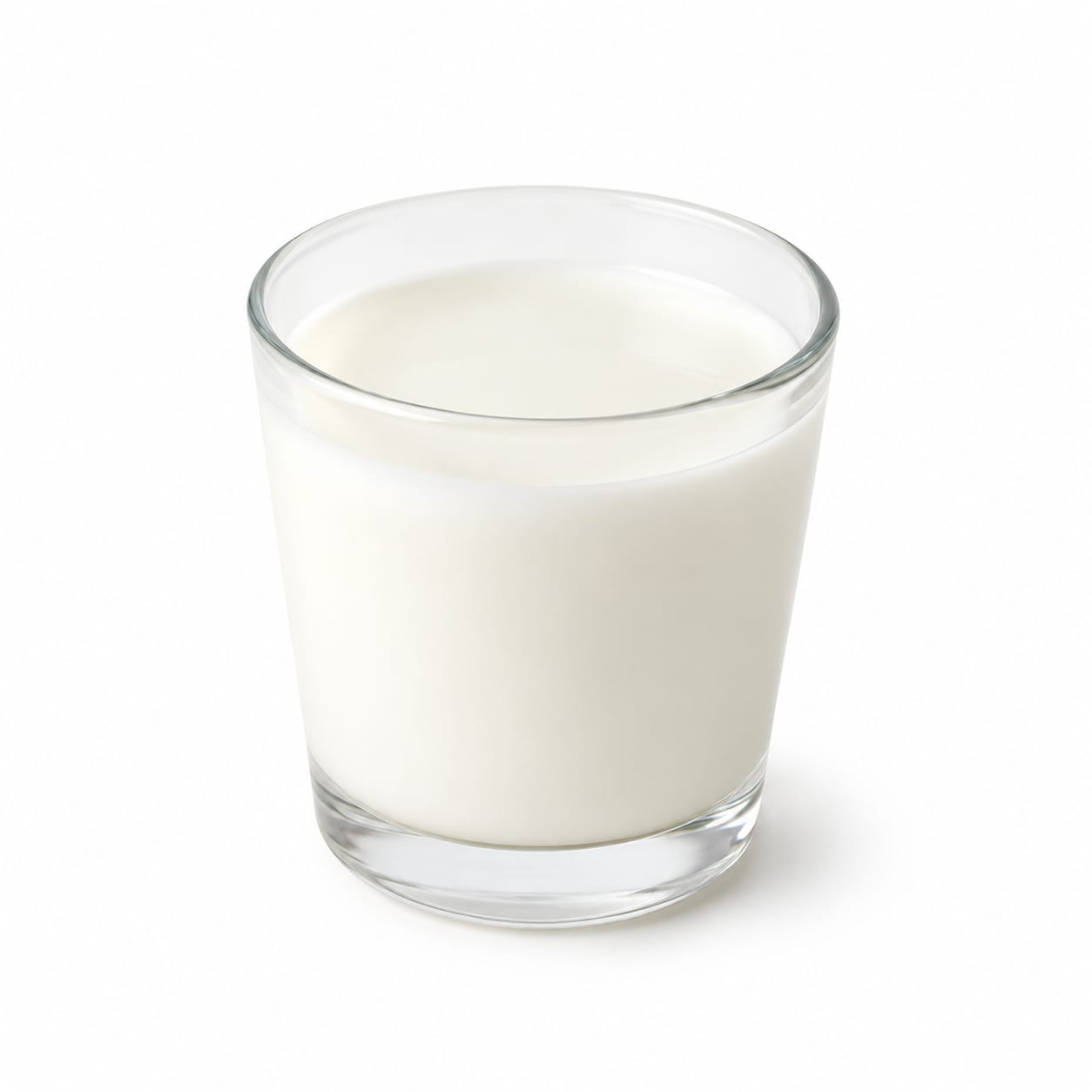
Sheep Milk
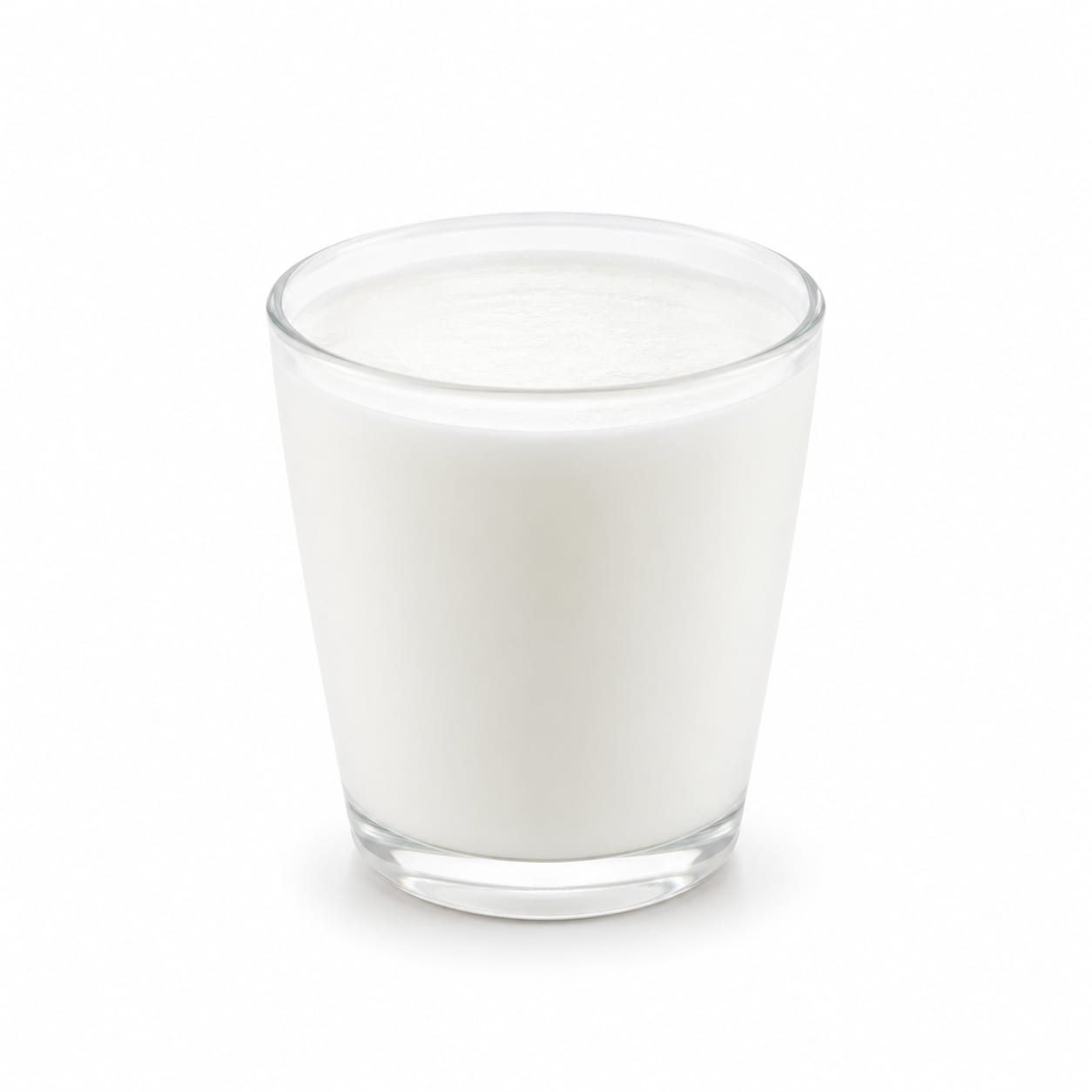
Camel Milk
Sheep Milk is a rich, calorie-dense powerhouse, while Camel Milk is lighter, lower in lactose, and uniquely supportive of blood sugar and immunity.
Camel Milk edges ahead due to its broader digestibility and unique metabolic benefits, though Sheep Milk wins on sheer nutrient density and calcium.
Creamy, high-calorie nutrition versus easier digestion and specialized metabolic benefits.
At a glance
Executive summary
Overall
It depends
Healthier
Camel Milk
More practical
Sheep Milk
Daily use
Camel Milk
Key comparison lenses
Lactose sensitivity and digestibility
Camel Milk is famously lower in lactose and easier to digest, while Sheep Milk is quite high in lactose and can cause significant discomfort for sensitive individuals.
Specialized health benefits like immune support and blood sugar regulation
Camel Milk contains unique insulin-like proteins and immunoglobulins, making it a sought-after alternative for metabolic and immune support.
Nutritional density and satiety
Sheep Milk is incredibly rich in calories, fat, and protein, offering a vastly different satiety profile compared to the lighter Camel Milk.
Caloric and fat content for weight management
Sheep Milk is heavily concentrated in calories and saturated fat, whereas Camel Milk offers a much lighter macronutrient profile.
Best choice for
Sheep Milk
- People needing high calorie and calcium intake
- Cheese enthusiasts and culinary use
- Those without lactose intolerance seeking rich nutrition
Camel Milk
- People with mild lactose intolerance
- Those seeking blood sugar support
- Individuals wanting immune-boosting properties
Least suitable for
Sheep Milk
- People with lactose intolerance
- Those on a low-calorie or low-fat diet
- Vegans
Camel Milk
- Budget-conscious shoppers
- Those who dislike a slightly salty or sour taste
- People seeking a rich, creamy texture for cooking
Deep comparison
Dimension by dimension
Each lens scores both foods and breaks down who each option suits.
- Dimension 1 · Priority 95Camel Milk
Digestive Tolerance & Lactose
Sheep Milk · 40Camel Milk · 85Camel Milk contains significantly less lactose and smaller fat globules, making it much easier to digest for most people.
Tradeoff
You sacrifice the rich creaminess of Sheep Milk but gain a milk you can likely drink without bloating.
Why it matters
Lactose intolerance affects a huge portion of the global population; choosing a milk that doesn't cause digestive distress is crucial for daily comfort.
Real-world impact
Drinking Camel Milk means skipping the gassy, bloated aftermath that Sheep Milk might cause after a bowl of cereal.
Sheep Milk
- People with lactose intolerance
- Those with sensitive digestion
Worse for
Camel Milk
- Sensitive stomachs
- Lactose-intolerant individuals
- Those prone to post-dairy bloating
Better for
- Dimension 2 · Priority 85Sheep Milk
Nutritional Density & Satiety
Sheep Milk · 92Camel Milk · 75Sheep Milk packs more protein, fat, calcium, and vitamins per cup, making it incredibly filling and nutrient-rich.
Tradeoff
You get more calories and fat with Sheep Milk, which is great for some but a drawback for others watching their intake.
Why it matters
Higher satiety means fewer cravings later, and dense nutrition supports bone health and muscle maintenance efficiently.
Real-world impact
A glass of Sheep Milk feels like a mini-meal and keeps you full for hours, whereas Camel Milk feels more like a light, hydrating beverage.
Sheep Milk
- Athletes needing calories
- Growing teenagers
- Those needing bone-building calcium
Better for
- People who drink large volumes of milk daily
Worse for
Camel Milk
- People wanting light hydration
- Those who graze throughout the day
Better for
- Those needing high-calorie nutrition
Worse for
- Dimension 3 · Priority 90Camel Milk
Immune & Metabolic Support
Sheep Milk · 60Camel Milk · 90Camel Milk is rich in immunoglobulins and lactoferrin, and contains insulin-like proteins that may help regulate blood sugar.
Tradeoff
Sheep Milk offers standard dairy nutrition, but lacks the specialized immune and metabolic compounds found in Camel Milk.
Why it matters
For those managing blood sugar issues or looking for natural immune support, Camel Milk acts as more than just food.
Real-world impact
Choosing Camel Milk could mean steadier blood sugar levels and fewer afternoon energy crashes compared to the richer Sheep Milk.
Sheep Milk
- People needing blood sugar regulation
Worse for
Camel Milk
- Pre-diabetics
- Those seeking immune support
- People focused on metabolic health
Better for
- Dimension 4 · Priority 80Camel Milk
Caloric & Fat Profile
Sheep Milk · 45Camel Milk · 82Camel Milk is much lower in calories and fat, offering a lighter option for daily hydration.
Tradeoff
Sheep Milk's high fat content makes it luxurious and tasty, but it's easy to overconsume calories if you drink it freely.
Why it matters
Managing calorie intake is fundamental for weight maintenance, and liquid calories are notoriously easy to overdrink.
Real-world impact
Swapping Sheep Milk for Camel Milk saves you significant calories and saturated fat per glass, making it easier to fit into a balanced diet.
Sheep Milk
- People on a keto diet
- Those needing to gain weight
Better for
- People on low-fat diets
Worse for
Camel Milk
- Weight-conscious individuals
- Those monitoring saturated fat intake
Better for
- Those needing high-fat intake for satiety
Worse for
- Dimension 5 · Priority 70Sheep Milk
Taste & Culinary Versatility
Sheep Milk · 88Camel Milk · 55Sheep Milk is sweet, creamy, and perfect for making rich cheeses and yogurts; Camel Milk has a slightly salty, sometimes sour taste.
Tradeoff
Camel Milk is an acquired taste and doesn't transform into the luxurious dairy products that Sheep Milk does.
Why it matters
If milk doesn't taste good or work in your recipes, you won't keep it in your fridge long-term.
Real-world impact
Sheep Milk makes incredible lattes and ricotta, while Camel Milk is usually just drunk straight or masked in smoothies.
Sheep Milk
- Home chefs
- Cheese makers
- Fans of rich, creamy flavors
Better for
Camel Milk
- Those who enjoy slightly salty flavors
Better for
- People expecting traditional sweet milk flavor
- Those wanting to make standard dairy recipes
Worse for
Timeline
Health impact over time
Short-term
Hours to days
Sheep Milk
- Quick, dense energy boost
- Potential bloating or digestive discomfort if lactose sensitive
- High satiety immediately after drinking
Camel Milk
- Gentle on the stomach with minimal bloating
- Light hydration
- Slightly salty or unusual aftertaste for new drinkers
Long-term
Months to years
Sheep Milk
- Excellent bone health due to high calcium and vitamin D
- Potential weight gain if consumed in large quantities due to high calories
- Possible exacerbation of cholesterol issues from high saturated fat
Camel Milk
- Potential improved blood sugar regulation
- Enhanced immune defense over time
- Easier weight management due to lower calorie density
Risk profile
Safety & processing
Both Sheep Milk and Camel Milk are typically consumed in their most natural, minimally processed forms, often sourced from small-scale or artisanal farms.
Sheep Milk
Lactose intolerance reaction
mediumSheep Milk contains high levels of lactose, which can cause significant digestive distress for intolerant individuals.
Pathogen contamination from raw milk
mediumIf consumed raw, Sheep Milk carries the same bacterial risks as any unpasteurized dairy.
Camel Milk
Adulteration or dilution
mediumDue to its high price and scarcity, Camel Milk is sometimes adulterated with cheaper cow's milk, reducing its unique benefits.
Acquired taste rejection
lowThe unusual taste might lead to waste if you buy it and cannot finish it.
Who wins for whom
Audience fit
Same foods, different winners depending on your goal.
children
It dependsSheep Milk offers excellent calcium for growing bones, but Camel Milk is safer for kids with dairy sensitivities and offers immune support.
daily consumption
Camel MilkCamel Milk's lighter profile and lower lactose make it a more sustainable daily drink without the heavy, sluggish feeling.
diabetes
Camel MilkCamel Milk contains insulin-like proteins that have shown potential in improving blood sugar regulation in diabetic patients.
elderly
Camel MilkCamel Milk is easier to digest, lower in saturated fat, and supports blood sugar and immunity, which are critical concerns for older adults.
muscle gain
Sheep MilkSheep Milk provides more protein and calories per serving, creating a better environment for muscle growth and recovery.
weight loss
Camel MilkCamel Milk is much lower in calories and fat, making it a much easier fit for a calorie-controlled diet.
Your move
Decision guide
Choose Sheep Milk
- You want a rich, creamy milk for making gourmet cheeses or yogurts
- You need high-calorie, high-protein nutrition for weight gain or muscle building
- You have no issues with lactose and want maximum calcium per glass
Choose Camel Milk
- You are lactose intolerant or have sensitive digestion
- You are looking for metabolic support, especially for blood sugar management
- You want a low-calorie milk that won't contribute to weight gain
Either works if
- You are looking for an alternative to cow's milk
- You want milk from animals raised on pasture or natural forage
Avoid both if
- You have a strict dairy allergy to casein or whey
- You are vegan or avoiding all animal products
- You are on a very tight grocery budget
Final recommendation
Choose Sheep Milk for culinary richness and dense nutrition, but opt for Camel Milk if you need easier digestion, lower calories, or blood sugar support.
Practical
Consumer tips
- 1
Start with a small amount of Camel Milk to adjust to its slightly salty, earthy flavor.
- 2
Look for pasteurized versions of both milks to reduce the risk of foodborne illness.
- 3
If buying Camel Milk, check for reputable brands to avoid adulteration with cow's milk.
- 4
Use Sheep Milk to make homemade ricotta—it yields much more cheese than cow's milk.
- 5
If you are sensitive to lactose but want the richness of Sheep Milk, try fermented sheep milk kefir, which has lower lactose.