
Nutrition comparison
Sheep Milk vs Cow Milk: Nutrition, Digestibility & Taste Compared
Discover the key differences between sheep milk and cow milk. Learn which is easier to digest, higher in protein, and better for your daily diet.
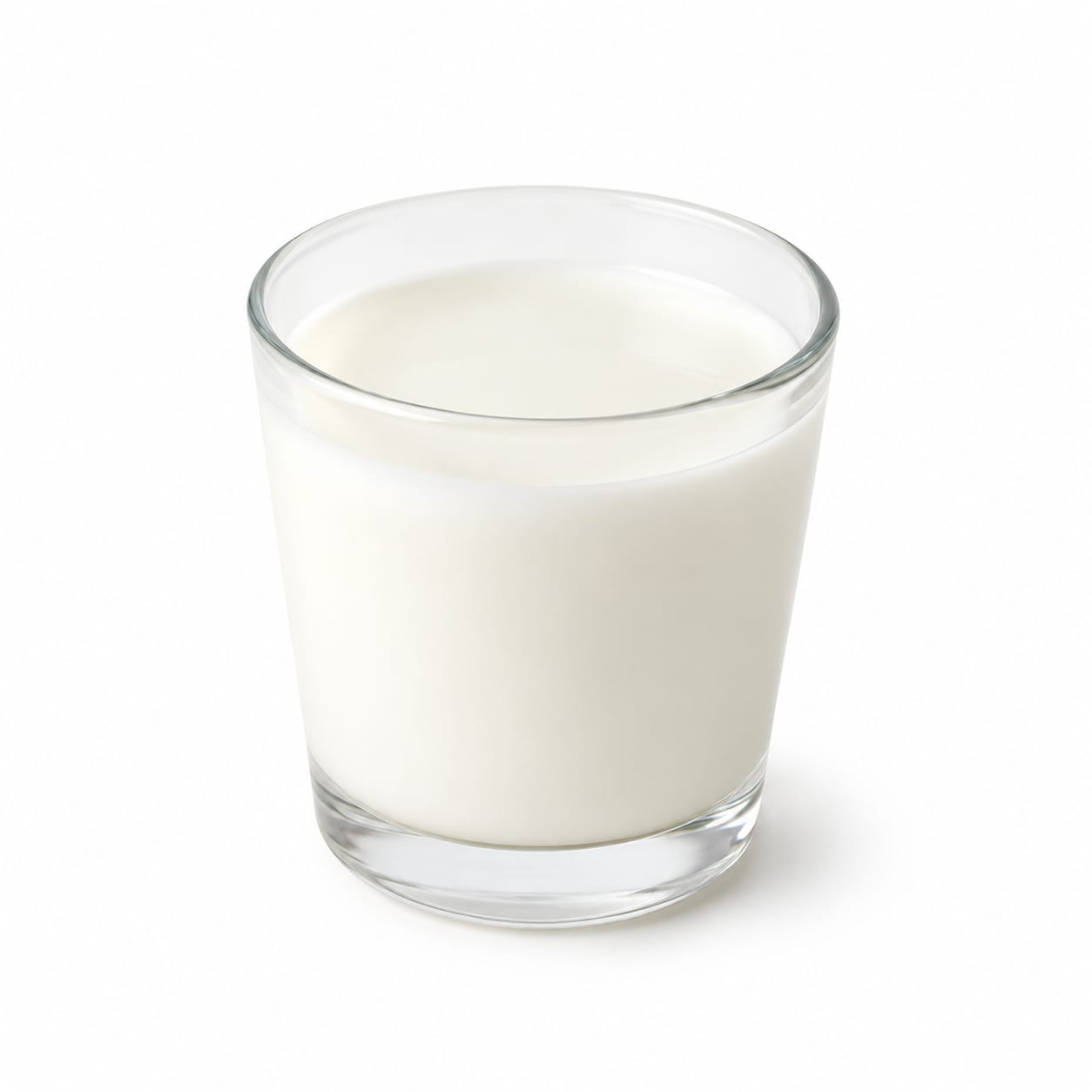
Sheep Milk
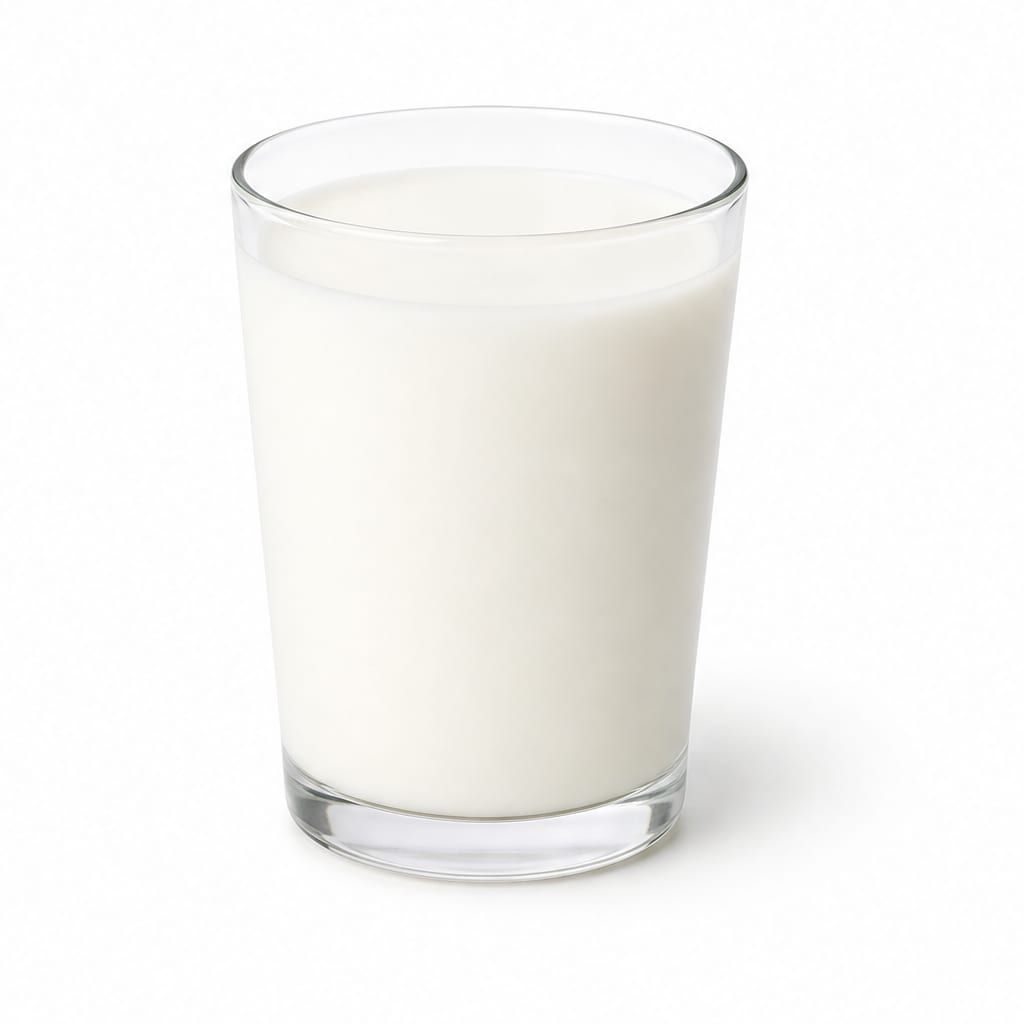
Cow Milk
Sheep milk is a nutrient-dense powerhouse that is often easier to digest, but cow milk is the far more practical and lighter choice for everyday drinking.
Sheep milk scores slightly higher for raw nutritional power and digestibility, but cow milk stays competitive due to its practicality, lower calorie load, and everyday versatility.
You trade lower calories and convenience for superior nutrition and digestibility.
At a glance
Executive summary
Overall
It depends
Healthier
Sheep Milk
More practical
Cow Milk
Daily use
Cow Milk
Key comparison lenses
Nutrient density and caloric tradeoffs
Sheep milk packs significantly more calories, fat, and protein per serving, requiring a clear cost-benefit analysis for daily diets.
Digestive tolerance and lactose sensitivity
Sheep milk contains A2 protein and different fat globule structures, often making it easier to digest for those with cow milk intolerances.
Everyday practicality and cost
Cow milk is ubiquitous and affordable, while sheep milk is a specialty item with a much higher price point.
Best choice for
Sheep Milk
- People with mild cow milk sensitivities or A1 protein issues
- Anyone needing high calorie and protein intake for weight gain or recovery
- Those seeking maximum calcium and B-vitamin density per sip
Cow Milk
- Households looking for an affordable, everyday beverage
- People managing calorie intake who prefer a lighter drink
- Those who want a readily available milk for cooking and cereal
Least suitable for
Sheep Milk
- People strictly monitoring calories or fat intake
- Anyone on a tight grocery budget
- Those who dislike rich, heavy flavors in everyday drinks
Cow Milk
- People with A1 beta-casein sensitivity or cow dairy intolerance
- Those seeking the absolute highest protein and calcium per glass
Deep comparison
Dimension by dimension
Each lens scores both foods and breaks down who each option suits.
- Dimension 1 · Priority 95Sheep Milk
Nutrient Density
Sheep Milk · 95Cow Milk · 70Sheep milk delivers substantially more protein, fat, calcium, and B vitamins per serving compared to cow milk.
Tradeoff
The nutritional boost comes with a heavy calorie price tag that can easily lead to overconsumption if treated like cow milk.
Why it matters
If you need maximum nourishment in a small volume, sheep milk is incredibly efficient. For casual hydration, it is overkill.
Real-world impact
A single glass of sheep milk feels like a small meal, keeping you full for hours, whereas cow milk is a lighter accompaniment to food.
Sheep Milk
- Bone health due to higher calcium
- Energy and brain function from B12
- Muscle maintenance from higher protein
Better for
- Weight management if consumed in large volumes
Worse for
Cow Milk
- Light hydration without excessive calories
Better for
- Recovering from illness or malnourishment where dense nutrition is needed
Worse for
- Dimension 2 · Priority 90Sheep Milk
Digestive Comfort
Sheep Milk · 85Cow Milk · 60Sheep milk is naturally A2 and has smaller fat globules, making it surprisingly gentle on the stomach for many who struggle with cow milk.
Tradeoff
While easier for A1-protein sensitivity, the higher fat content can still feel heavy and slow to digest for some.
Why it matters
Many people who experience bloating or gas with cow milk find they tolerate sheep milk perfectly well.
Real-world impact
You might finally enjoy milk again without the post-breakroom bloat, but you will feel physically fuller much faster.
Sheep Milk
- People with A1 beta-casein intolerance
- Those who experience bloating from standard cow milk
Better for
- People who feel sluggish after high-fat meals
Worse for
Cow Milk
- Those accustomed to the light feel of skim or low-fat milk
Better for
- Anyone with diagnosed cow dairy sensitivities
Worse for
- Dimension 3 · Priority 85Cow Milk
Caloric and Fat Profile
Sheep Milk · 45Cow Milk · 80Cow milk offers a much lighter caloric load, making it far easier to fit into a standard diet without thinking too hard about portions.
Tradeoff
Choosing the lighter option means giving up the rich, creamy texture and the satiety that comes with higher fat.
Why it matters
Drinking sheep milk like you would cow milk can easily add hundreds of surplus calories to your day without realizing it.
Real-world impact
Pouring sheep milk over a bowl of cereal feels decadent, but it turns a light breakfast into a heavy, calorie-dense meal.
Sheep Milk
- Growing children needing calorie density
- Athletes trying to fuel heavy training
Better for
- Sedentary lifestyles
- Late-night snacking
Worse for
Cow Milk
- Office workers watching their waistline
- Anyone tracking macros closely
Better for
- High-calorie bulking diets
Worse for
- Dimension 4 · Priority 80Cow Milk
Practicality and Cost
Sheep Milk · 30Cow Milk · 95Cow milk is cheap, available everywhere, and deeply integrated into recipes, while sheep milk is expensive and hard to find.
Tradeoff
You pay a premium for the superior nutrition profile of sheep milk, both at the register and in recipe compatibility.
Why it matters
The best food for you is the one you can consistently access and afford. Cow milk wins effortlessly on logistics.
Real-world impact
You can grab cow milk at any corner store at midnight; sheep milk usually requires a trip to a specialty grocer and a bigger budget.
Sheep Milk
- Gourmet cooking and cheese making
- Targeted nutritional supplementation
Better for
- Quick convenience needs
- Large families on a budget
Worse for
Cow Milk
- Daily coffee creamer
- Baking and cooking for a family
- Budget-conscious households
Better for
- Crafting artisan dairy products at home
Worse for
Timeline
Health impact over time
Short-term
Hours to days
Sheep Milk
- High satiety and prolonged fullness due to rich fat and protein content
- Potential digestive comfort for those with mild cow dairy intolerance
Cow Milk
- Quick hydration with a lighter digestive load
- Possible bloating or congestion for those sensitive to A1 proteins
Long-term
Months to years
Sheep Milk
- Excellent support for bone density from high calcium and vitamin D
- Risk of weight gain if consumed in large volumes daily due to high calories
Cow Milk
- Consistent and manageable bone support without excessive calorie intake
- Potential for chronic low-grade inflammation for A1-sensitive individuals
Risk profile
Safety & processing
Both milks are whole, natural foods when purchased in standard form. Sheep milk is often less industrialized, coming from smaller farms with fewer hormone and antibiotic concerns than conventional cow dairy.
Sheep Milk
Pathogen contamination from raw milk
highIf consumed unpasteurized, the risk of harmful bacteria is present, similar to any raw dairy product.
Cow Milk
Antibiotic and hormone residues
mediumConventional cow milk may carry trace residues from industrial farming practices, though regulations strictly monitor this.
Pathogen contamination from raw milk
highUnpasteurized cow milk carries a well-documented risk of foodborne illness.
Who wins for whom
Audience fit
Same foods, different winners depending on your goal.
children
It dependsSheep milk is incredible for growth and brain development due to its density, but cow milk is the standard, safer, and more affordable choice for everyday drinking.
daily consumption
Cow MilkCow milk is affordable, widely available, and light enough to drink daily without overwhelming your diet.
diabetes
Cow MilkCow milk has fewer carbohydrates and calories, resulting in a gentler impact on blood sugar when consumed in standard portions.
elderly
Sheep MilkThe high calcium, B12, and superior digestibility make sheep milk excellent for aging bones and sensitive digestive systems, provided calories are managed.
muscle gain
Sheep MilkSheep milk offers significantly more protein and calories per serving, creating an optimal environment for muscle growth.
weight loss
Cow MilkCow milk provides satisfying protein with far fewer calories, making it much easier to maintain a calorie deficit.
Your move
Decision guide
Choose Sheep Milk
- You experience bloating or discomfort from standard cow milk but want to keep dairy in your life
- You need to increase your calorie, protein, and calcium intake efficiently
- You are making rich desserts or cheeses and want the best flavor and texture
Choose Cow Milk
- You drink milk multiple times a day and need to watch your calorie intake
- Budget and convenience are primary factors in your grocery shopping
- You want a neutral-tasting milk for everyday cereal, coffee, and cooking
Either works if
- You are simply looking for a hydrating, high-quality protein source to drink occasionally
- You tolerate both well and want to mix up your nutrient profile
Avoid both if
- You have a severe dairy allergy or are strictly vegan
- You are highly lactose intolerant, as both contain significant lactose levels
Final recommendation
If cow milk leaves you bloated or you want a nutrient-dense upgrade, sheep milk is a fantastic, digestively friendly alternative. However, for everyday drinking, cooking, and budget management, cow milk remains the most practical and balanced choice.
Practical
Consumer tips
- 1
Try sheep milk in your morning coffee or tea first; its rich texture makes an incredible latte, and a little goes a long way.
- 2
If you are sensitive to cow milk, try sheep milk before giving up dairy entirely—the A2 protein difference is often the missing link.
- 3
Measure your portions of sheep milk initially; it is very easy to over-pour because it is so rich, which can sneak extra calories into your day.
- 4
Look for A2 cow milk if you want the digestibility benefits of sheep milk but prefer the lighter taste and lower cost of cow dairy.