
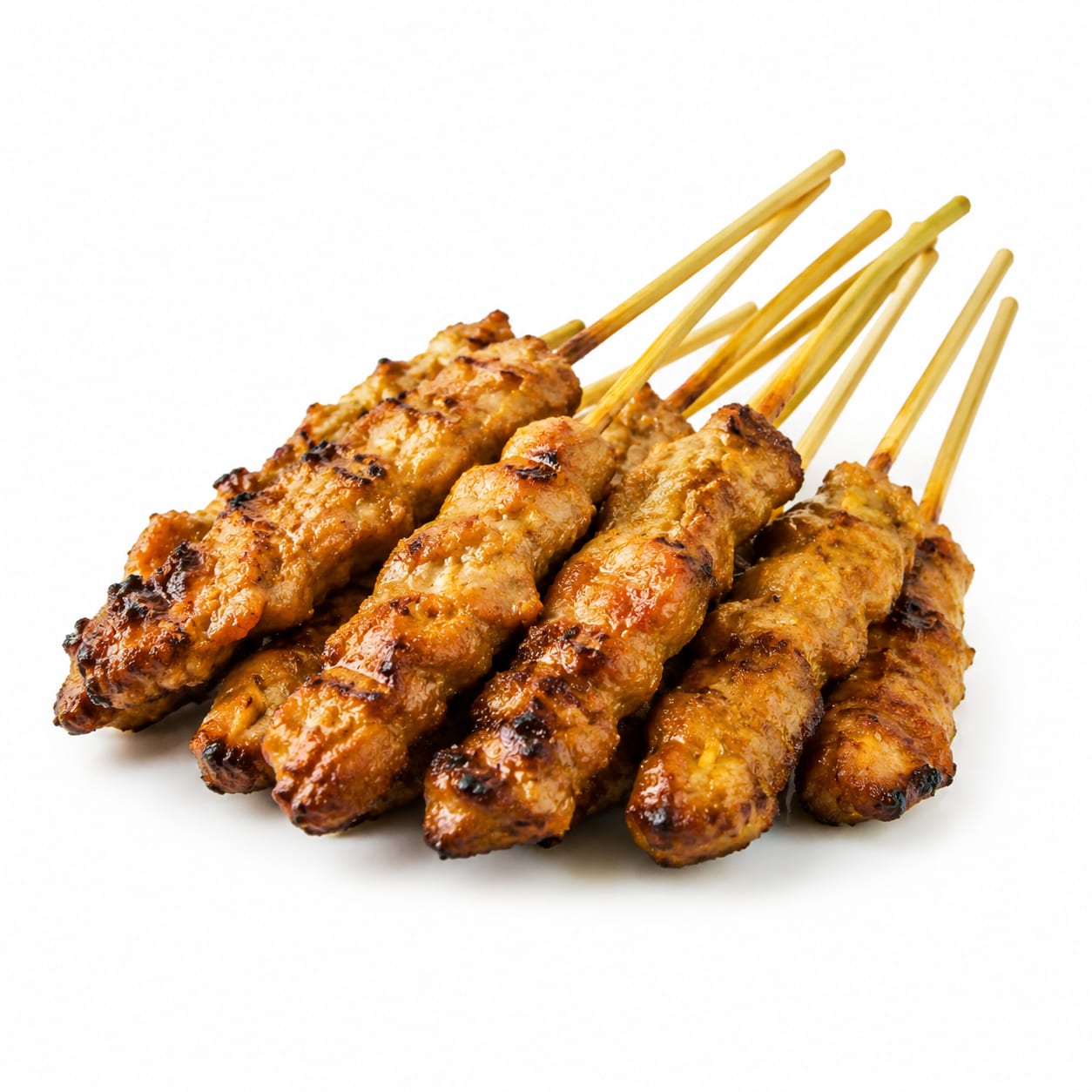
Grilled Meat Skewer
Satay
Satay is a Southeast Asian dish of marinated, grilled meat skewers served with peanut sauce.
A Southeast Asian dish of seasoned, skewered, and grilled meat, typically served with a spicy peanut sauce.
protein-dense grilled meat with high-fat peanut sauce
Typical serving · 150g
Common varieties · chicken satay, beef satay, pork satay, lamb satay, tofu satay
Overall context score across nutrition, safety, and diet fit
At a glance
Quick facts
Simple indicators based on nutrition, processing, and diet fit.
The story
What makes it unique
Satay provides a high-protein, moderate-fat macronutrient profile due to the meat and peanut sauce. Digestion speed is moderate to slow, driven by the fat content of the peanuts and oil, which also promotes high satiety. Processing varies by preparation, but commercial versions often contain added sugars and sodium in the marinade and sauce.
Varieties: chicken satay · beef satay · pork satay · lamb satay · tofu satay
Per 100g
Nutrition breakdown
Macro balance and key metrics at a glance.
Energy
Density 2.30 kcal/g
Protein
Carbs
Fat
Fiber
Sugar
3 g
Sodium
450 mg
Potassium
250 mg
Glycemic index
35
Glycemic load
2
Water content
55%
Standout compounds
Nutrient highlights
Protein
highsupports muscle growth and repair
Monounsaturated Fats
moderatesupports heart health from peanut oil
Niacin
highaids energy metabolism from chicken
Sodium
highelectrolyte balance but risk of excess
Wellness map
Health scores & processing
NOVA processing scale
moderately processed · Whole food
Meat is marinated in spice blends and grilled, while the accompanying peanut sauce often contains added sugar, oil, and salt, placing it in the processed culinary ingredient category.
Diet compatibility
- Weight loss
- Muscle gain
- Diabetes
- Gut health
- Low carb
- High protein
- Heart health
Relative standing
Food rankings
Qualitative ranks compared to similar whole foods.
- Satietyexcellent
- Blood sugargood
- Nutrient densitygood
- Fitness fuelexcellent
- Processing qualitymoderate
Eat with confidence
Food safety profile
Primary risks include undercooked meat from street vendors and aflatoxins in poorly stored peanuts. Peanut cross-contamination is a severe risk for those with allergies.
Evidence confidence 85%
- Pesticideslow
- Antibioticsmoderate
- Heavy metalslow
- Contaminationmoderate
Watch for
- salmonella
- campylobacter
- aflatoxins (in peanuts)
Safer choices
Homemade satay using high-quality meat and fresh peanut butter
Prep tips
Ensure meat is cooked to a safe internal temperature; store peanut sauce properly to prevent rancidity.
Street food preparation standards vary; peanut sourcing quality affects aflatoxin risk.
Deep dive
Health analysis
How this food may fit different goals and preparation choices.
Weight loss
The high fat content from peanut sauce increases energy density, making portion control critical for weight loss.
Blood sugar
Low glycemic load from the meat and peanuts, but added sugars in commercial sauces can cause slight spikes.
Fitness & energy
Excellent post-workout option due to high protein for muscle repair and moderate fats for sustained energy.
Gut health
Provides some fiber from peanuts, but spices and fats may trigger reflux or digestive discomfort in sensitive individuals.
Processing quality
Homemade versions use whole foods, but restaurant or packaged versions often contain excessive sodium, MSG, and sugar.
Food safety
High risk for peanut allergies; street vendor hygiene can vary, increasing risk of foodborne illness.
Common mistakes
Assuming satay is a low-calorie food because it is grilled; underestimating the caloric impact of dipping heavily into peanut sauce.
Best preparation
Grilling lean chicken breast with minimal oil and using a peanut sauce made with natural peanut butter and reduced sugar.
Practical guide
Best use cases
When and how this food fits real eating patterns.
post-workout recovery
High protein content supports muscle repair, while fats provide sustained energy.
low-carb appetizer
Meat and peanut sauce fit well into low-carb and ketogenic diets when sugar is minimized.
high-protein snacking
Skewers offer a convenient, savory way to increase daily protein intake.
Balance sheet
Pros & cons
Upsides
- High bioavailable protein from grilled meat
- Naturally low in carbohydrates
- Peanut sauce provides healthy fats and some fiber
- Highly satiating due to protein and fat combination
Trade-offs
- Peanut sauce is very calorie-dense and easy to overconsume
- Commercial sauces and marinades often contain added sugar
- High sodium content from marinades and soy sauce
- Severe allergen risk due to peanuts
Fit check
Who is it for?
Great match
- low-carb diets
- post-workout nutrition
- high-protein meal prep
Consider alternatives
- low-fat diets
- strict calorie counting without portion control
- peanut allergies
Side by side
How it compares
Open the full head-to-head analysis for nutrition, safety, and practical tradeoffs.
This food
Satay
VS85% alike.jpg)
Compare with
Chicken Skewers (no sauce)
Plain chicken skewers are lower in calories and fat, while satay offers more flavor and healthy fats from peanuts.
Plain chicken skewers are lower in calories for weight loss, while satay provides more satiety from peanut fats.
This food
Satay
VS80% alike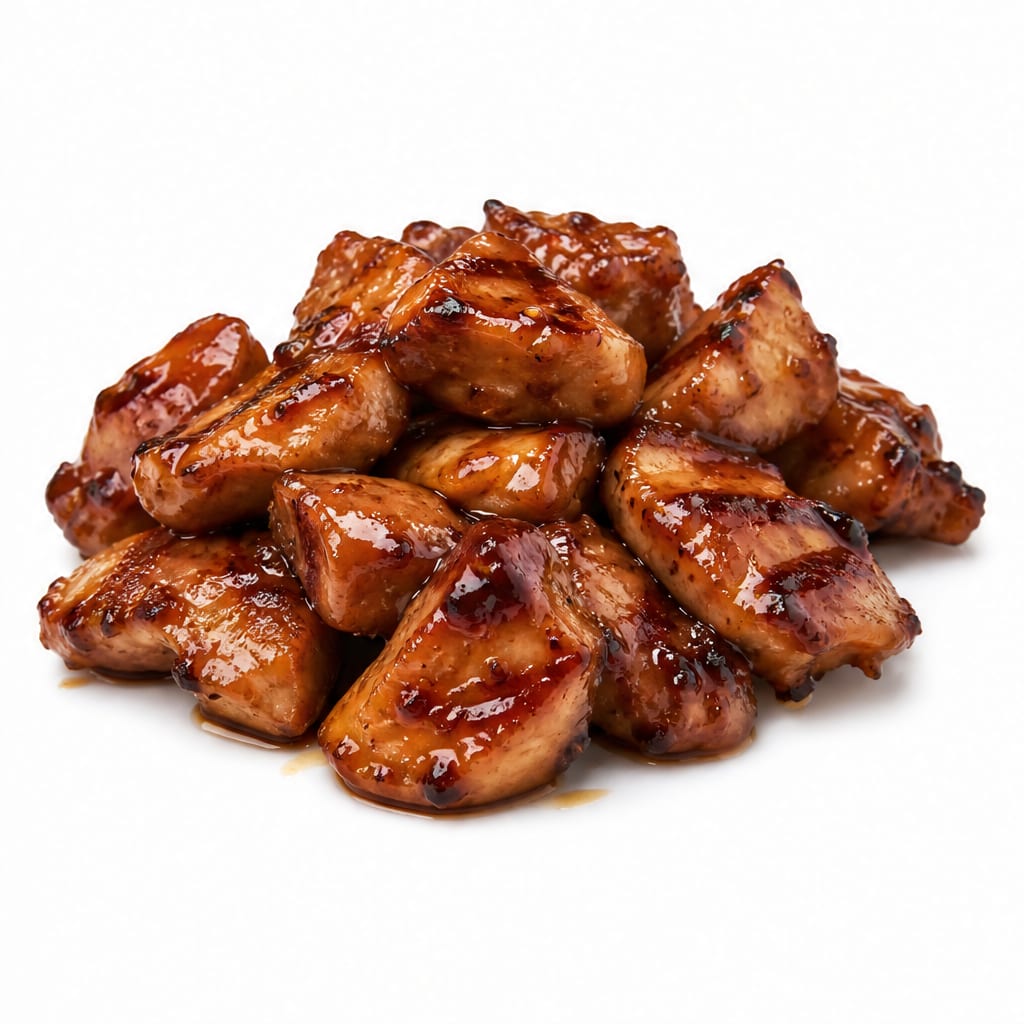
Compare with
Teriyaki Chicken
Teriyaki relies on a sweet soy glaze, making it higher in sugar, while satay uses a savory peanut sauce higher in fat.
Satay is lower in sugar than teriyaki chicken, making it better for blood sugar control, though higher in fat.
This food
Satay
VS75% alike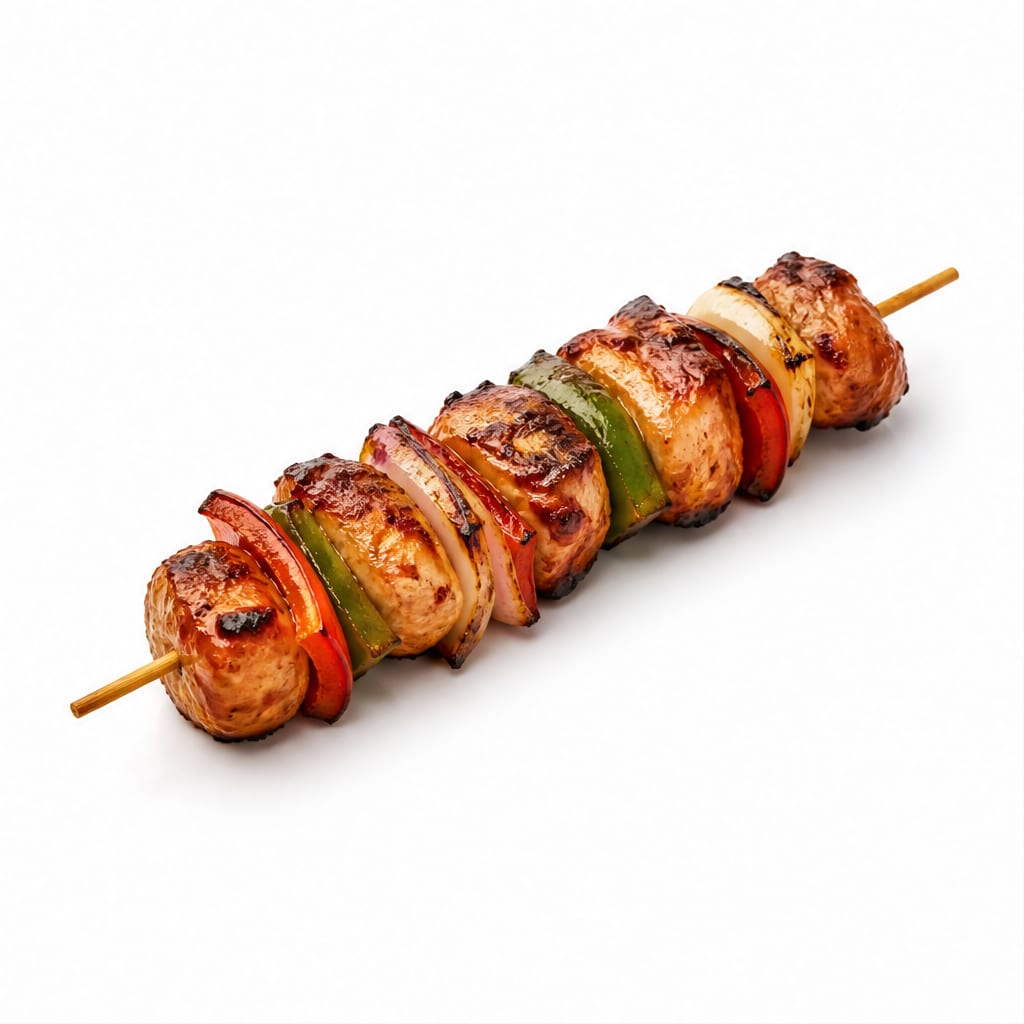
Compare with
Shish Kebab
Shish kebab often includes vegetables and relies on leaner marinades, whereas satay focuses purely on meat with a heavy dipping sauce.
Shish kebabs are lower in calories due to the lack of peanut sauce, while satay offers a richer, higher-fat flavor profile.
This food
Satay
VS90% alike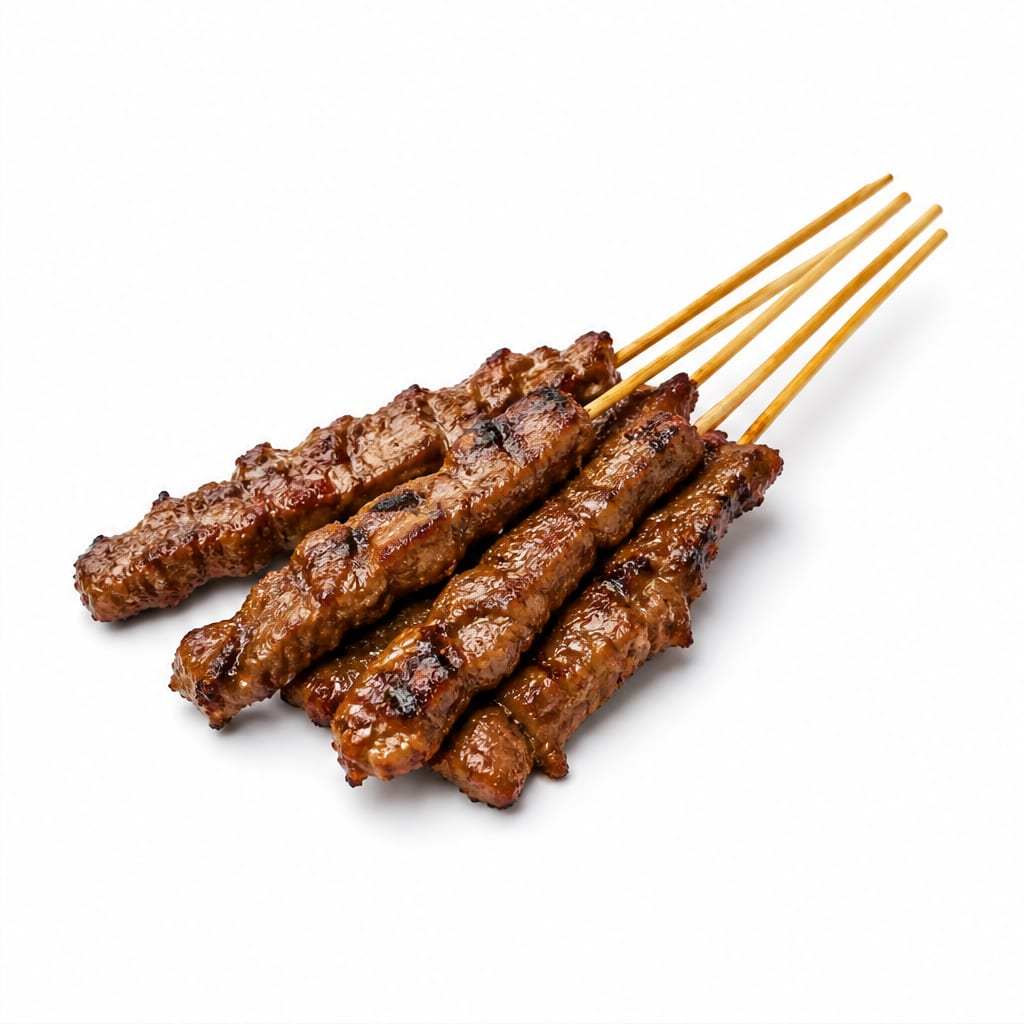
Compare with
Beef Satay
Beef satay is slightly higher in iron and saturated fat, while chicken satay is leaner and lower in calories.
Chicken satay is lower in calories and saturated fat than beef satay, making it a leaner choice for weight loss.
This food
Satay
VS60% alike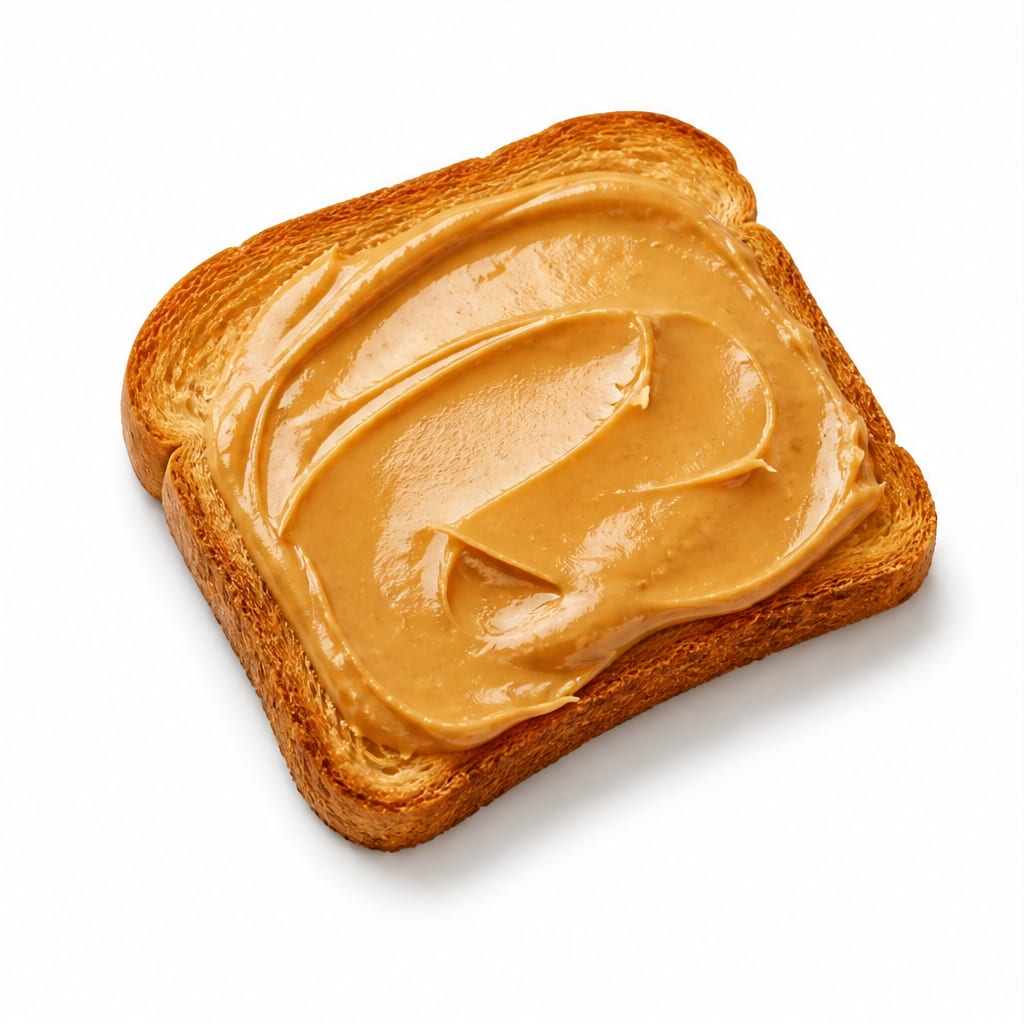
Compare with
Peanut Butter on Toast
Satay provides significantly more protein from the meat and fewer carbohydrates, whereas peanut butter on toast is a vegetarian snack higher in carbs.
Satay offers far more protein and fewer carbs than peanut butter on toast, making it superior for muscle gain and blood sugar control.
This food
Satay
VS70% alike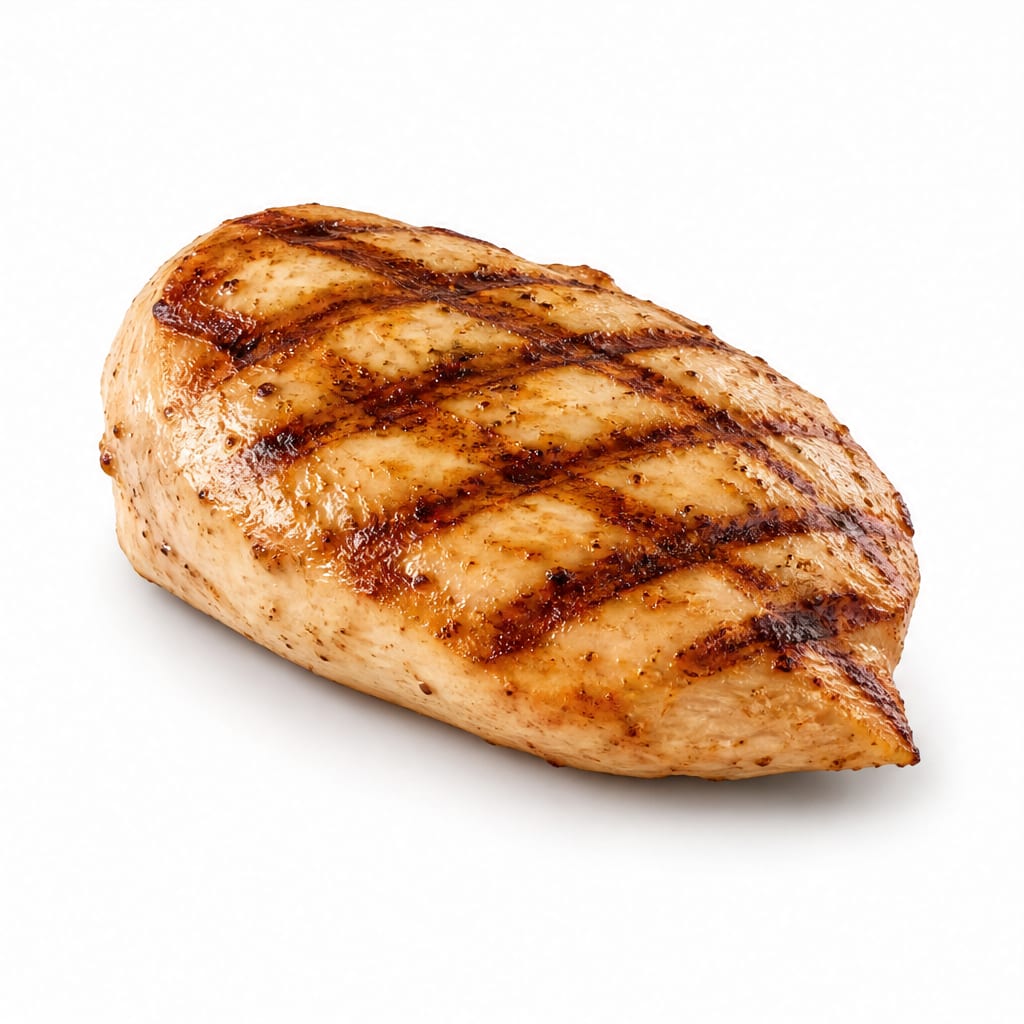
Compare with
Grilled Chicken Breast
Grilled chicken breast is a pure lean protein source, while satay adds significant fat and calories via the peanut sauce.
Grilled chicken breast is much lower in calories and fat than satay, but satay provides more flavor and higher satiety from the peanut sauce.
This food
Satay
VS75% alike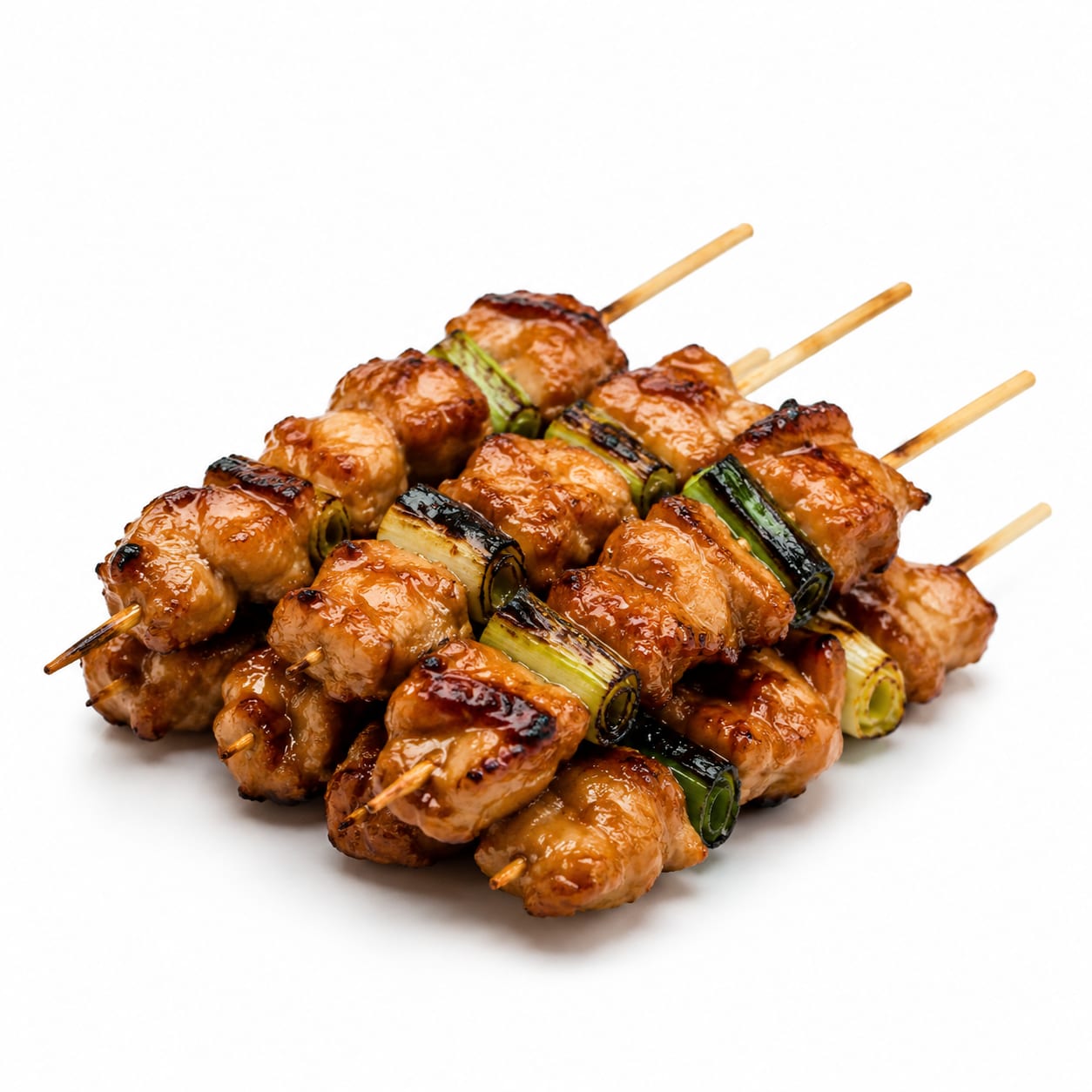
Compare with
Yakitori
Yakitori uses a sweet soy glaze or salt, while satay uses a peanut-based marinade and dipping sauce.
Salt-based yakitori is lower in calories and sugar than satay, but satay provides more healthy fats from peanuts.
This food
Satay
VS85% alike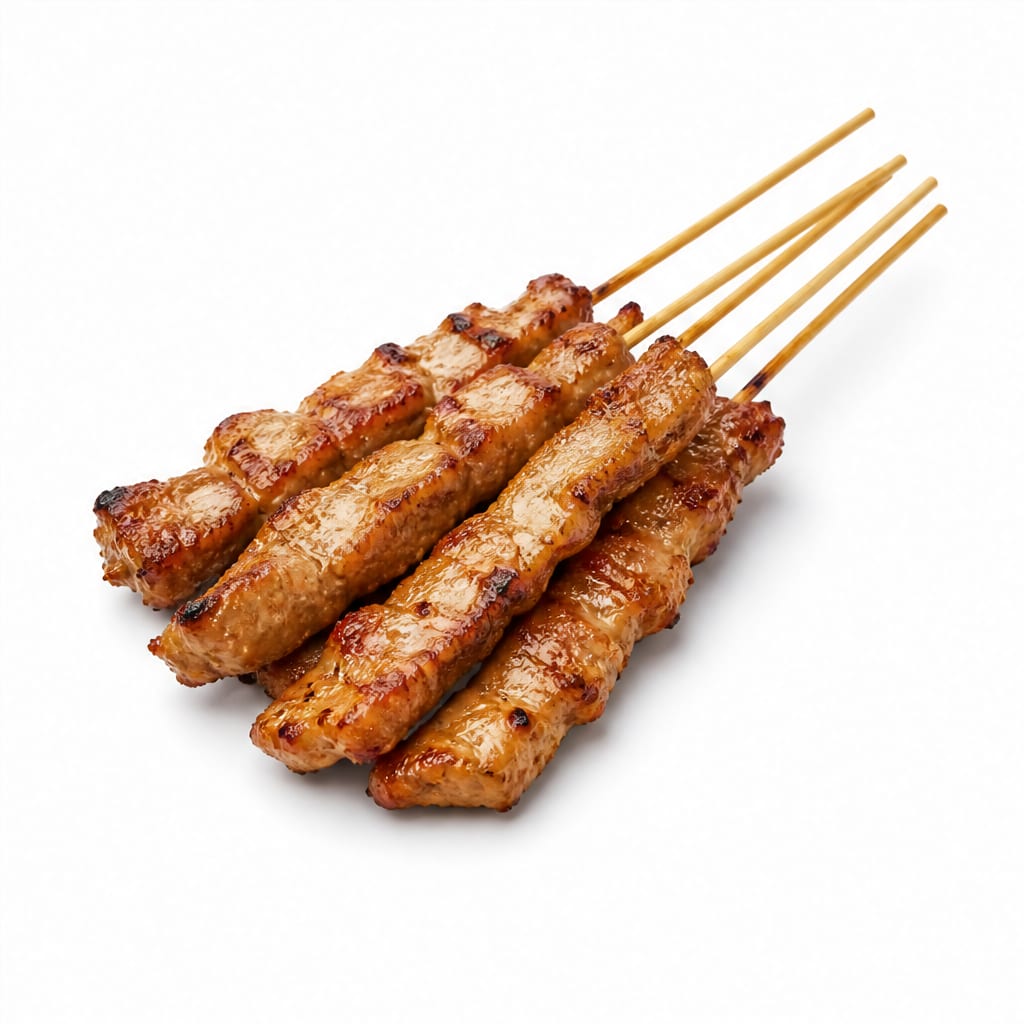
Compare with
Pork Satay
Pork satay can be slightly higher in fat depending on the cut, while chicken satay is generally leaner.
Chicken satay is typically leaner and lower in calories than pork satay, making it a better option for fat loss.
This food
Satay
VS50% alike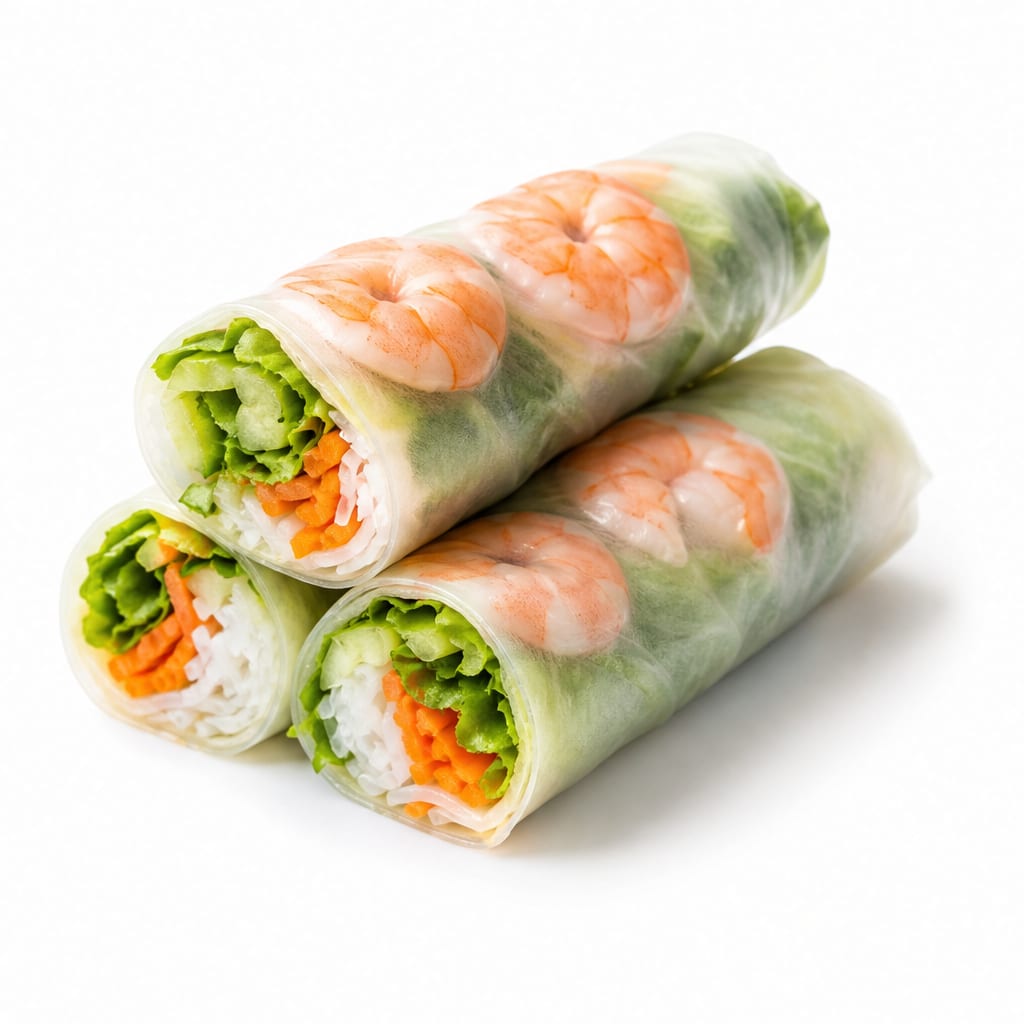
Compare with
Spring Rolls
Fried spring rolls are high in carbs and unhealthy fats, while satay is low-carb and high in protein.
Satay is far superior to fried spring rolls for protein content and blood sugar control, as spring rolls are high in refined carbs.
This food
Satay
VS65% alike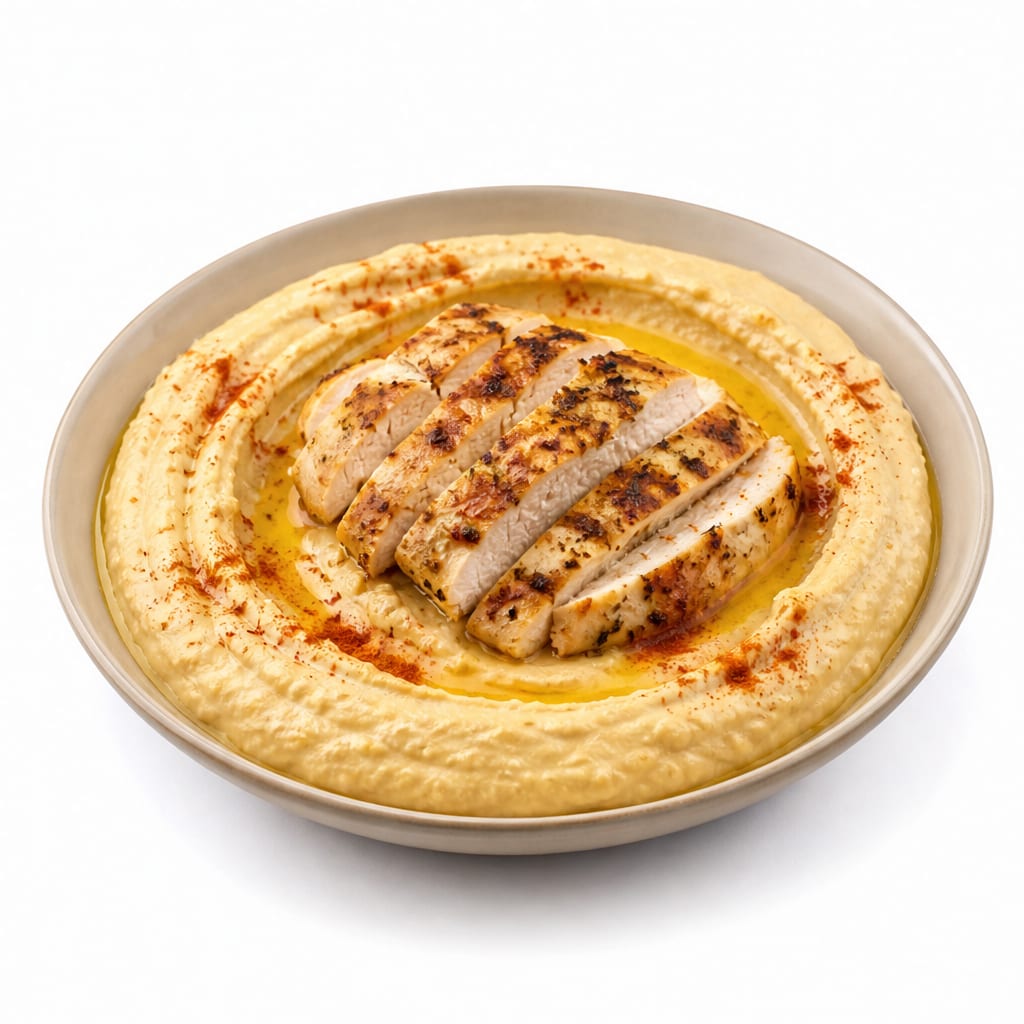
Compare with
Hummus with Chicken
Hummus offers fiber and olive oil, while peanut sauce provides slightly more protein and a different flavor profile.
Hummus with chicken offers more fiber than satay, but satay provides a low-carb, high-protein alternative with a nutty flavor.
Common questions
FAQ
Answers aligned with how people search for this food.
Is satay good for weight loss?
Satay can be challenging for weight loss due to the high calorie density of peanut sauce, but portion control makes it manageable.
How many calories are in chicken satay?
A typical serving of chicken satay with peanut sauce contains about 350-400 calories per 150g, largely depending on the amount of peanut sauce.
Is satay keto-friendly?
Yes, satay is generally keto-friendly due to its high protein and fat content, provided the peanut sauce does not contain excessive added sugar.
Is satay high in protein?
Yes, the grilled meat provides a substantial amount of high-quality complete protein, usually around 20g per 100g.
Can diabetics eat satay?
Diabetics can eat satay in moderation; the meat is low carb, but they should monitor the sugar content in the marinade and peanut sauce.
Is satay peanut sauce healthy?
Peanut sauce provides healthy fats and some protein, but it is calorie-dense and can be high in sugar and sodium in commercial preparations.
What is satay sauce made of?
Satay sauce is typically made from ground roasted peanuts, coconut milk, soy sauce, spices, and sugar.
Is satay gluten-free?
Traditional satay marinades often contain soy sauce which has wheat, so it is not inherently gluten-free unless tamari is used.
Transparency
Data confidence
Estimated confidence for nutrition data, interpretation, safety notes, and comparisons.
Nutrition data
Health analysis
Food safety
Comparisons