
Nutrition comparison
Satay vs Teriyaki Chicken: Which Is Healthier?
Compare satay and teriyaki chicken on calories, sugar, sodium, and satiety. Find out which sauce-heavy chicken dish fits your health goals better.
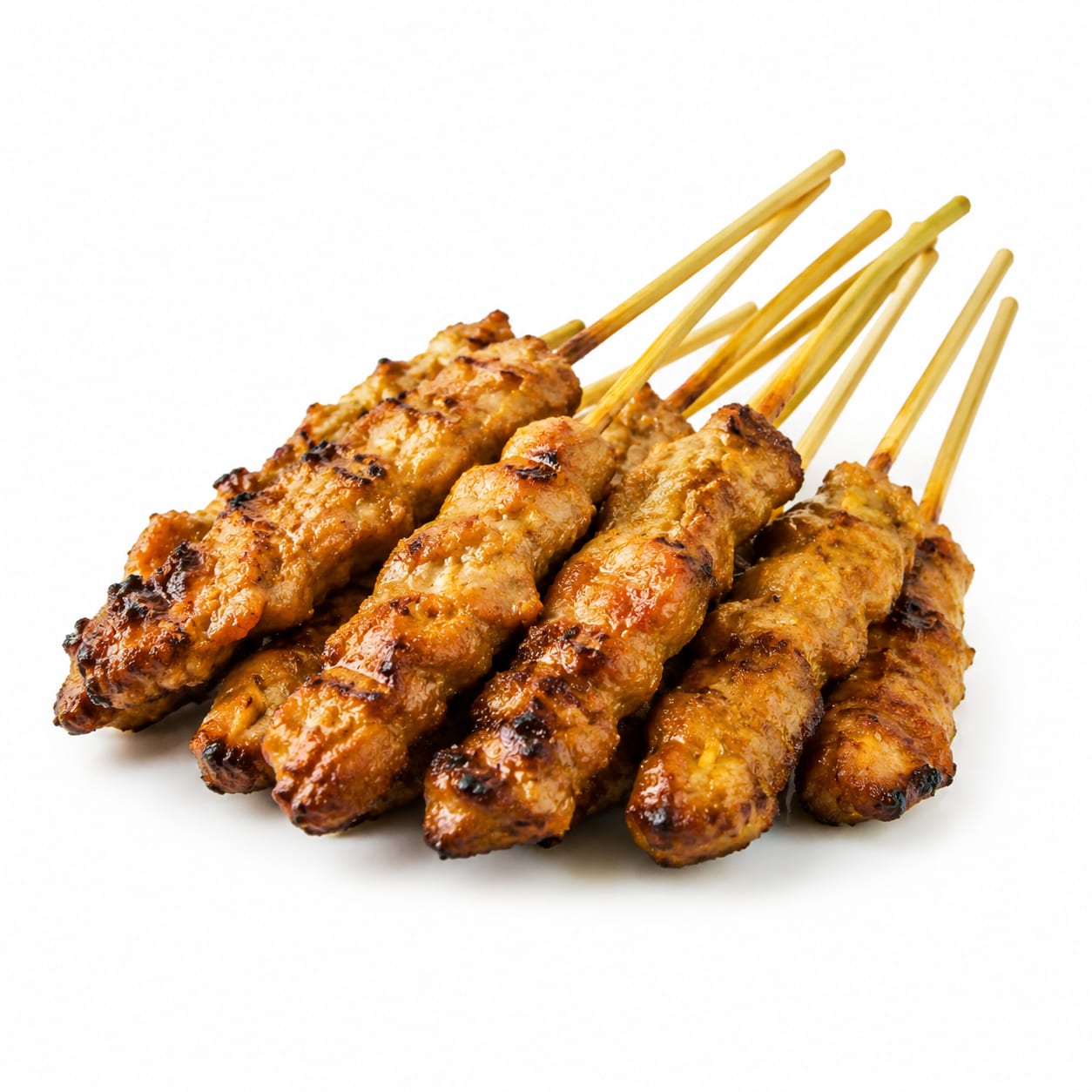
Satay
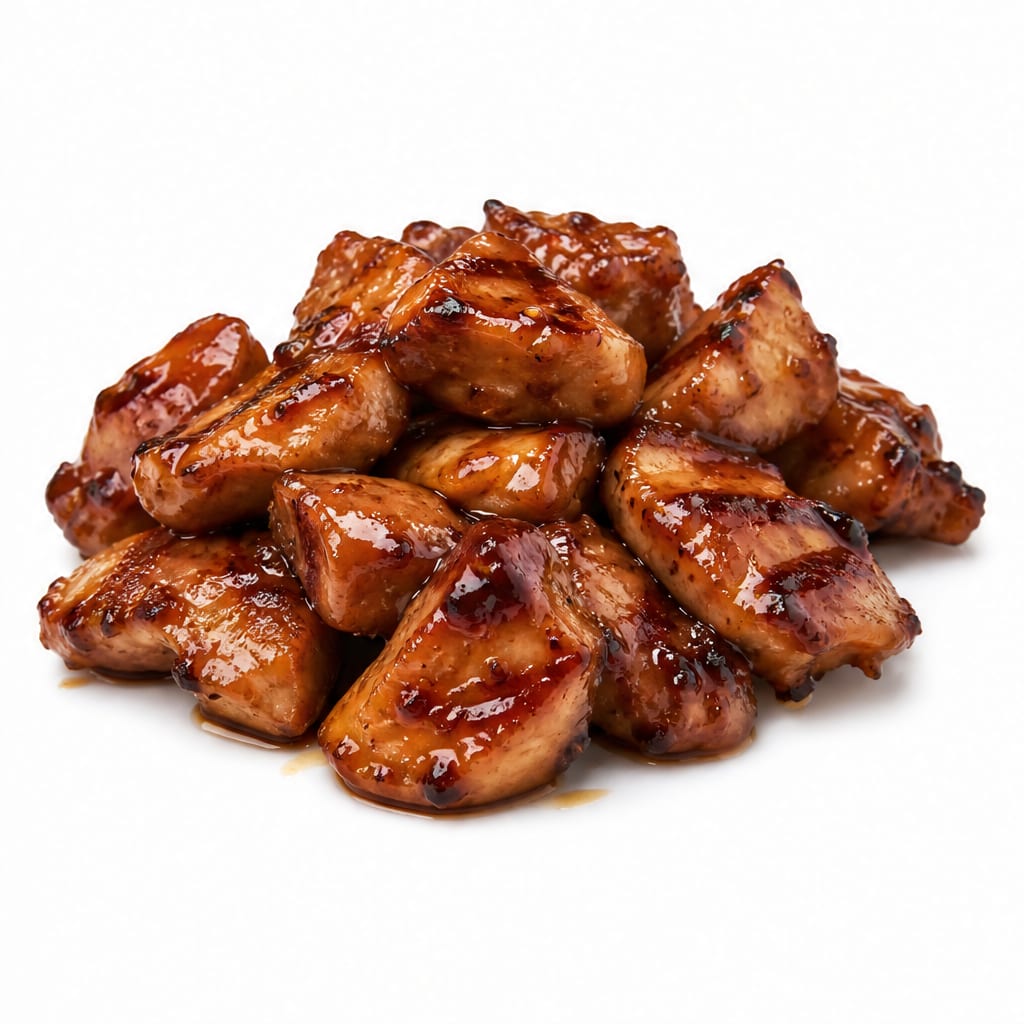
Teriyaki Chicken
Satay wins on satiety and blood sugar stability thanks to its peanut sauce fat content, while teriyaki chicken wins on calorie control and convenience but loses badly on sugar spikes.
Scores are close because both foods have meaningful tradeoffs. Satay edges ahead on satiety and steadier blood sugar, while teriyaki chicken is slightly more practical for regular use. Neither is a clear winner for all situations.
Satay fills you up longer but costs more calories. Teriyaki chicken is lighter but the sweet glaze can trigger cravings and energy crashes.
At a glance
Executive summary
Overall
It depends
Healthier
It depends
More practical
Teriyaki Chicken
Daily use
Teriyaki Chicken
Key comparison lenses
sodium and sugar load
Both foods rely heavily on sauces that drive sodium and sugar content, making this the most consequential health differentiator
calorie density and fat
Satay's peanut sauce adds significant fat and calories compared to teriyaki's thinner glaze
protein quality and satiety
Both are chicken-based but satay's peanut sauce adds protein and staying power
blood sugar impact
Teriyaki's sugar-heavy glaze creates sharper blood sugar spikes than satay's fat-slowed absorption
convenience and accessibility
Teriyaki chicken is more commonly available as a quick meal option, while satay is often an appetizer or street food
Best choice for
Satay
- People who need long-lasting fullness between meals
- Those managing blood sugar who want fat-slowed carbohydrate absorption
- Active individuals needing calorie-dense fuel
- Anyone who finds low-fat meals unsatisfying
Teriyaki Chicken
- People watching total calorie intake
- Those who want a quick, accessible weeknight meal
- Anyone eating lighter portions at dinner
- Meal preppers needing simple recipes
Least suitable for
Satay
- People with peanut allergies
- Those on strict calorie-restricted diets
- Anyone monitoring fat intake closely
- People avoiding high-calorie condiments
Teriyaki Chicken
- People managing diabetes or insulin resistance
- Those sensitive to sugar cravings and energy crashes
- Anyone on a low-sodium diet
- People who find sweet-savory combos trigger overeating
Deep comparison
Dimension by dimension
Each lens scores both foods and breaks down who each option suits.
- Dimension 1 · Priority 92Satay
sodium_load
Satay · 55Teriyaki Chicken · 35Teriyaki chicken typically packs more sodium per serving due to its soy sauce-heavy glaze, while satay's seasoning relies more on spices.
Tradeoff
Satay still has notable sodium from marinades, but teriyaki's soy sauce base pushes it significantly higher.
Why it matters
High sodium meals leave you thirsty, bloated, and can raise blood pressure over time if eaten frequently.
Real-world impact
After teriyaki chicken, you might feel puffy the next morning or crave water all evening. Satay is gentler but still not low-sodium.
Satay
- People with mild hypertension
- Those trying to reduce water retention
Better for
Teriyaki Chicken
- Anyone on a sodium-restricted diet
- People prone to bloating after salty meals
Worse for
- Dimension 2 · Priority 88Satay
sugar_content_and_blood_sugar
Satay · 60Teriyaki Chicken · 30Teriyaki glaze is essentially sugar and soy sauce, creating a rapid blood sugar spike. Satay's peanut sauce contains sugar but the fat slows absorption significantly.
Tradeoff
Satay's fat content is a double-edged sword: more calories but much steadier energy after eating.
Why it matters
Sugar spikes followed by crashes drive cravings, fatigue, and overeating later in the day.
Real-world impact
Teriyaki chicken at lunch can leave you hungry again by 3pm. Satay keeps you fuller for hours but at a higher calorie cost.
Satay
- People with insulin resistance
- Anyone prone to afternoon energy crashes
- Those who hate feeling hungry an hour after eating
Better for
Teriyaki Chicken
- People managing diabetes
- Those trying to break sugar craving cycles
Worse for
- Dimension 3 · Priority 85Teriyaki Chicken
calorie_density
Satay · 40Teriyaki Chicken · 65Satay's peanut sauce makes it significantly more calorie-dense per serving than teriyaki chicken's thin glaze.
Tradeoff
Fewer calories with teriyaki means less satiety. You may eat more later to compensate.
Why it matters
Calorie density determines how much food you can eat before feeling full, which directly affects portion control.
Real-world impact
You can eat a larger portion of teriyaki chicken for the same calories as a small satay serving, but you might feel less satisfied.
Satay
- Athletes needing calorie-dense fuel
- People struggling to eat enough
Better for
- People on strict calorie budgets
- Anyone who tends to overeat calorie-dense foods
Worse for
Teriyaki Chicken
- Anyone tracking calories
- Those who prefer larger portion sizes
Better for
- Dimension 4 · Priority 82Satay
satiety_and_fullness
Satay · 80Teriyaki Chicken · 50Satay's combination of protein from chicken plus fat and protein from peanut sauce creates excellent staying power. Teriyaki chicken digests faster.
Tradeoff
Feeling full longer comes at the cost of consuming more calories upfront.
Why it matters
Meals that keep you full reduce snacking and make it easier to stick to your eating plan.
Real-world impact
Satay at dinner often means no late-night snacking. Teriyaki chicken might have you reaching for something before bed.
Satay
- People who skip meals and need long-lasting fuel
- Anyone trying to reduce between-meal snacking
Better for
- Anyone who feels uncomfortably full from rich foods
Worse for
Teriyaki Chicken
- Those who prefer lighter meals
- People eating multiple small meals per day
Better for
- People prone to late-night snacking
Worse for
- Dimension 5 · Priority 75Satay
protein_quality
Satay · 78Teriyaki Chicken · 70Both provide solid chicken protein, but satay adds plant protein from peanuts, creating a more diverse amino acid profile per serving.
Tradeoff
The protein advantage is modest and comes packaged with significantly more fat.
Why it matters
Diverse protein sources support muscle maintenance and recovery better than single-source protein.
Real-world impact
After a workout, satay provides a more rounded recovery meal, but the extra fat may feel heavy if you're eating soon after exercise.
Satay
- Post-workout recovery when you have time to digest
- Anyone wanting broader amino acid coverage
Better for
Teriyaki Chicken
- Post-workout meals when you want something lighter
- Those who prefer lean protein sources
Better for
- Dimension 6 · Priority 60Teriyaki Chicken
convenience_and_accessibility
Satay · 45Teriyaki Chicken · 80Teriyaki chicken is easy to make at home with common ingredients and widely available at restaurants. Satay requires more preparation and is less commonly offered.
Tradeoff
Convenience often determines what you actually eat on busy days, not what's theoretically optimal.
Why it matters
The healthiest meal is the one you can consistently prepare and enjoy.
Real-world impact
Teriyaki chicken is a realistic Tuesday night dinner. Satay is more of a weekend project or restaurant treat.
Satay
- People short on cooking time
- Those without access to Southeast Asian ingredients
Worse for
Teriyaki Chicken
- Busy weeknight cooks
- Meal preppers
- Anyone who needs quick protein after work
Better for
Timeline
Health impact over time
Short-term
Hours to days
Satay
- High satiety reduces snacking for 3-4 hours after eating
- Fat content may cause mild sluggishness if eaten in large portions
- Peanut sauce can trigger reactions in allergic individuals
- Sodium may cause mild water retention
Teriyaki Chicken
- Sugar spike from glaze can cause energy crash within 1-2 hours
- High sodium leads to thirst and possible bloating
- Lighter feeling immediately after eating compared to satay
- Sweet taste may trigger cravings for more sugary foods
Long-term
Months to years
Satay
- Higher calorie intake if eaten frequently without portion awareness
- Peanut fat is mostly unsaturated, which supports heart health when portions are reasonable
- Consistent satiety may help maintain healthier eating patterns overall
- Grilled meat exposure to HCAs is a moderate cancer risk with frequent consumption
Teriyaki Chicken
- Frequent high-sugar meals may worsen insulin sensitivity over time
- Sodium load contributes to elevated blood pressure with regular consumption
- Easier calorie control supports weight maintenance
- Sugar-driven craving cycles can make portion control harder long-term
Risk profile
Safety & processing
Both are processed through marination and cooking, but satay typically uses whole-food ingredients like ground peanuts and spices. Teriyaki sauce often contains added preservatives, thickeners, and refined sugars, especially in bottled versions.
Satay
Peanut allergen cross-contamination
highSatay is inherently peanut-based, making it completely unsafe for anyone with peanut allergies. Cross-contamination risk is high in restaurants serving both peanut and non-peanut dishes.
Heterocyclic amines from grilling
mediumCharred edges on grilled satay skewers contain HCAs, which are potentially carcinogenic with frequent consumption over years.
Foodborne illness from undercooked chicken
mediumSkewer cooking can result in uneven doneness, especially with thicker pieces. Street vendor hygiene varies widely.
Teriyaki Chicken
High sodium from soy sauce
mediumA single serving can contain 800-1200mg of sodium, which is a significant portion of the daily recommended limit. Regular consumption strains cardiovascular health.
Added sugars in commercial teriyaki sauce
mediumBottled teriyaki sauces often contain high-fructose corn syrup or refined sugars, contributing to metabolic strain with frequent use.
Preservatives in packaged sauces
lowCommercial teriyaki sauces may contain sodium benzoate or other preservatives that are generally recognized as safe but add to cumulative processed food exposure.
Who wins for whom
Audience fit
Same foods, different winners depending on your goal.
children
Teriyaki ChickenKids generally prefer the sweet flavor of teriyaki, and the softer texture is easier for younger eaters. Just watch the sodium content.
daily consumption
Teriyaki ChickenTeriyaki chicken is easier to prepare regularly and fits into lighter meal routines, though both should be rotated with other protein sources for variety.
diabetes
SataySatay's fat content slows sugar absorption from the peanut sauce, creating a gentler blood sugar curve than teriyaki's sugar-heavy glaze.
elderly
Teriyaki ChickenTeriyaki chicken is easier to chew and digest, with softer texture. However, the sodium should be monitored for those with blood pressure concerns.
muscle gain
SataySatay provides more total protein per serving from both chicken and peanuts, plus the extra calories support a muscle-building surplus.
weight loss
Teriyaki ChickenTeriyaki chicken's lower calorie density allows for larger portions within a calorie budget, though the sugar content means you need to watch cravings carefully.
Your move
Decision guide
Choose Satay
- You want a meal that keeps you full for hours without snacking
- You are managing blood sugar and want steadier energy
- You need calorie-dense fuel for an active day
- You have no peanut allergies and enjoy richer, more complex flavors
Choose Teriyaki Chicken
- You are counting calories and want a lighter meal
- You need something quick and easy to cook on a weeknight
- You prefer sweeter flavors and find savory-rich foods heavy
- You are meal prepping for the week ahead
Either works if
- You just want a tasty chicken meal and neither health concern applies strongly
- You are eating out and both options are available
- You plan to balance the meal with vegetables and a lighter side
Avoid both if
- You are on a strict low-sodium diet, as both are salt-heavy
- You have severe poultry allergies
- You are trying to eliminate all added sugars and processed sauces from your diet
Final recommendation
Choose satay when you need lasting fullness and steadier energy, especially for late meals where you want to avoid snacking afterward. Choose teriyaki chicken when you want something lighter, quicker, and more convenient for everyday meals. For the healthiest version of either, make the sauce at home so you control the sugar and sodium, and always pair with vegetables to round out the meal.
Practical
Consumer tips
- 1
Make teriyaki sauce at home with reduced-sodium soy sauce and a natural sweetener like honey to cut sugar and sodium significantly
- 2
Ask for satay sauce on the side so you can control how much peanut sauce you consume per bite
- 3
Pair either dish with a large portion of steamed or stir-fried vegetables to add fiber and reduce the glycemic impact
- 4
If buying bottled teriyaki sauce, check labels for added sugars and sodium content, as they vary wildly between brands
- 5
For satay, choose chicken over beef versions to reduce saturated fat and grilling-related HCAs
- 6
Marinate chicken in satay spices without the peanut sauce, then serve sauce as a dip to easily manage calorie intake