
Nutrition comparison
Satay vs Shish Kebab: Which Grilled Skewer Is Healthier?
Compare Satay and Shish Kebab nutrition including calories, sugar, protein, and allergens. Find out which skewer is better for weight loss, muscle gain, and everyday eating.
Overall winner · Shish Kebab
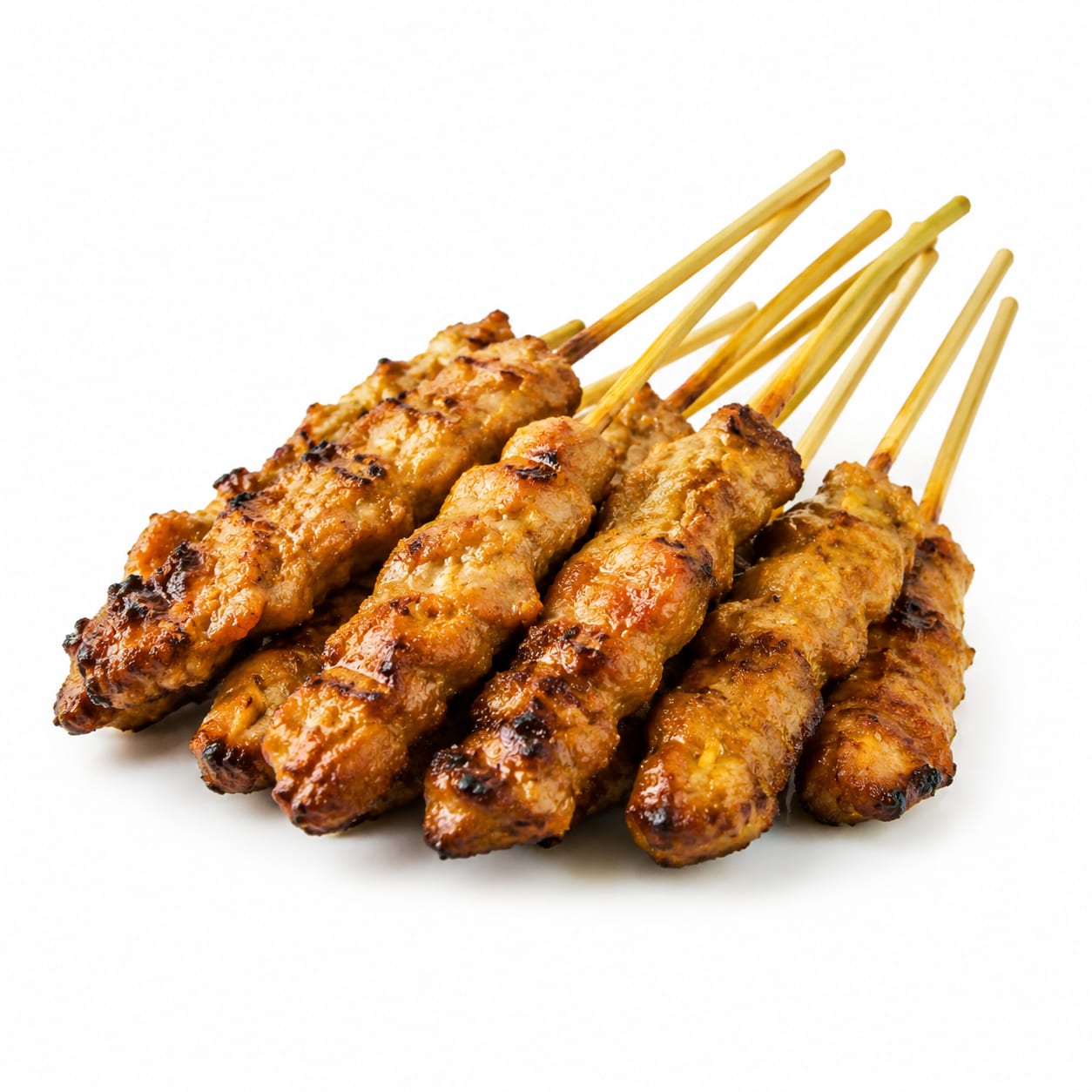
Satay
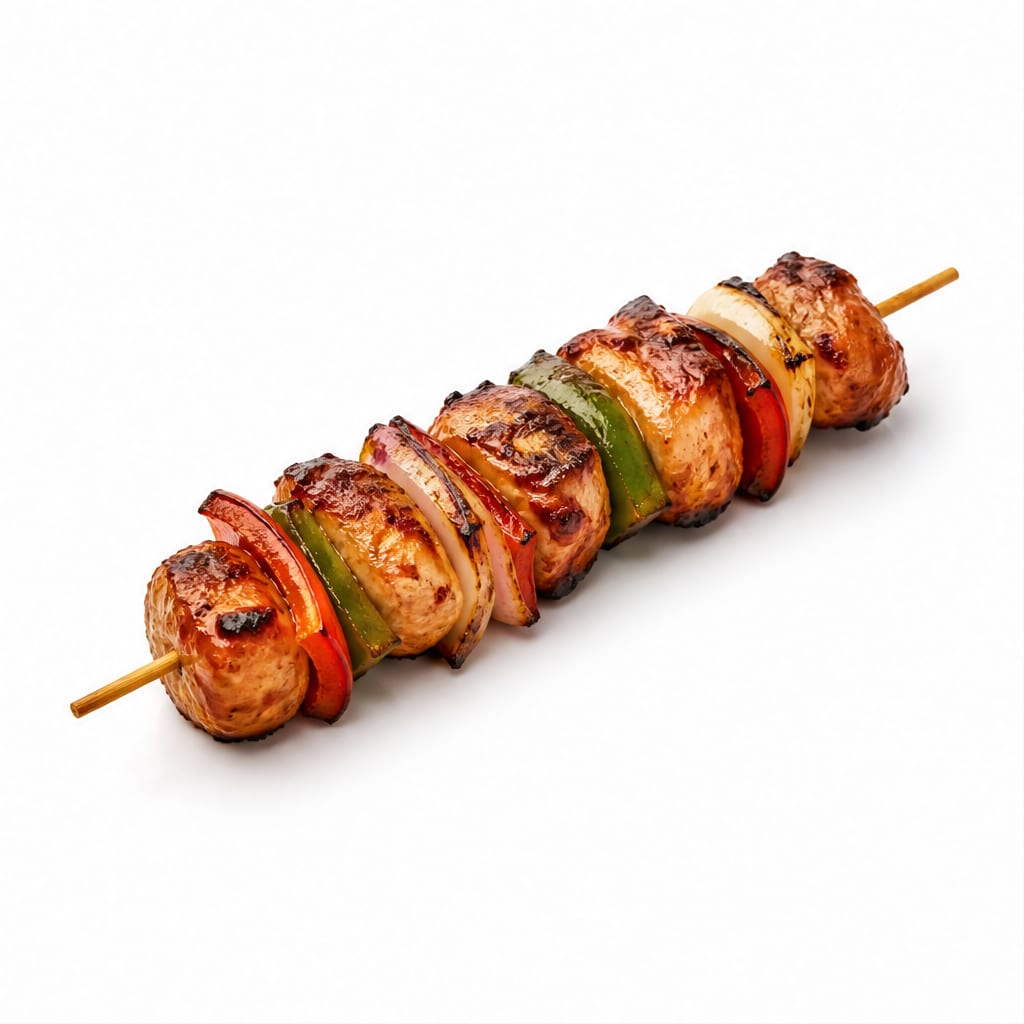
Shish Kebab
Shish Kebab wins for leaner everyday eating, but Satay delivers richer flavor and more satisfying fat when you want a treat.
Shish Kebab scores notably higher due to its leaner profile, lower sugar, vegetable inclusion, and broader allergen safety. Satay loses ground on calorie density, sugar content, and peanut allergy risk, though it remains a flavorful and satisfying option in moderation.
Satay trades higher calories and sugar for its irresistible peanut sauce, while Shish Kebab keeps things lean and clean with simpler seasonings.
At a glance
Executive summary
Overall
Shish Kebab
Healthier
Shish Kebab
More practical
It depends
Daily use
Shish Kebab
Key comparison lenses
Calorie and fat comparison between sauced skewers vs dry-grilled skewers
Satay's peanut sauce dramatically increases calorie density compared to Shish Kebab's leaner preparation
Allergen safety especially peanut exposure
Satay's peanut sauce is a top-8 allergen concern that limits who can safely eat it
Sugar and carbohydrate load from marinades and sauces
Satay marinade and peanut sauce contain significant sugar, while Shish Kebab relies on lemon and herbs
Protein quality and leanness for fitness goals
Both deliver solid protein but Shish Kebab offers leaner protein without added fat from sauce
Inflammatory profile of cooking fats and ingredients
Satay uses peanut oil and coconut milk which are higher in omega-6, while Shish Kebab typically uses olive oil
Best choice for
Satay
- People wanting calorie-dense fuel after intense training
- Anyone seeking bold Southeast Asian flavor experiences
- Those who struggle to eat enough and need energy-dense meals
Shish Kebab
- People tracking calories or macros carefully
- Anyone prioritizing heart-healthy lean protein
- Those with peanut allergies or serving mixed groups with unknown allergies
Least suitable for
Satay
- People with peanut or tree nut allergies
- Anyone on a low-calorie or low-sugar eating plan
- Those watching sodium intake closely
Shish Kebab
- People who find lean meat too dry without sauce
- Anyone needing high-calorie meals to maintain weight
- Those wanting the comfort of rich, saucy flavors
Deep comparison
Dimension by dimension
Each lens scores both foods and breaks down who each option suits.
- Dimension 1 · Priority 93Shish Kebab
Calorie Density and Leanness
Satay · 45Shish Kebab · 82Satay's peanut sauce and coconut milk can double the calories per skewer compared to Shish Kebab's lean grilled approach.
Tradeoff
You get richer, more satisfying mouthfeel with Satay but at a significant calorie premium that adds up fast across multiple skewers.
Why it matters
A typical Satay serving with sauce runs 350-500 calories, while a comparable Shish Kebab sits around 200-300 calories with more food volume from vegetables.
Real-world impact
Eating Satay as a snack can quietly deliver a full meal's worth of calories before you feel full, especially if you keep dipping into the peanut sauce.
Satay
- Post-workout recovery when you need concentrated calories
- Bulking phases where calorie density is an advantage
Better for
- Mindless snacking scenarios where calories accumulate fast
- Late-night eating when calorie surplus matters
Worse for
Shish Kebab
- Weight loss or maintenance without feeling restricted
- Lean protein meals that leave room for sides
Better for
- Situations where you genuinely need more energy intake
- Endurance athletes needing calorie-dense fuel
Worse for
- Dimension 2 · Priority 84Shish Kebab
Sugar and Glycemic Impact
Satay · 40Shish Kebab · 78Satay marinades and peanut sauce contain palm sugar or cane sugar, while Shish Kebab relies on lemon juice and herbs for flavor.
Tradeoff
Satay's sweetness makes it more craveable but introduces sugar spikes that Shish Kebab completely avoids.
Why it matters
The sugar in Satay sauce can reach 8-12g per serving, which matters for blood sugar management and sustained energy.
Real-world impact
A Satay snack may give you a brief energy lift followed by a dip, while Shish Kebab provides steadier, longer-lasting energy.
Satay
- Quick pre-activity energy when you need fast fuel
- Palatability for people who dislike savory-only meat
Better for
- Anyone monitoring sugar intake for metabolic health
- Mid-afternoon energy crash avoidance
Worse for
Shish Kebab
- Stable blood sugar throughout the afternoon
- Diabetes-friendly meal choices
Better for
- Situations where a touch of sweetness improves enjoyment enough to stick with healthier choices overall
Worse for
- Dimension 3 · Priority 88Shish Kebab
Allergen Safety and Inclusivity
Satay · 25Shish Kebab · 90Satay contains peanuts, one of the most common and severe food allergens, while Shish Kebab is typically allergen-free.
Tradeoff
Satay's peanut sauce is central to its identity and cannot be easily substituted, making it a non-starter for anyone with peanut allergies.
Why it matters
Peanut allergies affect roughly 2% of adults and can cause life-threatening reactions, limiting who can safely share a Satay platter.
Real-world impact
Serving Satay at a gathering means checking with every guest about allergies, while Shish Kebab is safe for nearly everyone at the table.
Satay
- Households with no peanut allergy concerns
Better for
- Any shared eating situation with unknown allergy status
- Restaurants with cross-contamination risk
Worse for
Shish Kebab
- Potlucks, parties, and mixed-group dining
- School lunches and children's events
- Catering where guest allergies are unknown
Better for
- Dimension 4 · Priority 75Shish Kebab
Vegetable Content and Micronutrients
Satay · 35Shish Kebab · 80Shish Kebab typically includes grilled peppers, onions, tomatoes, and zucchini, while Satay is usually meat-only with a cucumber relish on the side.
Tradeoff
Shish Kebab delivers more fiber, vitamins, and meal volume through vegetables, while Satay focuses entirely on protein and sauce.
Why it matters
The vegetables on a Shish Kebab add vitamin C, potassium, and fiber that make it a more complete meal in one skewer.
Real-world impact
Two Shish Kebab skewers can feel like a balanced meal, while the same number of Satay skewers feel more like an appetizer that needs sides.
Satay
- When you want a protein-focused appetizer before a vegetable-rich main
Better for
- Meals where you want everything on one plate
- Getting enough fiber without thinking about it
Worse for
Shish Kebab
- One-skewer meals that feel nutritionally complete
- Getting vegetable servings without preparing separate sides
Better for
- Dimension 5 · Priority 70Shish Kebab
Inflammatory Profile
Satay · 48Shish Kebab · 75Shish Kebab's olive oil and herb marinade is more anti-inflammatory than Satay's peanut oil and sugar-heavy sauce.
Tradeoff
Satay's turmeric and lemongrass offer anti-inflammatory benefits, but the sugar and omega-6 fats from peanuts partially offset them.
Why it matters
Chronic inflammation drives many long-term health issues, and the fats and sugars you cook with matter more than most people realize.
Real-world impact
Regular Shish Kebab consumption aligns better with Mediterranean-style anti-inflammatory eating patterns that have strong health evidence behind them.
Satay
- Enjoying turmeric's curcumin benefits alongside the fat that helps absorption
Better for
- Regular consumption patterns where omega-6 excess accumulates
- People managing inflammatory conditions
Worse for
Shish Kebab
- Long-term heart health and joint comfort
- Mediterranean diet followers seeking grilled options
Better for
- Dimension 6 · Priority 78Satay
Flavor Satisfaction and Craveability
Satay · 88Shish Kebab · 68Satay's rich peanut sauce delivers a sweet-savory-umami punch that most people find harder to resist than Shish Kebab's simpler herb-and-lemon profile.
Tradeoff
Satay is more immediately rewarding and craveable, which makes portion control harder but eating more enjoyable.
Why it matters
Food satisfaction matters for long-term dietary adherence, and sometimes the more enjoyable option is worth the nutritional tradeoff.
Real-world impact
You are more likely to overeat Satay because the sauce triggers reward pathways, while Shish Kebab's simpler flavor naturally limits itself.
Satay
- Special occasions where enjoyment is the priority
- Picky eaters who need bold flavors to enjoy protein
Better for
- Emotional eating situations where you need to stop at a reasonable portion
Worse for
Shish Kebab
- Everyday meals where you want satisfaction without triggering overeating
- Mindful eating practices
Better for
- Meals that feel too austere and lead to snacking later
Worse for
Timeline
Health impact over time
Short-term
Hours to days
Satay
- Quick energy from sugar in the peanut sauce, but possible crash within an hour
- Higher satiety from fat content, keeping you fuller longer per skewer
- Potential digestive heaviness from the rich sauce, especially on an empty stomach
Shish Kebab
- Steady energy without sugar spikes, making it better for afternoon focus
- Lighter feeling after eating, less likely to cause food coma
- Good post-workout option due to lean protein and moderate fat
Long-term
Months to years
Satay
- Regular consumption may contribute to higher calorie intake if portions are not managed
- Turmeric in the marinade offers anti-inflammatory and antioxidant benefits
- Excessive omega-6 intake from peanut oil could tip the inflammatory balance if not offset by omega-3 sources
Shish Kebab
- Consistent lean protein intake supports muscle maintenance and metabolic health
- Olive oil and herb marinade aligns with heart-healthy Mediterranean eating patterns
- Vegetable content contributes to long-term fiber intake and gut health
Risk profile
Safety & processing
Both start with whole meat, but Satay's peanut sauce often contains added sugar, stabilizers, and sometimes preservatives in commercial preparations. Shish Kebab's marinade of olive oil, lemon, and herbs keeps it closer to whole food. Homemade versions of both can be quite clean, but restaurant Satay sauce is typically the more processed component.
Satay
Peanut allergen cross-contamination
highPeanut allergy reactions can be severe and life-threatening. Even trace amounts from shared grilling surfaces can trigger responses in sensitive individuals.
Sugar burning and advanced glycation end-products
mediumThe sugar in Satay marinade can char and form harmful compounds when grilled at high heat, especially if the cook applies sauce during grilling rather than after.
Sodium from soy sauce and fish sauce in marinade
mediumA single serving can deliver 600-1000mg of sodium, which is significant for anyone watching blood pressure.
Shish Kebab
Heterocyclic amines from high-heat grilling
lowAll grilled meats form some HCAs, but Shish Kebab's shorter cook time and herb marinade help reduce formation compared to well-done meats.
Undercooked meat on skewers
mediumThick meat chunks can brown on the outside while remaining undercooked inside, so proper cooking to safe internal temperature matters.
Who wins for whom
Audience fit
Same foods, different winners depending on your goal.
children
Shish KebabNo peanut allergy risk, milder flavor that kids often accept better, and vegetable pieces that contribute to daily nutrient needs.
daily consumption
Shish KebabLower calorie density, no sugar, fewer allergens, and better nutrient balance make Shish Kebab a sustainable daily choice without accumulating dietary downsides.
diabetes
Shish KebabNo added sugar in the marinade and lower carbohydrate content make Shish Kebab significantly easier on blood sugar control.
elderly
Shish KebabLeaner protein is easier to digest, vegetables provide fiber for regularity, and lower sodium supports blood pressure management.
muscle gain
Shish KebabLeaner protein with less fat means more protein per calorie, which is what muscle building demands when total intake matters.
weight loss
Shish KebabShish Kebab delivers more food volume and vegetables for fewer calories, making it easier to stay in a deficit without feeling deprived.
Your move
Decision guide
Choose Satay
- You have no peanut allergies and want a richly satisfying treat meal
- You are intentionally eating calorie-dense food after intense physical activity
- You are sharing with people you know well and can confirm allergy safety
- You crave bold Southeast Asian flavors and will feel satisfied with fewer skewers
Choose Shish Kebab
- You are tracking calories, macros, or sugar intake for any health goal
- You are serving food to a group where peanut allergies are unknown
- You want a balanced meal on a skewer without needing side dishes
- You eat grilled skewers regularly and need a sustainable everyday option
Either works if
- You just want delicious grilled protein and neither specific health concern applies
- You are eating out and both options are made fresh with quality ingredients
Avoid both if
- You have severe meat protein allergies or dietary restrictions against meat
- You are following a low-sodium diet and both preparations are restaurant-made with heavy seasoning
- You have gout and need to limit purine-rich meats, especially if both are made with red meat
Final recommendation
Make Shish Kebab your default grilled skewer for everyday meals and save Satay for when you specifically want its incredible flavor experience. This way you get the health benefits of lean, vegetable-rich grilling most of the time without giving up the joy of Satay when it truly matters. If you love Satay, try making it at home where you can control the sugar in the sauce and skip the peanut sauce for a lighter version.
Practical
Consumer tips
- 1
Ask for Satay sauce on the side so you can control how much you consume rather than having it poured over everything
- 2
Make Shish Kebab at home with extra vegetables to maximize the nutritional advantage even further
- 3
If ordering Satay, choose chicken over beef for a slightly leaner base before the sauce even enters the picture
- 4
For homemade Satay, reduce the sugar in the marinade by half and use natural peanut butter without added oils for a cleaner sauce
- 5
Pair Shish Kebab with a whole grain like quinoa or bulgur to make it a complete, satisfying meal
- 6
When eating Satay, stop at 3-4 skewers and fill up on the cucumber relish and side salad that usually come with it