
Nutrition comparison
Satay vs Yakitori: Nutrition, Calories, and Health Comparison
Compare Satay vs Yakitori to see which grilled skewer is healthier. Learn about the calorie, fat, and protein differences between these popular Asian street foods.
Overall winner · Yakitori
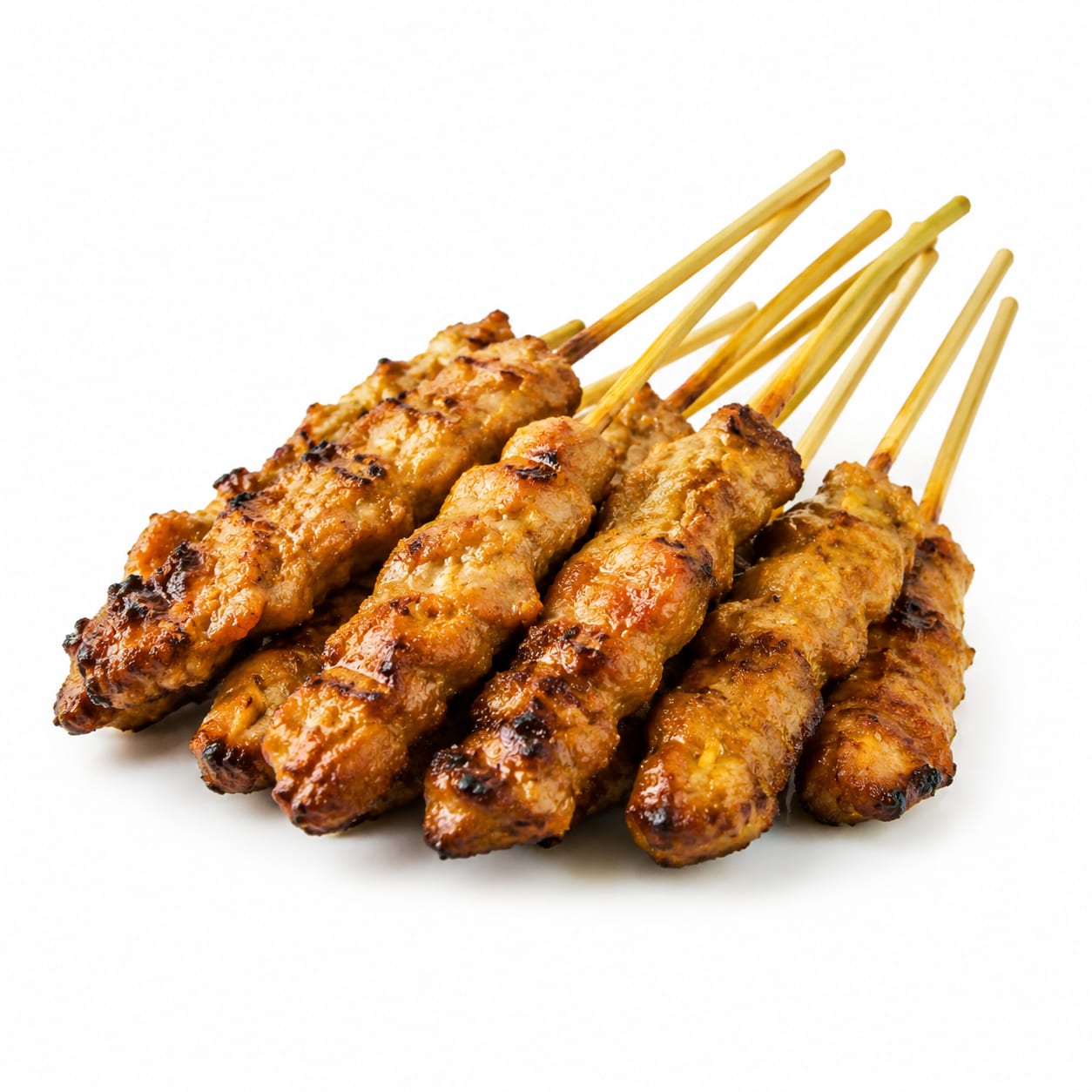
Satay
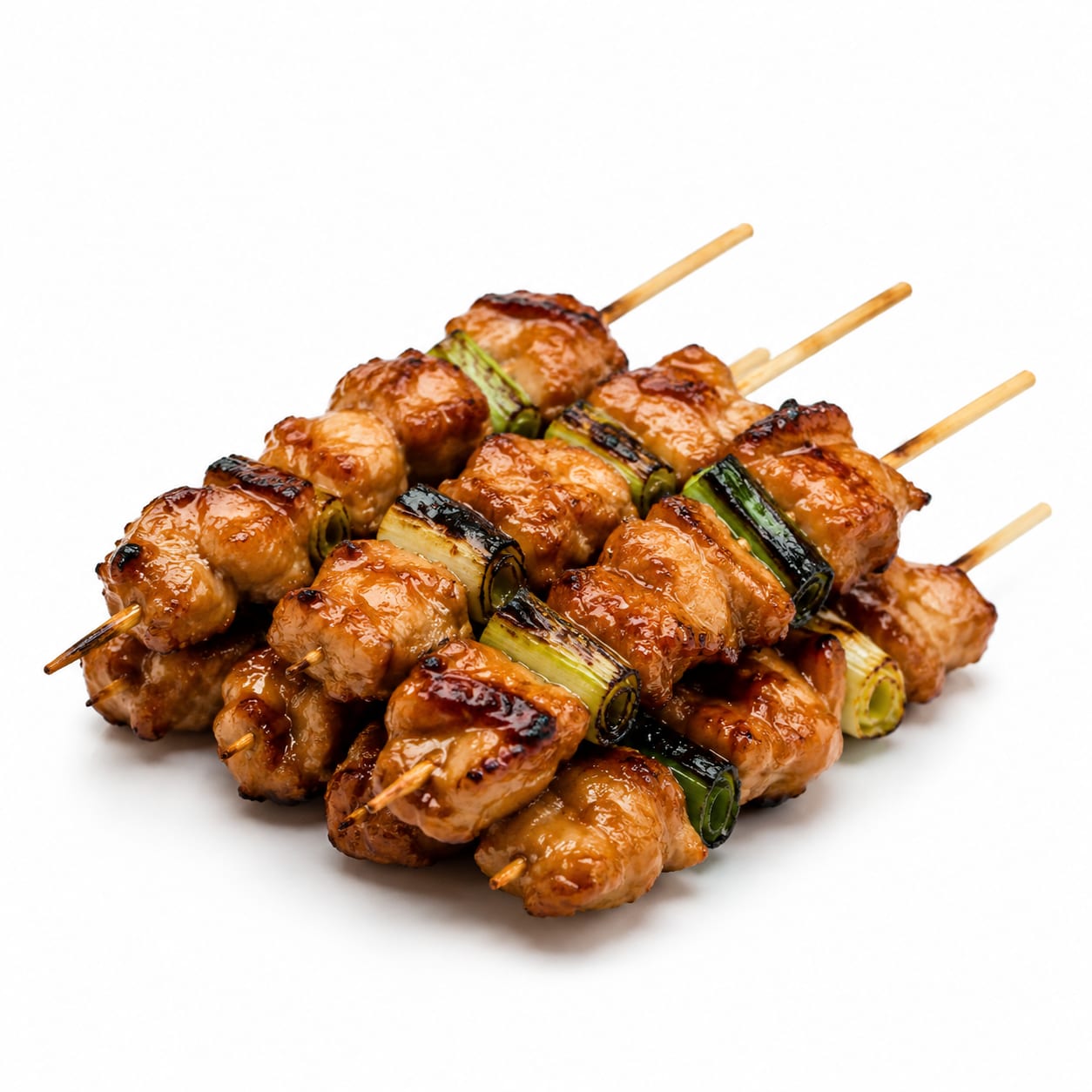
Yakitori
Yakitori is the leaner, lower-calorie choice, while Satay offers richer, more satisfying flavors at the cost of higher fat and calories from peanut sauce.
Yakitori scores higher due to its leaner protein profile and lower calorie density, making it a more versatile everyday option. Satay's heavy peanut sauce pushes its fat and calorie content up, limiting its daily practicality.
Lean simplicity versus rich, calorie-dense indulgence.
At a glance
Executive summary
Overall
Yakitori
Healthier
Yakitori
More practical
It depends
Daily use
Yakitori
Key comparison lenses
Calorie density and fat content
Satay's peanut sauce drastically increases its calorie and fat load compared to leaner Yakitori.
Allergen exposure
Satay contains peanuts, one of the most common and severe food allergens, whereas Yakitori's primary allergen is soy.
Protein leanness for muscle and weight goals
Yakitori offers a much cleaner protein-to-fat ratio, which matters significantly for body composition goals.
Carbohydrate and sugar load
Satay's marinades and dipping sauces often contain hidden sugars, impacting blood sugar more than simple Yakitori seasoning.
Best choice for
Satay
- Bulking phases needing extra calories
- People avoiding soy
- Those wanting a highly satisfying, rich appetizer
Yakitori
- Low-carb dieters
- Lean protein seekers
- People watching their calorie intake
Least suitable for
Satay
- People with peanut allergies
- Strict calorie counters
- Low-fat dieters
Yakitori
- People with soy or gluten allergies (if tare seasoned)
- Those wanting a heavy, filling meal
- People who dislike simple flavors
Deep comparison
Dimension by dimension
Each lens scores both foods and breaks down who each option suits.
- Dimension 1 · Priority 95Yakitori
Calorie Density & Weight Management
Satay · 45Yakitori · 85Yakitori is significantly lighter and lower in calories than Satay.
Tradeoff
You sacrifice the rich, filling mouthfeel of peanut sauce for a leaner waistline.
Why it matters
Regularly choosing lower-calorie proteins helps maintain a healthy weight without tracking every bite.
Real-world impact
Eating four sticks of Yakitori feels light; four sticks of Satay with sauce can feel heavy and push you over your daily calorie budget.
Satay
- Hard gainers needing extra calories
- Those who prefer fewer skewers to feel full
Better for
- Cutting phases
- Late-night snacking
Worse for
Yakitori
- Weight loss diets
- Lean bulking
- People tracking macros strictly
Better for
- People who need high-calorie meals on the go
Worse for
- Dimension 2 · Priority 90Yakitori
Macronutrient Balance (Protein vs Fat)
Satay · 55Yakitori · 88Yakitori delivers cleaner, leaner protein, while Satay's fat content dominates its macros.
Tradeoff
Satay provides more satiety from fat, but Yakitori gives you more protein per calorie.
Why it matters
High protein-to-calorie ratios support muscle maintenance and fat loss more effectively.
Real-world impact
Post-workout, Yakitori refuels your muscles without the heavy grease, whereas Satay might sit in your stomach longer.
Satay
- Keto dieters (if sauce is low sugar)
- Those needing high fat intake
Better for
- Low-fat diet followers
- People watching cholesterol
Worse for
Yakitori
- Athletes
- Body recomposition goals
- High-protein, low-fat diets
Better for
- People who struggle to eat enough fat
Worse for
- Dimension 3 · Priority 75Yakitori
Carbohydrate & Sugar Load
Satay · 50Yakitori · 80Satay's peanut sauce is often loaded with sugar and carbs, whereas Yakitori (especially salt-seasoned) is very low-carb.
Tradeoff
The sweet, rich Satay sauce comes with a carb cost that plain Yakitori avoids.
Why it matters
High sugar intake from sauces can spike blood sugar and trigger cravings.
Real-world impact
The sugar crash after a Satay appetizer can leave you hungry an hour later, while Yakitori provides steadier energy.
Satay
- Endurance athletes needing quick carbs
- Those who find low-carb meals unpalatable
Better for
- Blood sugar management
- Sugar-free diets
Worse for
Yakitori
- Diabetics
- Keto dieters
- Sugar-free lifestyles
Better for
- People who need carb-heavy meals for energy
Worse for
- Dimension 4 · Priority 85Yakitori
Allergen & Sensitivity Risk
Satay · 25Yakitori · 70Satay is a minefield for peanut allergies, while Yakitori's main allergen (soy) is less universally severe.
Tradeoff
Satay's signature flavor relies on one of the most common and dangerous allergens.
Why it matters
Peanut allergies can be life-threatening, and cross-contamination at street stalls is high.
Real-world impact
Sharing Satay at a party is risky for allergic friends; Yakitori is generally safer for diverse groups.
Satay
- People with soy allergies (choose salt-seasoned Yakitori alternative)
Better for
- Anyone with peanut or tree nut allergies
- Potluck events
Worse for
Yakitori
- People with peanut allergies
- Dining out with large groups
- School lunches
Better for
- People with severe soy or gluten allergies (tare sauce)
Worse for
- Dimension 5 · Priority 70Satay
Flavor Satisfaction & Satiety
Satay · 92Yakitori · 70Satay's rich, nutty, and sweet profile is deeply satisfying and filling, whereas Yakitori is more subtle.
Tradeoff
You get a more indulgent, comforting eating experience with Satay, but it comes with a heavier nutritional price.
Why it matters
Enjoyment and feeling full are crucial for sticking to any way of eating.
Real-world impact
A couple of Satay skewers can crush a craving for rich food, while you might need more Yakitori to feel equally satisfied.
Satay
- Comfort eating
- Appetizers for a crowd
- Rich flavor seekers
Better for
- Light meals
- People who dislike heavy flavors
Worse for
Yakitori
- Light snacking
- Palate cleansers between courses
- Hot summer days
Better for
- When you are extremely hungry
- Craving something rich and indulgent
Worse for
Timeline
Health impact over time
Short-term
Hours to days
Satay
- Quick energy from sugary sauce
- High satiety from fat content
- Potential blood sugar spike from carbs
Yakitori
- Steady energy from lean protein
- Light feeling post-meal
- Easier on digestion
Long-term
Months to years
Satay
- Risk of weight gain if eaten frequently due to high calorie density
- Potential inflammatory effects from high omega-6 fats in commercial peanut sauces
Yakitori
- Supports muscle maintenance with lean protein
- Easier weight management
- Lower cardiovascular risk from reduced fat intake
Risk profile
Safety & processing
Yakitori is generally closer to a whole food, relying on simple seasonings like salt or soy. Satay's complex marinade and peanut sauce often introduce more processed elements, including commercial oils and hidden preservatives.
Satay
Peanut cross-contamination
highSevere risk for those with allergies, especially at street food stalls where shared utensils are common.
Spoiled peanut sauce
mediumPeanut sauce left out at room temperature can harbor bacteria or aflatoxins.
Yakitori
Undercooked poultry
mediumChicken must be cooked thoroughly; rare chicken skewers are a serious health hazard.
Soy sauce gluten cross-contamination
lowTare sauce contains wheat, a concern for those with celiac disease.
Who wins for whom
Audience fit
Same foods, different winners depending on your goal.
children
YakitoriSafer allergen profile for school environments and easier to eat without messy, sugary sauce.
daily consumption
YakitoriA lighter nutritional profile makes Yakitori easy to incorporate regularly without calorie overload.
diabetes
YakitoriLower carbohydrate and sugar content prevents the blood sugar spikes associated with sweet Satay sauces.
elderly
YakitoriEasier to digest due to lower fat content and simpler, lighter ingredients.
muscle gain
YakitoriA higher protein-to-fat ratio supports muscle growth without the excess calories that come from Satay's peanut sauce.
weight loss
YakitoriYakitori's lean protein keeps calories low while preserving muscle, making it far easier to stay in a deficit.
Your move
Decision guide
Choose Satay
- You are bulking and need calorie-dense, delicious food
- You have no peanut allergies and crave rich, comforting flavors
- You want a hearty appetizer that eats like a meal
Choose Yakitori
- You want lean protein after a workout
- You are watching your weight or macros
- You are eating with people who have peanut allergies
Either works if
- You want a high-protein street food experience
- You are dining at an Asian barbecue restaurant and want variety
Avoid both if
- You are on a strict vegan diet
- You have severe poultry allergies
Final recommendation
Choose Yakitori for a lean, everyday protein source that won't weigh you down. Opt for Satay when you want a richer, more indulgent treat, but be mindful of the extra calories and peanut allergens.
Practical
Consumer tips
- 1
Ask for Satay sauce on the side to control your calorie and sugar intake.
- 2
Choose 'shio' (salt) Yakitori over 'tare' (sauce) to cut down on sugar and carbs.
- 3
Blot excess oil off Yakitori skin pieces to save on fat calories.
- 4
Check Satay stall hygiene to ensure peanut sauce hasn't been sitting out too long.
- 5
If you have peanut allergies, avoid Satay entirely due to high cross-contamination risk.