
Nutrition comparison
Satay vs Chicken Skewers: Which Is Healthier?
Compare satay with peanut sauce against plain chicken skewers for calories, protein, sodium, and weight loss. Find out which skewer fits your health goals.
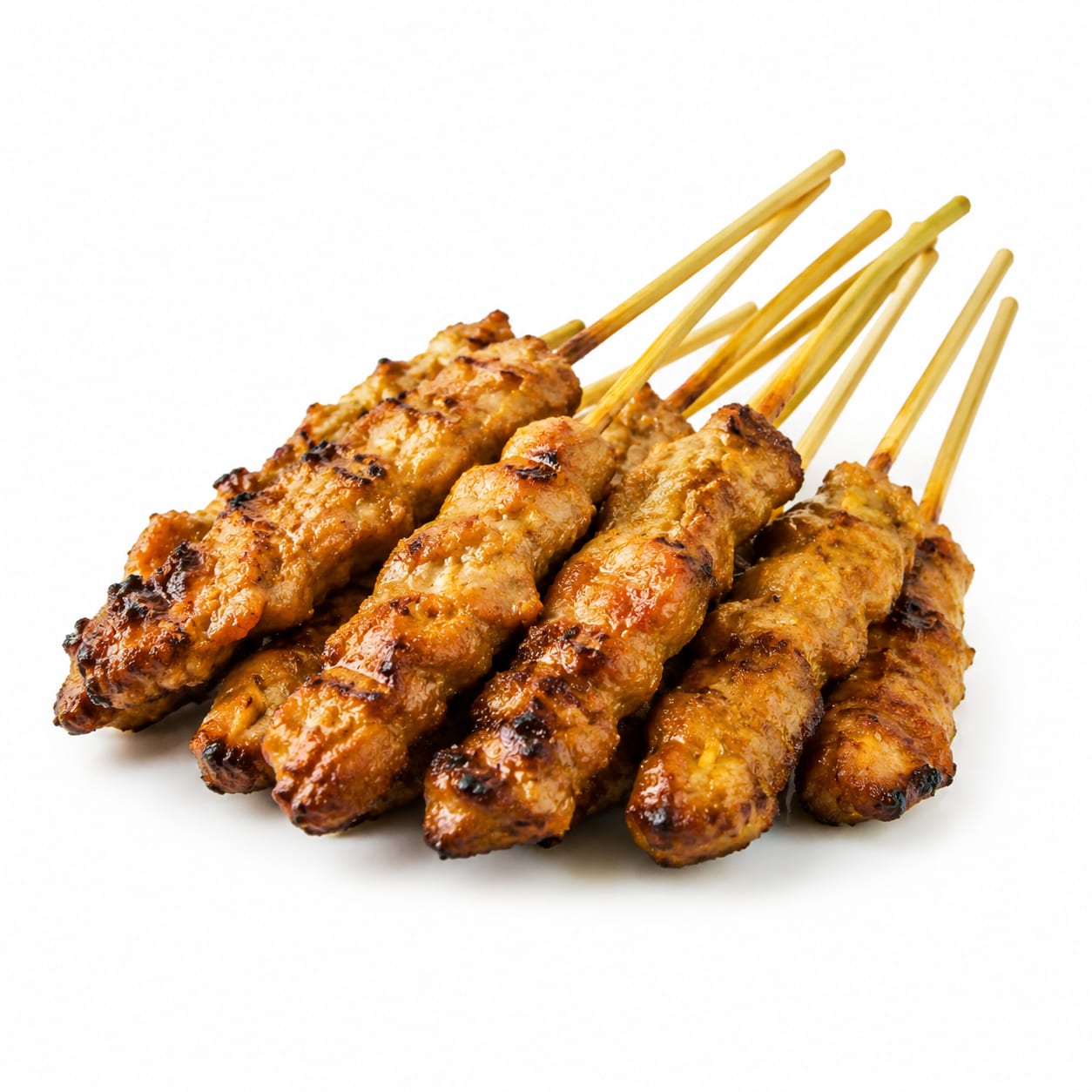
Satay
.jpg)
Chicken Skewers (no sauce)
Chicken skewers win for clean nutrition and weight control, but satay delivers far more flavor satisfaction per bite.
Chicken skewers score significantly higher for health outcomes due to lower calories, fat, sodium, and sugar. Satay scores lower because the peanut sauce transforms lean protein into a calorie-dense, sodium-rich dish. However, satay's flavor satisfaction prevents the gap from being wider.
Flavor and satisfaction versus calorie and sodium control. Satay turns lean protein into a calorie-dense indulgence thanks to peanut sauce.
At a glance
Executive summary
Overall
It depends
Healthier
Chicken Skewers (no sauce)
More practical
It depends
Daily use
Chicken Skewers (no sauce)
Key comparison lenses
sauce vs no sauce calorie tradeoff
The peanut sauce on satay dramatically changes the calorie and fat profile compared to plain chicken skewers
weight management compatibility
Users comparing these two are likely deciding between flavor satisfaction and calorie control
sodium and sugar load
Satay marinade and peanut sauce add significant hidden sodium and sugar that plain skewers avoid entirely
allergen awareness
Peanut sauce makes satay a non-starter for those with peanut allergies
protein purity
Chicken skewers deliver cleaner protein without the fat dilution from peanut sauce
Best choice for
Satay
- Flavor-first eaters who want protein with satisfaction
- Social dining and sharing plates where enjoyment matters
- Those struggling to eat enough calories or fat
- Anyone finding plain chicken too boring to stick with
Chicken Skewers (no sauce)
- Weight loss seekers needing lean protein
- Clean-eating and macro-tracking lifestyles
- People managing blood pressure or sodium intake
- Anyone with peanut allergies
Least suitable for
Satay
- Peanut allergy sufferers
- Strict calorie counters
- People on low-sodium diets
- Those avoiding added sugars
Chicken Skewers (no sauce)
- People who find plain protein boring and unsustainable
- Anyone needing higher calorie intake
- Those seeking rich, satisfying flavor in meals
Deep comparison
Dimension by dimension
Each lens scores both foods and breaks down who each option suits.
- Dimension 1 · Priority 95Chicken Skewers (no sauce)
Calorie Density
Satay · 35Chicken Skewers (no sauce) · 90Satay with peanut sauce can pack 2-3 times the calories of plain chicken skewers per serving.
Tradeoff
The peanut sauce that makes satay irresistible also makes it a calorie bomb. A few extra dips can add 200+ calories instantly.
Why it matters
If you eat satay casually like plain chicken, you may unknowingly consume far more calories than expected.
Real-world impact
A satay meal can easily hit 600-800 calories versus 250-350 for plain chicken skewers. That difference shows up on the scale within weeks.
Satay
- Bulking or needing extra calories
- Active individuals with high energy expenditure
Better for
- Sedentary days with low calorie budgets
- Anyone tracking calories loosely
Worse for
Chicken Skewers (no sauce)
- Weight loss and calorie control
- Lean bulk where you want protein without excess fat
Better for
- People who need calorie density to maintain weight
Worse for
- Dimension 2 · Priority 85Chicken Skewers (no sauce)
Protein Purity and Quality
Satay · 55Chicken Skewers (no sauce) · 92Chicken skewers deliver nearly pure protein. Satay dilutes protein density with fat and carbs from the sauce.
Tradeoff
You still get solid protein from satay, but a larger portion of your calories come from fat and sugar rather than the protein itself.
Why it matters
For muscle gain or satiety, protein-per-calorie matters. Plain chicken gives you more protein bang for your calorie buck.
Real-world impact
To hit 40g protein from satay, you might consume 500+ calories. The same protein from plain chicken skewers costs around 200 calories.
Satay
- Meals where balanced macros matter more than pure protein
Better for
- Strict protein-per-calorie optimization
Worse for
Chicken Skewers (no sauce)
- Post-workout recovery
- High-protein diets with calorie limits
- Body recomposition phases
Better for
- Endurance athletes needing fat for sustained energy
Worse for
- Dimension 3 · Priority 80Chicken Skewers (no sauce)
Sodium Load
Satay · 30Chicken Skewers (no sauce) · 85Satay marinade and peanut sauce are both sodium-heavy. Plain chicken skewers have minimal sodium unless seasoned.
Tradeoff
The savory depth in satay comes at a real sodium cost that can push daily intake over recommended limits.
Why it matters
High sodium intake directly affects blood pressure and bloating. One satay serving can contain 800-1500mg sodium.
Real-world impact
Eating satay at dinner may leave you puffy and thirsty the next morning, especially if you had salty foods earlier in the day.
Satay
- Heavy sweaters who lose sodium during exercise
- People who struggle with low-sodium food palatability
Better for
- Blood pressure concerns
- Kidney health management
Worse for
Chicken Skewers (no sauce)
- Hypertension management
- Anyone watching water retention
- Low-sodium diet prescriptions
Better for
- Athletes needing sodium replenishment post-sweat
Worse for
- Dimension 4 · Priority 88Satay
Flavor Satisfaction and Sustainability
Satay · 92Chicken Skewers (no sauce) · 45Satay is deeply satisfying with its rich, savory-sweet peanut sauce. Plain chicken skewers can feel dry and monotonous.
Tradeoff
Boring food you actually eat consistently beats exciting food that derails your goals. But miserable food you abandon helps nobody.
Why it matters
Dietary adherence is the real driver of results. If plain chicken makes you quit your plan, satay in moderation may serve you better.
Real-world impact
Many people meal-prep plain chicken and end up ordering takeout by Thursday because they cannot face another bland skewer.
Satay
- Emotional eaters needing satisfaction from meals
- Social and cultural dining experiences
- Transitioning from junk food to healthier options
Better for
- Overeating triggered by hyper-palatable food
Worse for
Chicken Skewers (no sauce)
- People comfortable with simple flavors
- Those who season their own food to taste
Better for
- Long-term diet adherence when flavor variety is low
Worse for
- Dimension 5 · Priority 75Chicken Skewers (no sauce)
Allergen and Sensitivity Risk
Satay · 25Chicken Skewers (no sauce) · 90Satay contains peanuts, a top allergen that excludes a significant portion of the population. Plain chicken skewers are allergen-free.
Tradeoff
Peanut sauce is the soul of satay but also its biggest liability. There is no satay without this risk.
Why it matters
Peanut allergies can be severe and life-threatening. Cross-contamination at restaurants is also a real concern.
Real-world impact
Satay is off-limits at many social gatherings where peanut allergies are present. Chicken skewers work for nearly everyone.
Satay
- Those without peanut allergies seeking healthy fat sources
Better for
- Anyone with peanut or tree nut allergies
- Classroom or group settings with allergy risks
Worse for
Chicken Skewers (no sauce)
- Peanut allergy sufferers
- Shared dining situations with unknown allergies
- School lunches and group events
Better for
- No significant allergen downsides
Worse for
- Dimension 6 · Priority 70Chicken Skewers (no sauce)
Added Sugar Exposure
Satay · 30Chicken Skewers (no sauce) · 90Satay marinade and peanut sauce both contain added sugar. Plain chicken skewers have essentially zero sugar.
Tradeoff
The subtle sweetness in satay is part of its appeal but contributes to daily sugar intake that adds up across meals.
Why it matters
Even small amounts of added sugar with savory meals can spike cravings and undermine blood sugar stability.
Real-world impact
A satay appetizer can contain 8-15g of added sugar. Not dessert-level, but enough to matter if you are being careful.
Satay
- Those unconcerned about moderate sugar intake
Better for
- Blood sugar management
- Sugar addiction recovery
Worse for
Chicken Skewers (no sauce)
- Diabetics and insulin-resistant individuals
- Sugar-free or keto lifestyles
- Craving management and blood sugar stability
Better for
- No significant sugar-related downsides
Worse for
- Dimension 7 · Priority 65Satay
Healthy Fat Profile
Satay · 70Chicken Skewers (no sauce) · 40Peanut sauce provides monounsaturated fats and some beneficial compounds. Plain chicken skewers are very low in fat overall.
Tradeoff
The fats in satay are mostly healthy, but they come packaged with calories and sugar that may not serve your goals.
Why it matters
Some dietary fat improves satiety and nutrient absorption. Too little fat can leave meals unsatisfying and hormones unhappy.
Real-world impact
A satay meal keeps you fuller for longer partly because of its fat content. Plain chicken skewers may leave you hungry again within two hours.
Satay
- Those needing healthy fat intake
- Meals where sustained satiety matters
Better for
- Very low-fat diet requirements
Worse for
Chicken Skewers (no sauce)
- Low-fat diet protocols
- Those getting fats from other sources like avocado or olive oil
Better for
- Diets too low in fat for hormonal health
- Meals that fail to keep you full
Worse for
Timeline
Health impact over time
Short-term
Hours to days
Satay
- Higher satiety from fat and protein combination
- Possible bloating from sodium and sugar
- Thirst from high salt content
- Satisfaction and reduced post-meal cravings
Chicken Skewers (no sauce)
- Clean energy from lean protein
- Possible hunger returning sooner due to low fat
- Light feeling after eating
- Stable blood sugar with no sugar spike
Long-term
Months to years
Satay
- Risk of weight gain if eaten frequently due to calorie density
- Higher sodium intake affecting blood pressure over time
- Beneficial fats from peanuts supporting heart health in moderation
- Possible over-reliance on hyper-palatable food patterns
Chicken Skewers (no sauce)
- Easier weight management from consistent lean protein intake
- Lower sodium exposure protecting cardiovascular health
- Possible diet fatigue from repetitive plain meals
- Strong muscle maintenance from high-quality protein
Risk profile
Safety & processing
Satay involves marinating meat in a complex spice-sugar-salt mixture and adding a peanut sauce made with additional sugar, oil, and sometimes preservatives. Chicken skewers without sauce are essentially just cooked chicken, making them far closer to whole food status.
Satay
Peanut allergen contamination
highPeanut sauce is a severe allergen risk. Cross-contamination at restaurants is common and potentially life-threatening for allergic individuals.
Foodborne illness from improper grilling
mediumSatay is often cooked at street vendors where temperature control may be inconsistent, increasing risk of undercooked poultry.
Sodium nitrite in commercial marinades
lowSome pre-made satay marinades contain preservatives. Homemade versions avoid this concern entirely.
Chicken Skewers (no sauce)
Foodborne illness from undercooked chicken
mediumSame poultry safety concerns as satay, though simpler preparation makes it easier to verify doneness.
Dry cooking and heterocyclic amines
lowHigh-heat grilling of chicken can produce HCAs, but this risk is minimal with moderate cooking temperatures and shorter grill times.
Who wins for whom
Audience fit
Same foods, different winners depending on your goal.
children
It dependsSatay is more appealing to kids due to its sweet-savory flavor, but peanut allergy risk in group settings is a serious concern. Plain chicken skewers are safer for school environments.
daily consumption
Chicken Skewers (no sauce)Plain chicken skewers can be eaten daily without excessive calorie, sodium, or sugar accumulation. Satay is better reserved for a few times per week at most.
diabetes
Chicken Skewers (no sauce)Zero added sugar and minimal carbs make plain chicken skewers blood sugar friendly. Satay's sugar content can cause unwanted glucose spikes.
elderly
Chicken Skewers (no sauce)Lower sodium and simpler digestion favor plain chicken skewers. Older adults are more vulnerable to blood pressure impacts from satay's salt content.
muscle gain
Chicken Skewers (no sauce)Higher protein-per-calorie ratio supports muscle growth without excess fat and sugar that do not directly contribute to muscle synthesis.
weight loss
Chicken Skewers (no sauce)Plain chicken skewers deliver maximum protein with minimum calories, making them the clear choice for creating a calorie deficit while staying full.
Your move
Decision guide
Choose Satay
- You find plain chicken too boring and need flavor to stay on track with protein intake
- You are at a social gathering and want to enjoy the experience without guilt
- You have no peanut allergies and are not strictly counting calories
- You are very active and can afford the extra calories from the peanut sauce
- You are trying to gain weight and need calorie-dense protein options
Choose Chicken Skewers (no sauce)
- You are tracking calories or macros for weight loss or body recomposition
- You have a peanut allergy or are eating with someone who does
- You are managing blood pressure, diabetes, or sodium intake
- You want clean, simple protein without hidden ingredients
- You eat protein skewers daily and need a sustainable low-calorie option
Either works if
- You are comfortable portion-controlling satay sauce
- You alternate between flavor-focused and clean-eating days
- You make homemade satay with controlled sugar and sodium
Avoid both if
- You have a poultry allergy
- You are following a vegetarian or vegan diet
- You have severe gout and need to limit purine-rich meats
Final recommendation
Make chicken skewers your default daily choice and treat satay as an enjoyable weekly indulgence. If plain chicken feels unsustainable, add a light drizzle of satay sauce rather than full dipping — you get 70% of the flavor for 30% of the calorie cost.
Practical
Consumer tips
- 1
Ask for satay sauce on the side so you control the amount — dipping lightly instead of drenching can cut calories by half
- 2
Make satay at home where you can reduce sugar and sodium in the marinade and sauce while keeping the flavor profile
- 3
Squeeze lime over plain chicken skewers and add a pinch of smoked paprika for flavor without the calorie cost of sauce
- 4
If eating satay at a street vendor, verify the chicken is cooked through — look for firm, white meat with no pink
- 5
Pair plain chicken skewers with a healthy fat source like avocado or a small handful of nuts to improve satiety without the sugar load of satay sauce
- 6
Freeze extra chicken skewers for quick meals — they reheat better than satay which can separate and become greasy