
Nutrition comparison
Satay vs Peanut Butter on Toast: Which Is Healthier?
Compare satay and peanut butter on toast on protein, carbs, sodium, convenience, and more. Find out which fits your goals better with this expert breakdown.
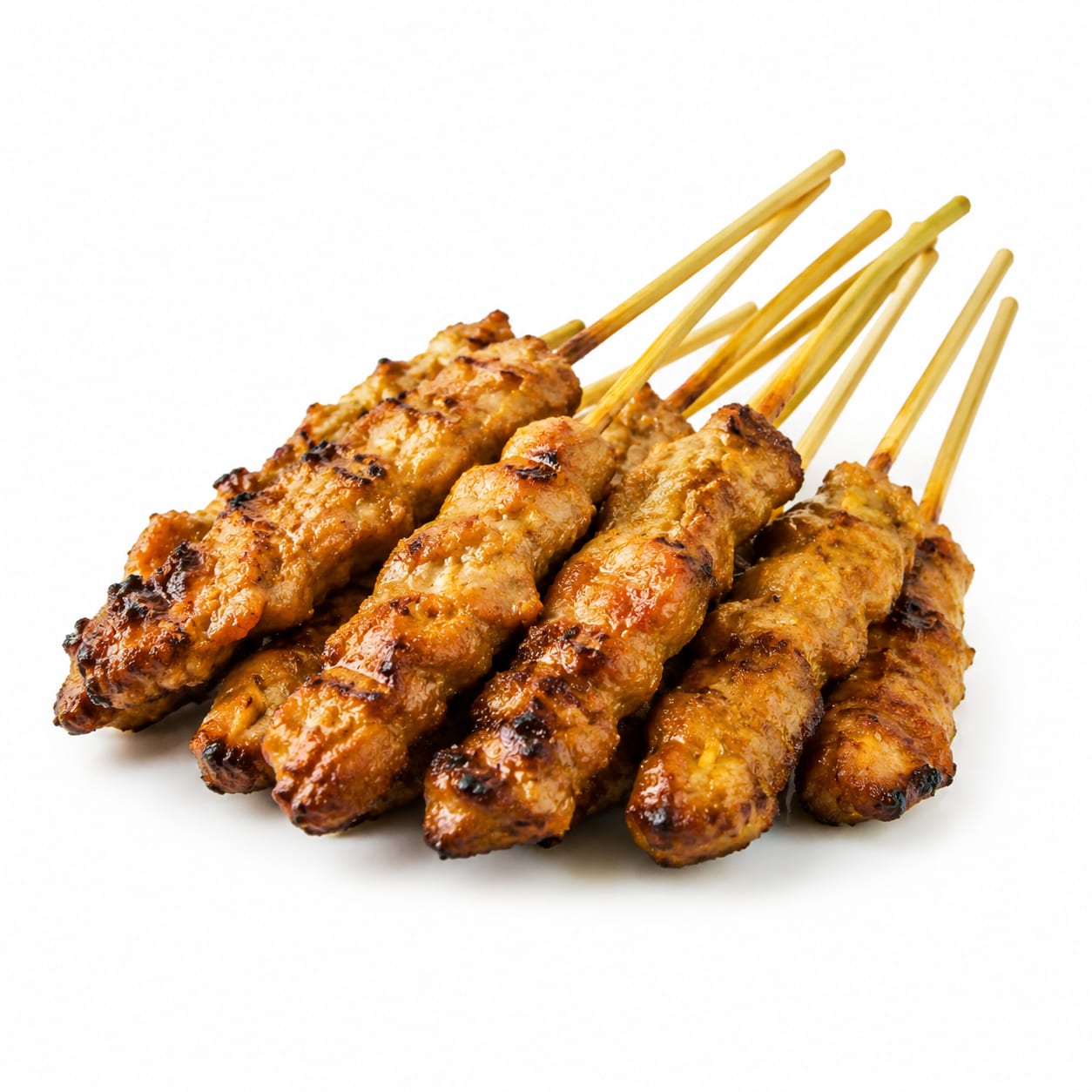
Satay
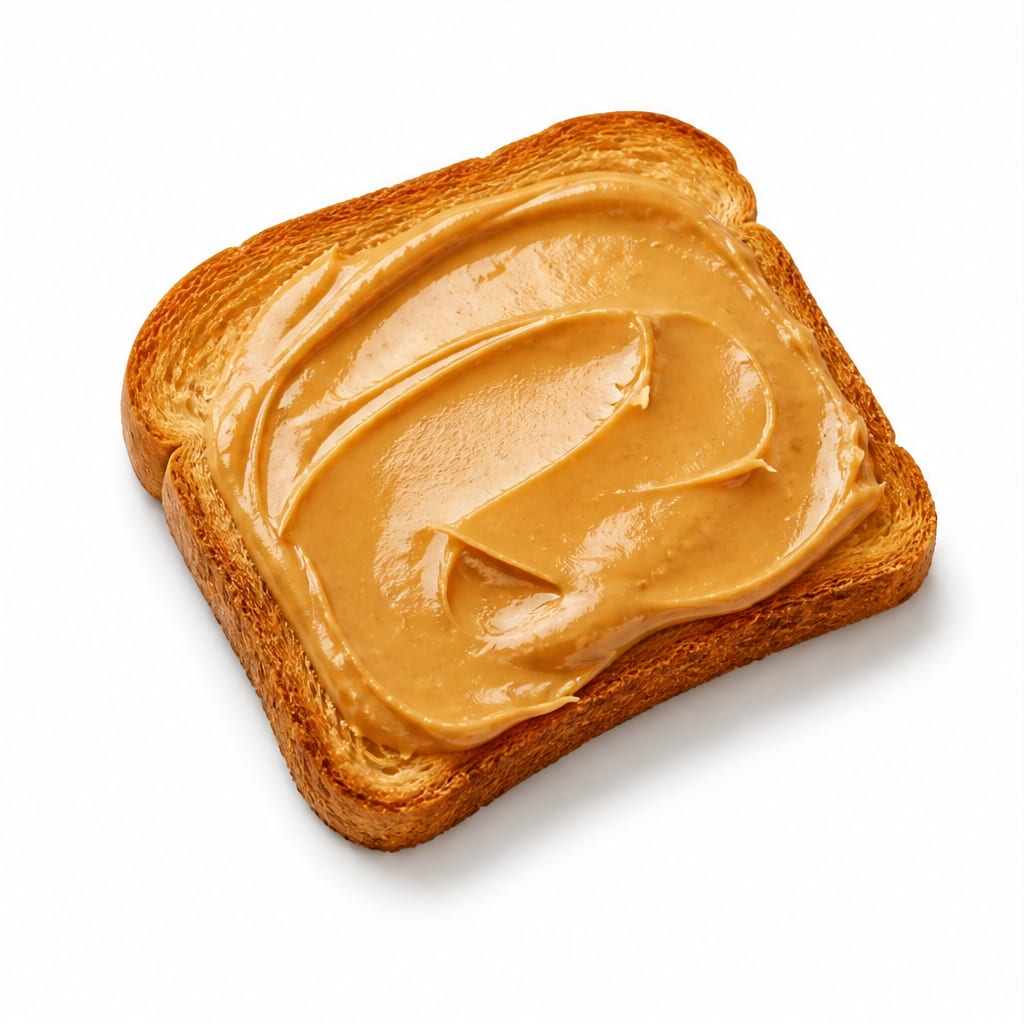
Peanut Butter on Toast
Satay wins on protein density and low carbs; peanut butter on toast wins on convenience and comfort. Your choice hinges on whether you need a hearty protein hit or a quick satisfying bite.
Satay edges ahead on protein quality and blood sugar neutrality, but peanut butter on toast closes the gap with superior convenience, lower cost, and everyday practicality. The near-tie reflects how context-dependent this choice truly is.
Satay gives you more complete protein with less blood sugar impact but costs more time and sodium. Peanut butter on toast is instant and comforting but carb-heavier with less protein per bite.
At a glance
Executive summary
Overall
It depends
Healthier
It depends
More practical
Peanut Butter on Toast
Daily use
Peanut Butter on Toast
Key comparison lenses
protein source comparison
Satay delivers complete animal protein from meat while peanut butter on toast provides plant protein paired with carbs — a fundamental nutritional difference
convenience and meal timing
Peanut butter on toast is a 2-minute meal; satay requires grilling or takeout, making timing a major decision factor
sodium and sauce awareness
Satay marinades and peanut sauce are sodium-heavy, while peanut butter on toast can be lower sodium depending on choices
processing and naturalness
Both involve peanuts but satay features whole grilled meat while peanut butter on toast relies on ground paste and bread
blood sugar management
Toast adds significant carbohydrates that satay avoids, making this relevant for glucose-conscious eaters
Best choice for
Satay
- Post-workout protein recovery
- Low-carb or keto eaters
- Those wanting a substantial savory meal
- People avoiding bread or gluten
- Anyone needing long-lasting satiety without carbs
Peanut Butter on Toast
- Busy mornings with zero prep time
- Budget-conscious snackers
- Kids who need a quick comforting meal
- Anyone craving something sweet and filling
- Students or office workers needing desk-friendly fuel
Least suitable for
Satay
- Sodium-sensitive individuals
- People in a rush with no cooking access
- Those watching saturated fat intake closely
- Anyone avoiding grilled or charred meats
Peanut Butter on Toast
- Strict low-carb dieters
- People with gluten intolerance unless using GF bread
- Those allergic to peanuts
- Anyone needing high complete protein per serving
Deep comparison
Dimension by dimension
Each lens scores both foods and breaks down who each option suits.
- Dimension 1 · Priority 95Satay
Protein Quality and Quantity
Satay · 88Peanut Butter on Toast · 55Satay delivers 20-30g of complete animal protein per serving from grilled meat, while peanut butter on toast provides roughly 12-16g of plant protein that lacks some essential amino acids.
Tradeoff
You get far more bioavailable protein from satay but sacrifice the speed and simplicity of spreading peanut butter.
Why it matters
Complete protein with all essential amino acids supports muscle repair and satiety more effectively than plant protein alone.
Real-world impact
After a workout, satay will keep you full and rebuilding muscle longer. Peanut butter on toast may leave you hungry again within two hours.
Satay
- Athletes needing muscle recovery
- Older adults preserving lean mass
- Anyone eating one main protein source per meal
Better for
- People limiting meat consumption
Worse for
Peanut Butter on Toast
- Light snackers who do not need heavy protein
- Vegetarians getting protein from multiple sources across the day
Better for
- Anyone relying on a single meal for protein needs
Worse for
- Dimension 2 · Priority 85Satay
Blood Sugar Stability
Satay · 82Peanut Butter on Toast · 48Satay is nearly carb-free, keeping blood sugar steady. Peanut butter on toast spikes glucose from the bread, even with whole grain varieties.
Tradeoff
Satay avoids the carb rollercoaster entirely, while peanut butter on toast pairs carbs with fat and protein to soften the spike — but cannot eliminate it.
Why it matters
Carb-heavy meals trigger insulin surges that can lead to energy crashes and cravings within hours.
Real-world impact
Eat peanut butter on toast at 8am and you may feel sluggish by 10am. Satay keeps energy more even-keeled through the morning.
Satay
- Diabetics managing glucose
- Keto and low-carb adherents
- People prone to afternoon energy crashes
Better for
- Anyone needing quick glycogen replenishment post-endurance
Worse for
Peanut Butter on Toast
- Endurance athletes who need carbs for fuel
- Growing children with high energy demands
Better for
- Insulin-resistant individuals
- People trying to reduce carb cravings
Worse for
- Dimension 3 · Priority 82Peanut Butter on Toast
Sodium Load
Satay · 35Peanut Butter on Toast · 62Satay marinades and peanut sauce can pack 800-1500mg sodium per serving. Peanut butter on toast ranges from 200-500mg depending on bread and peanut butter choices.
Tradeoff
Satay's bold flavor comes at a sodium cost. Peanut butter on toast is milder but easier on your blood pressure.
Why it matters
High sodium intake is a leading driver of hypertension and bloating, especially for salt-sensitive people.
Real-world impact
A satay dinner can deliver half your daily sodium allowance. Peanut butter on toast keeps you well under that threshold.
Satay
- Athletes who lose sodium through heavy sweating
Better for
- Salt-sensitive individuals
- Those eating multiple high-sodium meals daily
Worse for
Peanut Butter on Toast
- People with high blood pressure
- Anyone watching water retention
- Older adults more sensitive to sodium
Better for
- Endurance athletes needing electrolyte replacement
Worse for
- Dimension 4 · Priority 90Peanut Butter on Toast
Convenience and Practicality
Satay · 30Peanut Butter on Toast · 92Peanut butter on toast is ready in under two minutes with no cooking. Satay requires marinating, skewering, and grilling — or ordering takeout.
Tradeoff
Speed and simplicity versus a more substantial cooked meal experience.
Why it matters
The best food for you is the one you can actually make consistently. Convenience often trumps nutrition in real life.
Real-world impact
At 7am on a Tuesday, peanut butter on toast wins by default. Satay is a weekend or takeout luxury for most people.
Satay
- Leisurely weekend dinners
- Social gatherings and barbecues
Better for
- Anyone with under 15 minutes to prepare food
Worse for
Peanut Butter on Toast
- Rushed weekday mornings
- Late-night snacking with minimal effort
- Office lunches with no kitchen access
- Travel and hotel stays
Better for
- Special occasions where cooking feels rewarding
Worse for
- Dimension 5 · Priority 80Satay
Satiety and Fullness
Satay · 78Peanut Butter on Toast · 65Satay's dense protein and fat from the peanut sauce create prolonged fullness. Peanut butter on toast fills you up initially but the carbs digest faster.
Tradeoff
Satay keeps you satisfied longer but feels heavier. Peanut butter on toast is lighter and more comfortable but hunger returns sooner.
Why it matters
Meals that keep you full reduce snacking and overeating later in the day.
Real-world impact
Satay at lunch can carry you to dinner without a snack. Peanut butter on toast at noon often needs a 3pm supplement.
Satay
- People trying to reduce between-meal snacking
- Those eating fewer meals per day
Better for
- Those who dislike feeling heavy after eating
Worse for
Peanut Butter on Toast
- Anyone who prefers lighter meals
- People who graze throughout the day anyway
Better for
- Anyone trying to avoid late-afternoon cravings
Worse for
- Dimension 6 · Priority 72Peanut Butter on Toast
Cost and Accessibility
Satay · 38Peanut Butter on Toast · 85Peanut butter and bread are cheap pantry staples available everywhere. Satay requires fresh meat, spices, and peanut sauce ingredients — or costs more as takeout.
Tradeoff
Budget-friendly daily fuel versus a more expensive protein-rich meal.
Why it matters
Cost determines how often you can actually eat something, which matters more than theoretical nutrition profiles.
Real-world impact
A week of peanut butter on toast costs less than two satay takeout orders.
Satay
- Special occasions where budget is flexible
Better for
- Budget-constrained households
Worse for
Peanut Butter on Toast
- Students on tight budgets
- Families feeding multiple people cheaply
- Anyone stocking a pantry for uncertain times
Better for
- Those willing to spend more for higher protein meals
Worse for
- Dimension 7 · Priority 70Satay
Processing and Additives
Satay · 65Peanut Butter on Toast · 42Homemade satay uses whole meat and simple marinade ingredients. Commercial peanut butter often contains added sugars, hydrogenated oils, and emulsifiers, while most bread is ultra-processed.
Tradeoff
Satay is closer to whole food but involves charring risks. Peanut butter on toast is more processed but avoids high-heat cooking concerns.
Why it matters
Ultra-processed foods are linked to overeating, gut issues, and long-term health risks.
Real-world impact
Choosing natural peanut butter and whole grain bread narrows the gap significantly. With standard commercial options, satay is clearly less processed.
Satay
- Clean-eating advocates
- Those avoiding emulsifiers and preservatives
Better for
- People concerned about HCAs from grilling
Worse for
Peanut Butter on Toast
- Anyone using natural peanut butter and quality bread
Better for
- Those eating conventional peanut butter with added oils and sugars
Worse for
Timeline
Health impact over time
Short-term
Hours to days
Satay
- High protein provides immediate satiety and sustained energy
- Sodium from sauce may cause temporary bloating or thirst
- Rich peanut sauce can feel heavy in the stomach
Peanut Butter on Toast
- Quick energy from toast carbs within 20-30 minutes
- Possible blood sugar spike followed by mild crash within 2 hours
- Comforting and easy to digest for most people
Long-term
Months to years
Satay
- Regular high sodium intake may raise blood pressure over time
- Grilled meat consumption linked to increased HCA exposure
- Quality protein supports muscle maintenance with aging
Peanut Butter on Toast
- Daily refined carb intake may contribute to insulin resistance if bread is white
- Nut butters provide heart-healthy monounsaturated fats when natural
- Potential aflatoxin exposure from peanut products over years
Risk profile
Safety & processing
Satay involves marinating and grilling whole meat — straightforward processing. Peanut butter on toast typically combines ultra-processed bread with commercial peanut butter containing added oils, sugars, and salt. Choosing natural peanut butter and whole grain bread improves this significantly.
Satay
Heterocyclic amines from charring
mediumGrilling meat at high temperatures creates HCAs, compounds linked to cancer risk with frequent consumption over years.
Foodborne illness from undercooked meat
mediumChicken satay poses salmonella risk if not cooked to safe internal temperature, especially from street vendors.
Sodium-related health effects
mediumConsistent high sodium from satay sauce contributes to hypertension, particularly for salt-sensitive individuals.
Peanut Butter on Toast
Aflatoxin contamination in peanuts
lowPeanuts can harbor aflatoxin-producing mold, a potential liver carcinogen. Commercial peanut butter is tested, but risk is not zero.
Allergic reactions
highPeanut allergy is one of the most common and severe food allergies, potentially causing anaphylaxis.
Acrylamide in toasted bread
lowToasting bread creates small amounts of acrylamide, a probable carcinogen, though levels are generally low.
Who wins for whom
Audience fit
Same foods, different winners depending on your goal.
children
Peanut Butter on ToastPeanut butter on toast is kid-friendly, easy to eat, and provides familiar comfort. Just ensure no peanut allergy exists.
daily consumption
Peanut Butter on ToastAffordability, convenience, and simplicity make peanut butter on toast far more sustainable as a daily staple. Satay is better enjoyed a few times per week due to sodium and cost.
diabetes
SatayNear-zero carbs in satay avoid glucose spikes entirely. Peanut butter on toast introduces bread carbs that require insulin management.
elderly
Peanut Butter on ToastSofter texture and easier digestion make peanut butter on toast more suitable, though satay's protein benefits are valuable if chewing is not an issue.
muscle gain
SatayComplete animal protein from satay delivers more bioavailable amino acids per serving than plant protein from peanut butter.
weight loss
SataySatay's high protein and low carb profile supports satiety with fewer insulin spikes, making portion control easier — provided you watch the peanut sauce quantity.
Your move
Decision guide
Choose Satay
- You need serious protein without the carbs
- Blood sugar management is a daily priority
- You are eating a main meal, not a quick snack
- You have time to cook or access to good takeout
- Sodium is not a personal health concern
Choose Peanut Butter on Toast
- You have under 5 minutes to make food
- Budget matters more than protein density
- You want something comforting and familiar
- You need fuel before endurance activity
- Mornings are rushed and you skip breakfast otherwise
Either works if
- You are simply hungry and either is available
- Both fit your calorie and macro needs for the day
- You rotate between high-protein and carb-inclusive meals
Avoid both if
- You have a peanut allergy — both are off the table
- You are on a strict sodium-restricted diet and cannot modify recipes
- You are eliminating both meat and processed foods simultaneously
Final recommendation
Let your schedule decide. On busy mornings, peanut butter on toast is the realistic choice that actually happens. When you have time for a proper meal, satay delivers superior protein and steadier energy. The worst choice is the one you cannot sustain — so pick based on what your day allows, not what looks perfect on paper.
Practical
Consumer tips
- 1
Choose natural peanut butter with only peanuts and salt to avoid hydrogenated oils and added sugars
- 2
Opt for whole grain or sourdough bread over white bread for better fiber and slower glucose release
- 3
Ask for satay sauce on the side to control sodium and calorie intake
- 4
Marinate satay at home with reduced-sodium soy sauce to cut salt by 40% without losing flavor
- 5
If eating satay from street vendors, ensure meat is freshly grilled and piping hot to reduce foodborne illness risk
- 6
Pair peanut butter on toast with a boiled egg or side of fruit to balance the meal with more protein and micronutrients
- 7
Limit char on satay by avoiding well-done edges — less flavor intensity but significantly fewer harmful compounds