
Nutrition comparison
Satay vs Beef Satay: Which Is Healthier?
Compare satay and beef satay nutrition including protein, fat, iron, and heart health impact. Find out which skewer is better for your goals.

Satay
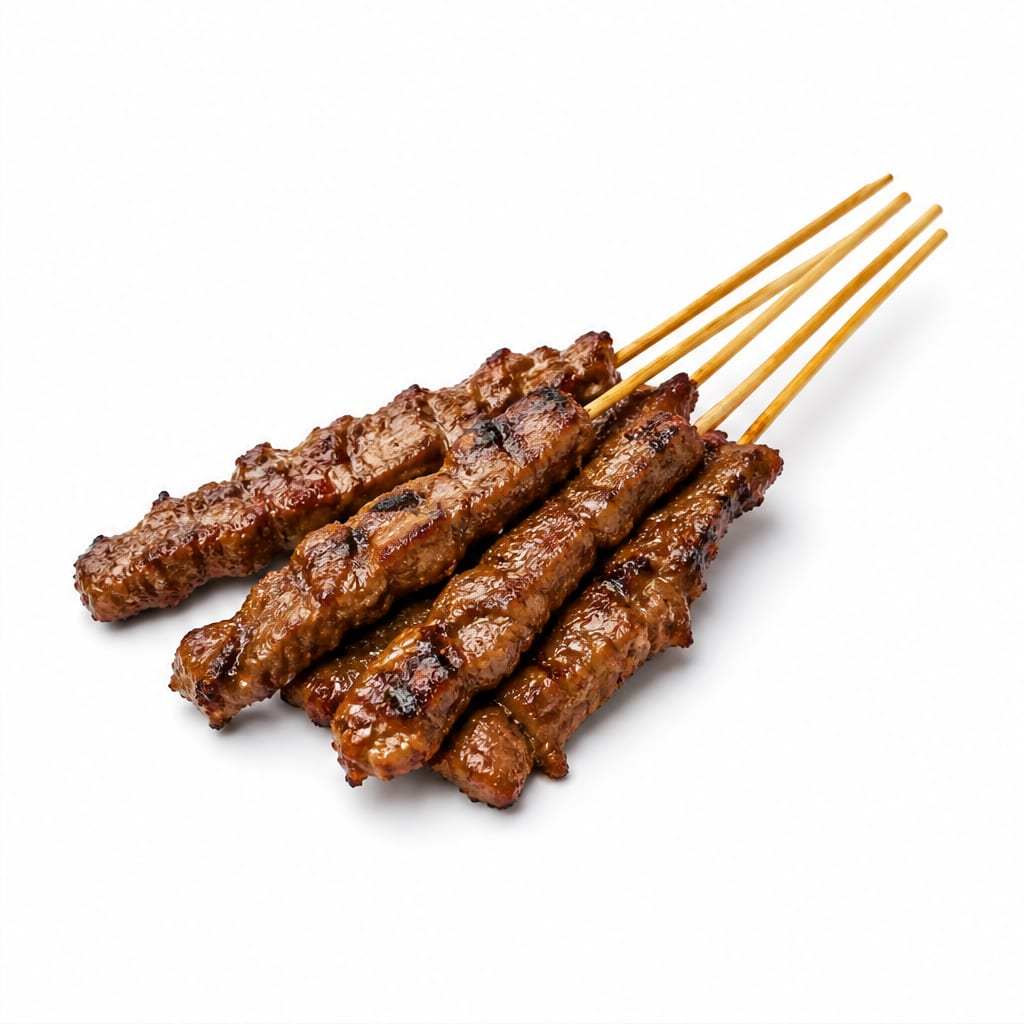
Beef Satay
Satay (typically chicken) is leaner and more heart-friendly, while Beef Satay delivers far more iron, zinc, and B12 but with more saturated fat.
Satay scores higher for everyday health due to its leaner fat profile and lower inflammatory risk. Beef Satay earns strong micronutrient scores but loses ground on saturated fat and long-term heart health tradeoffs.
Lower fat and inflammation risk with chicken satay versus superior micronutrient density with beef satay.
At a glance
Executive summary
Overall
It depends
Healthier
Satay
More practical
Satay
Daily use
Satay
Key comparison lenses
protein source quality
The core difference is the meat type, which changes protein density, amino acid profile, and digestibility significantly
fat profile and heart health
Beef brings more saturated fat while chicken satay is leaner, making this a key cardiovascular tradeoff
iron and micronutrient density
Beef is dramatically higher in heme iron, zinc, and B12, which matters for deficiency-prone individuals
calorie and weight management
Different calorie densities affect portion control and weight loss suitability
inflammation and long term health
Red meat carries higher inflammatory potential than poultry, relevant for chronic disease risk
Best choice for
Satay
- Heart-conscious eaters
- People managing cholesterol
- Those watching calorie intake
- Frequent satay consumers
Beef Satay
- Iron-deficient individuals
- Athletes needing higher zinc and B12
- People avoiding poultry
- Those seeking richer flavor and more filling protein
Least suitable for
Satay
- People with iron deficiency anemia
- Those needing high caloric intake
Beef Satay
- People with high cholesterol
- Frequent red meat eaters already at their weekly limit
- Those managing gout flare-ups
Deep comparison
Dimension by dimension
Each lens scores both foods and breaks down who each option suits.
- Dimension 1 · Priority 92Beef Satay
Protein Quality and Density
Satay · 74Beef Satay · 86Beef Satay provides more protein per skewer with a slightly richer amino acid profile, especially for creatine and carnitine.
Tradeoff
More protein comes packaged with more saturated fat per bite.
Why it matters
Higher protein density means fewer skewers needed to hit your target, which also means less peanut sauce consumed.
Real-world impact
After a workout, 4 beef satay sticks feel more replenishing than 4 chicken ones, but you are also taking in more fat calories.
Satay
- Lean protein seekers
- Those counting macros closely
Better for
- Heavy training days requiring high protein intake
Worse for
Beef Satay
- Strength athletes
- People who struggle to eat enough protein
Better for
- Low-fat diet followers
Worse for
- Dimension 2 · Priority 88Satay
Fat Profile and Heart Health
Satay · 78Beef Satay · 52Chicken satay has significantly less saturated fat per serving, making it easier on cardiovascular health.
Tradeoff
Choosing heart-friendlier fat means giving up some micronutrient richness that beef fat carries.
Why it matters
Saturated fat from red meat raises LDL cholesterol more consistently than poultry fat, especially with frequent consumption.
Real-world impact
Eating beef satay twice a week is manageable, but making it a daily street food habit could nudge your cholesterol numbers in the wrong direction.
Satay
- People with family history of heart disease
- Those with elevated LDL cholesterol
Better for
- Situations where higher fat provides needed satiety
Worse for
Beef Satay
- Healthy individuals eating red meat only occasionally
Better for
- Anyone already exceeding weekly red meat recommendations
Worse for
- Dimension 3 · Priority 85Beef Satay
Iron and Micronutrient Density
Satay · 48Beef Satay · 91Beef Satay is a powerhouse for heme iron, zinc, and vitamin B12, nutrients where chicken falls notably short.
Tradeoff
You gain critical micronutrients but absorb them alongside more saturated fat and heme iron linked to higher disease risk at high intakes.
Why it matters
Heme iron from beef is absorbed 2-3 times better than plant iron, making Beef Satay genuinely therapeutic for deficiency.
Real-world impact
For someone with borderline anemia, a few beef satay sticks weekly can meaningfully improve energy levels within weeks.
Satay
- People with hemochromatosis risk
- Those who already have adequate iron stores
Better for
- Anyone recovering from iron deficiency
Worse for
Beef Satay
- Menstruating women
- Vegetarians occasionally eating meat for iron
- Older adults with B12 absorption issues
Better for
- People who need to limit heme iron intake
Worse for
- Dimension 4 · Priority 80Satay
Calorie Density and Weight Management
Satay · 76Beef Satay · 62Chicken satay is lower in calories per skewer, giving you more volume for your calorie budget.
Tradeoff
Lower calorie density means less satiety per stick, so you may eat more skewers to feel full.
Why it matters
When peanut sauce is involved, the leaner meat option helps balance the overall calorie load of the dish.
Real-world impact
A plate of 6 chicken satay sticks with sauce lands around 450 calories, while the same with beef pushes closer to 550.
Satay
- Calorie counters
- People who enjoy eating larger portions
Better for
- Situations requiring compact high-energy food
Worse for
Beef Satay
- Those needing calorie-dense meals on the go
- Backpackers and hikers
Better for
- Mindless snacking scenarios where calories add up fast
Worse for
- Dimension 5 · Priority 75Satay
Inflammation and Long-Term Disease Risk
Satay · 74Beef Satay · 55Regular red meat consumption is linked to higher inflammatory markers and increased risk for certain cancers, while poultry carries less of this burden.
Tradeoff
Occasional beef satay is low risk, but the difference matters when satay becomes a frequent meal choice.
Why it matters
Processed and grilled red meats form heterocyclic amines and advanced glycation end products that poultry produces in smaller amounts.
Real-world impact
If satay is your weekly go-to street food, choosing chicken most visits and beef occasionally is the smarter long-term play.
Satay
- People with chronic inflammation
- Those with autoimmune conditions
Better for
- No significant inflammatory downside
Worse for
Beef Satay
- Healthy individuals eating it infrequently
Better for
- People with family history of colorectal cancer
- Frequent consumers eating multiple times weekly
Worse for
Timeline
Health impact over time
Short-term
Hours to days
Satay
- Lighter post-meal feeling with less digestive heaviness
- Steadier energy without the richness-induced sluggishness beef can cause
- Lower immediate sodium impact if portion sizes are smaller
Beef Satay
- More sustained fullness from higher fat and protein content
- Possible post-meal heaviness due to richer fat content
- Greater satisfaction per skewer, reducing desire to overeat
Long-term
Months to years
Satay
- Better cardiovascular markers with regular consumption
- Lower cumulative exposure to heme iron and HCAs
- Easier to maintain healthy weight as a frequent choice
Beef Satay
- Improved iron and B12 status over time for deficient individuals
- Higher LDL cholesterol if consumed more than twice weekly
- Increased heme iron exposure linked to elevated disease risk at high intake levels
Risk profile
Safety & processing
Both satay varieties are similarly processed, involving marination in spice pastes and grilling. The processing concern is not additives but rather the formation of grilling compounds like HCAs and PAHs, which affect both meats though slightly more with beef due to longer cooking times and higher fat drip.
Satay
Undercooking and bacterial contamination
mediumChicken carries higher salmonella risk than beef, making thorough cooking more critical for chicken satay.
Hawker hygiene variability
mediumStreet-side satay stalls may have inconsistent food safety practices, affecting both options equally.
Beef Satay
Heme iron overexposure
mediumRegular high heme iron intake is associated with increased oxidative stress and colorectal cancer risk over years of frequent consumption.
Grilling carcinogen formation
mediumBeef fat dripping onto charcoal produces more PAHs than leaner chicken, creating slightly higher carcinogen exposure per serving.
Who wins for whom
Audience fit
Same foods, different winners depending on your goal.
children
SatayChicken is easier for kids to chew, digests more comfortably, and avoids excess saturated fat during development.
daily consumption
SatayLower inflammatory and cardiovascular risk makes chicken satay the safer choice for daily or near-daily eating patterns.
diabetes
SatayLeaner protein with less saturated fat is more favorable for insulin sensitivity and cardiovascular health in diabetics.
elderly
It dependsChicken satay is gentler on digestion, but beef satay provides B12 and iron that elderly adults often lack. Choose based on individual deficiency risk.
muscle gain
Beef SatayMore protein per serving plus higher creatine and carnitine content support muscle recovery and growth better.
weight loss
SatayLower calories per skewer and less saturated fat make chicken satay easier to fit into a calorie deficit.
Your move
Decision guide
Choose Satay
- You eat satay more than twice a week
- You are watching your cholesterol or heart health
- You prefer a lighter meal that does not sit heavy
- You are managing your weight actively
- You are feeding children or elderly with delicate digestion
Choose Beef Satay
- You have low iron or B12 levels
- You eat satay only occasionally and want the most satisfying option
- You are an athlete needing dense recovery nutrition
- You rarely eat red meat and want the micronutrient boost
- You find chicken satay leaves you hungry too quickly
Either works if
- You are healthy and eat satay once a week or less
- You pair satay with vegetables and rice for a balanced meal
- You care more about the peanut sauce than the meat choice
Avoid both if
- You have gout and are sensitive to purine-rich grilled meats
- You are on a strict low-sodium diet and cannot control the marinade salt content
- You have severe peanut allergies since the sauce is a core component
Final recommendation
Default to chicken satay for regular enjoyment and switch to beef satay occasionally when you want richer flavor or need an iron boost. The healthiest relationship with satay is treating beef as the special-occasion version and chicken as the everyday staple.
Practical
Consumer tips
- 1
Ask for less peanut sauce on the side to cut calories by 30-40% regardless of which meat you choose
- 2
Pair satay with cucumber and onion garnishes for fiber that slows sugar and fat absorption
- 3
Choose stalls that grill over lower heat to reduce carcinogen formation on both meats
- 4
If buying frozen satay to cook at home, chicken versions tend to stay more tender after reheating
- 5
Limit yourself to 4-6 sticks per meal and fill up on side salads or ketupat instead of going for double portions