
Nutrition comparison
Satay vs Hummus with Chicken: Which Is Healthier?
Compare satay and hummus with chicken on protein, sodium, fiber, calories, and health risks. Find out which is better for weight loss, daily meals, and long-term health.
Overall winner · Hummus with Chicken

Satay
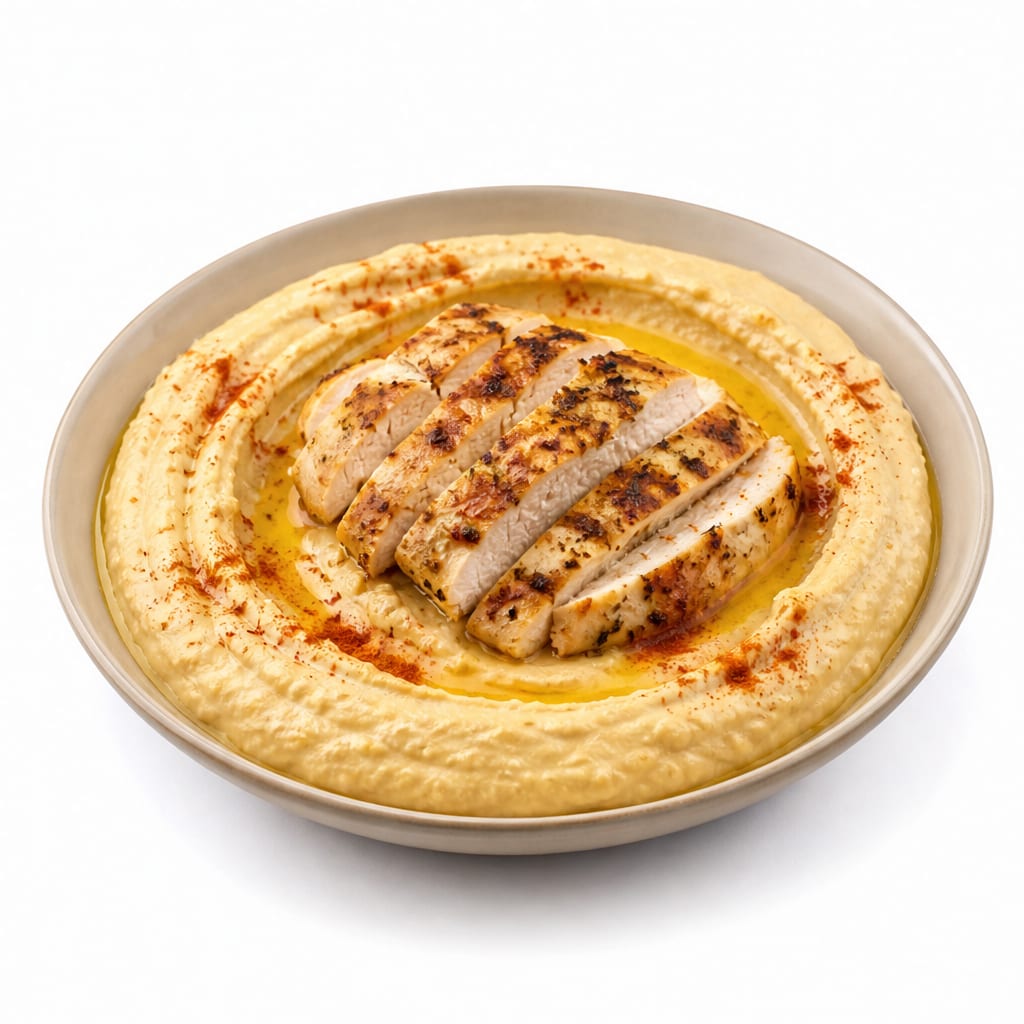
Hummus with Chicken
Hummus with Chicken delivers a more balanced, fiber-rich, lower-sodium meal with healthier fats. Satay wins on bold flavor and portability but carries hidden calories, sodium, and grilling risks.
Hummus with Chicken scores notably higher due to superior fiber, healthier fat profile, lower sodium, and absence of grilling carcinogens. Satay remains competitive for protein and convenience but loses ground on long-term health sustainability.
Satisfying smoky flavor and grab-and-go convenience versus steadier energy, better gut health, and cleaner ingredient profile.
At a glance
Executive summary
Overall
Hummus with Chicken
Healthier
Hummus with Chicken
More practical
Satay
Daily use
Hummus with Chicken
Key comparison lenses
protein source quality and completeness
Both foods center on chicken protein but differ significantly in what accompanies it
sodium and seasoning load
Satay marinades and peanut sauce are notoriously high in sodium and sugar
grilling carcinogen exposure
Charred satay skewers carry HCA and PAH compounds not present in hummus preparations
fiber and blood sugar stability
Hummus brings chickpea fiber that satay completely lacks
calorie density and portion control
Peanut sauce makes satay surprisingly calorie-dense for a skewer snack
everyday eatability and meal versatility
Hummus with chicken works across meals while satay is typically a snack or appetizer
Best choice for
Satay
- Quick high-protein snacks on the go
- Social gatherings and street food experiences
- Post-drinking or late-night cravings when you want something hot and savory
- Active individuals needing fast calories after intense exercise
Hummus with Chicken
- Balanced lunches that keep you full for hours
- Meal prep routines requiring refrigerated ready-to-eat protein
- Anyone managing blood sugar, blood pressure, or heart health
- Gut-friendly daily eating patterns with fiber and fermentation benefits
Least suitable for
Satay
- Daily sodium-sensitive diets or hypertension management
- People avoiding charred or grilled meats due to cancer risk concerns
- Calorie-counters who underestimate peanut sauce density
- Those seeking steady energy without sugar spikes
Hummus with Chicken
- Situations requiring hot, freshly cooked food
- Portable snacking without refrigeration for extended periods
- Anyone with chickpea or sesame allergies
- Environments where dipping and spreading is impractical
Deep comparison
Dimension by dimension
Each lens scores both foods and breaks down who each option suits.
- Dimension 1 · Priority 92It depends
Protein Quality and Satiety
Satay · 78Hummus with Chicken · 82Both deliver solid chicken protein, but hummus with chicken adds chickpea protein for a more sustained fullness effect.
Tradeoff
Satay hits faster with concentrated meat protein; hummus with chicken keeps you satisfied longer thanks to fiber slowing digestion.
Why it matters
Quick satiety versus lasting satiety changes how soon you reach for your next snack.
Real-world impact
After satay, you may feel hungry again within 2 hours. After hummus with chicken, 3-4 hours of comfortable fullness is typical.
Satay
- Immediate post-workout recovery when fast protein matters most
- Situations where you need a quick protein hit without feeling heavy
Better for
- Anyone prone to afternoon energy crashes from quick digestion
Worse for
Hummus with Chicken
- Long workdays where you cannot snack between meals
- Weight management through extended appetite suppression
Better for
- Right after intense training when you want light, fast-absorbing protein
Worse for
- Dimension 2 · Priority 88Hummus with Chicken
Sodium and Seasoning Load
Satay · 35Hummus with Chicken · 72Satay marinades and peanut sauce can pack 800-1200mg sodium per serving. Hummus with chicken typically lands around 300-500mg.
Tradeoff
That intensely seasoned satay flavor comes with a sodium cost that adds up fast across the day.
Why it matters
Regular high-sodium meals silently raise blood pressure and increase bloating, even in healthy people.
Real-world impact
A satay snack can consume half your daily sodium budget. Hummus with chicken leaves room for the rest of your day.
Satay
- Endurance athletes losing significant sodium through sweat
Better for
- People with hypertension or kidney concerns
- Anyone already eating processed foods throughout the day
Worse for
Hummus with Chicken
- Anyone watching blood pressure
- Reducing morning puffiness and water retention
- Maintaining flexible sodium budget for dinner
Better for
- Hot-climate athletes who genuinely need more sodium
Worse for
- Dimension 3 · Priority 85Hummus with Chicken
Grilling Carcinogen Exposure
Satay · 30Hummus with Chicken · 90Charred satay skewers contain heterocyclic amines and polycyclic aromatic hydrocarbons linked to cancer risk. Hummus with chicken avoids this entirely.
Tradeoff
That irresistible smoky char flavor is literally the byproduct of compounds you want to minimize long-term.
Why it matters
Occasional exposure is manageable, but frequent grilled meat consumption measurably increases cancer risk over decades.
Real-world impact
Eating satay weekly is likely fine. Eating it multiple times per week for years adds meaningful cumulative risk.
Satay
- Rare indulgent meals where risk is negligible
Better for
- Daily or near-daily consumers of grilled meats
- Anyone with family history of gastrointestinal cancers
Worse for
Hummus with Chicken
- Regular protein sources eaten daily or several times per week
- Families feeding children who are more vulnerable to carcinogen exposure
Better for
- Dimension 4 · Priority 82Hummus with Chicken
Fiber and Gut Health
Satay · 10Hummus with Chicken · 88Satay is essentially zero fiber. Hummus with chicken provides 4-7g of chickpea fiber per serving, feeding gut bacteria and stabilizing digestion.
Tradeoff
Choosing satay means missing an easy fiber opportunity that most diets already lack.
Why it matters
Fiber is not just about digestion. It shapes your gut microbiome, immune function, and even mood regulation over time.
Real-world impact
A hummus with chicken meal covers roughly 15-25% of your daily fiber need. Satay covers zero percent.
Satay
- Low-fiber diets already struggling with constipation or irregularity
Worse for
Hummus with Chicken
- Anyone not hitting 25g fiber per day consistently
- Improving bowel regularity without supplements
- Supporting beneficial gut bacteria that produce short-chain fatty acids
Better for
- Those on temporary low-fiber diets after surgery
Worse for
- Dimension 5 · Priority 78Hummus with Chicken
Fat Profile and Inflammatory Impact
Satay · 45Hummus with Chicken · 80Satay peanut sauce delivers mostly monounsaturated fat but often includes refined oils and sugar. Hummus provides olive oil and tahini with anti-inflammatory omega-9 fats.
Tradeoff
Both feature healthy fat sources, but satay sauce frequently dilutes its peanut benefits with cheaper oils and sweeteners.
Why it matters
Chronic low-grade inflammation from poor fat choices accumulates silently into joint pain, fatigue, and disease risk.
Real-world impact
Homemade hummus fat supports heart health. Commercial satay sauce fat profile varies wildly and often tilts inflammatory.
Satay
- Active individuals burning through calories who benefit from calorie density
Better for
- Regular consumption of commercially prepared satay with unknown oil quality
Worse for
Hummus with Chicken
- Anti-inflammatory eating patterns
- Heart health conscious meals
- Anyone reducing refined oil intake
Better for
- Dimension 6 · Priority 75Hummus with Chicken
Calorie Density and Portion Control
Satay · 40Hummus with Chicken · 72Satay skewers seem light but peanut sauce can push a small serving past 400 calories. Hummus with chicken is more volumetrically filling per calorie.
Tradeoff
Satay feels like a snack but eats like a small meal calorically. Hummus with chicken looks like a meal and satisfies like one honestly.
Why it matters
Hidden calories in sauces and dips are the most common reason people unknowingly overeat.
Real-world impact
Six satay sticks with sauce can match a full hummus with chicken plate in calories but leave you hungrier sooner.
Satay
- Underweight individuals needing calorie density in small volumes
Better for
- Anyone who struggles with invisible liquid calories
- Casual snacking that unintentionally becomes a full meal
Worse for
Hummus with Chicken
- Weight loss or maintenance through volumetric eating
- Mindful eating practices where visual portion matches caloric reality
Better for
- Athletes needing concentrated calories during competition
Worse for
- Dimension 7 · Priority 70Satay
Convenience and Portability
Satay · 85Hummus with Chicken · 55Satay skewers are handheld, no-utensil food perfect for events and grab-and-go. Hummus with chicken requires a container, dipping, or a plate.
Tradeoff
Convenience comes with the nutritional compromises already outlined. The easiest food to eat is rarely the most balanced.
Why it matters
In real life, convenience often wins over nutrition. Acknowledging this helps plan smarter defaults.
Real-world impact
Satay is party food and street food for a reason. Hummus with chicken is meal prep food that stays in your fridge.
Satay
- Outdoor events and social gatherings
- Commuting or travel snacking
- Situations where utensils are impractical
Better for
- Building consistent daily nutrition habits
Worse for
Hummus with Chicken
- Desk lunches with refrigeration available
- Home meal prep routines
- Structured eating schedules
Better for
- On-the-move lifestyles without fridge access
Worse for
Timeline
Health impact over time
Short-term
Hours to days
Satay
- Quick protein satisfaction but possible thirst from high sodium
- Sugar in peanut sauce may cause a brief energy spike followed by a dip
- Bloating possible from rich peanut sauce on an empty stomach
Hummus with Chicken
- Steady energy without crashes due to fiber and healthy fat synergy
- Comfortable fullness without heaviness or sluggishness
- Minimal thirst or water retention compared to saltier options
Long-term
Months to years
Satay
- Frequent consumption increases exposure to grilling carcinogens over years
- High sodium intake from regular satay contributes to blood pressure creep
- Peanut sauce calories can silently drive weight gain if not tracked
Hummus with Chicken
- Consistent fiber intake supports gut microbiome diversity and immune resilience
- Anti-inflammatory fats from tahini and olive oil protect cardiovascular health
- Balanced macronutrient profile makes sustainable healthy eating easier long-term
Risk profile
Safety & processing
Satay marinades and commercial peanut sauces often contain added sugar, preservatives, and flavor enhancers. Hummus with chicken uses whole chickpeas, tahini, lemon, and olive oil with minimal additives, especially when homemade.
Satay
Heterocyclic amines from charring
mediumWell-charred satay contains HCAs linked to increased cancer risk with frequent consumption over years
Street vendor hygiene variability
mediumSatay is commonly sold in outdoor settings with inconsistent food safety standards and temperature control
Peanut sauce contamination
lowPeanut sauce left unrefrigerated at room temperature can harbor bacteria, especially at buffets or street stalls
Hummus with Chicken
Tahini sesame allergy exposure
lowSesame is a recognized major allergen; hummus is unsafe for those with sesame allergy
Chickpea FODMAP intolerance
lowLarge portions may trigger IBS symptoms in sensitive individuals during elimination phases
Commercial hummus listeria risk
lowStore-bought hummus has occasional recalls for listeria; refrigeration and freshness dates matter
Who wins for whom
Audience fit
Same foods, different winners depending on your goal.
children
Hummus with ChickenLower sodium, no charring carcinogens, and creamier texture make hummus with chicken safer and more kid-friendly for regular consumption
daily consumption
Hummus with ChickenBalanced macros, lower sodium, no grilling carcinogens, and gut-friendly fiber make hummus with chicken suitable as a daily staple. Satay is better reserved as an occasional treat
diabetes
Hummus with ChickenChickpea fiber slows glucose absorption significantly. Satay peanut sauce often contains added sugar that can spike blood glucose
elderly
Hummus with ChickenSofter texture, easier digestion, lower sodium, and higher fiber address common elderly nutritional priorities better than satay
muscle gain
It dependsBoth provide quality chicken protein. Satay offers slightly faster absorption post-workout; hummus with chicken provides better sustained amino acid delivery
weight loss
Hummus with ChickenHigher fiber and volume per calorie make hummus with chicken more filling and easier to portion-control than calorie-dense satay with peanut sauce
Your move
Decision guide
Choose Satay
- You want a hot, handheld protein snack for a social event or outdoor gathering
- Flavor intensity and satisfaction matter more than nutritional optimization right now
- You are highly active and need concentrated calories that do not sit heavy
- It is an occasional treat, not a daily habit
Choose Hummus with Chicken
- You want a balanced meal that keeps you full and energized for hours
- Daily sodium intake, fiber intake, or blood sugar management are priorities
- You are meal prepping for the week and need a reliable, healthy protein option
- Long-term health sustainability matters more than immediate flavor impact
Either works if
- You simply need quality protein and both options are available fresh
- Your overall diet is already well-balanced and one meal will not shift the big picture
Avoid both if
- You have chicken or poultry allergies
- You require a plant-only meal
- You are on a strict low-fat medical diet and need leaner protein sources
Final recommendation
Make hummus with chicken your everyday protein meal and save satay for when the social moment calls for it. You get the health benefits of consistent balanced eating without sacrificing the joy of occasional indulgent flavors.
Practical
Consumer tips
- 1
If choosing satay, ask for peanut sauce on the side to control calories and sodium
- 2
Request satay cooked less charred to significantly reduce HCA exposure while keeping great flavor
- 3
Make hummus at home with canned chickpeas, tahini, lemon, and olive oil to avoid commercial additives and control sodium
- 4
Pair satay with a fresh cucumber or vegetable side to add missing fiber and buffer the sodium load
- 5
For hummus with chicken, use leftover roasted chicken to reduce cooking time and avoid processed deli chicken
- 6
If buying commercial hummus, check for brands with short ingredient lists and no added oils beyond olive oil