
Nutrition comparison
Satay vs Pork Satay: Which Is Healthier and Which Tastes Better?
Compare chicken satay and pork satay on calories, fat, protein, halal compatibility, and flavor. Find out which skewer is better for your health goals and when to choose each.
Overall winner · Satay
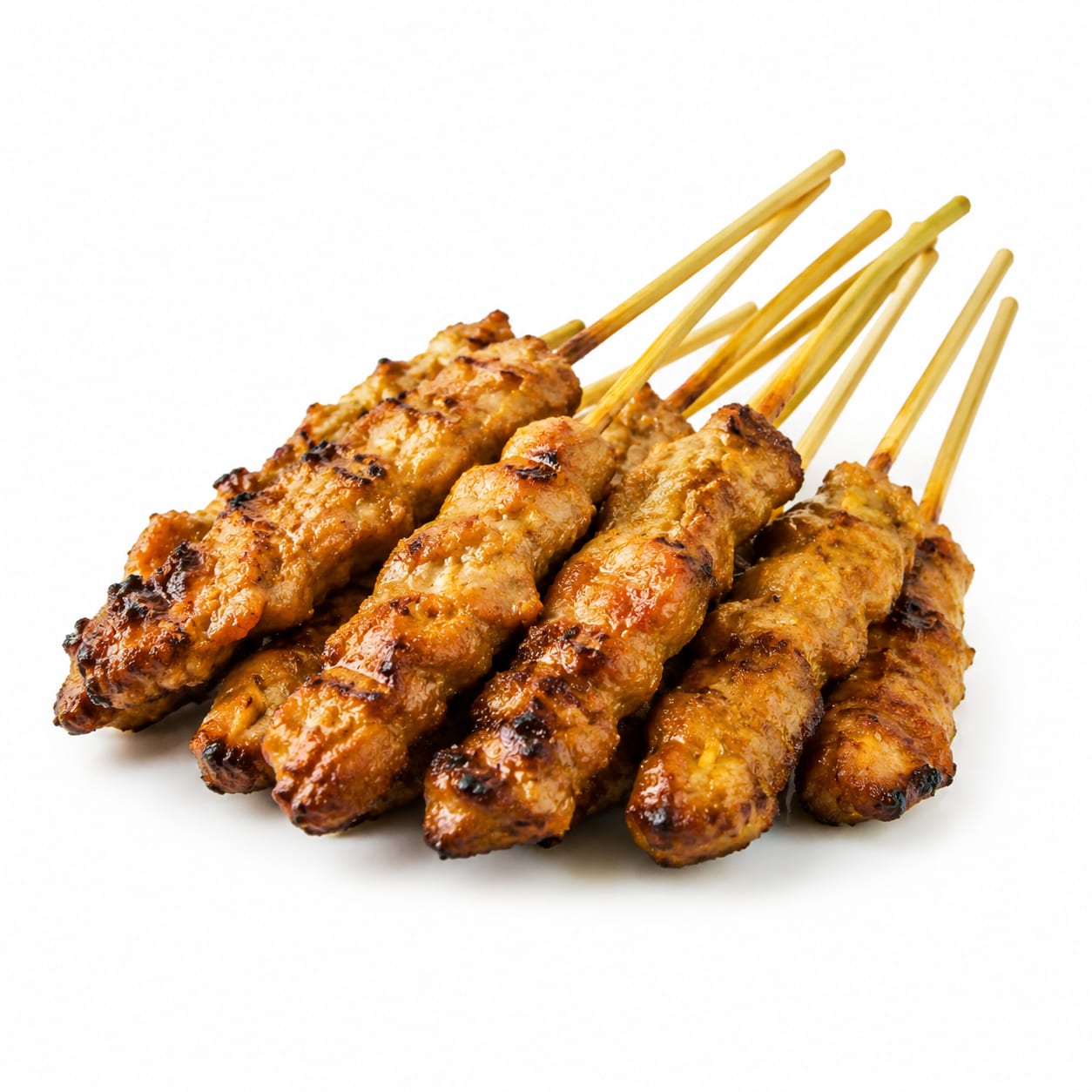
Satay
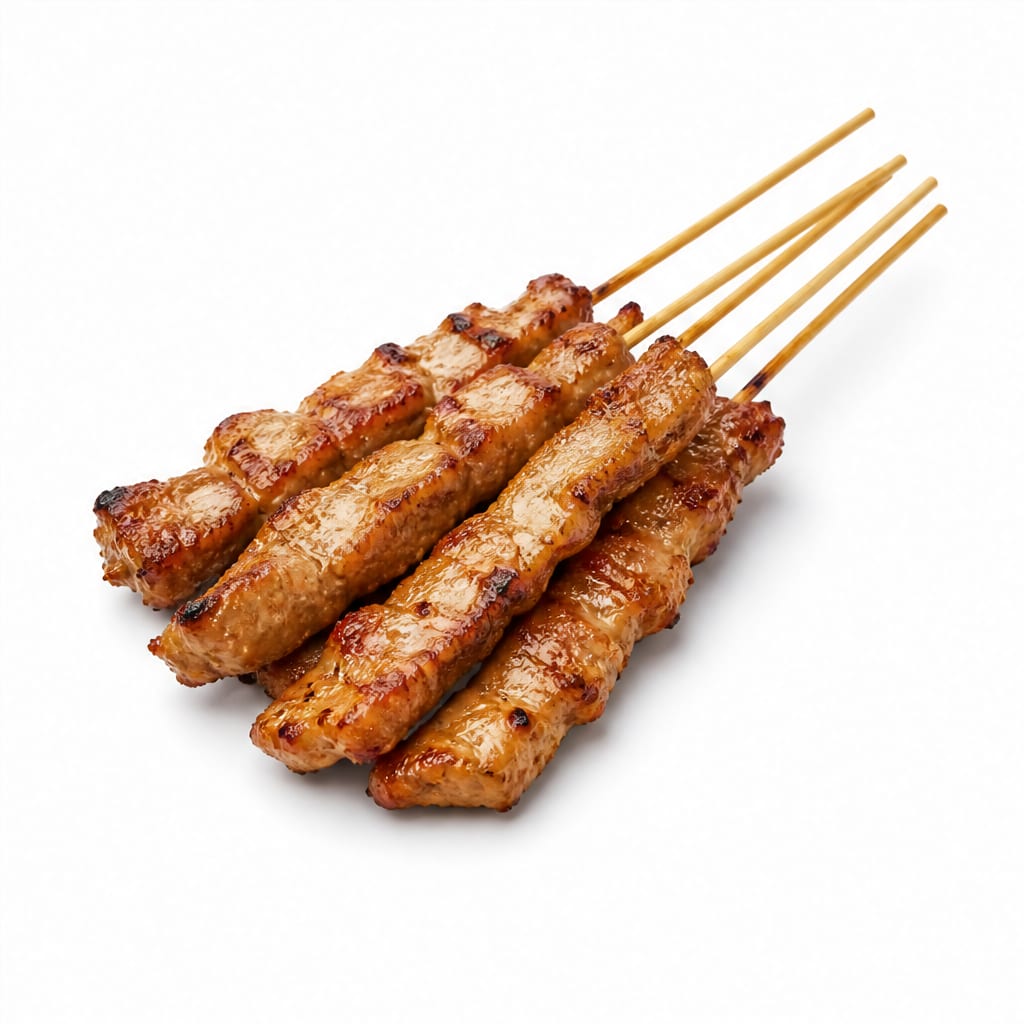
Pork Satay
Classic chicken satay is leaner and more universally accessible, while pork satay offers richer flavor at the cost of higher fat and calories.
Chicken satay scores notably higher due to its leaner protein profile, broader dietary compatibility, and lower health risks with regular consumption. Pork satay loses ground on fat content, caloric density, and cultural accessibility.
Pork satay tastes more indulgent but packs significantly more fat and calories per skewer, plus it excludes halal diets entirely.
At a glance
Executive summary
Overall
Satay
Healthier
Satay
More practical
Satay
Daily use
Satay
Key comparison lenses
protein source quality and leanness
The core difference is the meat itself—generic satay is typically chicken, which is leaner than pork cuts commonly used for satay
fat content and calorie density
Pork satay often uses fattier cuts like pork belly or shoulder, significantly increasing calories per skewer
religious and cultural dietary restrictions
Pork satay is prohibited in halal diets, making it inaccessible for Muslim consumers who form a large portion of satay's traditional audience
flavor richness vs health tradeoff
Pork's higher fat content delivers more indulgent flavor but at a nutritional cost
food safety and contamination risk
Pork carries specific risks like trichinosis and requires more careful cooking compared to poultry
Best choice for
Satay
- Lean protein seekers
- Halal diet followers
- Calorie-conscious eaters
- Frequent satay consumers
Pork Satay
- Flavor maximizers who want the richest bite
- Those unconcerned about fat intake
- Non-halal diners seeking indulgence
Least suitable for
Satay
- People craving the most decadent satay experience
Pork Satay
- Halal observers
- Anyone tracking calories or saturated fat
- Frequent daily consumers
Deep comparison
Dimension by dimension
Each lens scores both foods and breaks down who each option suits.
- Dimension 1 · Priority 92Satay
Protein Quality and Leanness
Satay · 82Pork Satay · 62Chicken satay delivers leaner protein with a better protein-to-calorie ratio, while pork satay's protein comes packaged with significantly more fat.
Tradeoff
Pork satay provides slightly more thiamin and vitamin B6, but the extra fat dilutes its protein efficiency per calorie.
Why it matters
If you're eating satay as a protein source rather than just a snack, chicken gives you more muscle-fueling protein per bite without the fat baggage.
Real-world impact
After a plate of chicken satay, you feel satisfied without heaviness. Pork satay can leave you feeling fuller but also greasier.
Satay
- Post-workout recovery meals
- Lean bulk eating phases
- Anyone counting macros
Better for
- People who find lean meats unsatisfying
Worse for
Pork Satay
- Those who struggle to eat enough calories
Better for
- Anyone on a calorie-restricted diet
Worse for
- Dimension 2 · Priority 88Satay
Fat and Calorie Density
Satay · 78Pork Satay · 45Pork satay can contain 40-70% more calories per skewer than chicken satay, primarily from saturated fat in pork belly or shoulder cuts.
Tradeoff
The fat is what makes pork satay taste so good, but it also makes it easy to overconsume calories before feeling full.
Why it matters
Three pork satay skewers can approach 400 calories, while chicken satay skewers stay closer to 250. That difference compounds quickly at a satay stall.
Real-world impact
You could eat six chicken satay sticks for roughly the same calorie cost as four pork ones, making portion control far easier.
Satay
- Weight management
- Controlling daily calorie intake
- Eating satay as a regular meal option
Better for
- Those who need high-calorie meals to maintain weight
Worse for
Pork Satay
- Bulking when you need calorie-dense food
Better for
- Anyone watching their waistline
- People with heart health concerns
Worse for
- Dimension 3 · Priority 85Satay
Cultural and Dietary Accessibility
Satay · 90Pork Satay · 30Chicken satay is halal and universally acceptable across Southeast Asia's major religions. Pork satay is entirely off-limits for Muslim diners.
Tradeoff
Pork satay thrives in non-halal establishments and offers a unique regional specialty, but it fragments your dining companions along religious lines.
Why it matters
In Malaysia, Indonesia, and Singapore, sharing satay is a communal experience. Pork satay excludes a large portion of the population from that shared moment.
Real-world impact
If you're ordering for a group with mixed dietary needs, chicken satay keeps everyone at the table. Pork satay means finding alternatives for some diners.
Satay
- Group dining with diverse diets
- Halal-compliant meal planning
- Business dinners with unknown dietary restrictions
Better for
- Diners specifically seeking pork-based specialties
Worse for
Pork Satay
- Private meals where dietary restrictions are not a factor
Better for
- Any halal-observing person
- Mixed-faith group gatherings
Worse for
- Dimension 4 · Priority 80Pork Satay
Flavor and Eating Satisfaction
Satay · 70Pork Satay · 85Pork's intramuscular fat bastes the meat from within during grilling, creating a juicier, more flavorful skewer that chicken struggles to match.
Tradeoff
The flavor advantage comes directly from the fat that makes pork satay less healthy. You're trading nutrition for pleasure.
Why it matters
If satay is an occasional treat rather than a staple, the flavor argument for pork becomes much more compelling.
Real-world impact
Biting into pork satay delivers a richer, more succulent chew. Chicken satay can sometimes dry out on the grill, especially on thinner cuts.
Satay
- Those who prefer lighter, cleaner-tasting meat
- Pairing with strongly seasoned peanut sauce where meat richness matters less
Better for
- People who find chicken satay too dry
Worse for
Pork Satay
- Special occasion indulgence
- Food enthusiasts seeking the best-tasting option
- When satay is the star of the meal
Better for
- Those who find fatty meat unpleasant
Worse for
- Dimension 5 · Priority 75Satay
Food Safety and Cooking Risk
Satay · 75Pork Satay · 55Pork requires more careful handling and thorough cooking due to parasites like trichinosis and higher bacterial contamination risk compared to poultry satay.
Tradeoff
Properly cooked pork satay from reputable vendors is safe, but the margin for error is thinner, especially at street stalls with inconsistent heat control.
Why it matters
Undercooked chicken is also risky, but pork carries additional parasite concerns that chicken does not, particularly in regions with variable food safety standards.
Real-world impact
At a well-run restaurant, both are safe. At a roadside stall with questionable temperature control, pork satay carries slightly more risk.
Satay
- Street food dining in unfamiliar places
- Home cooks less experienced with meat safety
Better for
- Minimal added risk with proper cooking
Worse for
Pork Satay
- Established restaurants with reliable food safety
Better for
- Immunocompromised individuals
- Pregnant women who need to be extra cautious
Worse for
- Dimension 6 · Priority 65Pork Satay
Nutrient Density Beyond Protein
Satay · 60Pork Satay · 72Pork is richer in thiamin, zinc, and vitamin B6 than chicken, offering a slightly more diverse micronutrient profile per serving.
Tradeoff
These vitamin advantages are real but modest, and they come attached to the higher fat and calorie load that pork satay carries.
Why it matters
If you rarely eat pork elsewhere, satay could be a meaningful thiamin source. But if you already eat a varied diet, the difference is negligible.
Real-world impact
Pork satay contributes more B vitamins per skewer, but you'd need to eat several to notice any real nutritional benefit—and the extra calories would add up fast.
Satay
- Those who already get B vitamins from other sources
Better for
- Very restricted diets where every micronutrient counts
Worse for
Pork Satay
- People with limited dietary variety who need micronutrient density
- Those who don't eat pork otherwise
Better for
- People already meeting B vitamin needs through other foods
Worse for
Timeline
Health impact over time
Short-term
Hours to days
Satay
- Lighter post-meal feeling with less digestive heaviness
- Steadier energy without the fat-induced sluggishness
- Lower immediate sodium impact if leaner cuts are used
Pork Satay
- More pronounced fullness due to higher fat content
- Potential for greasier aftertaste depending on cut quality
- Greater satiety per skewer but also more digestive load
Long-term
Months to years
Satay
- Better cardiovascular profile with regular consumption due to lower saturated fat
- Easier to maintain healthy weight when satay is a frequent meal
- Lower cumulative exposure to processed meat-related compounds
Pork Satay
- Higher saturated fat intake if consumed regularly may impact heart health over time
- Increased calorie load from frequent pork satay can contribute to weight gain
- Thiamin and zinc benefits are real but outweighed by fat concerns at high frequency
Risk profile
Safety & processing
Both satay varieties are similarly processed—marinated, skewered, and grilled with spice pastes that may contain added sugar, MSG, and preservatives. The processing difference between them is negligible; the meaningful distinction is the meat itself, not how it's prepared.
Satay
Salmonella from undercooked poultry
mediumStandard poultry risk; ensure meat is cooked through with no pink center. Reputable vendors typically handle this well.
Sodium from marinades and dipping sauce
mediumSatay peanut sauce and spice marinades can be sodium-heavy, though this applies equally to both varieties.
Pork Satay
Trichinosis and parasite contamination
lowRare in developed countries and with commercially raised pork, but still a consideration in regions with less regulated farming. Thorough cooking eliminates the risk.
Higher bacterial contamination potential
mediumPork can harbor more diverse pathogens than chicken when improperly handled, requiring stricter temperature control during storage and cooking.
Nitrates or nitrites in processed pork cuts
lowIf the pork satay uses cured or preserved pork rather than fresh cuts, nitrate exposure becomes a minor concern. Most traditional satay uses fresh meat.
Who wins for whom
Audience fit
Same foods, different winners depending on your goal.
children
SatayChicken satay is easier for kids to chew, less greasy, and avoids the higher food safety concerns that pork carries for developing immune systems.
daily consumption
SatayChicken satay's lower fat and calorie profile makes it sustainable as a regular meal. Pork satay is better reserved for occasional enjoyment.
diabetes
SatayLower fat and calorie content reduces insulin resistance burden. Both carry similar sugar from marinades, but chicken's leaner profile is metabolically gentler.
elderly
SatayLeaner protein is easier to digest and better for cardiovascular health, which becomes increasingly important with age.
muscle gain
SatayLeaner protein supports muscle building without excess calories from fat. Chicken satay offers a cleaner protein-to-calorie ratio for athletes.
weight loss
SatayChicken satay provides more protein per calorie and significantly less fat, making it far easier to fit into a calorie deficit.
Your move
Decision guide
Choose Satay
- You eat satay more than once a week
- You're watching your weight or heart health
- You're dining with Muslim friends or colleagues
- You want a lighter meal that won't slow you down afterward
- You prefer cleaner protein with less fat
Choose Pork Satay
- Satay is a rare treat and you want the best-tasting option
- You're not concerned about fat or calorie intake
- You're eating at a specialty pork satay stall known for quality
- You find chicken satay too dry or bland
- You need calorie-dense food for weight gain
Either works if
- You're eating satay only occasionally as part of a balanced diet
- You pair it with vegetables and rice for a complete meal
- You control portions by limiting yourself to 3-4 skewers
Avoid both if
- You have severe peanut allergies due to the dipping sauce
- You're on a strict low-sodium diet and cannot accommodate marinades
- You're avoiding grilled or charred meats due to carcinogen concerns
Final recommendation
Make chicken satay your default for regular meals—it's leaner, more inclusive, and easier on your body long-term. Save pork satay for when you truly want to indulge and the flavor upgrade matters. Both are best enjoyed in moderation with fresh cucumber and ketupat on the side.
Practical
Consumer tips
- 1
Ask for leaner pork cuts like tenderloin if available—pork satay doesn't have to mean pork belly
- 2
Go easy on the peanut sauce; it adds significant calories and sugar regardless of which meat you choose
- 3
Pair satay with cucumber and onion garnishes to add volume and fiber without extra calories
- 4
Limit yourself to 4-6 skewers per meal and round out the plate with vegetables and rice
- 5
At street stalls, verify that pork satay is cooked through with no pink center before eating
- 6
If making satay at home, chicken thigh meat stays juicier than breast and closes the flavor gap with pork