
Nutrition comparison
Satay vs Spring Rolls: Nutrition, Calories, and Health Comparison
Compare Satay vs Spring Rolls to see which is healthier. Discover the nutritional differences, calorie counts, and best uses for each appetizer.
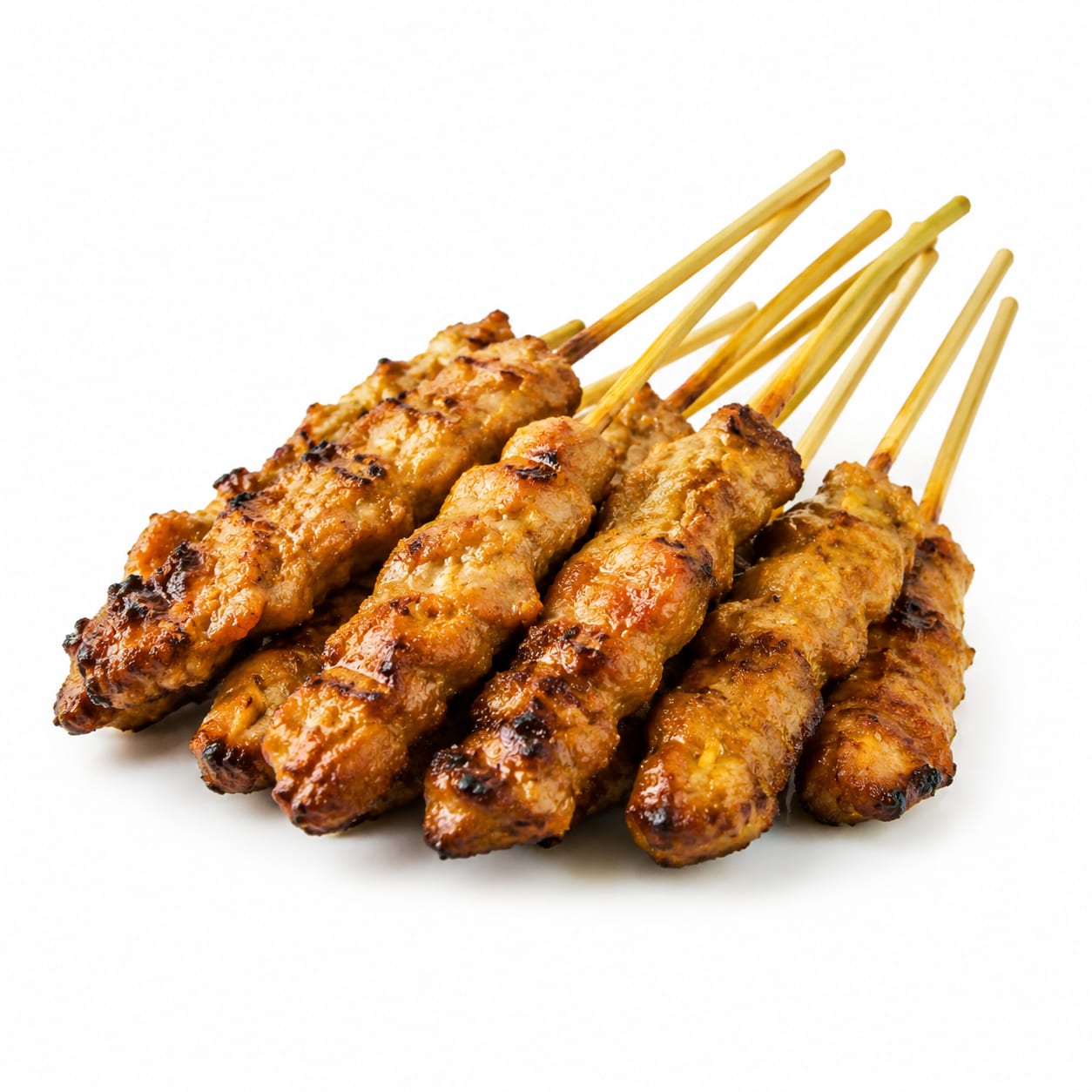
Satay
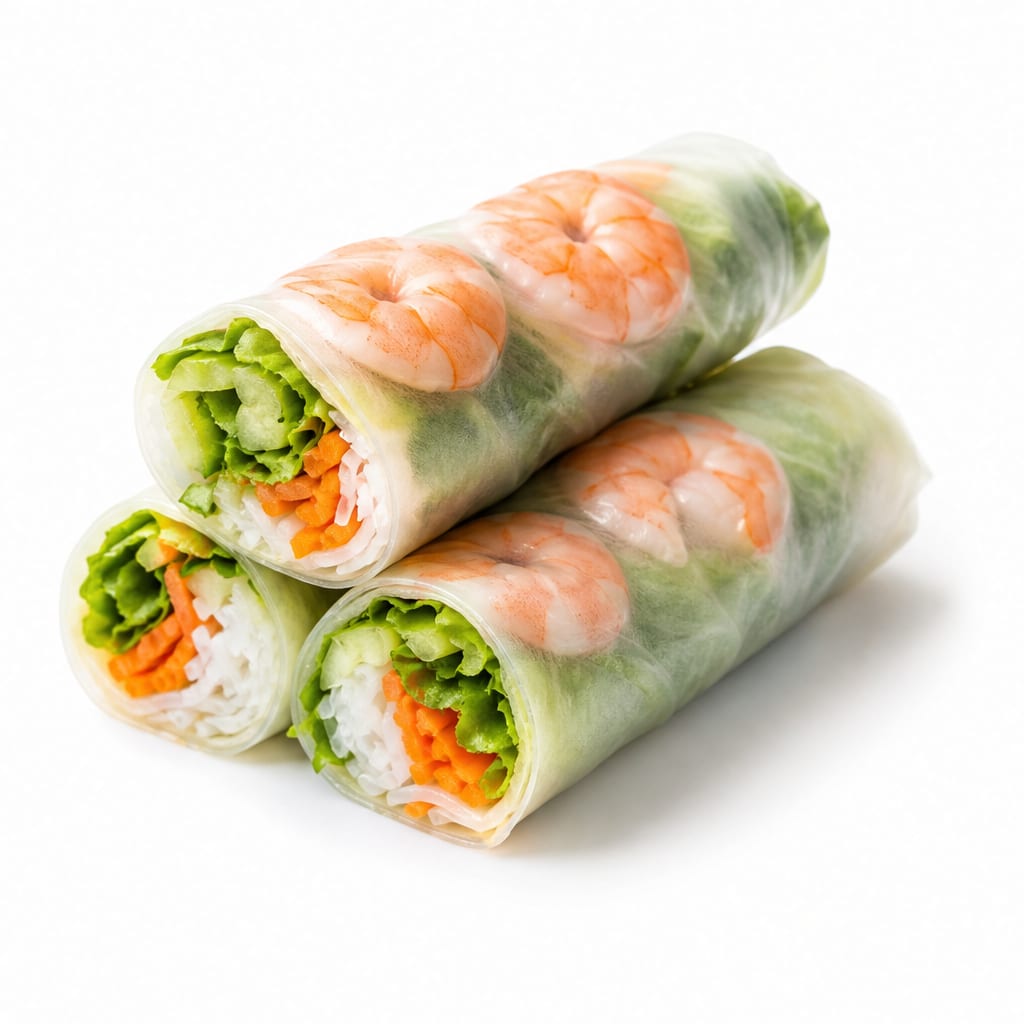
Spring Rolls
Satay brings heavy protein and bold flavor at a caloric cost, while Spring Rolls offer a refreshing, low-calorie bite but lack staying power.
Spring Rolls score slightly higher for everyday health due to lower calories and higher vegetable content, but Satay's strong protein profile keeps it competitive for specific dietary needs.
High protein and satiety from Satay versus the low-calorie, vegetable-rich lightness of Spring Rolls.
At a glance
Executive summary
Overall
It depends
Healthier
It depends
More practical
Spring Rolls
Daily use
Spring Rolls
Key comparison lenses
Protein vs. Lightness
Satay is a protein-heavy skewer while Spring Rolls are a lighter vegetable-focused appetizer.
Calorie and Fat Tradeoffs
Satay's peanut sauce adds significant calories and fat compared to the fresh, low-fat nature of Spring Rolls.
Sodium and Hidden Sugars
Satay marinades and peanut sauces often contain hidden sugars and high sodium, whereas fresh Spring Rolls rely more on lighter dipping sauces.
Best choice for
Satay
- Post-workout meals needing protein
- Keto or low-carb diets
- Days when you need a filling snack
Spring Rolls
- Light lunches on hot days
- Weight management plans
- Adding more vegetables to your diet
Least suitable for
Satay
- People with peanut allergies
- Strict low-fat diets
- Light snacking before a big meal
Spring Rolls
- High-protein diets
- Recovery after intense workouts
- Very active, high-calorie burn days
Deep comparison
Dimension by dimension
Each lens scores both foods and breaks down who each option suits.
- Dimension 1 · Priority 95Satay
Protein & Satiety
Satay · 90Spring Rolls · 35Satay is a protein powerhouse thanks to the meat and peanut sauce, while Spring Rolls offer minimal protein.
Tradeoff
You get long-lasting fullness from Satay, but it comes with a much heavier calorie load.
Why it matters
Protein is essential for muscle maintenance and keeping hunger at bay for hours.
Real-world impact
Eating Satay will likely keep you full until your next meal, whereas Spring Rolls might leave you reaching for a snack an hour later.
Satay
- Muscle recovery
- Preventing afternoon energy crashes
- Reducing overall daily hunger
Better for
- Eating right before intense exercise
- Light snacking
Worse for
Spring Rolls
- Light appetizers before a heavy main
- Small frequent meals
Better for
- Post-workout recovery
- Sustaining energy through a long workday
Worse for
- Dimension 2 · Priority 90Spring Rolls
Calorie & Fat Density
Satay · 40Spring Rolls · 85Fresh Spring Rolls are low in calories and fat, whereas Satay is calorie-dense due to the peanut sauce and marinated meat.
Tradeoff
Satay provides satisfying healthy fats from peanuts, but the calories add up quickly if you eat several skewers.
Why it matters
Managing calorie density is key for weight maintenance without having to count every bite.
Real-world impact
You can eat several Spring Rolls without feeling heavy, but three or four Satay skewers can easily become a full meal's worth of calories.
Satay
- Hikers needing calorie-dense fuel
- People struggling to gain weight
Better for
- Sedentary desk lunches
- Strict calorie counting
Worse for
Spring Rolls
- Weight loss journeys
- Feeling full without overeating calories
Better for
- Endurance athletes needing energy density
Worse for
- Dimension 3 · Priority 85Spring Rolls
Micronutrients & Fiber
Satay · 45Spring Rolls · 80Spring Rolls are packed with fresh vegetables and herbs, offering more fiber and vitamins, while Satay is primarily meat and sauce.
Tradeoff
You sacrifice the vitamin boost from fresh produce when you choose the meat-heavy Satay.
Why it matters
Fiber aids digestion and vegetable micronutrients support long-term immune health.
Real-world impact
Spring Rolls feel light and digest easily, while a Satay-heavy meal might leave you feeling sluggish without the fiber balance.
Satay
- Iron and B-vitamin intake from meat
Better for
- Meeting daily vegetable requirements
- Digestive regularity
Worse for
Spring Rolls
- Improving digestion
- Boosting vitamin intake
- Adding bulk to meals without calories
Better for
- Getting enough dietary iron
Worse for
- Dimension 4 · Priority 80Spring Rolls
Sodium & Hidden Sugars
Satay · 35Spring Rolls · 65Satay marinades and peanut sauces are often loaded with sodium and sugar, whereas fresh Spring Rolls are naturally low in both unless heavily dipped.
Tradeoff
Satay delivers a rich, sweet, and savory flavor profile, but it comes at the cost of a high sodium and sugar load.
Why it matters
Excess sodium raises blood pressure, and hidden sugars can trigger cravings.
Real-world impact
Eating Satay might leave you feeling bloated and thirsty, while Spring Rolls feel much gentler on the system.
Satay
- Flavor satisfaction
- Replenishing sodium after heavy sweating
Better for
- People with hypertension
- Those watching sugar intake
Worse for
Spring Rolls
- Managing blood pressure
- Reducing sugar cravings
- Heart-healthy eating
Better for
- Those needing bold flavors to feel satisfied
Worse for
Timeline
Health impact over time
Short-term
Hours to days
Satay
- Immediate feeling of fullness and satisfaction
- Potential thirst from high sodium in the sauce
Spring Rolls
- Light, refreshing energy without a food coma
- May feel hungry again within an hour or two
Long-term
Months to years
Satay
- Excellent for maintaining muscle mass due to high protein
- Frequent consumption could impact heart health if sodium and saturated fat intake are high
Spring Rolls
- Supports healthy digestion and weight management through high fiber and low calories
- Requires conscious protein pairing to prevent muscle loss over time
Risk profile
Safety & processing
Fresh Spring Rolls are largely whole foods wrapped in rice paper, while Satay relies on processed marinades and sauces that often contain added starches, sugars, and preservatives.
Satay
Undercooked Poultry
highChicken Satay must be cooked thoroughly to avoid Salmonella; street vendor hygiene can vary.
Peanut Allergy Cross-Contamination
highSatay sauce is peanut-based, making it dangerous for those with allergies, and cross-contamination is common.
Spring Rolls
Raw Produce Contamination
mediumFresh herbs and vegetables in Spring Rolls can harbor bacteria if not washed properly.
Raw Protein Handling
mediumIf containing cooked shrimp or pork, improper refrigeration can lead to rapid bacterial growth.
Who wins for whom
Audience fit
Same foods, different winners depending on your goal.
children
Spring RollsSpring Rolls are easier to chew, lack the choking hazard of sharp skewers, and are a fun way to eat vegetables.
daily consumption
Spring RollsThe lower calorie density and higher vegetable content make Spring Rolls a more sustainable daily choice.
diabetes
It dependsSatay is lower in carbs but high in sugar from the sauce; Spring Rolls have rice paper but more fiber. Portion control is key for both.
elderly
Spring RollsThe soft texture of Spring Rolls is gentler on aging teeth and digestion, and they are lower in sodium.
muscle gain
SataySatay provides a substantial amount of protein necessary for muscle repair and growth.
weight loss
Spring RollsSpring Rolls are much lower in calories and fat, making it easier to maintain a calorie deficit.
Your move
Decision guide
Choose Satay
- You need a filling, high-protein meal after a workout
- You are eating a low-carb or ketogenic diet
- You want something savory and satisfying that will keep you full for hours
Choose Spring Rolls
- You want a light appetizer or snack that won't ruin your appetite
- You are trying to lose weight or eat more vegetables
- It is a hot day and you crave something refreshing
Either works if
- You are eating at a Thai or Vietnamese restaurant and want a starter
- You want an appetizer to share with a group
Avoid both if
- You have severe peanut allergies, as both are often served in environments with cross-contamination
- You are on a strict low-sodium diet and cannot control the sauce ingredients
Final recommendation
Choose Satay when you need serious protein and satiety, and pick Spring Rolls when you want a lighter, veggie-forward start to your meal. For the best of both worlds, split an order of Spring Rolls and a couple of Satay skewers.
Practical
Consumer tips
- 1
Ask for Satay sauce on the side to control calorie and sugar intake.
- 2
Choose fresh Spring Rolls over fried ones to keep the calorie count low.
- 3
Pair Spring Rolls with a protein-rich main dish to ensure you stay full.
- 4
Opt for chicken or beef Satay over pork to slightly reduce saturated fat.