
Seafood
Sashimi
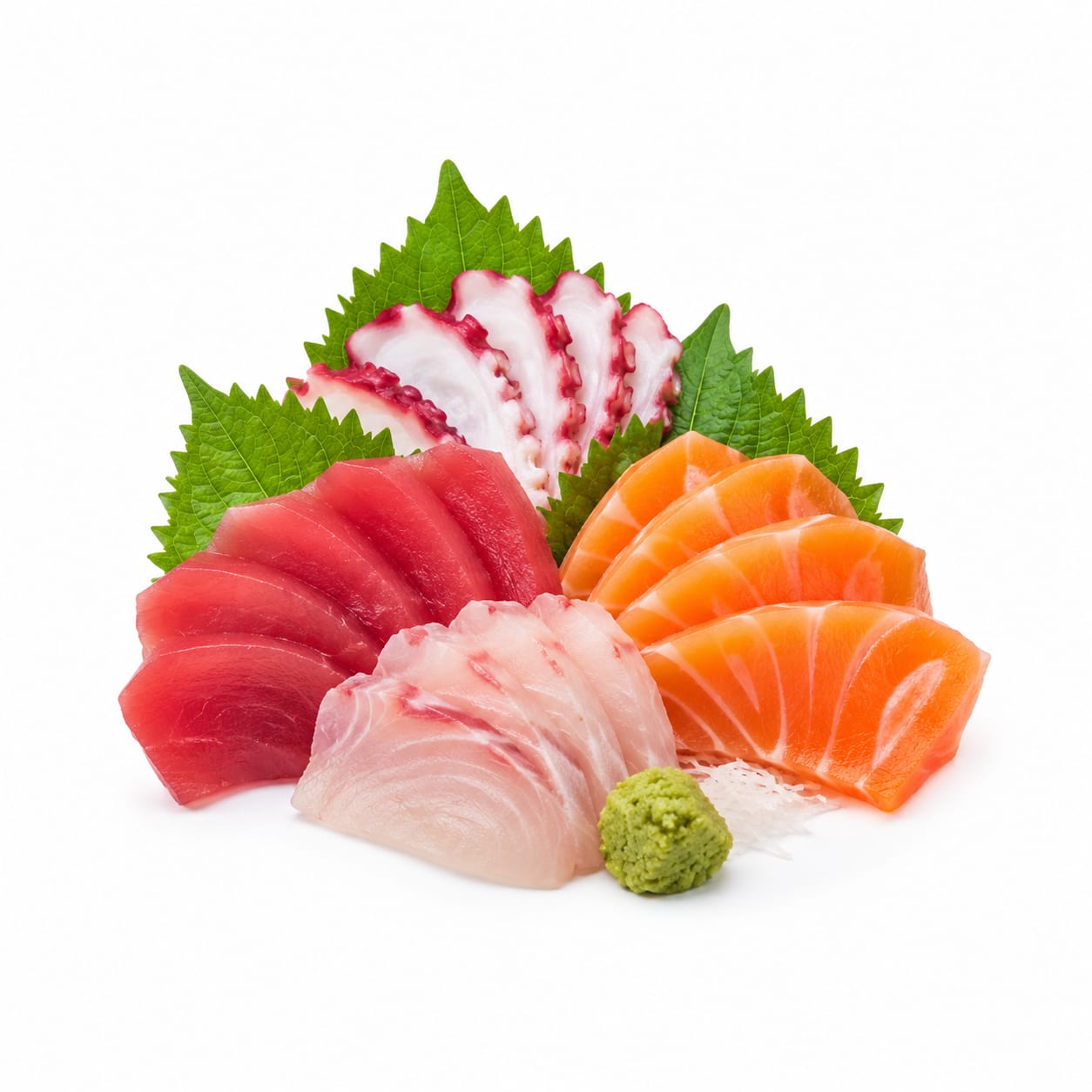
Sashimi is thinly sliced raw fish served without rice, prized for its pure protein and omega-3 content.
Sashimi is a Japanese delicacy consisting of thinly sliced fresh raw fish or meat, served without rice, often accompanied by soy sauce, wasabi, and pickled ginger.
protein-dense raw seafood
Typical serving · 120g
Common varieties · tuna (maguro), salmon (sake), yellowtail (hamachi), octopus (tako), scallop (hotate) +1 more
Overall context score across nutrition, safety, and diet fit
At a glance
Quick facts
Simple indicators based on nutrition, processing, and diet fit.
The story
What makes it unique
Sashimi is a fast-digesting, high-protein food with zero carbohydrates and variable fat content depending on the fish species. It provides high satiety due to its dense protein content and requires minimal digestive processing. As a raw, uncooked food, its macronutrient profile remains completely unaltered by heat, preserving native enzymes and omega-3 fatty acids.
Varieties: tuna (maguro) · salmon (sake) · yellowtail (hamachi) · octopus (tako) · scallop (hotate) · mackerel (saba)
Per 100g
Nutrition breakdown
Macro balance and key metrics at a glance.
Energy
Density 1.30 kcal/g
Protein
Carbs
Fat
Fiber
Sugar
0 g
Sodium
40 mg
Potassium
300 mg
Glycemic index
0
Glycemic load
0
Water content
72%
Standout compounds
Nutrient highlights
Protein
highsupports lean muscle mass and satiety
Omega-3 Fatty Acids
highreduces inflammation and supports cardiovascular health
Vitamin B12
highessential for nerve function and red blood cell formation
Selenium
moderateacts as a powerful antioxidant and supports thyroid function
Wellness map
Health scores & processing
NOVA processing scale
unprocessed · Whole food
Sashimi is a raw, uncooked whole food that undergoes no chemical processing or refinement, though it requires freezing for parasite control before serving.
Diet compatibility
- Weight loss
- Muscle gain
- Diabetes
- Gut health
- Low carb
- High protein
- Heart health
Relative standing
Food rankings
Qualitative ranks compared to similar whole foods.
- Satietygood
- Blood sugarexcellent
- Nutrient densityexcellent
- Fitness fuelexcellent
- Processing qualityexcellent
Eat with confidence
Food safety profile
Raw seafood carries inherent risks for bacterial contamination and parasites. Large predatory fish like tuna accumulate higher mercury levels, which can be a concern with frequent consumption.
Evidence confidence 85%
- Pesticideslow
- Antibioticsmoderate
- Heavy metalshigh
- Contaminationhigh
Watch for
- mercury
- anisakis parasites
- listeria
- salmonella
Safer choices
Previously frozen sashimi-grade fish from reputable suppliers; cooked fish; lower mercury options like salmon or scallop instead of tuna.
Prep tips
Keep fish strictly refrigerated at or below 40°F until serving. Consume immediately after slicing. Source only sushi-grade fish designated safe for raw consumption.
FDA requires fish intended for raw consumption to be previously frozen to destroy parasites, though heavy metal accumulation is not removed by freezing.
Deep dive
Health analysis
How this food may fit different goals and preparation choices.
Weight loss
Extremely low energy density and high protein content promote strong satiety, making it highly effective for calorie-controlled diets.
Blood sugar
Zero carbohydrates result in no glycemic impact, making it an ideal protein source for stabilizing blood sugar levels.
Fitness & energy
Fast-digesting lean protein supports immediate muscle repair post-workout, though it lacks carbohydrates for glycogen replenishment.
Gut health
Lacks dietary fiber, providing no prebiotic benefits. Raw seafood also poses a slight risk of foodborne illness which can disrupt gut microbiome balance.
Processing quality
Pure, unprocessed whole food with no additives, preservatives, or refined ingredients.
Food safety
Risk of anisakiasis and bacterial infection is mitigated by industry-standard freezing protocols, but mercury bioaccumulation remains a chronic concern for heavy consumers.
Common mistakes
Drowning sashimi in soy sauce adds excessive sodium, undermining its heart-health benefits. Confusing sashimi with sushi leads to unintended carbohydrate consumption.
Best preparation
Served cold and sliced against the grain. Must be sourced as sushi-grade and kept at safe temperatures until immediate consumption.
Practical guide
Best use cases
When and how this food fits real eating patterns.
post-workout protein
Provides fast-digesting, high-quality amino acids to support muscle repair immediately after exercise.
keto-friendly dining out
A perfect restaurant choice for strict ketogenic dieters seeking pure protein and healthy fats with zero carbs.
light high-protein dinner
Low energy density ensures a satisfying meal without feelings of heaviness or bloating common with cooked meats.
omega-3 boost
Delivers intact, highly bioavailable EPA and DHA omega-3 fatty acids directly from unheated fish oil.
Balance sheet
Pros & cons
Upsides
- High-quality complete protein source
- Rich in bioavailable omega-3 fatty acids
- Zero carbohydrates with no glycemic impact
- Completely unprocessed whole food
- High satiety relative to low calorie count
Trade-offs
- Risk of foodborne illness and parasites from raw consumption
- Potential heavy metal and mercury exposure
- Zero dietary fiber
- High cost per calorie compared to other proteins
- Requires strict cold-chain handling and rapid consumption
Fit check
Who is it for?
Great match
- low-carb diets
- lean muscle gain
- omega-3 supplementation
- gluten-free diets
- zero-carb meal plans
Consider alternatives
- immune-compromised individuals
- pregnant women
- those with seafood allergies
- budget-conscious meal prep
- people seeking prebiotic fiber
Side by side
How it compares
Open the full head-to-head analysis for nutrition, safety, and practical tradeoffs.
This food
Sashimi
VS90% alike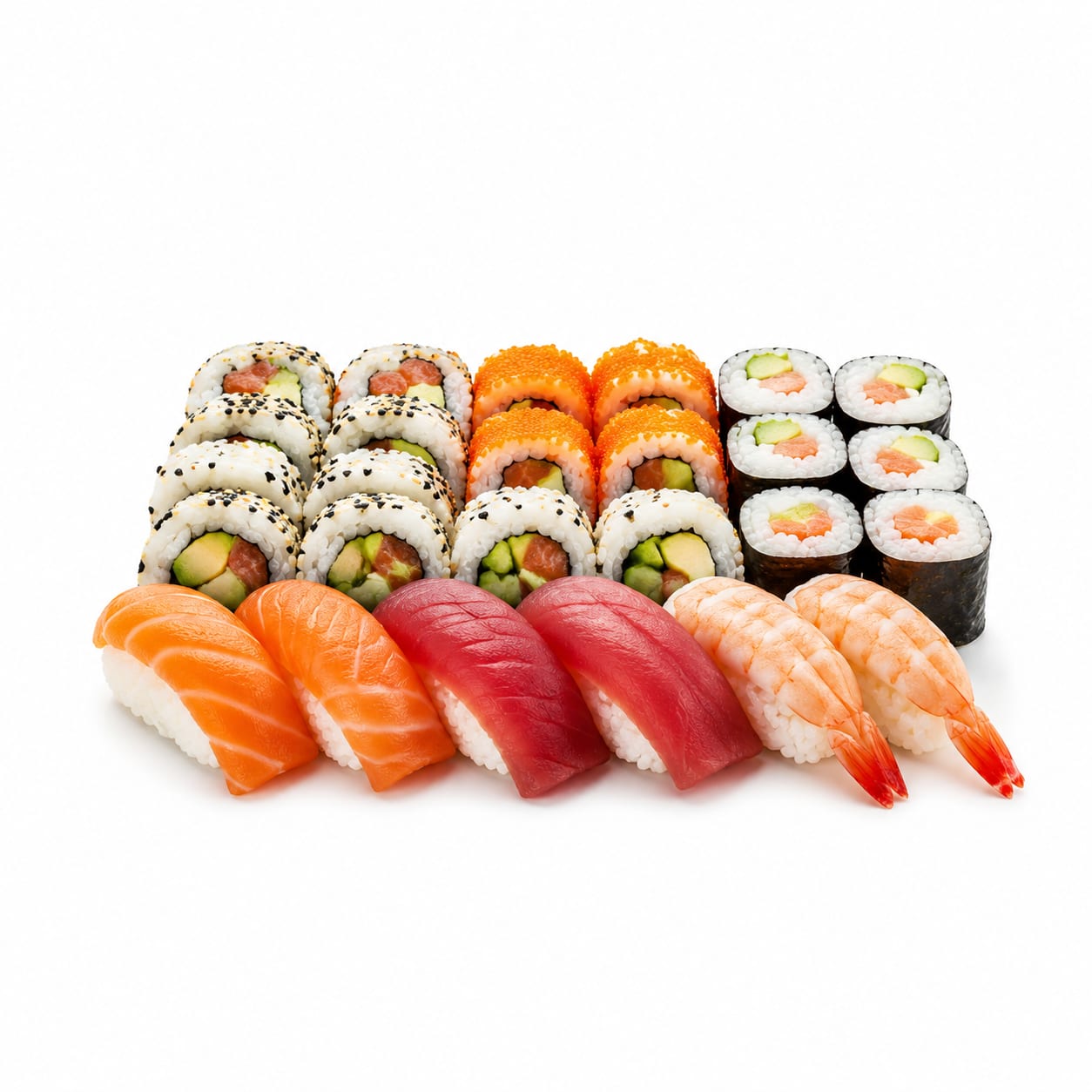
Compare with
Sushi
Sashimi is pure fish, while sushi combines fish with vinegared rice.
Sashimi is lower in calories and carbs than sushi because it lacks the vinegared rice, making it better for blood sugar control and weight loss.
This food
Sashimi
VS80% alike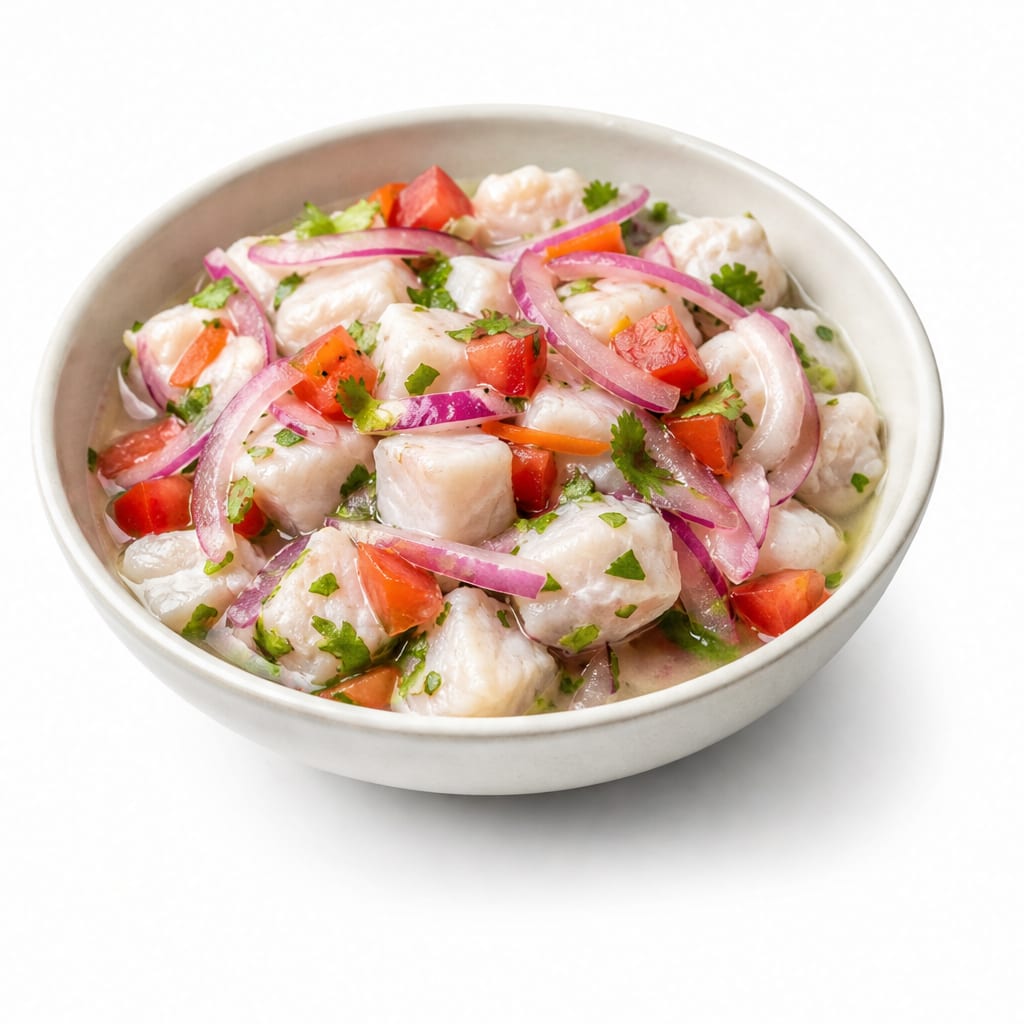
Compare with
Ceviche
Ceviche offers more flavor variety and vegetables, while sashimi provides pure, unadulterated fish protein.
Sashimi provides denser protein without added sugars or marinades, whereas ceviche contains vegetables and citrus juice that add carbs and flavor.
This food
Sashimi
VS75% alike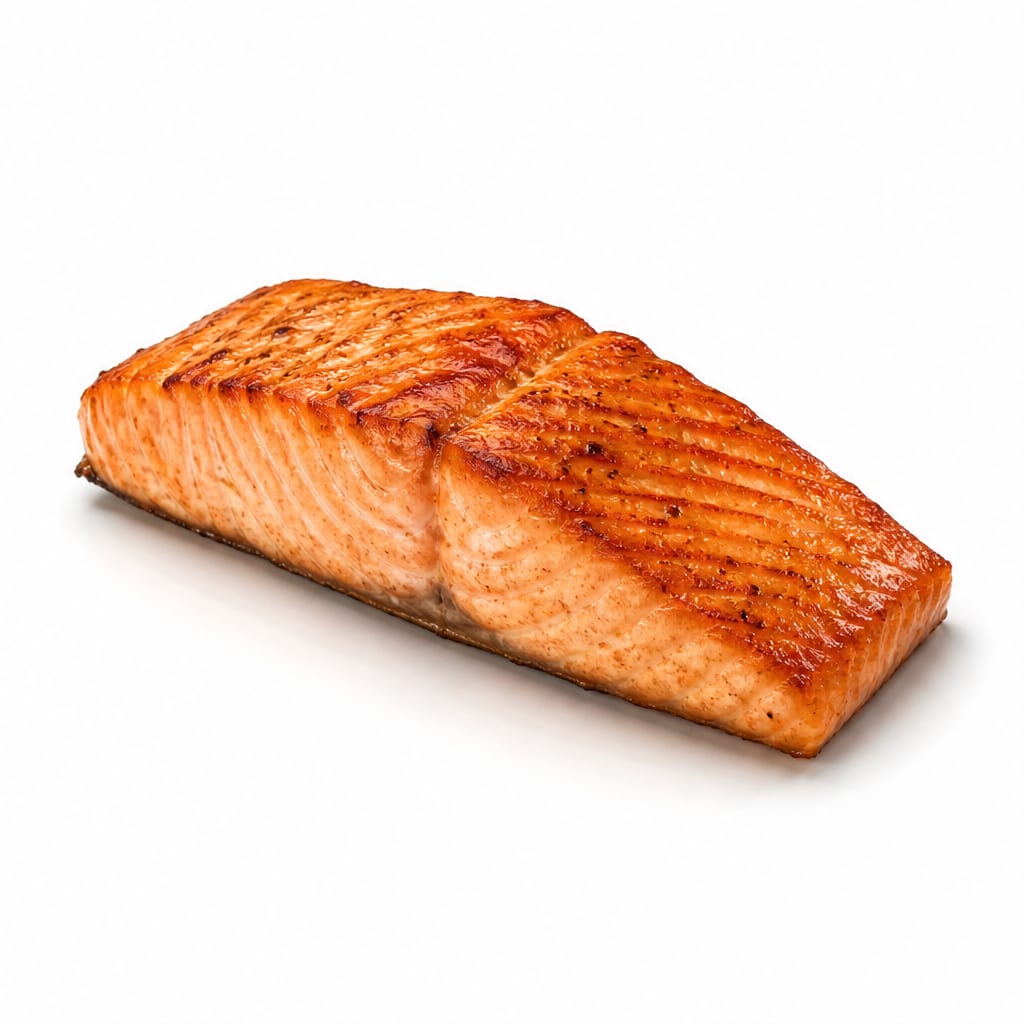
Compare with
Cooked Salmon
Cooked salmon is safer and slightly easier to digest, while sashimi retains more intact omega-3 fats.
Cooked salmon is safer and easier to digest, while raw sashimi retains slightly more unoxidized omega-3s but carries raw food risks.
This food
Sashimi
VS80% alike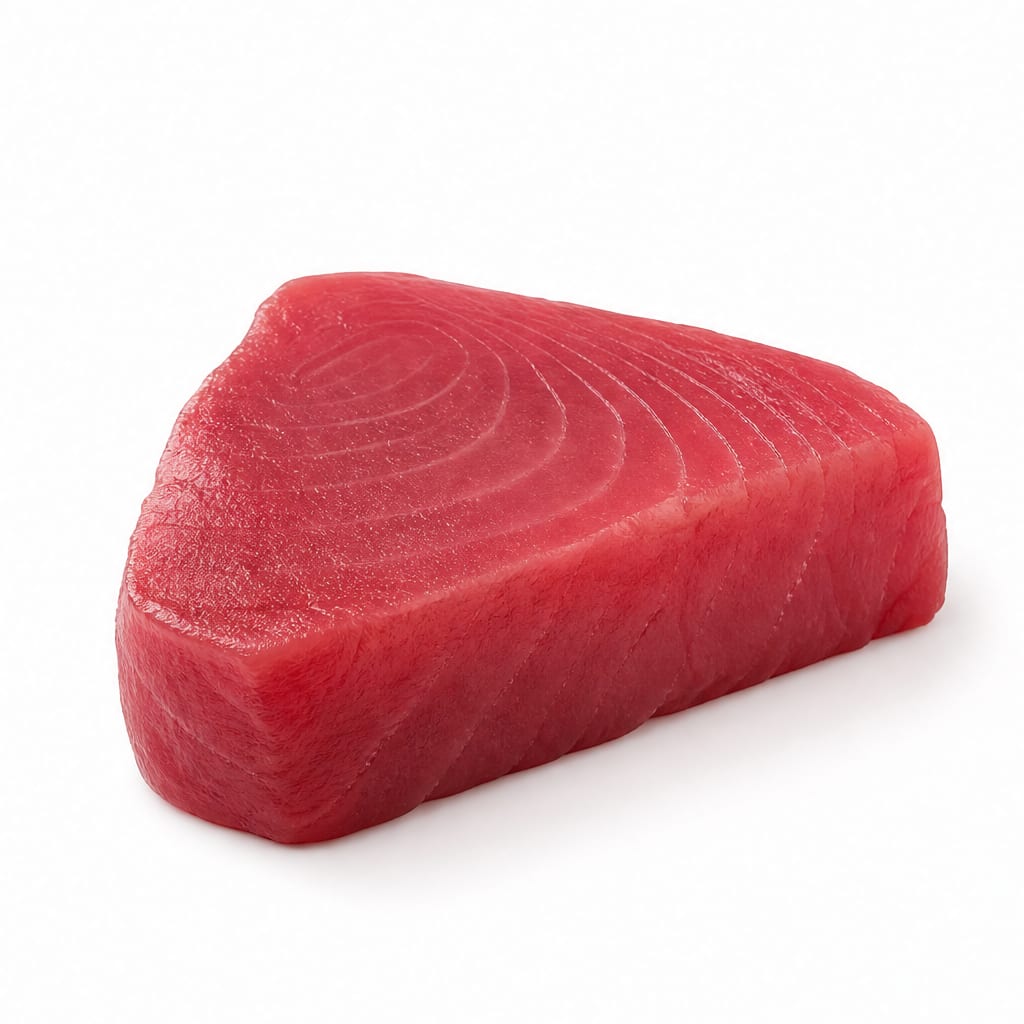
Compare with
Tuna Steak
Tuna steak offers a cooked safety profile, while sashimi provides a delicate, raw texture and unaltered fats.
Both offer high protein and zero carbs, but tuna steak is fully cooked for safety, while sashimi is raw and requires sushi-grade handling.
This food
Sashimi
VS70% alike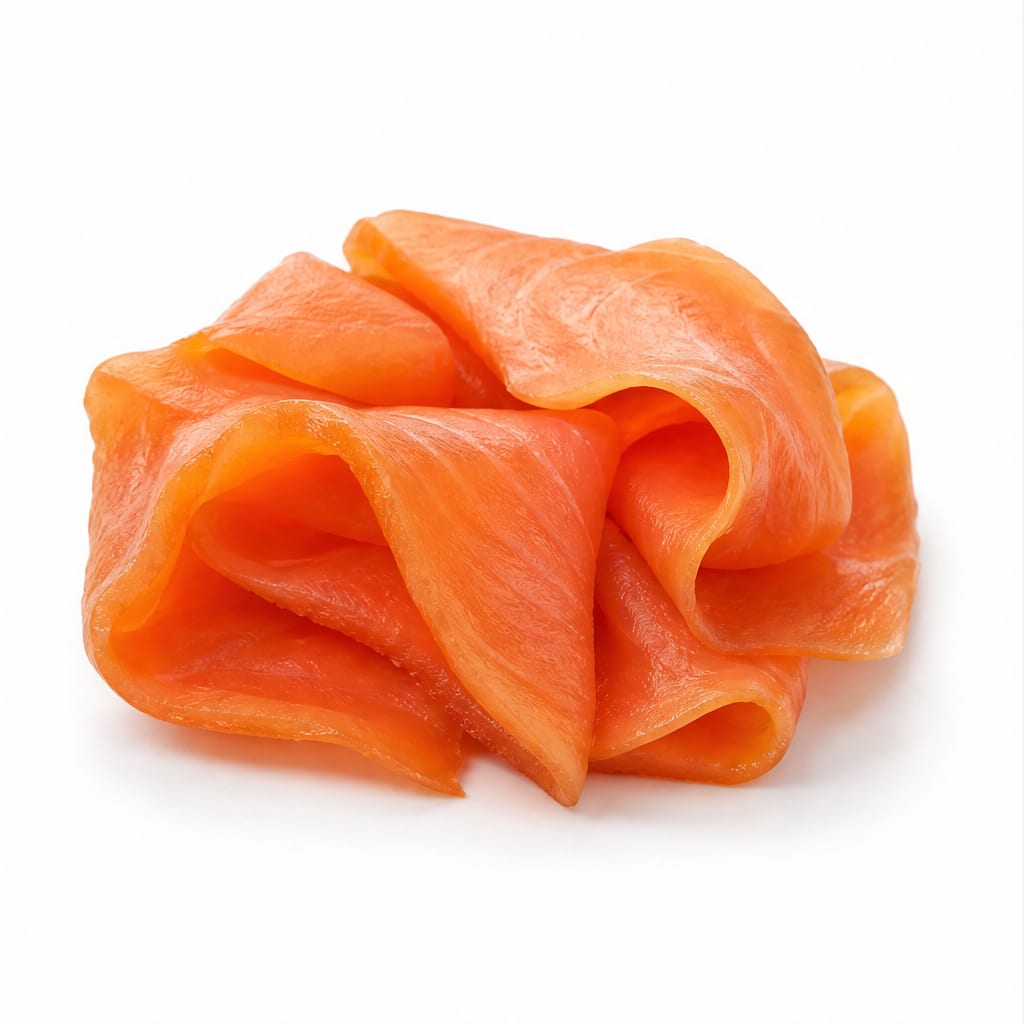
Compare with
Smoked Salmon
Sashimi is fresh and raw, while smoked salmon is cured, resulting in much higher sodium.
Sashimi is much lower in sodium than smoked salmon, making it better for heart health and blood pressure management.
This food
Sashimi
VS75% alike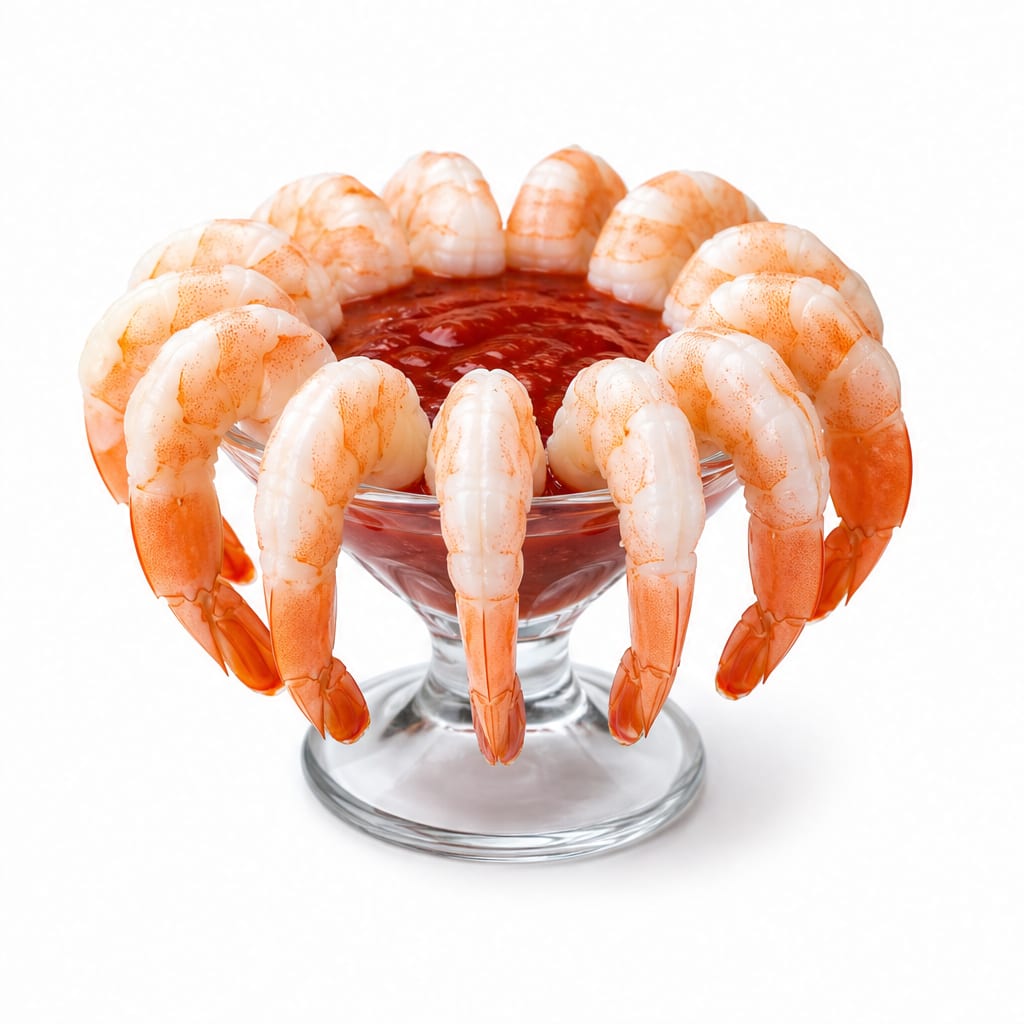
Compare with
Shrimp Cocktail
Shrimp is cooked and slightly lower in calories, while sashimi offers more omega-3s.
Shrimp cocktail is lower in calories and fully cooked for safety, while sashimi provides richer omega-3 fats and a more tender texture.
This food
Sashimi
VS65% alike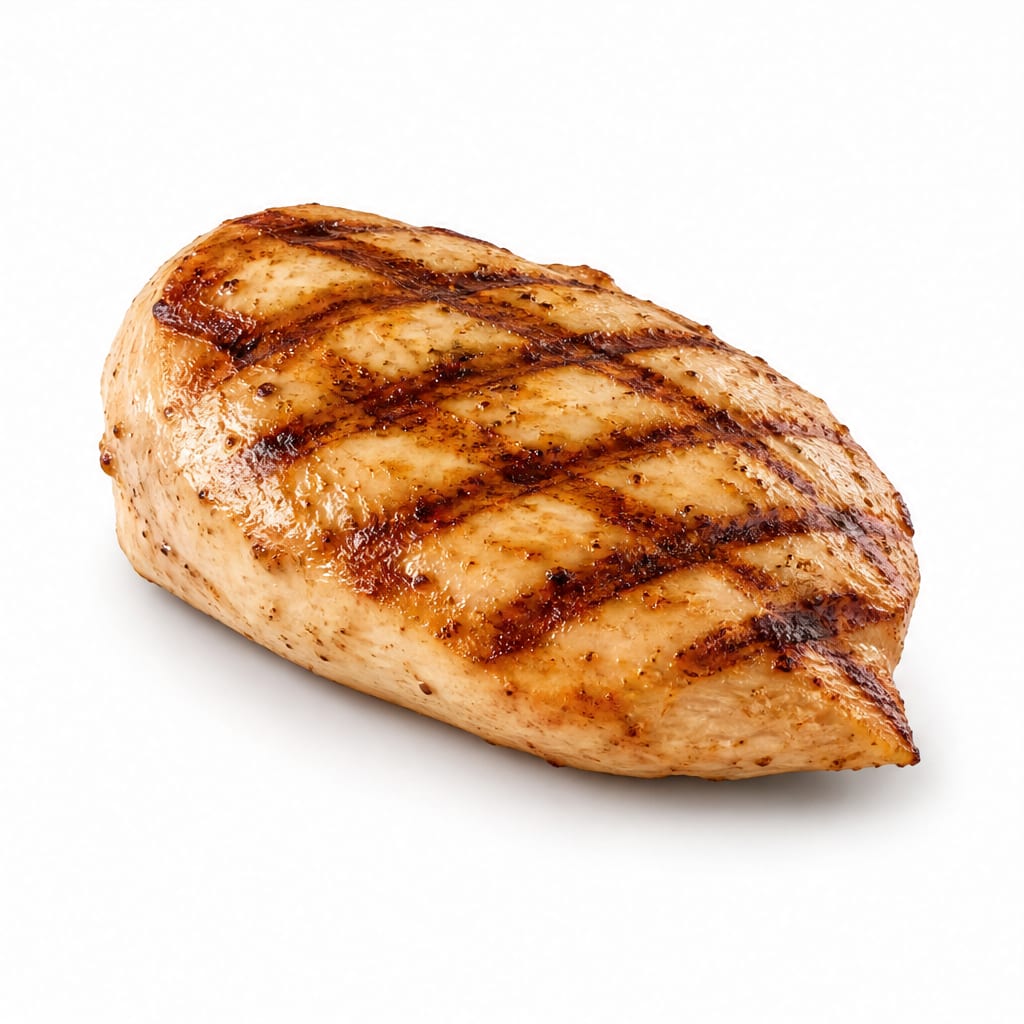
Compare with
Grilled Chicken Breast
Chicken is cheaper and safer, while sashimi provides omega-3s and a raw food profile.
Grilled chicken is a safer and more affordable lean protein, while sashimi offers unique omega-3 benefits but at a higher cost and food safety risk.
This food
Sashimi
VS70% alike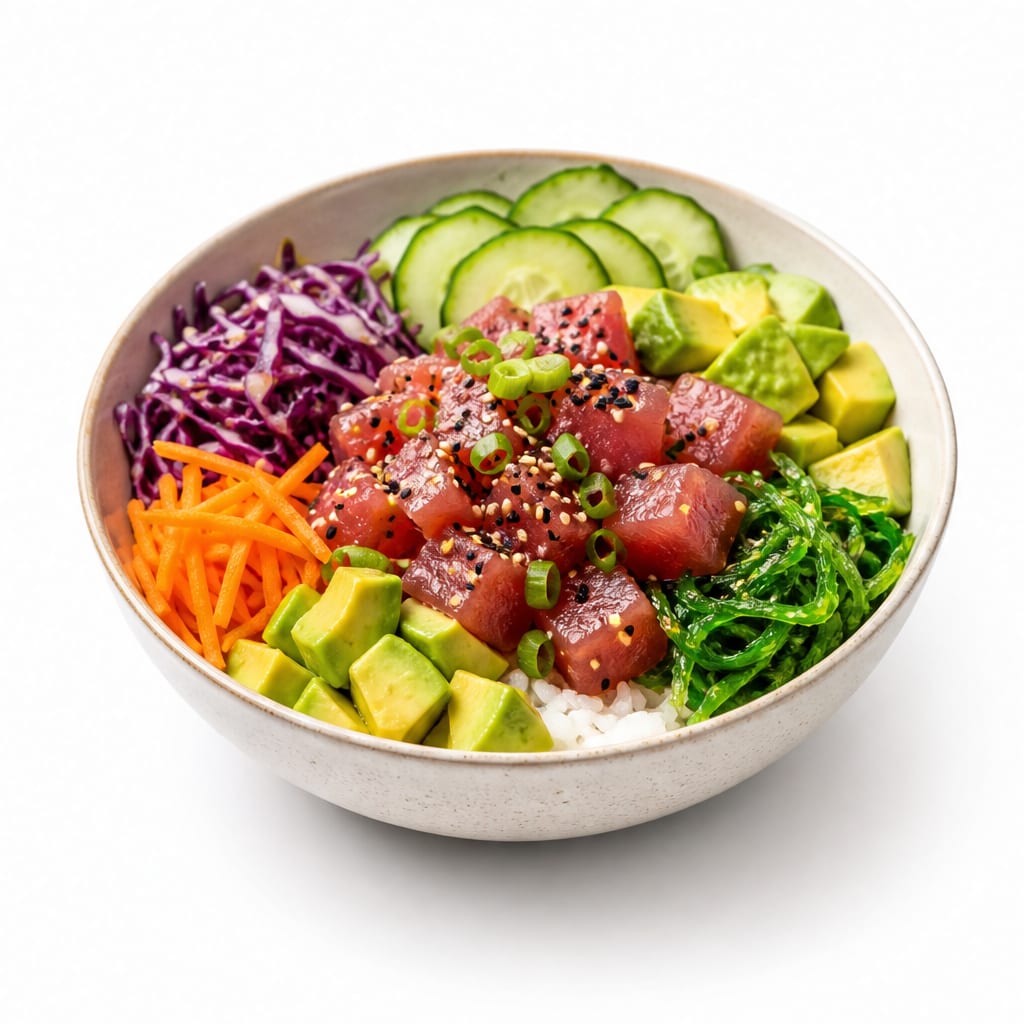
Compare with
Poke Bowl
Sashimi is pure protein, while poke is a balanced macro meal with carbs and fats.
Sashimi is zero-carb and better for strict keto, while poke bowls provide carbohydrates from rice for energy but add extra calories.
This food
Sashimi
VS65% alike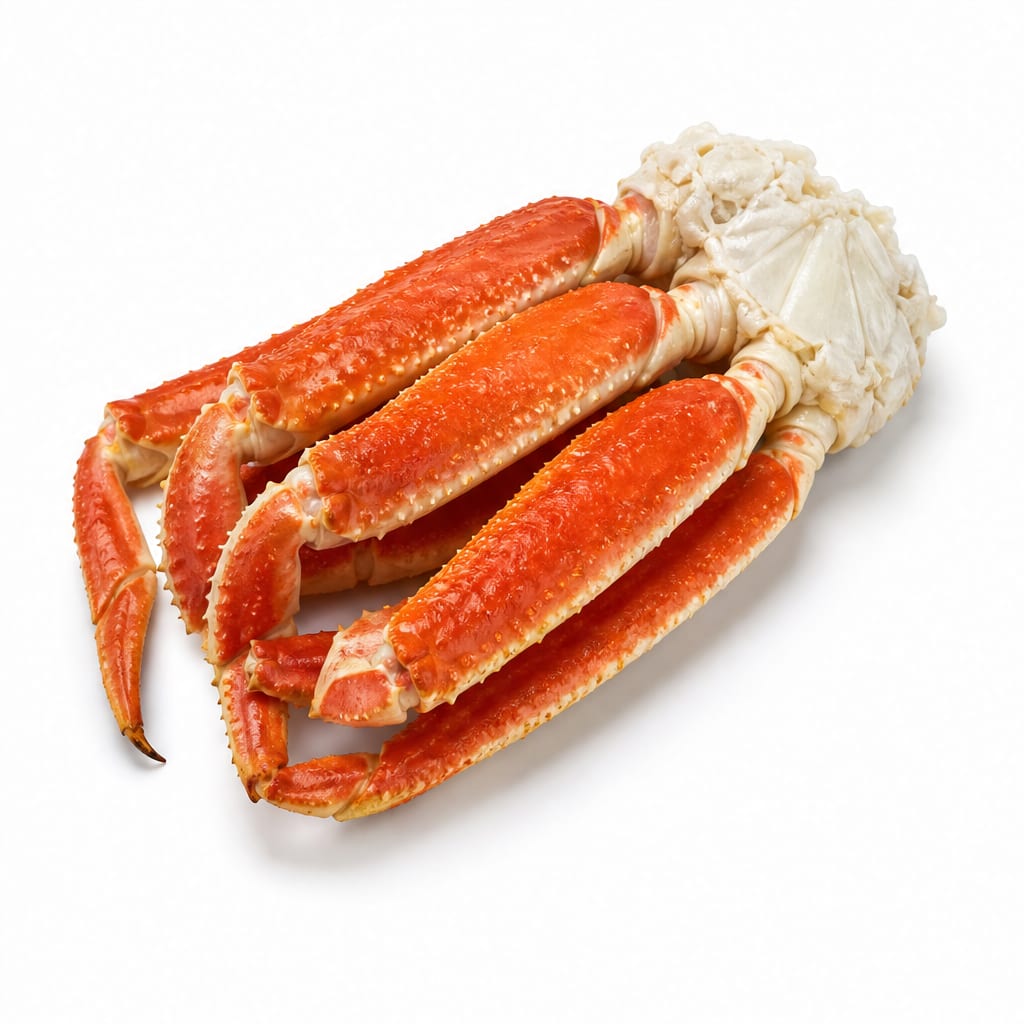
Compare with
Crab Legs
Crab is cooked and lower in fat, while sashimi is raw and richer in omega-3s.
Crab legs are lower in calories and fully cooked, while sashimi provides more healthy fats and a softer, raw texture.
This food
Sashimi
VS60% alike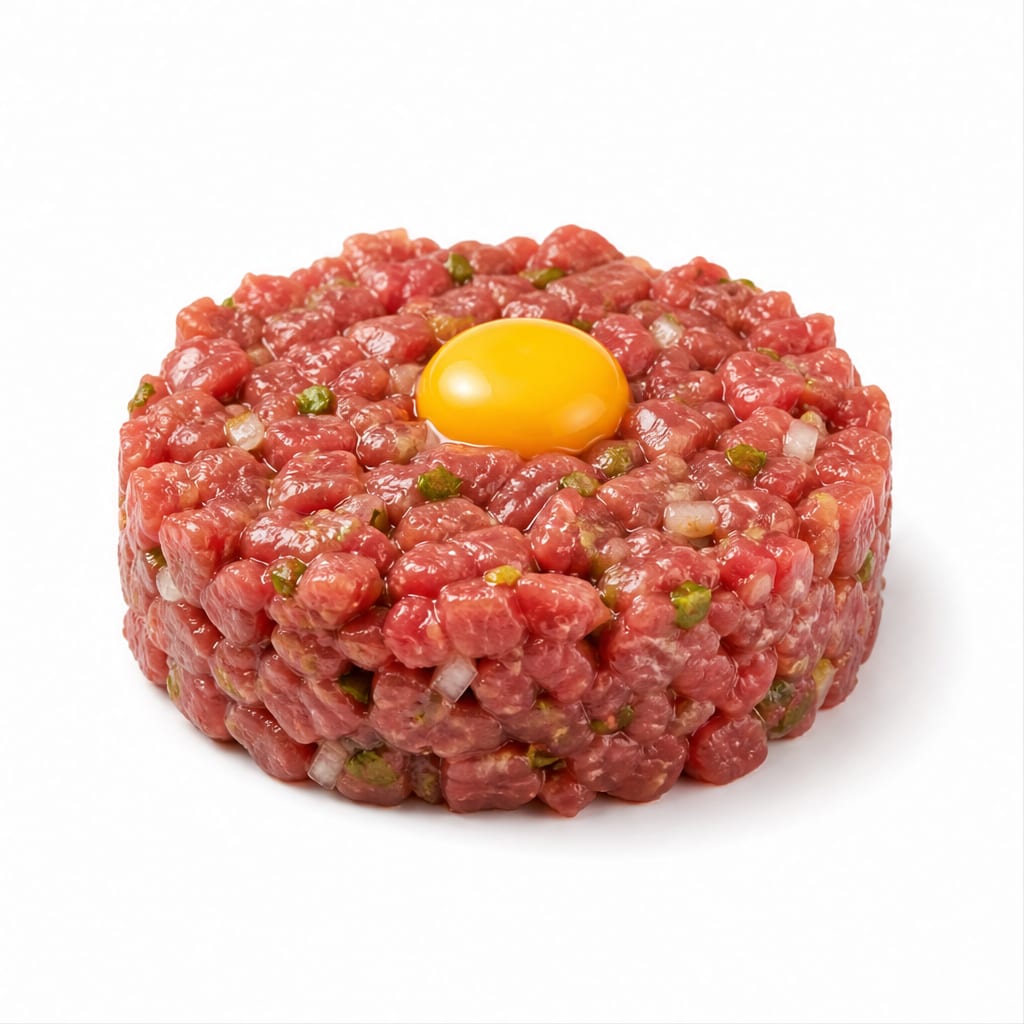
Compare with
Steak Tartare
Sashimi offers marine omega-3s, while steak tartare provides heme iron and B vitamins from beef.
Sashimi provides heart-healthy omega-3s and fewer calories, while steak tartare delivers more iron and B12 but contains more saturated fat.
Common questions
FAQ
Answers aligned with how people search for this food.
Is sashimi good for weight loss?
Yes, sashimi is excellent for weight loss because it is high in protein, contains zero carbohydrates, and has low energy density, which helps you feel full on fewer calories.
Can diabetics eat sashimi?
Yes, sashimi is ideal for diabetics because it contains zero carbohydrates and will not spike blood sugar. However, be cautious with soy sauce, which adds sodium.
What is the difference between sashimi and sushi?
Sashimi is purely thinly sliced raw fish served without rice. Sushi specifically includes vinegared rice combined with various ingredients, which can include raw fish.
Is it safe to eat sashimi every day?
Eating sashimi daily is not generally recommended due to the risk of heavy metal accumulation, particularly mercury from tuna. Opting for lower-mercury fish like salmon reduces this risk.
Does sashimi have mercury?
Yes, mercury levels depend on the fish. Large predatory fish like tuna and mackerel have higher mercury, while salmon, shrimp, and scallops have much lower levels.
Is sashimi high in protein?
Yes, sashimi provides approximately 22 grams of complete, high-quality protein per 100 grams, making it an excellent protein source.
How is sashimi prepared safely?
Sashimi must be sourced as sushi-grade fish, which is rapidly frozen at sea to kill parasites. It must be kept strictly refrigerated and consumed fresh.
Can pregnant women eat sashimi?
Most health guidelines advise pregnant women to avoid raw fish due to the risk of listeria and parasitic infections, though cooked seafood is encouraged.
Transparency
Data confidence
Estimated confidence for nutrition data, interpretation, safety notes, and comparisons.
Nutrition data
Health analysis
Food safety
Comparisons