
Nutrition comparison
Sashimi vs Ceviche: Which Raw Fish Dish Is Healthier for You?
Compare sashimi and ceviche on protein quality, food safety, sodium, digestion, and satiety. Learn which raw fish preparation fits your health goals and lifestyle.
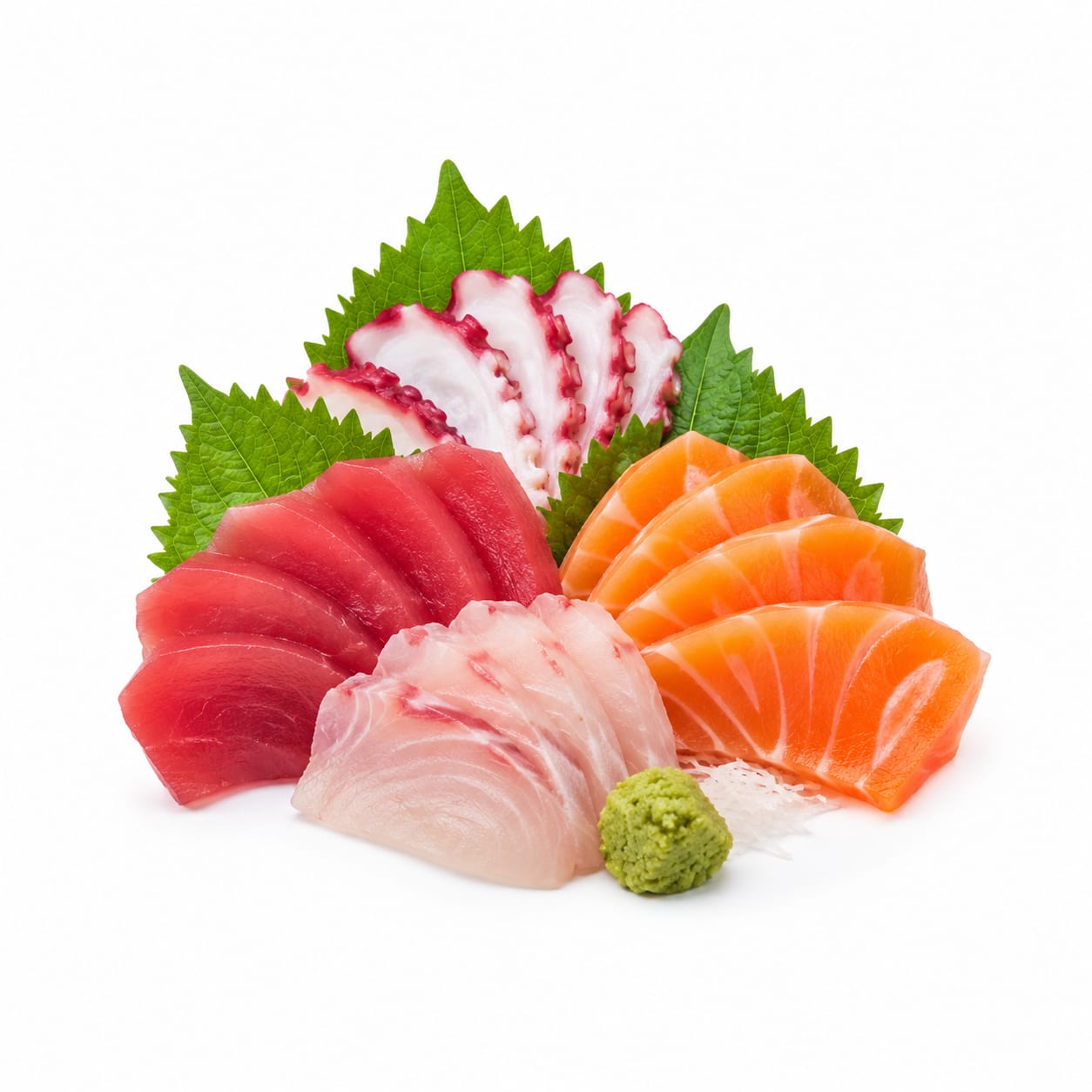
Sashimi
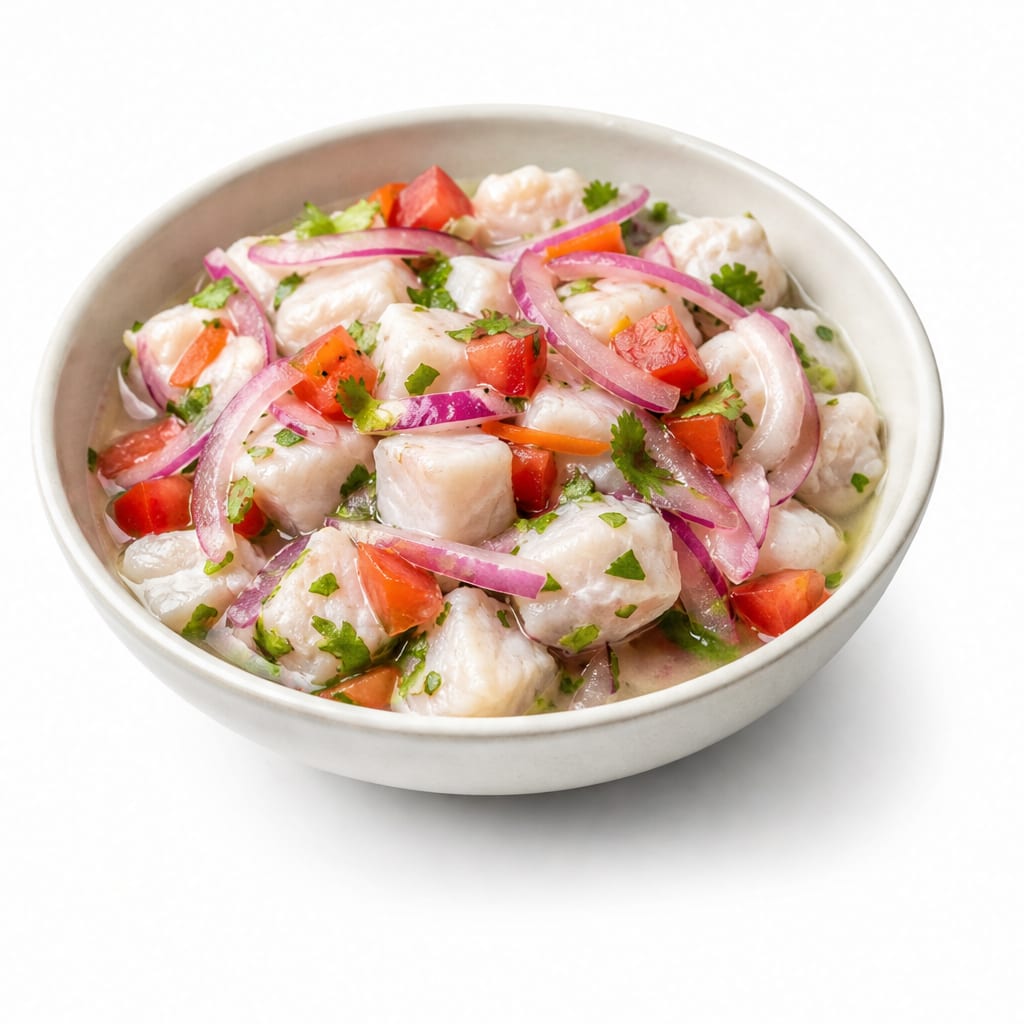
Ceviche
Sashimi offers purer protein and omega-3s with fewer variables, while ceviche brings more flavor complexity and added micronutrients at the cost of higher sodium and acid exposure.
Sashimi scores slightly higher due to ingredient purity and lower sodium, but ceviche's added micronutrients and satiety keep it competitive. The close scores reflect that both are excellent lean protein choices with different tradeoffs.
Nutritional simplicity and cleaner ingredient control versus a more satisfying eating experience with extra vitamins but more digestive and sodium tradeoffs.
At a glance
Executive summary
Overall
It depends
Healthier
It depends
More practical
Ceviche
Daily use
Sashimi
Key comparison lenses
raw seafood safety and parasite risk
Both foods feature raw fish, making foodborne illness and parasite exposure the top concern for most people deciding between them
nutritional purity versus added micronutrients
Sashimi delivers pure protein and omega-3s while ceviche adds vitamin C, fiber, and antioxidants from its vegetable mix
digestive tolerance and acidity
Ceviche's citrus marinade changes the protein structure and adds acidity, which helps some digestions but irritates others
weight loss and satiety
Both are lean protein sources, but ceviche's added vegetables and acidity may increase fullness per calorie
practicality and sourcing
Both demand extremely fresh fish, but ceviche requires more ingredients and preparation while sashimi depends heavily on knife skill and fish quality
Best choice for
Sashimi
- People prioritizing clean, minimal-ingredient protein
- Those watching sodium intake closely
- Anyone with acid reflux or citrus sensitivity
- Pure omega-3 optimization
Ceviche
- People wanting more filling meals with vegetables
- Those seeking vitamin C and antioxidant synergy
- Anyone who finds plain raw fish unappealing
- Home cooks wanting an accessible raw fish preparation
Least suitable for
Sashimi
- People uncomfortable eating completely raw fish
- Those wanting a more filling, complex meal
- Anyone on a tight grocery budget needing stretch
- People with limited access to sushi-grade fish
Ceviche
- People with GERD or acid sensitivity
- Those on strict low-sodium diets
- Anyone avoiding alliums or nightshades
- People concerned about multiple contamination vectors
Deep comparison
Dimension by dimension
Each lens scores both foods and breaks down who each option suits.
- Dimension 1 · Priority 90Sashimi
protein quality and density
Sashimi · 92Ceviche · 82Sashimi delivers a higher concentration of complete protein per bite since nothing dilutes the fish.
Tradeoff
Ceviche's protein is slightly less concentrated per serving because vegetables and marinade take up volume, but the overall quality remains excellent.
Why it matters
If you are eating primarily for protein intake, every gram counts toward recovery and satiety.
Real-world impact
After a workout, a sashimi plate gets you more protein per ounce, but ceviche may feel more like a complete meal.
Sashimi
- Post-workout protein targeting
- Lean bulk meal plans
- High-protein, low-volume eating
Better for
- Anyone wanting a one-dish complete meal
- People who find plain protein monotonous
Worse for
Ceviche
- Balanced meal replacement
- Protein with built-in vegetable micronutrients
- Slower, more satisfying eating experience
Better for
- Strict protein-per-calorie optimizers
- Those tracking macros precisely with variable recipes
Worse for
- Dimension 2 · Priority 95Sashimi
food safety and contamination risk
Sashimi · 78Ceviche · 68Sashimi typically uses stricter sourcing standards and flash-freezing protocols, while ceviche's acid marinade creates a false sense of cooking safety.
Tradeoff
Ceviche adds more ingredients, which means more potential contamination vectors, but its acidity does reduce some surface bacteria.
Why it matters
Both foods carry real raw-fish risks, but understanding which is safer matters for pregnant women, immunocompromised people, and daily eaters.
Real-world impact
Ordering sashimi at a reputable sushi bar is generally safer than ceviche at an unknown restaurant because sushi-grade fish handling is more regulated.
Sashimi
- Regulated sushi-grade supply chains
- Flash-freezing parasite elimination
- Fewer ingredients means fewer contamination paths
Better for
- Complete reliance on fish quality with no antimicrobial help
- No acid barrier to any surface contamination
Worse for
Ceviche
- Citric acid reduces some surface bacteria
- Acidic environment less hospitable to certain pathogens
Better for
- Acid does not kill parasites
- Additional raw ingredients increase risk surface
- Variable preparation standards across restaurants
Worse for
- Dimension 3 · Priority 82Ceviche
micronutrient breadth
Sashimi · 65Ceviche · 88Ceviche's onions, peppers, cilantro, and citrus add vitamin C, flavonoids, and fiber that sashimi simply lacks.
Tradeoff
Those extra micronutrients come with more sodium and potential digestive irritants that sashimi avoids entirely.
Why it matters
Long-term health is built on dietary diversity, and ceviche naturally incorporates more plant compounds per serving.
Real-world impact
A ceviche bowl covers more nutritional bases in one sitting, while sashimi requires side dishes to achieve similar breadth.
Sashimi
- Pure omega-3 and B12 delivery without interference
- No micronutrient competition from other ingredients
Better for
- Zero vitamin C content
- No dietary fiber
- Relies on other foods to round out micronutrient needs
Worse for
Ceviche
- Vitamin C boosts iron absorption from fish
- Antioxidants from peppers and onions reduce oxidative stress
- Small amounts of fiber support gut health
Better for
- Cooking-sensitive vitamins degrade slightly in the marinade
- Variable vegetable quality affects actual micronutrient delivery
Worse for
- Dimension 4 · Priority 78It depends
digestive tolerance
Sashimi · 75Ceviche · 72Sashimi is gentler on sensitive stomachs, while ceviche's acidity can either aid digestion or trigger reflux depending on the person.
Tradeoff
The citric acid in ceviche partially denatures proteins making them easier for some people to break down, but that same acid can irritate inflamed stomach linings.
Why it matters
If you have any digestive sensitivity, the wrong choice here can mean hours of discomfort instead of a pleasant meal.
Real-world impact
Someone with GERD will likely feel worse after ceviche, while someone with low stomach acid might actually digest ceviche more comfortably.
Sashimi
- Acid reflux and GERD sufferers
- People with gastritis or sensitive stomachs
- Anyone avoiding acidic foods before bed
Better for
- People who need digestive stimulation from acidity
- Anyone finding raw protein heavy on the stomach
Worse for
Ceviche
- People with low stomach acid who benefit from digestive stimulation
- Those who find plain raw fish hard to digest
Better for
- Acid reflux and heartburn prone individuals
- People with citrus allergies or sensitivities
- Anyone with active stomach ulcers
Worse for
- Dimension 5 · Priority 75Sashimi
sodium and mineral load
Sashimi · 85Ceviche · 60Sashimi is naturally low in sodium, while ceviche often contains significant added salt and soy-based seasonings.
Tradeoff
Ceviche's seasoning makes it far more flavorful and palatable, but a single serving can easily deliver 400-800mg of sodium.
Why it matters
For anyone managing blood pressure or kidney health, sodium is a daily budget that sneaks up quickly through condiments and marinades.
Real-world impact
Two ceviche servings could hit half your daily sodium limit, while sashimi keeps you well under budget even with a light soy dip.
Sashimi
- Hypertension management
- Kidney-conscious diets
- Anyone tracking sodium carefully
Better for
- Endurance athletes who need sodium replenishment
- People who find unseasoned fish bland
Worse for
Ceviche
- Post-sweat rehydration when sodium is actually beneficial
- People who find low-sodium food unpalatable
Better for
- Blood pressure management
- Daily sodium budgeting
- Heart-healthy eating patterns
Worse for
- Dimension 6 · Priority 80Ceviche
satiety and meal satisfaction
Sashimi · 68Ceviche · 84Ceviche feels more like a complete meal thanks to its texture variety, acidity, and vegetable bulk.
Tradeoff
That satisfaction comes with more calories and sodium, while sashimi delivers leaner satiety that may fade faster.
Why it matters
A food that leaves you satisfied prevents snacking later, which matters more for weight management than raw calorie counts suggest.
Real-world impact
A ceviche bowl at lunch will likely keep you full until dinner, while a sashimi plate may leave you reaching for a snack by 3pm.
Sashimi
- Light eaters wanting clean fuel without fullness
- Intermittent fasting windows where lighter meals are preferred
Better for
- Prone to post-meal snacking
- Need a meal that carries you 4-5 hours
Worse for
Ceviche
- Main meal replacement
- Appetite control between meals
- Anyone who finds raw fish alone unsatisfying
Better for
- Anyone wanting a light pre-activity meal
- People who feel sluggish after larger meals
Worse for
Timeline
Health impact over time
Short-term
Hours to days
Sashimi
- Rapid high-quality protein availability for muscle repair
- Minimal digestive load if fish is fresh and well-sourced
- Low risk of post-meal energy crashes due to near-zero carbs
Ceviche
- Vitamin C from citrus enhances non-heme iron absorption from any vegetable additions
- Acidity may trigger heartburn in susceptible individuals within 30-60 minutes
- Higher sodium can cause temporary water retention and thirst
Long-term
Months to years
Sashimi
- Consistent omega-3 intake supports cardiovascular and cognitive health
- Minimal sodium exposure helps maintain healthy blood pressure over decades
- Raw fish consumption requires ongoing vigilance about heavy metal exposure, especially with larger fish species
Ceviche
- Regular citrus and vegetable intake provides cumulative antioxidant benefits
- Sodium load from frequent ceviche consumption could contribute to hypertension if not offset elsewhere
- Broader micronutrient intake supports immune resilience and gut microbiome diversity
Risk profile
Safety & processing
Both foods are remarkably close to their natural state. Sashimi is sliced raw fish with no additives whatsoever. Ceviche adds citrus juice, salt, and raw vegetables, all whole-food ingredients. Neither contains preservatives, emulsifiers, or artificial anything. The main processing concern for both is the freezing and thawing chain that ensures safety, which is a necessary minimal intervention rather than a nutritional compromise.
Sashimi
Parasitic infection from raw fish
mediumProperly flash-frozen sushi-grade fish eliminates most parasite risk, but home preparation without commercial freezing protocols is dangerous.
Mercury and heavy metal accumulation
mediumDepends heavily on species. Tuna and swordfish sashimi carry higher mercury loads than salmon or sea bream. Frequent consumption compounds exposure.
Bacterial contamination at temperature abuse
highRaw fish spoils rapidly outside refrigeration. Any break in the cold chain creates significant foodborne illness risk.
Ceviche
Parasitic infection unaffected by citrus
mediumThe acid in ceviche does not kill parasites. The same flash-freezing requirements apply, but ceviche preparation is less regulated than sushi sourcing.
Multiple ingredient contamination vectors
mediumRaw onions, peppers, and herbs each carry their own contamination risk, multiplying the chances of foodborne illness beyond the fish alone.
False sense of cooking from acid denaturation
highMany people believe ceviche is cooked. The acid changes texture and appearance but does not eliminate pathogens the way heat does.
Who wins for whom
Audience fit
Same foods, different winners depending on your goal.
children
It dependsNeither is ideal for young children due to raw fish risks. If choosing, sashimi from a highly reputable source is safer, but ceviche's milder flavor may be more acceptable to kids.
daily consumption
SashimiLower sodium, fewer digestive irritants, and simpler sourcing make sashimi more sustainable as a near-daily protein choice, assuming species variety to manage mercury.
diabetes
SashimiBoth are essentially zero-carb, but sashimi's lower sodium and fewer variables make blood sugar management more predictable.
elderly
SashimiOlder adults face higher foodborne illness severity, and sashimi's more regulated sourcing and fewer ingredients reduce risk.
muscle gain
SashimiHigher protein density per serving and cleaner macro tracking make sashimi more efficient for targeted muscle-building nutrition.
weight loss
CevicheCeviche's added bulk from vegetables and higher satiety per calorie helps control overall intake better throughout the day.
Your move
Decision guide
Choose Sashimi
- You want the cleanest possible protein source with minimal additives
- Sodium intake is a health priority for you
- You have acid reflux or citrus sensitivity
- You are eating at a well-regulated sushi establishment
- You track macros and want predictable nutrition numbers
Choose Ceviche
- You want a more satisfying, complete-feeling meal in one dish
- Flavor variety and eating enjoyment are top priorities
- You benefit from extra vitamin C and vegetable micronutrients
- You are preparing raw fish at home and prefer the flavor complexity
- You find plain raw fish unappealing and need palatability help
Either works if
- You have access to high-quality, sushi-grade fish
- You tolerate raw seafood well with no immune concerns
- You want a lean, low-carb protein source
- You are comfortable with the food safety practices of the restaurant
Avoid both if
- You are pregnant or immunocompromised
- You have no way to verify fish sourcing and freshness
- You have a history of severe seafood allergy
- You live somewhere with unreliable seafood supply chains
Final recommendation
Let your body and context decide. If you have a trusted sushi source and want clean fuel, sashimi is the sharper tool. If you want a meal that feels like a meal and keeps you full, ceviche delivers more satisfaction per serving. The safety gap between them is real but manageable with proper sourcing. Rotate between both for the best of both worlds, and always vary your fish species to limit heavy metal exposure.
Practical
Consumer tips
- 1
Ask any restaurant if their fish is sushi-grade and previously flash-frozen before ordering either dish
- 2
Make ceviche at home using previously frozen fish to eliminate most parasite risk
- 3
Rotate fish species weekly when eating either dish regularly to spread mercury exposure
- 4
If ordering sashimi, choose salmon and sea bream over tuna for lower mercury most days
- 5
Limit ceviche portion sizes if watching sodium, and ask restaurants to go easy on added salt
- 6
Never prepare either dish with fish that has been in your fridge more than 24 hours
- 7
Pregnant women, elderly individuals, and immunocompromised people should avoid both dishes entirely
- 8
Pair sashimi with a side of vegetables to match ceviche's micronutrient breadth without the sodium