
Nutrition comparison
Sashimi vs Crab Legs: Nutrition, Omega-3, and Sodium Compared
Sashimi vs Crab Legs: Which is healthier? Compare omega-3 fats, sodium, protein, and food safety to find the best seafood for your diet.
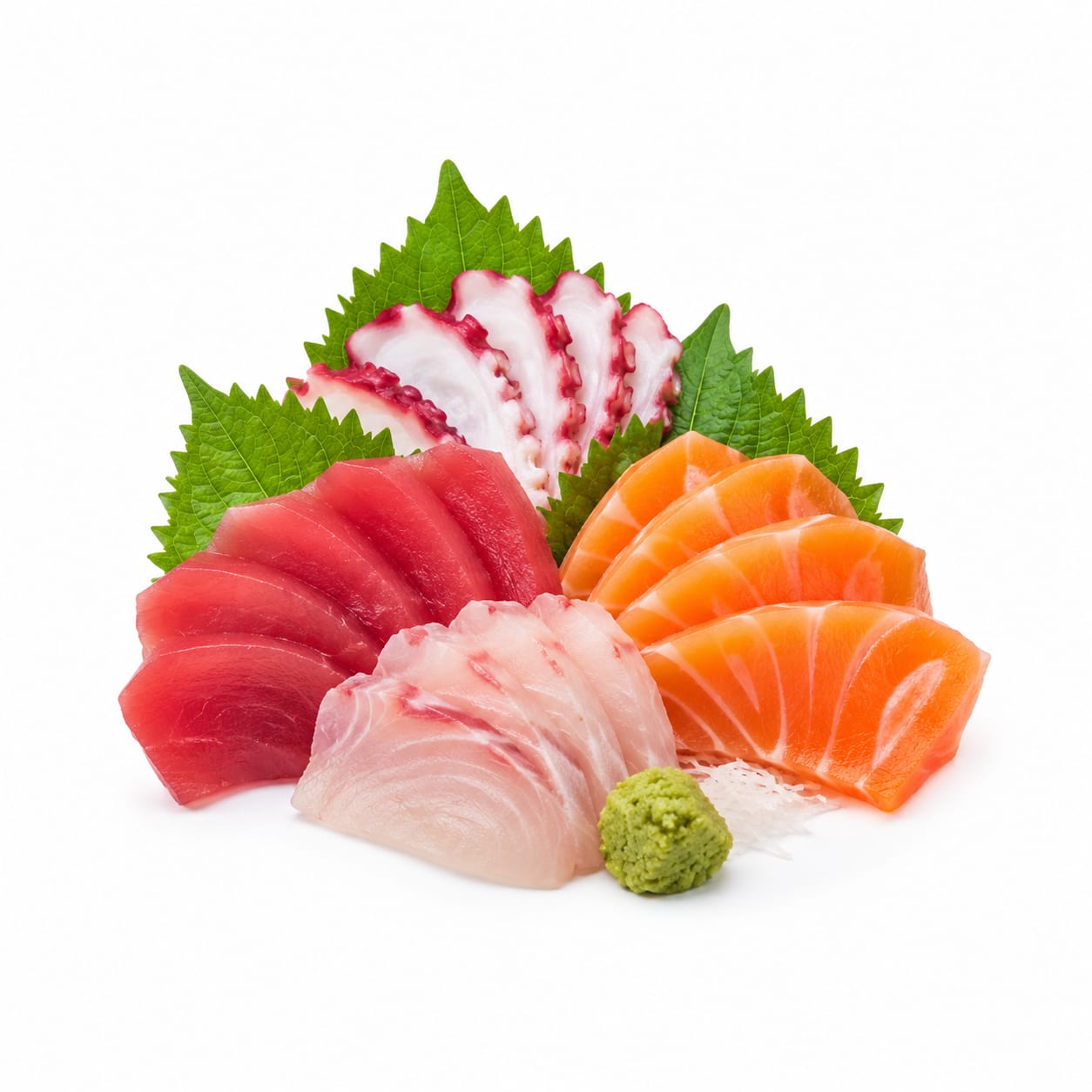
Sashimi
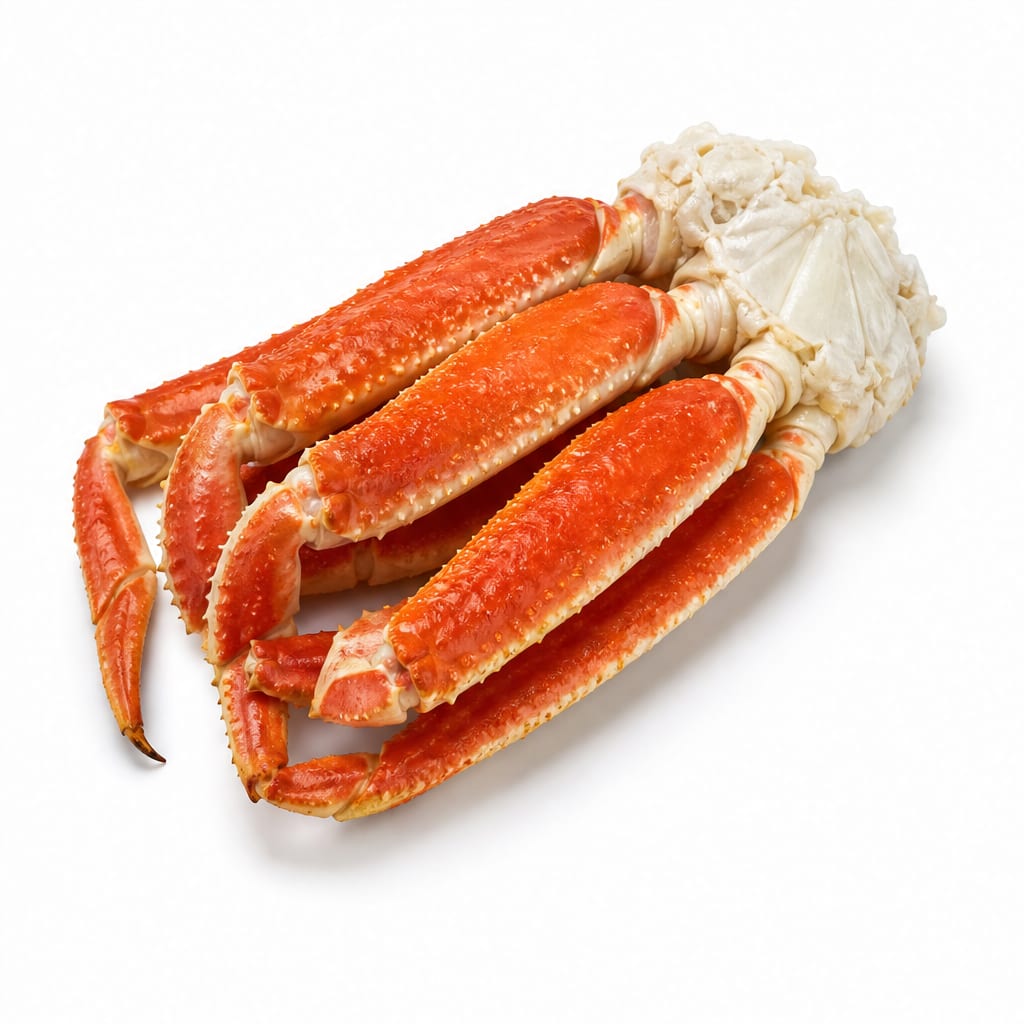
Crab Legs
Sashimi delivers powerful omega-3s and healthy fats, while Crab Legs offer leaner protein with a sodium tradeoff.
Sashimi scores slightly higher due to its superior fat profile and omega-3 content, but Crab Legs remain a strong lean protein choice if you manage the sodium.
You are choosing between the heart-healthy fats of Sashimi and the ultra-lean, cooked safety of Crab Legs, which come with a heavy sodium load.
At a glance
Executive summary
Overall
It depends
Healthier
Sashimi
More practical
Crab Legs
Daily use
It depends
Key comparison lenses
Raw vs cooked seafood safety
Sashimi is served raw, carrying unique parasite and bacteria risks, while Crab Legs are always cooked.
Omega-3 and healthy fat intake
Sashimi (especially salmon or tuna) is rich in omega-3s, whereas Crab Legs are extremely lean.
Sodium and blood pressure impact
Crab Legs are often boiled in heavily salted water or frozen with sodium preservatives, making them a hidden sodium bomb.
Mercury and heavy metal exposure
Both seafood options carry heavy metal risks, but the type of fish used for Sashimi dictates whether this is a low or high concern.
Best choice for
Sashimi
- Boosting omega-3 intake naturally
- Anti-inflammatory diets
- Low-sodium eating plans
Crab Legs
- Strict low-fat and low-calorie diets
- Those avoiding raw fish during pregnancy
- High-protein, low-fat muscle building
Least suitable for
Sashimi
- Pregnant women or immunocompromised individuals
- Those worried about mercury exposure
- People who dislike raw fish textures
Crab Legs
- People managing high blood pressure
- Those on strict low-sodium diets
- Anyone with a shellfish allergy
Deep comparison
Dimension by dimension
Each lens scores both foods and breaks down who each option suits.
- Dimension 1 · Priority 95Sashimi
Heart-Healthy Fats & Omega-3s
Sashimi · 95Crab Legs · 40Sashimi is an omega-3 powerhouse, while Crab Legs are virtually fat-free.
Tradeoff
You get brain and heart-supporting fats from Sashimi, but Crab Legs are better if you are strictly tracking fat grams.
Why it matters
Omega-3s reduce inflammation and support heart health, making Sashimi a functional food for long-term wellness.
Real-world impact
Eating Sashimi regularly can improve skin, mood, and joint stiffness, whereas Crab Legs provide protein without the satiating fat.
Sashimi
- Cardiovascular health
- Reducing inflammation
- Feeling satisfied longer after eating
Better for
- Very low-fat diet plans
Worse for
Crab Legs
- Low-fat diet compliance
- Strict macro tracking
Better for
- Getting enough essential fatty acids
Worse for
- Dimension 2 · Priority 85Sashimi
Sodium & Blood Pressure Impact
Sashimi · 90Crab Legs · 35Sashimi is naturally very low in sodium, while Crab Legs are notoriously high in salt.
Tradeoff
Crab Legs deliver lean protein but can easily push you over your daily sodium limit, especially when dipped in butter or soy sauce.
Why it matters
High sodium intake leads to bloating and elevated blood pressure, counteracting the heart benefits of lean seafood.
Real-world impact
A meal of Crab Legs can leave you feeling puffy and thirsty the next day, whereas Sashimi feels light and clean.
Sashimi
- Blood pressure management
- Avoiding water retention
Better for
- Those needing electrolyte replenishment after intense exercise
Worse for
Crab Legs
- Post-workout sodium replenishment for heavy sweaters
Better for
- Heart health
- Avoiding bloating
Worse for
- Dimension 3 · Priority 90Crab Legs
Food Safety & Contamination Risk
Sashimi · 55Crab Legs · 80Crab Legs are cooked, eliminating parasite risks, while Sashimi carries inherent raw seafood dangers.
Tradeoff
Sashimi offers a delicate, pure flavor but requires absolute trust in the supply chain, whereas Crab Legs are safer but carry shellfish allergy risks.
Why it matters
Raw fish can harbor parasites and bacteria that cause food poisoning, making Sashimi a risky choice for vulnerable populations.
Real-world impact
Eating Sashimi from an unreliable source can lead to severe stomach issues, while Crab Legs are generally safe as long as they are handled properly.
Sashimi
- Experiencing pure, unaltered seafood flavor
Better for
- Safe eating during pregnancy
- Avoiding foodborne illness
Worse for
Crab Legs
- Pregnant women
- Immunocompromised diners
- Worry-free dining
Better for
- Those with shellfish allergies
Worse for
- Dimension 4 · Priority 80Crab Legs
Lean Protein & Calorie Control
Sashimi · 75Crab Legs · 92Crab Legs are incredibly low in calories and fat, offering pure protein, while Sashimi's fat content adds calories.
Tradeoff
If you want maximum protein with minimal calories, Crab Legs win, but Sashimi offers more sustained energy from its fat content.
Why it matters
For strict calorie deficits, every gram of fat matters, making Crab Legs a highly efficient protein source.
Real-world impact
You can eat a massive pile of Crab Legs for very few calories, whereas Sashimi portions are naturally more calorie-dense.
Sashimi
- Sustained energy without carb crashes
- Keto and low-carb diets
Better for
- Very low-calorie diets
Worse for
Crab Legs
- Aggressive weight loss phases
- Lean bulking
Better for
- Staying full on very low volumes of food
Worse for
Timeline
Health impact over time
Short-term
Hours to days
Sashimi
- Light, energizing feeling after eating
- Quick satisfaction from rich omega-3 fats
- Potential stomach upset if fish is not fresh
Crab Legs
- High satiety from large volume of lean protein
- Noticeable thirst and bloating from sodium
- Dry mouth if consuming heavily salted legs
Long-term
Months to years
Sashimi
- Improved cardiovascular markers from omega-3s
- Potential mercury accumulation if eating high-mercury fish like tuna frequently
- Better joint and skin health
Crab Legs
- Excellent lean muscle maintenance
- Possible blood pressure elevation if sodium is not managed
- Low risk of heavy metal accumulation compared to large fish
Risk profile
Safety & processing
Sashimi is about as natural as food gets—just sliced raw fish. Crab Legs are also natural, but they are often frozen with sodium tripolyphosphate to retain moisture, adding unwanted additives.
Sashimi
Parasites and pathogens
highRaw fish can contain anisakis parasites and harmful bacteria if not properly frozen and handled.
Mercury exposure
mediumDepends heavily on the fish; tuna Sashimi is high in mercury, while salmon is relatively low.
Crab Legs
High sodium load
highOften boiled in salted seawater or treated with sodium preservatives, posing a risk for blood pressure.
Shellfish allergy
highCrustacean allergies can be severe and life-threatening, requiring strict avoidance.
Who wins for whom
Audience fit
Same foods, different winners depending on your goal.
children
Crab LegsCrab Legs are cooked and safer for developing immune systems, whereas Sashimi poses unnecessary raw food risks for kids.
daily consumption
It dependsNeither should be eaten daily due to mercury risks in Sashimi and sodium overload from Crab Legs, but rotating both a few times a week is excellent.
diabetes
SashimiThe healthy fats in Sashimi slow digestion and stabilize blood sugar better than the lean, sodium-heavy profile of Crab Legs.
elderly
Crab LegsCooked seafood is safer for aging immune systems, though the sodium in Crab Legs should be monitored for heart health.
muscle gain
Crab LegsCrab Legs offer a higher protein-to-calorie ratio, which is ideal for building lean muscle without excess fat.
weight loss
Crab LegsCrab Legs provide massive volume and pure protein for very few calories, making dieting feel easier.
Your move
Decision guide
Choose Sashimi
- You want to boost your omega-3 intake for brain and heart health
- You are watching your sodium intake strictly
- You follow a keto or high-fat, low-carb diet
Choose Crab Legs
- You want maximum protein with minimal calories
- You are pregnant or immunocompromised and must avoid raw fish
- You are doing a heavy workout and need lean protein recovery
Either works if
- You want a high-quality, zero-carb protein source
- You are dining out and want a healthy seafood option
Avoid both if
- You have gout, as both are moderately high in purines
- You have a severe seafood allergy
Final recommendation
Choose Sashimi for the omega-3 benefits and low sodium, but opt for Crab Legs when you need safe, lean protein and are willing to manage the salt. Rotate both to get the best of healthy fats and lean protein without overdoing mercury or sodium.
Practical
Consumer tips
- 1
Stick to salmon Sashimi instead of tuna to keep mercury levels low if eating regularly.
- 2
Ask for Crab Legs without added butter to keep the calorie advantage, and drink plenty of water to flush the sodium.
- 3
When eating Sashimi, use minimal soy sauce to avoid turning a low-sodium meal into a high-sodium one.
- 4
Buy frozen Crab Legs labeled 'no added sodium' if you are watching your blood pressure.