
Nutrition comparison
Sashimi vs Tuna Steak: Which Is Healthier and Safer?
Compare sashimi vs tuna steak on nutrition, omega-3 content, mercury, food safety, and practicality. Find out which tuna preparation is better for your health goals.
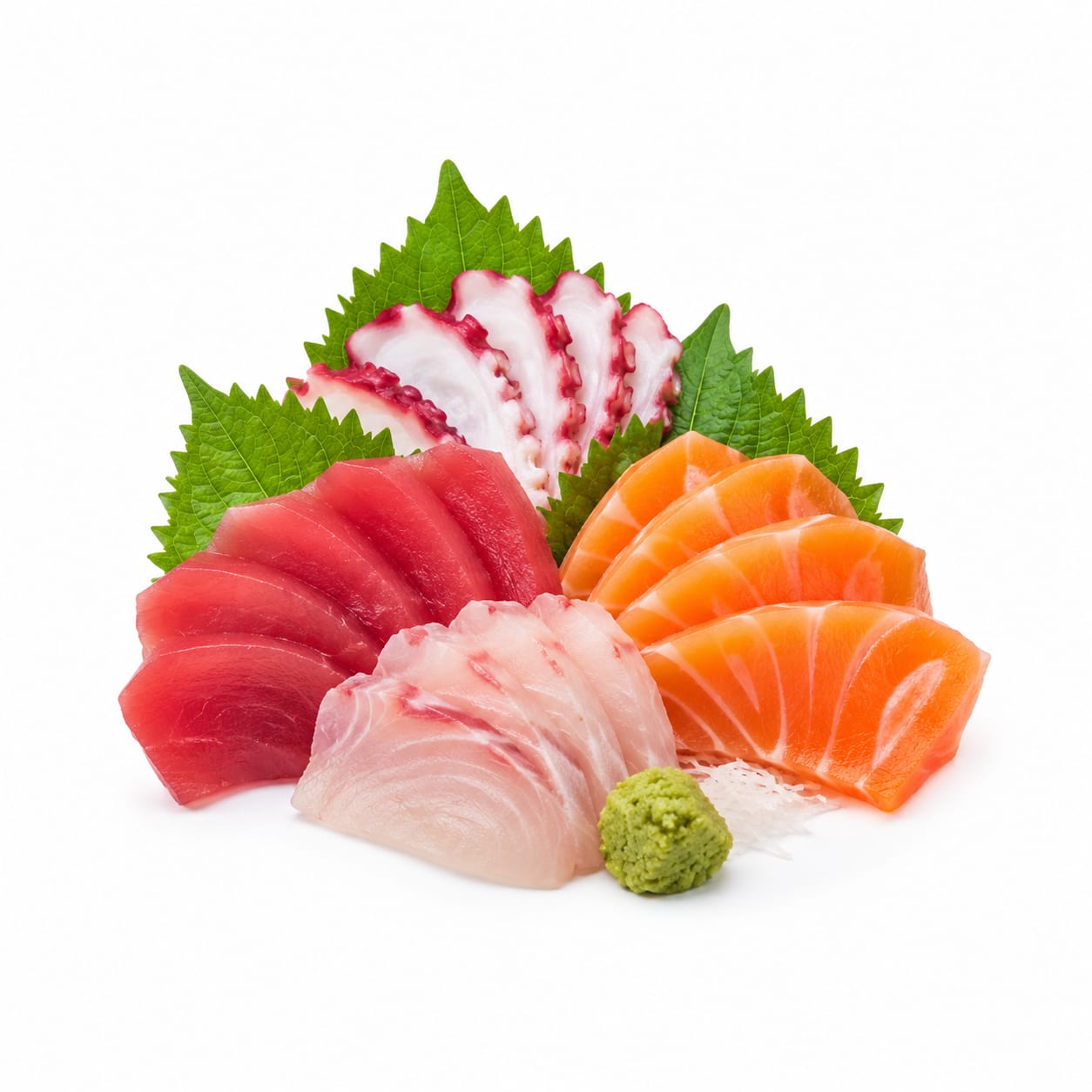
Sashimi
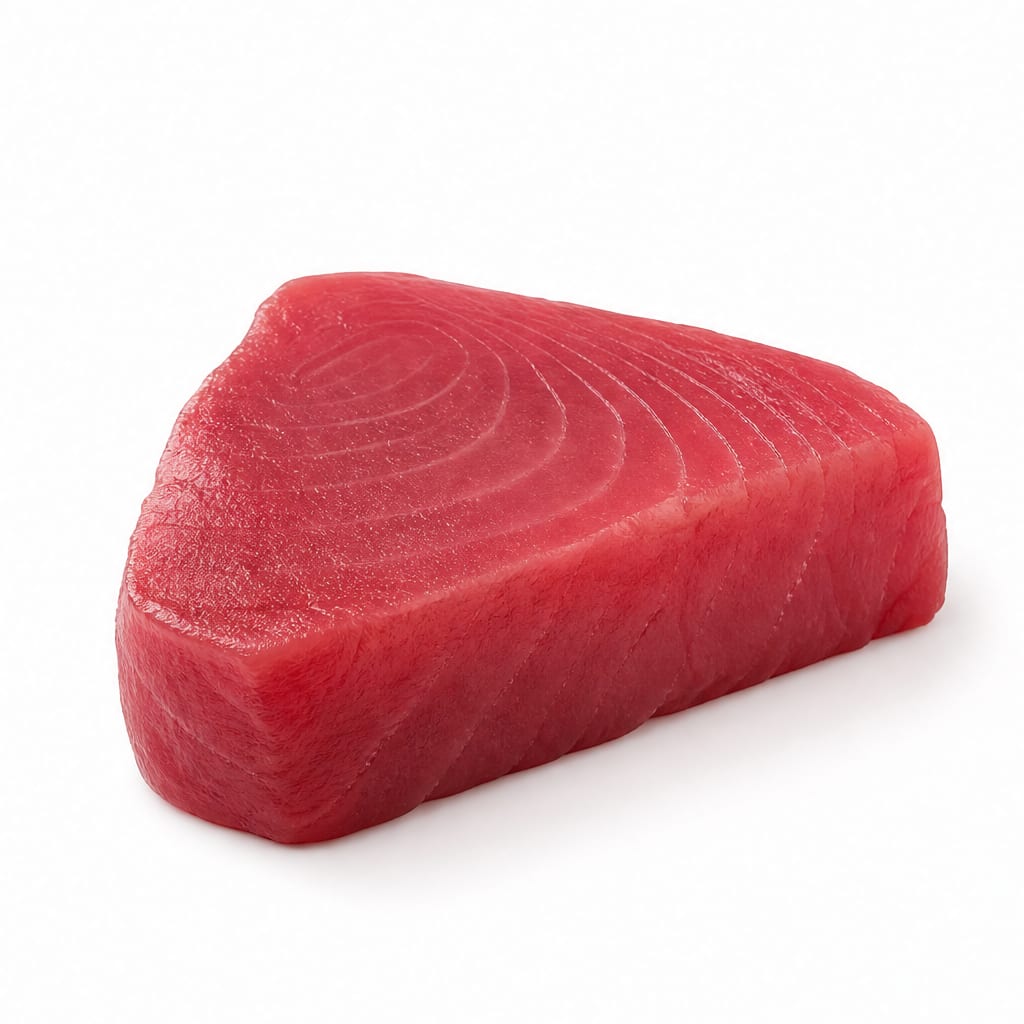
Tuna Steak
Sashimi preserves more nutrients but carries higher food safety risk. Tuna steak is safer and more practical for home cooking, with only modest nutrient loss from cooking.
Tuna steak edges ahead due to stronger safety profile and everyday practicality. Sashimi scores well on nutrient preservation but loses ground on contamination risk and accessibility.
Maximum nutrition and delicate texture versus safety confidence and everyday accessibility.
At a glance
Executive summary
Overall
It depends
Healthier
It depends
More practical
Tuna Steak
Daily use
Tuna Steak
Key comparison lenses
raw vs cooked fish safety tradeoffs
The single biggest decision factor: sashimi carries real parasite and bacteria risk that cooking eliminates
omega-3 and nutrient preservation
Raw fish retains more delicate omega-3s and heat-sensitive vitamins, giving sashimi a nutritional edge
mercury exposure from tuna
Both come from tuna, so mercury is a shared concern regardless of preparation method
everyday practicality and home preparation
Tuna steak is far easier to safely prepare at home; sashimi requires sushi-grade sourcing
satiety and meal satisfaction
Cooked tuna steak feels like a fuller meal; sashimi is lighter and often eaten in smaller quantities
Best choice for
Sashimi
- People who source sushi-grade fish from trusted suppliers
- Diners seeking maximum omega-3 retention
- Those wanting a light, refined protein source
- Omega-3 enthusiasts optimizing for anti-inflammatory intake
Tuna Steak
- Home cooks wanting a safe, satisfying fish meal
- Pregnant women or immunocompromised individuals avoiding raw fish
- People who find cooked fish more filling and satisfying
- Anyone meal-prepping protein for the week
Least suitable for
Sashimi
- Pregnant women, young children, and elderly with weaker immune systems
- Anyone unsure about fish sourcing quality
- People with compromised digestion who struggle with raw proteins
- Budget-conscious eaters needing affordable regular protein
Tuna Steak
- Those specifically seeking the delicate texture and experience of raw fish
- Diners at high-end sushi restaurants where sashimi quality is guaranteed
- People avoiding any cooking that might alter natural flavors
Deep comparison
Dimension by dimension
Each lens scores both foods and breaks down who each option suits.
- Dimension 1 · Priority 95Tuna Steak
Food Safety and Contamination Risk
Sashimi · 55Tuna Steak · 88Cooking destroys most parasites and harmful bacteria, making tuna steak significantly safer than raw sashimi.
Tradeoff
You gain safety with tuna steak but lose some of the delicate enzymes and heat-sensitive nutrients that raw fish preserves.
Why it matters
Raw fish carries real risk of anisakis parasites and Vibrio bacteria. For healthy adults this is manageable with proper sourcing, but the risk is never zero.
Real-world impact
A bad sashimi experience can mean hospitalization. Tuna steak virtually eliminates that worry, letting you enjoy tuna without the anxiety.
Sashimi
- Trusted restaurant settings with rigorous sourcing standards
Better for
- Gas station or low-quality sushi counter sashimi
- Self-prepared raw tuna from non-sushi-grade sources
Worse for
Tuna Steak
- Home preparation
- Pregnant women and immunocompromised diners
- Anyone eating fish multiple times per week
Better for
- Overcooking that makes it dry and unappetizing
Worse for
- Dimension 2 · Priority 88Sashimi
Omega-3 and Nutrient Retention
Sashimi · 92Tuna Steak · 75Raw sashimi retains more intact omega-3 fatty acids and heat-sensitive B vitamins compared to cooked tuna steak.
Tradeoff
The nutrient gap is real but modest. Light searing preserves most omega-3s, while well-done cooking loses more.
Why it matters
Omega-3s are fragile. High heat can oxidize them, reducing the anti-inflammatory benefit you are eating tuna for in the first place.
Real-world impact
Over a year of regular consumption, sashimi eaters may retain meaningfully more EPA and DHA. But occasional well-cooked tuna steak still delivers solid omega-3s.
Sashimi
- Maximizing anti-inflammatory omega-3 intake
- Preserving B-vitamin content
Better for
- Nutrient advantage disappears if the fish was previously frozen poorly
Worse for
Tuna Steak
- Still a strong omega-3 source when cooked medium-rare
Better for
- Well-done tuna steak loses significant omega-3 value
Worse for
- Dimension 3 · Priority 85It depends
Mercury Exposure
Sashimi · 50Tuna Steak · 50Both come from the same fish, so mercury content is essentially identical regardless of raw versus cooked preparation.
Tradeoff
Cooking does not reduce mercury. The only variable is the tuna species: skipjack has less mercury than albacore or bluefin.
Why it matters
Tuna is a higher-mercury fish. Frequent consumption of either form can accumulate mercury over time, especially concerning for pregnant women and children.
Real-world impact
Eating tuna more than twice a week in either form pushes mercury intake into concerning territory for sensitive groups.
Sashimi
- Neither has an advantage here
Better for
- High-end sashimi often uses bluefin, which has the highest mercury
Worse for
Tuna Steak
- Neither has an advantage here
Better for
- Larger tuna steaks may come from bigger, older fish with more accumulated mercury
Worse for
- Dimension 4 · Priority 72Tuna Steak
Satiety and Meal Satisfaction
Sashimi · 60Tuna Steak · 82A warm tuna steak feels like a complete, satisfying meal. Sashimi is lighter and often eaten in smaller portions.
Tradeoff
Sashimi's lightness is perfect some days but may leave you hungry sooner. Tuna steak stays with you longer.
Why it matters
Feeling satisfied after eating matters for adherence. A meal that leaves you hungry in an hour leads to extra snacking.
Real-world impact
After a sashimi lunch you might crave a snack by 3pm. A tuna steak dinner with sides keeps you full until bedtime.
Sashimi
- Hot weather when you want something light
- Multi-course dining where sashimi is one of many dishes
Better for
- Solo meals where sashimi alone will not fill you up
Worse for
Tuna Steak
- Post-workout meals needing solid satiety
- Dinner when you want to stay full until morning
- Single-dish meals where the fish carries the whole plate
Better for
- Occasions where a heavy meal feels like too much
Worse for
- Dimension 5 · Priority 80Tuna Steak
Convenience and Home Practicality
Sashimi · 40Tuna Steak · 85Tuna steak is straightforward to cook at home. Sashimi requires sushi-grade fish, sharp knife skills, and immediate consumption.
Tradeoff
Sashimi demands expertise and trust in your fish supplier. Tuna steak is forgiving and accessible to any home cook.
Why it matters
The best healthy food is the one you actually make. If sashimi feels intimidating or risky to prepare, you will eat it less often.
Real-world impact
Most people can pan-sear a tuna steak on a Tuesday night. Safely preparing sashimi at home requires specialty shopping and same-day eating.
Sashimi
- Restaurant dining where professionals handle preparation
Better for
- Grocery stores that do not clearly label sushi-grade fish
Worse for
Tuna Steak
- Weeknight home cooking
- Meal prep and batch cooking
- Beginners learning to cook fish
Better for
- Overcooking is easy if you are inexperienced with fish
Worse for
- Dimension 6 · Priority 70It depends
Protein Quality and Digestibility
Sashimi · 78Tuna Steak · 80Both deliver excellent complete protein. Cooking slightly increases protein digestibility but raw fish offers natural enzymes that aid digestion.
Tradeoff
Cooked protein is marginally easier to break down. Raw fish enzymes help too, but the overall difference is small.
Why it matters
For most people, protein quality between these two is a wash. Both are top-tier protein sources far superior to most alternatives.
Real-world impact
After either meal, you get high-quality amino acids for muscle repair and satiety. The difference is negligible for everyday health.
Sashimi
- Those who believe raw food enzymes support digestion
Better for
- Some people experience mild digestive discomfort from raw fish
Worse for
Tuna Steak
- People with sensitive stomachs who find cooked proteins easier to tolerate
Better for
- Overcooked tuna becomes dry and harder to chew and digest
Worse for
Timeline
Health impact over time
Short-term
Hours to days
Sashimi
- Light, clean energy without post-meal heaviness
- Risk of foodborne illness if fish is not sushi-grade
- Quick digestion leaving you hungry sooner
Tuna Steak
- Warm, satisfying meal that stabilizes hunger for hours
- Virtually no food safety worry when cooked properly
- Slightly heavier feeling that supports satiety
Long-term
Months to years
Sashimi
- Maximum omega-3 intake supports heart and brain health over years
- Accumulated mercury risk if eating tuna sashimi frequently
- Potential parasitic exposure if sourcing is inconsistent
Tuna Steak
- Strong cardiovascular benefits from regular omega-3 consumption, slightly reduced by cooking
- Same mercury accumulation concern as sashimi
- Lower lifetime risk of foodborne illness complications
Risk profile
Safety & processing
Both are whole foods with minimal processing. Sashimi is simply sliced raw fish. Tuna steak is fish cooked with heat. Neither contains additives unless seasoned or marinated.
Sashimi
Parasitic infection (anisakis)
mediumRaw tuna can harbor parasites that cause abdominal pain and nausea. Proper freezing before serving kills most parasites, but risk remains if protocols are not followed.
Bacterial contamination
mediumRaw fish can carry Vibrio, Salmonella, or Listeria if not handled at strict cold temperatures throughout the supply chain.
Scombroid poisoning
lowIf tuna is not kept cold enough, histamine builds up and can cause allergic-like reactions including flushing and headaches.
Tuna Steak
Residual bacterial risk from undercooking
lowSeared or rare tuna steak retains a raw center. While much safer than fully raw, some minimal risk persists if the fish was heavily contaminated.
Heterocyclic amines from high-heat cooking
lowCharring or grilling tuna at very high temperatures can create small amounts of potentially carcinogenic compounds. Moderate cooking avoids this.
Who wins for whom
Audience fit
Same foods, different winners depending on your goal.
children
Tuna SteakChildren should avoid raw fish due to immature immune systems and higher vulnerability to foodborne illness. Cooked tuna steak is much safer.
daily consumption
Tuna SteakDaily tuna consumption raises mercury concerns regardless of preparation, but cooked tuna steak is safer for regular eating if you limit frequency to twice weekly.
diabetes
It dependsBoth have zero carbs and will not spike blood sugar. Tuna steak's greater satiety may reduce snacking, but sashimi's lightness suits smaller frequent meals.
elderly
Tuna SteakOlder adults have weaker immune systems and should avoid raw fish. Cooked tuna steak is safer and its softer texture when prepared properly is easier to chew.
muscle gain
Tuna SteakTuna steak delivers more protein per typical serving and the warm, filling meal supports the higher calorie intake needed for building muscle.
weight loss
SashimiSashimi is lower in calories per serving since it contains no cooking oil and portions are naturally smaller, making it easier to stay in a calorie deficit.
Your move
Decision guide
Choose Sashimi
- You are dining at a reputable sushi restaurant with trusted sourcing
- You want maximum omega-3 retention and nutrient preservation
- You prefer light, delicate meals that do not leave you feeling heavy
- You are a healthy adult who eats tuna only occasionally
Choose Tuna Steak
- You are cooking at home and want a safe, satisfying fish meal
- You are pregnant, elderly, immunocompromised, or feeding children
- You want something filling that works as a main course
- You eat tuna regularly and want to minimize cumulative food safety risk
Either works if
- You are a healthy adult eating tuna once or twice a week
- You want high-quality protein with excellent omega-3 content
- You are comfortable with mercury limits and moderate your tuna intake accordingly
Avoid both if
- You are pregnant and trying to minimize mercury exposure entirely
- You eat fish daily and need lower-mercury options like salmon or sardines
- You have a known fish allergy
Final recommendation
For most people, tuna steak is the smarter everyday choice: safer, more filling, and easier to prepare at home. Save sashimi for quality restaurant experiences where sourcing is trustworthy. If you prioritize nutrient preservation above all else and have reliable access to sushi-grade tuna, sashimi delivers a slight nutritional edge. Either way, limit tuna to twice weekly due to mercury, and choose skipjack over albacore or bluefin when possible.
Practical
Consumer tips
- 1
Ask your fishmonger explicitly for sushi-grade tuna if preparing sashimi at home. Regular tuna from the display case is not safe raw.
- 2
Freeze tuna at -4°F (-20°C) for at least 7 days before making sashimi at home to kill parasites.
- 3
Cook tuna steak medium-rare for the best balance of safety and omega-3 preservation. Well-done loses more nutrients.
- 4
Choose skipjack or yellowfin tuna over albacore and bluefin to reduce mercury exposure by roughly half.
- 5
If eating sashimi, stick to high-turnover restaurants where fish moves quickly and never sits warm.
- 6
Pregnant women should avoid all raw fish and limit cooked tuna to 2 servings per week maximum.