
Nutrition comparison
Sashimi vs Grilled Chicken Breast: Which Lean Protein Is Better?
Compare sashimi and grilled chicken breast on protein, omega-3s, safety, cost, and weight loss. Learn which lean protein fits your goals and how often to eat each.
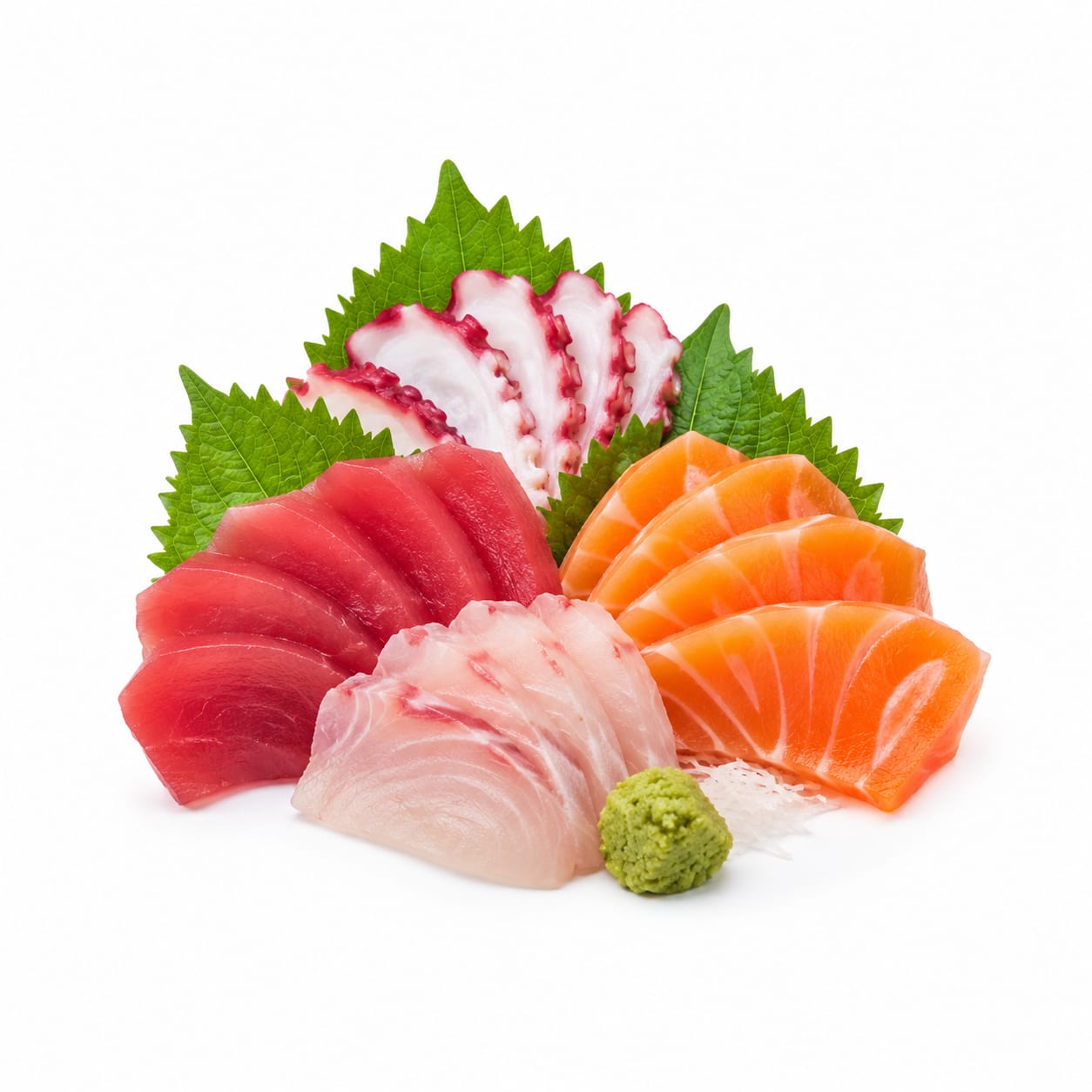
Sashimi
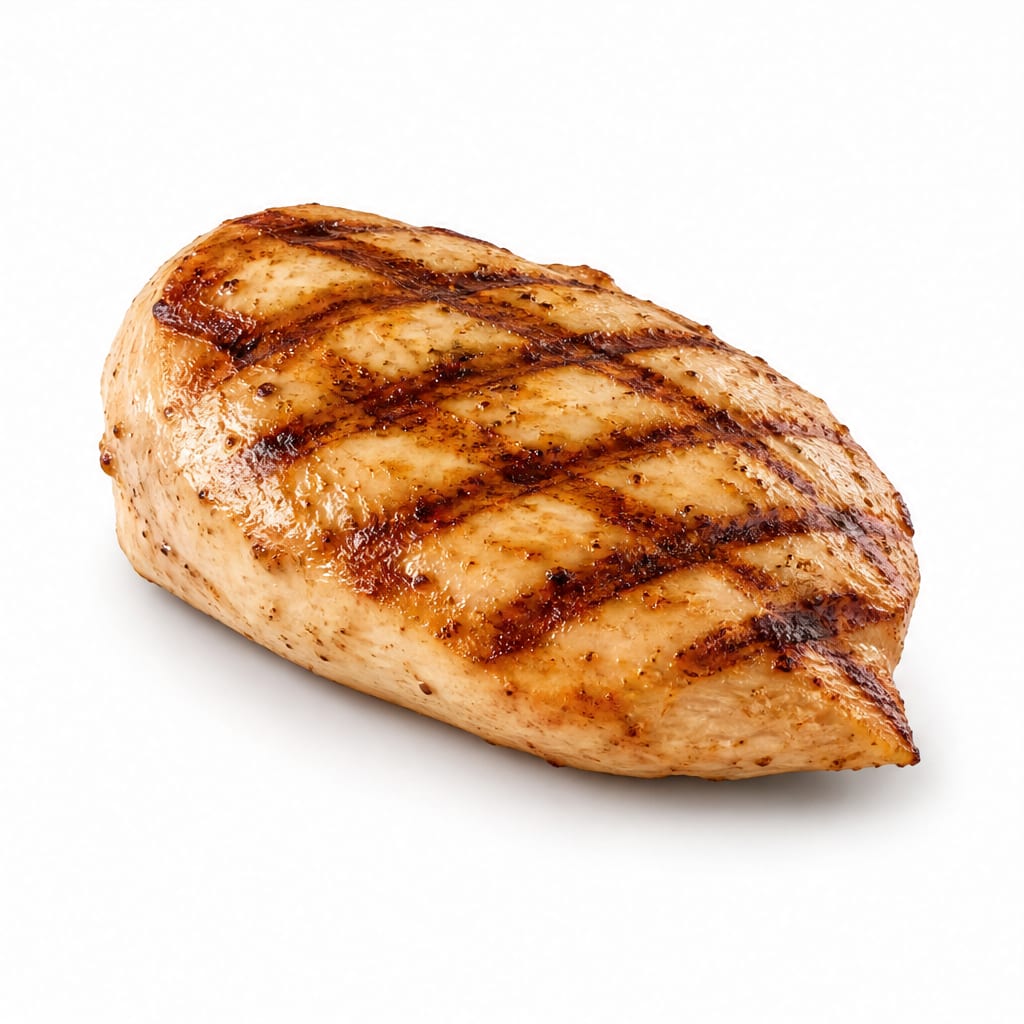
Grilled Chicken Breast
Sashimi delivers omega-3s and unique nutrients but carries raw fish risks and higher cost. Grilled chicken breast is the safer, cheaper, more practical daily protein.
Grilled chicken breast scores higher mainly due to safety, cost, and daily usability. Sashimi earns strong marks for omega-3s and micronutrient density but loses ground on contamination risk, mercury exposure, and impracticality for regular consumption.
Anti-inflammatory omega-3s and culinary experience versus food safety certainty, affordability, and everyday practicality.
At a glance
Executive summary
Overall
It depends
Healthier
It depends
More practical
Grilled Chicken Breast
Daily use
Grilled Chicken Breast
Key comparison lenses
lean protein source selection
Both are premium lean protein options, so the core question is which protein source better fits the user's goals
raw vs cooked food safety tradeoffs
Sashimi is served raw, introducing unique safety concerns that grilled chicken does not carry
omega-3 intake and inflammation
Sashimi provides significant omega-3s that chicken cannot match, making this a key differentiator
daily consumption sustainability
Mercury and cost make daily sashimi unrealistic for most people, while chicken is a daily staple
weight loss and satiety
Both are low-calorie high-protein foods, but satiety profiles differ meaningfully
Best choice for
Sashimi
- People prioritizing omega-3 intake without supplements
- Those seeking anti-inflammatory eating patterns
- Pescatarian or seafood-forward diets
- Occasional high-end protein with unique micronutrients
Grilled Chicken Breast
- Daily reliable lean protein on a budget
- Meal prep and batch cooking lifestyles
- Anyone immunocompromised who must avoid raw foods
- Consistent muscle-building nutrition plans
Least suitable for
Sashimi
- Pregnant women due to mercury and raw fish risks
- Immunocompromised individuals
- Daily consumption on a tight budget
- People in areas with unreliable seafood sourcing
Grilled Chicken Breast
- Those bored by repetitive meals needing variety
- People seeking significant omega-3 intake from food
- Pescatarians and vegetarians
Deep comparison
Dimension by dimension
Each lens scores both foods and breaks down who each option suits.
- Dimension 1 · Priority 95Grilled Chicken Breast
protein quality and content
Sashimi · 78Grilled Chicken Breast · 90Grilled chicken breast delivers more protein per calorie with a highly complete amino acid profile. Sashimi provides excellent protein too, but portion sizes are smaller and calorie-to-protein ratio is less efficient.
Tradeoff
Sashimi offers protein bundled with omega-3s, while chicken gives you more pure protein per serving with less fat.
Why it matters
For muscle maintenance and satiety, total protein per meal drives results more than subtle amino acid differences.
Real-world impact
A 6 oz grilled chicken breast gives you roughly 50g protein versus about 30-35g from a typical sashimi serving. That gap matters for hitting daily targets.
Sashimi
- Protein paired with anti-inflammatory fats
- Lighter post-meal feeling when you want less heaviness
Better for
- Smaller typical portions mean less total protein per sitting
- Harder to consume large quantities due to richness and cost
Worse for
Grilled Chicken Breast
- Hitting high protein targets efficiently
- Bodybuilding and athletic recovery portions
Better for
- No omega-3 benefit alongside the protein
- Can feel dry and less satisfying without preparation skill
Worse for
- Dimension 2 · Priority 90Sashimi
omega-3 and healthy fats
Sashimi · 95Grilled Chicken Breast · 10Sashimi is one of the best food sources of EPA and DHA omega-3s. Grilled chicken breast contains negligible omega-3 fatty acids.
Tradeoff
You get powerful anti-inflammatory fats with sashimi that chicken simply cannot provide. This is the single biggest nutritional advantage of choosing sashimi.
Why it matters
Omega-3s support heart health, brain function, and joint recovery. Most people do not get enough from their diet.
Real-world impact
Eating sashimi twice a week can meaningfully improve your omega-3 status. Chicken offers no equivalent benefit regardless of how often you eat it.
Sashimi
- Cardiovascular risk reduction
- Brain and cognitive health support
- Joint and anti-inflammatory benefits
Better for
- Omega-3 content varies significantly by fish species chosen
Worse for
Grilled Chicken Breast
- Lower total fat intake if you are strictly controlling fat grams
Better for
- Essentially zero omega-3 contribution to your diet
Worse for
- Dimension 3 · Priority 92Grilled Chicken Breast
food safety and contamination risk
Sashimi · 45Grilled Chicken Breast · 88Grilled chicken is cooked, eliminating most pathogens. Sashimi is raw, carrying inherent risks of parasites, bacteria, and mercury exposure.
Tradeoff
Cooking chicken destroys nearly all biological threats. Raw fish always carries some residual risk regardless of sourcing quality.
Why it matters
Foodborne illness from raw fish can be severe, especially for vulnerable populations. Mercury accumulates with frequent consumption.
Real-world impact
A poorly handled sashimi piece can cause serious illness. Properly grilled chicken is one of the safest protein sources available.
Sashimi
- High-quality sushi-grade sourcing reduces but does not eliminate risk
Better for
- Parasite and bacterial risk even with sushi-grade fish
- Mercury exposure especially with tuna and larger species
- Not recommended during pregnancy
Worse for
Grilled Chicken Breast
- Safe for pregnant women, elderly, and immunocompromised when cooked properly
- Negligible parasite risk
- No mercury accumulation concern
Better for
- Undercooked chicken carries severe salmonella risk
- Cross-contamination risk in home kitchens
Worse for
- Dimension 4 · Priority 80Grilled Chicken Breast
satiety and fullness
Sashimi · 68Grilled Chicken Breast · 85Grilled chicken breast keeps you full longer due to higher protein density and firmer texture. Sashimi satisfies differently with a lighter, cleaner feeling.
Tradeoff
Chicken provides heavy-duty fullness for hours. Sashimi satisfies without the heavy sensation, which may mean hunger returns sooner.
Why it matters
Staying full between meals prevents snacking and helps maintain calorie goals effortlessly.
Real-world impact
After a chicken breast lunch, you likely will not think about food for 4-5 hours. After sashimi, you may want a snack within 2-3 hours.
Sashimi
- Light eaters who dislike feeling stuffed
- Hot weather meals when heavy food feels unappealing
Better for
- Less staying power for large appetites
- Often served in smaller portions
Worse for
Grilled Chicken Breast
- Long workdays between meals
- Appetite control for weight management
Better for
- Can feel too heavy before physical activity
Worse for
- Dimension 5 · Priority 82Grilled Chicken Breast
cost and practicality
Sashimi · 30Grilled Chicken Breast · 90Grilled chicken breast is one of the most affordable protein sources and easy to prepare anywhere. Sashimi is expensive and requires trusted sourcing.
Tradeoff
Chicken wins on budget and convenience by a wide margin. Sashimi is a luxury protein that costs 3-5 times more per gram of protein.
Why it matters
The best nutrition plan is one you can actually afford and sustain. Cost determines consistency more than most people admit.
Real-world impact
A week of chicken breast lunches might cost $15-20. A week of sashimi lunches could easily exceed $80-100.
Sashimi
- Dining out experiences and special occasions
- No cooking required when ordered at restaurants
Better for
- Very high per-serving cost
- Limited availability in many areas
- Cannot be batch-prepared safely in advance
Worse for
Grilled Chicken Breast
- Meal prep and batch cooking
- Grocery budget consciousness
- Home cooking convenience
Better for
- Requires cooking equipment and time
- Can become monotonous without recipe variety
Worse for
- Dimension 6 · Priority 72Sashimi
micronutrient density
Sashimi · 85Grilled Chicken Breast · 60Sashimi provides vitamin D, B12, selenium, and iodine that chicken cannot match. Chicken offers B vitamins and selenium but with a narrower profile.
Tradeoff
Fish delivers ocean-sourced minerals and vitamins that land animals simply do not provide in the same quantities.
Why it matters
Vitamin D and iodine are commonly deficient, and sashimi helps fill those gaps naturally.
Real-world impact
Regular sashimi eaters often have better B12 and vitamin D status than those relying only on poultry.
Sashimi
- Vitamin D from natural food sources
- Iodine for thyroid health
- Selenium and B12 in highly bioavailable forms
Better for
- Nutrient profile varies by fish type significantly
Worse for
Grilled Chicken Breast
- Niacin and B6 for energy metabolism
- Consistent mineral content regardless of species variation
Better for
- No vitamin D to speak of
- Missing iodine entirely
Worse for
Timeline
Health impact over time
Short-term
Hours to days
Sashimi
- Light, clean energy without post-meal sluggishness
- Quick-digesting protein suitable before or after light activity
- Risk of acute foodborne illness if sourcing is poor
Grilled Chicken Breast
- Strong satiety that reduces between-meal hunger
- Steady energy from high protein with minimal fat
- Risk of dryness or digestive heaviness if overconsumed
Long-term
Months to years
Sashimi
- Improved omega-3 status supporting heart and brain health
- Mercury accumulation risk with frequent consumption of high-mercury species
- Anti-inflammatory benefits from regular EPA and DHA intake
Grilled Chicken Breast
- Reliable lean protein supporting muscle maintenance and metabolic health
- Zero mercury concern allowing unrestricted frequency
- Potential monotony reducing diet adherence without variety
Risk profile
Safety & processing
Both foods are whole, minimally processed proteins. Sashimi is raw fish with no additives. Grilled chicken breast is simply cooked meat. Neither contains emulsifiers, preservatives, or artificial ingredients when prepared traditionally.
Sashimi
Parasitic infection
mediumRaw fish can carry anisakis and other parasites. Sushi-grade freezing protocols reduce but do not eliminate this risk.
Mercury exposure
mediumTuna and other large fish accumulate mercury. Frequent consumption can lead to accumulation, especially concerning for pregnant women and children.
Bacterial contamination
mediumSalmonella, listeria, and vibrio can be present in raw seafood. Proper cold-chain handling is critical.
Microplastics
lowSeafood generally carries some microplastic load, though the health impact is still being studied.
Grilled Chicken Breast
Salmonella from undercooking
highUndercooked chicken is a leading cause of foodborne illness. Proper cooking to 165°F eliminates this risk entirely.
Antibiotic residues
lowConventionally raised chicken may carry antibiotic residues. Choosing organic or antibiotic-free reduces this concern.
Cross-contamination
mediumRaw chicken juices can contaminate surfaces and other foods in home kitchens if handling is careless.
Who wins for whom
Audience fit
Same foods, different winners depending on your goal.
children
Grilled Chicken BreastCooked chicken eliminates the raw fish safety concerns that make sashimi risky for developing immune systems. Mercury exposure is also a greater concern for children.
daily consumption
Grilled Chicken BreastNo mercury accumulation, lower cost, easier meal prep, and complete safety make chicken the clear daily driver. Sashimi is best limited to 2-3 times per week.
diabetes
It dependsBoth are excellent low-carb, blood-sugar-friendly options. Sashimi adds omega-3s which may improve insulin sensitivity, but chicken offers more reliable portion control.
elderly
Grilled Chicken BreastOlder adults face higher risk from foodborne illness and have weaker immune defenses, making cooked chicken the safer choice. Sashimi's omega-3s are beneficial but not worth the infection risk.
muscle gain
Grilled Chicken BreastMore protein per serving and per dollar allows easier hitting of high daily protein targets essential for muscle growth.
weight loss
Grilled Chicken BreastHigher protein per calorie and stronger satiety make grilled chicken breast more effective for controlling hunger and staying in a calorie deficit consistently.
Your move
Decision guide
Choose Sashimi
- You want to boost omega-3 intake without supplements
- You eat fish 2-3 times per week and want an anti-inflammatory protein option
- You are dining out and want a lighter, refined meal experience
- You have access to high-quality, trusted sushi-grade fish
Choose Grilled Chicken Breast
- You need affordable, reliable daily protein
- You meal prep and need food that stores and reheats well
- You are pregnant, immunocompromised, or feeding children
- You want maximum protein per dollar and per calorie
Either works if
- You simply need a clean lean protein source for a meal
- You rotate proteins throughout the week for variety
- Blood sugar control is your primary concern
Avoid both if
- You have seafood allergies and poultry allergies simultaneously
- You require a plant-based diet for ethical or religious reasons
- You cannot access safe sourcing for either food
Final recommendation
Use grilled chicken breast as your everyday protein foundation and enjoy sashimi 2-3 times per week for omega-3s and variety. This combination gives you the safety, affordability, and consistency of chicken alongside the anti-inflammatory and micronutrient benefits of raw fish. Avoid daily sashimi due to mercury risk, and always source from reputable suppliers when choosing raw seafood.
Practical
Consumer tips
- 1
Choose salmon or mackerel sashimi over tuna for higher omega-3s with lower mercury
- 2
Freeze chicken breast in individual portions for easy defrosting and meal prep
- 3
Limit higher-mercury fish like tuna sashimi to once per week maximum
- 4
Grill chicken with minimal oil and seasoning to keep it as clean as sashimi nutritionally
- 5
If trying sashimi at home, only buy sushi-grade fish from trusted vendors and consume immediately
- 6
Marinate grilled chicken in citrus and herbs to prevent dryness without adding calories