
Nutrition comparison
Sashimi vs Smoked Salmon: Nutrition, Safety, and Health Comparison
Compare Sashimi vs Smoked Salmon to see which is healthier. Learn about sodium, omega-3s, food safety, and the best uses for each fish.
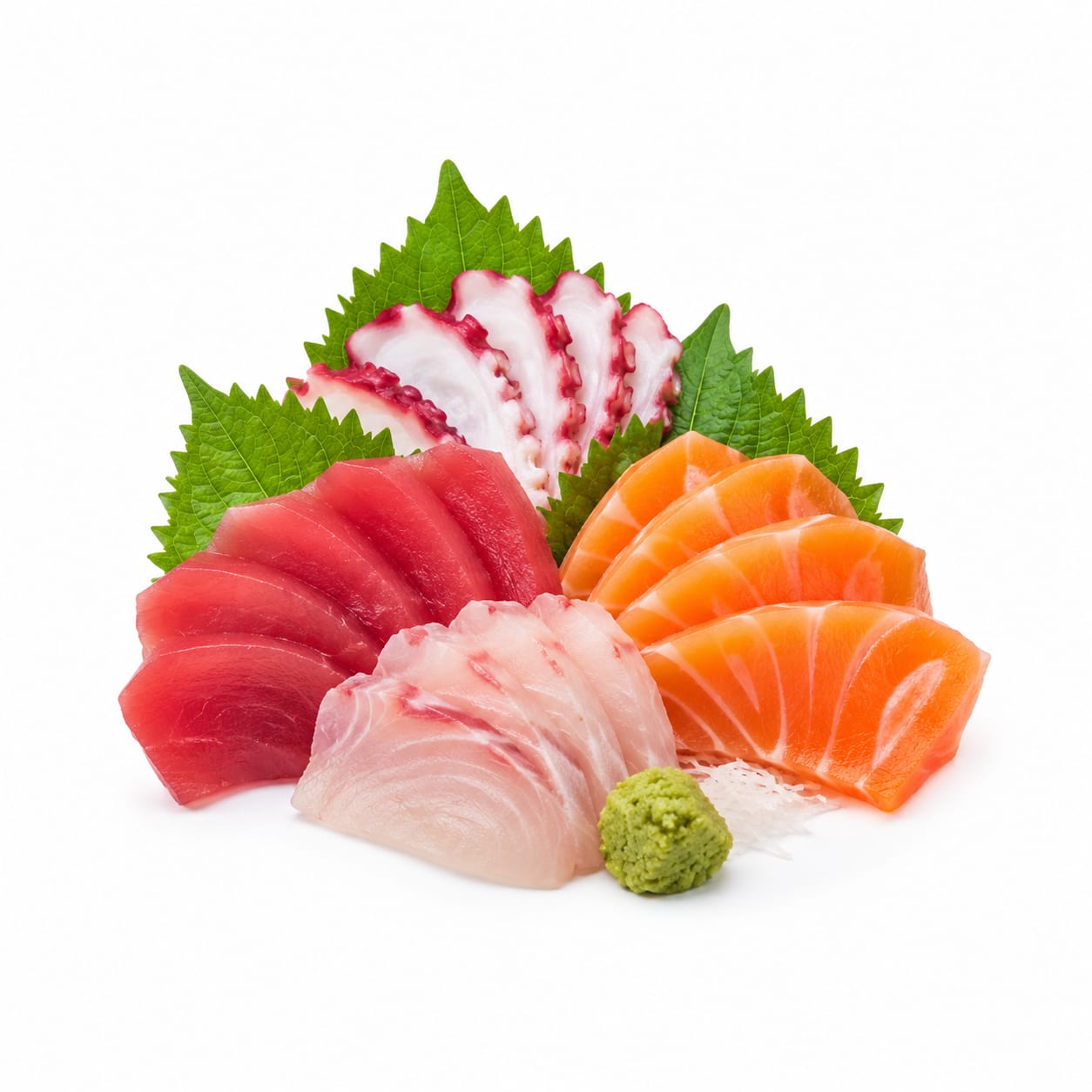
Sashimi
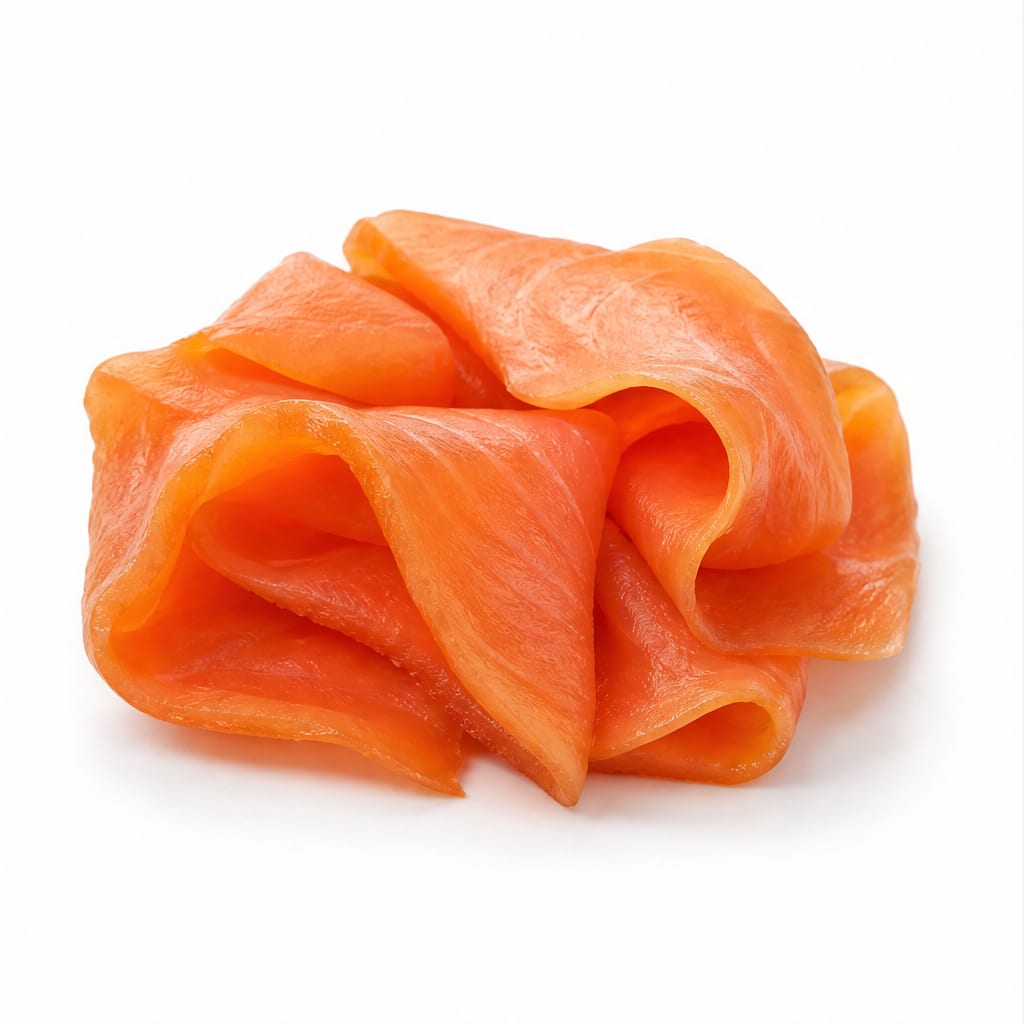
Smoked Salmon
Sashimi is the cleaner, low-sodium choice, while Smoked Salmon offers unmatched convenience and longer shelf life at the cost of high salt intake.
Sashimi scores higher due to the absence of added sodium and minimal processing, but Smoked Salmon remains a high-quality protein source despite its heavy salt load.
Fresh, zero-sodium raw fish versus preserved, high-sodium smoked fish.
At a glance
Executive summary
Overall
It depends
Healthier
Sashimi
More practical
Smoked Salmon
Daily use
Sashimi
Key comparison lenses
Sodium and Blood Pressure Impact
Smoked salmon is cured with heavy salt, while sashimi is naturally very low in sodium, making this the most critical health tradeoff.
Food Safety and Contamination Risk
Sashimi carries raw fish risks like parasites, whereas the curing and smoking process eliminates most of those threats but introduces preservative concerns.
Convenience and Shelf Life
Smoked salmon lasts weeks in the fridge and is ready on demand, while sashimi must be consumed within a day of purchase.
Processing and Additives
Sashimi is a pure, single-ingredient food, whereas smoked salmon contains added salt, sugar, and sometimes colorings or preservatives.
Best choice for
Sashimi
- Low-sodium diets
- Whole food purists
- Post-workout clean protein
Smoked Salmon
- Busy professionals needing quick protein
- Travel or camping meals
- People anxious about raw fish safety
Least suitable for
Sashimi
- Pregnant women due to raw fish risk
- Those with compromised immune systems
- People without access to high-quality fresh fish
Smoked Salmon
- People managing high blood pressure
- Salt-sensitive individuals
- Those strictly watching sodium intake
Deep comparison
Dimension by dimension
Each lens scores both foods and breaks down who each option suits.
- Dimension 1 · Priority 95Sashimi
Sodium and Blood Pressure
Sashimi · 95Smoked Salmon · 30Sashimi has virtually zero sodium, while Smoked Salmon packs a massive sodium punch from the curing process.
Tradeoff
You trade heart-friendly low sodium for the savory flavor and preservation of smoked fish.
Why it matters
High sodium intake directly raises blood pressure and increases cardiovascular risk over time.
Real-world impact
Eating Smoked Salmon daily can easily push you over your sodium limit, leaving you bloated and thirsty.
Sashimi
- Keeping blood pressure stable
- Avoiding water retention
Better for
Smoked Salmon
- Managing hypertension
- Staying under daily sodium limits
Worse for
- Dimension 2 · Priority 90Smoked Salmon
Food Safety and Contamination
Sashimi · 60Smoked Salmon · 85Sashimi carries a risk of parasites and foodborne illness from raw consumption, whereas the curing and smoking process for Smoked Salmon eliminates most parasites.
Tradeoff
You avoid raw fish risks with Smoked Salmon, but take on minor risks from preservatives or smoking byproducts.
Why it matters
Raw fish requires strict cold-chain management and high-quality sourcing to be safe.
Real-world impact
Bad sashimi can mean a trip to the hospital; Smoked Salmon is much safer to keep in your fridge for a week.
Sashimi
- Compromised immune systems
- Pregnancy dietary restrictions
Worse for
Smoked Salmon
- Avoiding live parasites
- Safer storage and handling
Better for
- Dimension 3 · Priority 85Smoked Salmon
Convenience and Shelf Life
Sashimi · 30Smoked Salmon · 95Smoked Salmon lasts weeks in the fridge and is ready to eat anywhere, while Sashimi must be consumed within a day of purchase.
Tradeoff
You sacrifice absolute freshness for the ability to keep protein on hand without worry.
Why it matters
Food that goes bad quickly often leads to waste or skipped meals.
Real-world impact
Smoked Salmon is an easy grab-and-go breakfast or travel snack; Sashimi requires immediate consumption and careful handling.
Sashimi
- Busy schedules with no time for daily shopping
- Packing lunches in advance
Worse for
Smoked Salmon
- Meal prep and planning
- Quick no-cook meals
Better for
- Dimension 4 · Priority 80Sashimi
Processing and Additives
Sashimi · 95Smoked Salmon · 50Sashimi is a single-ingredient whole food. Smoked Salmon contains added salt, sugar, and sometimes colorings or preservatives.
Tradeoff
The curing process adds flavor and extends life but moves the fish away from its natural state.
Why it matters
Minimally processed foods are generally easier on the body and have more predictable health outcomes.
Real-world impact
With Sashimi, you know exactly what you are eating. With Smoked Salmon, you need to read the label to avoid hidden sugars or artificial dyes.
Sashimi
- Clean eating diets
- Avoiding hidden additives
Better for
Smoked Salmon
- Strict whole-food diets
- Sensitivity to preservatives
Worse for
- Dimension 5 · Priority 75It depends
Protein Quality and Omega-3s
Sashimi · 90Smoked Salmon · 88Both are excellent sources of high-quality protein and omega-3 fatty acids, though smoking can slightly degrade some heat-sensitive fats.
Tradeoff
Sashimi offers marginally more intact omega-3s, but the difference is small in a balanced diet.
Why it matters
Omega-3s are crucial for brain and heart health, and both deliver heavily here.
Real-world impact
Either choice will fuel your muscles and fight inflammation effectively.
Sashimi
- Maximizing omega-3 potency
Better for
Smoked Salmon
- Getting omega-3s with zero cooking effort
Better for
Timeline
Health impact over time
Short-term
Hours to days
Sashimi
- Quick, clean protein energy
- Risk of stomach upset if fish is not fresh
- No bloating from sodium
Smoked Salmon
- Convenient, savory satisfaction
- Possible thirst and water retention from salt
- Very low risk of food poisoning
Long-term
Months to years
Sashimi
- Excellent heart and brain health from pure omega-3s
- Low blood pressure support
- Requires reliable sourcing to maintain safety
Smoked Salmon
- Great omega-3 intake, but high sodium may strain cardiovascular health over time
- Convenient protein helps maintain muscle
- Potential increased blood pressure if eaten frequently
Risk profile
Safety & processing
Sashimi is as natural as it gets—just sliced raw fish. Smoked Salmon is cured with salt and sugar, and sometimes contains artificial colors or wood smoke byproducts.
Sashimi
Parasites
mediumRaw fish can harbor live parasites if not previously flash-frozen to kill them. Sushi-grade labeling implies this freezing, but risk remains if sourcing is poor.
Bacterial contamination
mediumListeria or Salmonella are possible if the cold chain is broken or the fish sits out too long.
Smoked Salmon
High sodium load
highA single serving can contain 500-1000mg of sodium, which is a major risk factor for hypertension and heart disease.
Nitrites and color additives
lowSome cheaper brands use artificial dyes or nitrites to preserve the pink color, which can have mild health concerns.
Who wins for whom
Audience fit
Same foods, different winners depending on your goal.
children
Smoked SalmonChildren and pregnant women should generally avoid raw fish due to immune vulnerability; smoked fish is safer from a contamination standpoint, though sodium should be moderated.
daily consumption
SashimiDaily Smoked Salmon would lead to excessive sodium intake, whereas Sashimi can be eaten daily safely if sourced well.
diabetes
SashimiSmoked Salmon often contains added sugar in the brine, while Sashimi has zero carbs and no hidden sugars.
elderly
Smoked SalmonLower risk of foodborne illness from raw fish, which can be devastating for older immune systems, provided they do not have severe hypertension.
muscle gain
It dependsBoth provide excellent high-quality protein; choose based on sodium tolerance and convenience.
weight loss
SashimiLower sodium means less water retention and fewer cravings triggered by salty, cured flavors.
Your move
Decision guide
Choose Sashimi
- You want to keep your sodium intake low
- You have access to high-quality, sushi-grade fish
- You prefer the clean, delicate taste of raw fish
- You are strictly avoiding added sugars or preservatives
Choose Smoked Salmon
- You want a protein source that lasts in the fridge
- You need a quick, no-cook breakfast or snack
- You are wary of eating raw fish
- You want a strong, savory flavor to enhance a dish
Either works if
- You want a high-quality dose of omega-3s
- You need a carb-free protein source
- You are looking for an elegant appetizer
Avoid both if
- You have a severe fish or seafood allergy
- You are strictly vegan or vegetarian
Final recommendation
Choose Sashimi for the cleanest nutritional profile and heart-healthy low sodium, but keep Smoked Salmon on hand for convenience and safety—just watch your portion sizes to manage the salt.
Practical
Consumer tips
- 1
When buying Sashimi, look for sushi-grade or sashimi-grade labels, which indicate it was frozen to kill parasites.
- 2
Rinse Smoked Salmon briefly under cold water to remove some surface salt if you are watching your sodium.
- 3
Check the ingredient list on Smoked Salmon to avoid brands with artificial colors or high added sugars.
- 4
Eat Sashimi the day you buy it and keep it strictly refrigerated until serving.