
Nutrition comparison
Sashimi vs Steak Tartare: Nutrition, Safety & Health Comparison
Comparing Sashimi and Steak Tartare? Discover the nutritional differences, food safety risks, and which raw delicacy is better for your health goals.
Overall winner · Sashimi
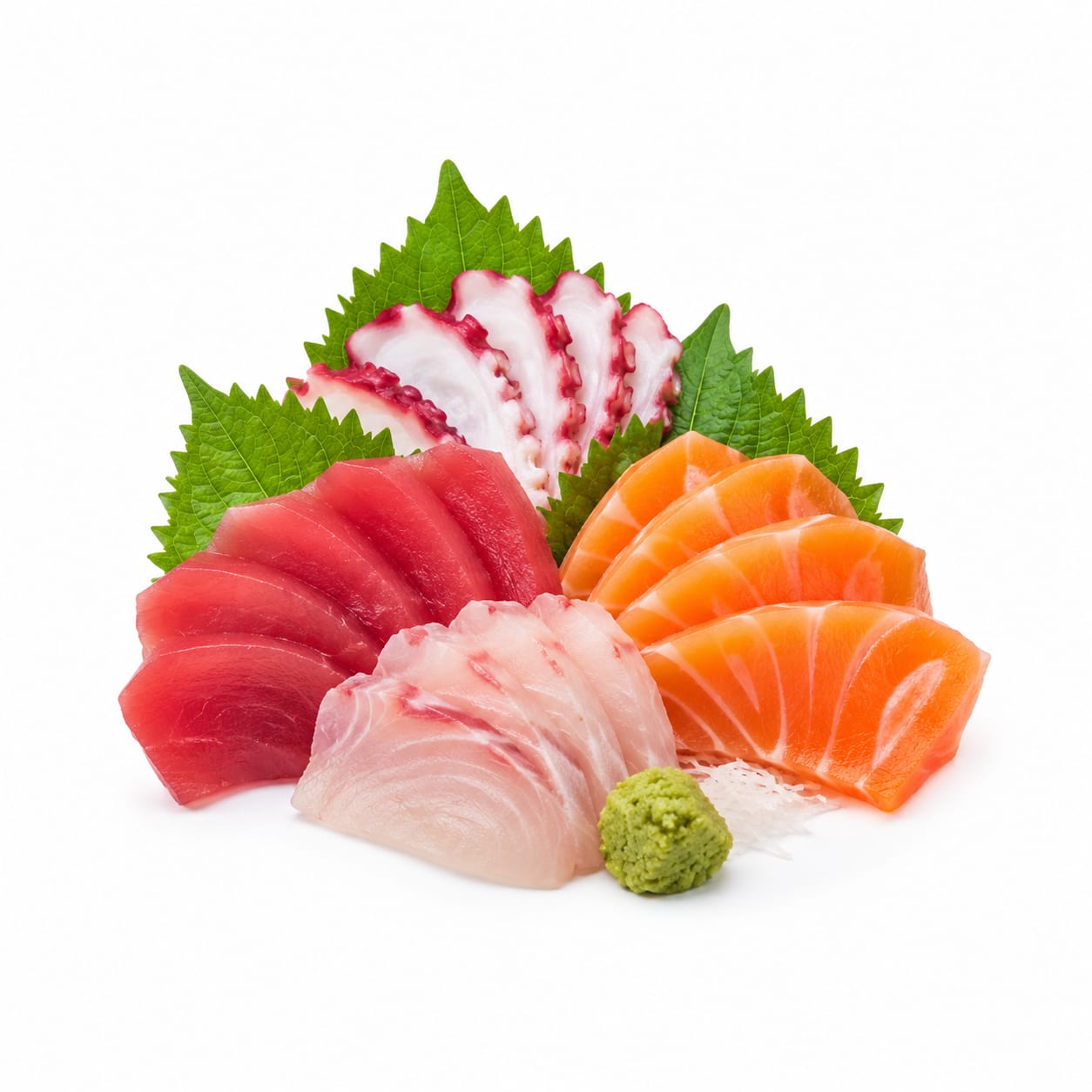
Sashimi
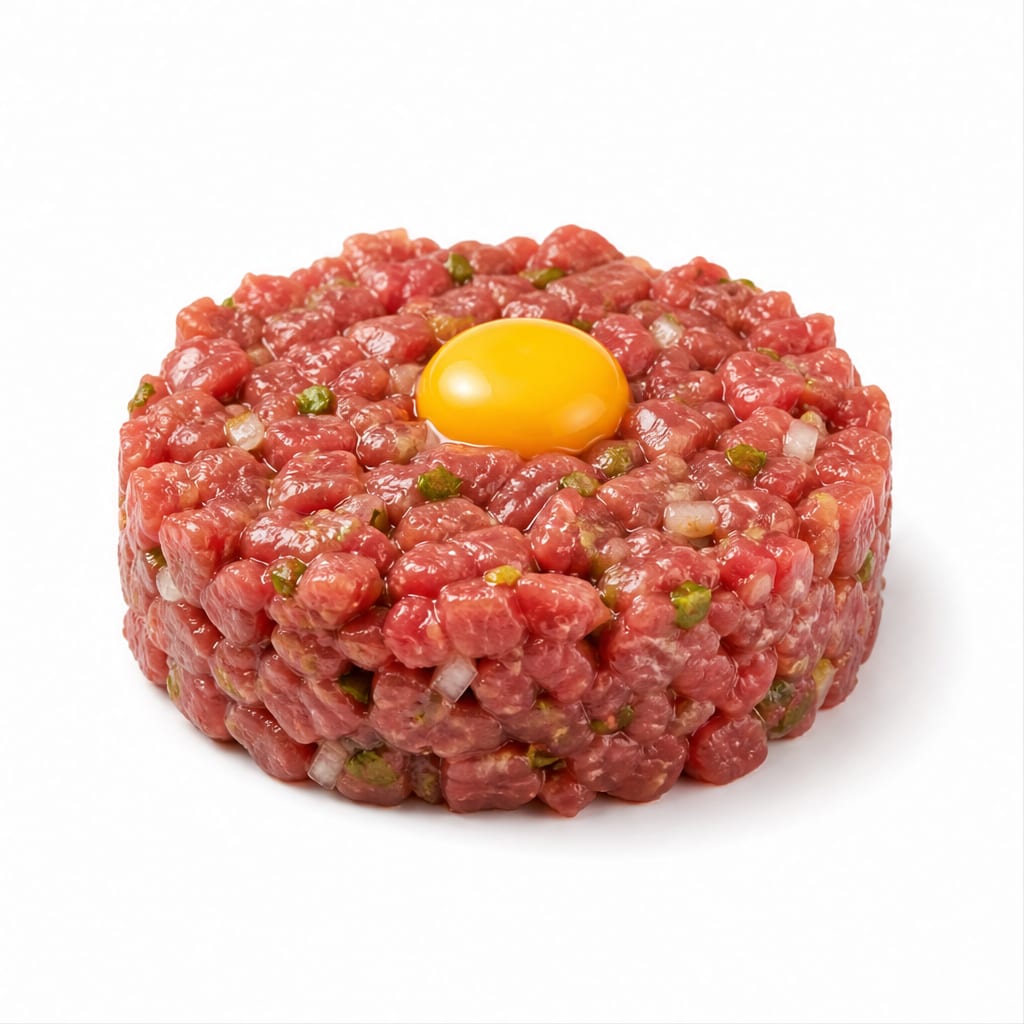
Steak Tartare
Sashimi offers lighter digestion and anti-inflammatory fats, while Steak Tartare delivers superior iron and sustained satiety.
Sashimi scores higher due to its anti-inflammatory fat profile and lighter digestive load, though both are premium raw proteins with significant safety considerations.
You are choosing between the heart-healthy omega-3s and lightness of Sashimi versus the dense iron, B12, and filling power of Steak Tartare.
At a glance
Executive summary
Overall
Sashimi
Healthier
Sashimi
More practical
It depends
Daily use
Sashimi
Key comparison lenses
Raw protein safety and contamination risk
Both foods are consumed raw, making foodborne illness a primary concern for any diner.
Micronutrient profile and dietary fat quality
Fish provides omega-3s while beef provides heme iron and B vitamins, creating a distinct nutritional tradeoff.
Digestibility and meal lightness
Sashimi is famously light, whereas Steak Tartare is dense and highly filling.
Long-term heart health impact
Regular consumption of fish supports heart health, while frequent red meat intake carries different cardiovascular implications.
Best choice for
Sashimi
- Heart health and anti-inflammatory diets
- Lighter meals that won't cause afternoon sluggishness
- Hot weather dining when heavy food feels unappealing
Steak Tartare
- Correcting iron deficiency or anemia
- High-calorie and high-satiety needs after intense training
- Those seeking robust, savory flavor profiles
Least suitable for
Sashimi
- People avoiding mercury exposure, especially pregnant women
- Those who dislike fish flavors or textures
Steak Tartare
- Immune-compromised individuals or pregnant women
- People managing high cholesterol or gout
Deep comparison
Dimension by dimension
Each lens scores both foods and breaks down who each option suits.
- Dimension 1 · Priority 90It depends
Protein Quality & Muscle Support
Sashimi · 88Steak Tartare · 90Steak Tartare provides slightly more bioavailable heme iron and creatine, while Sashimi offers lean protein paired with recovery-boosting omega-3s.
Tradeoff
Beef wins for raw anabolic nutrients like iron and creatine, but fish wins for post-workout inflammation reduction.
Why it matters
Your muscle recovery and energy levels respond differently to these proteins; beef builds red blood cells, fish soothes tissue stress.
Real-world impact
Choose Steak Tartare if you feel fatigued or anemic, but pick Sashimi if your joints ache after heavy training.
Sashimi
- Reducing post-workout inflammation
- Lean muscle maintenance without saturated fat
Better for
- Lacks the concentrated heme iron found in red meat
Worse for
Steak Tartare
- Boosting oxygen delivery via heme iron
- Maximizing creatine intake for strength training
Better for
- Higher saturated fat may not suit lean-bulking goals
Worse for
- Dimension 2 · Priority 95Sashimi
Food Safety & Contamination Risk
Sashimi · 65Steak Tartare · 55Both carry raw-food risks, but ground beef in Steak Tartare has a higher risk of dangerous bacterial contamination than whole-cut fish.
Tradeoff
Sashimi carries parasite and heavy metal risks, but Steak Tartare's increased surface area makes bacterial growth far more likely.
Why it matters
A single bad batch of either can cause severe food poisoning, but ground beef is historically riskier for lethal E. coli strains.
Real-world impact
Eating Steak Tartare at an unknown restaurant is a bigger gamble for your gut than eating Sashimi there.
Sashimi
- Parasites in fish are easily killed by standard commercial freezing
- Whole muscle cuts have less surface area for bacteria
Better for
- Tuna and swordfish sashimi can contain concerning mercury levels
Worse for
Steak Tartare
- Beef does not accumulate mercury like large predatory fish do
Better for
- Ground beef is highly susceptible to E. coli and Salmonella
- Raw egg yolk traditionally served with it adds Salmonella risk
Worse for
- Dimension 3 · Priority 85Sashimi
Digestibility & Meal Lightness
Sashimi · 92Steak Tartare · 75Sashimi is famously light and easy on the stomach, while Steak Tartare sits heavier and provides longer-lasting fullness.
Tradeoff
You trade the quick, clean energy of fish for the slow-burning, heavy satiety of raw beef.
Why it matters
Eating a heavy raw meat dish can cause sluggishness, whereas Sashimi rarely triggers a food coma.
Real-world impact
Sashimi is perfect for a lunch where you need to stay sharp; Steak Tartare is better for a leisurely dinner.
Sashimi
- Wont leave you feeling overly stuffed or sluggish
- Easier to digest quickly before an active afternoon
Better for
- Hunger returns faster due to lower fat content
Worse for
Steak Tartare
- Keeps you full for hours, reducing snacking urges
Better for
- Can feel heavy in the stomach, especially with raw egg
Worse for
- Dimension 4 · Priority 80Sashimi
Heart Health & Inflammation
Sashimi · 90Steak Tartare · 70Sashimi actively reduces inflammation through omega-3s, while Steak Tartare contains more saturated fat.
Tradeoff
You sacrifice the cardiovascular benefits of fish oils when choosing the saturated fats present in beef.
Why it matters
Regular intake of omega-3s supports long-term heart health, whereas frequent red meat consumption is linked to higher cardiovascular risk.
Real-world impact
Eating Sashimi weekly is a heart-smart habit; eating Steak Tartare weekly is a treat that adds up nutritionally.
Sashimi
- Omega-3s lower inflammation and support heart rhythm
- Low saturated fat content protects cardiovascular health
Better for
- Mercury in some fish can negatively impact heart health if overconsumed
Worse for
Steak Tartare
- High B12 supports healthy blood and nerve function
Better for
- Saturated fat and heme iron can contribute to oxidative stress if eaten excessively
Worse for
Timeline
Health impact over time
Short-term
Hours to days
Sashimi
- Clean, light energy without a crash
- Quick digestion leaving you ready for activity
Steak Tartare
- Deep, lasting satiety that wards off hunger
- Potential stomach heaviness requiring a restful pause
Long-term
Months to years
Sashimi
- Improved cardiovascular markers from regular omega-3 intake
- Risk of heavy metal accumulation if eating high-mercury fish too often
Steak Tartare
- Excellent maintenance of healthy iron stores and energy
- Increased cardiovascular risk if consumed as a frequent red meat staple
Risk profile
Safety & processing
Both are whole-food dishes with minimal processing. Sashimi is simply sliced raw fish, while Steak Tartare is hand-cut or ground beef with simple seasonings like capers and onions.
Sashimi
Parasites
mediumAnisakis and other worms can be present in raw fish, though commercial freezing protocols kill them effectively.
Heavy Metals
mediumLarge predatory fish like tuna can accumulate mercury, which is neurotoxic in high amounts.
Steak Tartare
Bacterial Contamination
highE. coli and Salmonella are significant risks because grinding beef exposes more surface area to bacteria.
Raw Egg Risk
mediumThe traditional raw egg yolk garnish introduces an additional Salmonella risk vector.
Who wins for whom
Audience fit
Same foods, different winners depending on your goal.
children
It dependsNeither raw food is ideal for children due to immature immune systems, but cooked versions of both proteins are excellent.
daily consumption
SashimiFish is widely recommended as a regular dietary staple, whereas red meat is advised in moderation.
diabetes
SashimiBoth have zero carbs, but the anti-inflammatory omega-3s in Sashimi are highly beneficial for managing diabetic inflammation.
elderly
SashimiSashimi is softer, easier to chew, and its omega-3s support cognitive and joint health in aging adults.
muscle gain
It dependsSteak Tartare offers more iron and creatine for strength athletes, but Sashimi provides lean protein and omega-3s for better recovery.
weight loss
SashimiSashimi is lower in calories and fat, making it easier to fit into a calorie deficit without feeling heavy.
Your move
Decision guide
Choose Sashimi
- You want a light, energizing meal that will not slow you down
- Heart health and anti-inflammatory eating are your top priorities
- You are eating at a high-end sushi bar with trusted sourcing
Choose Steak Tartare
- You need a deeply satisfying, filling meal to curb hunger for hours
- You are anemic or need a boost in iron and B12
- You are craving a rich, savory, and indulgent dining experience
Either works if
- You want a premium, zero-carb, raw protein experience
- You have absolute trust in the restaurant's hygiene and sourcing
Avoid both if
- You are pregnant, as raw meats and fish pose severe risks to the fetus
- You are immunocompromised or have a sensitive stomach
- You are dining at an establishment with questionable hygiene standards
Final recommendation
Let your energy needs guide you: choose Sashimi for a clean, light meal that protects your heart, and save Steak Tartare for when you need dense, iron-rich sustenance and a more indulgent experience.
Practical
Consumer tips
- 1
Only order raw dishes at reputable restaurants with high health inspection scores.
- 2
Opt for salmon over tuna for Sashimi to significantly reduce mercury exposure.
- 3
Ensure Steak Tartare is prepared from whole cuts ground to order, not pre-ground beef.
- 4
Pregnant women, the elderly, and young children should strictly avoid both dishes.
- 5
If making Steak Tartare at home, use a food-safe meat grinder and keep everything near freezing to inhibit bacterial growth.