
Nutrition comparison
Sashimi vs Cooked Salmon: Nutrition, Safety, and Health Comparison
Comparing Sashimi and Cooked Salmon? Discover the nutritional differences, safety risks, and which is better for your health goals.
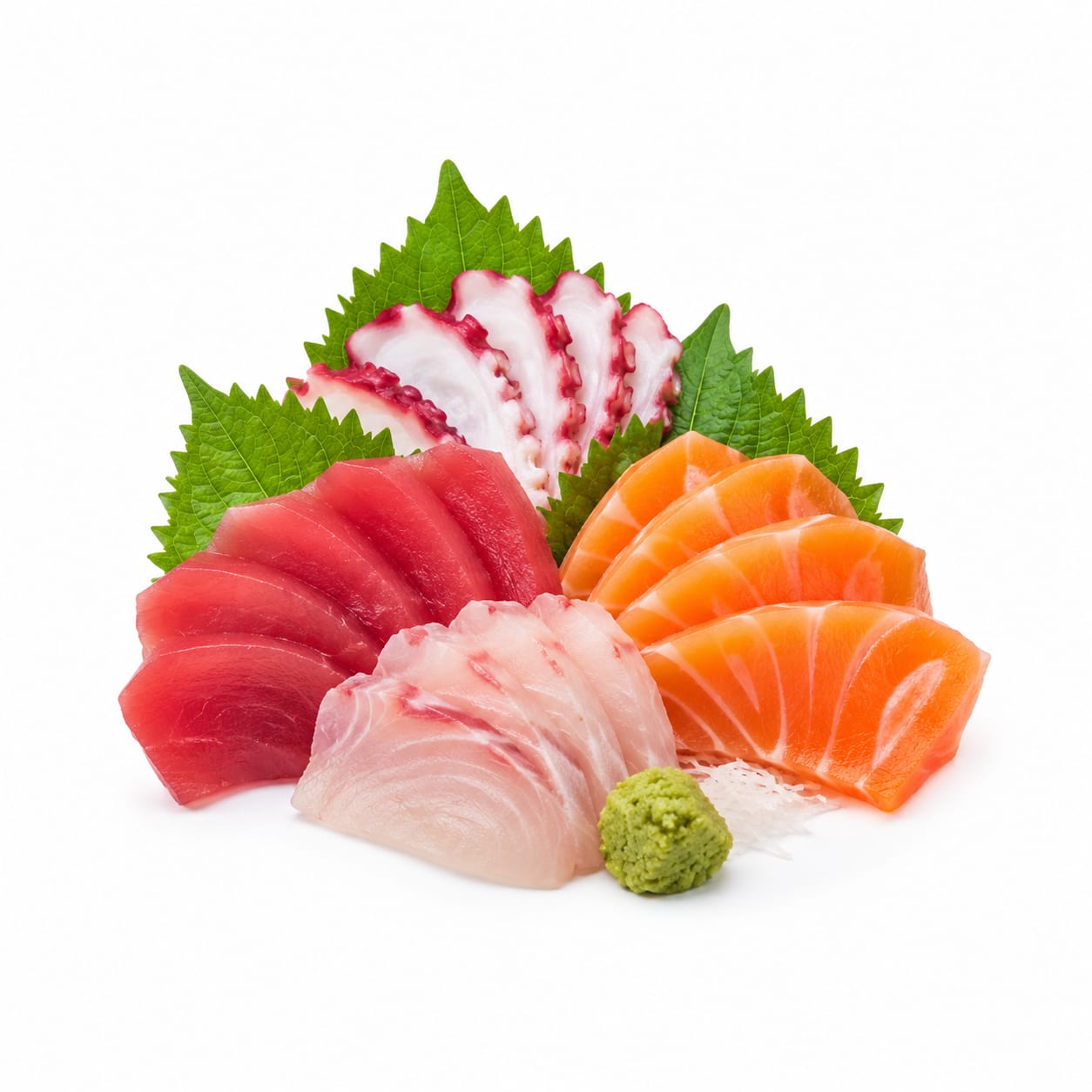
Sashimi
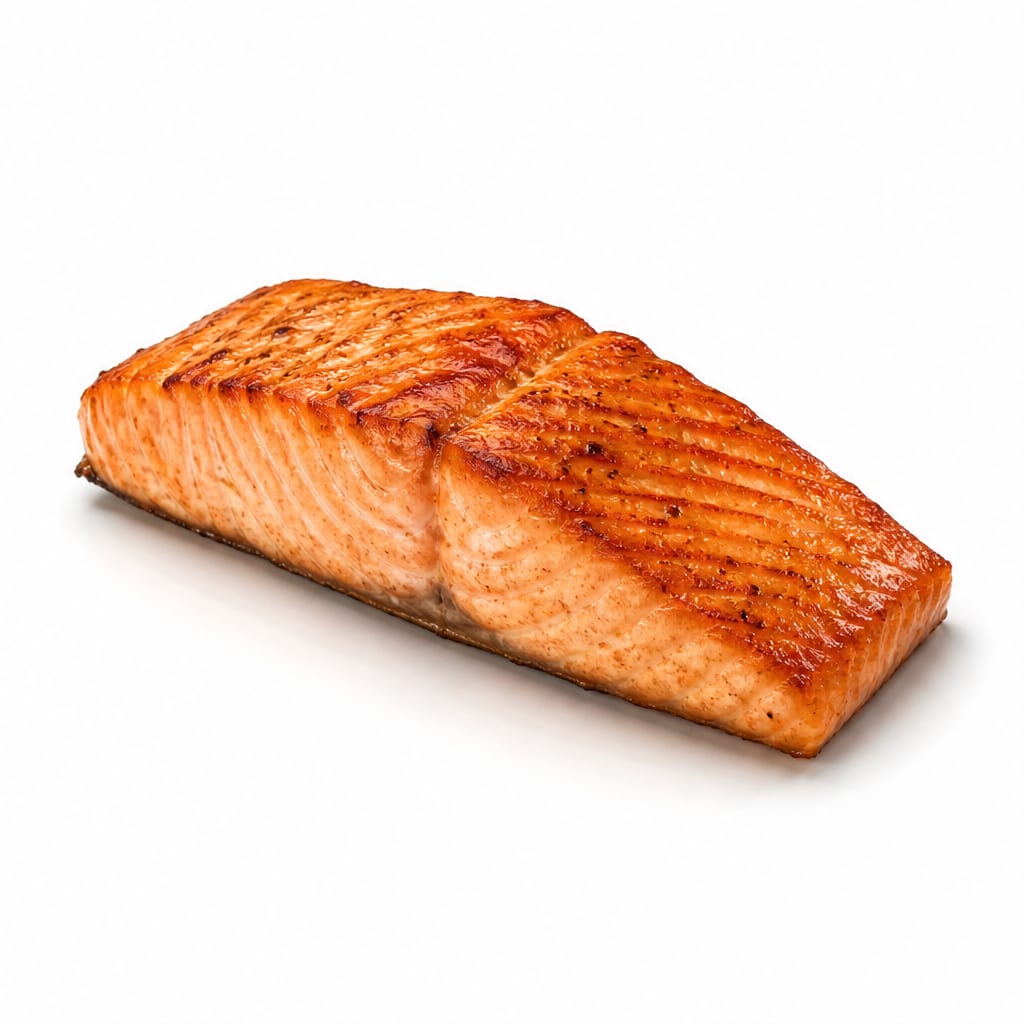
Cooked Salmon
Sashimi offers a delicate, raw experience with intact heat-sensitive nutrients, while Cooked Salmon is safer, easier to digest, and more filling.
Cooked Salmon wins slightly due to better safety, digestibility, and practicality for daily use, though Sashimi retains certain heat-sensitive nutrients better.
You trade the perfect preservation of raw nutrients and light texture for the safety, warmth, and digestibility of cooking.
At a glance
Executive summary
Overall
It depends
Healthier
It depends
More practical
Cooked Salmon
Daily use
Cooked Salmon
Key comparison lenses
Food Safety and Parasite Risk
Raw seafood carries inherent risks of parasites and bacteria that cooking eliminates.
Raw vs Cooked Nutrient Bioavailability
Heat alters omega-3 structure and destroys certain B vitamins, but makes protein more digestible.
Protein Digestibility
Denatured protein from cooking is significantly easier for the gut to break down and absorb.
Meal Practicality and Satiety
Warm, cooked meals tend to be more filling and practical for daily meal prep than cold, raw fish.
Best choice for
Sashimi
- Dining out at high-quality sushi restaurants
- Hot days when you want a light meal
- Maximizing heat-sensitive B vitamin intake
- Raw food diet followers
Cooked Salmon
- Weekly meal prep and batch cooking
- Pregnant women and children
- Those needing easy digestion
- Budget-friendly home cooking
Least suitable for
Sashimi
- Immunocompromised individuals
- Pregnant women
- Those without access to sushi-grade fish
- Meal prepping days in advance
Cooked Salmon
- Raw food diet followers
- Those seeking a delicate, melt-in-your-mouth texture
- Quick no-cook snack needs
Deep comparison
Dimension by dimension
Each lens scores both foods and breaks down who each option suits.
- Dimension 1 · Priority 95Cooked Salmon
Food Safety & Contamination
Sashimi · 60Cooked Salmon · 95Cooking kills potential parasites and bacteria, making Cooked Salmon much safer.
Tradeoff
Sashimi carries a small but real risk of parasites and listeria, requiring high-quality sourcing and careful handling.
Why it matters
Foodborne illness from raw fish can cause severe digestive distress and long-term health complications.
Real-world impact
Eating Sashimi from an unreliable source could lead to a stomach bug, whereas Cooked Salmon is almost entirely safe from pathogens.
Sashimi
- Experiencing the pure, unaltered flavor of the ocean
Better for
- People with weakened immune systems
Worse for
Cooked Salmon
- Pregnant women
- Children
- Anyone with a sensitive stomach
Better for
- Those who find fully cooked fish less appetizing
Worse for
- Dimension 2 · Priority 85Cooked Salmon
Protein Quality & Digestibility
Sashimi · 75Cooked Salmon · 92Cooking denatures proteins, making them easier for your body to break down and absorb.
Tradeoff
Sashimi protein is slightly harder to digest, though still an excellent high-quality source.
Why it matters
Better digestibility means less bloating and more efficient muscle repair after eating.
Real-world impact
A Cooked Salmon fillet feels easier on the stomach post-workout than a heavy Sashimi platter.
Sashimi
- Preserving natural enzyme content
Better for
- Those prone to sluggish digestion
Worse for
Cooked Salmon
- Post-workout recovery
- Elderly needing gentle digestion
Better for
- Raw food purists
Worse for
- Dimension 3 · Priority 90It depends
Omega-3 & Nutrient Retention
Sashimi · 88Cooked Salmon · 82Sashimi preserves all heat-sensitive B vitamins and omega-3s perfectly, while cooking causes minor nutrient loss but makes fats more bioavailable.
Tradeoff
You lose some B vitamins cooking salmon, but your body might absorb the remaining omega-3s more easily.
Why it matters
Omega-3s are fragile and can degrade under high heat, impacting heart and brain benefits.
Real-world impact
Eating Sashimi guarantees you get 100% of the omega-3s you paid for, while pan-frying can drain some into the pan.
Sashimi
- Maximizing total omega-3 intake
- Preserving thiamine and other B vitamins
Better for
- Overestimating protein absorption
Worse for
Cooked Salmon
- Absorbing healthy fats efficiently
Better for
- Losing nutrients if overcooked or deep-fried
Worse for
- Dimension 4 · Priority 75Cooked Salmon
Satiety & Meal Satisfaction
Sashimi · 70Cooked Salmon · 88Cooked Salmon is typically served warm and digests steadily, making it more filling and comforting.
Tradeoff
Sashimi is lighter and less filling, which might leave you hungry sooner but is perfect when you want a low-bloat meal.
Why it matters
Feeling satisfied after a meal prevents unnecessary snacking later in the day.
Real-world impact
A warm Cooked Salmon dinner keeps you full until breakfast, while a Sashimi appetizer might have you reaching for carbs an hour later.
Sashimi
- Light lunches
- Avoiding that heavy, sleepy feeling
Better for
- Recovery from intense endurance exercise
Worse for
Cooked Salmon
- Main dinner courses
- Satisfying post-workout hunger
Better for
- Staying light on your feet for an active afternoon
Worse for
- Dimension 5 · Priority 70Cooked Salmon
Practicality & Cost
Sashimi · 55Cooked Salmon · 85Sashimi requires sushi-grade fish and immediate consumption, whereas Cooked Salmon can be meal-prepped and uses standard fillets.
Tradeoff
Cooked Salmon is far more convenient for weekly meal prep and easier on the wallet.
Why it matters
A food that is easy to prepare and store is much more sustainable as a regular dietary staple.
Real-world impact
You can bake a week's worth of Cooked Salmon on Sunday, but Sashimi must be eaten the day you buy it.
Sashimi
- Quick, no-cook meals when you have high-quality fish
Better for
- Beginners handling raw seafood
Worse for
Cooked Salmon
- Budget-conscious households
- Sunday meal prep routines
Better for
- Kitchen-free living situations
Worse for
Timeline
Health impact over time
Short-term
Hours to days
Sashimi
- Light, quick energy without a food coma
- Potential stomach upset if sensitive to raw fish or if fish isn't perfectly fresh
Cooked Salmon
- Warm, comforting, and very filling
- Easy on the stomach with a steady release of energy
Long-term
Months to years
Sashimi
- Great omega-3 intake if sourced well, but cumulative heavy metal exposure risk if eaten too frequently
- Risk of parasitic infection if quality control slips
Cooked Salmon
- Consistent, safe protein and omega-3 source highly sustainable for daily eating
- Lower risk of foodborne illness supporting a stable gut microbiome
Risk profile
Safety & processing
Both are whole foods. Sashimi is completely raw, while Cooked Salmon only undergoes heat, preserving their natural status.
Sashimi
Parasites (Anisakis)
mediumRaw fish can contain marine parasites that cause severe abdominal pain and digestive issues if ingested.
Listeria and Salmonella
mediumBacterial contamination risk is higher in raw seafood, especially if the cold chain is broken during transport.
Heavy Metals
lowMercury and other metals accumulate in salmon, though generally lower than large predatory fish.
Cooked Salmon
Heterocyclic Amines (HCAs)
lowCharring or grilling at very high temperatures can create minor carcinogenic compounds.
Heavy Metals
lowCooking does not remove heavy metals, so the baseline risk remains the same as raw.
Who wins for whom
Audience fit
Same foods, different winners depending on your goal.
children
Cooked SalmonCrucial for safety against parasites and easier for developing digestive systems to handle.
daily consumption
Cooked SalmonSafer, more affordable, and easier to incorporate into a daily meal prep routine.
diabetes
It dependsBoth have zero carbs and won't spike blood sugar, but Cooked Salmon provides steadier, longer-lasting satiety.
elderly
Cooked SalmonGentle on the stomach and eliminates the risk of foodborne illness which older immune systems struggle with.
muscle gain
Cooked SalmonBetter protein digestibility ensures your muscles get the amino acids they need efficiently.
weight loss
Cooked SalmonMore filling and satisfying, making it easier to control portions and avoid snacking later.
Your move
Decision guide
Choose Sashimi
- You are dining at a high-quality sushi restaurant
- You want a light, elegant meal on a hot day
- You crave the delicate texture of raw fish
- You want maximum retention of heat-sensitive nutrients
Choose Cooked Salmon
- You are meal prepping for the week
- You are pregnant, elderly, or feeding children
- You want a warm, comforting dinner
- You are buying standard fillets from the grocery store
Either works if
- You just need high-quality protein and omega-3s
- You have no immune concerns and trust your fish source
Avoid both if
- You have a severe fish or seafood allergy
Final recommendation
Make Cooked Salmon your everyday staple for safety, value, and digestibility, and enjoy Sashimi as an occasional treat when you trust the restaurant's quality and crave its unique texture.
Practical
Consumer tips
- 1
Freeze Sashimi-grade fish at -4°F for 7 days to kill parasites if preparing at home.
- 2
Bake or poach Cooked Salmon instead of charring it to avoid creating harmful compounds.
- 3
Limit both to 2-3 servings a week to manage heavy metal exposure while getting enough omega-3s.
- 4
Pair both with leafy greens and a squeeze of lemon to boost iron absorption and flavor.