
Nutrition comparison
Sashimi vs Poke Bowl: Which Is Healthier for You?
Compare sashimi and poke bowl nutrition, calories, sodium, and health effects. Learn which raw fish dish fits your diet goals and when to choose each one.
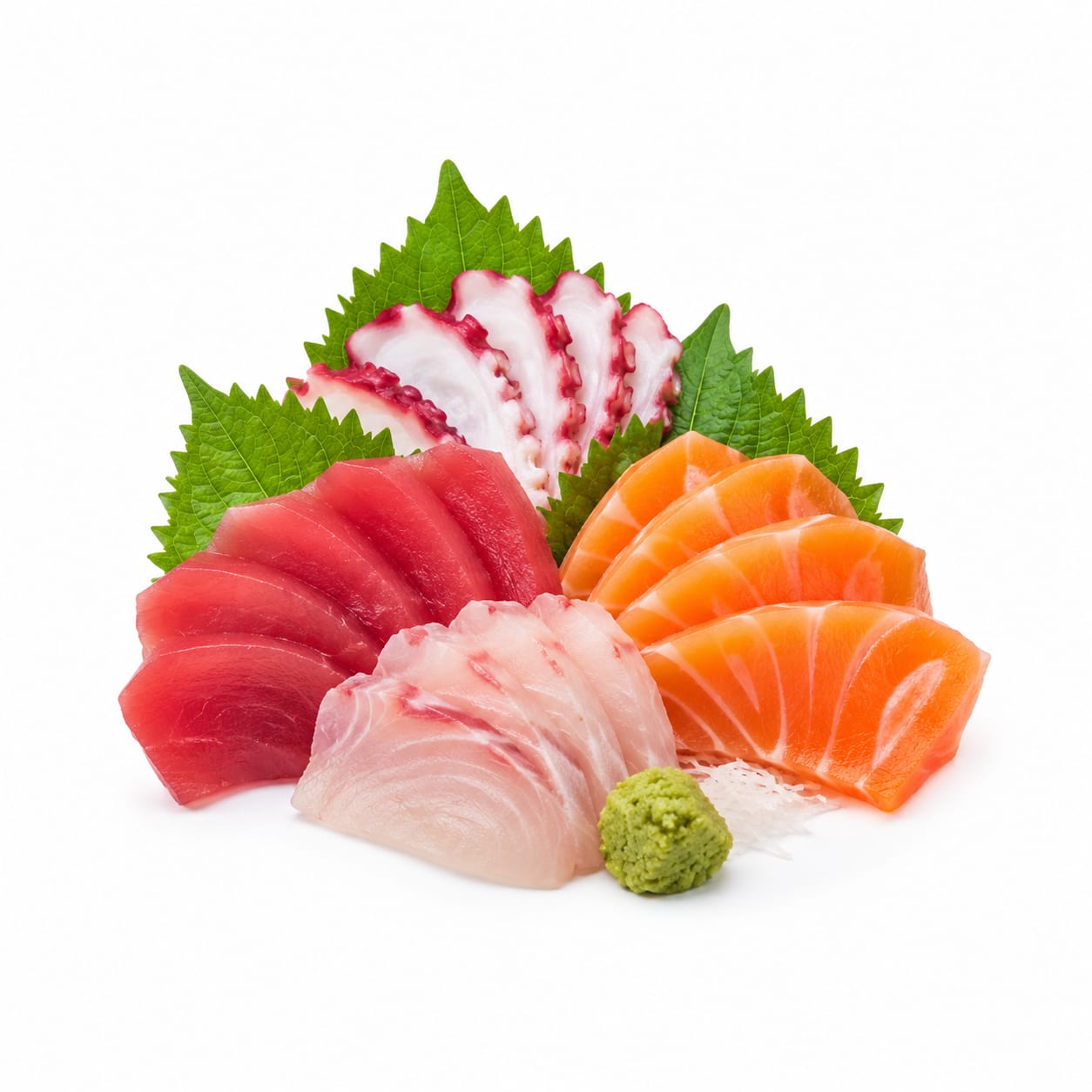
Sashimi
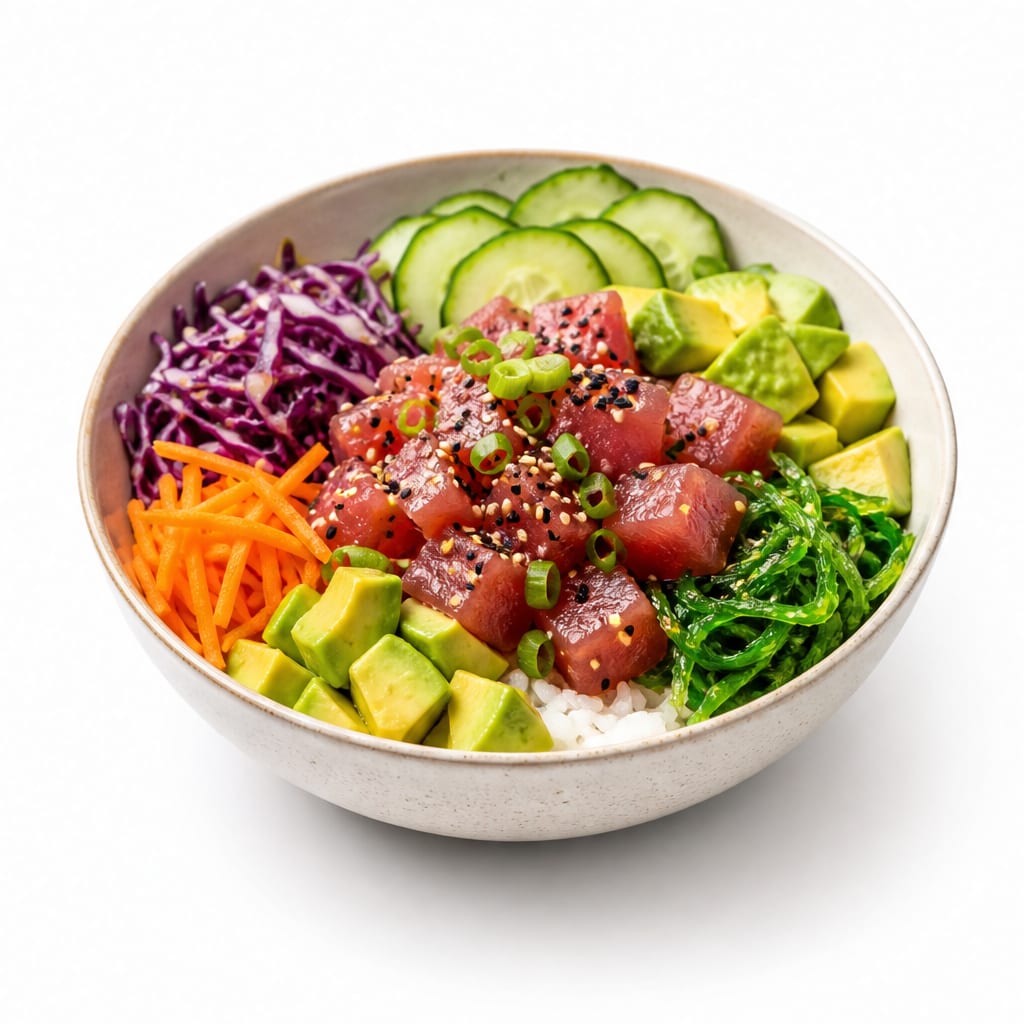
Poke Bowl
Sashimi wins for clean, low-calorie protein. Poke bowls win for a satisfying complete meal. The rice and sauces make all the difference.
Sashimi scores higher due to cleaner macros, lower calorie density, and minimal additives. Poke bowls lose ground on hidden sodium, carb load, and calorie creep from sauces. However, poke bowls offer better real-world satiety and nutrient variety, keeping the gap moderate rather than large.
You trade calorie control and metabolic cleanliness for convenience and fullness. Sashimi keeps things lean and simple; poke bowls fill you up but can sneak in heavy carbs and sodium.
At a glance
Executive summary
Overall
It depends
Healthier
Sashimi
More practical
Poke Bowl
Daily use
It depends
Key comparison lenses
Carbohydrate and blood sugar management
Sashimi is essentially zero-carb while poke bowls contain a significant rice base, making this the starkest difference between the two
Calorie density and portion control
Poke bowls can easily exceed 700-900 calories due to rice, sauces, and toppings, while sashimi stays lean at roughly 40-50 calories per piece
Sodium load from sauces
Poke bowls rely on soy sauce, ponzu, and spicy mayo which can push sodium past 1000mg per bowl, a hidden health cost many overlook
Raw fish safety and contamination
Both foods carry raw seafood risks, but poke bowls introduce more handling steps and mixed ingredients that increase contamination surface area
Meal completeness and satiety
Poke bowls function as a full meal with carbs, protein, fat, and vegetables, while sashimi is typically a protein-focused dish requiring sides
Hidden calories from dressings and toppings
Poke bowl sauces and add-ons like tempura flakes or macadamia nuts can silently double the calorie count compared to expectations
Best choice for
Sashimi
- People managing blood sugar or following low-carb diets
- Anyone tracking calories closely
- Those who want pure protein without hidden additives
- Diners watching sodium intake
Poke Bowl
- People needing a filling lunch that actually satisfies
- Athletes refueling after intense training
- Anyone who finds plain protein unsatisfying on its own
- Busy professionals wanting a complete meal in one bowl
Least suitable for
Sashimi
- People who need carbs to feel energized and satisfied
- Anyone prone to overeating later after skimpy meals
- Diners with limited budgets since sashimi is expensive per calorie
Poke Bowl
- People with diabetes or insulin resistance
- Anyone on a calorie-restricted diet who struggles with portion control
- Those sensitive to high sodium intake
Deep comparison
Dimension by dimension
Each lens scores both foods and breaks down who each option suits.
- Dimension 1 · Priority 92Sashimi
Blood Sugar Stability
Sashimi · 95Poke Bowl · 45Sashimi has virtually zero carbohydrates and will not spike blood sugar at all. Poke bowls, built on a rice base, can deliver 50-80g of refined carbs in one sitting.
Tradeoff
You get satisfying fullness from the rice in a poke bowl, but it comes with a glycemic cost that can trigger energy crashes within hours.
Why it matters
For anyone with insulin resistance, prediabetes, or afternoon energy dips, this difference is decisive. A poke bowl at lunch can leave you sleepy by 2pm.
Real-world impact
After sashimi, you feel light and steady. After a poke bowl, you may feel full but then sluggish as the rice digests rapidly.
Sashimi
- Diabetics and prediabetics
- Low-carb and keto dieters
- People prone to afternoon energy crashes
Better for
- Anyone who needs carb fuel for intense physical activity
Worse for
Poke Bowl
- Endurance athletes who need carb replenishment
- People who feel faint without adequate carbs
Better for
- People monitoring blood sugar closely
- Those trying to reduce refined carbohydrate intake
Worse for
- Dimension 2 · Priority 88Sashimi
Calorie Control
Sashimi · 90Poke Bowl · 50A typical sashimi order of 8-10 pieces runs 300-450 calories with almost all of it from lean protein. A standard poke bowl easily hits 650-900 calories.
Tradeoff
Poke bowls feel like a reasonable healthy choice, but the rice, sauces, and toppings can push the calorie count past a fast-food burger without you noticing.
Why it matters
Calorie creep from healthy-sounding meals is one of the most common weight loss obstacles. Poke bowls are a classic hidden-calorie trap.
Real-world impact
You can eat sashimi freely within most calorie budgets. With poke bowls, you need to actively manage portions and sauce amounts to stay on track.
Sashimi
- Anyone actively losing weight
- People who dislike tracking calories and prefer foods that are naturally hard to overeat
Better for
- Those who need calorie density to meet daily energy requirements
Worse for
Poke Bowl
- People trying to gain weight healthily
- Athletes with high calorie needs
Better for
- Anyone who assumes poke bowls are automatically low-calorie
- People trying to create a calorie deficit
Worse for
- Dimension 3 · Priority 85Sashimi
Sodium Load
Sashimi · 80Poke Bowl · 35Sashimi with a light soy dip might hit 400-600mg sodium. A poke bowl with soy-based marinades, ponzu, and spicy mayo can easily exceed 1200-1500mg.
Tradeoff
The sauces that make poke bowls delicious are also what make them sodium bombs. Flavor comes at a cardiovascular cost.
Why it matters
Consistently high sodium intake raises blood pressure and increases cardiovascular risk. One poke bowl can deliver half your daily sodium limit.
Real-world impact
After a poke bowl, you might notice bloating, thirst, and water retention. Sashimi leaves you feeling cleaner and lighter.
Sashimi
- People with hypertension
- Anyone prone to bloating or water retention
- Those monitoring sodium for kidney health
Better for
- No significant downside on sodium
Worse for
Poke Bowl
- Athletes who lose significant sodium through sweat
- People with low blood pressure who benefit from salt intake
Better for
- Salt-sensitive individuals
- Anyone already consuming high-sodium diets from other meals
Worse for
- Dimension 4 · Priority 78Poke Bowl
Satiety and Meal Completeness
Sashimi · 45Poke Bowl · 88Poke bowls combine protein, carbs, fat, and fiber from vegetables into a genuinely filling meal. Sashimi alone is protein-rich but rarely satisfying as a standalone.
Tradeoff
Sashimi keeps calories low but may leave you hunting for snacks an hour later. Poke bowls solve the fullness problem but introduce the carb and calorie tradeoffs.
Why it matters
A meal that does not satisfy you leads to compensatory eating later. The healthiest meal on paper is useless if you binge on junk two hours afterward.
Real-world impact
A poke bowl at noon can carry you to dinner. A sashimi-only lunch often needs rice, edamame, or a side to feel like a real meal.
Sashimi
- People who prefer eating smaller, more frequent meals
- Those pairing sashimi with other dishes as part of a larger Japanese meal
Better for
- People who tend to overeat later when meals feel too light
- Anyone expecting one dish to be a complete meal
Worse for
Poke Bowl
- People who need one meal to last 5-6 hours
- Anyone tired of feeling hungry after healthy lunches
- Workers who cannot snack between meals
Better for
- People who prefer light meals that do not cause fullness
Worse for
- Dimension 5 · Priority 72Poke Bowl
Nutrient Variety
Sashimi · 50Poke Bowl · 82Poke bowls typically include edamame, seaweed, cucumber, avocado, mango, and other toppings that add fiber, vitamins, and minerals. Sashimi is nutritionally narrow: excellent protein and omega-3s, but little else.
Tradeoff
You get broader micronutrient coverage from a poke bowl, but the nutritional star of both dishes — the raw fish — is the same quality either way.
Why it matters
Long-term health depends on dietary diversity. A single food cannot provide everything, but meals that combine multiple ingredients get closer.
Real-world impact
A poke bowl with vegetables and avocado delivers fiber, potassium, and vitamin C that sashimi simply cannot offer on its own.
Sashimi
- People who eat a varied diet across other meals and just want clean protein here
- Those already meeting fiber and micronutrient needs elsewhere
Better for
- People eating sashimi as their main meal without side dishes
Worse for
Poke Bowl
- People relying on this meal for a significant portion of daily nutrients
- Anyone who struggles to eat enough vegetables throughout the day
Better for
- No real downside on nutrient variety, though toppings vary by restaurant
Worse for
- Dimension 6 · Priority 75Sashimi
Protein Quality and Density
Sashimi · 92Poke Bowl · 70Sashimi is almost pure high-quality protein with complete amino acid profiles and high omega-3 content. Poke bowls dilute the protein with rice and fillers, lowering protein density per calorie.
Tradeoff
You get more total protein in a poke bowl by volume, but far less protein per calorie eaten. If protein efficiency matters, sashimi is the clear winner.
Why it matters
For muscle maintenance, satiety hormones, and metabolic health, protein density matters more than total protein when calories are constrained.
Real-world impact
Six pieces of sashimi give you roughly 25g of protein for 200 calories. A poke bowl might give you 30g of protein but cost you 700 calories to get it.
Sashimi
- People on calorie-restricted diets who need protein efficiency
- Anyone prioritizing muscle preservation during weight loss
Better for
- Those who need higher absolute protein amounts and can afford the calories
Worse for
Poke Bowl
- People with higher calorie budgets who want satisfying protein portions
- Athletes in a surplus who care about total protein intake
Better for
- Anyone trying to maximize protein while minimizing calories
Worse for
- Dimension 7 · Priority 68Sashimi
Hidden Additives and Processing
Sashimi · 92Poke Bowl · 55Sashimi is raw fish with nothing added. Poke bowl sauces often contain added sugars, preservatives, emulsifiers in spicy mayo, and sodium-heavy marinades.
Tradeoff
The more flavorful and convenient the meal, the more likely it contains ingredients you would not add at home. Simplicity has a nutritional advantage.
Why it matters
Cumulative exposure to food additives, emulsifiers, and hidden sugars matters more than most people realize for gut health and inflammation.
Real-world impact
Sashimi is about as clean as restaurant food gets. Poke bowls sit in a gray zone where healthy ingredients coexist with processed sauces.
Sashimi
- People avoiding ultra-processed ingredients
- Those with sensitivities to emulsifiers or preservatives
- Anyone following a clean-eating approach
Better for
- No real downside here; sashimi is minimally processed by definition
Worse for
Poke Bowl
- People who prioritize flavor and enjoyment over ingredient purity
- Those who make poke at home with simple sauces
Better for
- People with gut sensitivities to emulsifiers
- Anyone monitoring added sugar intake from sauces
Worse for
Timeline
Health impact over time
Short-term
Hours to days
Sashimi
- Light, clean energy with no blood sugar spike or crash
- Minimal bloating or digestive discomfort
- May feel unsatisfied if eaten alone without sides
- Low sodium means less immediate water retention
Poke Bowl
- Satisfying fullness that can last 4-5 hours
- Possible afternoon drowsiness from rice carb load
- Thirst and bloating from high sodium content
- Steadier initial energy from mixed macronutrients
Long-term
Months to years
Sashimi
- Excellent for cardiovascular health when fish is low-mercury
- Supports lean body composition due to high protein density and low calories
- Low sodium intake benefits blood pressure long-term
- Risk of heavy metal exposure if eating high-mercury fish frequently
Poke Bowl
- Better dietary diversity from vegetable toppings and varied ingredients
- Risk of weight gain if eaten frequently due to calorie density
- High sodium intake may contribute to hypertension over time
- Refined carbohydrate base may increase metabolic risk with regular consumption
Risk profile
Safety & processing
Sashimi is sliced raw fish with nothing else — arguably the least processed restaurant food available. Poke bowls add sauces, marinades, and dressings that introduce added sugars, sodium, and occasional emulsifiers. The fish itself is equally natural in both, but the bowl format brings processing along for the ride.
Sashimi
Parasitic contamination
mediumRaw fish carries risk of anisakis and other parasites. Reputable restaurants freeze fish to required temperatures, which kills most parasites, but risk is never zero.
Mercury and heavy metals
mediumTuna and other large fish accumulate mercury. Frequent sashimi consumption, especially of tuna, can lead to concerning mercury exposure over time.
Bacterial contamination
mediumRaw fish can harbor Vibrio, Salmonella, and Listeria. Freshness and cold-chain integrity are critical. Sashimi has fewer ingredients, meaning fewer contamination vectors.
Poke Bowl
Parasitic contamination
mediumSame raw fish risk as sashimi. The cubed preparation in poke may actually increase surface area exposed to potential contaminants.
Bacterial contamination from multiple ingredients
mediumPoke bowls combine raw fish with vegetables, sauces, and toppings, each adding a potential contamination vector. More handling steps mean more risk.
Cross-contamination at preparation stations
mediumPoke assembly lines with shared utensils and toppings bars increase the chance of cross-contamination compared to simple sashimi slicing.
Temperature abuse with mixed ingredients
mediumWarm rice underneath raw fish can create temperature zones where bacteria multiply faster. Proper cold holding is harder to maintain in a assembled bowl.
Who wins for whom
Audience fit
Same foods, different winners depending on your goal.
children
It dependsNeither is ideal for young children due to raw fish risks. If served, poke bowls with cooked fish options are safer, while sashimi is too unfamiliar for most kids.
daily consumption
It dependsSashimi daily risks mercury accumulation, especially with tuna. Poke bowls daily risk sodium overload and calorie creep. Both are better as 2-3 times per week options with varied fish choices.
diabetes
SashimiNear-zero carbohydrates make sashimi ideal for blood sugar management. Poke bowls with white rice can cause significant glucose spikes.
elderly
SashimiOlder adults are more vulnerable to foodborne illness and sodium-related blood pressure issues. Sashimi has fewer contamination vectors and much less sodium, though raw fish still carries some risk.
muscle gain
Poke BowlPoke bowls provide more total calories and carbohydrates alongside protein, which supports muscle recovery and growth better than protein alone.
weight loss
SashimiSashimi delivers maximum protein satisfaction for minimal calories. Poke bowls can easily exceed weight-loss calorie budgets due to rice and sauces.
Your move
Decision guide
Choose Sashimi
- You are tracking calories or macros closely
- You want clean protein without hidden carbs or sodium
- You have blood sugar concerns or follow a low-carb approach
- You are eating at a high-quality sushi restaurant and trust the sourcing
- You plan to pair it with other dishes like miso soup and salad
Choose Poke Bowl
- You need one satisfying meal that will hold you for hours
- You just finished a hard workout and need carbs to refuel
- You struggle to eat enough vegetables and want them built into your meal
- You are okay with the calorie and sodium tradeoff for convenience
- You are making it at home where you can control the sauce and rice amounts
Either works if
- You are getting omega-3s from either preparation — the fish quality matters more than the format
- You eat a varied diet overall and this is an occasional meal, not a daily staple
- You are dining with others and want to share both styles
Avoid both if
- You are pregnant, as raw fish carries Listeria risk
- You have a compromised immune system that makes foodborne illness dangerous
- You have a known seafood allergy
- You cannot verify the restaurant's fish sourcing and freshness standards
Final recommendation
Choose sashimi when you want clean, lean protein and calorie control. Choose a poke bowl when you need a complete, filling meal and can afford the carb and sodium cost. If you love poke bowls but want a healthier version, ask for half rice or no rice, sauce on the side, and load up on vegetables. The healthiest choice is the one that fits your goals without making you feel deprived an hour later.
Practical
Consumer tips
- 1
Order poke bowls with brown rice or half-rice portions to reduce the glycemic impact significantly
- 2
Ask for sauce on the side and drizzle it yourself — you will use half what the kitchen would
- 3
Choose salmon over tuna in both sashimi and poke to reduce mercury exposure while keeping omega-3 benefits
- 4
Limit raw fish meals to 2-3 times per week and vary the fish species to spread contamination and mercury risk
- 5
If you are pregnant or immunocompromised, both sashimi and poke bowls should be avoided entirely — cooked fish preparations are safer
- 6
Build your own poke bowl at home with simple soy, sesame oil, and rice vinegar instead of pre-made sauces to cut sodium by 50% or more
- 7
Sashimi portions at restaurants are often smaller than expected — check piece counts and consider adding a side salad or edamame to make it a complete meal