
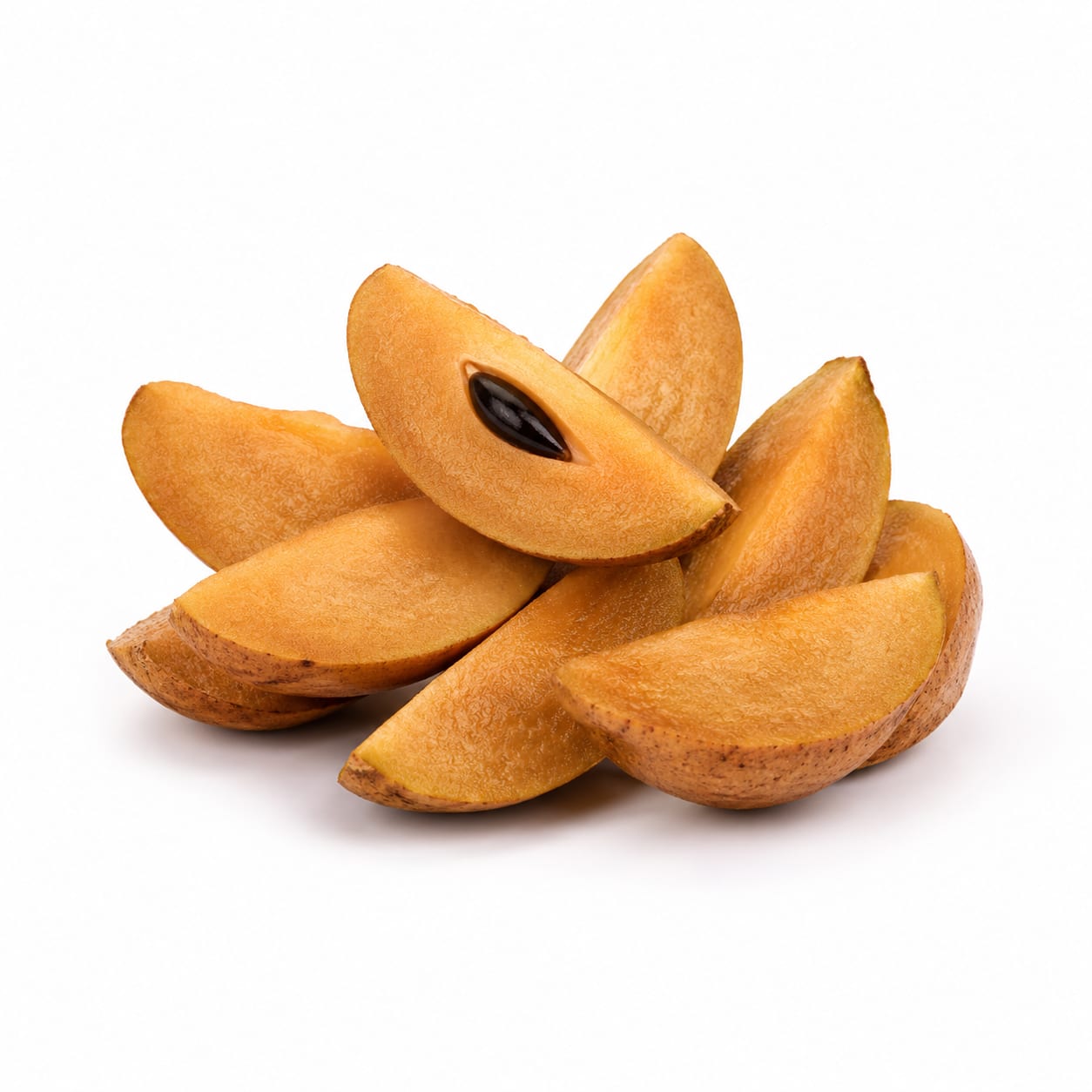
Tropical Fruit
Sapodilla
A sweet, grainy tropical fruit known for its brown sugar flavor and high fiber content.
Sapodilla, also known as sapota or chikoo, is a sweet tropical fruit with a malty, brown sugar-like flavor and grainy texture. It is rich in dietary fiber and natural sugars, making it a popular energy source and natural sweet treat.
fiber-rich sweet tropical fruit
Typical serving · 120g
Common varieties · Prolific, Brown Sugar, Russell, Tikal, Sawo
Overall context score across nutrition, safety, and diet fit
At a glance
Quick facts
Simple indicators based on nutrition, processing, and diet fit.
The story
What makes it unique
Sapodilla is a carbohydrate-dense fruit featuring significant dietary fiber content alongside simple sugars like fructose and sucrose. It digests at a moderate pace due to its fiber matrix, providing sustained energy release. Its polyphenol and tannin profile contributes antioxidant and mild astringent properties, supporting gut health.
Varieties: Prolific · Brown Sugar · Russell · Tikal · Sawo
Per 100g
Nutrition breakdown
Macro balance and key metrics at a glance.
Energy
Density 0.83 kcal/g
Protein
Carbs
Fat
Fiber
Sugar
12 g
Sodium
12 mg
Potassium
190 mg
Glycemic index
45
Glycemic load
9
Water content
75%
Standout compounds
Nutrient highlights
Dietary Fiber
highsupports bowel regularity and increases satiety
Vitamin C
moderatesupports immune function and collagen synthesis
Potassium
moderatehelps regulate blood pressure and fluid balance
Tannins
moderateprovide antioxidant and mild antidiarrheal effects
Wellness map
Health scores & processing
NOVA processing scale
minimally processed · Whole food
Whole, unprocessed fruit consumed in its natural state with no added ingredients.
Diet compatibility
- Weight loss
- Muscle gain
- Diabetes
- Gut health
- Low carb
- High protein
- Heart health
Relative standing
Food rankings
Qualitative ranks compared to similar whole foods.
- Satietygood
- Blood sugarmoderate
- Nutrient densitygood
- Fitness fuelgood
- Processing qualityexcellent
Eat with confidence
Food safety profile
Sapodilla is generally safe to consume. The thin skin can retain pesticide residues, so washing thoroughly is recommended. Unripe fruit contains hard seeds and astringent tannins that can cause throat irritation.
Evidence confidence 85%
- Pesticidesmoderate
- Antibioticslow
- Heavy metalslow
- Contaminationlow
Watch for
- pesticide residues
- soil-borne microbes
Safer choices
Organic sapodilla to reduce pesticide exposure.
Prep tips
Wash thoroughly under running water. Cut around the equator, twist to open, and scoop out flesh. Discard the hard black seeds.
Standard agricultural monitoring applies; no specific major bans or alerts.
Deep dive
Health analysis
How this food may fit different goals and preparation choices.
Weight loss
The high fiber content promotes satiety, but the calorie and sugar density require strict portion control for weight loss.
Blood sugar
Fiber slows sugar absorption, resulting in a moderate glycemic index, but the high total carbohydrate load can spike blood sugar if overconsumed.
Fitness & energy
Provides quick-digesting natural sugars for pre-workout energy, though it lacks the protein needed for muscle recovery.
Gut health
Excellent for gut health due to high insoluble fiber, which aids bowel regularity. Tannins also offer mild antidiarrheal benefits.
Processing quality
A whole, unprocessed food with no added ingredients, retaining all natural micronutrients and fiber.
Food safety
Low risk overall. Unripe sapodilla contains saponins and tannins that can cause throat irritation; only eat fully ripe fruit.
Common mistakes
Eating the hard black seeds, which can cause intestinal obstruction, or consuming unripe fruit that irritates the throat.
Best preparation
Eaten raw and chilled, scooped directly from the skin. Also blended into smoothies or milkshakes, though blending reduces satiety benefits.
Practical guide
Best use cases
When and how this food fits real eating patterns.
pre-workout natural energy boost
The easily digestible natural sugars provide a quick energy source without artificial additives.
high-fiber snack for constipation relief
The significant insoluble fiber content adds bulk to stool and promotes regular bowel movements.
healthy dessert alternative
Its rich, brown sugar-like flavor satisfies sweet cravings naturally without refined sugars.
Balance sheet
Pros & cons
Upsides
- Excellent source of dietary fiber for digestion
- Contains natural antioxidants and tannins
- Provides quick, easily accessible energy
- Naturally unprocessed whole food
- Rich, dessert-like flavor without added sugars
Trade-offs
- High in natural sugars compared to other fruits
- Seeds are a choking hazard and must be avoided
- Unripe fruit causes throat irritation and constipation
- Relatively high calorie density for a fruit
- Short shelf life once fully ripened
Fit check
Who is it for?
Great match
- athletes needing quick carb fuel
- individuals managing constipation
- whole-food dessert replacements
Consider alternatives
- strict low-carb or ketogenic diets
- uncontrolled diabetes
- strict calorie counting without portion control
Side by side
How it compares
Open the full head-to-head analysis for nutrition, safety, and practical tradeoffs.
This food
Sapodilla
VS85% alike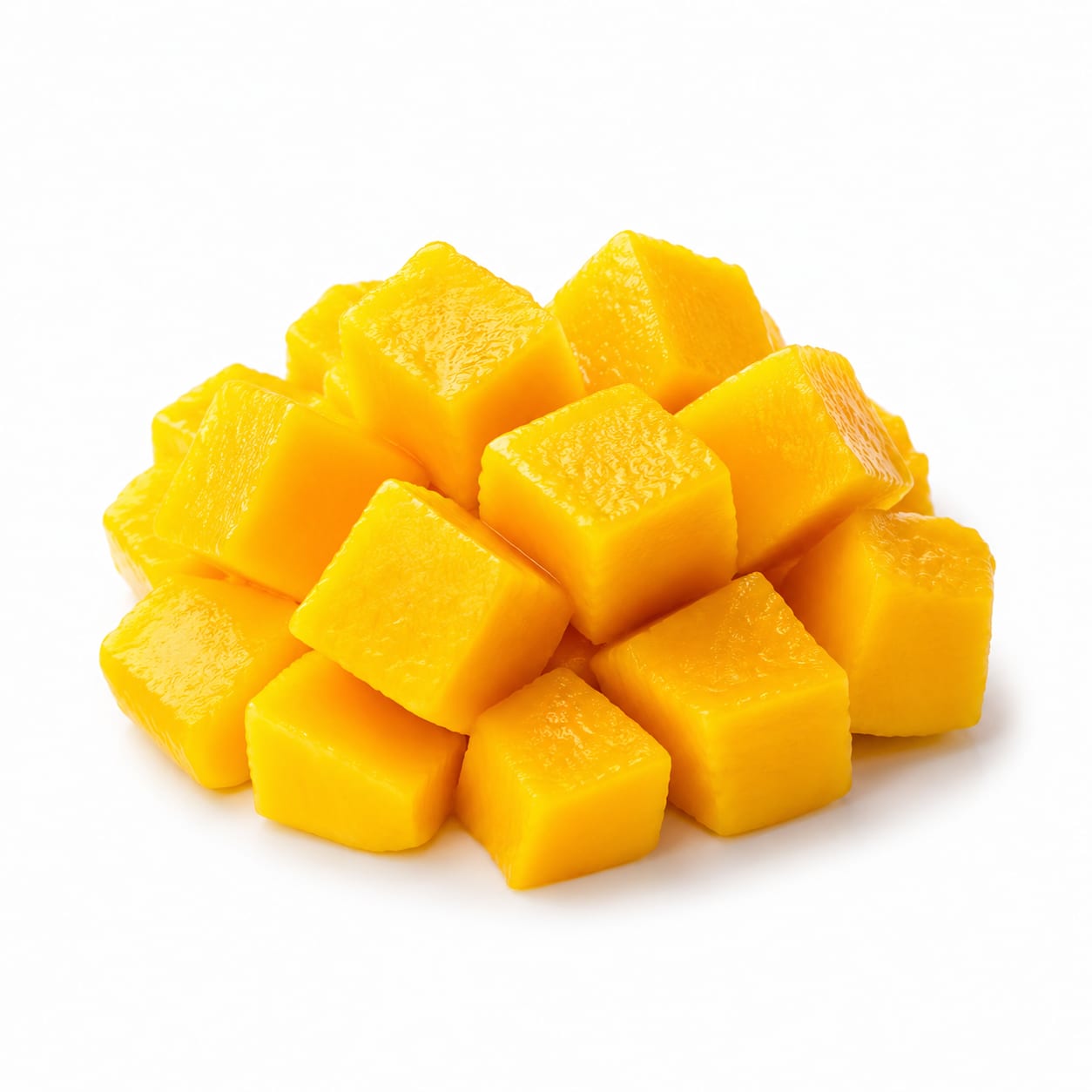
Compare with
Mango
Mangoes are lower in calories and richer in vitamin C, while sapodilla provides more dietary fiber and a unique malty sweetness.
Mangoes are lower in calories and richer in vitamin C, while sapodilla provides more dietary fiber and a unique malty sweetness.
This food
Sapodilla
VS80% alike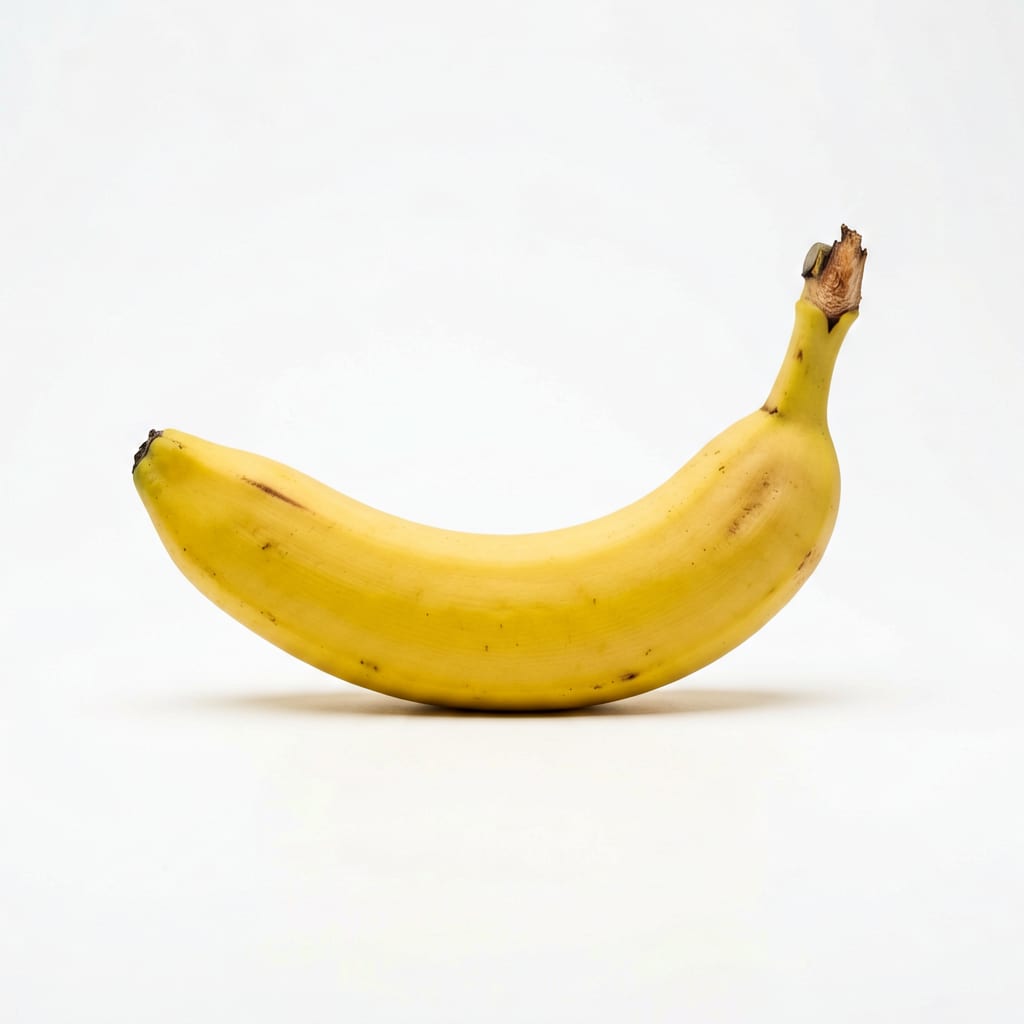
Compare with
Banana
Bananas provide more potassium and are easier to digest, while sapodilla has more fiber and a lower glycemic index.
Bananas provide more potassium and workout fuel, while sapodilla is higher in fiber and better for satiety.
This food
Sapodilla
VS75% alike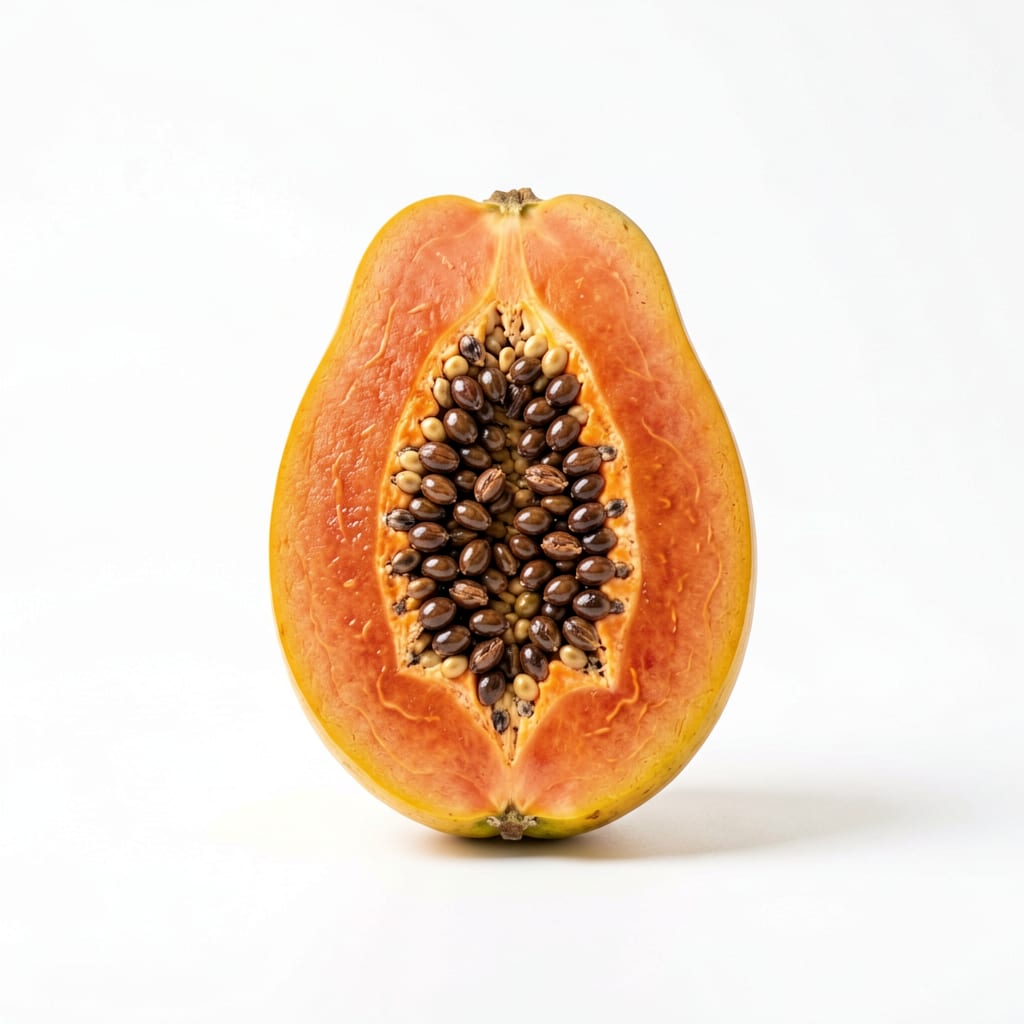
Compare with
Papaya
Papaya is significantly lower in calories and sugar, making it better for weight loss, whereas sapodilla is much higher in fiber.
Papaya is lower in calories and sugar for weight loss, while sapodilla is higher in fiber for gut health and satiety.
This food
Sapodilla
VS70% alike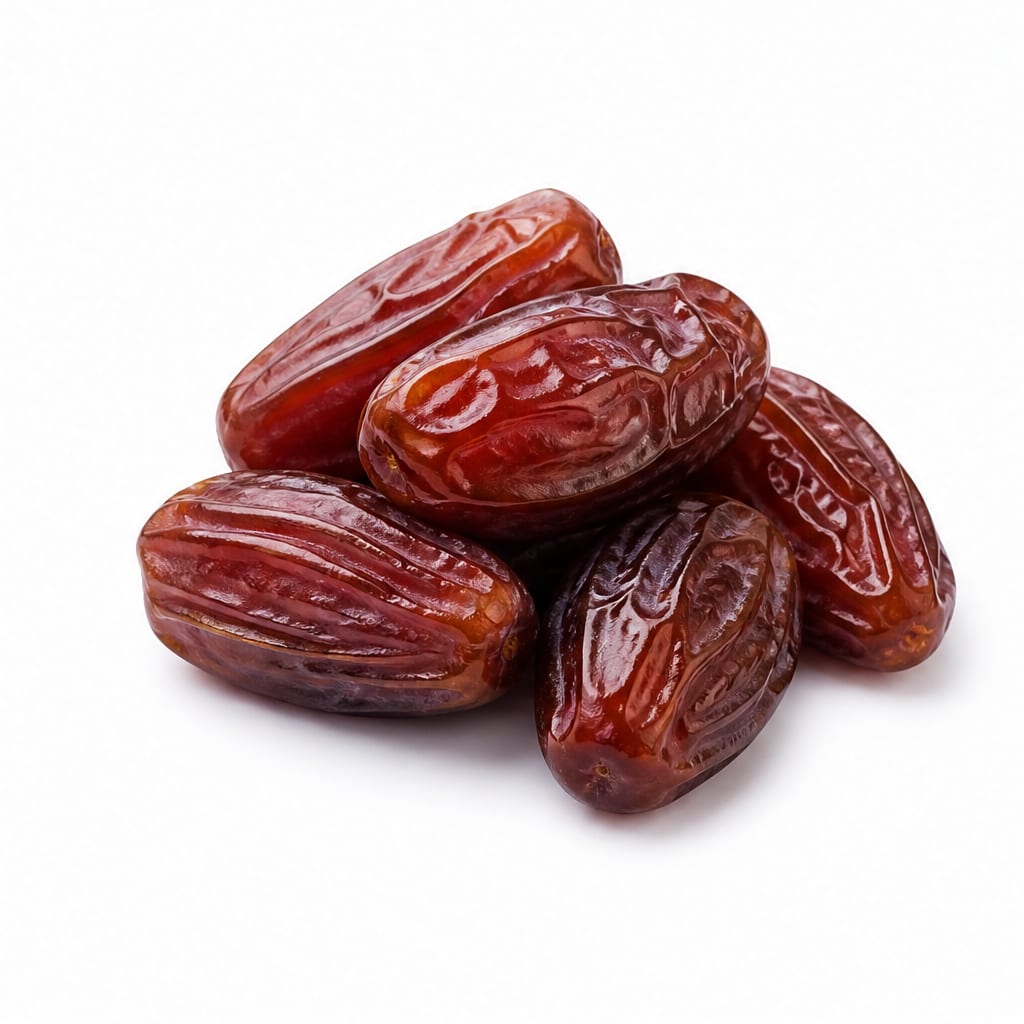
Compare with
Dates
Dates are much higher in calories, sugar, and fiber, serving as a concentrated energy source, while sapodilla is more hydrating and lower in sugar.
Dates provide more concentrated energy and fiber, while sapodilla is lower in calories and sugar for everyday snacking.
This food
Sapodilla
VS75% alike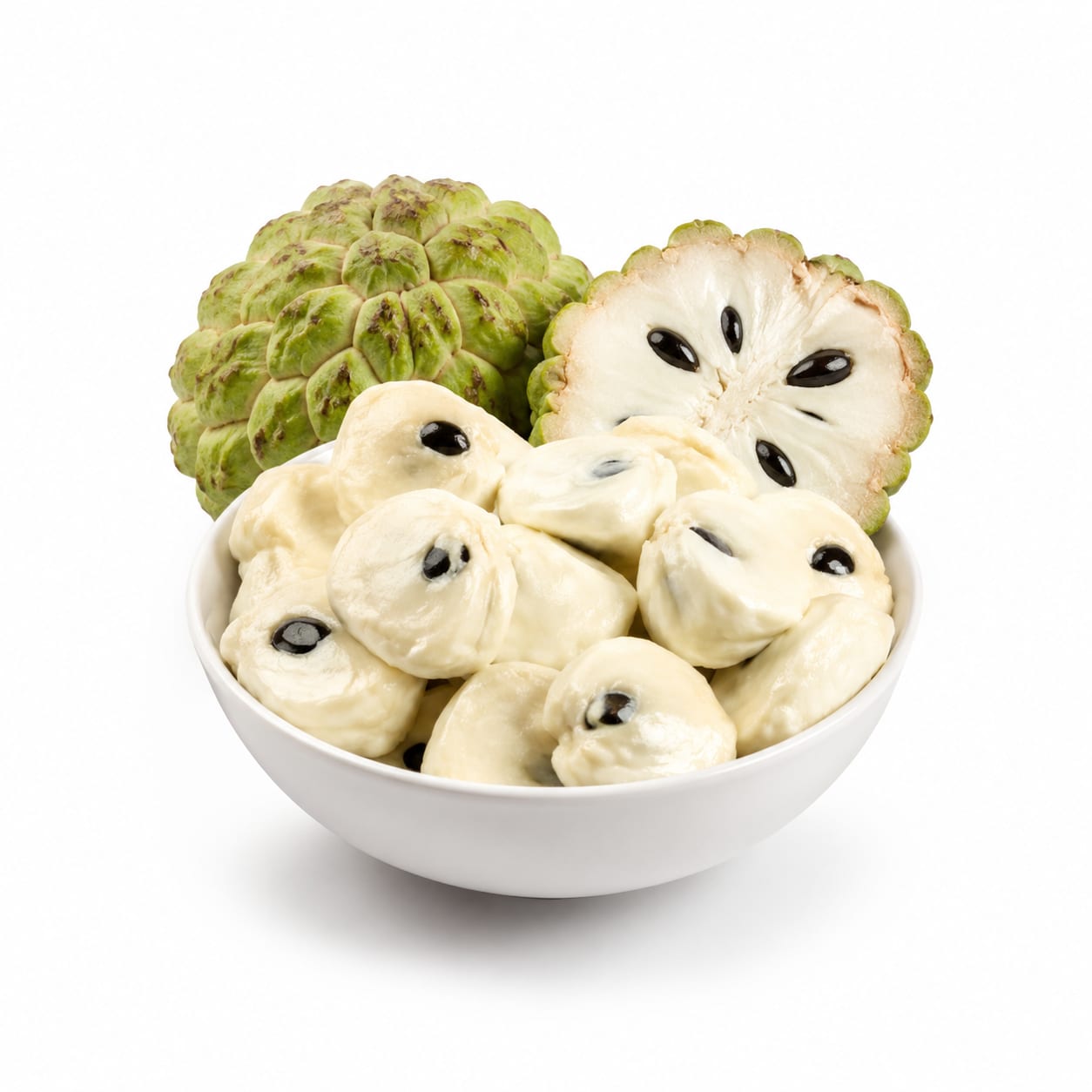
Compare with
Custard Apple
Custard apple is higher in calories and vitamin C, while sapodilla provides more fiber per calorie and a lower sugar load.
Custard apple is creamier and higher in vitamin C, while sapodilla is lower in sugar and better for blood sugar control.
This food
Sapodilla
VS80% alike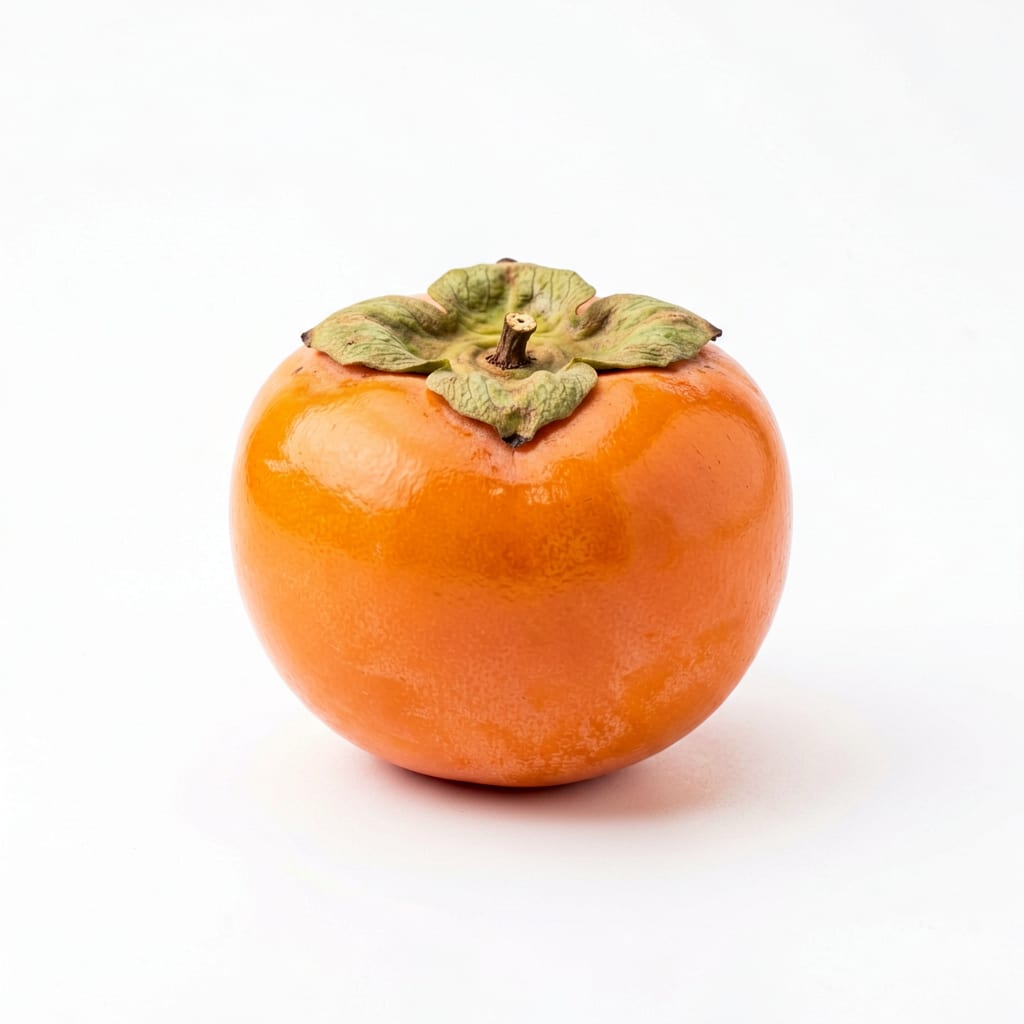
Compare with
Persimmon
Persimmons are lower in fiber but higher in vitamin A and C, while sapodilla offers superior fiber content and gut health benefits.
Persimmons are lower in calories and richer in vitamins, while sapodilla provides more fiber for better satiety.
This food
Sapodilla
VS70% alike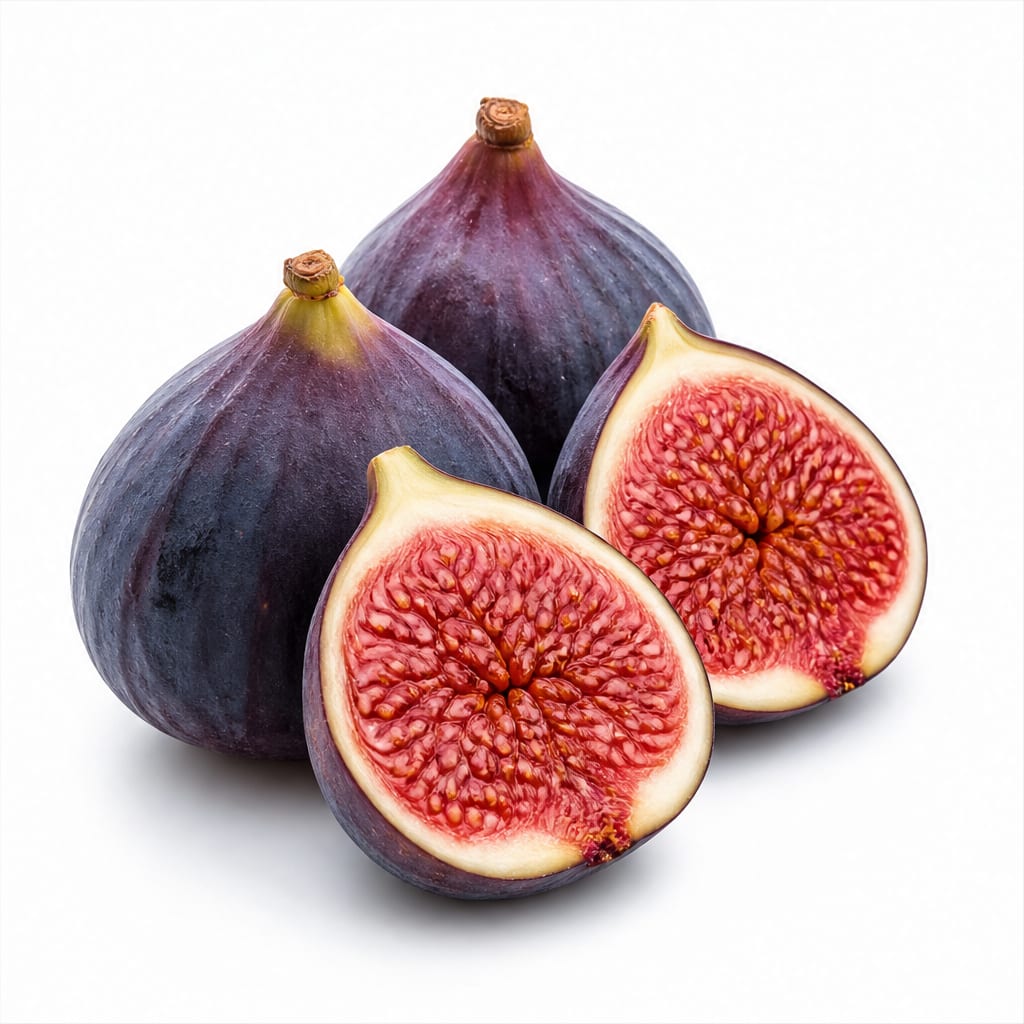
Compare with
Figs
Fresh figs are lower in calories than sapodilla, but dried figs are much more sugar-dense; sapodilla provides a creamier texture and more sustained energy.
Fresh figs are lower in calories, while sapodilla offers a creamier texture and more fiber per serving for sustained energy.
This food
Sapodilla
VS60% alike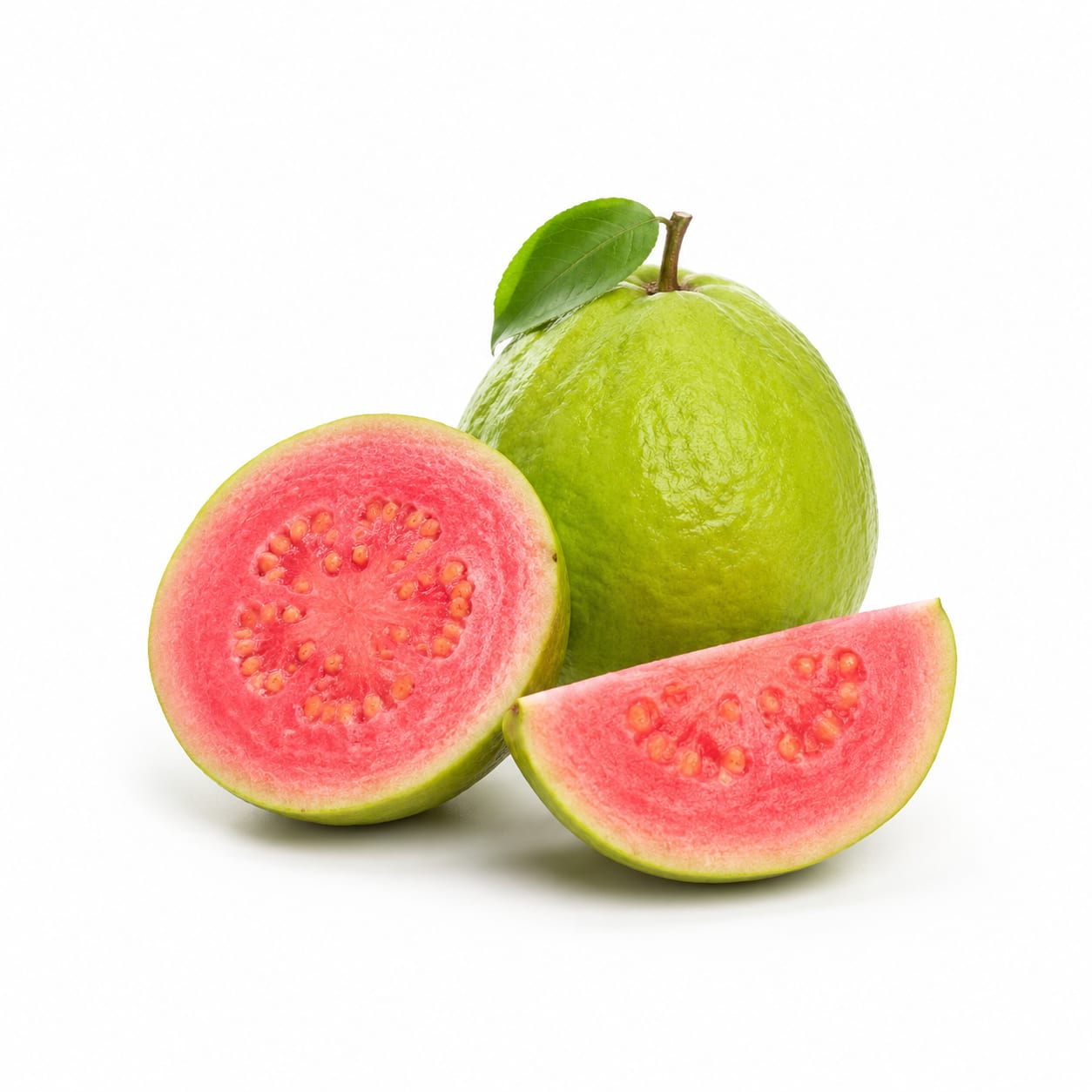
Compare with
Guava
Guava is vastly superior for weight loss and blood sugar due to its extremely low sugar and high fiber/protein content, while sapodilla is primarily a quick-energy fruit.
Guava is significantly lower in sugar and higher in protein, making it better for blood sugar control, while sapodilla offers faster digesting carbs for energy.
This food
Sapodilla
VS65% alike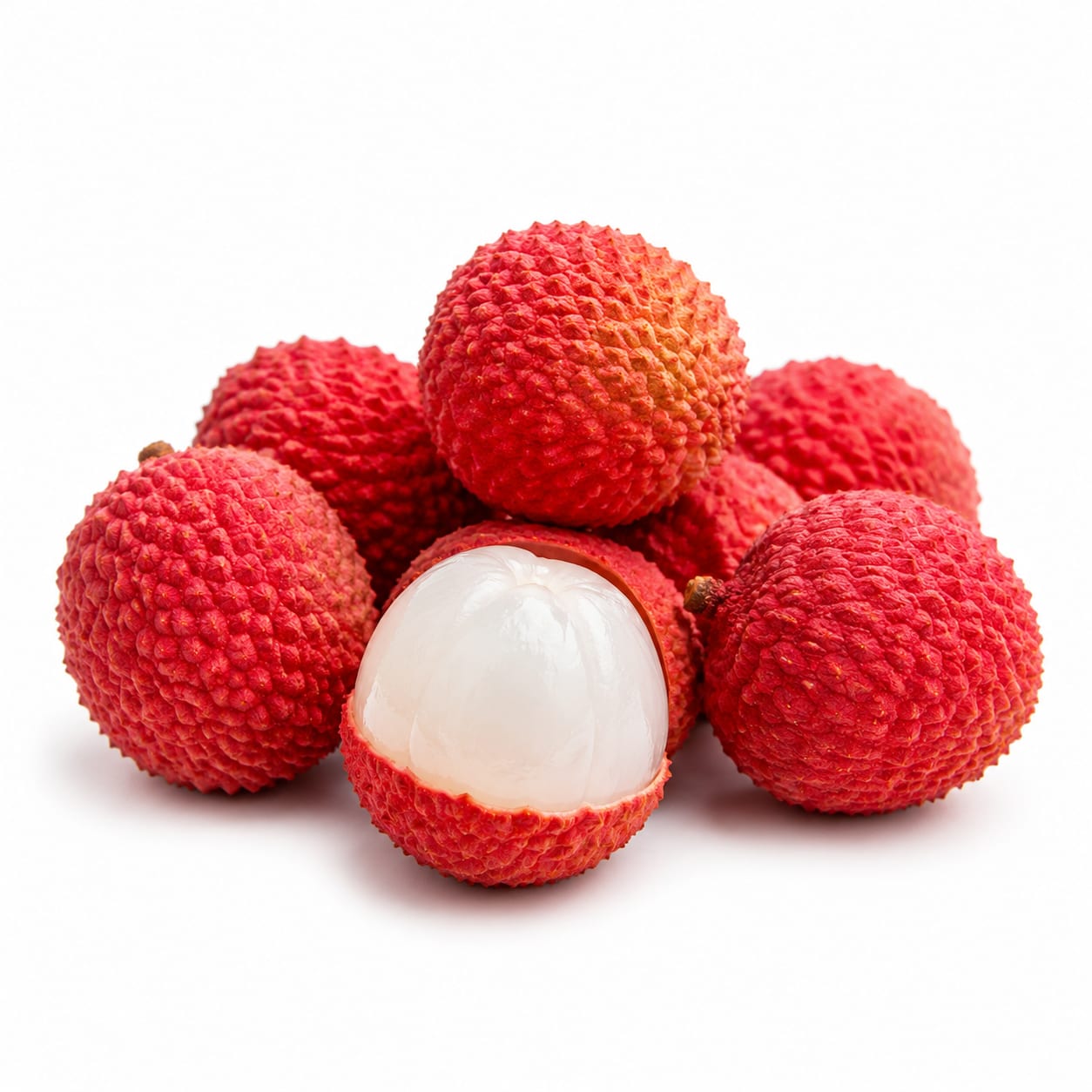
Compare with
Lychee
Lychee is higher in vitamin C but much lower in fiber, making sapodilla far better for satiety and gut health.
Lychee is higher in vitamin C but lacks fiber, while sapodilla provides much more fiber for better satiety and digestion.
This food
Sapodilla
VS50% alike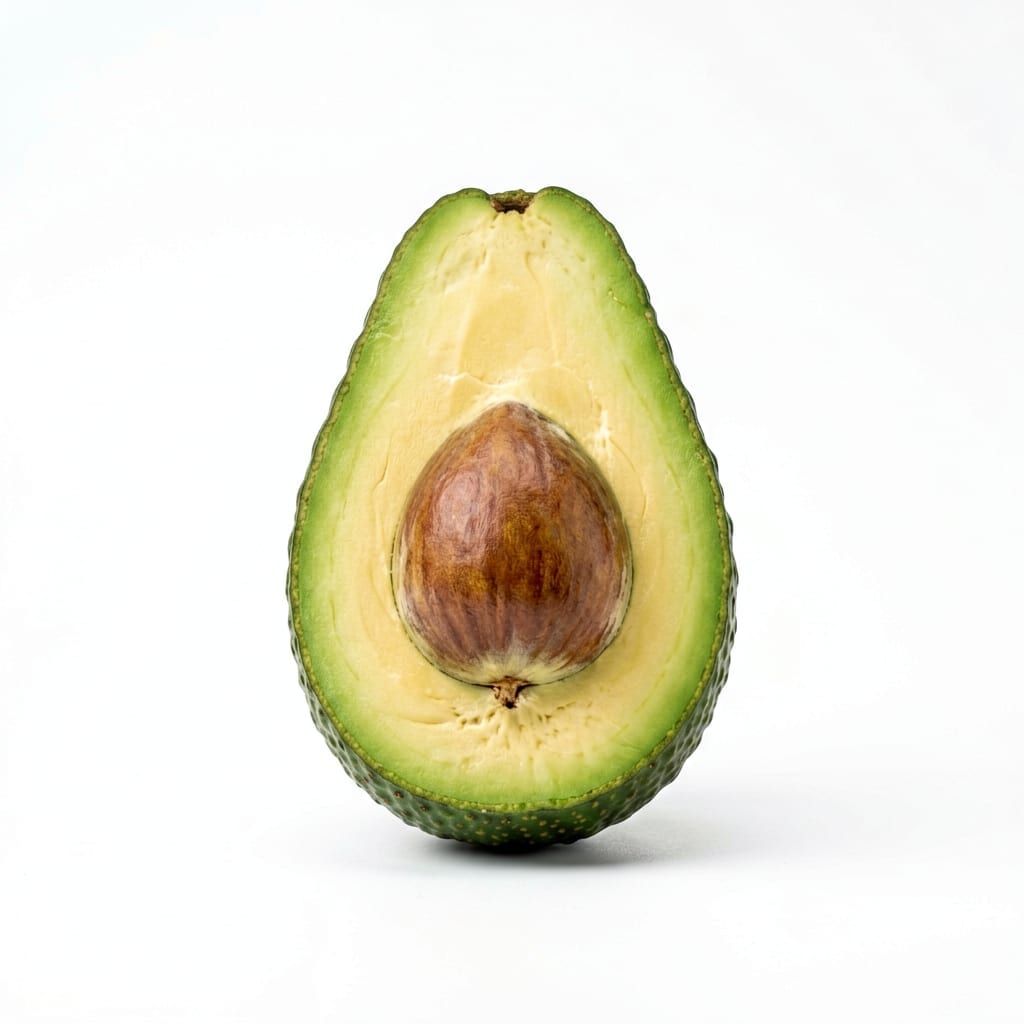
Compare with
Avocado
Avocado is high in healthy fats and very low in sugar, ideal for keto, while sapodilla is high in carbs and sugar, ideal for carb-fueling.
Avocado is high in healthy fats and low in sugar for keto diets, while sapodilla is a high-carb fruit better for quick pre-workout energy.
Common questions
FAQ
Answers aligned with how people search for this food.
Is sapodilla good for weight loss?
Yes, in moderation. Its high fiber content keeps you full for longer, but it is relatively high in calories and natural sugars compared to watery fruits, so portion control is necessary.
Can diabetics eat sapodilla?
Only in very small portions. While it has a low glycemic index due to its fiber, the high total sugar content can impact blood glucose levels if eaten in large amounts.
Is chikoo high in sugar?
Yes, sapodilla contains around 12g of sugar per 100g, making it one of the sweeter tropical fruits. It is best enjoyed in moderation.
What are the benefits of eating sapodilla?
It improves digestion and relieves constipation due to high fiber, provides quick natural energy, and offers antioxidants like tannins and vitamin C that support immune function.
Can you eat sapodilla seeds?
No, the seeds are hard and have a hooked appendage that can cause intestinal obstruction. They should always be discarded before eating.
Is unripe sapodilla safe to eat?
No, unripe sapodilla is highly astringent due to tannins and saponins, which can cause throat irritation, mouth dryness, and constipation.
How many calories are in one sapodilla?
One medium sapodilla (about 120g) contains roughly 100 calories, mostly from carbohydrates and natural sugars.
Transparency
Data confidence
Estimated confidence for nutrition data, interpretation, safety notes, and comparisons.
Nutrition data
Health analysis
Food safety
Comparisons