
Nutrition comparison
Sapodilla vs Lychee: Which Tropical Fruit Is Healthier?
Compare sapodilla and lychee nutrition, fiber, sugar, and safety. Find out which fruit is better for blood sugar, weight loss, and daily eating.
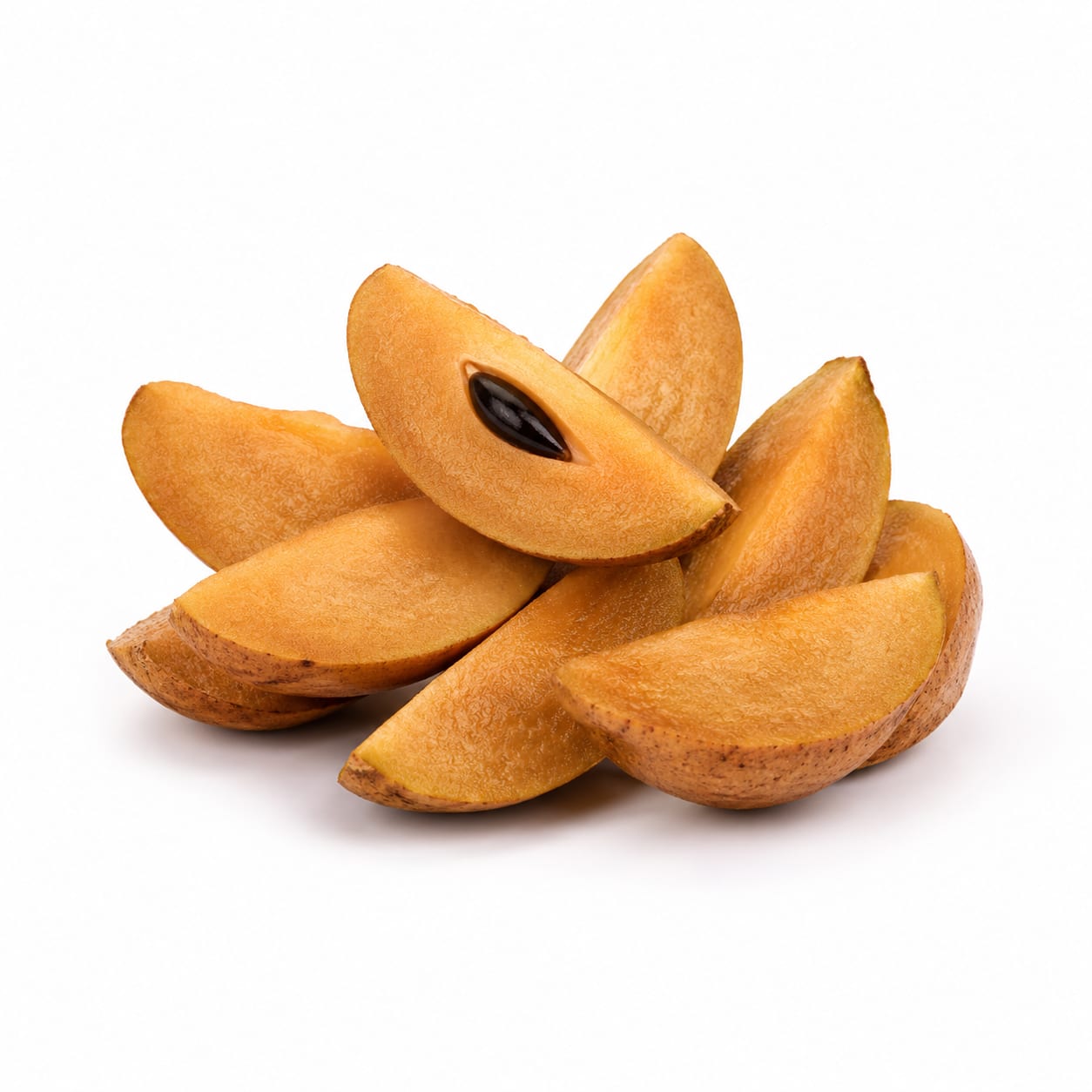
Sapodilla
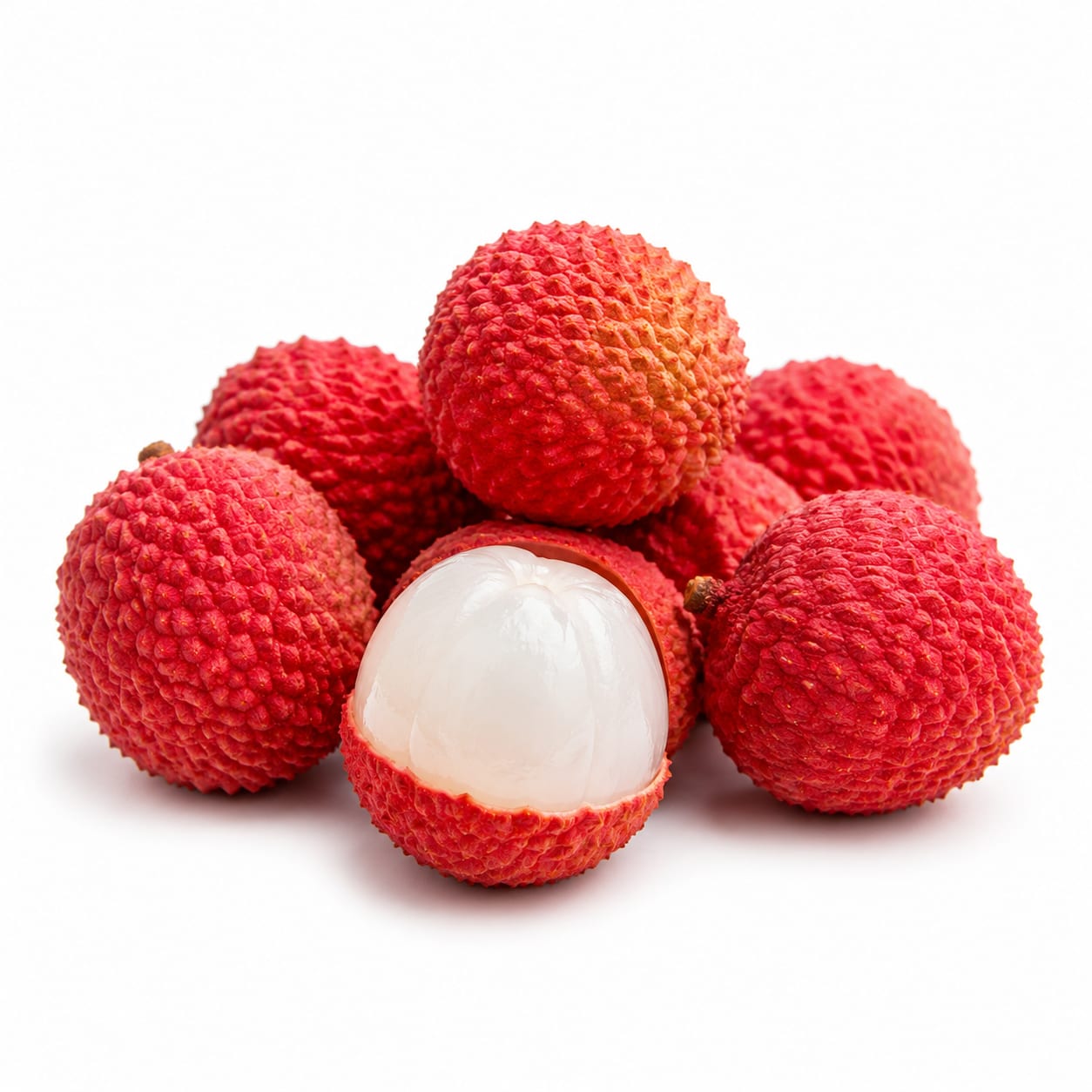
Lychee
Sapodilla fills you up and steadies blood sugar; lychee delivers a vitamin C surge but hits harder and faster with sugar.
Sapodilla edges ahead due to superior fiber, steadier blood sugar impact, and better satiety. Lychee wins on vitamin C and refreshment but its sugar spike and safety concerns for vulnerable groups lower its overall score.
Fiber-rich steadiness versus vitamin C potency — Sapodilla is the slower burn, lychee is the quick spike.
At a glance
Executive summary
Overall
It depends
Healthier
Sapodilla
More practical
Lychee
Daily use
Sapodilla
Key comparison lenses
blood sugar management
Both are sweet tropical fruits with notably different fiber profiles, making glycemic impact the most critical differentiator
digestive health and satiety
Sapodilla offers dramatically more fiber, which changes how filling each fruit feels and how it affects digestion
safety concerns for vulnerable populations
Lychee carries documented risks of hypoglycemic encephalopathy in undernourished children, a rare but serious safety distinction
vitamin C and immune support
Lychee is exceptionally rich in vitamin C while Sapodilla provides modest amounts, creating a clear immunity tradeoff
everyday snacking practicality
Both are seasonal tropical fruits with limited availability, but preparation and eating convenience differ meaningfully
Best choice for
Sapodilla
- People managing blood sugar or insulin resistance
- Anyone seeking better digestion and regularity
- Those wanting a filling snack that curbs overeating
- Older adults needing gentle, high-fiber fruit options
Lychee
- People prioritizing immune support and vitamin C intake
- Active individuals wanting a light pre-workout energy boost
- Anyone needing quick natural sweetness without heaviness
- Those who enjoy fruit as a refreshing palate cleanser
Least suitable for
Sapodilla
- People watching calorie intake who find it too easy to overeat
- Anyone unfamiliar with the flavor who expects a typical fruit taste
- Those seeking a vitamin C-dense fruit option
Lychee
- Children in undernourished regions (hypoglycemia risk)
- People with diabetes or significant insulin resistance
- Anyone prone to sugar crashes from sweet fruit
- Those who find it difficult to stop at a reasonable portion
Deep comparison
Dimension by dimension
Each lens scores both foods and breaks down who each option suits.
- Dimension 1 · Priority 92Sapodilla
blood sugar stability
Sapodilla · 78Lychee · 45Sapodilla's high fiber slows sugar absorption significantly; lychee's low fiber lets sugar hit faster.
Tradeoff
You gain steadier energy with Sapodilla but miss the quick lift lychee provides.
Why it matters
Fruit sugar without enough fiber behaves more like candy in your bloodstream — lychee is closer to that edge.
Real-world impact
After eating lychee you may feel a brief rush followed by a dip; Sapodilla keeps you on a more even keel for longer.
Sapodilla
- Diabetics and pre-diabetics
- Anyone avoiding afternoon energy crashes
- People who get irritable after sugar spikes
Better for
- Those wanting an immediate pre-workout boost
Worse for
Lychee
- Athletes needing fast carbohydrate fuel
- Healthy individuals wanting quick natural energy
Better for
- Insulin-resistant individuals
- Children who have not eaten a full meal
Worse for
- Dimension 2 · Priority 88Sapodilla
fiber and digestive health
Sapodilla · 88Lychee · 30Sapodilla delivers roughly four times more fiber than lychee, making it far more supportive of digestion and fullness.
Tradeoff
Sapodilla is genuinely filling; lychee is light and easy to overconsume before feeling satisfied.
Why it matters
Fiber is the difference between fruit that works with your body and fruit that just tastes sweet.
Real-world impact
A couple of Sapodillas can hold you over between meals; a bowl of lychee disappears fast and leaves you hungry again.
Sapodilla
- People with sluggish digestion
- Anyone increasing daily fiber intake
- Those trying to feel full on fewer calories overall
Better for
- Those unaccustomed to high fiber who increase intake too quickly
Worse for
Lychee
- People with sensitive stomachs who need low-fiber options
- Anyone recovering from digestive surgery
Better for
- Anyone prone to constipation
- People who struggle with portion control
Worse for
- Dimension 3 · Priority 75Lychee
vitamin C and antioxidant profile
Sapodilla · 40Lychee · 90Lychee is a vitamin C powerhouse delivering over 70mg per 100g; Sapodilla offers only modest amounts.
Tradeoff
You trade digestive benefits for a major immune and skin health boost with lychee.
Why it matters
Vitamin C is not just immunity — it supports collagen, iron absorption, and skin repair daily.
Real-world impact
A handful of lychee covers most of your daily vitamin C; you would need to eat far more Sapodilla to get close.
Sapodilla
- People who already get vitamin C from other sources
Better for
- Those relying on a single fruit for vitamin C intake
Worse for
Lychee
- Anyone fighting a cold or recovering from illness
- People wanting skin and collagen support from food
- Vegetarians needing to boost iron absorption naturally
Better for
- People with vitamin C sensitivity or oxalate kidney stone concerns
Worse for
- Dimension 4 · Priority 80Sapodilla
satiety and overeating risk
Sapodilla · 82Lychee · 38Sapodilla's dense texture and fiber make it naturally self-limiting; lychee's juicy pop makes it dangerously easy to overeat.
Tradeoff
Sapodilla stops you naturally; lychee requires willpower to stop.
Why it matters
The fruit that is harder to overeat is usually the better daily choice for weight management.
Real-world impact
You can easily polish off a kilo of lychee without noticing; Sapodilla slows you down by design.
Sapodilla
- Emotional eaters needing built-in portion control
- Anyone tracking calories who wants filling snacks
Better for
- Those who dislike feeling full quickly
Worse for
Lychee
- Underweight individuals needing to eat more
Better for
- Anyone who has struggled with binge eating fruit
- People trying to lose weight
Worse for
- Dimension 5 · Priority 85Sapodilla
safety and toxicity concerns
Sapodilla · 88Lychee · 55Lychee contains hypoglycin which can cause dangerous blood sugar drops in undernourished children; Sapodilla has no comparable risk.
Tradeoff
Lychee is safe for well-fed adults but carries rare severe risks for vulnerable populations; Sapodilla is broadly safer.
Why it matters
This is not a theoretical concern — lychee-associated encephalopathy has caused documented outbreaks in South Asia.
Real-world impact
A healthy adult eating lychee after a meal is fine; a hungry child eating lychee on an empty stomach could face serious illness.
Sapodilla
- Families with young children
- Elderly individuals with irregular eating patterns
- Anyone in food-insecure situations
Better for
- No significant population-level safety concern
Worse for
Lychee
- Well-nourished adults eating lychee as part of a balanced meal
Better for
- Malnourished children
- Anyone skipping meals regularly
- People with already low blood sugar
Worse for
- Dimension 6 · Priority 60Sapodilla
mineral density and micronutrients
Sapodilla · 72Lychee · 58Sapodilla offers more calcium, iron, and potassium overall; lychee provides copper and some potassium but a thinner mineral profile.
Tradeoff
Sapodilla is the better all-round mineral source; lychee's strength is concentrated in vitamin C rather than minerals.
Why it matters
Minerals support bone density, muscle function, and oxygen transport — they matter more as you age.
Real-world impact
Regular Sapodilla intake quietly supports bones and blood; lychee supports immunity but offers less structural benefit.
Sapodilla
- Older adults concerned about bone health
- Women needing iron support
- Anyone with low potassium intake
Better for
- Those who dislike the taste and will not eat it consistently
Worse for
Lychee
- People who get minerals from other food sources already
Better for
- Anyone relying on a single fruit for broad micronutrient coverage
Worse for
Timeline
Health impact over time
Short-term
Hours to days
Sapodilla
- Provides sustained energy without a sugar crash
- Promotes bowel regularity within hours
- Feels heavy and satisfying — reduces urge to snack
Lychee
- Delivers a quick energy lift from natural sugars
- Boosts hydration due to high water content
- Can trigger a blood sugar dip within an hour if eaten alone in large amounts
Long-term
Months to years
Sapodilla
- Supports digestive health and prevents constipation with consistent fiber intake
- Helps maintain steadier blood sugar patterns over time
- Contributes to bone density through calcium and phosphorus content
Lychee
- Strengthens immune function with regular vitamin C intake
- Supports skin elasticity and wound healing
- May increase risk of blood sugar dysregulation if consumed frequently in large quantities
Risk profile
Safety & processing
Both fruits are typically eaten fresh and raw with no processing involved. Canned lychee does exist and often contains added syrup, which dramatically changes its sugar profile — always choose fresh when possible.
Sapodilla
Latex-like sap irritation
lowUnripe Sapodilla contains tannins and a latex-like sap that can irritate the mouth and throat; always eat fully ripe fruit.
Seed choking hazard
lowSeeds are hard and smooth — remove them carefully, especially when serving to children.
Lychee
Hypoglycemic encephalopathy
highLychee contains hypoglycin A and MCPG which inhibit fatty acid oxidation and gluconeogenesis. In undernourished children who eat large quantities on an empty stomach, this can cause dangerously low blood sugar and brain swelling. Documented outbreaks have occurred in India and Vietnam.
Pesticide residue on peel
mediumLychee is often treated with pesticides; while you discard the peel, residue can transfer to hands and then to the flesh during peeling.
Rapid sugar overload
mediumThe combination of high sugar and low fiber makes it easy to consume a large glycemic load quickly, especially when eating directly from a bag.
Who wins for whom
Audience fit
Same foods, different winners depending on your goal.
children
SapodillaSapodilla has no documented toxicity risk for children; lychee carries a rare but serious hypoglycemia risk for undernourished kids.
daily consumption
SapodillaSapodilla's balanced nutrient profile and gentler blood sugar impact make it a safer daily habit; lychee is better enjoyed as an occasional treat.
diabetes
SapodillaSapodilla's fiber significantly blunts the glycemic response; lychee's sugar hits faster and harder, making blood sugar management harder.
elderly
SapodillaFiber supports digestion, calcium supports bones, and steadier blood sugar protects against dizzy spells — all more relevant for older adults.
muscle gain
LycheeLychee provides faster-digesting carbohydrates useful post-workout and vitamin C which supports collagen repair in connective tissue.
weight loss
SapodillaHigher fiber and greater satiety make Sapodilla easier to moderate; lychee's low fiber and high palatability invite overconsumption.
Your move
Decision guide
Choose Sapodilla
- You want a fruit that actually fills you up between meals
- Blood sugar management is a priority for you
- You have children and want a worry-free fruit option
- Digestive regularity is something you actively want to improve
Choose Lychee
- You are healthy, well-fed, and want an immune-boosting fruit
- You need quick natural energy before or after exercise
- You already eat plenty of fiber and want something lighter
- You enjoy fruit as a refreshing treat rather than a filling snack
Either works if
- You simply want a natural whole fruit instead of processed snacks
- You are exploring tropical fruits for variety in your diet
- You pair fruit with protein or fat to balance blood sugar
Avoid both if
- You are on a strict very-low-carb or ketogenic diet
- You have a confirmed allergy to either fruit
- You are sensitive to fructose and experience bloating from sweet fruit
Final recommendation
Make Sapodilla your regular tropical fruit and treat lychee as a seasonal pleasure. Sapodilla gives you more fiber, steadier energy, and broader safety for the whole family. Lychee is wonderful for a vitamin C boost and a refreshing sweet moment — just eat it after a meal, not on an empty stomach, and never in massive quantities.
Practical
Consumer tips
- 1
Always eat lychee after a meal — never on an empty stomach, especially for children
- 2
Limit lychee to about 10-12 pieces per sitting to avoid sugar overload
- 3
Choose fully ripe Sapodilla — unripe fruit has a chalky texture and astringent taste that dries the mouth
- 4
Refrigerate both fruits soon after purchase; they spoil quickly at room temperature
- 5
Avoid canned lychee in syrup — it can contain double the sugar of fresh fruit
- 6
Peel lychee with clean hands or gloves to minimize pesticide transfer from the skin
- 7
If trying Sapodilla for the first time, start with one fruit to test for any digestive sensitivity to its high fiber