
Nutrition comparison
Sapodilla vs Figs: Nutrition Comparison, Health Benefits & Which to Choose
Compare sapodilla and figs side by side—sugar content, fiber, calcium, iron, and blood sugar impact. Find out which sweet fruit fits your health goals better.
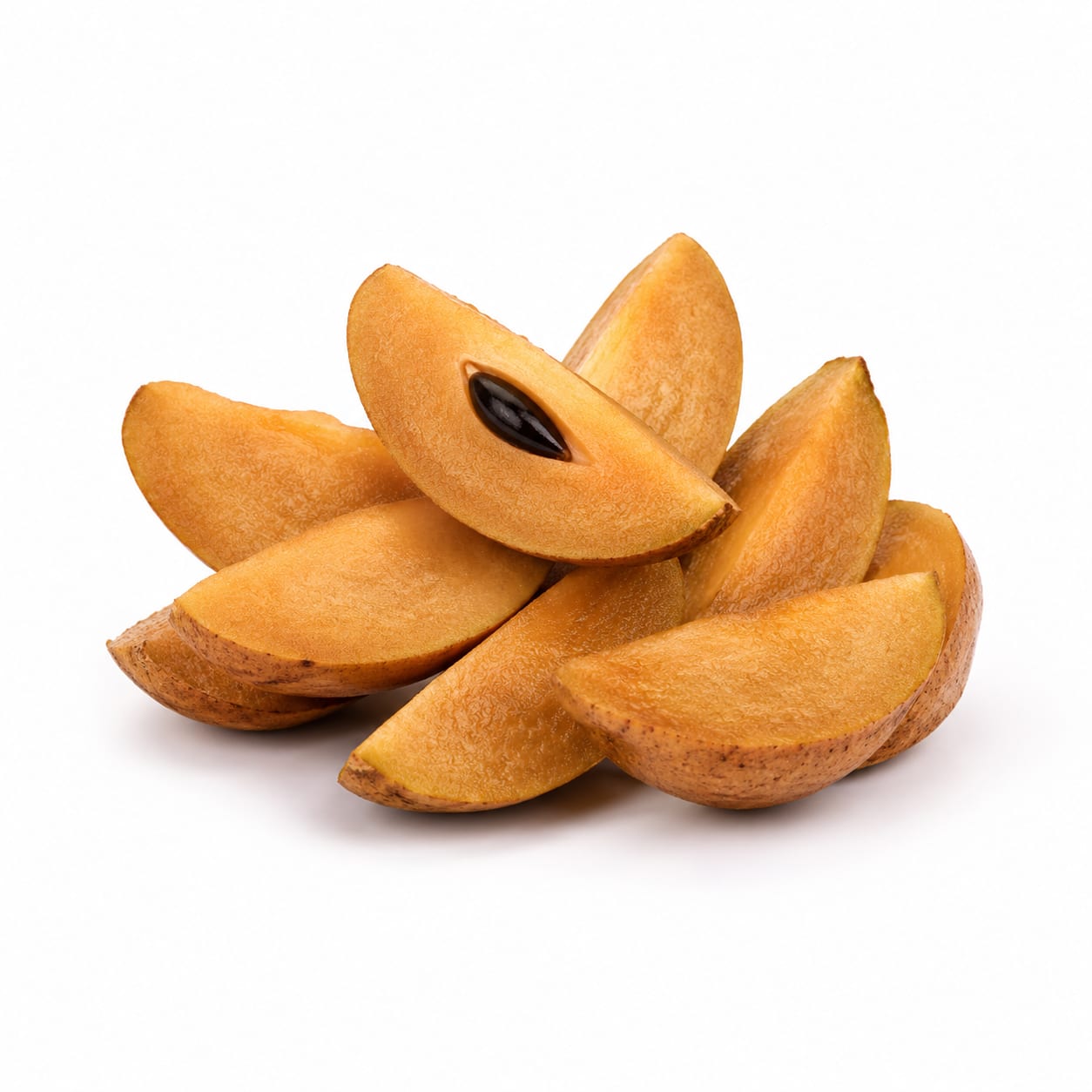
Sapodilla
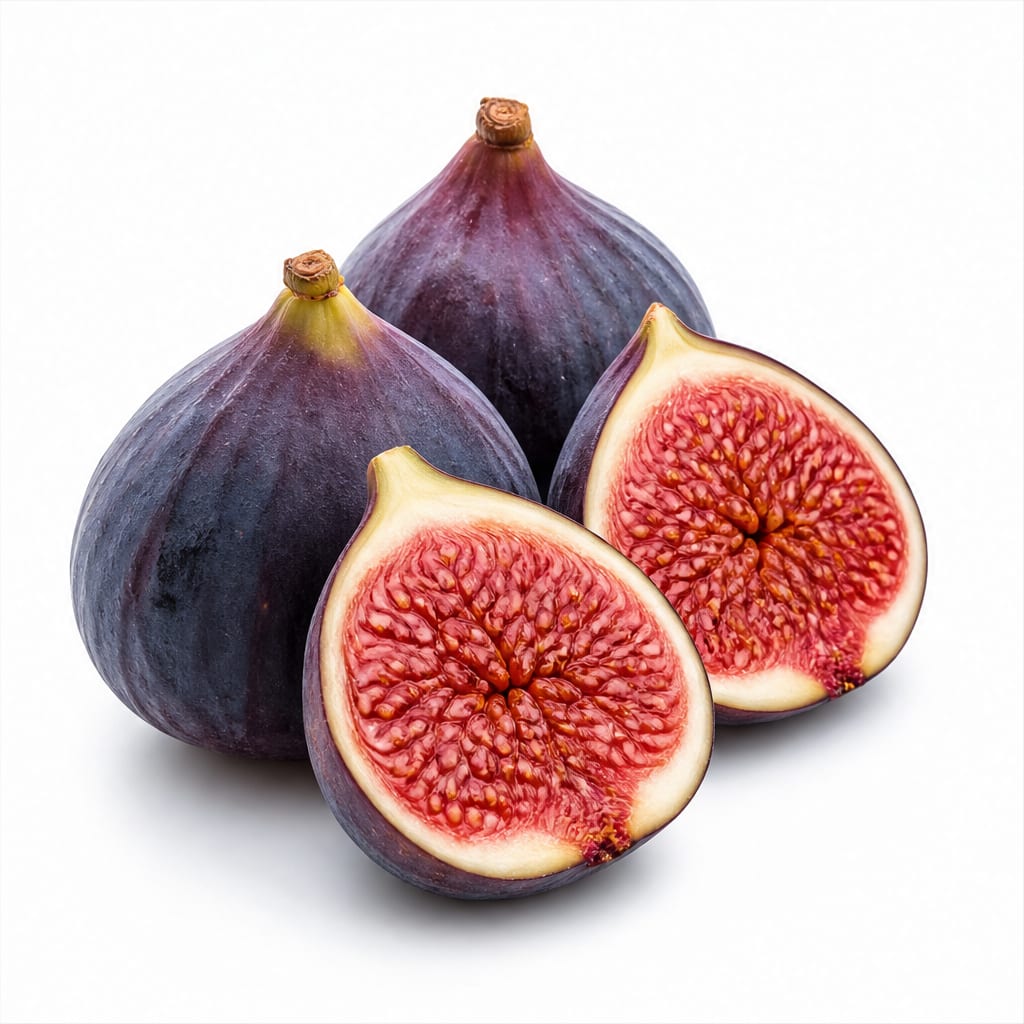
Figs
Figs offer broader mineral support and wider availability, while sapodilla delivers a richer antioxidant punch and more iron. Your choice hinges on what nutrients you need most and what you can actually find.
Figs score slightly higher due to superior calcium content, broader availability, and better blood sugar profile when consumed fresh. Sapodilla remains nutritionally valuable but loses points on accessibility and higher sugar density.
Figs give you more calcium and fiber variety with easier access; sapodilla gives you more tannins, iron, and a uniquely satisfying caramel-like sweetness but is harder to source fresh.
At a glance
Executive summary
Overall
It depends
Healthier
It depends
More practical
Figs
Daily use
Figs
Key comparison lenses
blood sugar management
Both are naturally sweet fruits with significant sugar content, making glycemic impact a primary concern for many users
digestive health and fiber
Both fruits are prized for digestive benefits and fiber content, a key reason people choose either
mineral density and bone health
Figs are notably calcium-rich while sapodilla offers iron, creating a meaningful mineral tradeoff
accessibility and practicality
Sapodilla is regionally limited while figs are globally available, affecting real-world food choices
antioxidant and anti-inflammatory benefits
Both contain unique polyphenols and tannins with distinct health-protective properties
Best choice for
Sapodilla
- People needing iron support, especially premenopausal women
- Tropical fruit lovers seeking antioxidant variety
- Those with access to fresh sapodilla markets
- Anyone wanting a naturally satisfying sweet that curbs cravings
Figs
- People prioritizing bone health and calcium intake
- Those managing blood sugar who need lower-sugar fruit options
- Anyone wanting a widely available, versatile fruit
- People seeking digestive regularity from diverse fiber types
Least suitable for
Sapodilla
- People strictly limiting sugar intake
- Those without access to specialty tropical markets
- Anyone unfamiliar with ripeness indicators who might eat unripe fruit
Figs
- People allergic to fig latex or birch pollen
- Those sensitive to oxalates
- Anyone prone to overeating dried figs due to calorie density
Deep comparison
Dimension by dimension
Each lens scores both foods and breaks down who each option suits.
- Dimension 1 · Priority 92Figs
Blood Sugar Stability
Sapodilla · 55Figs · 68Fresh figs have a lower sugar density per serving than sapodilla, making them gentler on blood sugar when portion-controlled.
Tradeoff
Sapodilla's richer sweetness comes with a higher glycemic load, while figs offer more moderate sweetness but dried figs can spike sugar if overeaten.
Why it matters
Both fruits are naturally sweet, so the one that causes less of a blood sugar rollercoaster is better for sustained energy and craving control.
Real-world impact
Eating sapodilla may leave you reaching for another snack sooner due to a quicker sugar rise and fall. Fresh figs provide a steadier, lighter energy curve.
Sapodilla
- Quick pre-workout energy when you need fast fuel
Better for
- Late-night snacking due to higher sugar load
- Anyone monitoring fasting glucose
Worse for
Figs
- Mid-afternoon snacking without the crash
- Diabetics seeking a safer sweet fruit option
- Sustained energy between meals
Better for
- Portion control with dried figs is tricky and calorie-dense
Worse for
- Dimension 2 · Priority 88Figs
Fiber and Digestive Health
Sapodilla · 72Figs · 82Figs provide both soluble and insoluble fiber with natural digestive enzymes, while sapodilla offers good fiber with soothing tannins.
Tradeoff
Sapodilla's tannins help tighten and soothe irritated digestive tracts, while figs' enzyme activity and diverse fiber types promote more active digestion and regularity.
Why it matters
If you struggle with constipation, figs are more actively helpful. If you have loose stools or gut irritation, sapodilla's astringent quality may feel better.
Real-world impact
Figs are like a gentle scrub for your digestive system. Sapodilla is more like a comforting compress—soothing but less stimulating.
Sapodilla
- Recovering from digestive upset or diarrhea
- Soothing an irritated gut lining
Better for
- Constipation-prone individuals may find it insufficient
Worse for
Figs
- Chronic constipation relief
- Building a high-fiber breakfast routine
- Supporting healthy gut microbiome diversity
Better for
- Irritable bowel flares when raw fig skin aggravates symptoms
Worse for
- Dimension 3 · Priority 80Figs
Mineral Density
Sapodilla · 65Figs · 80Figs are notably rich in calcium, potassium, and magnesium, while sapodilla provides more iron and modest copper.
Tradeoff
Choosing figs supports bones and blood pressure; choosing sapodilla supports oxygen transport and energy metabolism.
Why it matters
Mineral gaps are common. Figs help fill the calcium gap most people have, while sapodilla addresses iron needs that many women lack.
Real-world impact
A few fresh figs contribute meaningfully to your daily calcium target. Sapodilla helps more if you are borderline anemic or fatigued from low iron.
Sapodilla
- Iron-deficient individuals needing plant-based iron sources
- Women with heavy menstrual cycles
Better for
- Not a significant calcium source for bone health
Worse for
Figs
- Postmenopausal women protecting bone density
- Anyone reducing dairy who needs alternative calcium
- People managing blood pressure through potassium intake
Better for
- Iron content is minimal compared to sapodilla
Worse for
- Dimension 4 · Priority 70Sapodilla
Antioxidant and Anti-inflammatory Power
Sapodilla · 78Figs · 72Sapodilla's tannin content and unique polyphenols give it a slight edge in antioxidant density, while figs offer well-studied phenolic compounds.
Tradeoff
Sapodilla provides more concentrated tannin-based antioxidants per bite, but figs have a broader range of studied protective compounds including anthocyanins in dark varieties.
Why it matters
Antioxidant variety matters more than sheer quantity. Both contribute differently to your body's defense network.
Real-world impact
Sapodilla feels like a concentrated dose of protection in a small serving. Figs feel like a steady, broad-spectrum contributor to long-term health.
Sapodilla
- Targeted antioxidant boost in a small serving
- Anti-inflammatory support for joint discomfort
Better for
- Less research on specific disease-protective outcomes
Worse for
Figs
- Long-term cellular protection from diverse polyphenols
- Cardiovascular protective benefits from fig flavonoids
Better for
- Slightly lower antioxidant concentration per calorie
Worse for
- Dimension 5 · Priority 75Figs
Availability and Practicality
Sapodilla · 40Figs · 85Figs are available fresh, dried, and globally year-round. Sapodilla is limited to tropical regions and specialty markets with a short fresh season.
Tradeoff
Sapodilla offers a unique eating experience but requires effort to source. Figs are easy to find but dried versions come with sugar and calorie tradeoffs.
Why it matters
The healthiest fruit is the one you can actually buy and eat consistently.
Real-world impact
You can find figs in most grocery stores any month. Sapodilla requires a trip to an Asian or Latin market and luck with timing.
Sapodilla
- Living in tropical regions where sapodilla grows locally
- Enjoying seasonal eating and unique fruit experiences
Better for
- Most consumers simply cannot access fresh sapodilla regularly
- Short shelf life when ripe limits storage flexibility
Worse for
Figs
- Consistent daily fruit intake without sourcing hassle
- Meal prep and planning with dried figs as a pantry staple
- Travel-friendly snacking
Better for
- Dried figs are easy to overconsume, adding unexpected calories
Worse for
- Dimension 6 · Priority 72Figs
Calorie Efficiency and Satiety
Sapodilla · 62Figs · 70Fresh figs deliver more volume and fiber per calorie than sapodilla, making them more filling for the energy cost.
Tradeoff
Sapodilla is more calorie-dense and intensely sweet, which satisfies cravings faster but with less physical fullness per calorie.
Why it matters
If you are watching portions, the fruit that fills you up more per calorie helps prevent overeating later.
Real-world impact
Three fresh figs feel like a substantial snack for under 120 calories. One sapodilla satisfies the sweet tooth but leaves you hungrier sooner at similar calories.
Sapodilla
- Replacing high-calorie desserts with something naturally sweet
- Quick satisfaction of intense sugar cravings in small portions
Better for
- Easy to overeat due to sweet, moreish flavor
- Less physical fullness per calorie consumed
Worse for
Figs
- Weight management through higher volume eating
- Stretching snacks to feel more substantial
Better for
- Dried figs are calorie-dense and easy to overconsume mindlessly
Worse for
Timeline
Health impact over time
Short-term
Hours to days
Sapodilla
- Quick energy boost from natural sugars
- Soothing effect on mild digestive irritation from tannins
- Possible blood sugar spike if eaten in large quantities on an empty stomach
Figs
- Gentle digestive stimulation and regularity within hours
- Steadier energy with less crash compared to sapodilla
- Fresh fig skin may cause mouth tingling in sensitive individuals due to ficin enzyme
Long-term
Months to years
Sapodilla
- Iron status improvement with regular consumption, especially valuable for women
- Tannin-rich diet may support anti-inflammatory and antimicrobial gut environment
- Consistent intake without portion awareness could contribute to excess sugar consumption
Figs
- Improved bone mineral density from regular calcium and magnesium intake
- Better cardiovascular markers from potassium and polyphenol synergy
- Dried fig overconsumption risks weight gain and elevated triglycerides over time
Risk profile
Safety & processing
Both fruits are typically consumed whole and unprocessed when fresh. Dried figs may contain sulfites as preservatives, so check labels if sensitive. Sapodilla is almost always sold fresh with no additives.
Sapodilla
Unripe fruit consumption
mediumUnripe sapodilla contains hard tannins and saponins that can cause mouth irritation, throat discomfort, and digestive upset. Always ensure full ripeness before eating.
Seeds as choking hazard
lowSapodilla contains hard black seeds that should not be bitten or swallowed whole by young children.
Figs
Fig latex allergy
mediumFresh figs contain ficin, an enzyme that can cause contact dermatitis or mouth irritation. People with latex allergy may cross-react with figs.
Sulfite sensitivity in dried figs
lowSome commercially dried figs contain sulfur dioxide as a preservative, which can trigger reactions in sulfite-sensitive individuals.
Oxalate content
lowFigs contain moderate oxalates, which may be a concern for people prone to calcium oxalate kidney stones.
Who wins for whom
Audience fit
Same foods, different winners depending on your goal.
children
FigsFigs are easier to find, gentler on digestion, and come in kid-friendly dried forms. Sapodilla's hard seeds and tannin content require more caution with young children.
daily consumption
FigsFigs are easier to source consistently, offer broader mineral support, and have more flexible fresh-or-dried options for year-round daily use.
diabetes
FigsFresh figs have a lower glycemic load per serving and more fiber to slow sugar absorption. Sapodilla's higher sugar density requires more careful portion management.
elderly
FigsFigs support bone density with calcium and magnesium, promote digestive regularity, and are softer to chew. These benefits align closely with common elderly health priorities.
muscle gain
It dependsNeither fruit is a protein source. Sapodilla offers slightly more iron for oxygen delivery to muscles, while figs provide potassium for cramp prevention. Both are better as carb fuel around workouts.
weight loss
FigsFresh figs provide more volume and fiber per calorie, helping you feel fuller on fewer calories. Sapodilla's higher sugar density makes portion control harder.
Your move
Decision guide
Choose Sapodilla
- You have access to fresh sapodilla and want a unique tropical fruit experience
- You need iron support and want a delicious way to boost intake
- You are looking for a naturally astringent fruit to soothe mild digestive irritation
- You want an intensely sweet whole food to replace processed desserts
Choose Figs
- You want a calcium-rich fruit to support bone health without dairy
- You need better digestive regularity and want a proven, gentle solution
- You are managing blood sugar and need a lower-sugar sweet fruit option
- You value availability and want a fruit you can find any day of the year
Either works if
- You simply want a nutritious whole-food sweet treat
- You are rotating fruit varieties for gut microbiome diversity
- You are looking for natural prebiotic fiber from whole foods
Avoid both if
- You are on a strict very-low-carb or ketogenic diet
- You have fructose intolerance or malabsorption issues
- You are limiting sugar strictly for fungal overgrowth protocols
Final recommendation
For most people, figs are the more practical and versatile daily choice thanks to their calcium content, digestive benefits, and easy availability. Choose sapodilla when you can find it fresh and want something uniquely satisfying with an iron boost. Both deserve a place in a diverse fruit rotation—just watch your portions with either dried figs or ripe sapodilla, as both can deliver more sugar than you expect.
Practical
Consumer tips
- 1
Ripeness matters enormously for sapodilla—unripe fruit is astringent and irritating. Wait until the skin is slightly wrinkled and the flesh yields to gentle pressure.
- 2
Fresh figs spoil quickly. Use within 2 days of purchase or opt for dried figs as a pantry staple.
- 3
If buying dried figs, look for unsulfured varieties to avoid sulfite exposure and enjoy a more natural flavor.
- 4
Pair either fruit with a protein or fat source like nuts or yogurt to blunt the blood sugar response and extend satiety.
- 5
Sapodilla seeds are not edible—scoop around them or discard after cutting.
- 6
Freeze overripe sapodilla or figs for smoothies later instead of wasting them.
- 7
If you have latex allergy, test a small amount of fresh fig before eating a full serving due to cross-reactivity risk.