
Nutrition comparison
Sapodilla vs Custard Apple: Nutrition, Sugar, and Health Comparison
Compare Sapodilla and Custard Apple side by side. Discover which tropical fruit is better for blood sugar, weight loss, digestion, and daily nutrition with expert analysis.
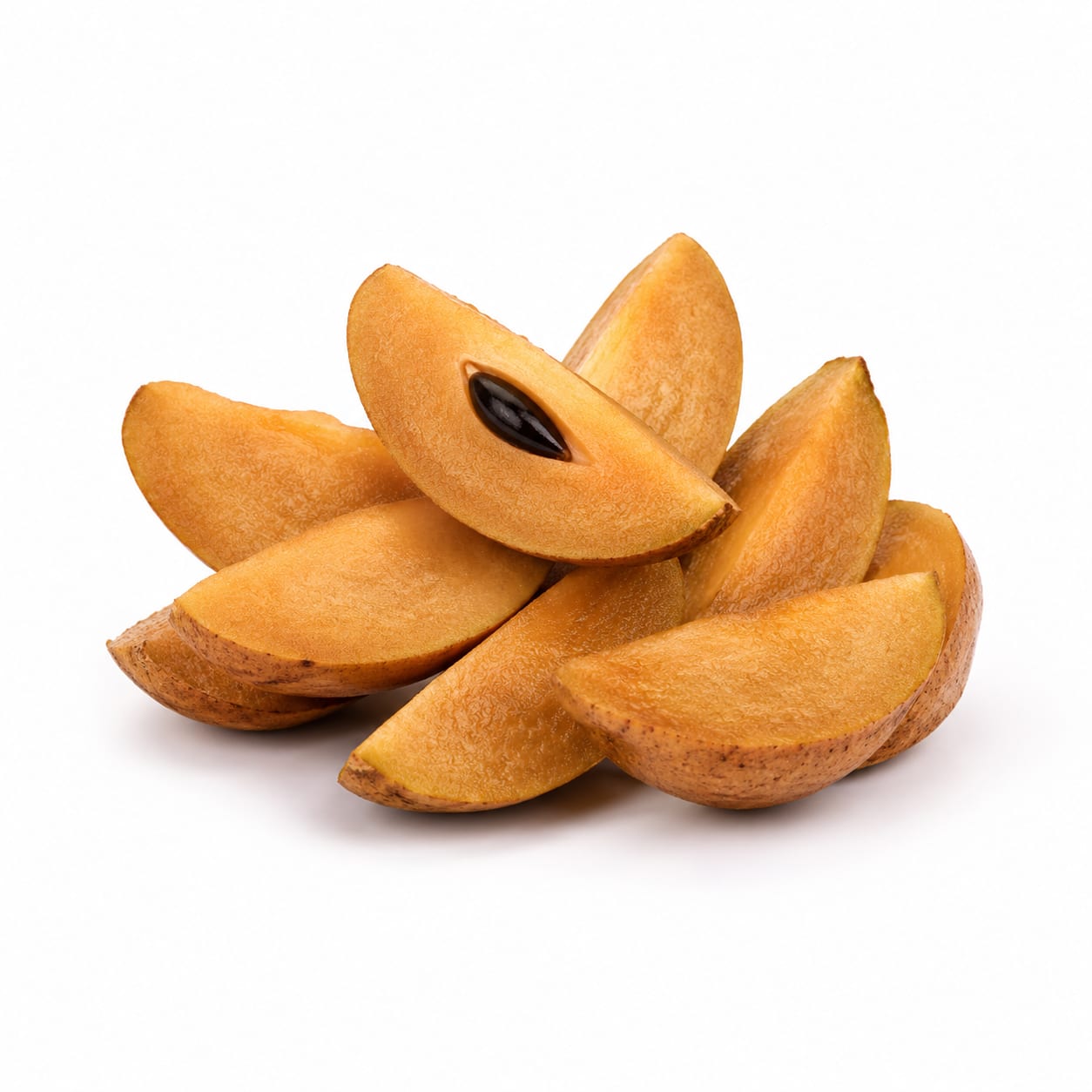
Sapodilla
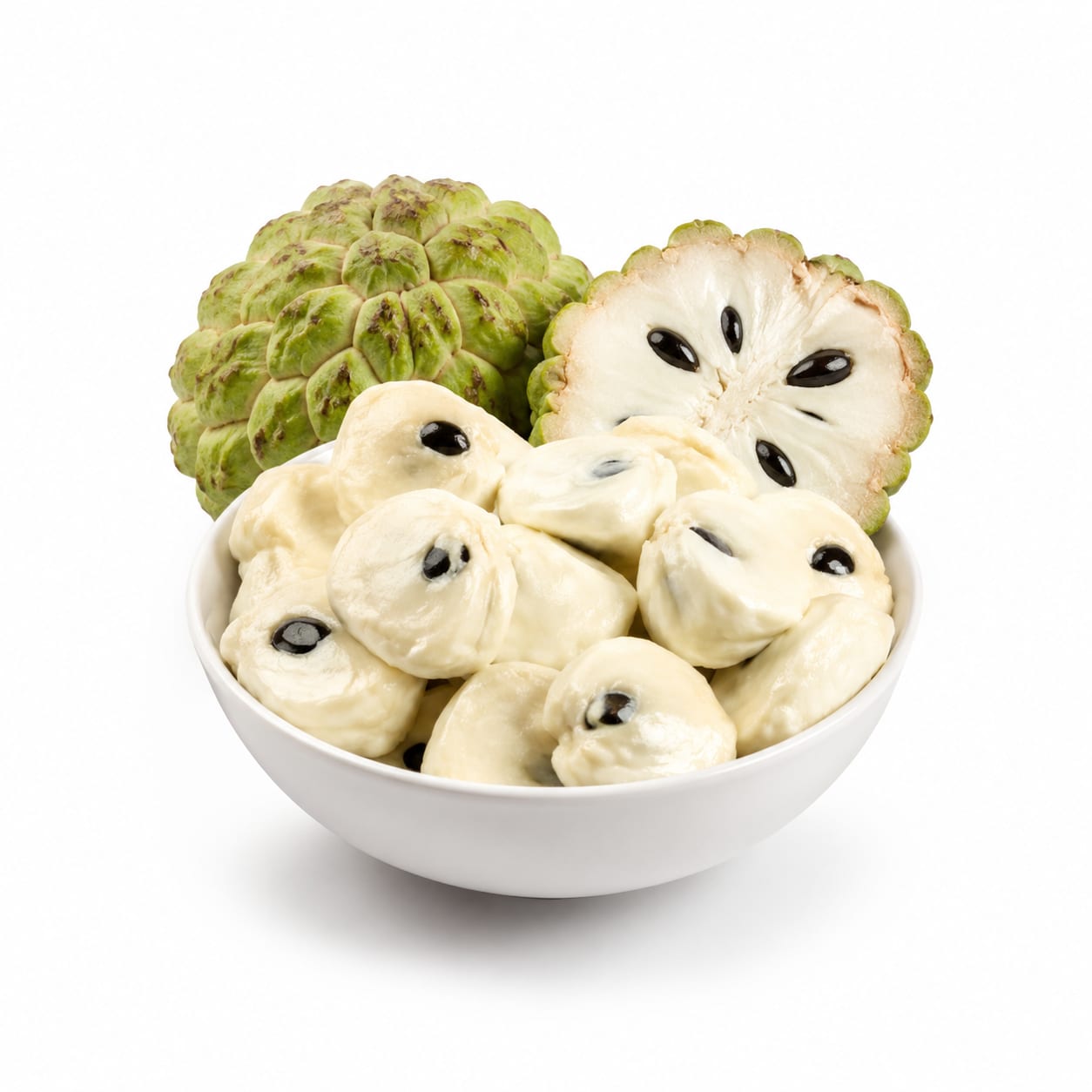
Custard Apple
Sapodilla wins for fiber and blood sugar stability; Custard Apple wins for vitamin C and anti-inflammatory benefits. Both are nutritious but sugar-dense tropical treats.
Sapodilla edges ahead due to superior fiber content, better blood sugar profile, and stronger satiety. Custard Apple remains excellent for vitamins and antioxidants but its higher sugar density and lower fiber narrow its advantage.
Sapodilla offers steadier energy and better digestion through fiber, while Custard Apple delivers more immune support and creamier satisfaction at the cost of higher sugar spikes.
At a glance
Executive summary
Overall
It depends
Healthier
Sapodilla
More practical
Sapodilla
Daily use
Sapodilla
Key comparison lenses
sugar and diabetes management
Both are naturally sweet tropical fruits with significant sugar content, making blood sugar impact the top concern for most users
digestive health and fiber
Sapodilla is renowned for its fiber content while Custard Apple is lower, creating a clear digestive tradeoff
weight management
Calorie and sugar density differ meaningfully between these fruits, affecting weight loss decisions
nutrient density comparison
Each fruit offers distinct vitamin and mineral profiles worth comparing for daily nutrition
satiety and portion control
Fiber and water content differences affect how filling each fruit feels, impacting overeating risk
Best choice for
Sapodilla
- People managing blood sugar or prediabetes
- Those seeking better digestion and regularity
- Anyone wanting a filling snack that curbs overeating
- Weight-conscious individuals who prefer portion control
Custard Apple
- People prioritizing immune support and vitamin C
- Those seeking anti-inflammatory benefits
- Anyone wanting a creamy, dessert-like fruit experience
- Individuals needing B-vitamin support for energy metabolism
Least suitable for
Sapodilla
- People who dislike gritty or firm fruit textures
- Those avoiding tannin-rich foods due to constipation sensitivity
- Individuals on very low-carb diets
Custard Apple
- Strict diabetics struggling with sugar spikes
- Those tracking calories closely for weight loss
- People sensitive to very sweet flavors triggering cravings
Deep comparison
Dimension by dimension
Each lens scores both foods and breaks down who each option suits.
- Dimension 1 · Priority 95Sapodilla
blood_sugar_stability
Sapodilla · 68Custard Apple · 52Sapodilla's higher fiber slows sugar absorption significantly more than Custard Apple's creamier, lower-fiber flesh.
Tradeoff
Both fruits carry substantial natural sugar, but Sapodilla's fiber buffer makes it noticeably gentler on blood glucose.
Why it matters
Steadier blood sugar means fewer energy crashes and reduced craving cycles throughout the day.
Real-world impact
Eating Sapodilla feels like a satisfying snack that holds you. Custard Apple can feel more like a dessert that leaves you wanting more sweetness soon after.
Sapodilla
- Prediabetics seeking safer fruit options
- Anyone avoiding afternoon energy crashes
- People prone to sugar-triggered cravings
Better for
Custard Apple
- Diabetics needing strict glycemic control
- Those who find sweet foods trigger binge eating
Worse for
- Dimension 2 · Priority 90Sapodilla
fiber_and_digestion
Sapodilla · 82Custard Apple · 55Sapodilla delivers roughly double the fiber of Custard Apple, making it clearly superior for digestive regularity and gut health.
Tradeoff
Sapodilla's tannins help some digestive issues but may worsen constipation in sensitive individuals if eaten in excess.
Why it matters
Fiber determines how satisfied you feel and how smoothly your digestion runs day to day.
Real-world impact
One Sapodilla feels substantial and settling. Custard Apple feels lighter and less filling, which can lead to eating more overall.
Sapodilla
- People with irregular digestion
- Anyone seeking a filling midday snack
- Those increasing daily fiber intake naturally
Better for
- Those with severe constipation sensitive to tannins
Worse for
Custard Apple
- People who prefer lighter, less dense fruit
Better for
- Anyone relying on fruit for daily fiber needs
Worse for
- Dimension 3 · Priority 82Custard Apple
vitamin_and_mineral_density
Sapodilla · 65Custard Apple · 78Custard Apple provides significantly more vitamin C and B6, while Sapodilla offers more iron and calcium. Custard Apple's immune-relevant vitamins give it the edge.
Tradeoff
Custard Apple excels at immune and energy metabolism support, while Sapodilla better supports bone health and oxygen transport.
Why it matters
Vitamin C and B6 directly affect immune resilience and daily energy, which most people notice faster than mineral benefits.
Real-world impact
Regular Custard Apple consumption may reduce sick days and improve energy. Sapodilla quietly supports bones and blood over months.
Sapodilla
- Women needing iron support
- Older adults concerned about bone density
Better for
Custard Apple
- Anyone during cold and flu season
- People with low energy or B-vitamin deficiency risk
- Those seeking antioxidant protection
Better for
- Dimension 4 · Priority 85Sapodilla
satiety_and_portion_control
Sapodilla · 76Custard Apple · 58Sapodilla's firm texture and high fiber make it naturally portion-controlling. Custard Apple's creamy sweetness encourages eating more.
Tradeoff
Sapodilla stops you naturally. Custard Apple tempts you to keep going, which can double your sugar intake without realizing.
Why it matters
Foods that self-regulate portions make healthy eating effortless. Foods that encourage overeating require willpower.
Real-world impact
One Sapodilla usually feels like enough. Custard Apple often leads to reaching for a second serving.
Sapodilla
- Emotional eaters needing natural portion limits
- Anyone tracking calories without counting strictly
Better for
Custard Apple
- People who struggle to stop eating sweet foods
- Those managing calorie intake carefully
Worse for
- Dimension 5 · Priority 78Custard Apple
antioxidant_and_anti_inflammatory_value
Sapodilla · 68Custard Apple · 80Custard Apple contains more diverse antioxidants including acetogenins, which have studied anti-inflammatory and potential anti-cancer properties.
Tradeoff
Sapodilla's tannins are potent antioxidants too, but Custard Apple's broader antioxidant profile offers wider protective benefits.
Why it matters
Chronic inflammation drives most lifestyle diseases. Consistent antioxidant intake is long-term health insurance.
Real-world impact
Custard Apple may help reduce joint stiffness and inflammatory markers over time. Sapodilla contributes but less broadly.
Sapodilla
- Those prioritizing maximum antioxidant diversity
Worse for
Custard Apple
- People with inflammatory conditions like arthritis
- Those seeking long-term disease risk reduction
- Anyone with high oxidative stress
Better for
- Dimension 6 · Priority 88Sapodilla
calorie_and_sugar_density
Sapodilla · 62Custard Apple · 48Sapodilla contains slightly fewer calories per serving and significantly more fiber per sugar gram, making it more weight-management friendly.
Tradeoff
Neither fruit is low-calorie. Both require mindful portions, but Sapodilla gives you more fullness per calorie spent.
Why it matters
Calorie density determines whether a food supports or sabotages weight goals without conscious restriction.
Real-world impact
Sapodilla feels like a smart snack choice. Custard Apple feels more like a treat that requires planning around.
Sapodilla
- Weight loss seekers wanting sweet fruit options
- Those managing daily calorie budgets
Better for
Custard Apple
- Underweight individuals needing calorie-dense nutrition
- Active people who burn sugar readily
Better for
- Anyone on calorie-restricted diets
- People who find sweet foods trigger overeating
Worse for
Timeline
Health impact over time
Short-term
Hours to days
Sapodilla
- Provides steady energy without sharp sugar spikes
- Promotes comfortable digestion and fullness
- Satisfies sweet cravings with natural fruit sugar
Custard Apple
- Delivers quick energy from higher sugar content
- Boosts vitamin C intake immediately
- Creates a comforting, dessert-like eating experience
Long-term
Months to years
Sapodilla
- Supports digestive regularity through consistent fiber intake
- Helps maintain stable blood sugar patterns with regular consumption
- Contributes to bone health via calcium and iron content
Custard Apple
- Strengthens immune resilience through sustained vitamin C intake
- May reduce chronic inflammation and associated disease risk
- Supports nervous system health through B-vitamin content
Risk profile
Safety & processing
Both Sapodilla and Custard Apple are whole, unprocessed tropical fruits typically eaten fresh. Neither carries processing concerns when consumed as nature intended.
Sapodilla
Tannin overconsumption
lowEating very large quantities may worsen constipation in sensitive individuals due to tannin content. Moderate intake poses no issue.
Unripe fruit consumption
mediumUnripe Sapodilla contains hard tannins and saponins that can cause mouth irritation and digestive upset. Always eat fully ripe fruit.
Seed choking hazard
lowSeeds are hard and should not be eaten. Small children need supervision.
Custard Apple
Seed toxicity
mediumCustard Apple seeds contain toxic compounds and should never be consumed. They must be carefully removed, especially around children.
High sugar load for diabetics
mediumThe concentrated sugar content can cause problematic glucose spikes in uncontrolled diabetes without portion management.
Pesticide residue on skin
lowConventionally grown Custard Apples may carry pesticide residue on the outer skin. Washing thoroughly reduces risk.
Who wins for whom
Audience fit
Same foods, different winners depending on your goal.
children
SapodillaSapodilla's firm texture and lower choking risk from seeds make it more practical for kids, though both require seed removal supervision.
daily consumption
SapodillaBetter fiber, steadier blood sugar impact, and stronger satiety make Sapodilla more sustainable as a daily fruit without metabolic downsides.
diabetes
SapodillaSapodilla's fiber slows sugar absorption meaningfully, making it the safer choice for blood sugar management despite both being sweet fruits.
elderly
Custard AppleCustard Apple's soft, creamy texture is easier to eat for those with dental issues, and its B-vitamin content supports nervous system health in aging.
muscle gain
It dependsNeither fruit is protein-rich. Custard Apple offers slightly more calories for energy, but both require protein from other sources.
weight loss
SapodillaHigher fiber and lower calorie density make Sapodilla more filling per calorie, naturally reducing overall intake.
Your move
Decision guide
Choose Sapodilla
- You want a filling snack that naturally limits overeating
- Blood sugar management is a priority for you
- Digestive regularity matters in your daily routine
- You prefer firmer, more substantial fruit textures
- You are tracking calories or managing weight
Choose Custard Apple
- Immune support and vitamin C are your top priorities
- You want a creamy, dessert-like experience without guilt
- Anti-inflammatory benefits matter for joint or chronic issues
- You have difficulty eating firm foods due to dental concerns
- You are naturally active and burn through sugar easily
Either works if
- You simply want variety in your tropical fruit rotation
- Both fruits are in season and you enjoy seasonal eating
- You are healthy with no specific blood sugar or weight concerns
Avoid both if
- You are on a strict very-low-carb or ketogenic diet
- You have severe diabetes with poorly controlled blood sugar
- You are eliminating all high-sugar fruits temporarily
Final recommendation
For most people seeking a daily tropical fruit, Sapodilla offers better metabolic balance and digestive benefits. Choose Custard Apple when you want a richer, more indulgent fruit experience with stronger immune perks. Rotate both seasonally for the broadest nutrient coverage, but lean toward Sapodilla if you must pick one for regular use.
Practical
Consumer tips
- 1
Always eat both fruits fully ripe — unripe Sapodilla irritates the mouth and unripe Custard Apple tastes unpleasantly astringent
- 2
Never eat Custard Apple seeds as they contain toxic compounds; remove them carefully before serving to children
- 3
Limit either fruit to one medium serving per sitting to manage sugar intake without sacrificing enjoyment
- 4
Pair either fruit with a protein source like nuts or yogurt to further slow sugar absorption and extend satiety
- 5
Choose organic when available for Custard Apple to reduce pesticide exposure on the skin
- 6
Refrigerate ripe Sapodilla to extend its short shelf life by two to three days
- 7
Custard Apple spoils quickly once ripe — eat within one to two days of softening for best quality