
Nutrition comparison
Sapodilla vs Papaya: Which Tropical Fruit Is Healthier?
Compare Sapodilla and Papaya nutrition, sugar content, digestion benefits, and weight loss suitability. Find out which tropical fruit is better for your health goals.
Overall winner · Papaya
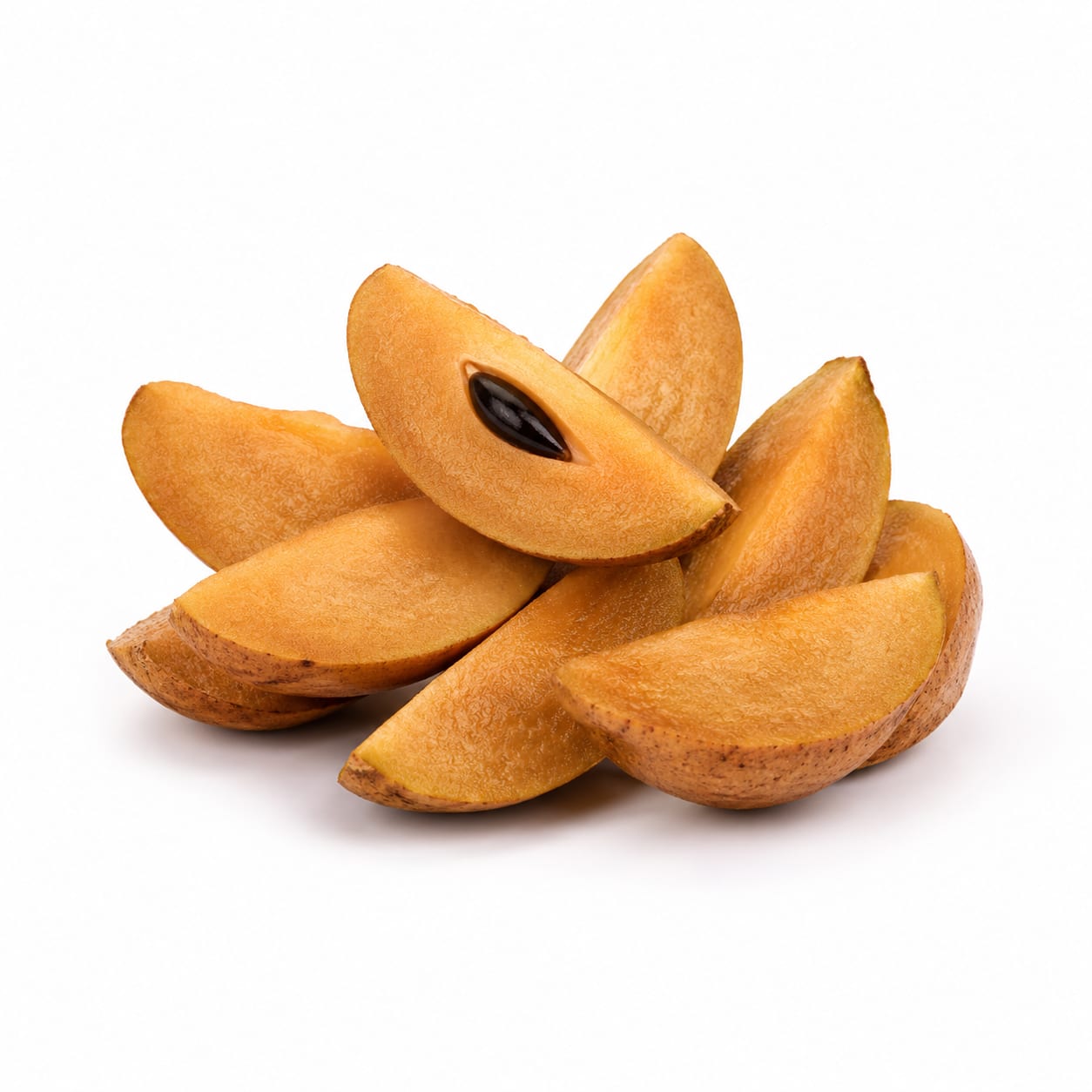
Sapodilla
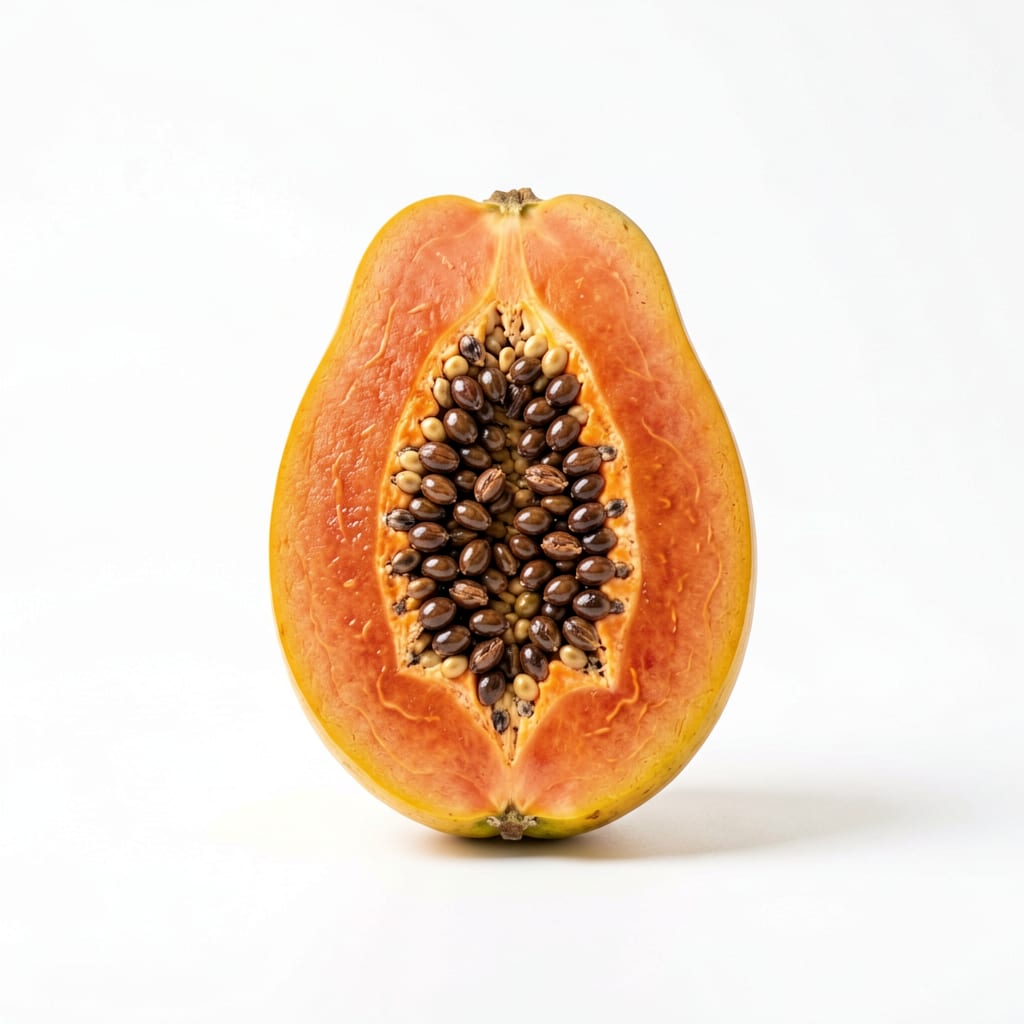
Papaya
Papaya is the more versatile daily fruit with far less sugar and unique digestive enzymes, while Sapodilla is a richer, more filling treat best enjoyed in moderation.
Papaya scores notably higher due to its lower sugar, superior vitamin C content, and digestive enzyme benefits. Sapodilla remains a respectable choice for fiber and mineral content but its high sugar density limits everyday versatility.
Sapodilla gives you more fiber and a satisfyingly sweet, malty experience, but at nearly triple the sugar cost of Papaya.
At a glance
Executive summary
Overall
Papaya
Healthier
Papaya
More practical
Papaya
Daily use
Papaya
Key comparison lenses
blood sugar management
Sapodilla is significantly higher in sugar than Papaya, making glycemic impact the most critical differentiator
digestive health
Papaya contains papain enzyme which aids digestion, while Sapodilla offers more fiber — different digestive strategies
weight management
Calorie and sugar density differ substantially between these fruits, affecting weight loss suitability
daily fruit selection
Users choosing between tropical fruits for regular consumption need to understand tradeoffs
nutrient density per calorie
Papaya delivers more vitamins per calorie, while Sapodilla offers more minerals and fiber per serving
Best choice for
Sapodilla
- People needing high fiber intake
- Those wanting a calorie-dense natural snack
- Anyone seeking a rich, dessert-like fruit experience
- Underweight individuals needing easy calories
Papaya
- People managing blood sugar or diabetes
- Those focused on weight loss or maintenance
- Anyone with digestive issues needing enzymatic support
- People wanting a light, hydrating fruit
Least suitable for
Sapodilla
- People with diabetes or insulin resistance
- Those on low-sugar or keto diets
- Anyone carefully monitoring calorie intake
- People prone to overeating sweet foods
Papaya
- Those needing calorie-dense foods for weight gain
- People looking for high-fiber fruit options
- Anyone wanting a filling, satisfying snack fruit
Deep comparison
Dimension by dimension
Each lens scores both foods and breaks down who each option suits.
- Dimension 1 · Priority 95Papaya
Blood Sugar Impact
Sapodilla · 35Papaya · 82Papaya has roughly one-third the sugar content of Sapodilla, making it dramatically easier on blood sugar.
Tradeoff
Sapodilla's sweetness comes with a glycemic cost that can spike blood sugar, while Papaya provides gentle, steady energy.
Why it matters
For anyone watching their blood sugar — whether diabetic, prediabetic, or simply avoiding afternoon crashes — this difference is decisive.
Real-world impact
Eating Sapodilla on an empty stomach can leave you buzzing then crashing within an hour. Papaya feels lighter and sustains energy more evenly.
Sapodilla
- Quick energy before intense physical activity
- Situations where calorie density is desired
Better for
- Late-night snacking
- Breakfast on its own without protein or fat
Worse for
Papaya
- Steady energy between meals
- Diabetes-friendly fruit choices
- Avoiding sugar cravings later in the day
Better for
- Post-workout recovery when quick glycogen replenishment is needed
Worse for
- Dimension 2 · Priority 90Papaya
Digestive Health
Sapodilla · 65Papaya · 88Papaya's papain enzyme actively breaks down protein and soothes digestion, while Sapodilla relies on fiber bulk alone.
Tradeoff
Sapodilla provides more fiber for regularity, but Papaya offers enzymatic support that helps digest other foods eaten with it.
Why it matters
If you struggle with bloating, heavy meals, or protein digestion, Papaya is functionally superior. Sapodilla helps more with constipation from low fiber intake.
Real-world impact
Eating Papaya after a heavy protein meal feels like a digestive reset. Sapodilla after the same meal might feel heavy on top of what you already ate.
Sapodilla
- Chronic constipation from low fiber diets
- Adding bulk to a fiber-deficient meal plan
Better for
- Irritable bowel syndrome sensitive to high sugar loads
- Already high-fiber diets where more fiber causes discomfort
Worse for
Papaya
- Bloating after protein-rich meals
- IBS-related digestive discomfort
- General digestive sluggishness
Better for
- Situations where enzymatic aid is unnecessary
Worse for
- Dimension 3 · Priority 82Sapodilla
Satiety and Fullness
Sapodilla · 78Papaya · 55Sapodilla's dense texture and higher fiber make it noticeably more filling per serving than Papaya.
Tradeoff
You feel fuller after Sapodilla, but that fullness comes with significantly more calories and sugar than Papaya.
Why it matters
If you need a fruit that actually tides you over between meals, Sapodilla does the job better. But if you want something light that won't weigh you down, Papaya wins.
Real-world impact
A single Sapodilla can substitute for a small snack. Papaya is more like a refreshing palate cleanser that leaves you hungry again within an hour.
Sapodilla
- Hiking or outdoor activities needing sustained energy
- Replacing a heavier snack between meals
Better for
- Right before exercise when you need light fuel
Worse for
Papaya
- Light breakfast alongside other foods
- After dinner when you want something sweet but not heavy
Better for
- As a standalone snack when genuinely hungry
Worse for
- Dimension 4 · Priority 78Papaya
Vitamin and Antioxidant Profile
Sapodilla · 60Papaya · 85Papaya delivers far more vitamin C and beta-carotene per calorie, while Sapodilla offers modest antioxidant benefits with more minerals.
Tradeoff
Papaya is an immune-supporting powerhouse. Sapodilla contributes more iron and calcium but less vitamin C and A overall.
Why it matters
For daily immune function, skin health, and inflammation reduction, Papaya provides more actionable nutrition per bite.
Real-world impact
Regular Papaya consumption can meaningfully support your immune system during cold season. Sapodilla's mineral contributions are helpful but less immediately impactful.
Sapodilla
- Iron-deficient individuals needing plant iron sources
- Those seeking calcium from fruit sources
Better for
- Vitamin C-focused nutritional goals
Worse for
Papaya
- Immune support during illness or stress
- Skin health and anti-aging nutrition
- Eye health through beta-carotene intake
Better for
- Mineral replenishment after heavy sweating or deficiency
Worse for
- Dimension 5 · Priority 80Papaya
Calorie Efficiency
Sapodilla · 40Papaya · 82Papaya provides more nutrition per calorie, making it a far more efficient choice for weight-conscious eating.
Tradeoff
Sapodilla packs more total nutrients per serving but at a steep calorie cost. Papaya lets you eat a larger volume for fewer calories.
Why it matters
If you are tracking calories or trying to lose weight, Papaya lets you enjoy a generous portion without budget stress. Sapodilla uses up a large portion of your daily calorie allowance quickly.
Real-world impact
You can eat nearly twice as much Papaya by weight for the same calories as Sapodilla. That volume difference matters for satisfaction and adherence.
Sapodilla
- Athletes in bulking phases
- Underweight individuals needing calorie-dense whole foods
Better for
- Any calorie-controlled eating plan
Worse for
Papaya
- Calorie-restricted diets
- Volume eating strategies for weight loss
- Flexible dieting approaches
Better for
- Weight gain protocols needing calorie density
Worse for
- Dimension 6 · Priority 70Papaya
Practicality and Availability
Sapodilla · 45Papaya · 75Papaya is more widely available globally, easier to portion, and has a longer practical eating window when ripe.
Tradeoff
Sapodilla can be harder to find, has a narrow ripeness window, and its grainy texture is less versatile in recipes.
Why it matters
A fruit you can easily find and use consistently will always beat a superior nutritional profile that you cannot access regularly.
Real-world impact
Papaya is available year-round in most grocery stores. Sapodilla often requires specialty markets and careful ripening at home, which adds friction to regular consumption.
Sapodilla
- Tropical regions where Sapodilla is locally grown and affordable
Better for
- Quick meal prep needs
- Areas without specialty grocers
Worse for
Papaya
- Most global supermarkets
- Consistent weekly meal prep and shopping
- Smoothie and salad integration
Better for
- Regions where Papaya is imported and expensive
Worse for
Timeline
Health impact over time
Short-term
Hours to days
Sapodilla
- Quick blood sugar elevation due to high natural sugar content
- Noticeable fullness and satiety from dense fiber
- Potential digestive heaviness if eaten in large quantities
- Mild laxative effect from tannins and fiber combined
Papaya
- Light, hydrating feeling after eating
- Gentle digestive soothing from papain enzyme
- Minimal blood sugar disruption
- Refreshing effect that does not cause sluggishness
Long-term
Months to years
Sapodilla
- Risk of excessive sugar intake if consumed frequently in large amounts
- Improved bowel regularity from consistent fiber intake
- Potential contribution to calorie surplus and weight gain if not portioned
- Beneficial mineral intake supporting bone and blood health
Papaya
- Improved digestive efficiency through regular papain consumption
- Enhanced immune function from high vitamin C intake
- Better skin health from consistent beta-carotene and vitamin C
- Lower risk of sugar-related metabolic issues with regular consumption
Risk profile
Safety & processing
Both Sapodilla and Papaya are whole, unprocessed fruits typically eaten raw. Neither carries processing concerns. The main difference is that Papaya is more commonly available in pre-cut packaged form, which may involve slight freshness tradeoffs, while Sapodilla is almost always sold whole.
Sapodilla
Latex allergy cross-reaction
mediumSapodilla contains natural latex compounds that can trigger reactions in people with latex-fruit syndrome. Symptoms range from mouth itching to anaphylaxis in sensitive individuals.
Seed toxicity
lowSapodilla seeds contain hydrocyanic acid compounds and should never be eaten. They are hard and bitter, so accidental consumption is unlikely but worth knowing.
Over-ripening spoilage
lowSapodilla has a narrow optimal eating window. Overripe fruit ferments quickly, potentially causing stomach upset.
Papaya
Latex allergy cross-reaction
mediumPapaya also cross-reacts with latex allergies, though slightly less commonly than Sapodilla. Sensitive individuals should test small amounts first.
Unripe fruit concerns
lowUnripe Papaya contains high levels of papain and latex that can cause uterine contractions. Pregnant women should avoid unripe Papaya specifically.
Pesticide residue
lowPapaya is sometimes treated with post-harvest fungicides. Washing thoroughly or choosing organic reduces this concern significantly.
Who wins for whom
Audience fit
Same foods, different winners depending on your goal.
children
PapayaPapaya is easier to digest, gentler on blood sugar, and its mild sweetness is kid-friendly. Sapodilla's denser texture and higher sugar make it a less ideal everyday fruit for children.
daily consumption
PapayaPapaya's lower sugar, digestive benefits, and wider availability make it a more sustainable daily fruit. Sapodilla is better treated as an occasional rich treat rather than a staple.
diabetes
PapayaPapaya's significantly lower sugar content and gentler glycemic impact make it the clear safer choice for blood sugar management. Sapodilla's sugar load poses real concerns for diabetic diets.
elderly
PapayaPapaya's digestive enzymes support the slower digestion common in older adults, and its soft texture is easy to chew. Sapodilla's grainy texture can be harder to manage for those with dental issues.
muscle gain
It dependsNeither fruit is a muscle-building food. Sapodilla offers slightly more calories for energy surplus, but Papaya's papain may aid protein digestion from other sources. The difference is minimal.
weight loss
PapayaPapaya's low calorie density and high water content let you eat a satisfying volume without exceeding calorie targets. Sapodilla's sugar and calorie density work against weight loss goals.
Your move
Decision guide
Choose Sapodilla
- You want a filling, satisfying fruit that can replace a snack
- You are underweight or need calorie-dense whole foods
- You struggle with constipation and need more fiber
- You live in a region where Sapodilla is affordable and fresh
- You are physically active and can handle the sugar load
Choose Papaya
- You are managing blood sugar, diabetes, or insulin resistance
- You want a light fruit that will not spike then crash your energy
- You have digestive issues and benefit from papain enzyme
- You are watching your calorie intake for weight management
- You want a versatile fruit for smoothies, salads, and breakfast bowls
Either works if
- You have no blood sugar concerns and simply want tropical fruit variety
- You are rotating fruits for broad nutrient coverage
- You enjoy both flavors and want to alternate based on mood
Avoid both if
- You have a latex allergy, as both fruits carry cross-reaction risk
- You are on a strict very-low-carb or ketogenic diet
- You have fructose intolerance or malabsorption issues
Final recommendation
Make Papaya your everyday tropical fruit and treat Sapodilla as a special occasion indulgence. Papaya gives you more nutritional value per calorie, steadier energy, and genuine digestive support. Sapodilla is delicious and filling but its sugar density makes it a fruit to enjoy mindfully rather than freely.
Practical
Consumer tips
- 1
Pair Sapodilla with a protein or fat source like nuts to blunt its blood sugar spike
- 2
Choose Papaya that yields slightly to pressure and has orange-yellow skin for optimal ripeness
- 3
Let firm Sapodilla ripen at room temperature for 3-5 days until slightly soft — do not refrigerate unripe fruit
- 4
Freeze Papaya chunks for smoothies — it blends beautifully and adds natural creaminess
- 5
If you have a latex allergy, test both fruits with a tiny amount on your lip before eating
- 6
Wash Papaya thoroughly even if you only eat the flesh, as knife blades can carry skin residue inward
- 7
Eat Papaya after heavy protein meals to leverage its papain enzyme for smoother digestion
- 8
Limit Sapodilla to one medium fruit per sitting to avoid excessive sugar and calorie intake