
Nutrition comparison
Sapodilla vs Avocado: Which Fruit Is Healthier for You?
Compare Sapodilla and Avocado nutrition — sugar vs healthy fats, blood sugar impact, weight loss suitability, and which fruit fits your health goals better.
Overall winner · Avocado
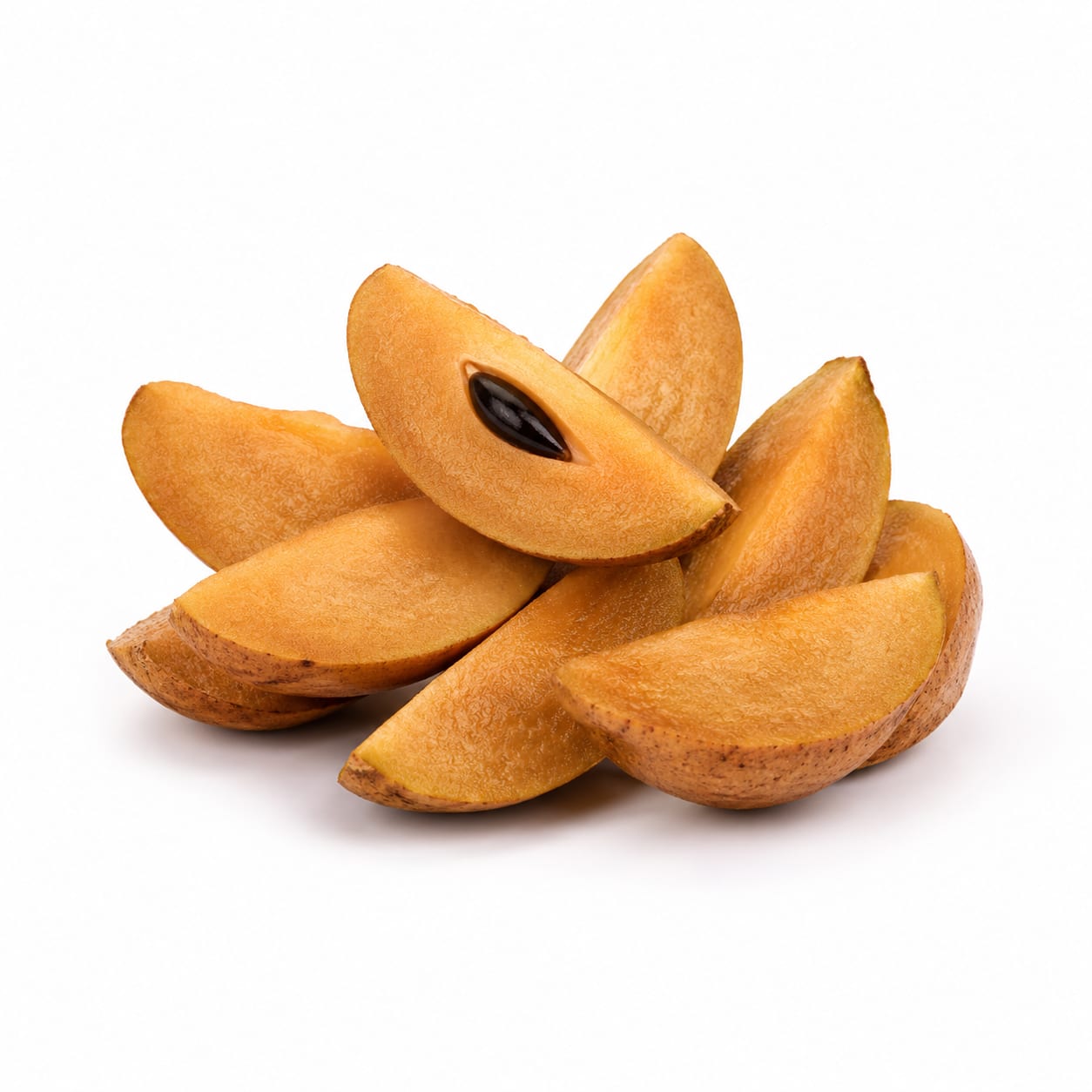
Sapodilla
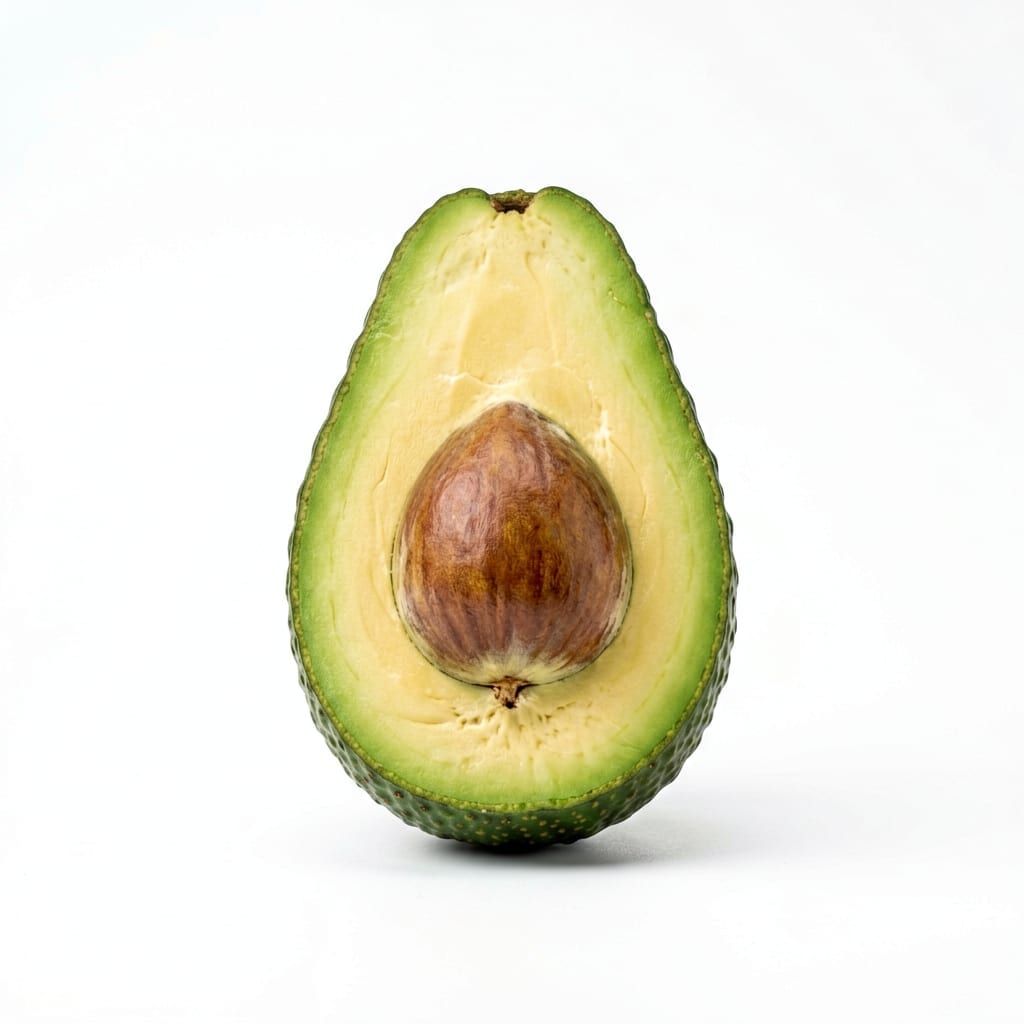
Avocado
Avocado wins for most health goals thanks to its blood-sugar-friendly fats and heart benefits, but Sapodilla is the better quick-energy fruit for active people.
Avocado scores significantly higher due to its superior fat profile, blood sugar stability, and broader health benefits. Sapodilla remains a nutritious whole food but its high sugar content limits its versatility for daily use across health goals.
You're choosing between slow-burning healthy fats that stabilize energy (avocado) or fast-acting natural sugars that spike it (Sapodilla).
At a glance
Executive summary
Overall
Avocado
Healthier
Avocado
More practical
Avocado
Daily use
Avocado
Key comparison lenses
sugar vs fat calorie tradeoff
Sapodilla is sugar-dense while avocado is fat-dense, creating a classic macronutrient fork in the road
blood sugar management
The glycemic gap between these two fruits is massive and clinically relevant for diabetics and energy seekers alike
heart health fat quality
Avocado's monounsaturated fats directly support cardiovascular health, while Sapodilla offers no comparable benefit
satiety and appetite control
Fat-based satiety from avocado versus sugar-driven quick energy from Sapodilla creates different fullness curves
tropical fruit nutrition awareness
Many people underestimate sugar content in sweet tropical fruits like Sapodilla compared to savory fruits like avocado
Best choice for
Sapodilla
- Athletes needing quick natural carbs post-workout
- People struggling to eat enough calories healthily
- Anyone wanting a sweet treat without refined sugar
- Tropical fruit lovers seeking natural energy
Avocado
- Anyone managing blood sugar or insulin resistance
- People prioritizing heart health and longevity
- Those wanting longer-lasting fullness between meals
- Keto or low-carb dieters needing healthy fat sources
Least suitable for
Sapodilla
- People with diabetes or prediabetes
- Anyone on a strict low-carb or keto diet
- Those trying to reduce sugar cravings
- People managing metabolic syndrome
Avocado
- People on calorie-restricted diets who need volume over density
- Anyone with fat malabsorption issues
- Those who dislike rich, creamy textures
- People seeking quick pre-workout energy
Deep comparison
Dimension by dimension
Each lens scores both foods and breaks down who each option suits.
- Dimension 1 · Priority 95Avocado
blood sugar_stability
Sapodilla · 30Avocado · 95Avocado barely moves your blood sugar. Sapodilla delivers a noticeable spike from its high natural sugar content.
Tradeoff
Sapodilla gives you quick energy but at the cost of a glycemic rollercoaster. Avocado keeps things steady but won't give you an energy burst.
Why it matters
Blood sugar crashes after Sapodilla can trigger hunger and fatigue within an hour or two, while avocado keeps you on an even keel.
Real-world impact
Eat Sapodilla as a standalone snack and you may feel hungry again soon. Eat avocado and you'll likely stay satisfied until your next meal.
Sapodilla
- Quick fuel before intense exercise
- Recovering from a low blood sugar episode
- Adding calories during a long hike
Better for
- Late-night snacking that disrupts sleep
- Anyone prone to sugar cravings and binges
- Sedentary evenings on the couch
Worse for
Avocado
- Steady energy through a long workday
- Preventing afternoon energy crashes
- Managing insulin resistance or diabetes
Better for
- Moments when you need immediate energy
- Pre-workout fueling for high-intensity training
Worse for
- Dimension 2 · Priority 90Avocado
heart_health
Sapodilla · 40Avocado · 95Avocado is one of the best heart-healthy foods you can eat. Sapodilla is heart-neutral at best.
Tradeoff
Avocado actively improves cholesterol markers with monounsaturated fats. Sapodilla neither harms nor particularly helps cardiovascular health.
Why it matters
Heart disease remains the leading cause of death globally, and daily avocado consumption has been linked to measurable improvements in lipid profiles.
Real-world impact
Eating avocado regularly can meaningfully shift your LDL and HDL numbers over months. Sapodilla simply won't move the needle.
Sapodilla
- Daily consumption if heart health is a priority
- Replacing healthier fat sources in meals
Worse for
Avocado
- Lowering LDL cholesterol over time
- Reducing systemic inflammation
- Supporting healthy blood pressure with potassium
Better for
- Dimension 3 · Priority 85Avocado
satiety_and_fullness
Sapodilla · 40Avocado · 90Avocado keeps you full for hours. Sapodilla satisfies a sweet craving but fades fast.
Tradeoff
Fat digests slowly and signals fullness hormones effectively. Sugar digests quickly and can leave you hunting for more food sooner.
Why it matters
The food that keeps you fuller longer is usually the one that prevents overeating throughout the day.
Real-world impact
Half an avocado with lunch can prevent a 3 PM snack attack. A Sapodilla might leave you reaching for something else within the hour.
Sapodilla
- A light sweet treat after a meal when already full
Better for
- Using it as a standalone meal replacement
- Relying on it to control hunger
Worse for
Avocado
- Replacing a full meal component when short on time
- Preventing between-meal snacking
- Making salads or toast more filling
Better for
- Situations where feeling too full is uncomfortable
- Right before intense exercise
Worse for
- Dimension 4 · Priority 80Avocado
nutrient_density
Sapodilla · 55Avocado · 88Both offer real nutrition, but avocado delivers more essential nutrients per calorie that most people actually lack.
Tradeoff
Sapodilla brings good fiber and vitamin C, but avocado covers more nutritional gaps including folate, vitamin K, potassium, and vitamin E.
Why it matters
Nutrient density matters most for the vitamins and minerals people commonly under-consume.
Real-world impact
Avocado helps fill folate gaps for women of childbearing age, potassium shortfalls for most adults, and vitamin K needs for bone health. Sapodilla's contributions are narrower.
Sapodilla
- Boosting vitamin C intake
- Adding dietary fiber variety
- Contributing natural iron and calcium
Better for
- Serving as a primary nutrient source
- Replacing more nutrient-diverse fruits
Worse for
Avocado
- Meeting folate needs during pregnancy
- Getting enough potassium without supplements
- Improving vitamin K and E intake
Better for
- Dimension 5 · Priority 75Sapodilla
calorie_efficiency
Sapodilla · 75Avocado · 45Sapodilla gives you more food volume per calorie. Avocado is calorie-dense for its size.
Tradeoff
If you're counting calories strictly, Sapodilla lets you eat more grams of food. If you're counting nutrients, avocado gives more per bite.
Why it matters
Calorie density determines how much food you can realistically eat before hitting your daily limit.
Real-world impact
You can eat nearly twice as much Sapodilla by weight as avocado for the same calories, but you'll be hungrier sooner after the Sapodilla.
Sapodilla
- Volume eating on a calorie budget
- People who feel deprived on small portions
- Light snacking without heavy calorie load
Better for
- When calorie quality matters more than quantity
- Replacing higher-nutrient foods with sweeter options
Worse for
Avocado
- Getting more nutrition in fewer bites
- People who struggle to eat enough calories
- Adding healthy calories to smoothies or meals
Better for
- Strict calorie-counting diets
- People who eat mindlessly and consume too much
Worse for
- Dimension 6 · Priority 70It depends
digestive_health
Sapodilla · 72Avocado · 75Both support digestion through fiber, but in different ways. Sapodilla's tannins can soothe; avocado's fats can lubricate.
Tradeoff
Sapodilla offers soluble fiber and traditional anti-diarrheal tannins. Avocado provides both soluble and insoluble fiber plus fats that ease bowel movements.
Why it matters
Digestive comfort affects daily quality of life more than almost any other health metric.
Real-world impact
If you're constipated, avocado's fat and fiber combo moves things along. If you have loose stools, Sapodilla's tannins may help firm things up.
Sapodilla
- Soothing an upset stomach or diarrhea
- Traditional remedy for digestive inflammation
Better for
- Constipation-prone individuals needing motility
Worse for
Avocado
- Relieving constipation naturally
- Supporting regular bowel movements daily
- Feeding gut microbiome with diverse fiber
Better for
- Acute diarrhea when fat could worsen symptoms
Worse for
Timeline
Health impact over time
Short-term
Hours to days
Sapodilla
- Quick blood sugar rise followed by a potential crash within 1-2 hours
- Immediate natural energy boost from simple sugars
- Mild satiety that fades faster than fat-based foods
- Possible digestive comfort from tannins if stomach is upset
Avocado
- Stable blood sugar with no spike or crash
- Gradual, sustained energy over several hours
- Noticeable fullness that reduces urge to snack
- Smoother bowel movements within hours of eating
Long-term
Months to years
Sapodilla
- Frequent consumption may contribute to elevated fasting blood sugar if overeaten
- Antioxidant tannins may offer mild anti-inflammatory benefits
- Fiber supports long-term colon health
- Excess sugar intake from multiple servings could promote insulin resistance
Avocado
- Consistently improved cholesterol markers with regular consumption
- Better insulin sensitivity from monounsaturated fat intake
- Reduced cardiovascular disease risk with daily avocado consumption
- Lutein and zeaxanthin accumulation supporting long-term eye health
Risk profile
Safety & processing
Both Sapodilla and avocado are whole, unprocessed fruits you eat as nature intended. Neither raises processing concerns, which is a rare point of agreement in this comparison.
Sapodilla
High sugar content masking as healthy fruit
mediumPeople often assume all fruit is equally safe for blood sugar. Sapodilla's sugar content rivals many desserts, which can mislead diabetics.
Unripe fruit tannin overload
lowEating Sapodilla before it's fully ripe concentrates tannins that can cause throat irritation and constipation.
Latex allergy cross-reaction
lowSapodilla contains chicle, a natural latex. People with latex allergies may experience oral irritation or allergic response.
Avocado
FODMAP sensitivity triggering IBS symptoms
mediumAvocado contains sorbitol and fructans that can cause bloating and gas in people with IBS or FODMAP sensitivity, especially in larger portions.
Calorie underestimation leading to weight gain
mediumAvocado's health halo can make people forget it's calorie-dense. Eating a whole avocado adds 250+ calories easily.
Oral allergy syndrome in latex-allergic individuals
lowLike Sapodilla, avocado cross-reacts with latex allergies, causing mouth itching in susceptible people.
Who wins for whom
Audience fit
Same foods, different winners depending on your goal.
children
SapodillaKids love sweet flavors and Sapodilla offers a natural treat with fiber and vitamins. Avocado's mild flavor is hit-or-miss with picky eaters, though it's excellent for babies starting solids.
daily consumption
AvocadoAvocado can be eaten daily with broad health benefits and no sugar concerns. Sapodilla's sugar load makes daily consumption riskier for metabolic health.
diabetes
AvocadoAvocado has minimal impact on blood sugar and improves insulin sensitivity. Sapodilla's high sugar content makes it risky for glycemic control.
elderly
AvocadoAvocado's soft texture, heart-healthy fats, and blood sugar stability make it ideal for older adults managing cardiovascular and metabolic health.
muscle gain
AvocadoAvocado provides healthy fats that support hormone production including testosterone, and its calories are nutrient-rich for recovery.
weight loss
AvocadoAvocado's fat content keeps you full longer, reducing overall calorie intake throughout the day despite being more calorie-dense per serving.
Your move
Decision guide
Choose Sapodilla
- You're an active person who burns through carbs quickly
- You want a natural sweet treat instead of candy or dessert
- You need quick energy before or after physical activity
- You're treating an upset stomach and want soothing tannins
- You struggle to get enough calories and need palatable energy
Choose Avocado
- You want steady energy without blood sugar swings
- Heart health is a top priority for you
- You're managing diabetes, prediabetes, or insulin resistance
- You need a filling food that prevents overeating later
- You want to improve your cholesterol numbers naturally
Either works if
- You're simply trying to eat more whole fruits and fewer processed snacks
- Both are available and you want variety in your diet
- You have no specific health conditions and enjoy both flavors
Avoid both if
- You have a latex allergy and haven't tested your tolerance for either fruit
- You're on a strict very-low-calorie diet and need higher-protein options instead
Final recommendation
Make avocado your daily staple for its metabolic and cardiovascular benefits. Enjoy Sapodilla as an occasional natural sweet treat, especially on active days when your body can use the quick carbs. Think of avocado as the reliable workhorse and Sapodilla as the fun weekend guest.
Practical
Consumer tips
- 1
Limit Sapodilla to one medium fruit per sitting to avoid sugar overload — it's easy to eat several because it tastes like dessert
- 2
Pair Sapodilla with a protein or fat source like nuts to slow the sugar absorption and reduce the crash
- 3
Half an avocado per day is enough for most health benefits without overdoing calories
- 4
If Sapodilla isn't fully ripe, wait — unripe fruit is astringent and can cause throat discomfort
- 5
Avocado turns bitter when overripe; slight firmness means it's ready to eat
- 6
Freeze mashed avocado with lemon juice for smoothies — it adds creaminess without sugar
- 7
Sapodilla can be blended into smoothies too, but watch portions since the sweetness adds up fast