
Nutrition comparison
Sapodilla vs Dates: Which Sweet Fruit Is Better for You?
Compare sapodilla and dates on sugar, calories, nutrition, and health impact. Find out which fruit fits your goals — weight loss, energy, or daily snacking.
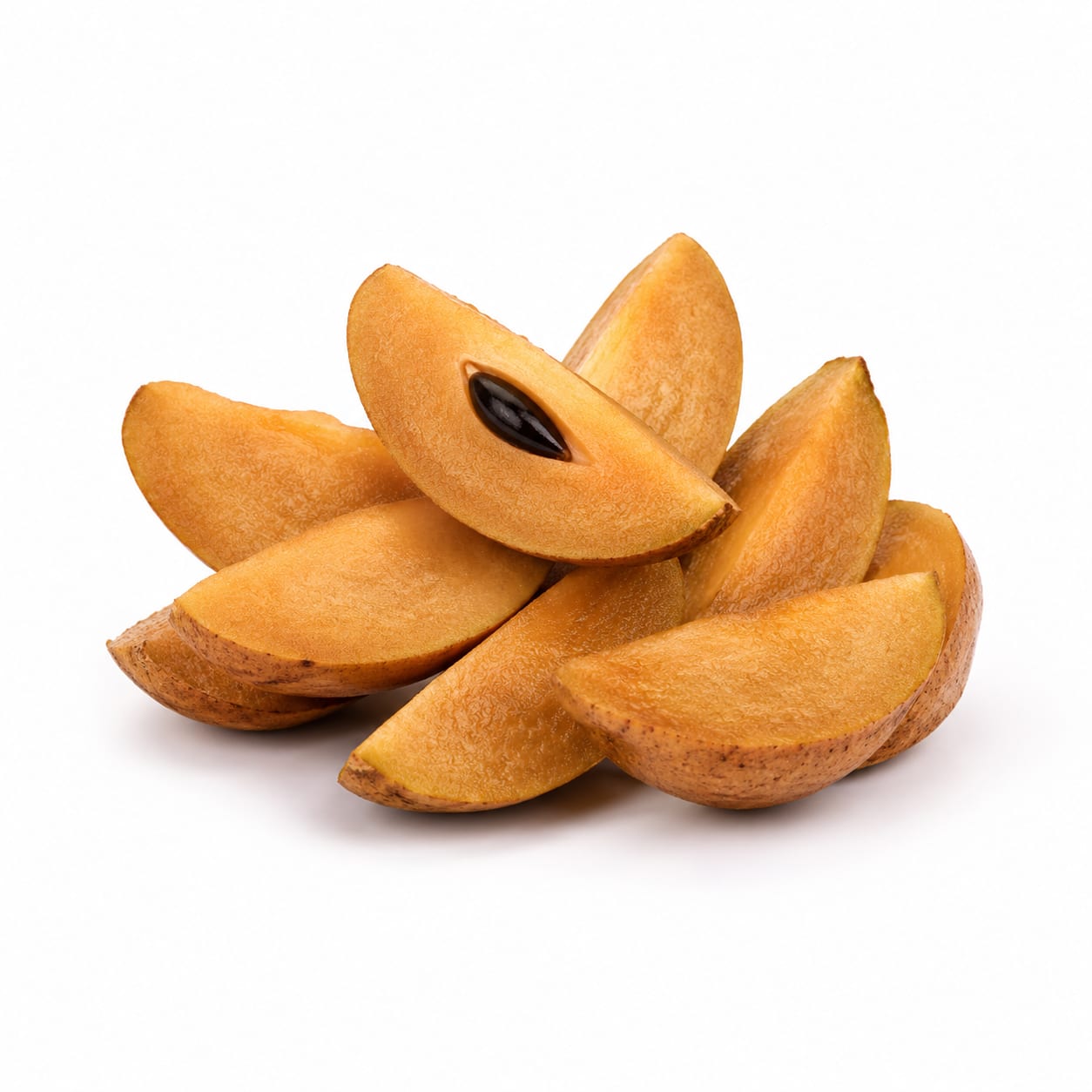
Sapodilla
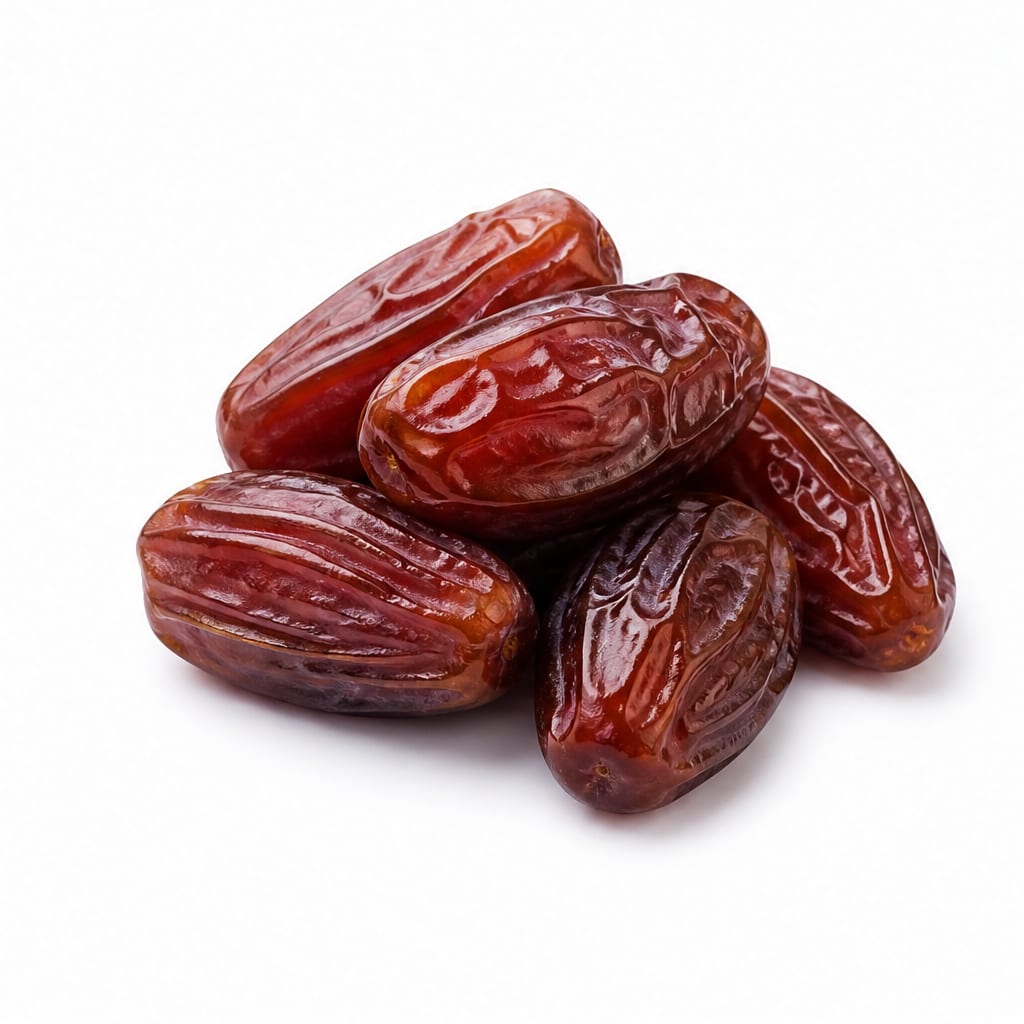
Dates
Sapodilla is the lighter, more everyday-friendly fruit with far fewer calories and sugar. Dates are a concentrated energy powerhouse better suited for specific moments like workouts or quick fuel.
Sapodilla scores higher for everyday health due to lower sugar and calorie density. Dates score well for specific use cases like athletic fuel and mineral intake but lose points for overconsumption risk and blood sugar impact.
You choose between sapodilla's gentle, lower-calorie sweetness and dates' intense energy density and mineral richness.
At a glance
Executive summary
Overall
It depends
Healthier
Sapodilla
More practical
Dates
Daily use
Sapodilla
Key comparison lenses
sugar and glycemic control
Both are naturally very sweet fruits, but dates are dramatically higher in sugar and calories, making blood sugar impact the central concern
weight management
Calorie density differs enormously between these two, directly affecting portion control and weight goals
energy and recovery
Dates are a classic quick-energy food while sapodilla offers slower, steadier energy release
nutrient density per calorie
Users want to know if the higher calories in dates actually buy them more nutrition
digestive health
Both fruits contain fiber but in different amounts and types, affecting gut health differently
Best choice for
Sapodilla
- People watching their weight or blood sugar
- Those wanting a satisfying sweet snack without the calorie bomb
- Anyone eating fruit casually throughout the day
- People who find dates too sweet or heavy
Dates
- Athletes needing quick pre- or post-workout energy
- People trying to gain weight healthily
- Hikers and endurance athletes needing portable fuel
- Anyone using natural sweeteners in smoothies or baking
Least suitable for
Sapodilla
- Athletes needing concentrated fast energy
- People trying to increase caloric intake
- Those who want long shelf life without refrigeration
Dates
- People with diabetes or insulin resistance
- Anyone strictly controlling calories
- Those prone to overeating sweet foods
- People on low-carb or keto diets
Deep comparison
Dimension by dimension
Each lens scores both foods and breaks down who each option suits.
- Dimension 1 · Priority 95Sapodilla
sugar_and_glycemic_impact
Sapodilla · 75Dates · 35Sapodilla has roughly half the sugar content per serving compared to dates, making it far gentler on blood sugar.
Tradeoff
Dates provide instant energy but at the cost of a significant blood sugar spike. Sapodilla delivers sweetness with a softer metabolic landing.
Why it matters
Frequent blood sugar spikes drive cravings, fatigue, and long-term metabolic risk. The difference here is not minor.
Real-world impact
Eating 3-4 dates feels like eating candy in terms of blood sugar response. A sapodilla feels more like eating a regular piece of fruit.
Sapodilla
- Steady energy without the crash
- Better blood sugar control
- Less likely to trigger sugar cravings after eating
Better for
- Not enough sugar for acute energy needs during intense exercise
Worse for
Dates
- Rapid energy when you need it fast
- Natural alternative to processed energy gels
Better for
- High glycemic load makes portion control critical
- Easy to overconsume because they are small and sweet
Worse for
- Dimension 2 · Priority 88Sapodilla
calorie_density_and_weight_management
Sapodilla · 82Dates · 40Sapodilla has roughly one-third the calories per gram compared to dates, making it far more weight-friendly.
Tradeoff
Dates pack massive calories into a tiny package. Great for weight gain, dangerous for mindless snacking.
Why it matters
A handful of dates can easily deliver 200+ calories before you feel full. Sapodilla's water content helps you feel satisfied with fewer calories.
Real-world impact
You could eat two whole sapodillas for the calories of just 3-4 dates. The satiety difference is enormous.
Sapodilla
- More volume per calorie, so you feel fuller
- Easier to include without tracking every bite
- Lower risk of accidental calorie surplus
Better for
- Not helpful when you genuinely need calorie density
Worse for
Dates
- Efficient calorie delivery for underweight individuals
- Compact energy source for backpacking or travel
Better for
- Very easy to overeat without realizing it
- Not suitable as a casual snacking fruit
Worse for
- Dimension 3 · Priority 78Dates
mineral_and_nutrient_density
Sapodilla · 55Dates · 82Dates are significantly richer in potassium, magnesium, copper, and manganese per serving.
Tradeoff
Dates deliver more minerals but you pay for them with far more sugar and calories. Sapodilla offers decent nutrition with a lighter metabolic cost.
Why it matters
Potassium and magnesium are commonly underconsumed minerals that support heart health, muscle function, and sleep quality.
Real-world impact
If you eat 3-4 dates, you get a meaningful chunk of your daily potassium and magnesium. With sapodilla, you get some vitamin C and fiber but fewer concentrated minerals.
Sapodilla
- More vitamin C per calorie
- Tannins with antioxidant properties
- Nutrition without the sugar overload
Better for
- Lower overall mineral content compared to dates
Worse for
Dates
- Superior potassium and magnesium content
- Good source of copper and manganese
- More iron per serving
Better for
- The mineral benefits come attached to a high sugar load
Worse for
- Dimension 4 · Priority 72Dates
fiber_and_digestive_health
Sapodilla · 65Dates · 78Dates contain more fiber per serving, which supports digestion and slows sugar absorption somewhat.
Tradeoff
Despite higher fiber, dates still deliver so much sugar that the fiber cannot fully buffer the glycemic impact. Sapodilla has less fiber but also far less sugar to buffer.
Why it matters
Fiber matters for gut health, satiety, and moderating blood sugar. But fiber quality matters as much as quantity.
Real-world impact
Dates can help with constipation and regularity. Sapodilla also supports digestion but through a lighter, gentler mechanism.
Sapodilla
- Easier on the stomach for sensitive digestion
- Less fermentable sugar load for gut comfort
Better for
- Lower total fiber content per serving
Worse for
Dates
- More total fiber per serving
- Well-known traditional remedy for constipation
- Fiber helps slow sugar absorption slightly
Better for
- High sugar can cause bloating in sensitive individuals despite the fiber
Worse for
- Dimension 5 · Priority 68Dates
convenience_and_shelf_stability
Sapodilla · 40Dates · 88Dates are shelf-stable for months, portable, and available year-round. Sapodilla is perishable and harder to find outside tropical regions.
Tradeoff
Dates win on convenience and availability. Sapodilla requires refrigeration and has a short ripe window.
Why it matters
The best fruit nutritionally is useless if you cannot access it or it spoils before you eat it.
Real-world impact
You can keep dates in your pantry for months and toss them in a bag for hiking. Sapodilla needs to be eaten within days of ripening and bruises easily.
Sapodilla
- Fresh whole fruit experience when available
- No sulfites or preservatives needed
Better for
- Short shelf life once ripe
- Difficult to find outside tropical and South Asian markets
- Bruises easily during transport
Worse for
Dates
- Months of shelf life without refrigeration
- Available globally year-round
- Easy to pack and carry anywhere
Better for
- Some commercial dates contain added sulfites or preservatives
Worse for
Timeline
Health impact over time
Short-term
Hours to days
Sapodilla
- Gentle blood sugar rise without sharp crash
- Mildly satisfying sweetness that does not trigger binge urges
- Soft, easy-to-digest flesh that sits comfortably in the stomach
Dates
- Rapid blood sugar spike providing quick energy but potential crash within an hour
- Immediate satiety from dense calories but possible hunger return after sugar drops
- Can cause bloating if eaten in large quantities due to concentrated sugar and fiber
Long-term
Months to years
Sapodilla
- Lower cumulative sugar exposure supports metabolic health over years
- Antioxidant tannins may offer mild anti-inflammatory benefits
- Easier to maintain healthy weight when used as a regular fruit option
Dates
- Excellent mineral intake supports bone density and cardiovascular function
- Regular high sugar exposure may increase metabolic risk if portions are not controlled
- Fiber supports long-term gut health and regularity
Risk profile
Safety & processing
Both are whole, natural fruits with minimal processing concerns. However, some commercially sold dates are treated with sulfites or lightly coated in oil to preserve moisture and appearance. Sapodilla is almost always sold fresh and untreated. Check labels on packaged dates.
Sapodilla
Perishability and spoilage
mediumSapodilla spoils quickly once ripe. Overripe fruit can ferment and cause stomach upset. Eat within 2-3 days of ripening.
Seed choking hazard
lowEach sapodilla contains 3-6 hard black seeds that must not be eaten. Particularly important with children.
Dates
Added sulfites in commercial varieties
mediumSome dried dates are treated with sulfur dioxide. People with sulfite sensitivity may experience headaches or allergic reactions. Choose unsulfured when possible.
Pit choking hazard
lowWhole dates with pits can be a choking risk for children and distracted eaters. Pitted dates eliminate this concern.
Mold on improperly stored dates
lowThough shelf-stable, dates can develop mold in humid conditions. Inspect before eating, especially bulk purchases.
Who wins for whom
Audience fit
Same foods, different winners depending on your goal.
children
SapodillaSapodilla is a gentler, less concentrated sweet treat for kids. Dates are fine in small amounts but their high sugar density makes overconsumption easy.
daily consumption
SapodillaSapodilla can be eaten daily as a regular fruit without much concern for calorie or sugar overload. Dates are better treated as a targeted energy tool rather than an everyday snack.
diabetes
SapodillaSapodilla has significantly less sugar per serving and a gentler glycemic impact. Dates can be eaten in strict moderation but require careful portion control.
elderly
It dependsDates help with constipation and provide concentrated minerals that elderly people often lack. Sapodilla is easier on blood sugar and digestion. Choose based on individual health priorities.
muscle gain
DatesDates provide quick carbs and potassium that support workout performance and recovery, plus more calories to fuel growth.
weight loss
SapodillaSapodilla provides sweet satisfaction at roughly one-third the calorie density of dates, making portion control far easier.
Your move
Decision guide
Choose Sapodilla
- You want a sweet fruit you can eat freely without calorie anxiety
- Blood sugar control is a priority for you
- You live in a region where sapodilla is readily available fresh
- You find dates overwhelmingly sweet or heavy
- You prefer eating whole fresh fruit over dried or concentrated fruit
Choose Dates
- You need portable, shelf-stable energy for hiking, running, or long workdays
- You are trying to gain weight or increase caloric intake healthily
- You want a natural sweetener for smoothies, oatmeal, or baking
- You need a quick pre-workout fuel source
- You struggle to get enough potassium or magnesium in your diet
Either works if
- You just want a naturally sweet whole food treat
- Both are available and you feel like mixing it up
- You have no specific metabolic concerns and enjoy variety
Avoid both if
- You are on a strict very-low-carb or ketogenic diet
- You have severe fructose intolerance
- You are controlling total sugar intake for specific medical reasons and need lower-sugar fruit options like berries
Final recommendation
Think of sapodilla as your everyday sweet fruit and dates as your targeted energy tool. If you eat fruit casually throughout the day, sapodilla is the safer default. If you need concentrated fuel for a specific purpose, dates deliver. The biggest mistake is treating dates like a casual snacking fruit — their calorie and sugar density demands intentionality.
Practical
Consumer tips
- 1
Buy unsulfured dates whenever possible to avoid unnecessary preservatives. Organic Medjool or Deglet Noor varieties are widely available without additives.
- 2
Sapodilla should yield slightly to pressure when ripe, similar to a peach. Hard sapodilla needs a few days at room temperature to soften.
- 3
Freeze pitted dates for longer storage. They thaw quickly and work well straight from the freezer in smoothies.
- 4
If you find dates too sweet, try pairing them with a handful of nuts. The fat and protein slow sugar absorption and make them more satisfying.
- 5
Sapodilla seeds must always be removed before eating. They are hard, slippery, and can crack teeth if bitten accidentally.
- 6
Limit dates to 2-3 per sitting unless you are deliberately fueling intense activity. It is very easy to eat 6-8 without feeling full.
- 7
Sapodilla pairs well with a squeeze of lime juice, which brightens its malty sweetness and adds vitamin C.