
Nutrition comparison
Sapodilla vs Guava: Which Tropical Fruit Is Healthier?
Compare Sapodilla and Guava nutrition including sugar, vitamin C, fiber, and calories. Find out which tropical fruit is better for weight loss, diabetes, and daily health.
Overall winner · Guava
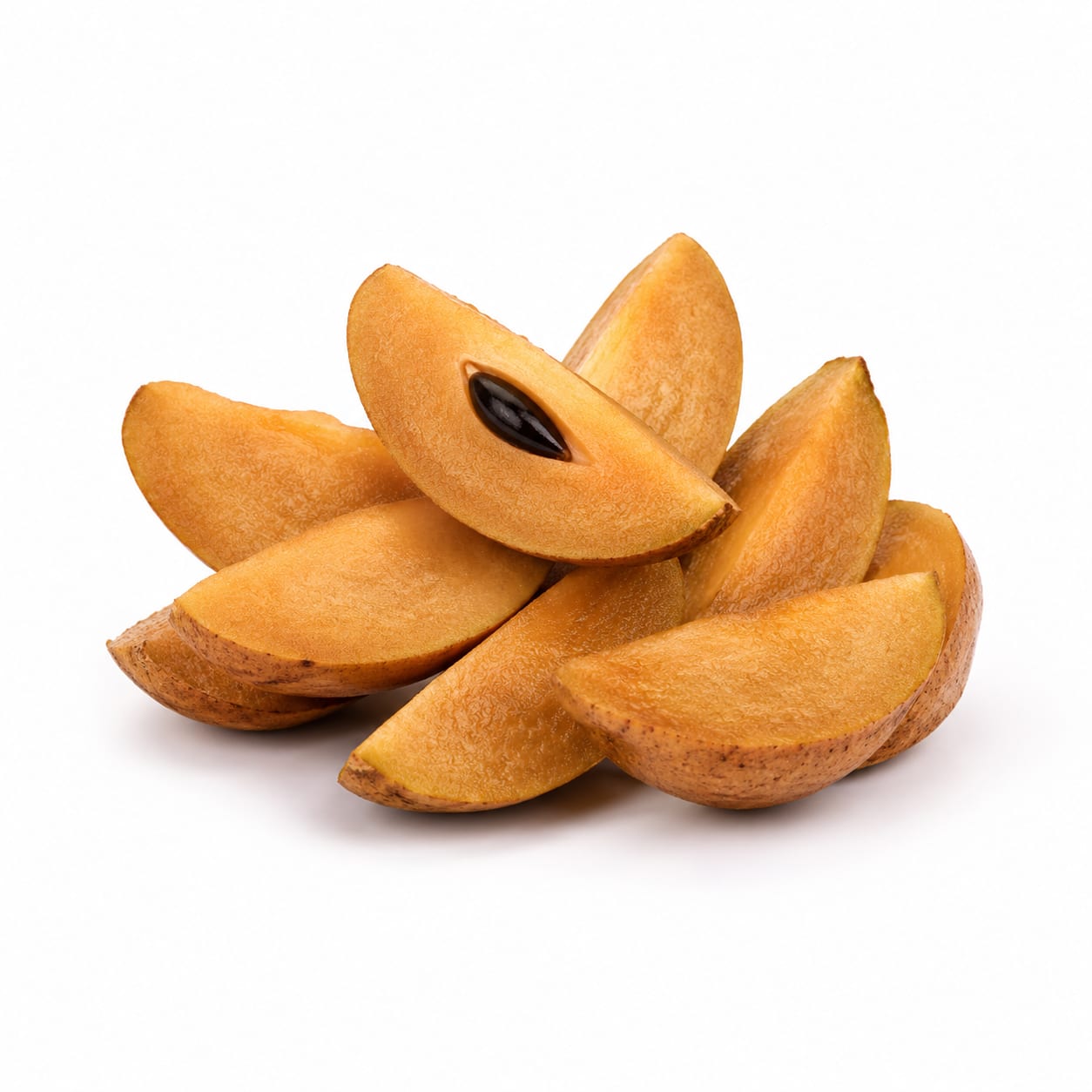
Sapodilla
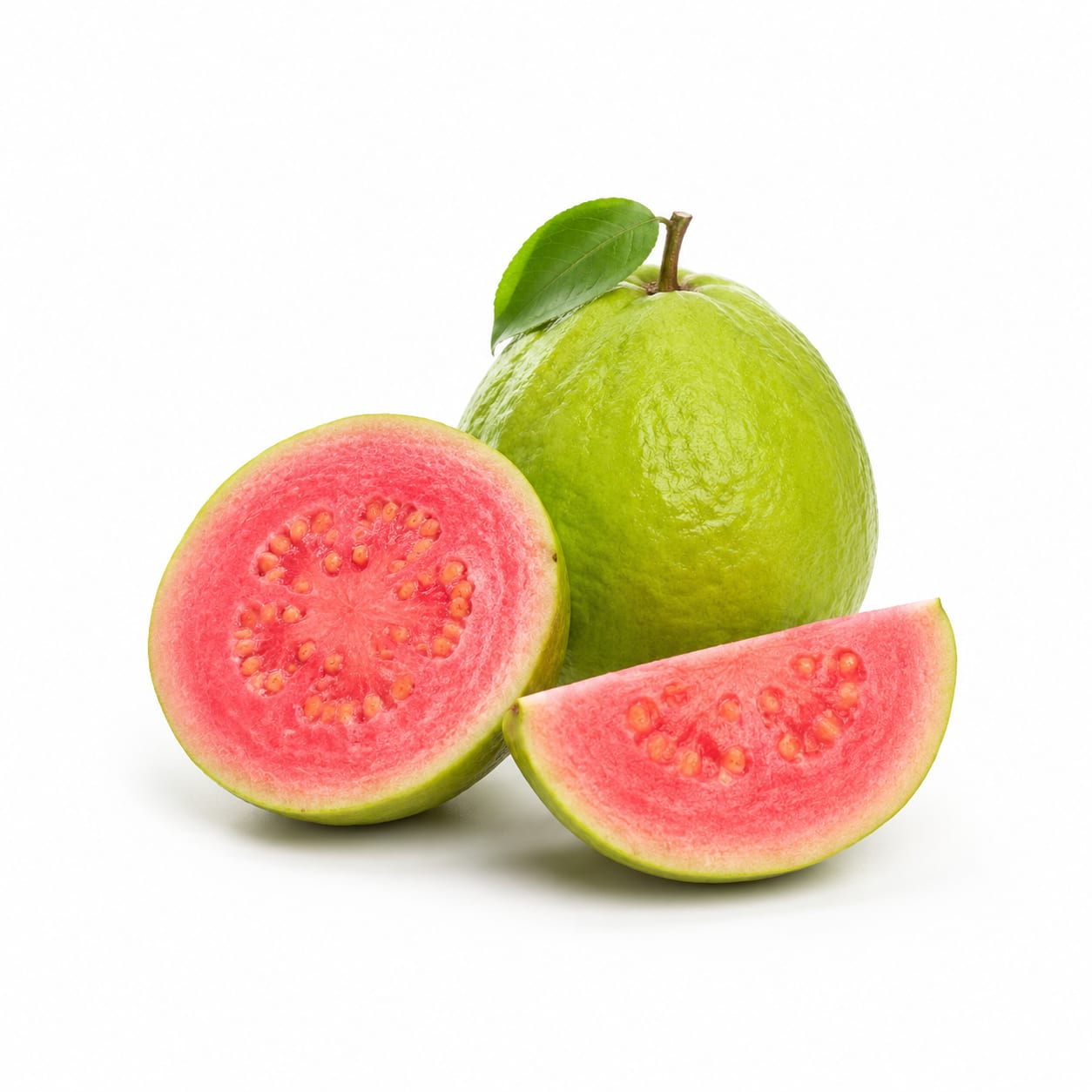
Guava
Guava delivers far more vitamin C, less sugar, and fewer calories per serving, making it the stronger everyday choice. Sapodilla wins on comforting sweetness and unique malty flavor but comes with a heavier sugar tradeoff.
Guava scores significantly higher due to its exceptional vitamin C content, lower sugar, and broader suitability for daily consumption. Sapodilla remains enjoyable but its higher sugar and calorie density narrow its ideal use cases.
Sapodilla offers a richer, more indulgent eating experience with its candy-like sweetness, while Guava provides superior nutrition density with a lighter, more versatile profile.
At a glance
Executive summary
Overall
Guava
Healthier
Guava
More practical
Guava
Daily use
Guava
Key comparison lenses
sugar and blood sugar management
Sapodilla is notably sweeter with higher sugar content, making this critical for diabetics and weight-conscious users
vitamin C and immunity
Guava is one of the richest vitamin C sources on earth while Sapodilla provides modest amounts
tropical fruit nutrition comparison
Both are tropical fruits often substituted for each other in smoothies and desserts
fiber and digestive health
Both fruits offer good fiber but with different digestive effects and tolerances
calorie density and weight management
Sapodilla's higher calorie and sugar load matters for daily snacking decisions
Best choice for
Sapodilla
- Natural sweet tooth satisfaction without processed sugar
- Comforting dessert-like fruit experience
- Traditional remedy use for digestive regularity
- High-calorie needs or healthy weight gain
Guava
- Daily immune support and vitamin C needs
- Blood sugar conscious snacking
- Weight management and low-calorie filling snacks
- Skin health and antioxidant protection
Least suitable for
Sapodilla
- Diabetics or insulin-resistant individuals
- Low-sugar or keto-style eating patterns
- Those monitoring calorie intake closely
- Anyone needing steady blood sugar control
Guava
- People who dislike tart or astringent flavors
- Those with very sensitive stomachs (seeds can irritate)
- Anyone seeking a rich, dessert-like fruit experience
- Regions where guava is hard to find fresh
Deep comparison
Dimension by dimension
Each lens scores both foods and breaks down who each option suits.
- Dimension 1 · Priority 92Guava
Sugar and Blood Sugar Impact
Sapodilla · 35Guava · 82Sapodilla contains roughly double the sugar of Guava, making it a spikier choice for blood sugar.
Tradeoff
Sapodilla's sweetness is its charm but also its nutritional liability. Guava satisfies with less glycemic disruption.
Why it matters
Steady blood sugar means steadier energy, fewer cravings, and better long-term metabolic health.
Real-world impact
A Sapodilla afternoon snack may leave you reaching for more food an hour later. Guava keeps you steadier.
Sapodilla
- Quick energy replenishment after intense exercise
- Satisfying a dessert craving with whole food instead of candy
Better for
- Insulin-resistant individuals
- Frequent sugar cravings or emotional eating patterns
Worse for
Guava
- Diabetics managing post-meal glucose
- Anyone avoiding afternoon energy crashes
- Consistent energy without the sugar rollercoaster
Better for
- Endurance athletes needing fast carbohydrate fuel
- Underweight individuals seeking calorie-dense fruit options
Worse for
- Dimension 2 · Priority 88Guava
Vitamin C and Immune Support
Sapodilla · 25Guava · 97Guava is a vitamin C powerhouse, delivering over 200mg per 100g. Sapodilla provides only a fraction of that.
Tradeoff
If immune support, skin health, or iron absorption is your priority, Guava is in a completely different league.
Why it matters
Vitamin C is essential for immunity, collagen production, and antioxidant defense. Most people do not get enough.
Real-world impact
One Guava can cover more than double your daily vitamin C needs. You would need several Sapodillas to match it.
Sapodilla
- Mild antioxidant contribution from tannins and vitamin A
Better for
- Anyone relying on fruit as a primary vitamin C source
- Recovery from illness when immune nutrients matter most
Worse for
Guava
- Daily immune system reinforcement
- Wound healing and collagen support
- Enhancing plant-based iron absorption at meals
- Skin health and anti-aging benefits
Better for
- Those with vitamin C sensitivity or oxalate kidney stone concerns
Worse for
- Dimension 3 · Priority 80Guava
Fiber and Digestive Health
Sapodilla · 68Guava · 85Both fruits are good fiber sources, but Guava edges ahead with more fiber per calorie and a broader fiber type profile.
Tradeoff
Sapodilla's soluble fiber is gentle and soothing, while Guava's mix of soluble and insoluble fiber is more effective for regularity but can bother sensitive stomachs.
Why it matters
Fiber controls appetite, supports gut bacteria, and stabilizes blood sugar. The type of fiber matters for tolerance.
Real-world impact
Guava with seeds provides excellent bowel regularity. Sapodilla offers gentler, more comforting digestive support.
Sapodilla
- Sensitive digestion that reacts to seeds or roughage
- Soothing constipation without irritation
- Traditional laxative-style gentle relief
Better for
- Those needing high fiber intake without excess calories
Worse for
Guava
- Maximum fiber per calorie for gut health
- Supporting diverse gut microbiome
- Feeling full longer on fewer calories
Better for
- IBS or diverticulitis sufferers who must avoid seeds
- People with very sensitive digestive tracts
Worse for
- Dimension 4 · Priority 78Guava
Calorie Density and Weight Management
Sapodilla · 40Guava · 85Guava provides more volume and nutrition per calorie, making it far more weight-friendly.
Tradeoff
Sapodilla is calorie-dense for a fruit, which is great for weight gain goals but challenging for weight loss.
Why it matters
Lower calorie density means you can eat more food, feel more satisfied, and still maintain or lose weight.
Real-world impact
You can eat nearly twice as much Guava by weight for the same calories as Sapodilla.
Sapodilla
- Healthy weight gain in older adults or recovering individuals
- Calorie-dense trail mix additions for hikers
Better for
- Calorie-restricted diets
- Mindless snacking situations where overeating is easy
Worse for
Guava
- Weight loss or maintenance snacking
- Volume eating strategies for fullness
- Replacing higher-calorie desserts with fruit
Better for
- High-calorie dietary needs
- Athletes in caloric surplus phases
Worse for
- Dimension 5 · Priority 75It depends
Antioxidant and Phytonutrient Profile
Sapodilla · 70Guava · 78Guava wins on vitamin C and lycopene (pink varieties), while Sapodilla offers unique tannins and polyphenols with anti-inflammatory potential.
Tradeoff
Different antioxidant profiles mean different protective benefits. Variety between both fruits is ideal.
Why it matters
Diverse antioxidants protect different body systems and reduce different types of cellular damage.
Real-world impact
Eating both fruits across the week gives broader antioxidant coverage than either alone.
Sapodilla
- Tannin-based anti-inflammatory benefits
- Traditional medicinal use for gut soothing
- Unique polyphenols not common in other fruits
Better for
- Those seeking well-researched antioxidant outcomes
Worse for
Guava
- Lycopene for prostate and heart health (pink varieties)
- Massive vitamin C antioxidant capacity
- Broader evidence base for disease prevention
Better for
- Those wanting tannin-specific anti-inflammatory compounds
Worse for
- Dimension 6 · Priority 72Sapodilla
Taste Satisfaction and Emotional Eating
Sapodilla · 88Guava · 65Sapodilla's rich, malty, brown-sugar flavor makes it feel like a treat. Guava is more polarizing with its tartness and seed texture.
Tradeoff
Sapodilla satisfies emotional eating urges better but drives more sugar consumption. Guava is an acquired taste that supports healthier patterns.
Why it matters
Food must be enjoyable to be sustainable. Emotional satisfaction prevents binge episodes.
Real-world impact
Sapodilla feels like dessert and can replace sweets. Guava feels more like a health food, which some love and others resist.
Sapodilla
- Replacing processed desserts with whole fruit
- Comfort eating that still provides real nutrients
- Sharing as a unique tropical treat with guests
Better for
- Triggering sugar cravings in sensitive individuals
- Difficulty stopping at one serving due to sweetness
Worse for
Guava
- Those who enjoy tart, refreshing flavors
- Palates that prefer lighter, cleaner-tasting fruit
- Adding to savory dishes and salads
Better for
- Picky eaters unaccustomed to tart tropical flavors
- Seed texture aversion in children or texture-sensitive adults
Worse for
Timeline
Health impact over time
Short-term
Hours to days
Sapodilla
- Quick energy boost from natural sugars
- Gentle digestive soothing from soluble fiber
- Possible blood sugar spike followed by mild crash
- Satisfied sweet craving without processed alternatives
Guava
- Noticeable satiety from high fiber content
- Steadier energy without sugar spike and crash
- Possible mild stomach irritation from seeds in sensitive individuals
- Immediate vitamin C replenishment
Long-term
Months to years
Sapodilla
- Potential weight gain if eaten frequently in excess
- Consistent antioxidant support from tannins and polyphenols
- Risk of elevated blood sugar with daily heavy consumption
- Improved bowel regularity from consistent fiber intake
Guava
- Stronger immune resilience from exceptional vitamin C intake
- Better weight maintenance due to low calorie density
- Improved skin elasticity and collagen integrity
- Reduced chronic disease risk from lycopene and diverse antioxidants
Risk profile
Safety & processing
Both Sapodilla and Guava are whole, minimally processed tropical fruits typically eaten fresh. Neither carries meaningful additive concerns in their natural form. Watch for added sugars in packaged Sapodilla products like jams or dried slices.
Sapodilla
Latex-like sap irritation
lowUnripe Sapodilla contains saponins and tannins that can cause mouth and throat irritation. Always eat fully ripe fruit.
Black seeds choking hazard
mediumEach Sapodilla contains 3-6 hard black seeds that must be avoided, especially dangerous for young children.
Pesticide residue on imported fruit
mediumImported Sapodilla may carry higher pesticide residues. Wash thoroughly or choose organic when available.
Guava
Seed-related digestive irritation
lowGuava seeds are generally safe but can aggravate diverticulitis or sensitive bowels in some individuals.
Fruit fly and pest contamination
lowGuava's strong aroma attracts fruit flies. Inspect fruit carefully and avoid damaged or overripe specimens.
Pesticide residue on conventionally grown fruit
mediumGuava is often sprayed heavily in commercial production. Organic is preferable when possible.
Who wins for whom
Audience fit
Same foods, different winners depending on your goal.
children
GuavaGuava's milder flavor and softer texture (without seeds) work better for kids. Sapodilla's hard black seeds are a genuine choking hazard for young children.
daily consumption
GuavaGuava's nutrient density, low sugar, and broad health benefits make it sustainable as a daily fruit. Sapodilla is better enjoyed as an occasional treat.
diabetes
GuavaGuava's lower sugar content and higher fiber ratio make it significantly safer for blood sugar management. Sapodilla's sweetness poses a real glucose challenge.
elderly
GuavaGuava supports immune health, bone density, and digestion with less sugar impact. Sapodilla's seeds and higher sugar make it less ideal for aging bodies.
muscle gain
It dependsNeither fruit is a protein source. Sapodilla offers slightly more post-workout carbs for glycogen replenishment, while Guava's vitamin C aids exercise recovery.
weight loss
GuavaGuava provides more volume and fiber per calorie, keeping you full longer without the sugar load that Sapodilla carries.
Your move
Decision guide
Choose Sapodilla
- You are craving something sweet and want a whole-food alternative to candy or dessert
- You need calorie-dense fruit for healthy weight gain or hiking fuel
- You love rich, malty, brown-sugar flavors in fruit
- You are using traditional remedies for mild constipation
- You have no blood sugar concerns and want a comforting tropical experience
Choose Guava
- You want maximum nutrition per calorie from your fruit
- Blood sugar management or diabetes prevention is a priority
- You are focused on immune support, skin health, or antioxidant intake
- You need a filling, low-calorie snack for weight management
- You want a versatile fruit that works in smoothies, salads, and savory dishes
Either works if
- You want tropical fruit variety and can rotate both across the week
- You have no specific health restrictions and enjoy both flavors
- You are building a diverse antioxidant portfolio from whole foods
Avoid both if
- You have a known allergy to tropical fruits or latex-fruit syndrome
- You are on a strict very-low-carb or ketogenic diet
- You cannot access fresh versions and only find heavily sweetened canned products
Final recommendation
Make Guava your daily tropical fruit for its unmatched vitamin C, lower sugar, and weight-friendly profile. Save Sapodilla for moments when you want a naturally sweet, comforting treat. Eating both across the week gives you the best of both worlds: Guava for daily nutrition and Sapodilla for joyful indulgence.
Practical
Consumer tips
- 1
Choose Sapodilla that yields slightly to pressure like a ripe pear. Hard fruit will be astringent and unpleasant.
- 2
Pick Guava that gives slightly and smells fragrant at the stem end. Avoid rock-hard or bruised fruit.
- 3
Remove all Sapodilla seeds before serving to children. The hard black seeds are a real choking risk.
- 4
If blood sugar is a concern, pair Sapodilla with a protein or fat source like nuts to slow glucose absorption.
- 5
Pink Guava varieties contain more lycopene than white ones. Choose pink for heart and prostate benefits.
- 6
Freeze Guava chunks for a refreshing hot-weather snack that rivals any processed frozen treat.
- 7
Wash both fruits thoroughly. Conventional tropical fruits often carry significant pesticide residues.
- 8
If Sapodilla is unripe, let it ripen at room temperature in a paper bag for 2-3 days until soft.