
Nutrition comparison
Sapodilla vs Persimmon: Which Sweet Fruit Is Healthier for You?
Compare sapodilla and persimmon on sugar, fiber, vitamins, and blood sugar impact. Find out which tropical fruit better fits your health goals and lifestyle.
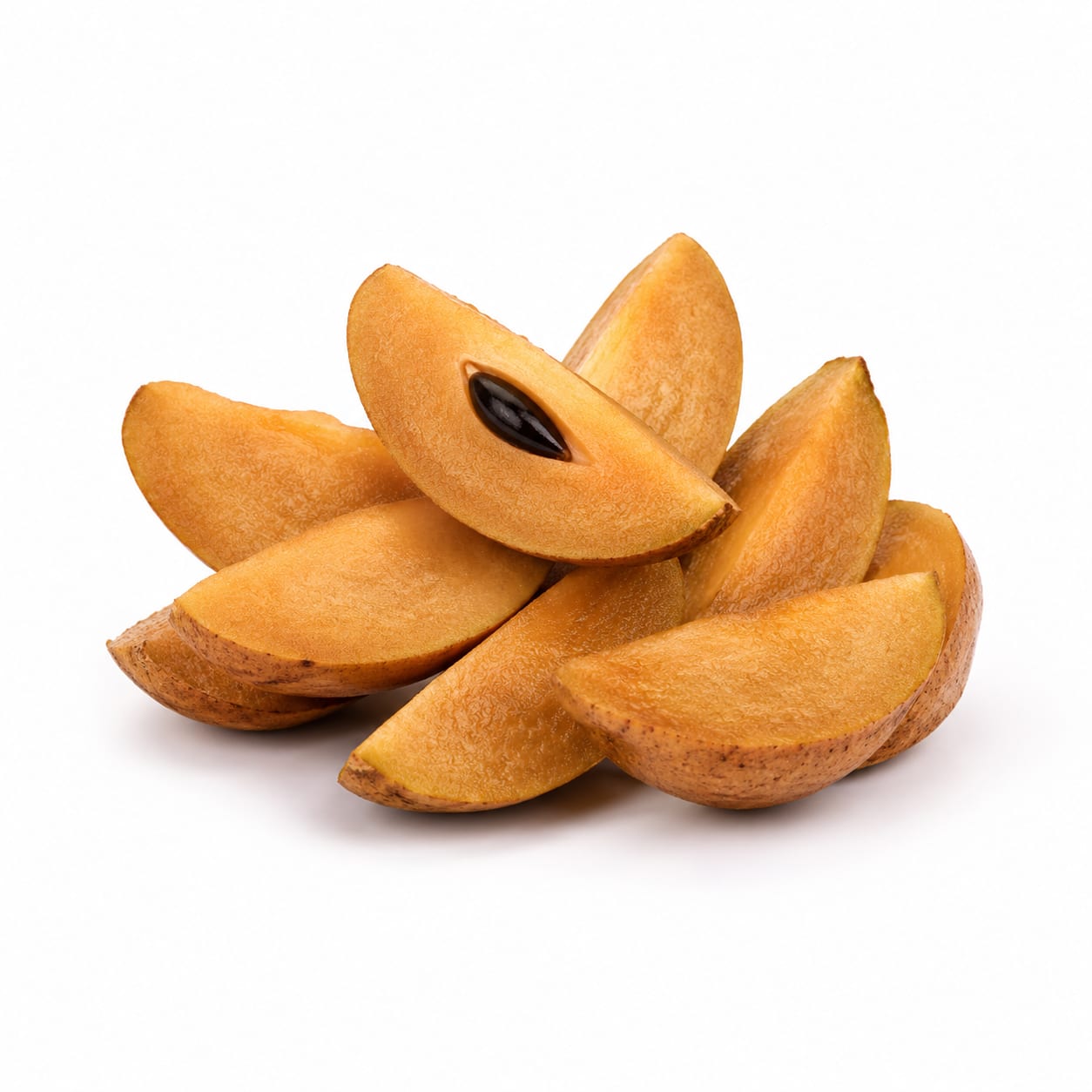
Sapodilla
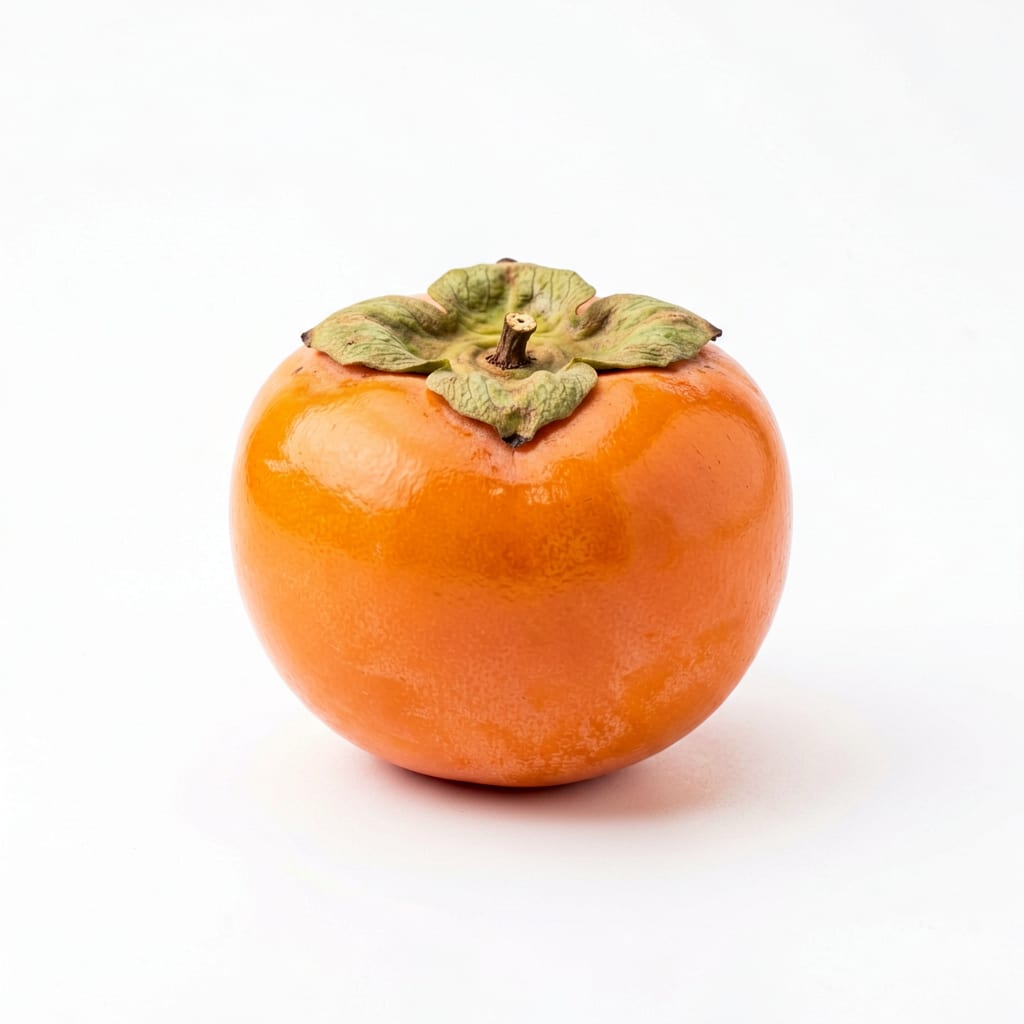
Persimmon
Persimmon wins on micronutrient density and lower sugar load, but sapodilla offers more fiber and a uniquely comforting sweetness that satisfies with less volume.
Persimmon scores higher due to superior micronutrient density, lower sugar content, and broader availability. Sapodilla remains a strong choice for fiber and satisfaction but its higher sugar load and limited accessibility narrow its everyday appeal.
Persimmon delivers more vitamin A and antioxidants with less sugar, while sapodilla provides more filling fiber and a richer, malt-like sweetness that feels more dessert-like.
At a glance
Executive summary
Overall
It depends
Healthier
Persimmon
More practical
Persimmon
Daily use
Persimmon
Key comparison lenses
blood sugar management
Both fruits are notably sweet tropical options with significant sugar content, making glycemic impact a primary concern for most users
antioxidant and micronutrient density
Persimmon is exceptionally rich in beta-carotene and unique tannins, while sapodilla offers different antioxidant compounds, creating a meaningful nutritional tradeoff
digestive tolerance and comfort
Both fruits contain tannins that can cause digestive issues if consumed unripe or in excess, a practical concern many users overlook
weight management suitability
Calorie and sugar density differ enough to matter for anyone tracking intake or managing cravings
availability and everyday practicality
Sapodilla is harder to find outside tropical regions, while persimmon has broader seasonal availability in temperate markets
Best choice for
Sapodilla
- People seeking high-fiber fruit to stay full longer
- Those wanting a natural dessert substitute that feels indulgent
- Anyone needing constipation relief from a whole food source
- Tropical fruit enthusiasts looking for novel flavors
Persimmon
- People managing blood sugar who still want sweet fruit
- Anyone prioritizing vitamin A and eye health
- Those seeking anti-inflammatory antioxidants from fruit
- Consumers wanting a fruit that is easier to find in stores
Least suitable for
Sapodilla
- People strictly limiting sugar intake
- Those with diabetes who need low-glycemic options
- Anyone outside tropical regions where sapodilla is rare or expensive
- People sensitive to high tannin intake
Persimmon
- People prone to digestive blockage from tannin-rich foods when unripe persimmons are consumed
- Those who dislike astringent flavors if buying the wrong variety
- Anyone with latex-fruit allergy cross-reactivity
Deep comparison
Dimension by dimension
Each lens scores both foods and breaks down who each option suits.
- Dimension 1 · Priority 92Persimmon
sugar content and blood sugar impact
Sapodilla · 45Persimmon · 62Sapodilla packs significantly more sugar per serving, making it the riskier choice for blood sugar management.
Tradeoff
Sapodilla's sweetness is more satisfying but comes with a steeper glycemic cost. Persimmon is sweeter than it tastes numerically because its tannins mask sugar perception.
Why it matters
For anyone monitoring glucose, prediabetic, or simply trying to avoid afternoon energy crashes, the sugar difference between these two fruits is meaningful.
Real-world impact
Eating sapodilla on an empty stomach may cause a quicker blood sugar spike followed by a crash. Persimmon, especially firmer varieties, releases energy more gradually.
Sapodilla
- Athletes needing quick carbohydrate energy after intense exercise
- People trying to gain healthy weight who welcome calorie density
Better for
- Diabetics who need tight glycemic control
- People prone to sugar-driven cravings and overeating
Worse for
Persimmon
- People with insulin resistance or prediabetes
- Anyone trying to reduce overall sugar intake without eliminating fruit
Better for
- Those who assume all persimmons are low-sugar and overconsume ripe Hachiya varieties
Worse for
- Dimension 2 · Priority 85Sapodilla
fiber and digestive fullness
Sapodilla · 78Persimmon · 65Sapodilla provides noticeably more fiber per serving, making it more filling and better for regularity.
Tradeoff
More fiber means sapodilla keeps you satisfied longer, but both fruits carry tannin-related digestive risks if eaten unripe or in large quantities.
Why it matters
Fiber is the difference between a snack that holds you for two hours versus one that leaves you hungry again in 45 minutes.
Real-world impact
A single sapodilla can function as a legitimate between-meal snack that curbs hunger. Persimmon feels lighter and may leave you reaching for something else sooner.
Sapodilla
- People dealing with constipation who want a food-based remedy
- Anyone trying to reduce snacking frequency between meals
Better for
- People with irritable bowel syndrome who are sensitive to fermentable fibers
Worse for
Persimmon
- Those who prefer lighter snacks that do not feel heavy in the stomach
Better for
- Anyone eating unripe astringent persimmons, which can form dangerous digestive bezoars
Worse for
- Dimension 3 · Priority 85Persimmon
vitamin and antioxidant density
Sapodilla · 58Persimmon · 88Persimmon is a micronutrient powerhouse, especially for vitamin A, while sapodilla offers a more modest nutritional profile.
Tradeoff
Persimmon delivers dramatically more beta-carotene and unique proanthocyanidins. Sapodilla has decent vitamin C and some antioxidants but cannot compete on overall micronutrient density.
Why it matters
Vitamin A supports vision, immune function, and skin health. Getting it from whole fruit is far more beneficial than supplements.
Real-world impact
Regular persimmon consumption during season can meaningfully contribute to your daily vitamin A needs in a way sapodilla simply cannot match.
Sapodilla
- People who already get ample vitamin A from other sources like carrots or sweet potatoes
Better for
- Anyone relying on fruit as a primary micronutrient source
Worse for
Persimmon
- Anyone wanting to boost eye health through diet
- People seeking anti-inflammatory antioxidants from a whole food source
- Those who do not eat many orange vegetables and need a vitamin A source
Better for
- People taking vitamin A supplements who risk excess intake, though this is rare from food alone
Worse for
- Dimension 4 · Priority 75Persimmon
anti-inflammatory potential
Sapodilla · 55Persimmon · 78Persimmon contains well-studied anti-inflammatory compounds including catechins and gallocatechins that sapodilla lacks in comparable amounts.
Tradeoff
Persimmon's tannins are a double-edged sword: anti-inflammatory at moderate doses but potentially irritating in excess.
Why it matters
Chronic inflammation underlies most lifestyle diseases. Choosing foods that actively reduce it compounds benefits over years.
Real-world impact
Eating persimmon regularly during fall and winter may help reduce systemic inflammation markers, complementing other anti-inflammatory dietary choices.
Sapodilla
- People who tolerate tannins poorly and find persimmon astringent even when ripe
Better for
- Those specifically seeking documented anti-inflammatory food sources
Worse for
Persimmon
- Anyone with inflammatory conditions looking for dietary support
- People following an anti-inflammatory eating pattern
Better for
- People with sensitive stomachs who experience irritation from tannin-rich foods
Worse for
- Dimension 5 · Priority 70Persimmon
availability and practical convenience
Sapodilla · 40Persimmon · 72Persimmon is far easier to find in mainstream grocery stores across North America, Europe, and East Asia. Sapodilla remains a specialty item outside tropical regions.
Tradeoff
Broader availability means persimmon is more likely to become a regular dietary habit. Sapodilla's rarity makes it a treat rather than a staple for most people.
Why it matters
The healthiest food is the one you can actually buy and eat consistently. Availability directly determines long-term adherence.
Real-world impact
Most consumers can find persimmons at a regular supermarket for several months each year. Sapodilla often requires specialty Asian or Latin markets, limiting spontaneous purchase.
Sapodilla
- People living in South Asia, Southeast Asia, or Central America where sapodilla is common and affordable
- Anyone with access to tropical fruit markets or home-grown trees
Better for
- Anyone relying on standard supermarkets in non-tropical regions
Worse for
Persimmon
- Most consumers in temperate climates
- People who value being able to find their fruit at any major grocery chain
Better for
- People outside persimmon's seasonal window who want fresh fruit, though dried persimmons are available year-round
Worse for
- Dimension 6 · Priority 72Sapodilla
satiety and craving control
Sapodilla · 74Persimmon · 60Sapodilla's denser texture, higher fiber, and richer sweetness make it more satisfying per piece, reducing the urge to keep snacking.
Tradeoff
That same density means sapodilla is easier to overeat calorically. Persimmon's lighter mouthfeel naturally limits portion size but may leave you wanting more.
Why it matters
A snack that actually satisfies prevents the cascade of grazing that undermines healthy eating intentions.
Real-world impact
One sapodilla often feels like a complete snack. One persimmon may feel like a light appetizer, especially the smaller Fuyu variety.
Sapodilla
- People who tend to overeat because snacks do not feel satisfying enough
- Anyone replacing a dessert craving with fruit
Better for
- People who struggle with portion control around sweet foods
Worse for
Persimmon
- Those who prefer grazing on lighter foods throughout the day
Better for
- Anyone who finds that eating fruit alone triggers more hunger rather than reducing it
Worse for
Timeline
Health impact over time
Short-term
Hours to days
Sapodilla
- Quick energy boost from natural sugars, especially noticeable on an empty stomach
- Improved bowel regularity within hours due to high fiber content
- Potential stomach discomfort if eaten unripe due to concentrated tannins and latex-like sap
Persimmon
- Moderate energy without sharp blood sugar spikes when eating firmer Fuyu varieties
- Mild astringency that can dry the mouth if persimmon is not fully ripe
- Risk of forming a digestive bezoar if unripe astringent persimmons are consumed in quantity, especially on an empty stomach
Long-term
Months to years
Sapodilla
- Consistent fiber intake supports gut microbiome diversity and colorectal health
- Chronic high sugar intake from frequent sapodilla consumption could contribute to insulin resistance if not balanced with lower-sugar foods
- Antioxidant compounds may offer modest cellular protection over years of regular consumption
Persimmon
- Sustained vitamin A intake supports vision preservation and immune resilience with age
- Proanthocyanidins and catechins contribute to cardiovascular health and reduced inflammatory markers over time
- Regular consumption as part of a varied diet may lower oxidative stress without excessive caloric load
Risk profile
Safety & processing
Both sapodilla and persimmon are whole, unprocessed fruits typically eaten fresh. Neither carries meaningful additive concerns in their natural form. The only processing risk comes from dried or preserved versions, which may contain added sugars or sulfites.
Sapodilla
Tannin-related digestive discomfort
mediumUnripe sapodilla contains high tannin levels and a latex-like sap that can irritate the mouth and throat, and cause nausea or constipation if consumed in quantity.
Seed choking hazard
mediumSapodilla contains 3-6 hard black seeds that are easy to accidentally bite into or swallow, posing a choking risk especially for children.
Pesticide residue on imported fruit
lowImported sapodilla may carry pesticide residues depending on country of origin and agricultural practices, though data is limited compared to major commercial fruits.
Persimmon
Bezoar formation from unripe astringent persimmons
highUnripe Hachiya persimmons contain extremely high tannin levels that can coagulate in the stomach, especially when eaten with protein-rich foods, forming a phytobezoar that may require surgical removal.
Latex-fruit syndrome cross-reactivity
mediumPeople with latex allergies may react to persimmon due to cross-reactive proteins, experiencing oral allergy symptoms or more severe reactions.
Interaction with certain medications
lowPersimmon's tannins can theoretically interfere with absorption of some medications if consumed simultaneously, similar to tea tannins.
Who wins for whom
Audience fit
Same foods, different winners depending on your goal.
children
PersimmonPersimmon is easier to portion, has no hard seeds to choke on, and its milder sweetness is less likely to reinforce extreme sugar preferences. Fuyu varieties are especially kid-friendly.
daily consumption
PersimmonLower sugar load, better micronutrient profile, and wider availability make persimmon the more sustainable daily fruit choice for most people.
diabetes
PersimmonPersimmon's lower sugar content and higher tannin levels slow glucose absorption, making it the safer occasional fruit choice for people managing diabetes.
elderly
PersimmonPersimmon's softer texture when ripe, vitamin A content for aging eyes, and anti-inflammatory properties make it more appropriate for older adults, provided they avoid unripe astringent varieties.
muscle gain
It dependsNeither fruit is a meaningful protein source. Sapodilla offers slightly more quick carbs for post-workout glycogen replenishment, but the difference is marginal.
weight loss
PersimmonPersimmon provides strong sweetness satisfaction with fewer calories and less sugar per serving, making it easier to fit into a calorie-controlled plan.
Your move
Decision guide
Choose Sapodilla
- You live in a region where sapodilla is affordable and fresh
- You want a fiber-rich fruit that genuinely fills you up between meals
- You are looking for a natural alternative to dessert that feels indulgent
- You need quick carbohydrate energy after intense physical activity
- You struggle with constipation and want a food-based approach
Choose Persimmon
- You want maximum micronutrient value per calorie from your fruit
- You are monitoring blood sugar or trying to reduce overall sugar intake
- You value anti-inflammatory and antioxidant benefits from whole foods
- You want a fruit you can actually find at your local grocery store
- You are concerned about eye health and want more vitamin A in your diet
Either works if
- You simply want a sweet whole fruit instead of processed dessert
- You are rotating through different fruits for dietary variety
- You have no specific health restrictions and enjoy both flavors
Avoid both if
- You are on a strict very-low-carb or ketogenic diet
- You have severe tannin sensitivity that causes digestive distress from both fruits
- You have a latex-fruit allergy that triggers reactions to persimmon and potentially sapodilla
Final recommendation
For most people, persimmon is the more practical and nutritionally advantageous choice, especially if you can find Fuyu varieties that are sweet without astringency. Choose sapodilla when you want something more filling and dessert-like, or when you have reliable access to fresh fruit and are not worried about sugar content. Both are far better than processed sweets, so the best choice is whichever one you will actually eat regularly.
Practical
Consumer tips
- 1
For persimmon, learn the difference between Fuyu (short, squat, non-astringent, can be eaten crisp) and Hachiya (tall, pointed, extremely astringent until fully soft). Buying the wrong variety leads to a terrible first experience.
- 2
Never eat an unripe astringent persimmon on an empty stomach. The tannin concentration can cause serious digestive blockage requiring medical intervention.
- 3
Sapodilla should yield slightly to pressure when ripe, similar to a ripe pear. Hard sapodilla will be tannic and unpleasant.
- 4
Both fruits freeze well. Peel and portion sapodilla or persimmon before freezing for smoothies later.
- 5
If you find sapodilla too sweet, pair it with a handful of unsalted nuts. The fat and protein slow sugar absorption and make it a more balanced snack.
- 6
Dried persimmon is delicious but significantly more sugar-dense than fresh. Treat it as candy, not a free-pass fruit.
- 7
Always remove sapodilla seeds before serving to children. They are hard, smooth, and an underappreciated choking hazard.